Introduction: Education at a Crossroads
Rapid change: Technology is transforming teaching faster than ever before. What seemed cutting-edge just five years ago is now commonplace in classrooms worldwide.
📊 Historical Context: The Acceleration of Educational Technology
1950s: Chalkboards and textbooks 1980s: Overhead projectors 2000s: Computers in classrooms 2010s: iPads and Chromebooks 2020s: AI and personalized learning Pattern: Each decade brings more transformative change than the previous one
Key question: What will teaching look like in 2030? In 2040? How can educators prepare for a future that's evolving faster than ever?
This article explores:
- Emerging technologies reshaping education
- Pedagogical shifts driven by AI and data
- The evolving role of traditional and digital tools
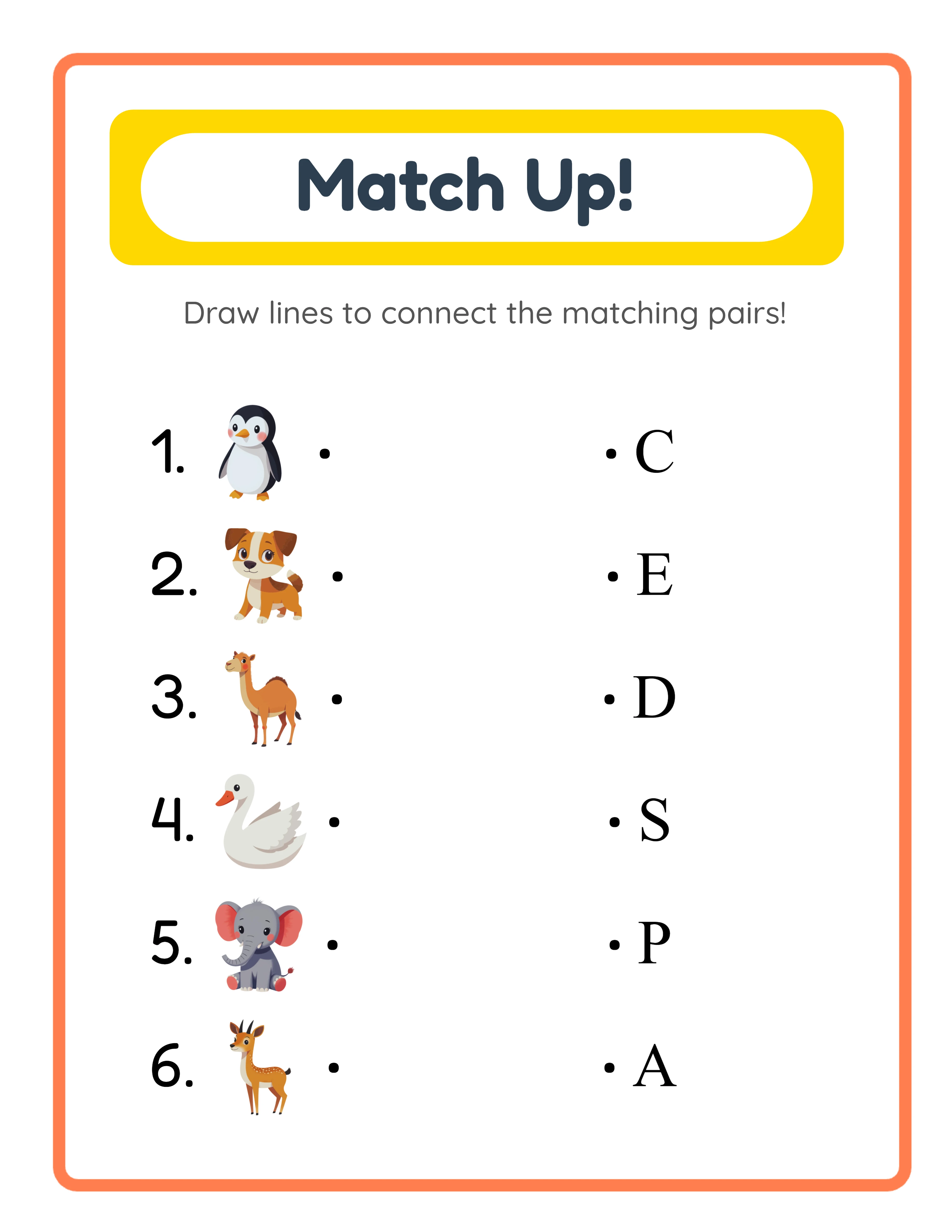
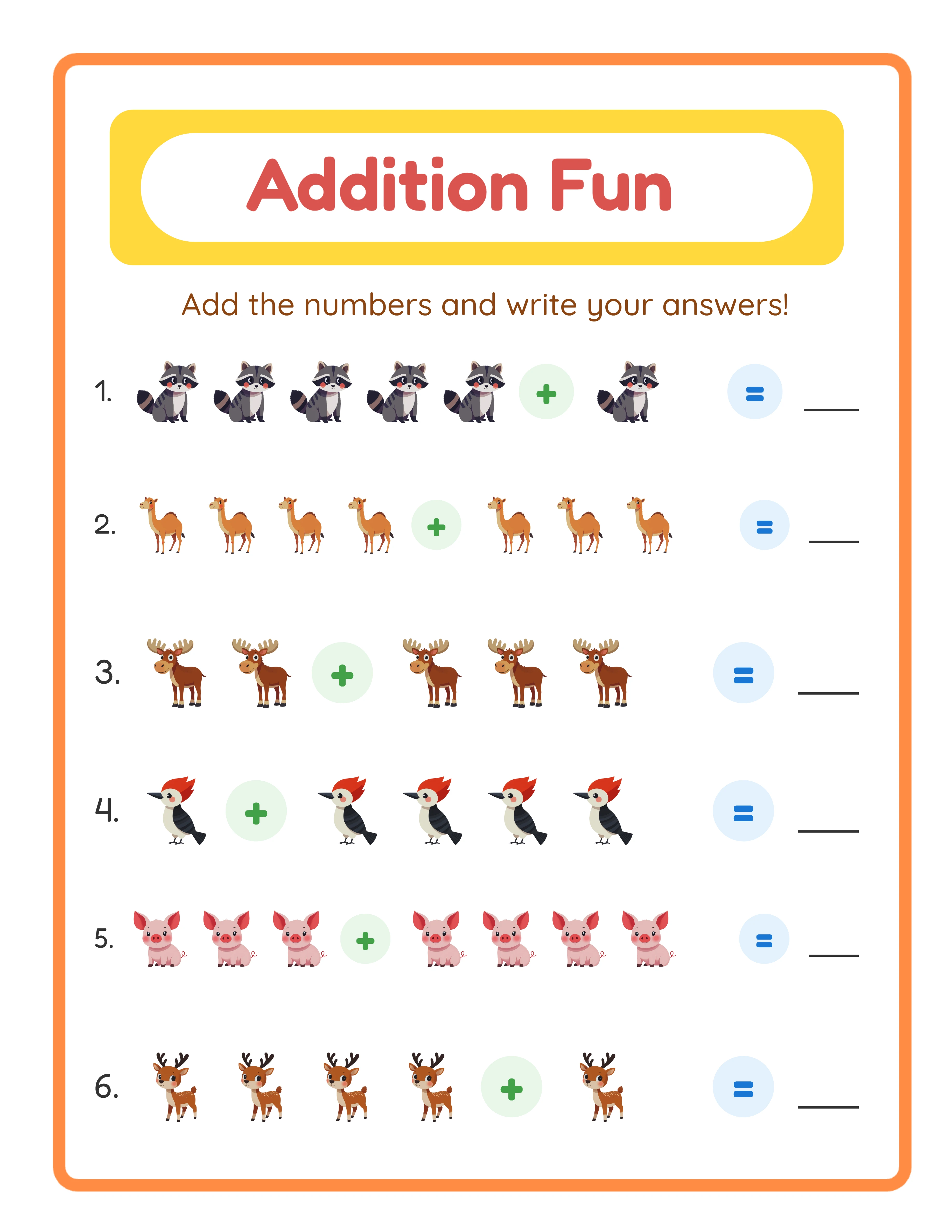
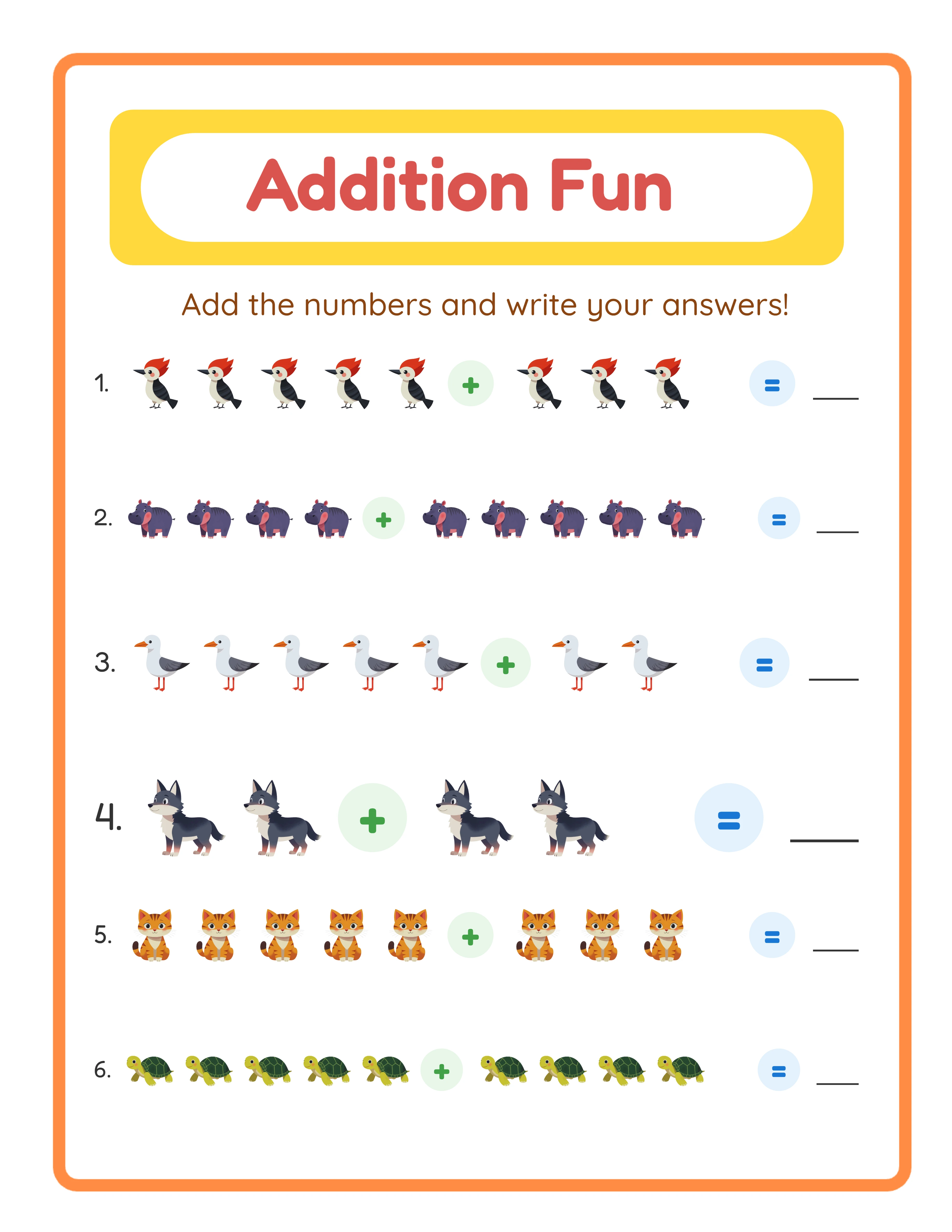
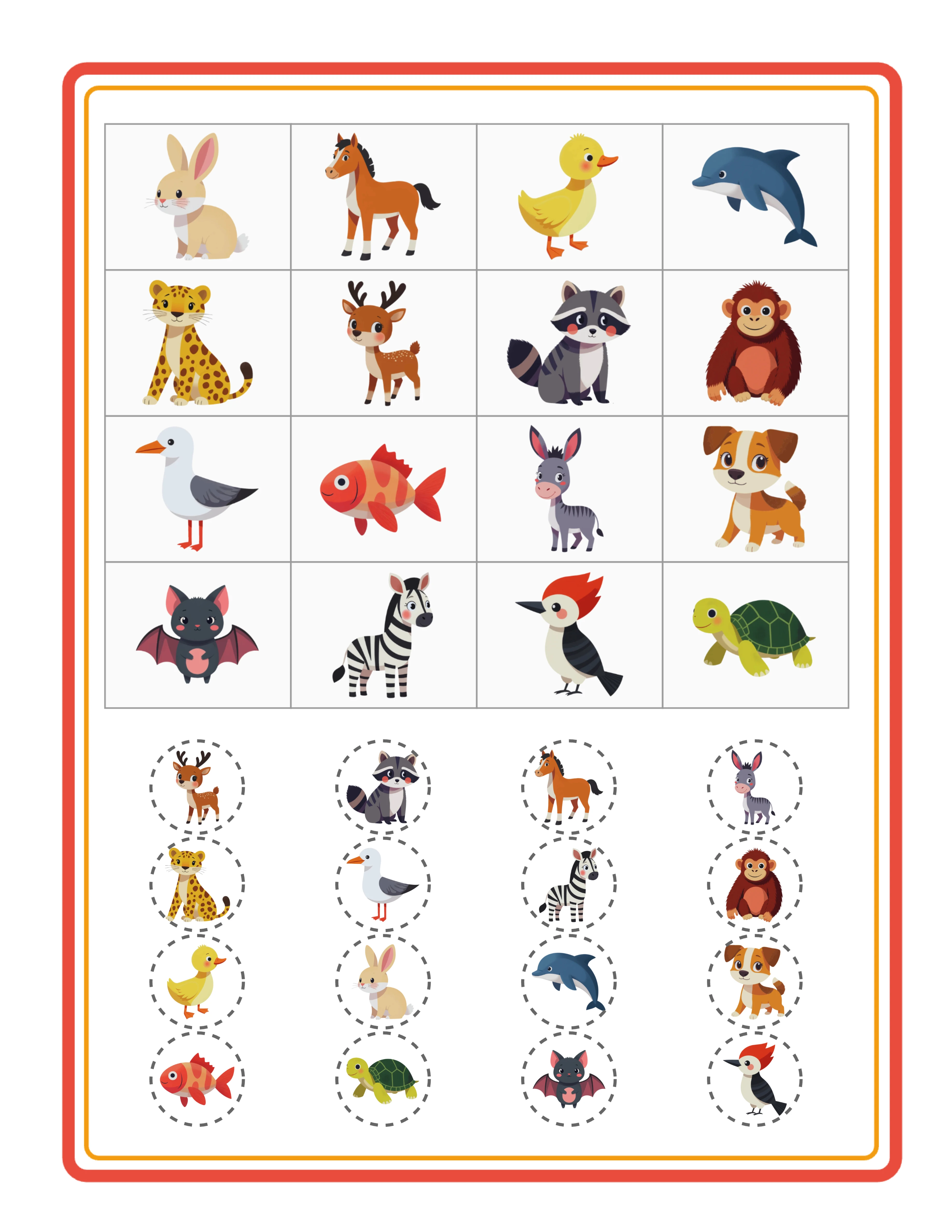
- How worksheets adapt (not disappear) in the digital age
Trend 1: AI-Powered Personalization
Artificial intelligence adapts to each student's unique learning needs
Current State (2025)
Early AI applications are already making waves in education:
Examples of AI in Education: • Khan Academy's Khanmigo (AI tutor) • Duolingo (adaptive language learning) • IXL (adaptive math practice) Current Capabilities: ✓ Identify knowledge gaps automatically ✓ Adjust difficulty in real-time ✓ Provide instant feedback ✓ Track progress over time Limitation: Expensive subscriptions, not always aligned to specific curriculum
Future State (2030)
🤖 Predicted AI Advancements
AI integration everywhere:
- Every worksheet generated with AI recommendations based on student data
- "Student X needs fractions practice at 3rd grade level" → AI suggests specific worksheet instantly
- Real-time adaptation: If student struggles, AI suggests scaffolded version automatically
Teacher role shifts from diagnosing to supporting:
- Less time diagnosing: AI identifies needs automatically
- More time supporting: Human connection, motivation, social-emotional learning
- Strategic planning: Interpreting AI data, making instructional decisions
Worksheets evolve with AI:
- Still valuable for practice and skill mastery
- Generated based on AI analysis of student needs
- Personalized to exact skill level
- Instant customization (harder/easier on demand)
Trend 2: Hybrid Learning Models
Blending physical and digital for optimal learning
Post-Pandemic Reality
COVID-19 forced a massive experiment in online learning. The lessons learned are permanent:
⚖️ Lessons Learned from Remote Learning
- Fully remote: Not ideal (social isolation, engagement challenges)
- Fully in-person: Misses digital benefits (flexibility, access to resources)
- Hybrid: Best of both worlds (physical presence + digital tools)
Sticky changes that are here to stay:
- Flipped classroom (video instruction at home, practice at school)
- Asynchronous work (students complete tasks at their own pace)
- Digital submission (Google Classroom isn't going anywhere)
Future Hybrid Classrooms (2030)
📅 Predicted Hybrid Model
School 3 days/week (Monday, Wednesday, Friday):
- In-person collaborative projects, discussions, labs
- Social learning: Peer interaction, teamwork
- Teacher-led direct instruction and clarification
Remote 2 days/week (Tuesday, Thursday):
- Individual practice: Worksheets, reading, skill building
- Self-paced work: Students advance at their own speed
- Teacher available for virtual office hours
Materials bridge both formats:
- Worksheets work equally well printed or digital
- Same content, flexible format based on student/family preference
- Seamless transition between in-person and remote days
Benefits: Reduced school facilities costs, increased flexibility for families
Challenge: Requires strong home support systems
Trend 3: Micro-Credentials & Mastery-Based Learning
Moving beyond letter grades to competency-based assessment
Traditional Grading Problems
⚠️ Issues with Current Letter Grade System
Letter grades are too simplistic:
- Single letter represents complex, multifaceted learning
- "B" = What exactly? What can the student do vs. not do?
- Doesn't show specific strengths and weaknesses
Arbitrary cutoffs create problems:
- Student A: 89% (missed cutoff for A)
- Student B: 90% (got A by 1%)
- One percentage point = different grade (arbitrary distinction)
Time-based learning is artificial: Semester ends, learning considered "done" regardless of mastery level
Mastery-Based Future
✅ Competency-Based Education Model
Clear skills defined:
- "Can multiply two-digit numbers accurately"
- "Can write a persuasive paragraph with topic sentence and supporting details"
Practice until mastery:
- Take as long as needed to reach proficiency
- Demonstrate proficiency: Pass assessment at 80%+
- Move to next skill: No artificial timeline constraints
Digital badges replace letter grades:
- Specific skills: "Fraction Master," "Persuasive Writing Expert"
- Stackable: Earn badges over time, building comprehensive profile
- Portable: Transfer between schools and districts
Worksheets' evolving role:
- Practice tool building toward mastery
- Progress tracking: How close to proficiency?
- Unlimited attempts: Retry until mastery (not one-and-done tests)
Trend 4: Global Collaboration
Connecting classrooms worldwide for authentic learning experiences
Current Limitations
Traditional classrooms operate in isolation:
Traditional Model: • Class of 30: Same school, same community • Limited perspectives: Similar backgrounds and experiences • Local focus: Curriculum centered on own country Result: Insular learning, not global citizenship
Future Global Classrooms
🌍 Connected Learning Across Continents
Technology enables:
- Video conferencing: Connect with classes in Japan, Brazil, South Africa
- Shared projects: Collaborate across continents on real problems
- Language exchange: Practice Spanish with native speakers in Mexico
- Cultural learning: Direct interaction (not textbook-only)
Example global activity:
Theme: Climate change (global issue requiring global solutions) Partner classes: US + Netherlands + Australia Shared worksheet: Data collection in each location Collaboration: Compare findings, discuss solutions, present jointly
Worksheets evolve for global use:
- Multi-language support: Generate in 20+ languages instantly
- Cultural adaptations: Context appropriate for different countries
- Shared templates: Classes use same worksheet, compare results
Trend 5: Neuroscience-Informed Instruction
Brain science guides teaching methods and materials design
Current Knowledge
Research has identified key principles of how we learn:
🧠 Evidence-Based Learning Principles
- Retrieval practice: Testing aids memory (not just studying)
- Spaced repetition: Review over time (not cramming)
- Interleaving: Mix topics (not blocked practice)
- Dual coding: Words + images (not text-only)
Gap: Some teachers use these principles, but not systematically applied everywhere
Future Brain-Based Teaching (2030)
✅ Science-Driven Standard Practices
Every worksheet incorporates neuroscience:
- Spaced repetition built-in (reviews prior concepts automatically)
- Retrieval practice: Low-stakes quizzes daily (not just unit tests)
- Visual support: Images paired with text (dual coding)
- Interleaved practice: Math worksheet mixes addition, subtraction, multiplication
AI assists with optimal timing:
- Algorithms schedule reviews at optimal intervals
- Personalization: Adapt based on individual forgetting curves
- Data tracking: Identify which students need more/less repetition
Design principles reduce cognitive load:
- White space: Reduces visual overwhelm
- Chunking: Information grouped meaningfully
- Progressive difficulty: Gradual complexity increase
- Review spirals: Prior skills woven into new content
Trend 6: Environmental Sustainability
Reducing education's carbon footprint through smart technology use
Current Environmental Impact
📊 Paper Consumption in Education
Average classroom paper use: • 10,000+ pages printed per year • 1 tree makes 8,333 pages • 30-teacher school: 300,000 pages = 36 trees annually Electronic waste: • Chromebooks last 5 years • Disposal creates toxic materials and landfill issues
Sustainable Education Future
🌱 Eco-Conscious Practices (2030 Goal)
Digital-first approach:
- Default: Digital worksheets (students work on devices)
- Print only when necessary: Hands-on activities, formal assessments
- Duplex printing: Always double-sided when printing is needed
Reusable materials extend life:
- Dry-erase pockets: Print once, use 100+ times with markers
- Laminated sheets: Durable, long-lasting alternatives
- Digital archives: Reuse materials next year (zero additional paper)
Worksheet generators support sustainability:
- Save PDFs: Reuse without reprinting
- Digital distribution: Email or upload to LMS
- Cloud storage: No physical storage space needed
Goal 2030: 80% paperless classrooms (20% strategic printing only)
Trend 7: Lifelong Learning Models
Education doesn't end at age 18 – continuous learning becomes the norm
Traditional Model
Industrial-Era Education Paradigm: • K-12: Preparation phase • College/trade school: Specialization • Career: Apply learning for 40 years • Retirement: Learning done Problem in 2025: ✗ Jobs change: Skills obsolete in 5-10 years ✗ Career switches: Average person has 12+ jobs across lifetime ✗ Technology evolves: Constant upskilling needed Result: Traditional model inadequate for modern world
Lifelong Learning Future
📚 Continuous Education Paradigm
New model:
- Childhood: Foundational skills and learning how to learn
- Adulthood: Ongoing learning (micro-courses, certificates, skill updates)
- Retirement: Continued intellectual growth (never "done" learning)
Workplace learning becomes standard:
- Employers provide continuous training and skill development
- Lunch-and-learns: Regular knowledge updates
- Worksheet generators for corporate training (not just K-12 tool)
Adult education expands:
- Community colleges: Skill upgrades, career pivots at any age
- Online platforms: Khan Academy, Coursera for adult learners
- Practice materials: Worksheets for adult learners (GED prep, job skills)
What Won't Change
Timeless educational truths that technology can't replace
Human Connection
❤️ Irreplaceable Elements of Teaching
Technology can't replace:
- Inspiration: A teacher who believes in a student
- Motivation: Encouragement during struggle and setbacks
- Social learning: Collaboration, discussion, debate with peers
- Emotional support: A caring adult in a student's life
Teachers remain the heart of education – technology is a tool, not a replacement
Practice and Repetition
✅ Necessary for Skill Mastery
To master any skill:
- Athletes: Practice drills (not just games)
- Musicians: Scales and exercises (not just performances)
- Students: Worksheets and practice (not just projects)
Worksheets = Modern equivalent of piano scales (necessary skill-building)
What evolves: How worksheets are created and delivered (technology improves this)
What stays constant: Need for practice (fundamental to learning)
Conclusion: Worksheets in 2030
The future role of practice materials in education
🔮 What Worksheets Become by 2030
Advanced capabilities:
- AI-generated: Personalized to student's exact level automatically
- Adaptive: Adjusts difficulty in real-time based on performance
- Multi-format: Printable, digital, or hybrid options
- Neuroscience-informed: Designed using brain research principles
- Eco-friendly: Digital-first with strategic printing only
- Global: Translated instantly to any language
What doesn't change:
- Purpose: Practice and skill mastery
- Format: Structured exercises (questions + space for answers)
- Teacher control: Educators still decide what/when/how to use
📋 Key Takeaways: The Future is Hybrid
Technology enhances but doesn't replace foundational teaching tools
- AI personalization: Worksheets generated based on AI analysis, teachers freed for human connection
- Hybrid models: 3 days in-person + 2 remote, worksheets bridge both formats
- Mastery-based: Competency not time-based, digital badges replace grades
- Global collaboration: Classes connect worldwide, worksheets in 20+ languages
- Neuroscience-informed: Spaced repetition, dual coding, interleaved practice
- Sustainability: 80% paperless by 2030, reusable materials, cloud archives
- Lifelong learning: Education never "done," worksheet generators for adult learners
- What won't change: Human connection, practice necessity, structured exercises
💰 Position Your Classroom for the Future
Core Bundle combines modern technology with timeless practice – preparing your students for 2030 and beyond.
- ✅ 30+ worksheet generators with AI-ready design
- ✅ Multi-format support (print, digital, hybrid)
- ✅ Multi-language capability (20+ languages)
- ✅ Neuroscience-informed layouts
- ✅ Eco-friendly digital-first approach
- ✅ Unlimited customization and generation
Technology changes how we teach – not what students need to learn.
Prepare for the Future of Education
Equip your classroom with tools that bridge today's needs and tomorrow's possibilities. Start with modern worksheet generators that evolve with your teaching.