The Current State of the Coloring Book Market
Understanding where the market stands helps you find the remaining opportunities:
**What's oversaturated (avoid these):**
- "Adult coloring book" — 80,000+ titles, average BSR above 200,000
- "Mandala coloring book" — 25,000+ titles, heavy price compression
- "Animal coloring book" (generic) — 30,000+ titles
- "Flower coloring book" (generic) — 20,000+ titles
- "Swear word coloring book" — 15,000+ titles, novelty has worn off
**What's holding steady:**
- Themed coloring books targeting specific interests: 1,000-3,000 titles per niche
- Educational coloring books: growing category with moderate competition
- Coloring books for specific demographics: seniors, toddlers, special needs
**What's growing:**
- Coloring + activity hybrids: coloring pages paired with puzzles, trivia, or journal prompts
- Therapeutic coloring: specifically designed for anxiety, stress, and occupational therapy
- Cultural and representation-focused coloring: diverse characters, cultural celebrations
**Market metrics that matter:**
- A coloring niche with top-10 BSR under 100,000 has viable demand
- Under 2,000 competing titles is manageable for a new publisher
- Average review rating above 4.3 indicates satisfied buyers (not a race to the bottom)
- Price points above $6.99 suggest the niche hasn't entered destructive price competition
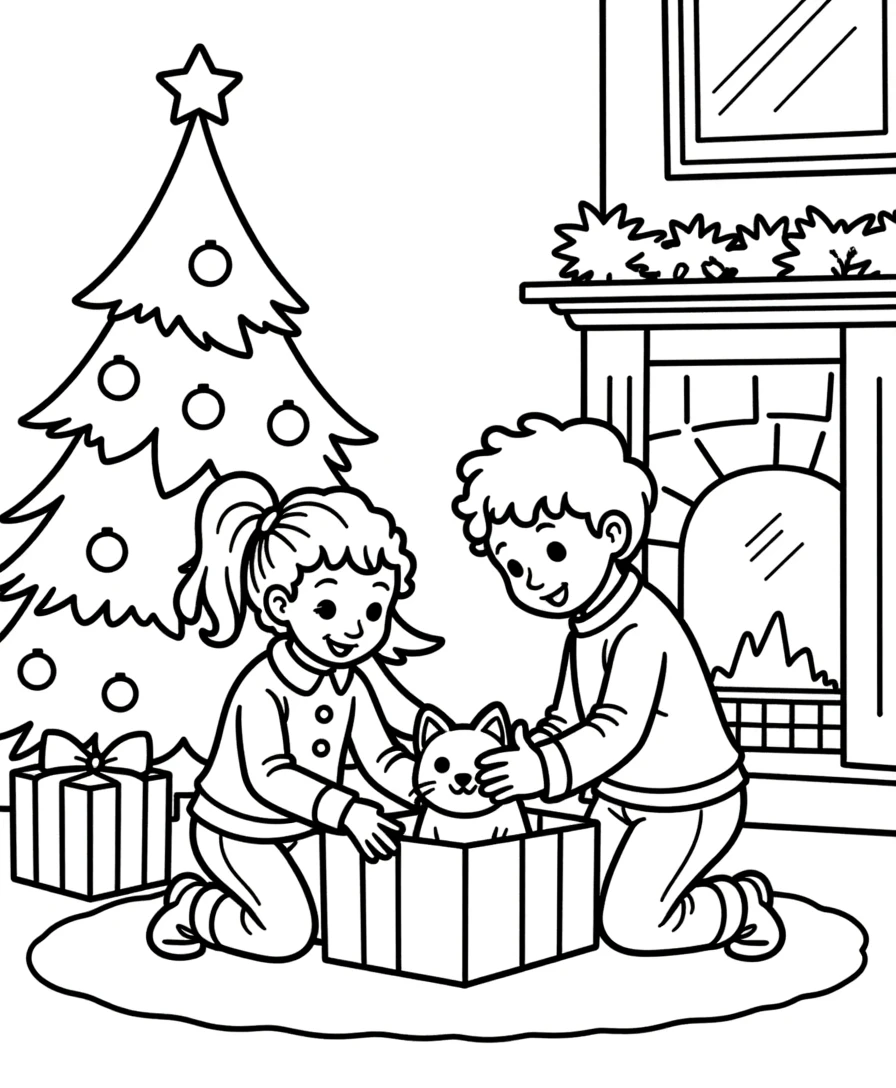
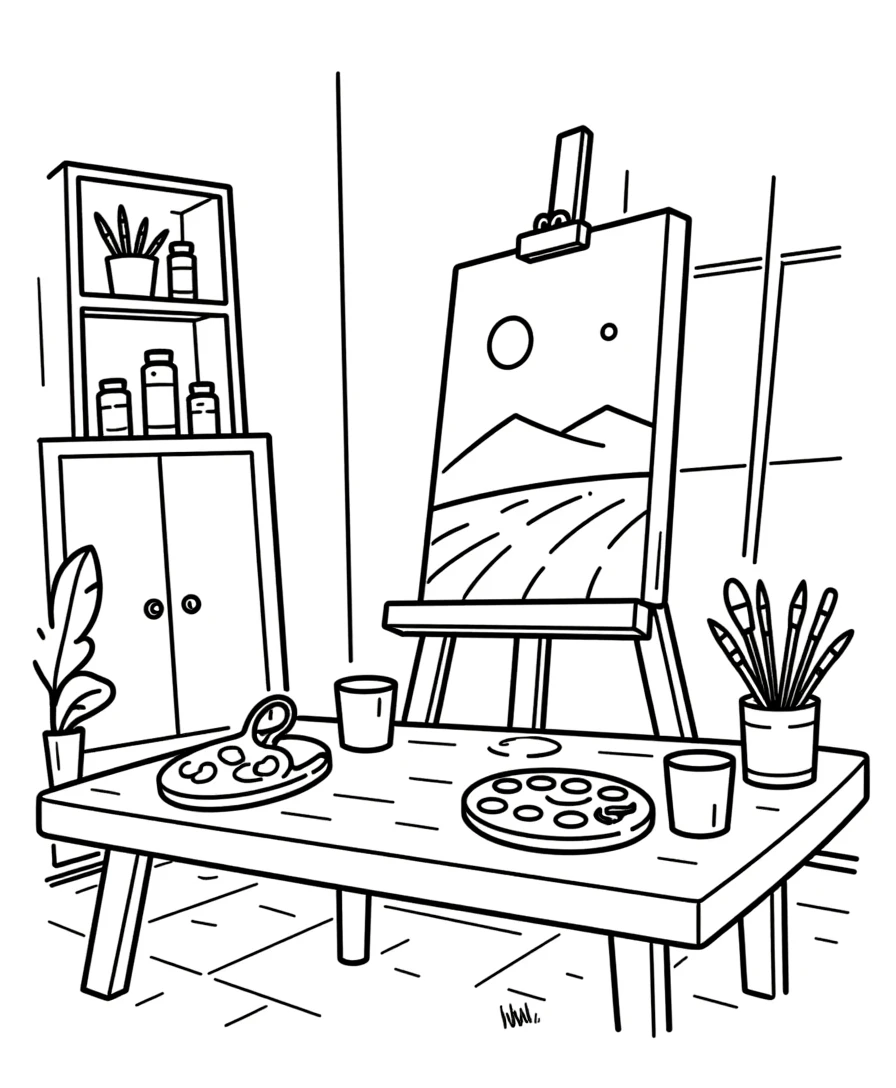
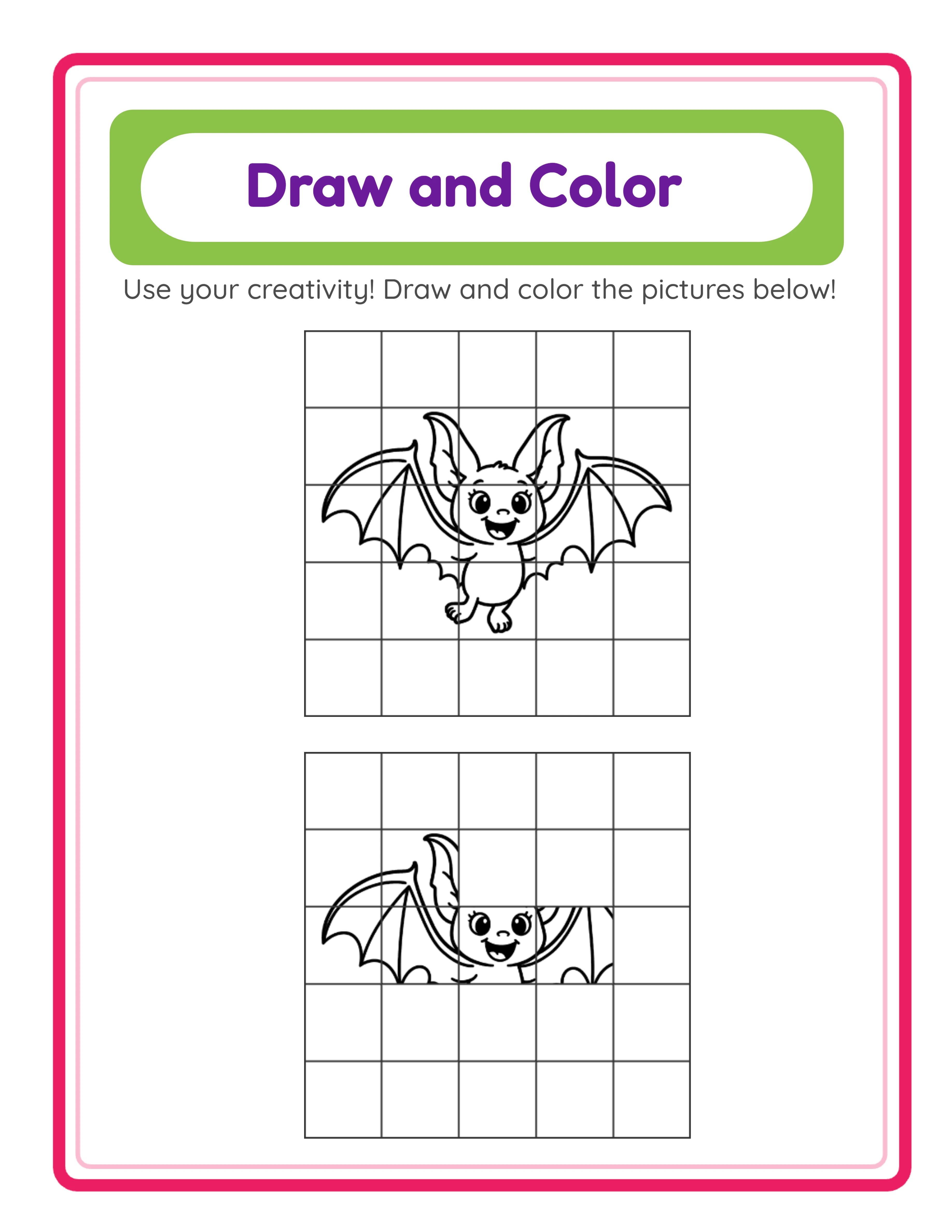
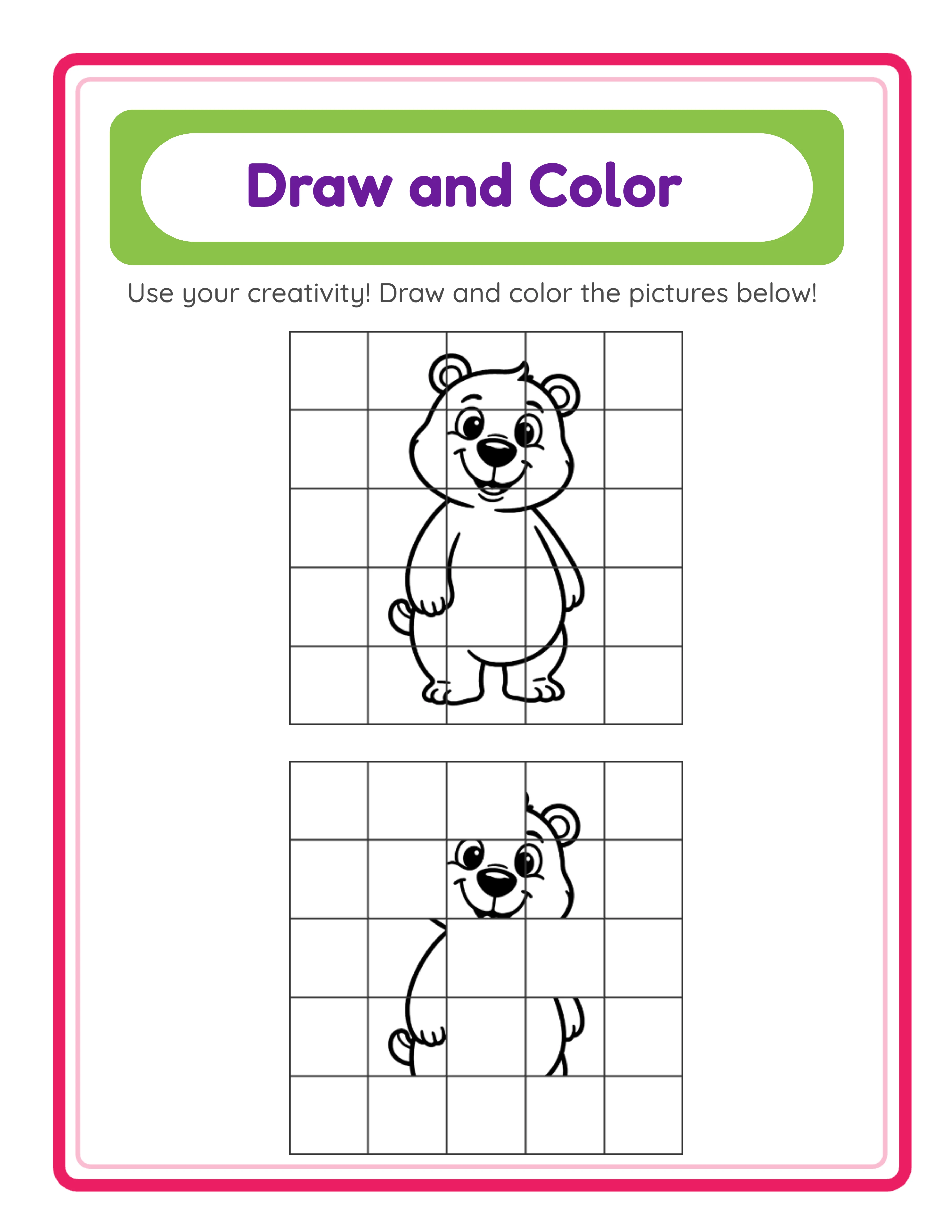
Endless Variety of Themes
Mix and match across 33 generators to create unique products
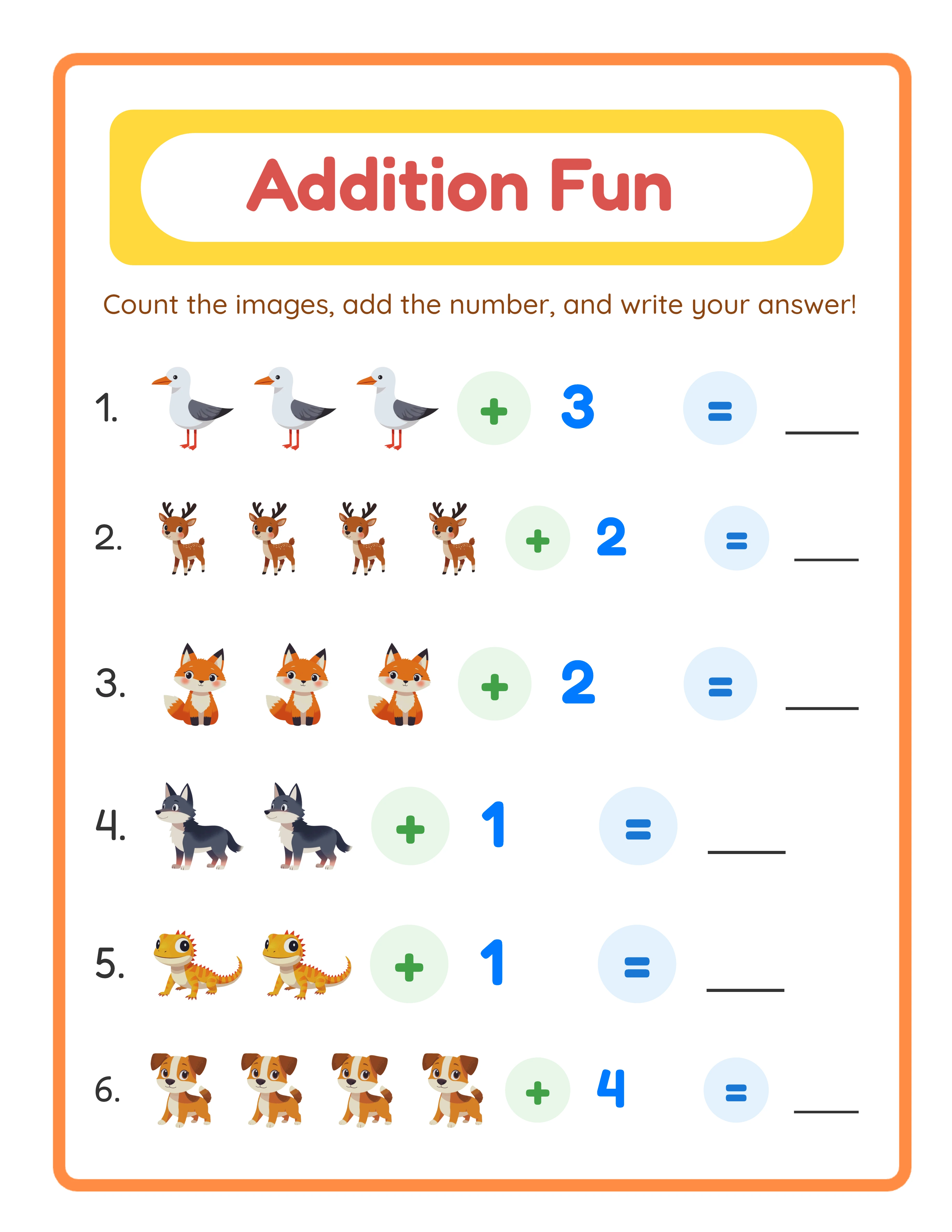
Profitable Children's Coloring Niches
Children's coloring books have more durable demand than adult coloring because children constantly need new content and new children are always entering the market:
**Toddler-specific coloring (ages 1-3)**
Competition: under 2,000 titles. Thick outlines, simple shapes, one image per page. Parents search specifically for "toddler coloring book" and want age-appropriate content their youngest children can actually color. BSR for top titles: 15,000-40,000.
**Coloring by number for kids**
Competition: under 1,500 titles. Combines coloring with number recognition. Educational value makes parents more willing to buy. Different difficulty levels (colors 1-6 for young kids, colors 1-12 for older) create natural series potential.
**Alphabet and letter coloring**
Competition: under 1,800 titles. "A is for Apple" style coloring pages with large letters and associated images. Strong demand from parents of preschoolers and kindergarteners. Often bought alongside handwriting practice books.
**Bilingual coloring books**
Competition: under 400 titles. Coloring pages with vocabulary labels in two languages (English-Spanish is the largest market). Growing demand from bilingual families and ESL programs. Extremely low competition relative to demand.
**Science-themed coloring (dinosaurs, space, ocean)**
Competition: under 1,200 titles per sub-theme. Dinosaur coloring books are the top performer — children's fascination with dinosaurs is timeless. Space and ocean themes also have consistent demand. Educational captions add value and justify premium pricing.
Profitable Adult Coloring Niches
The adult coloring market has contracted from its peak but still supports profitable niches for publishers who target specific audiences:
**Stained glass style coloring**
Competition: under 1,500 titles. The distinctive black outline style with geometric segments appeals to adults who find mandalas too complex and simple designs too boring. BSR for top titles: 20,000-50,000. Price: $7.99-$9.99.
**Architectural coloring (buildings, landmarks)**
Competition: under 800 titles. Houses, castles, famous landmarks, city skylines. Appeals to architecture enthusiasts and travel lovers. The niche is specific enough to avoid broad competition while having a large enough audience.
**Botanical illustration coloring**
Competition: under 1,200 titles. Detailed flower and plant illustrations with scientific accuracy. Different from generic "flower coloring" because the botanical illustration audience values detail and accuracy. Price: $8.99-$12.99 for premium editions.
**Therapeutic coloring for specific conditions**
Competition: under 600 titles per condition. Coloring books designed for anxiety relief, PTSD recovery, dementia patients, or occupational therapy. These are purchased by therapists and caregivers, who are less price-sensitive. Price: $9.99-$14.99.
**Cultural and heritage coloring**
Competition: under 500 titles per culture. Japanese patterns, African designs, Celtic knots, Native American art, Indian rangoli. Each culture has a dedicated buyer base that purchases multiple related titles. Sensitivity and accuracy in cultural representation are essential.
**Hobby-specific coloring**
Competition: under 400 titles per hobby. Gardening scenes, fishing, knitting patterns, baking/cooking, motorcycles. The audience is passionate and buys gifts in this category. "Coloring book for gardeners" or "coloring book for fishermen" targets buyers that generic coloring books miss entirely.
The Coloring + Activity Hybrid Trend
The biggest growth area in coloring is hybrid products that combine coloring with other activities. Pure coloring books face the most competition; hybrids face far less:
**Coloring + word search**
Each page has a coloring image on one side and a themed word search on the reverse. Doubles the entertainment value and appeals to both coloring fans and puzzle lovers. Competition: under 700 titles. Parents especially love this format because it keeps children engaged longer.
**Coloring + journaling**
Coloring pages paired with journaling prompts on the facing page. "Color this garden scene, then write about your favorite outdoor memory." The adult market for this format is growing as journaling continues to trend. Competition: under 500 titles.
**Coloring + educational facts**
Each coloring page includes educational content about the subject. An ocean animal coloring page includes a paragraph about the animal's habitat, diet, and interesting facts. Parents pay 30-50% more for educational coloring books vs. pure coloring. Competition: under 900 titles.
**Coloring + dot-to-dot**
Connect the dots to reveal the image, then color it in. Appeals to children who enjoy the surprise element of discovering what they're about to color. Competition: under 600 titles.
**Coloring + mazes**
Alternating pages of coloring and themed mazes. "Color the castle on page 1, then navigate the castle maze on page 2." Creates a narrative flow that keeps children (and adults) turning pages. Competition: under 400 titles.
The hybrid trend signals where the coloring market is heading: buyers want more value per page, and publishers who deliver it earn premium prices with less competition.
Creating Coloring Content That Competes
In a saturated market, content quality separates sellers from non-sellers. Here's what matters:
**Illustration quality standards**
- Clean, crisp outlines with consistent line weight
- No gaps in outlines (a top complaint in negative reviews)
- Appropriate complexity for the target age group
- Single-sided printing (coloring bleeds through thin paper — buyers expect images on one side only)
- Full-page images that fill the space (no tiny illustrations centered on a large page)
**Page count expectations**
- Children's coloring books: 40-60 images at $6.99-$7.99
- Adult coloring books: 30-50 images at $7.99-$9.99
- Premium/detailed coloring books: 25-40 images at $9.99-$12.99
- The key is quality per page, not total page count
**Using generators for coloring content**
Coloring page generators create line-art versions of themed images that are suitable for coloring books. This is far faster than hand-drawing each page or commissioning custom illustrations. Try the coloring generator with a free trial with watermark to evaluate the output quality for your target niche.
**Cover design for coloring books**
The cover is the #1 sales driver for coloring books. Rules:
- Show a colored sample of an interior page (buyers want to see the style)
- Use bold, readable title text
- Include the age range or audience on the cover
- Make the theme immediately obvious from the cover image
- Use bright, appealing colors that stand out in Amazon thumbnail size
**Interior design touches**
- Themed borders or decorative elements (subtle, not competing with the main image)
- A "test your colors" page at the beginning for buyers to swatch their supplies
- Image titles or fun facts next to each illustration
- Blank backs (no printing on the reverse of coloring pages)
What Your Listings Could Look Like
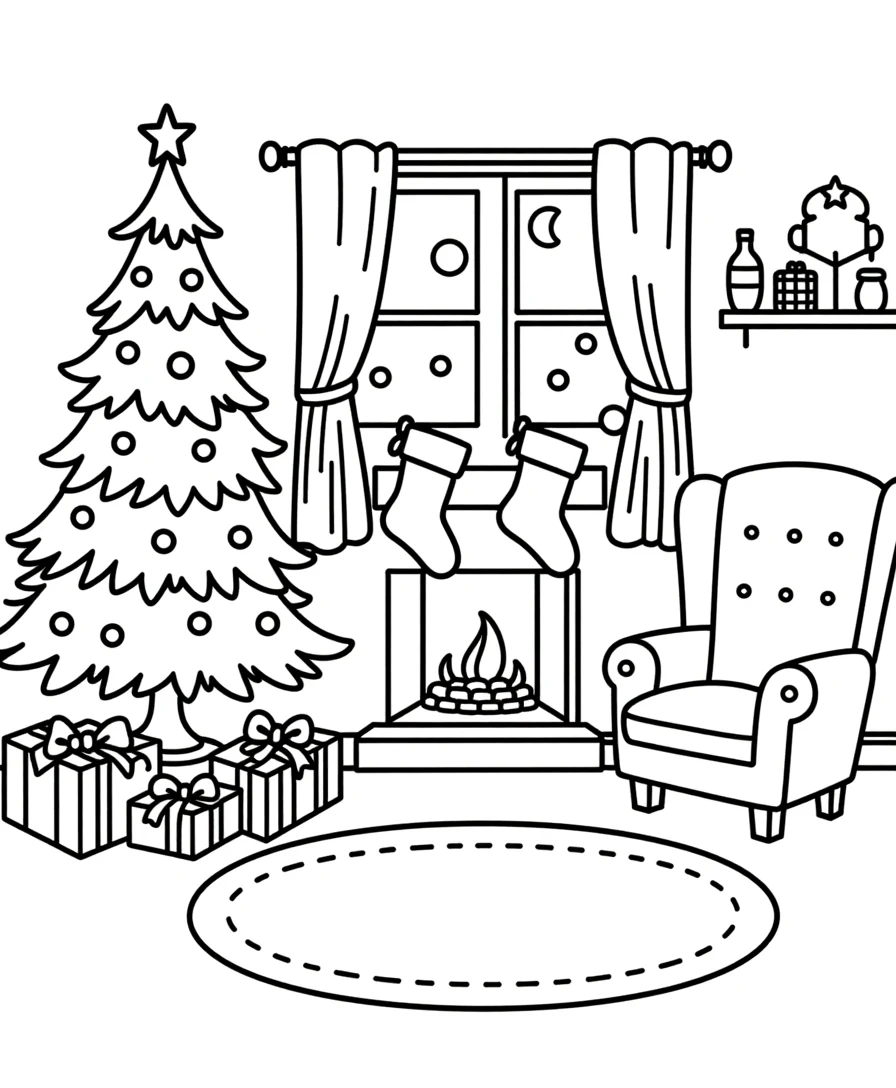
Theme Pack A
$4.99
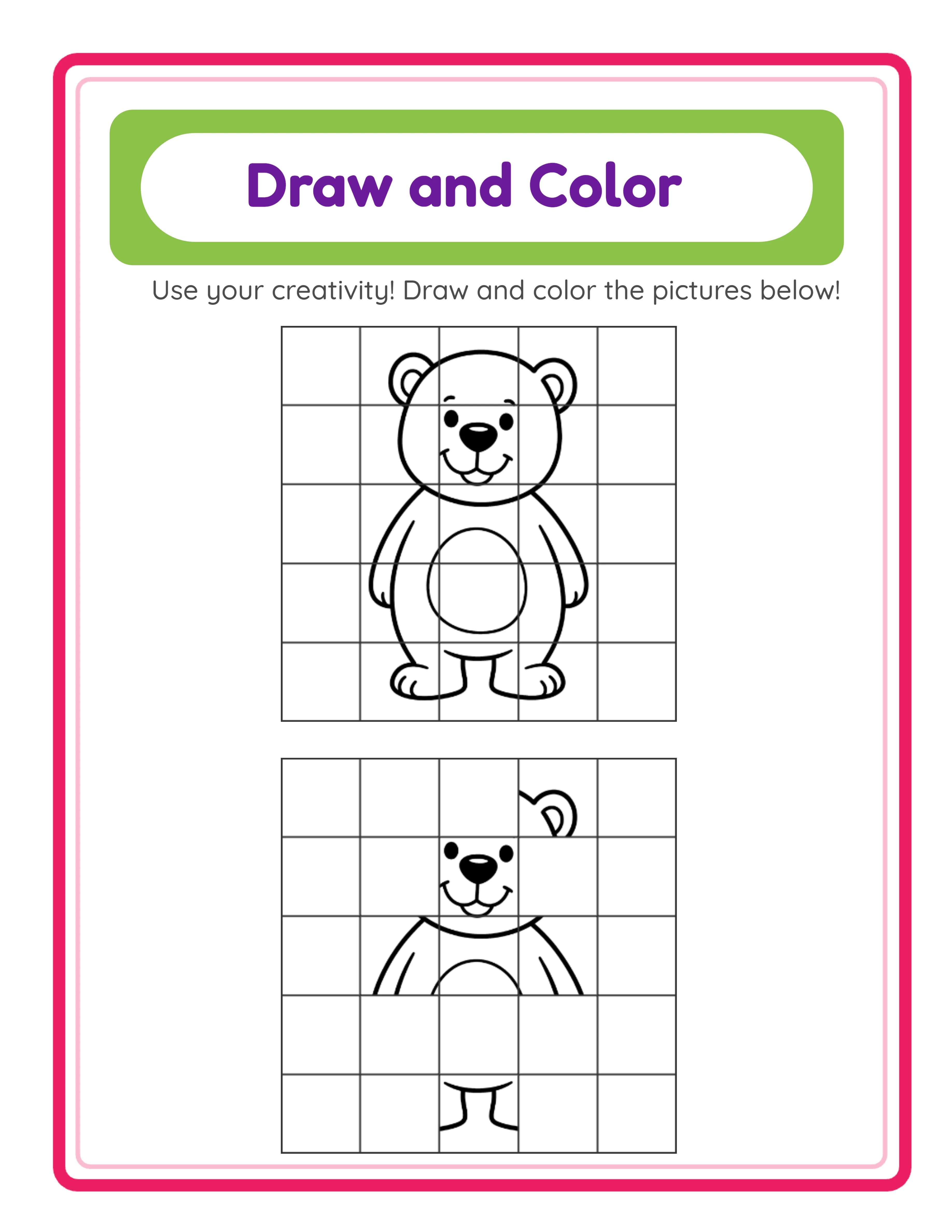
Theme Pack B
$5.99
Theme Bundle
$8.99
Pricing and Positioning in a Crowded Market
Price strategy in coloring books requires nuance because the market has both premium and budget segments:
**Budget segment ($4.99-$6.99)**
High volume, low margins. Works for children's coloring books with simpler illustrations and higher page counts. Competing on price alone is a losing strategy in the long run, but it can generate initial sales velocity.
**Standard segment ($7.99-$9.99)**
The sweet spot for most themed coloring books. 30-50 quality images with a clear theme and professional cover. This is where you should position most titles. At $7.99, your royalty is approximately $2.50 per sale.
**Premium segment ($10.99-$14.99)**
Viable for niche audiences who value quality: botanical illustrations, therapeutic coloring, cultural art, architectural details. Justify premium pricing with superior illustration quality, educational content, and specialized design. Royalty: $4.00-$6.00 per sale.
**Positioning strategies that justify higher prices:**
- "Artist-quality illustrations" (even if generated, they should look professional)
- "Designed by [credential]" — if you have relevant expertise, state it
- "Includes educational content" — facts, history, or context for each image
- "Therapeutic design" — specifically created for stress relief or mindfulness
- "Cultural authenticity" — researched and accurate cultural representations
**What NOT to do:**
- Don't race to the bottom on price — buyers in specialized niches aren't price-shopping
- Don't publish at $3.99 — your royalty is under $0.50, making the effort pointless
- Don't match the lowest-priced competitor — match the highest-rated competitor instead
- Don't ignore your cost basis — printing costs for image-heavy books are higher than text-heavy books
Multi-Platform Strategy for Coloring Products
Coloring content works across more platforms than any other printable product type:
**Amazon KDP (printed books)**
The primary revenue channel for coloring books. Buyers prefer physical coloring books they can use with their favorite supplies. Publish in both 8.5x11 (standard) and 8x10 (slightly cheaper to print, similar buyer experience) formats.
**Etsy (digital downloads)**
Sell the same coloring pages as printable PDF downloads. Price individual pages at $1.99-$2.99 or themed packs of 10-20 pages at $4.99-$8.99. Digital downloads have zero production cost and appeal to buyers who want instant gratification or specific pages rather than a whole book.
**Gumroad (bundles and growing sets)**
Offer large bundles of 50-100+ coloring pages for $9.99-$19.99. Create "growing bundles" that receive new additions monthly. The recurring value proposition attracts buyers willing to pay more upfront.
**Creative Fabrica / Design Bundles**
Sell coloring pages as design resources that other sellers can use in their products. This B2B market pays lower per-page rates but generates volume sales.
**Your own website**
The highest-margin option for established sellers. Use a platform like Shopify or WooCommerce to sell digital downloads directly. Promote through Pinterest (coloring content performs exceptionally well on Pinterest) and email marketing.
**Revenue stacking example:**
One themed coloring collection (30 pages) can generate:
- KDP book: $2.50/sale x 5 sales/day = $375/month
- Etsy digital pack: $5.99/sale x 2 sales/day = $360/month
- Gumroad bundle (part of larger collection): $100-$200/month
- Total from one collection: $835-$935/month across platforms
Finding Your Coloring Niche: A Step-by-Step Process
Use this process to identify your specific coloring niche opportunity:
**Step 1: List your interests and expertise**
Start with what you know. If you're passionate about gardening, "botanical garden coloring book" is more authentic than forcing a niche you don't understand. Passion translates to better product decisions and more natural marketing.
**Step 2: Check Amazon competition**
Search "[your interest] coloring book" on Amazon. Under 1,000 results? Strong opportunity. Under 2,000? Manageable. Over 5,000? Add a modifier to narrow down (age group, style, sub-topic).
**Step 3: Analyze the top 10 results**
- What's the BSR range? (Under 100,000 = proven demand)
- What are the prices? ($7.99+ indicates healthy margins)
- What do negative reviews complain about? (Your product improvement roadmap)
- What's missing from available options? (Your differentiation angle)
**Step 4: Test with a minimum viable product**
Create a 30-page coloring book in your chosen niche. Publish on KDP and list 10 pages as a digital download on Etsy. This dual-platform launch costs nothing and tests demand in 2-4 weeks.
**Step 5: Scale what works**
If your test title generates 1+ sales per day within the first month, the niche has demand. Create Volume 2, themed variations, and related products. If sales are zero after 30 days with proper keywords, the niche lacks demand — pivot to your next candidate.
**Step 6: Build the collection**
Successful coloring book publishers have 5-10 titles per niche. Each new title strengthens your brand presence and cross-sells existing titles. Within 6-12 months, a focused niche collection can generate $500-$2,000/month in combined royalties.