Free Furniture Worksheets for 3rd Grade

Ages 8–9

Furniture worksheets turn everyday household objects into powerful learning tools. Children identify chairs, tables, beds, shelves and desks while practicing vocabulary that connects directly to their daily environment. Spatial relationship exercises ask learners to describe where objects are placed using prepositions like on, under, beside, between and behind, strengthening both language skills and geometric reasoning. Room arrangement activities challenge students to plan layouts on grid paper, introducing concepts of area, proportion and functional design. Counting and sorting tasks have children tally items in each room or group furniture by material, color or purpose. These printable resources are particularly valuable for language learners who need concrete, familiar reference points to anchor new vocabulary. Teachers also use them during home and community units to discuss different living spaces around the world, connecting personal experience to broader social studies themes.
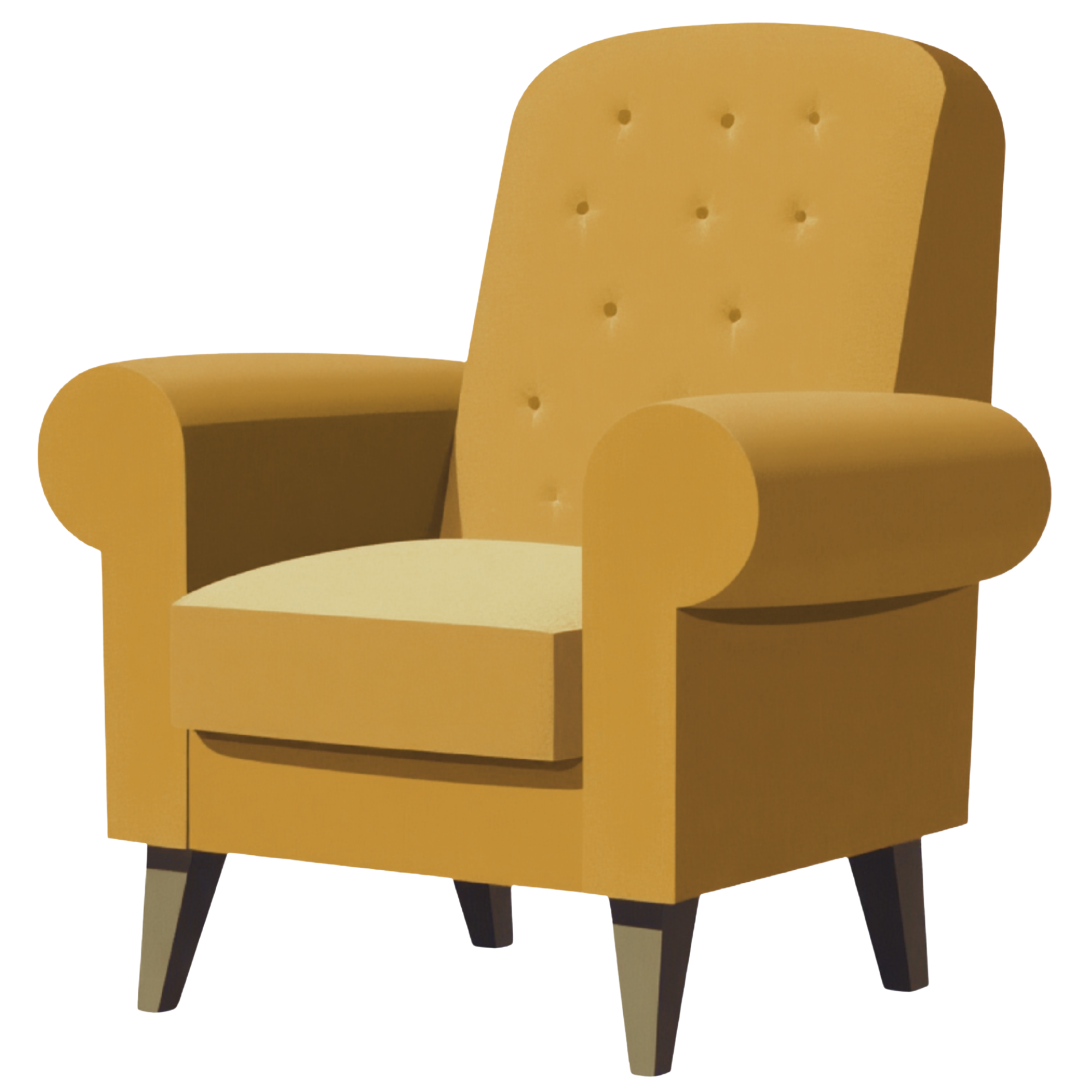

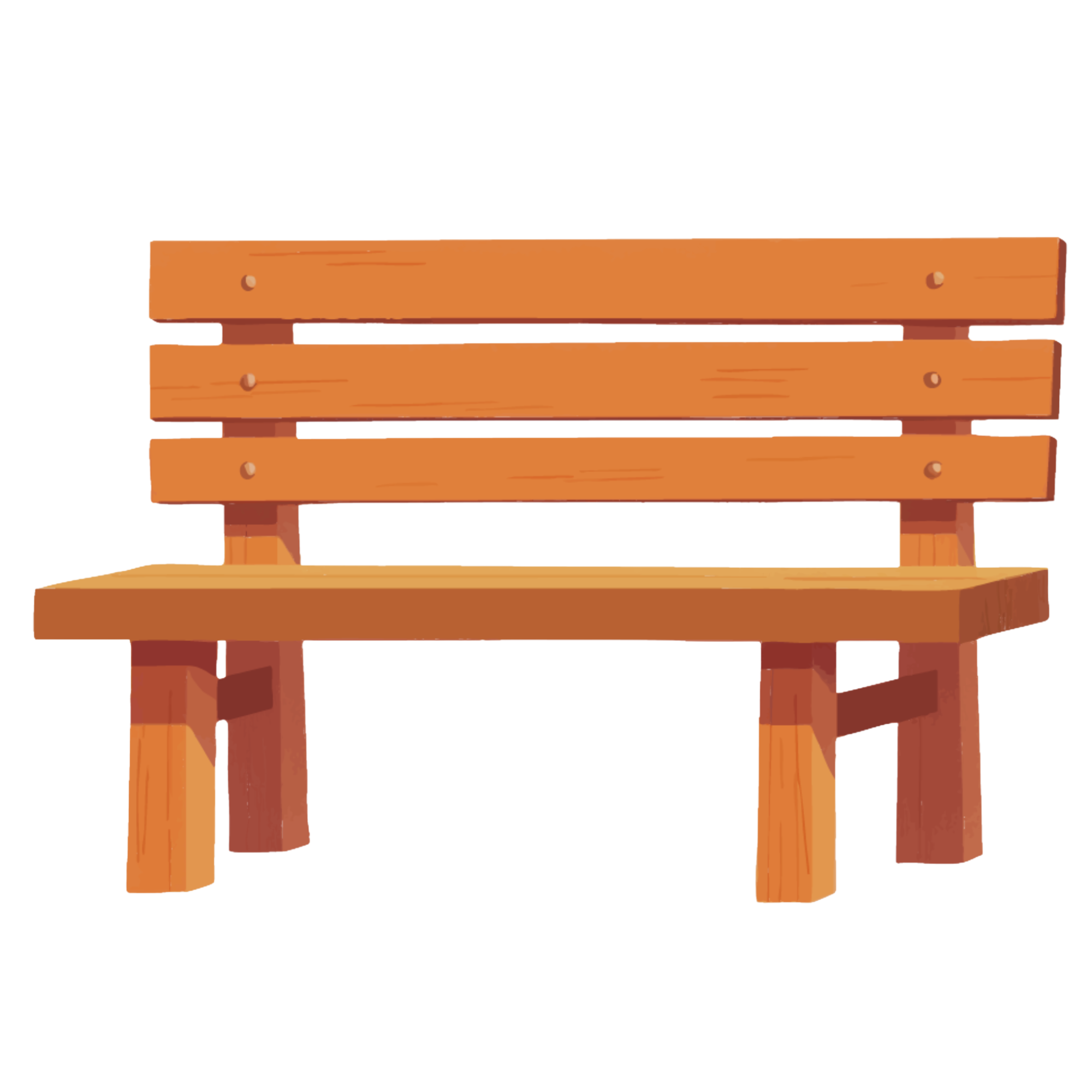
Furniture clipart 1
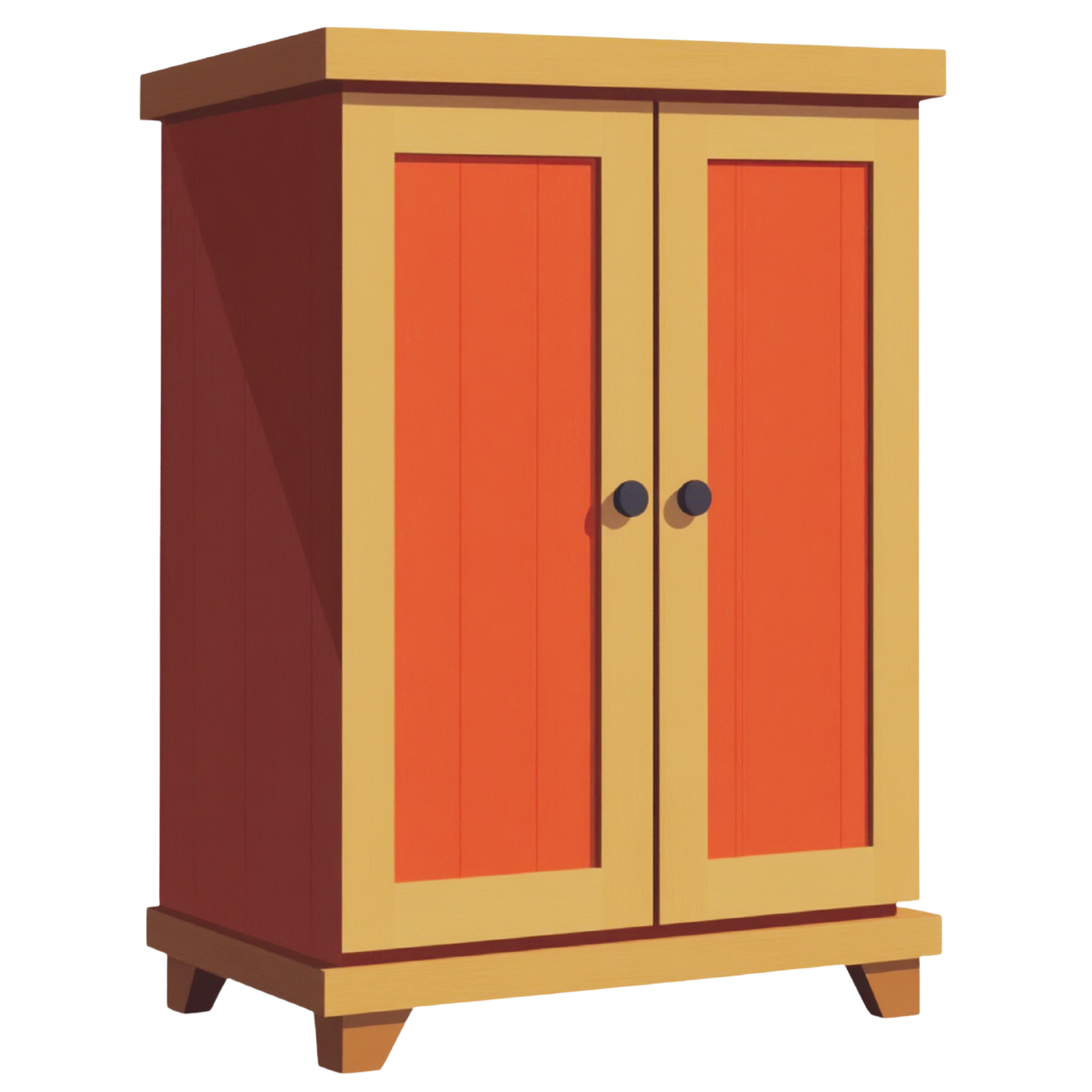
Furniture clipart 2
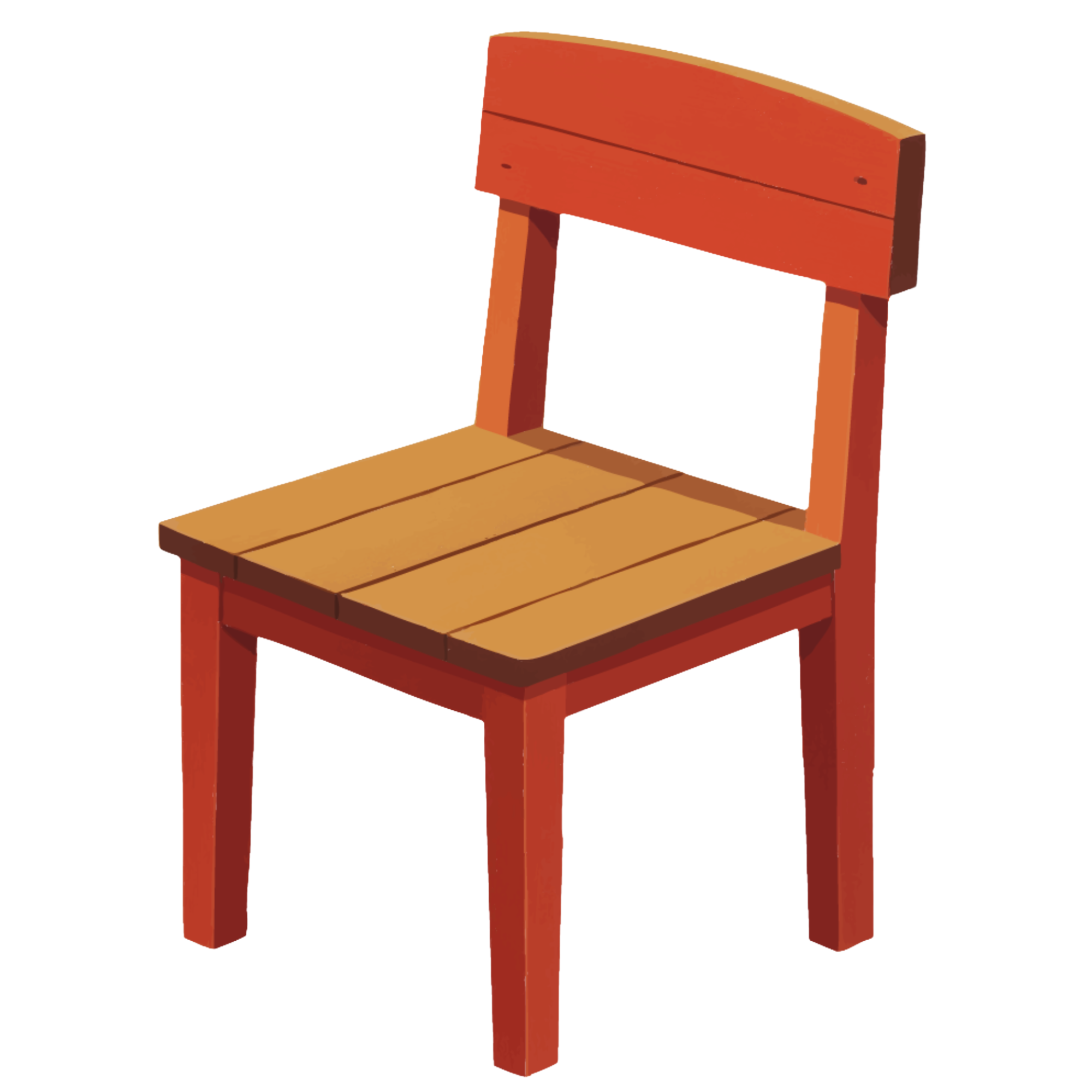
Furniture clipart 3
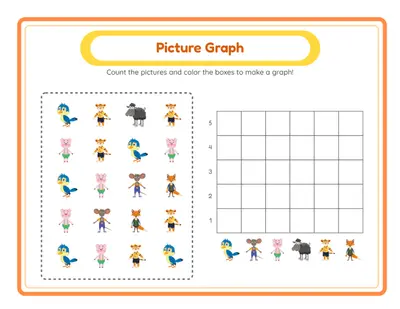
Furniture clipart 4
Furniture clipart 5
Furniture clipart 6

Frequently Asked Questions

What types of furniture worksheets are available?
The collection includes household item identification pages, preposition practice with room scenes, room layout design on grid paper, furniture counting and sorting activities, vocabulary labeling sheets, coloring pages of bedrooms and classrooms, and matching exercises linking furniture to its typical room.
Are these furniture worksheets free to use?
Yes, all furniture worksheets are free to generate, download and print. There are no fees, accounts or watermarks. Parents, teachers and language tutors can produce unlimited copies for any educational setting.
Which age groups benefit most from furniture worksheets?
Children from ages 3 to 9 gain the most from these materials. Toddlers and preschoolers color and name basic items, kindergarteners practice prepositions with illustrated room scenes, and older students plan room layouts and solve measurement-based challenges.

More Themes