Understanding the New Parent Buyer
**Demographics and behavior:**
- Average first-time parent age in the US: 30 years old
- Tech-savvy, comfortable with digital downloads
- Active on social media (Instagram, Pinterest, parenting Facebook groups)
- Research-driven: reads reviews and product descriptions carefully
- Willingness to spend: 25% higher than experienced parents on educational materials
**What motivates new parent purchases:**
- Fear of child falling behind peers (strongest motivator)
- Desire to maximize screen-free time
- Pediatrician recommendations for developmental activities
- Social media comparison with other parents
- Genuine interest in early childhood development
**Buying patterns:**
- Discover products through Pinterest and Instagram (visual platforms)
- Impulse buy at 2am during late-night feeding sessions
- Purchase in batches (3-5 products at once when they find a trusted seller)
- Return to buy again every 2-4 weeks as child outgrows current activities
**Key insight:** New parents are not buying worksheets — they are buying reassurance that they are doing a good job. Product descriptions should address this emotional need.
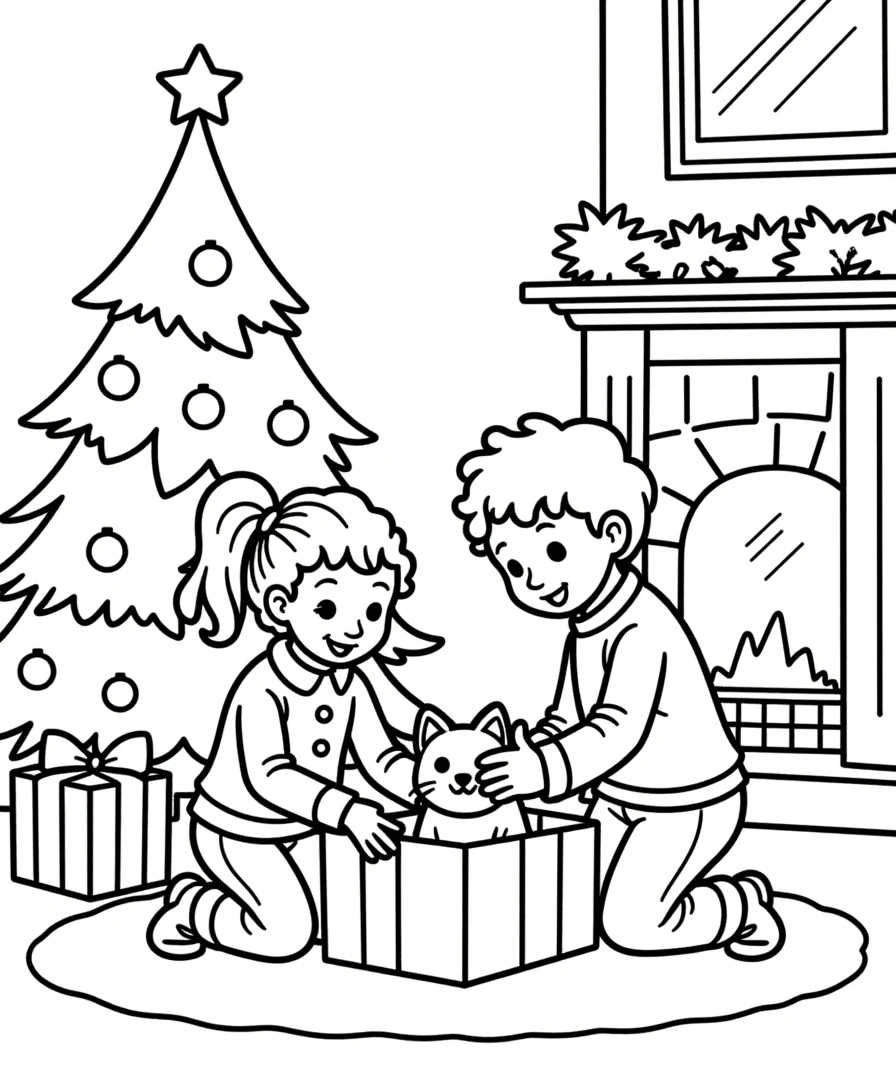
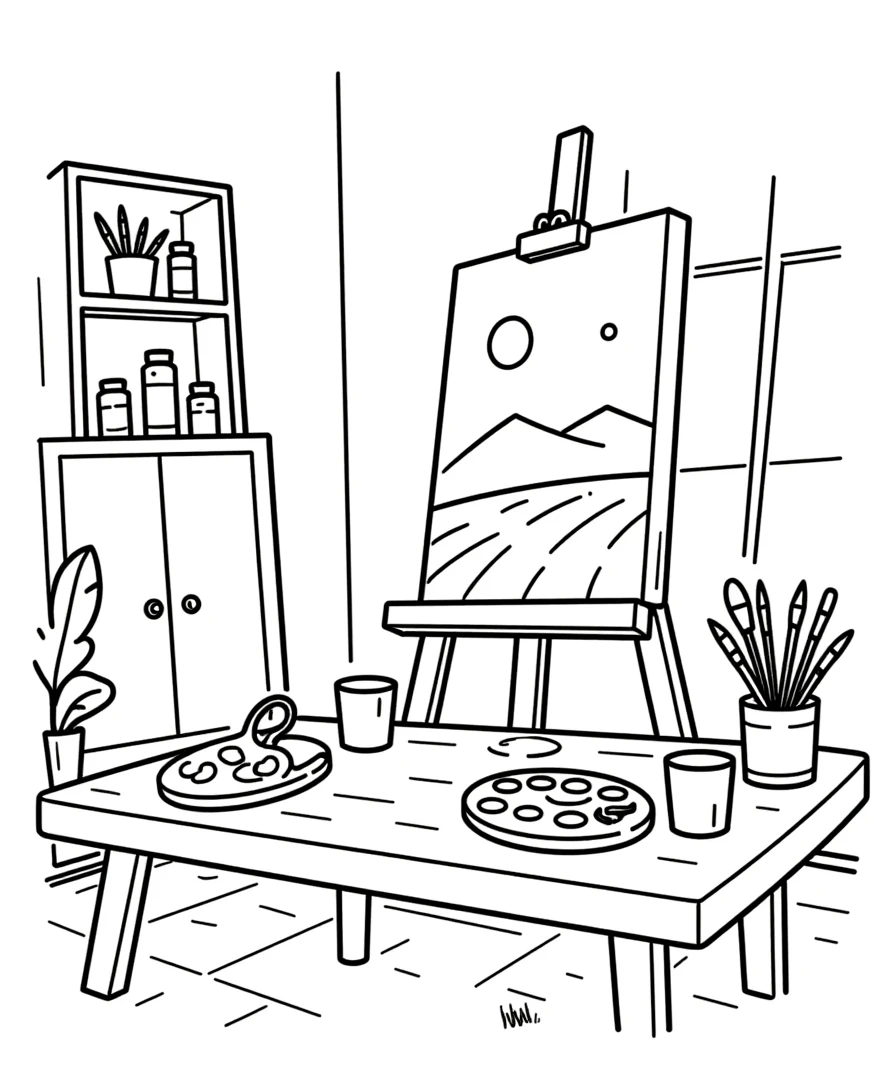
Endless Variety of Themes
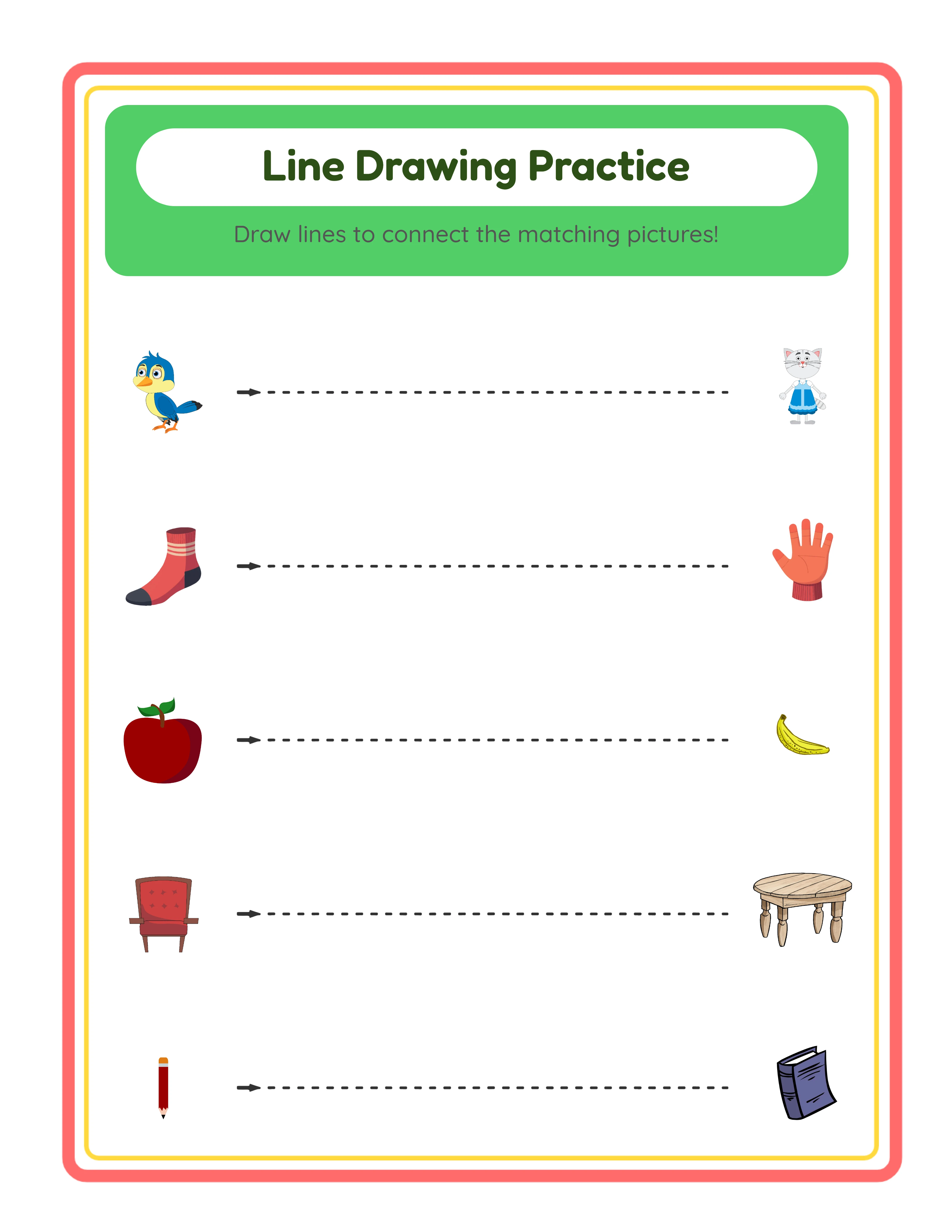
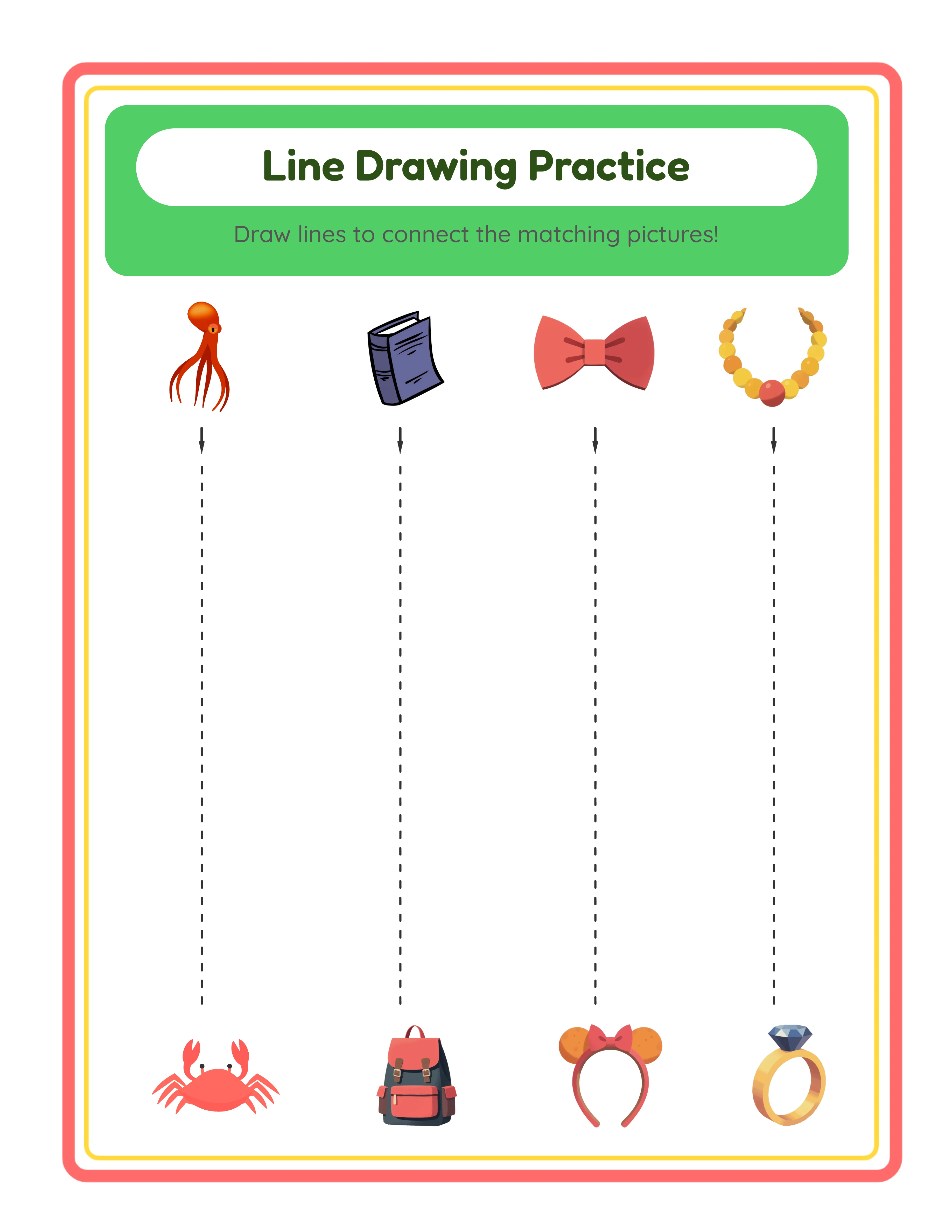
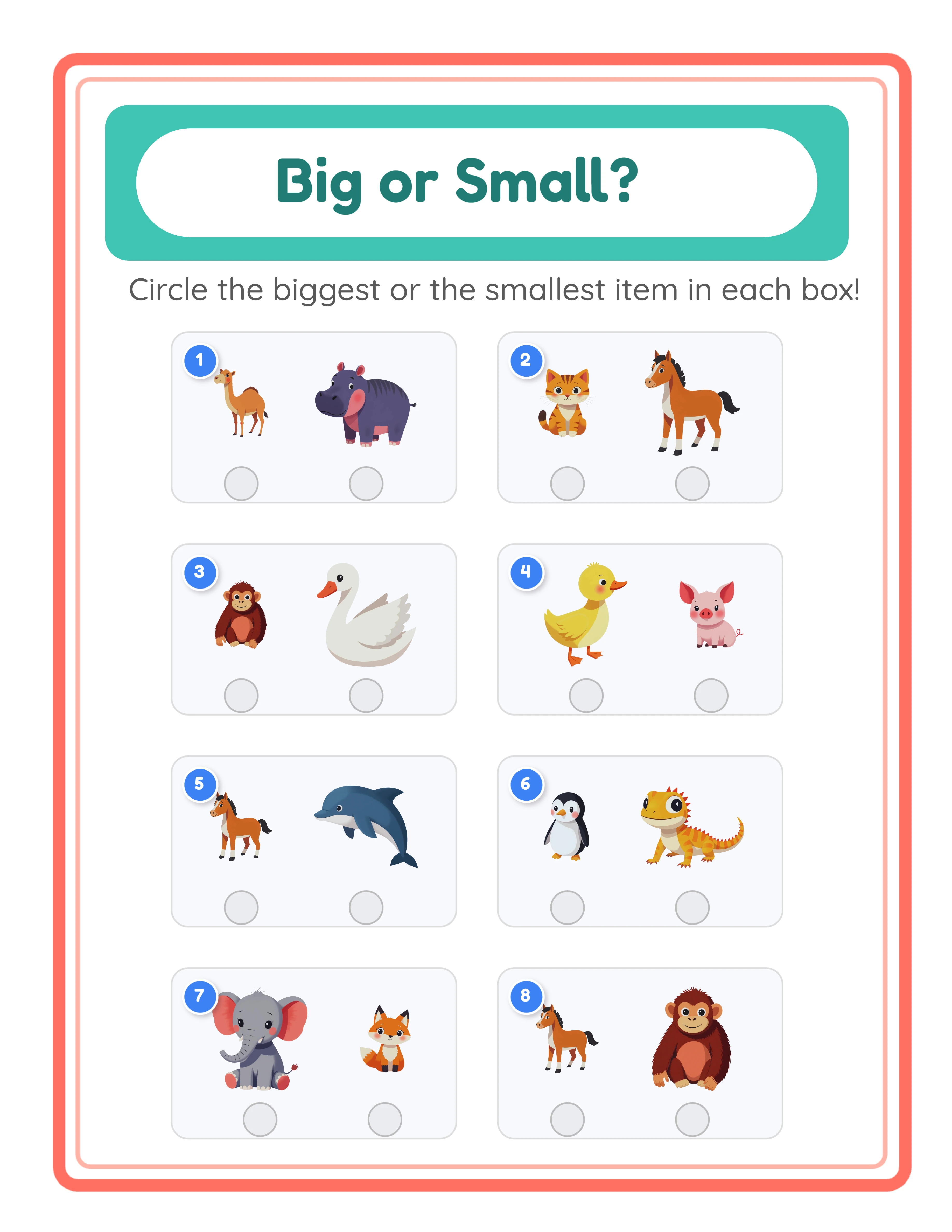
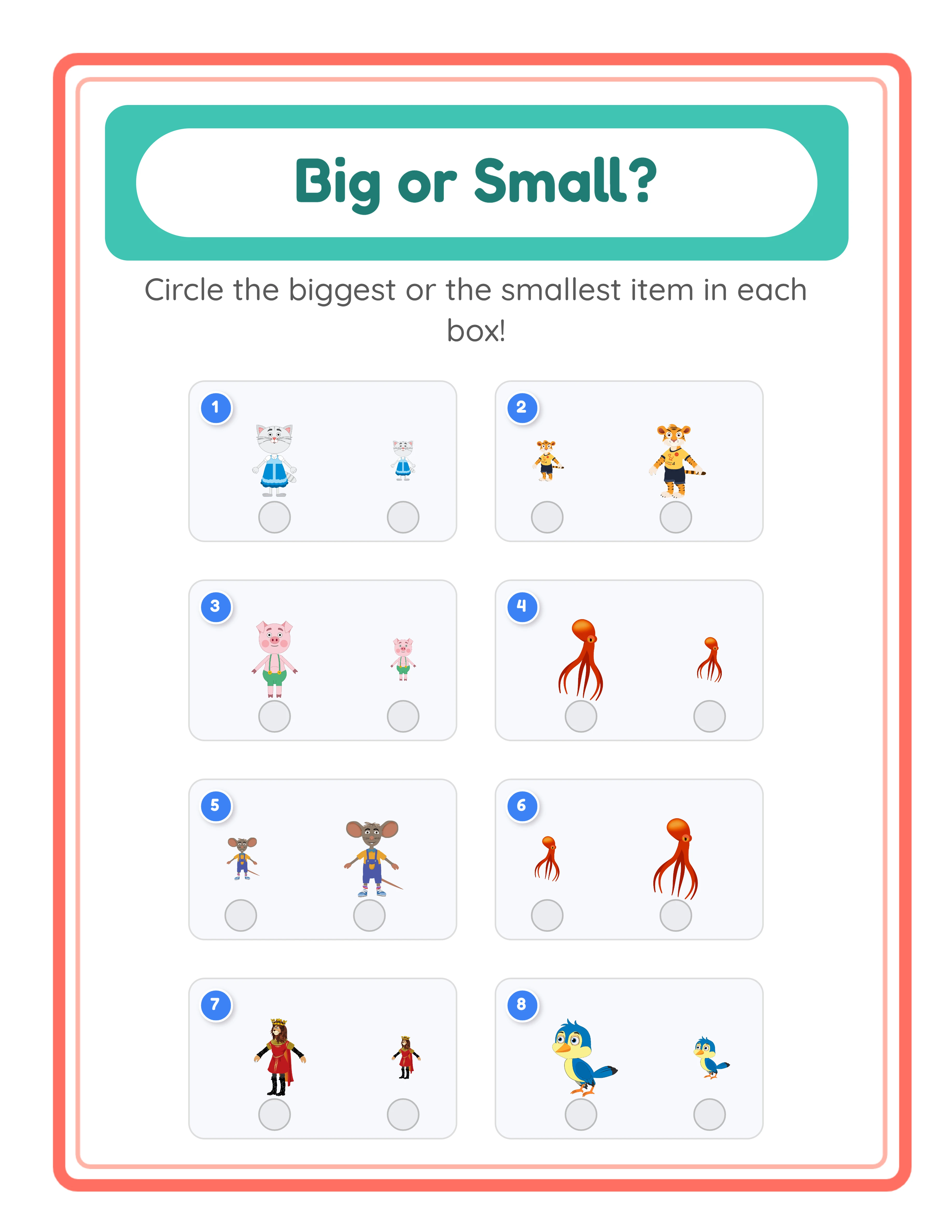
Mix and match across 33 generators to create unique products
Top Products for the New Parent Market
**1. Developmental milestone activity packs ($6.99-$12.99):**
"18-Month Learning Activities" or "Activities for 2-Year-Olds" organized by age. Parents search by child's age, not by skill type. Include physical, cognitive, and language activities.
**2. Fine motor skill builders ($4.99-$8.99):**
Tracing, sticker activities, cutting practice, and threading cards. Position as "developing hand strength for writing." Parents respond to developmental language.
**3. Color and shape learning packs ($3.99-$6.99):**
Introductory color matching, shape sorting, and pattern recognition. The first educational printables most new parents buy. Keep designs simple and colorful.
**4. First words and vocabulary builders ($4.99-$8.99):**
Picture cards, labeling activities, and matching games with everyday objects. "My First 100 Words" style printable flashcard sets.
**5. Sensory and play-based activity guides ($3.99-$7.99):**
Not worksheets but printable guides for hands-on activities using household items. "50 Toddler Activities Using Things You Already Have." High perceived value.
**6. Pre-writing and scribbling pages ($3.99-$5.99):**
Large dotted lines, simple shapes, and guided scribbling pages. The bridge between toddler play and preschool worksheets.
Pricing and Positioning for New Parents
**The positioning difference:**
Generic: "Toddler Matching Worksheets — 15 Pages"
New parent optimized: "Learning Activities for 2-Year-Olds — Develop Matching Skills"
The second version converts 2-3x better because it speaks to the parent's concern (development) rather than describing the product mechanically.
**Pricing by product type:**
- Individual skill packs (10-15 pages): $3.99-$5.99
- Age-based activity sets (20-30 pages): $6.99-$9.99
- Developmental milestone bundles (40-60 pages): $12.99-$18.99
- First year learning kit (100+ pages, ages 1-3): $19.99-$29.99
**Premium positioning strategies:**
- Include a "Parent Guide" page explaining the developmental purpose of each activity
- Add a progress checklist so parents can track their child's skill development
- Use terms like "Montessori-inspired" or "play-based learning" (new parents respond to educational philosophies)
- Include age-appropriate modifications: "If your child finds this easy, try..."
**Subscription-style engagement:**
Offer monthly activity packs: "January Toddler Activities," "February Learning Pack." Parents who subscribe to a monthly rhythm become long-term customers.
What Your Listings Could Look Like
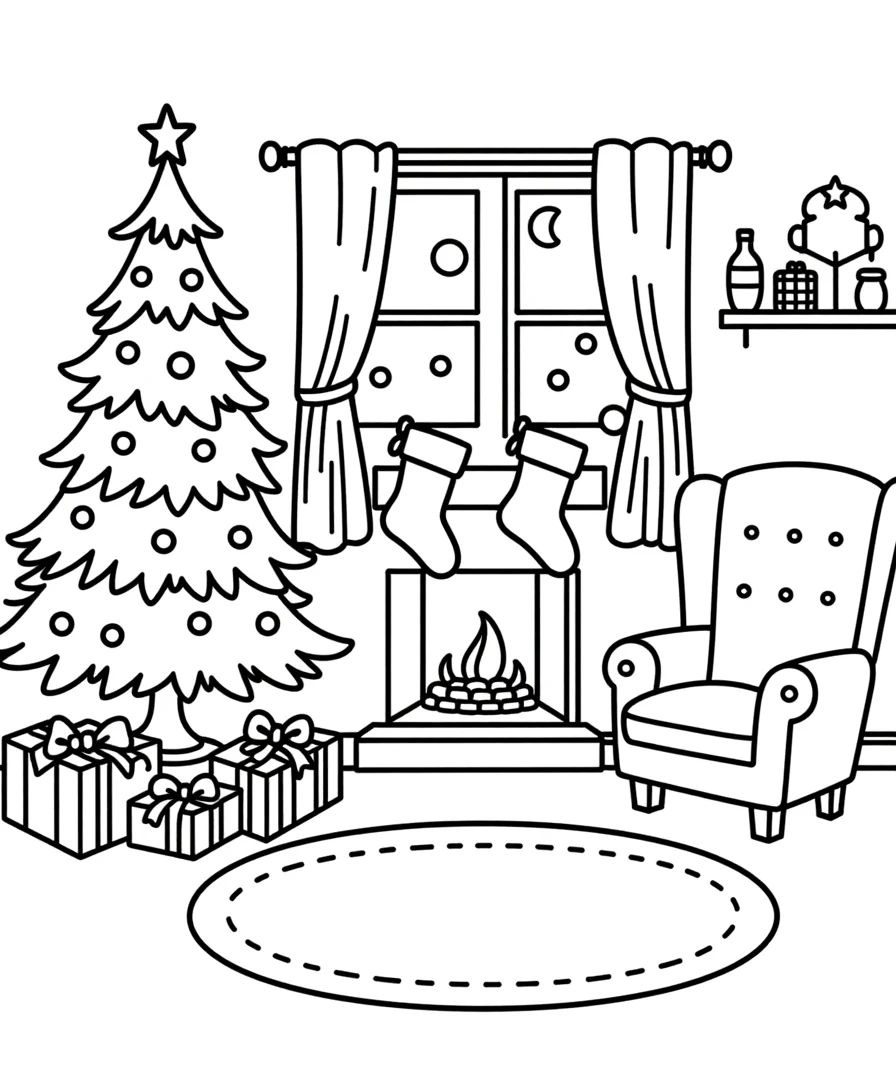
Theme Pack A
$4.99
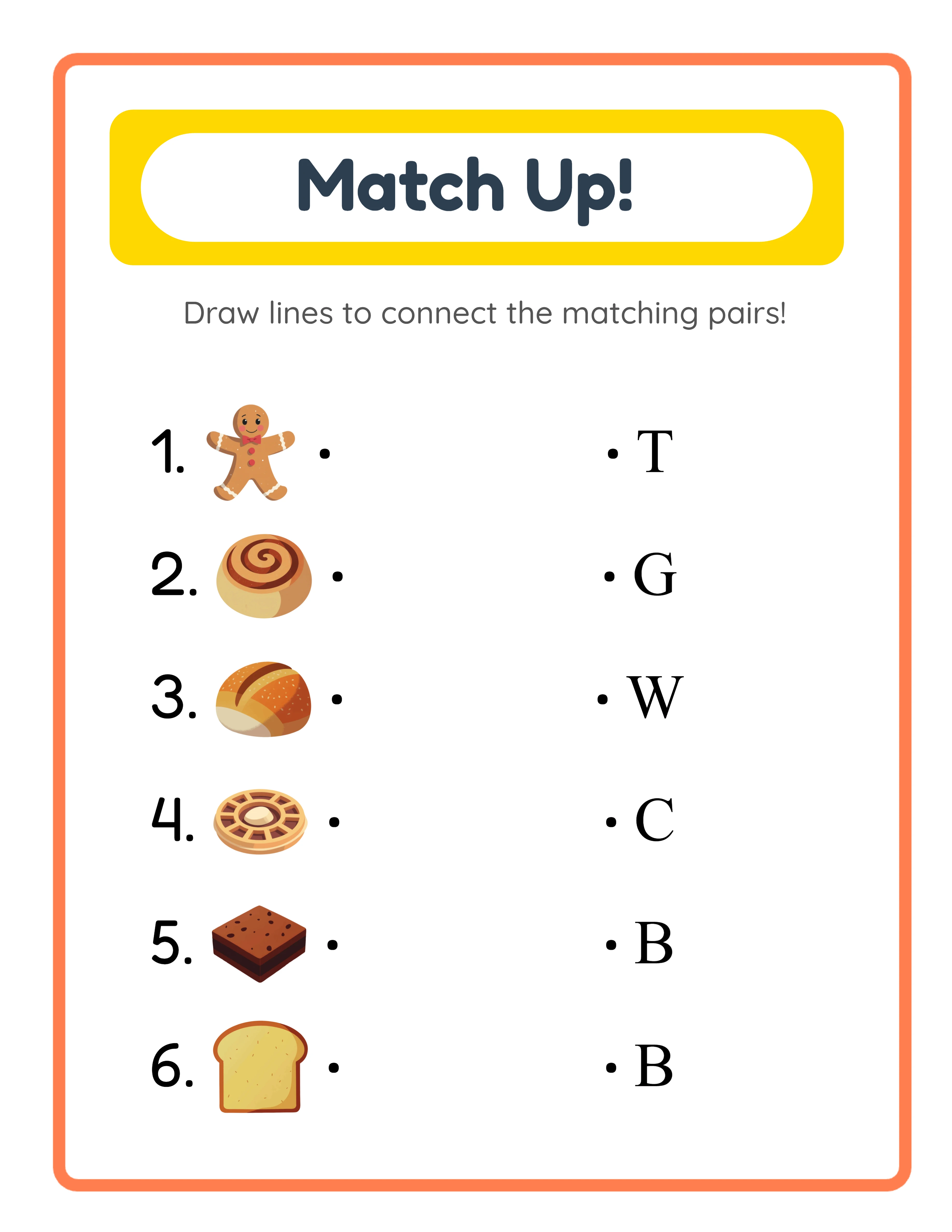
Theme Pack B
$5.99
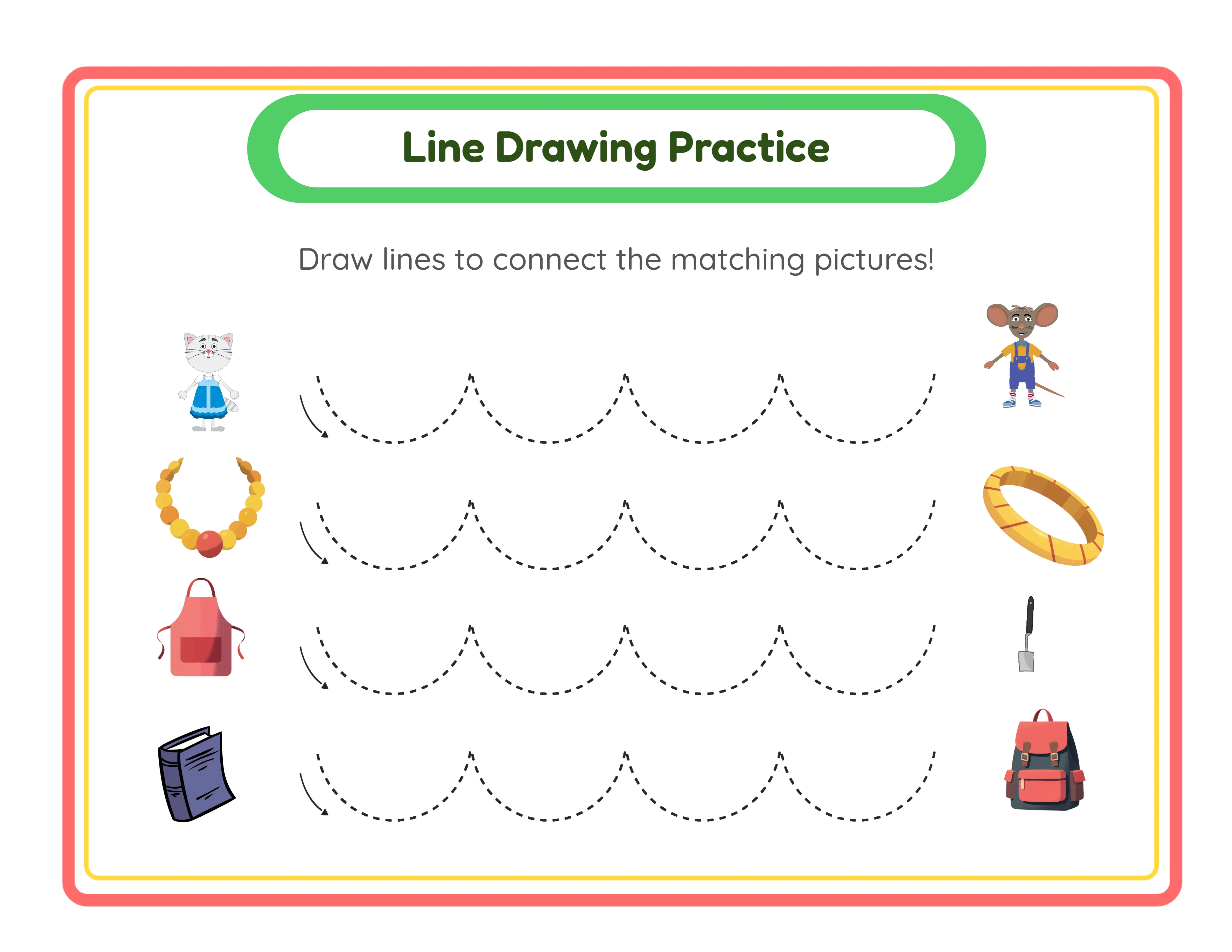
Theme Bundle
$8.99
Creating Products for New Parent Buyers
Products for toddlers and young preschoolers must follow specific design rules:
**Design requirements:**
- Extra-large images and minimal text
- Bold, thick lines for developing fine motor control
- High-contrast colors (avoid pastels that look washed out when printed)
- 2-4 elements per page maximum (toddlers are easily overwhelmed)
- Durable designs intended for lamination
**Using generators for toddler-age products:**
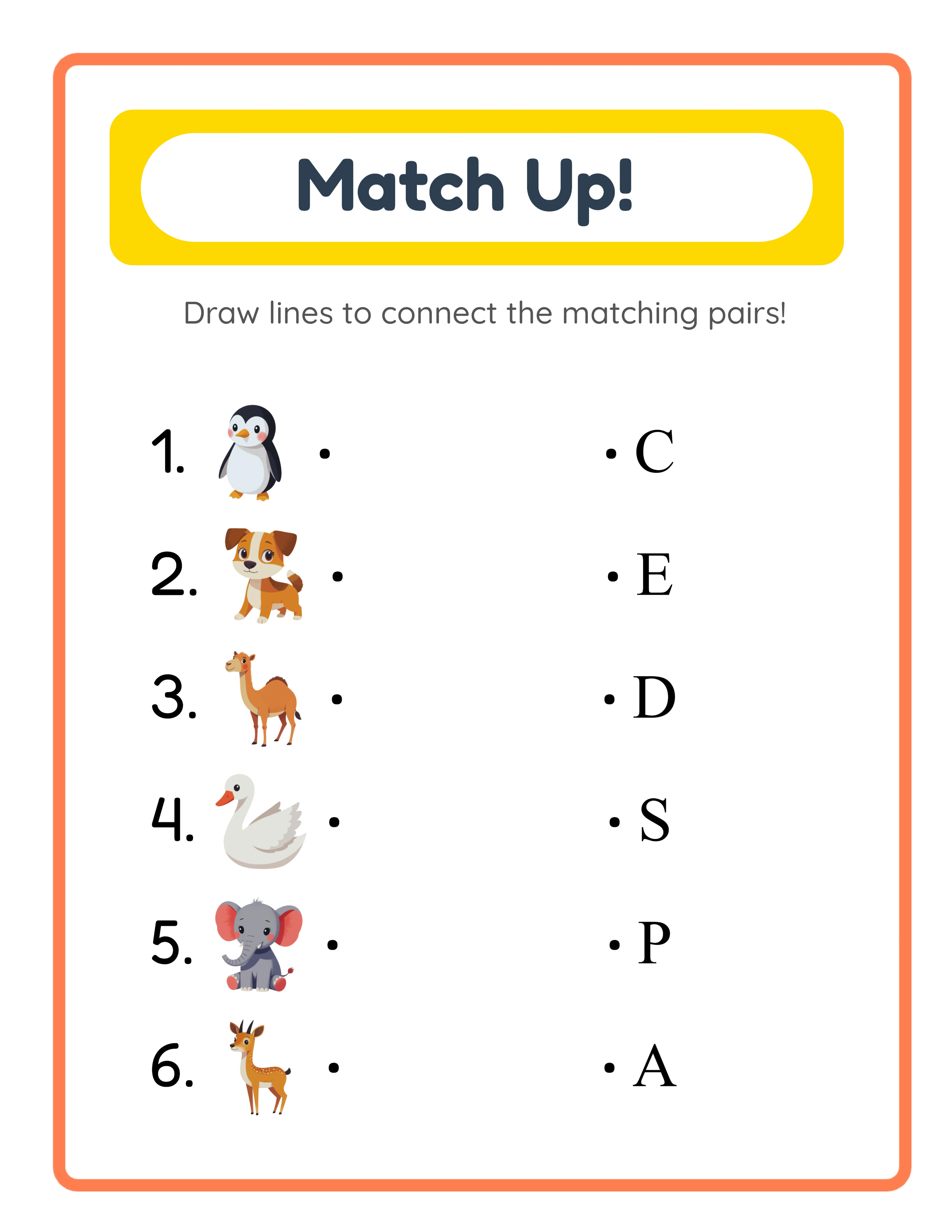
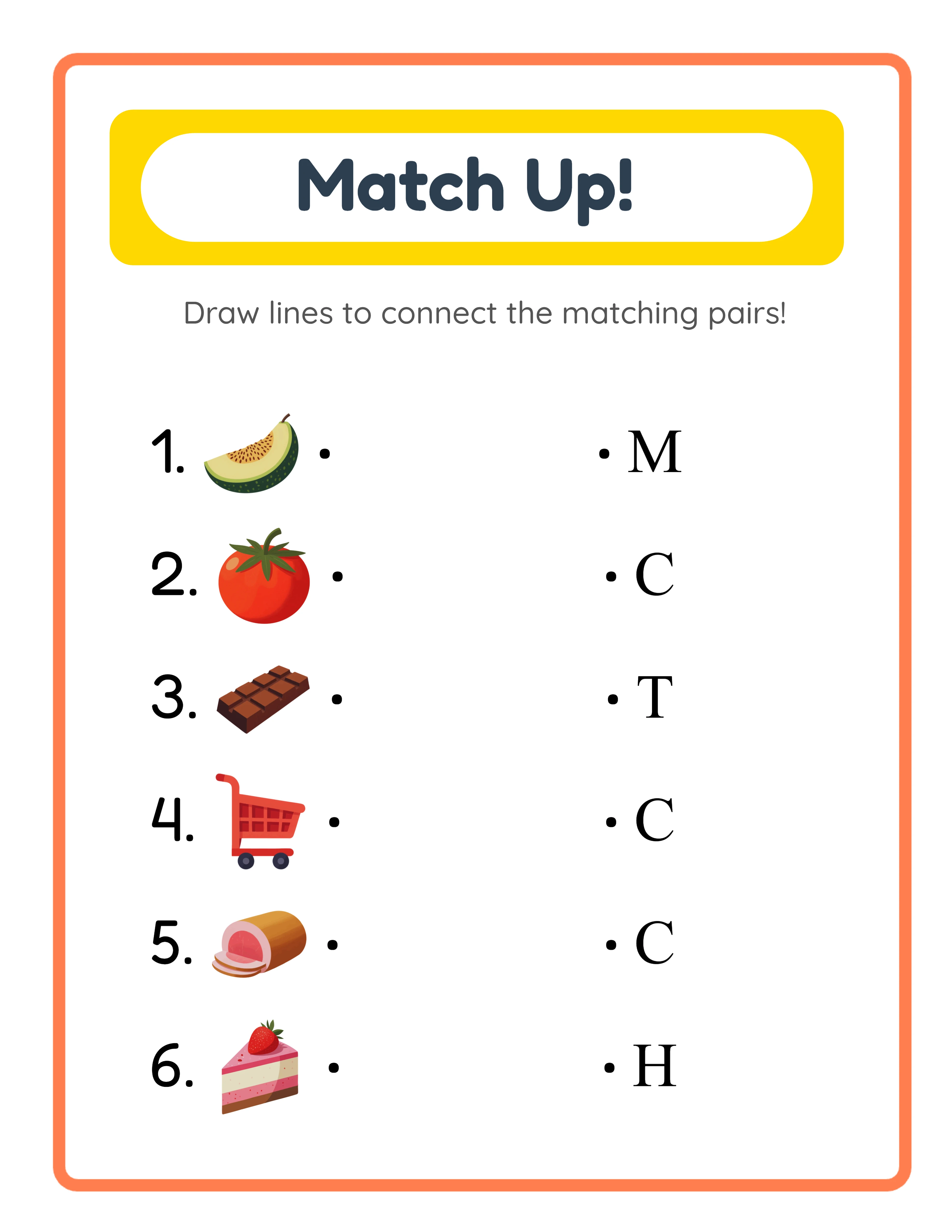
**Matching activities (perfect for ages 2-3):**
Use the matching generator with 3 pairs per page and large, simple images. Animals and food themes work best for this age group.
**Simple coloring pages (ages 18 months+):**
The coloring generator with the simplest, boldest outline options. Large animals, basic shapes, and familiar objects.
**Counting activities (ages 2.5-3+):**
The find-and-count generator at the easiest level — counting 1-3 objects. Perfect for introducing number concepts.
**Shape and color matching:**
Use the matching generator focused on color and shape themes. Shadow matching develops visual discrimination skills.
All generators offer a free trial with watermark so you can test toddler-appropriate designs before investing.
Marketing to New Parents
**Pinterest (highest ROI channel):**
New parents live on Pinterest. Create visually appealing pins showing your printables in use. Keywords: "toddler activities," "learning activities for 2 year olds," "preschool prep at home." Pins have a 6-month+ lifespan.
**Instagram:**
Share photos of printables being used by children (with permission). Instagram Reels showing "5 activities for your 2-year-old" generate high engagement. Use hashtags: #toddleractivities #learningthroughplay #preschoolprep.
**Parenting Facebook groups:**
Groups like "Toddler Activities and Learning" have hundreds of thousands of members. Share genuine value (activity ideas) with links to your products. Never spam.
**Etsy SEO for parent keywords:**
New parents search by AGE, not skill: "activities for 18 month old," "worksheets for 2 year old," "learning activities 3 year old." Use age-based keywords in every listing.
**Building lifetime value:**
A new parent customer acquired when their child is 2 can purchase from you for 4-5 years (through kindergarten and beyond). Offer age-appropriate product recommendations as their child grows. A $5 acquisition today is worth $100-200 in lifetime purchases.
The new parent market rewards sellers who understand the emotional journey. Create products that make parents feel confident and informed, and they will reward you with loyalty and referrals.