Tutorial
1
Research the Educational Printable Market on Etsy
Before creating a single product, understand the landscape across all 6 educational printable categories and how they differ in demand, competition, and buyer behavior.
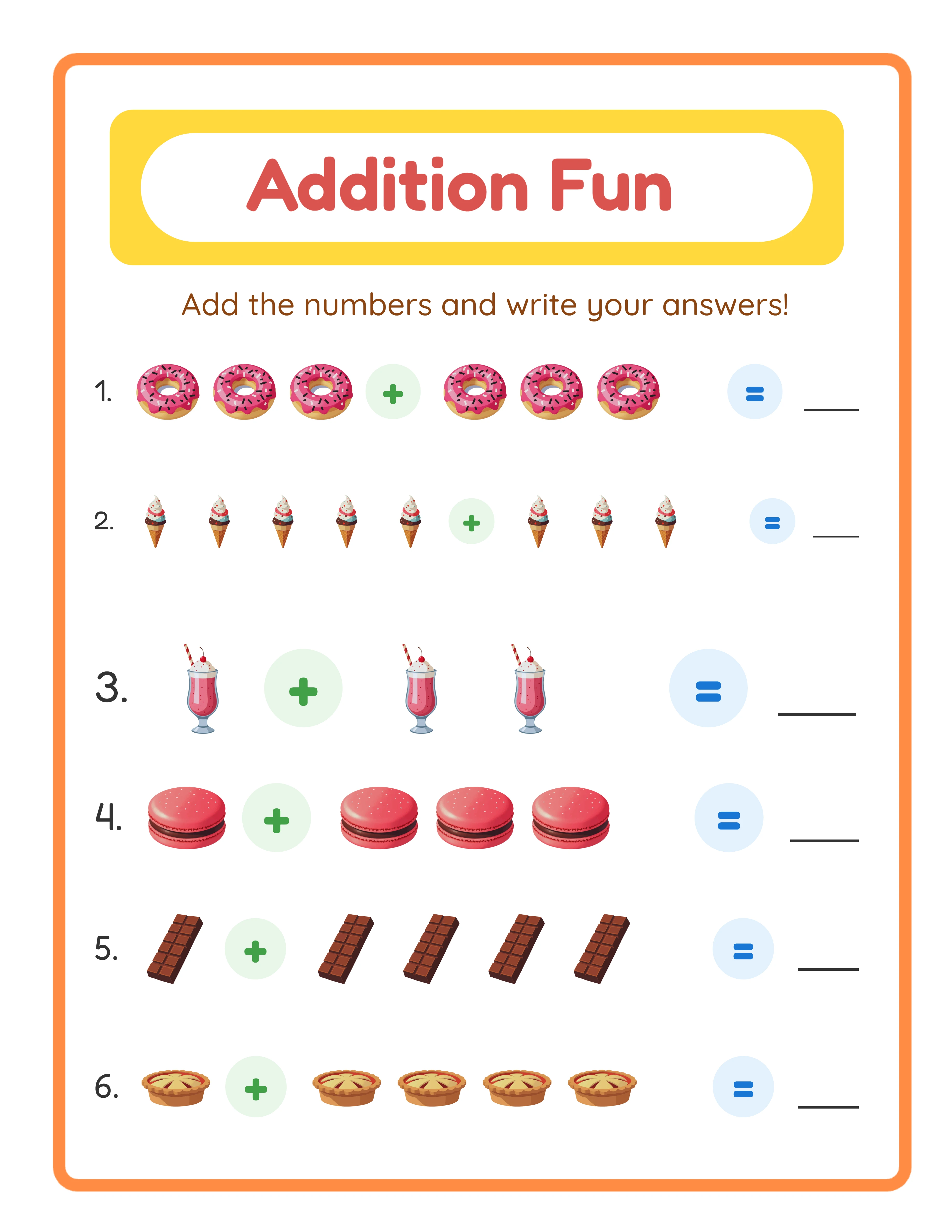
Math Mastery products (addition, subtraction, code puzzles, comparison, grid puzzles, number drills) have the highest consistent search volume because every elementary user practices math. Competition is moderate to high for basic formats like addition and subtraction, but significantly lower for specialized formats like code addition puzzles and math grid puzzles.
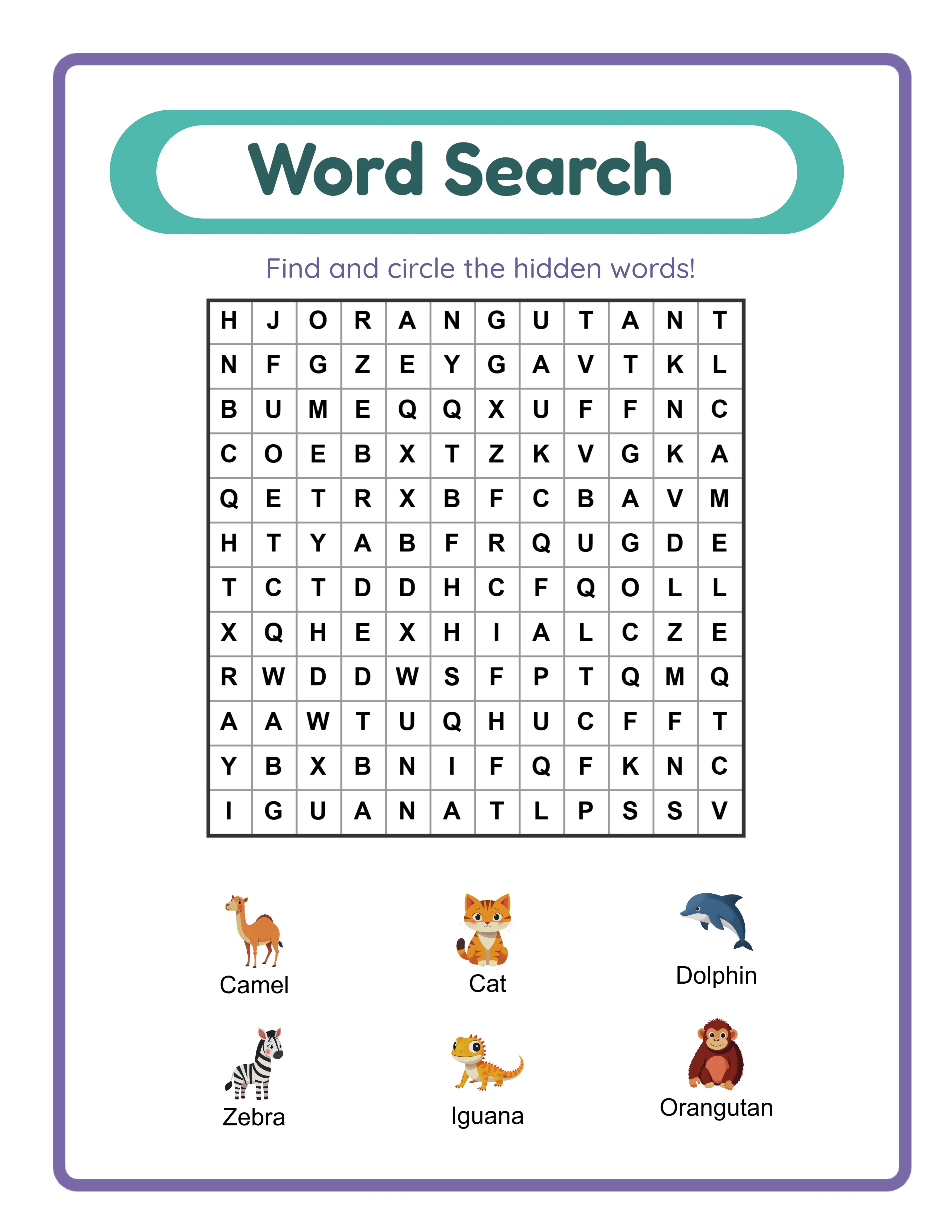
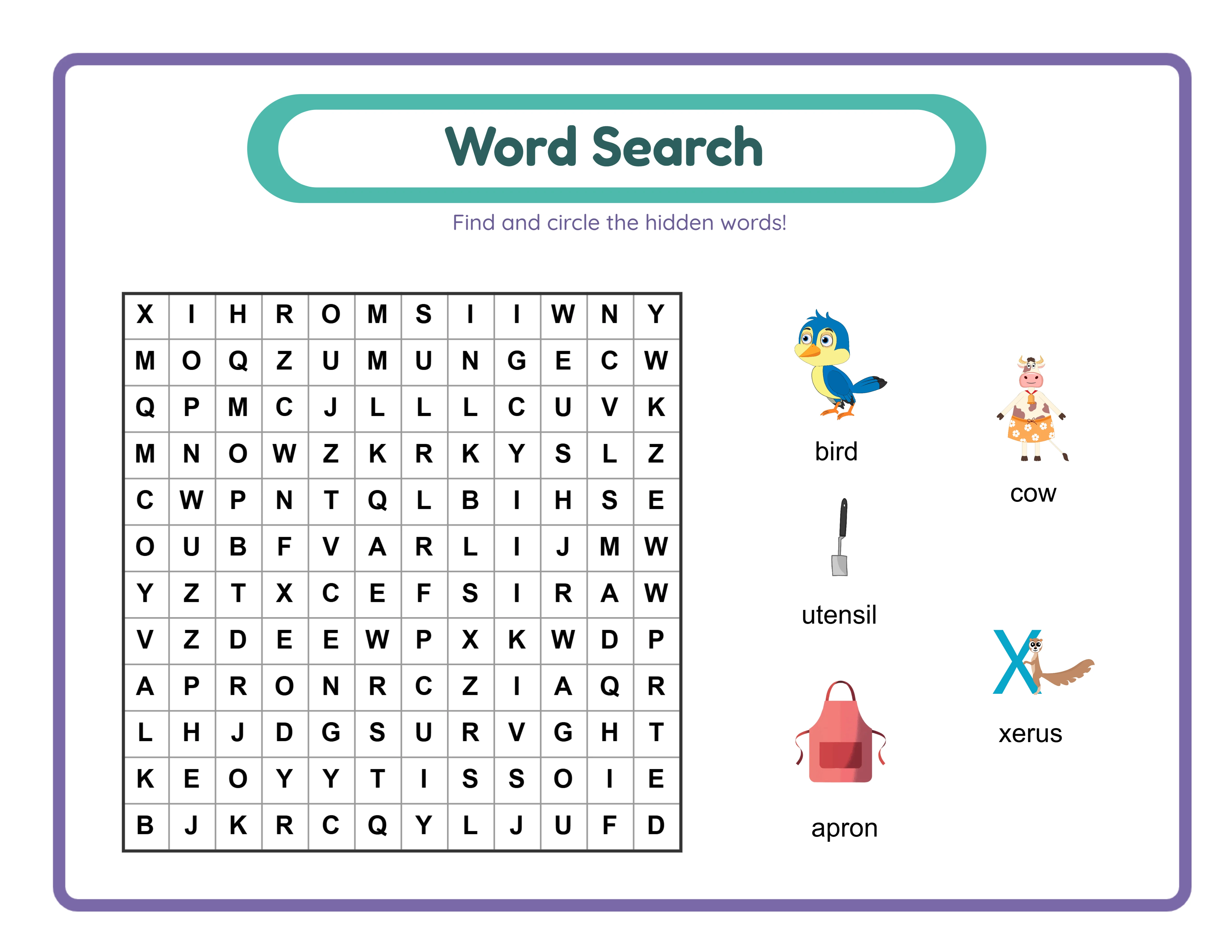
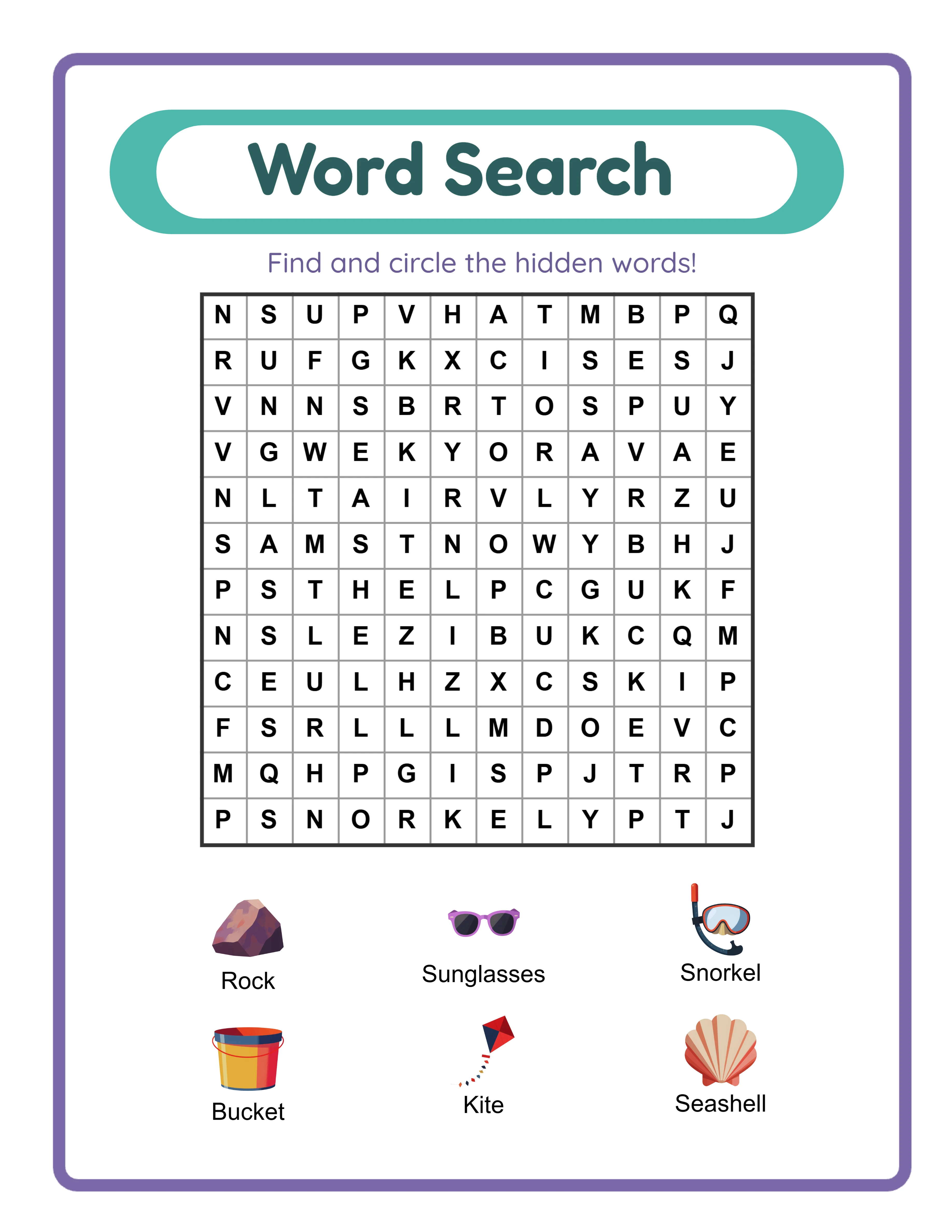
Literacy and Language products (word search, crossword, alphabet trains, word guess) have strong demand with a unique advantage: language sensitivity. Word search puzzles and crossword puzzles work across 11 languages, meaning a single product concept can be multiplied into 11 different listings targeting different language markets. Visual-only products do not have this multiplier.
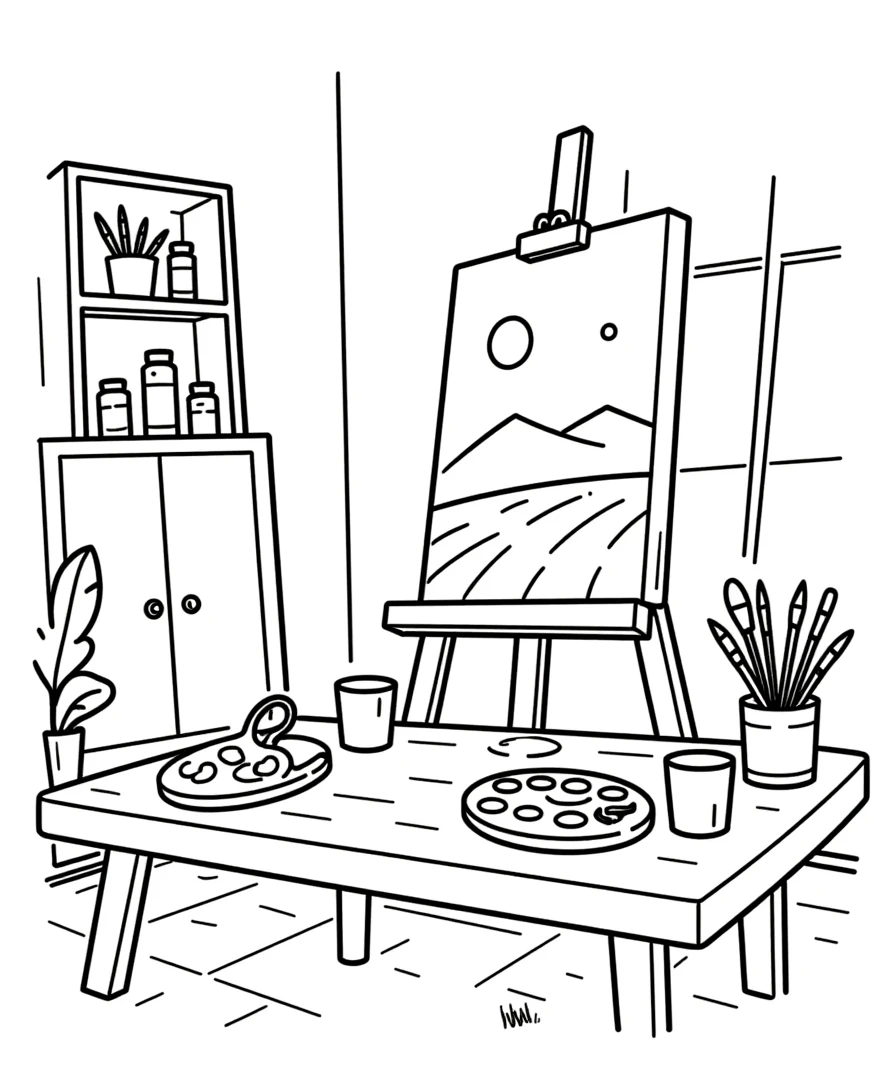
Visual Learning products (coloring pages, drawing worksheets, image vocabulary) have the broadest buyer demographic. Coloring pages appeal to parents, homeschoolers, therapists, and even adult coloring enthusiasts. Competition is high for generic coloring pages but lower for educationally themed coloring products that teach while entertaining.
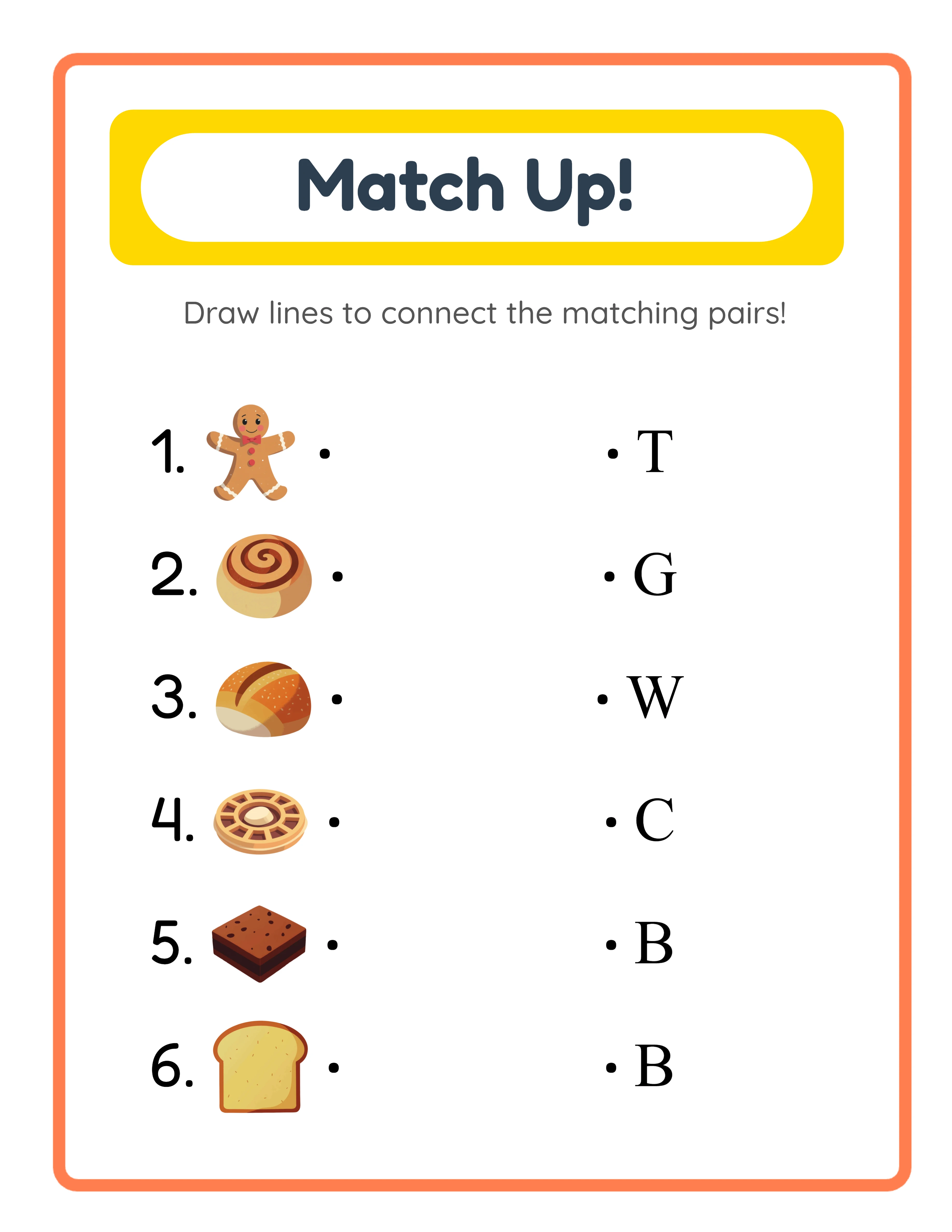
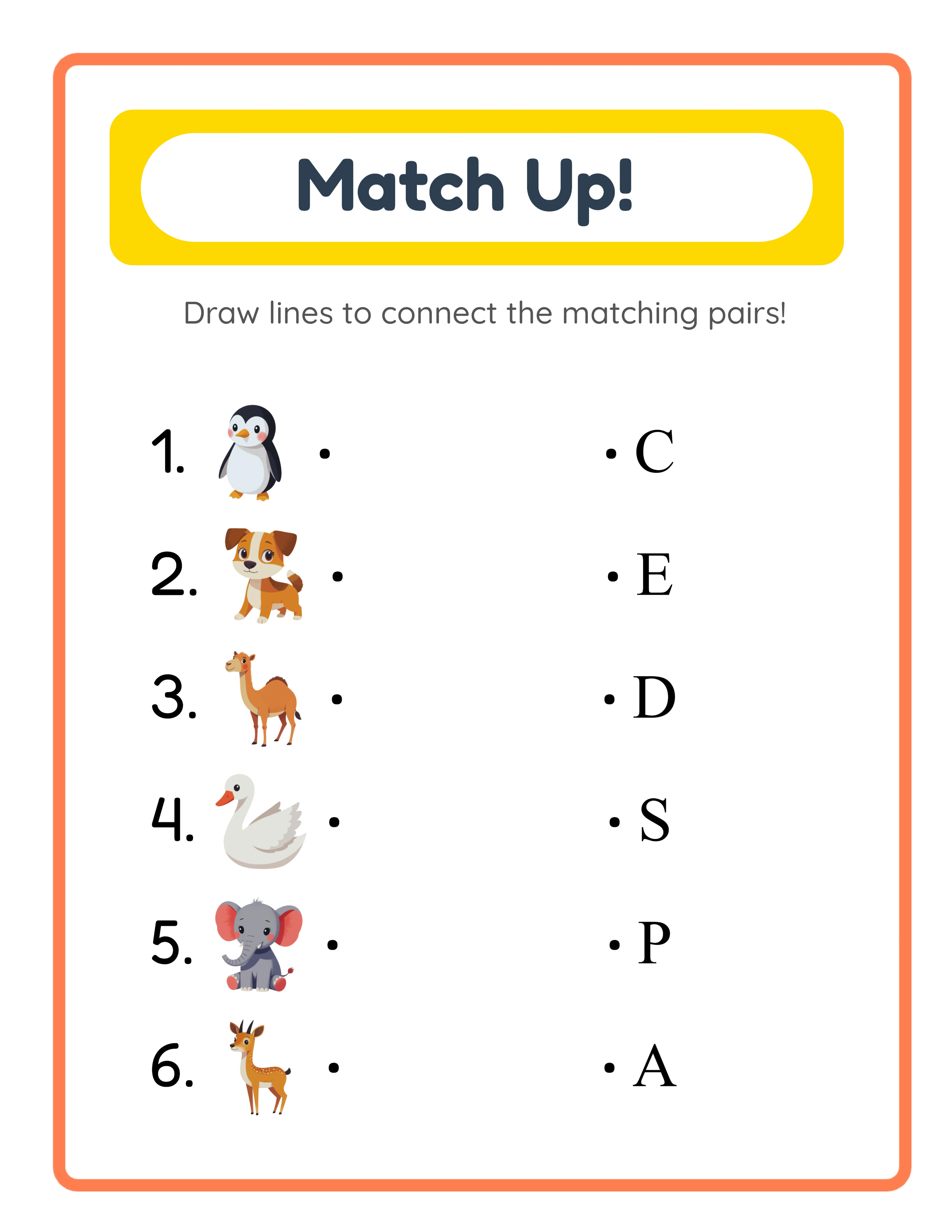
Matching and Sorting products (matching worksheets, prepositions, big or small, more or less) target early childhood education specifically. Preschool and kindergarten parents are active Etsy buyers, and matching activities are a staple of early learning curricula.
Puzzles and Logic products (sudoku, math puzzles) appeal to a broader age range than other categories. Sudoku in particular crosses over from children to adults, and sudoku puzzle books are a strong Amazon KDP format as well.
Search and Find products (find-and-count, letter spotting, find-the-difference) occupy a relatively uncrowded niche on Etsy. The visual complexity of these products makes them harder to create manually, which means sellers using generators have a significant production advantage over hand-designed competitors.
Research each category by searching Etsy for the main product terms. Note the number of results, the price range of top listings, and the review counts of successful shops. This data tells you which categories have immediate opportunity and which require more differentiation to compete.
2
Choose Your Starting Category and Expansion Strategy
Launching across all 6 categories simultaneously is a mistake. Etsy rewards shop authority and product depth within a category. A shop with 20 math worksheet listings ranks better for math-related searches than a shop with 3 math listings, 3 word search listings, 3 coloring listings, and so on.
Pick your starting category based on three factors: your familiarity with the product type, the demand-to-competition ratio you found in your research, and your ability to create high-quality listing photos for that format.
Recommended starting categories for new sellers:
Math Mastery if you want the highest search volume and can differentiate through themed image-based worksheets rather than plain number drills. The 6 math generators give you enough variety to build 20 or more listings from a single category.
Puzzles and Logic if you want lower competition and strong crossover to Amazon KDP. Sudoku books and math puzzle collections translate directly into book-format products.
Search and Find if you want to enter the least saturated category. Find-and-count worksheets, letter spotting activities, and find-the-difference pages have minimal competition because they are technically difficult to create without a generator.
Once your starting category has 15 to 20 listings and is generating consistent sales, expand to your second category. Plan your expansion path in advance: if you start with Math Mastery, expanding to Puzzles and Logic creates a natural thematic connection. If you start with Literacy, expanding to Matching and Sorting serves overlapping buyer segments.
Avoid spreading across all categories with only a few listings each. Depth wins over breadth on Etsy until you have established authority in at least one category.
3
Build Inventory Across Multiple Product Types
Each generator within a category produces a distinct product type, and each product type can be multiplied through themes, difficulty levels, and page sizes. The math behind a large catalog is straightforward.
For a single generator like Addition: choose 5 themes, 3 difficulty levels (preschool, kindergarten, first grade), and 2 page sizes (Letter and A4). That gives you 5 x 3 = 15 distinct product combinations before you even create bundles. Add subtraction with the same strategy and you have 30 products from just 2 generators.
Apply this logic across categories:
Math Mastery: 6 generators producing addition worksheets, subtraction worksheets, code addition puzzles, comparison sheets, math grid puzzles, and number drills. With themed variations and difficulty levels, you can create 50 or more unique products from this category alone.
Literacy and Language: 4 generators producing word search puzzles, crossword puzzles, alphabet train activities, and word guessing games. For language-sensitive generators like word search and crossword, each language becomes a separate product line. English word searches, Spanish word searches, French word searches — each is a distinct listing targeting different buyers.
Visual Learning: 3 generators producing coloring pages, drawing worksheets, and image vocabulary cards. Coloring pages alone can generate dozens of listings through different themes.
Matching and Sorting: 4 generators producing matching worksheets, preposition exercises, size comparison activities, and more-or-less worksheets. These target preschool and kindergarten specifically.
Puzzles and Logic: 2 generators producing sudoku puzzles and math puzzle grids. Sudoku especially benefits from difficulty level multiplication (easy, medium, hard) and KDP crossover.
Search and Find: 3 generators producing find-and-count activities, letter spotting worksheets, and find-the-difference pages. Themed variations work extremely well here.
Batch production is critical for efficiency. When you sit down to create products, produce an entire series in one session: open the generator, set your theme, generate 10 worksheets at one difficulty level, export them, change the difficulty, generate 10 more. Assembly-line production is faster than switching between generators and categories randomly.
4
Organize Your Etsy Shop with Category Sections
Etsy shop sections act as browsable categories within your store. For a multi-category educational printable shop, your section structure signals professionalism and helps buyers find what they need without scrolling through hundreds of unrelated listings.
Create one shop section per educational category, plus cross-category bundle sections:
Section structure for a mature shop: Math Worksheets (addition, subtraction, drills, comparison), Literacy Activities (word search, crossword, alphabet, word games), Visual Learning (coloring pages, drawing activities, vocabulary cards), Early Learning (matching, prepositions, size sorting, more-or-less), Puzzles and Logic (sudoku, math puzzles, code crackers), Search and Find (find-and-count, letter spotting, spot-the-difference), Grade Level Bundles (kindergarten complete, first grade complete, second grade complete), and Seasonal Collections (back-to-school, holiday, summer learning).
The Grade Level Bundles section is particularly powerful. Parents and buyers often search by grade level rather than by specific activity type. A "Kindergarten Complete Learning Pack" that pulls products from math, literacy, matching, and coloring into a single bundle captures searches that no single-category listing can reach.
Seasonal Collections let you feature time-sensitive products without disrupting your permanent category organization. Move holiday-themed products from their home category into the seasonal section during peak selling windows, then move them back afterward.
Keep your section names short and search-friendly. "Math Worksheets" is better than "Mathematics Learning Activities and Practice Sheets." Etsy shows section names in your shop navigation, and shorter names display more cleanly on mobile devices where most Etsy browsing happens.
5
Write Category-Specific Etsy Listings
Different product categories require different keyword strategies because buyers search for them using fundamentally different language.
Math product buyers search by skill and grade level: "addition worksheets kindergarten," "subtraction practice first grade," "math drills printable." Your titles and tags for math products should lead with the specific math skill, include the target grade or age, and include "printable" or "PDF" to signal the digital format.
Literacy product buyers search by activity type and sometimes language: "word search puzzles for kids," "crossword puzzles printable Spanish," "alphabet tracing worksheets." For language-sensitive products, always include the target language in the title — "French Word Search Puzzles" captures a specific audience that "Word Search Puzzles" alone misses.
Visual learning buyers search by theme and use case: "animal coloring pages toddler," "drawing worksheets kindergarten," "vocabulary flashcards printable." Theme-forward titles work better for visual products than skill-forward titles.
Early learning buyers search by age and developmental skill: "matching worksheets preschool," "bigger smaller activities toddler," "preposition worksheets kindergarten." Age indicators are critical here because early learning products span a narrow window.
Puzzle buyers search by difficulty and format: "easy sudoku puzzles kids," "math puzzle worksheets grade 2," "number puzzles printable." Difficulty signaling in the title helps buyers self-select the right product.
Search-and-find buyers search by theme and activity type: "find and count animals worksheet," "letter spotting activity printable," "spot the difference kids." Theme naming drives clicks for this visual category.
Use all 13 Etsy tags for every listing. Across tags, cover: the specific product type, the target age or grade, the subject area, the format (printable, PDF, instant download), the use case (homeschool, learning environment, homework), the theme if applicable, and related search variations. Never repeat the same phrase across tags since Etsy already combines your tags with your title words.
6
Create Listing Photos Across Product Categories
Different educational printable types need different photo strategies because their visual appeal comes from different elements.
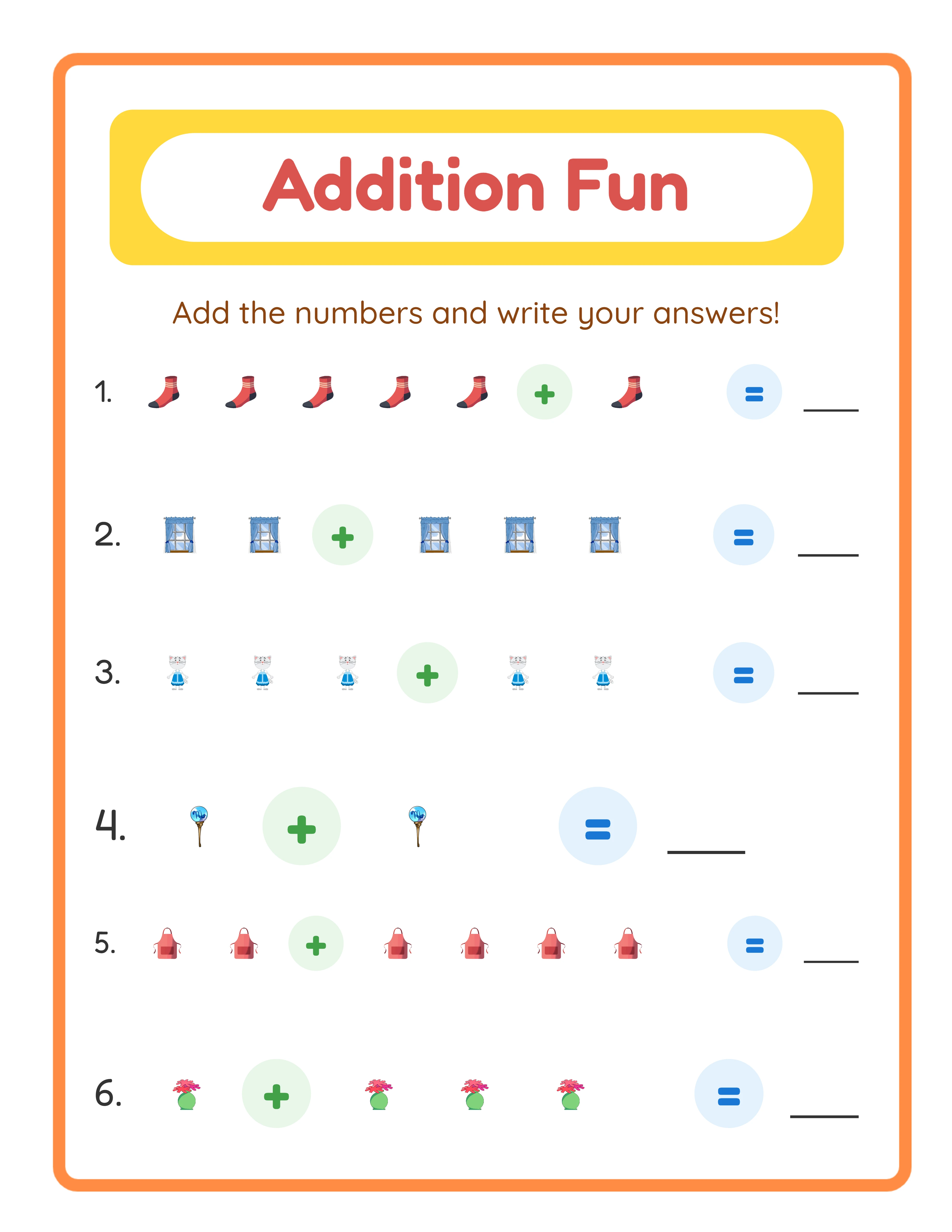
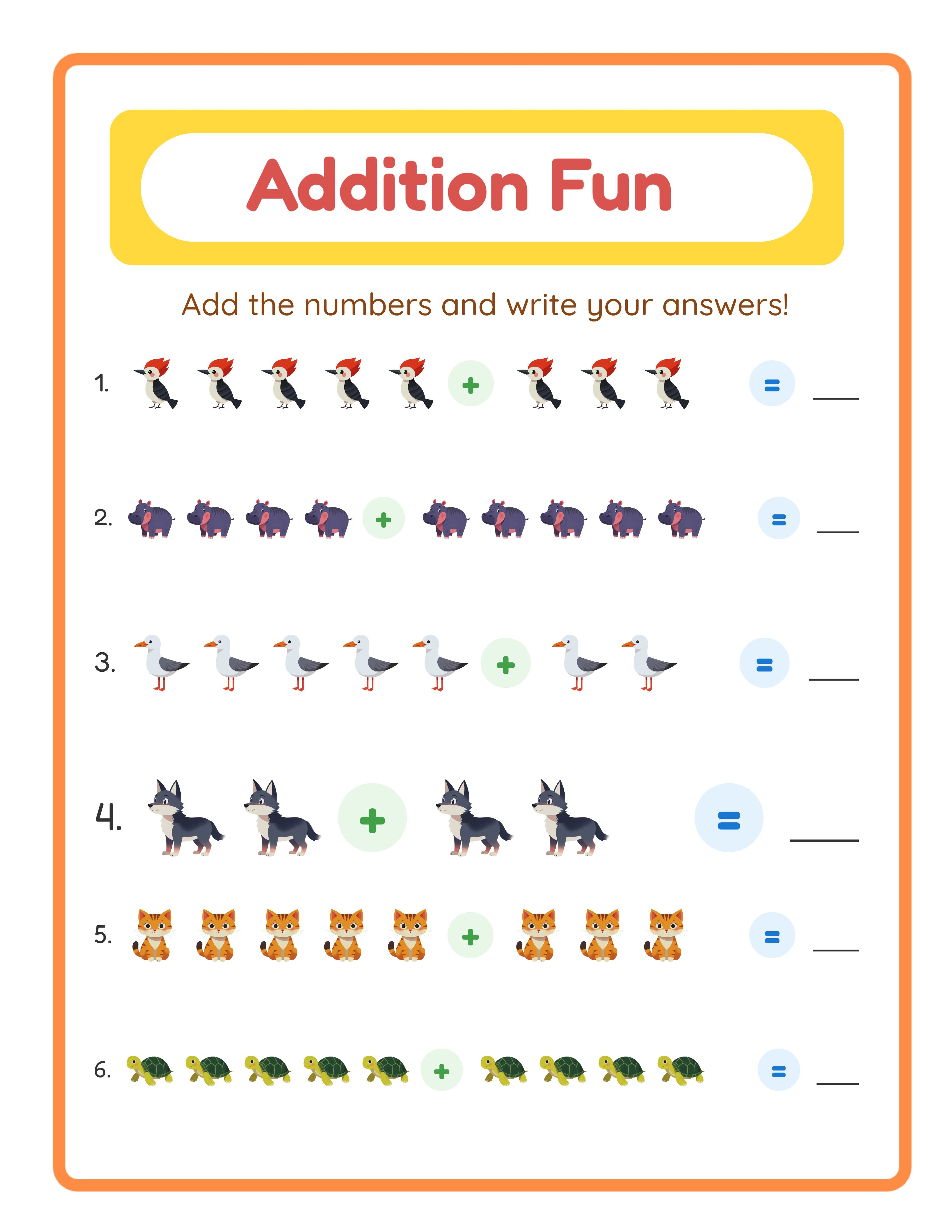
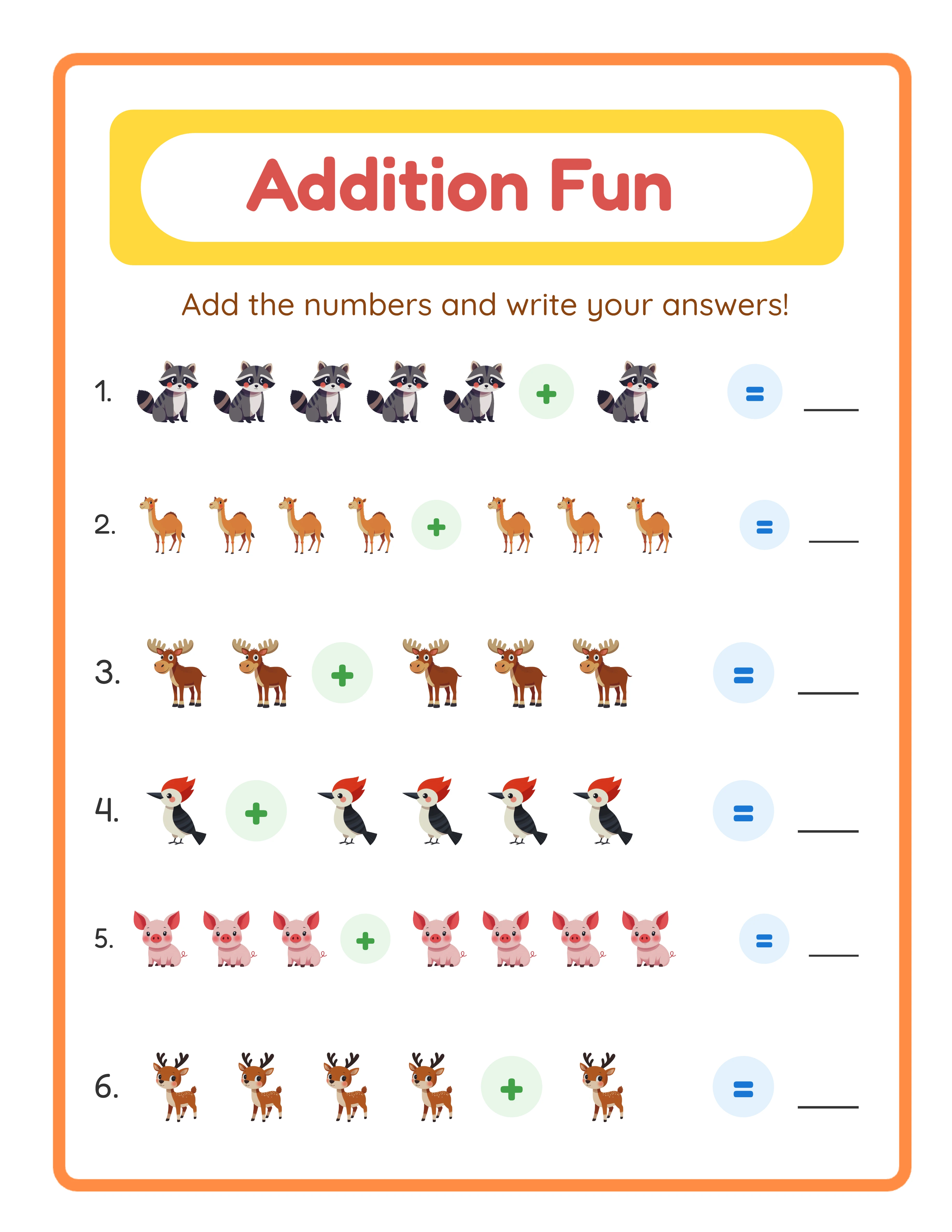
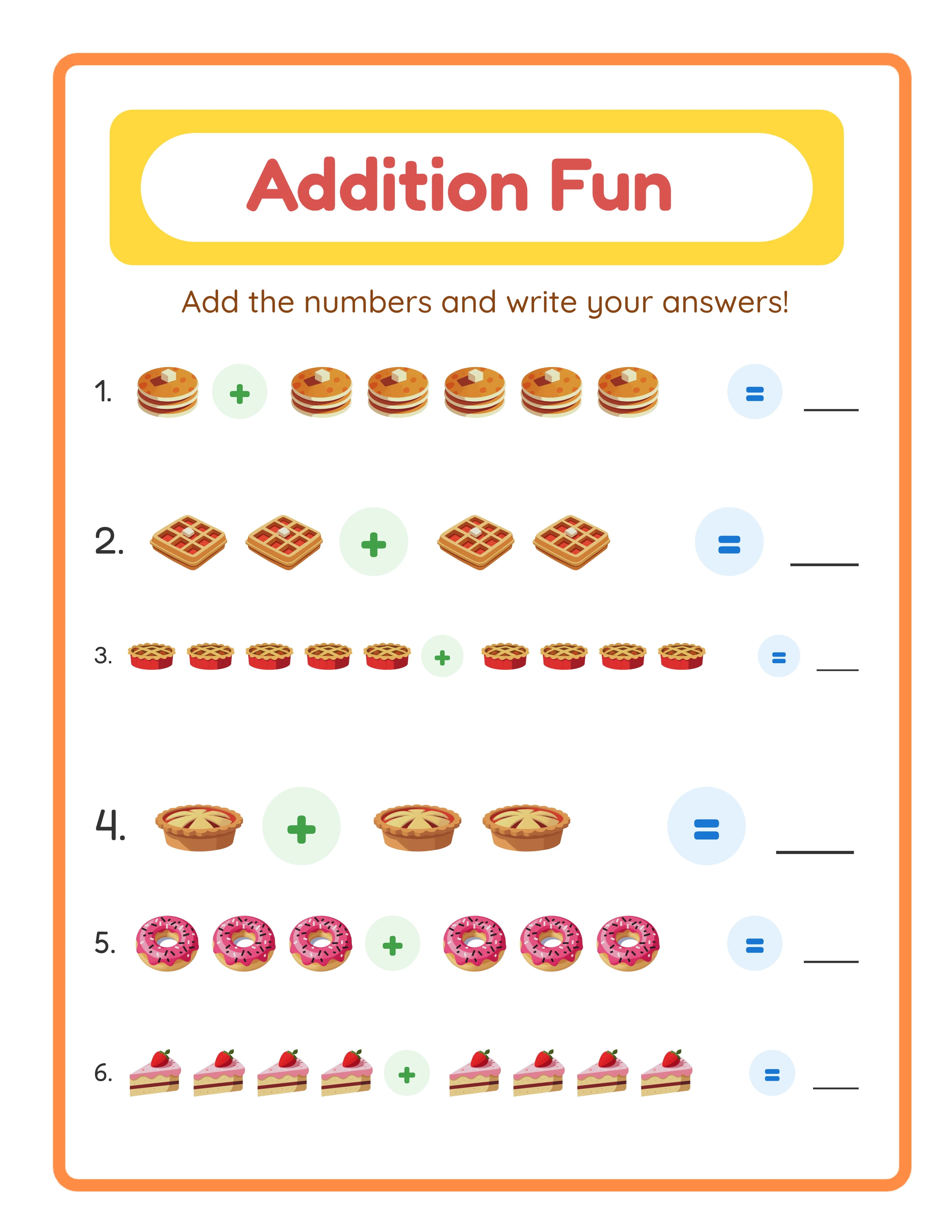
Math worksheets: show the themed illustrations prominently. Image-based math problems are visually appealing in thumbnails. Display 2 to 3 worksheets fanned out with the answer key partially visible behind them. The answer key inclusion signals completeness and professionalism.
Word search and crossword puzzles: show the completed grid with a few words circled or highlighted. Buyers want to see the puzzle format and difficulty at a glance. For language-specific products, include a text overlay showing the target language.
Coloring pages: show both the uncolored outline and a colored sample side by side. The "before and after" format demonstrates the quality of the line art and gives buyers confidence about the finished result. Coloring page thumbnails perform best when the artwork is large and detailed.
Matching worksheets: show the cut-and-paste format clearly. Display the full page with cutting lines visible, and show a separate image with pieces arranged on a table to demonstrate the hands-on activity.
Sudoku and logic puzzles: show the grid clearly with numbers visible. Include difficulty indicators in the photo. For puzzle books (KDP crossover), show the book cover and an interior spread.
Search-and-find activities: show the full scene with a few items already circled. The visual density of these products is their selling point — buyers should be able to see that the worksheet is detailed and engaging.
Maintain visual consistency across all categories in your shop. Use the same background color or texture, the same shadow style, and the same text overlay font for every listing photo. This makes your shop immediately recognizable in search results and communicates that all products come from the same professional source.
7
Set Multi-Category Pricing Strategy
Pricing educational printables on Etsy requires a strategy that accounts for production complexity, perceived value, and cross-category bundling opportunities.
Base pricing by category: individual worksheets or small packs (5 to 10 pages) from any single generator typically sell for $2.99 to $4.99. Theme packs (10 to 20 pages from one generator with a consistent theme) sell for $4.99 to $7.99. Category bundles (20 to 50 pages combining multiple generators from the same category) sell for $8.99 to $14.99.
Cross-category bundles are where the real pricing power lives. A "Kindergarten Complete Learning Pack" that includes math worksheets, matching activities, coloring pages, and word searches from multiple categories can sell for $14.99 to $24.99 because buyers perceive it as a comprehensive solution rather than a collection of individual worksheets.
Grade-level mega bundles — all activities for a specific grade across all categories — command the highest prices at $19.99 to $29.99. These target parents and homeschoolers seeking a complete curriculum supplement.
Pricing tiers create natural upgrade paths. When a buyer finds your $3.99 animal addition pack, they should see your $9.99 math category bundle and your $19.99 grade-level complete pack in your shop. Each tier increases the average order value.
Seasonal pricing adjustments work across categories. During back-to-school season in July through September, grade-level bundles command premium prices because urgency increases. Holiday-themed products from any category can be priced slightly higher during their seasonal window because demand peaks and buyers are less price-sensitive.
Always include both Letter and A4 page sizes in your digital downloads. This costs you nothing extra since all 33 generators support both formats, and it prevents the most common source of negative reviews from international buyers.
8
Scale from One Category to a Full Educational Printable Shop
Scaling from a single-category shop to a full educational printable storefront requires deliberate timing and strategic category launches.
Phase one (months 1 to 3): establish authority in your starting category with 15 to 20 listings. Focus all your SEO effort, listing optimization, and photo quality on this one category. Monitor Etsy Stats to identify which search terms drive traffic and which listings convert. This data informs your expansion decisions.
Phase two (months 3 to 6): add your second category with 10 to 15 listings. Choose a category that serves overlapping buyer segments — if your first category was math, consider literacy or puzzles since the same parents and homeschoolers buy both. Create your first cross-category bundles linking your original and new categories.
Phase three (months 6 to 12): add a third and fourth category. By now your shop has enough listings to create meaningful grade-level bundles. A "First Grade Complete Pack" becomes possible when you have math, literacy, and visual learning products for that grade level. These cross-category bundles often become your highest-revenue listings.
Phase four (months 12 and beyond): complete your category coverage. With products across all 6 categories, you can create comprehensive seasonal collections, complete grade-level curricula, and themed mega bundles that no single-category competitor can match.
Align category launches with seasonal demand. Launch math products before back-to-school season (July). Launch coloring and visual products before the holiday season (October). Launch early learning products (matching, sorting) before the spring preschool enrollment period (March to April).
As your catalog grows, revisit older listings with fresh photos, updated keywords based on Etsy Stats data, and new bundle combinations. An addition worksheet listing from month one can be refreshed and re-bundled with subtraction and puzzle worksheets you created in month four, creating new bundle products without creating new base content.
The long-term competitive advantage of a multi-category educational printable shop is that it becomes increasingly difficult for single-category competitors to match your breadth. A parent who finds your math worksheets, discovers you also carry word searches, coloring pages, and matching activities, and buys a grade-level bundle — that buyer is unlikely to visit a competitor shop that only carries one of those categories.