How to Start an Etsy Printable Shop from Scratch

Starting an Etsy shop for printable worksheets and educational activities is one of the lowest-barrier entries into digital product selling. Unlike physical product businesses that require inventory, shipping logistics, and upfront manufacturing costs, a printable shop needs only your generator toolkit and a structured launch plan. This guide walks you through every step from creating your Etsy seller account to executing your first 30 days of shop operations — covering the shop-level decisions that product-specific guides assume you have already made. Whether you plan to sell math worksheets, word search puzzles, coloring pages, or a mix across all 6 generator categories, the shop setup fundamentals covered here apply to every printable product type.
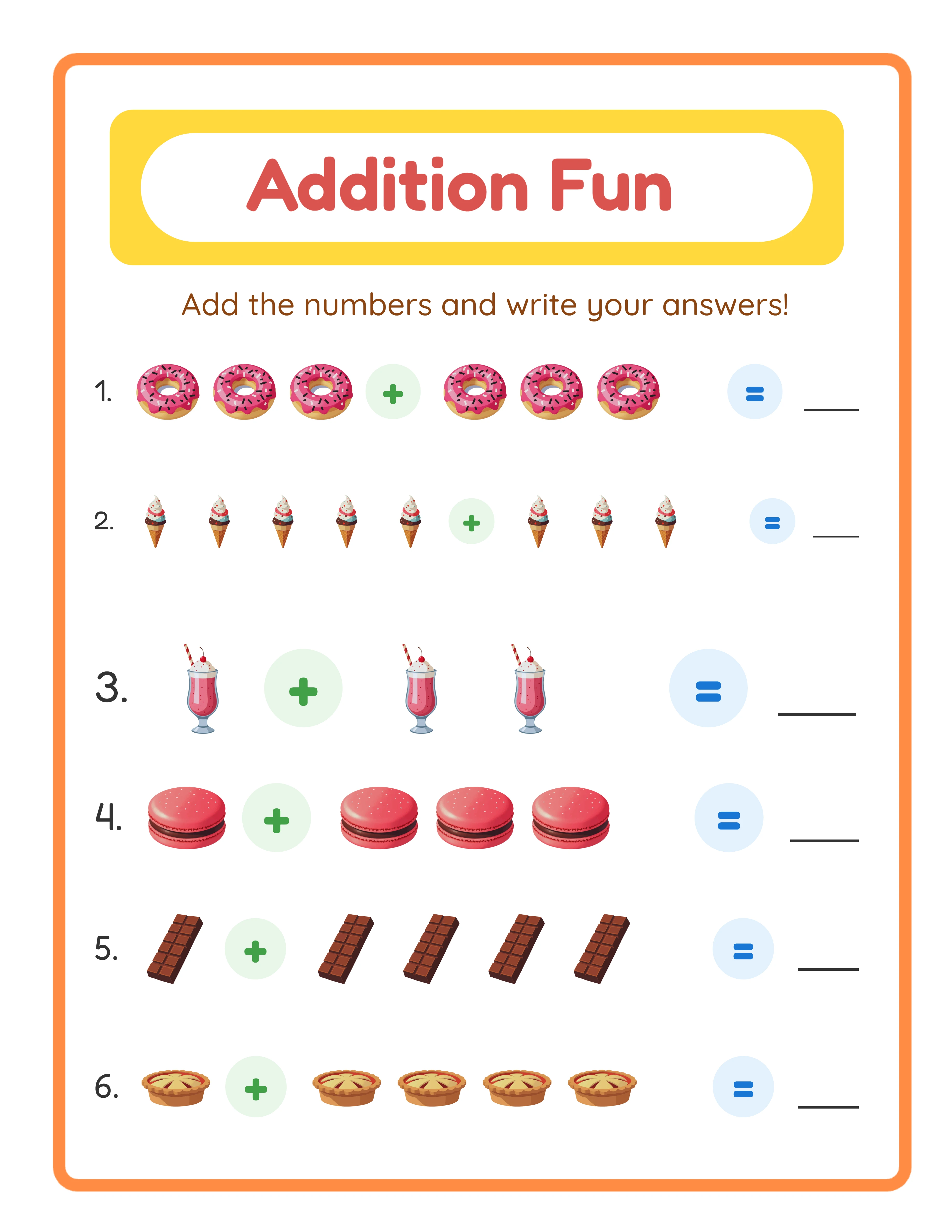
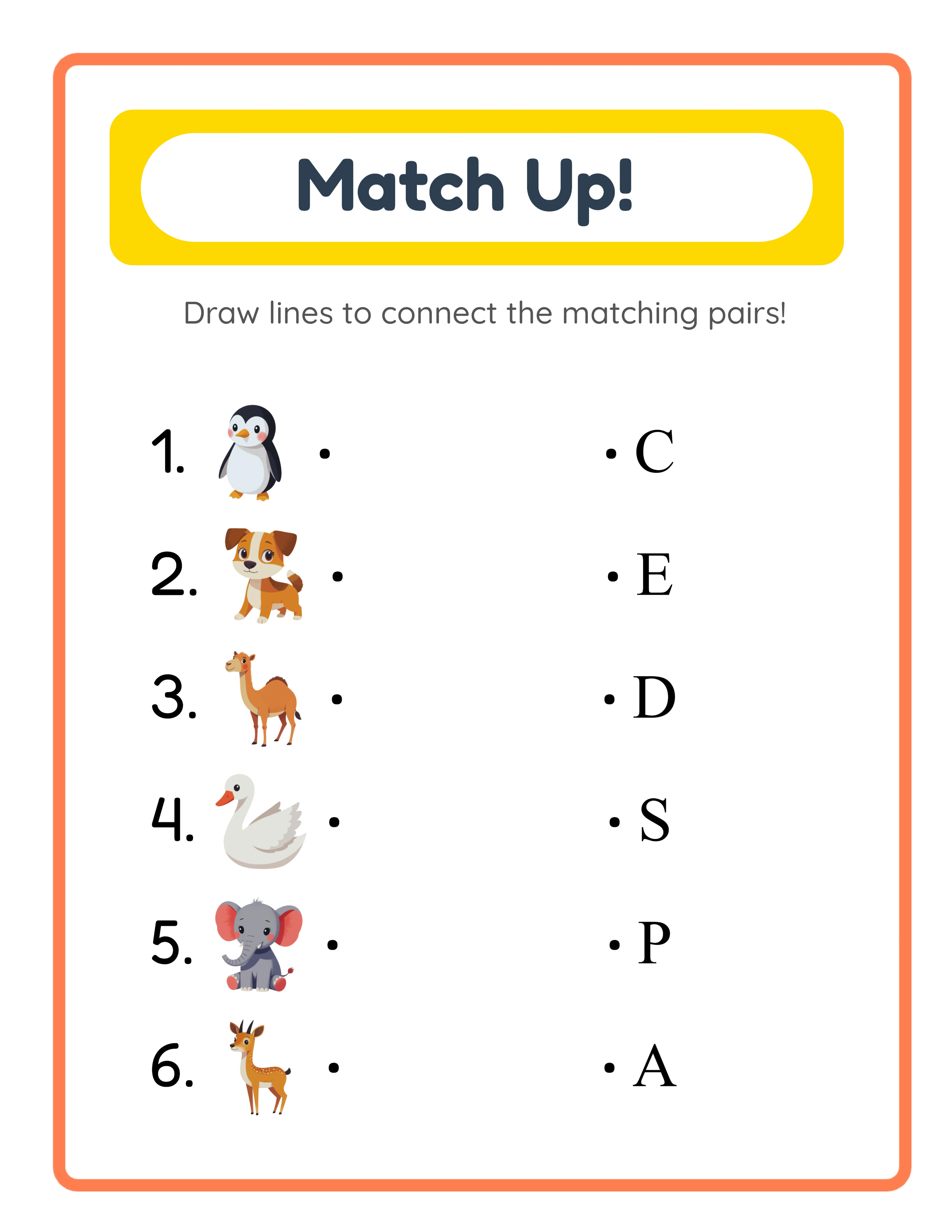
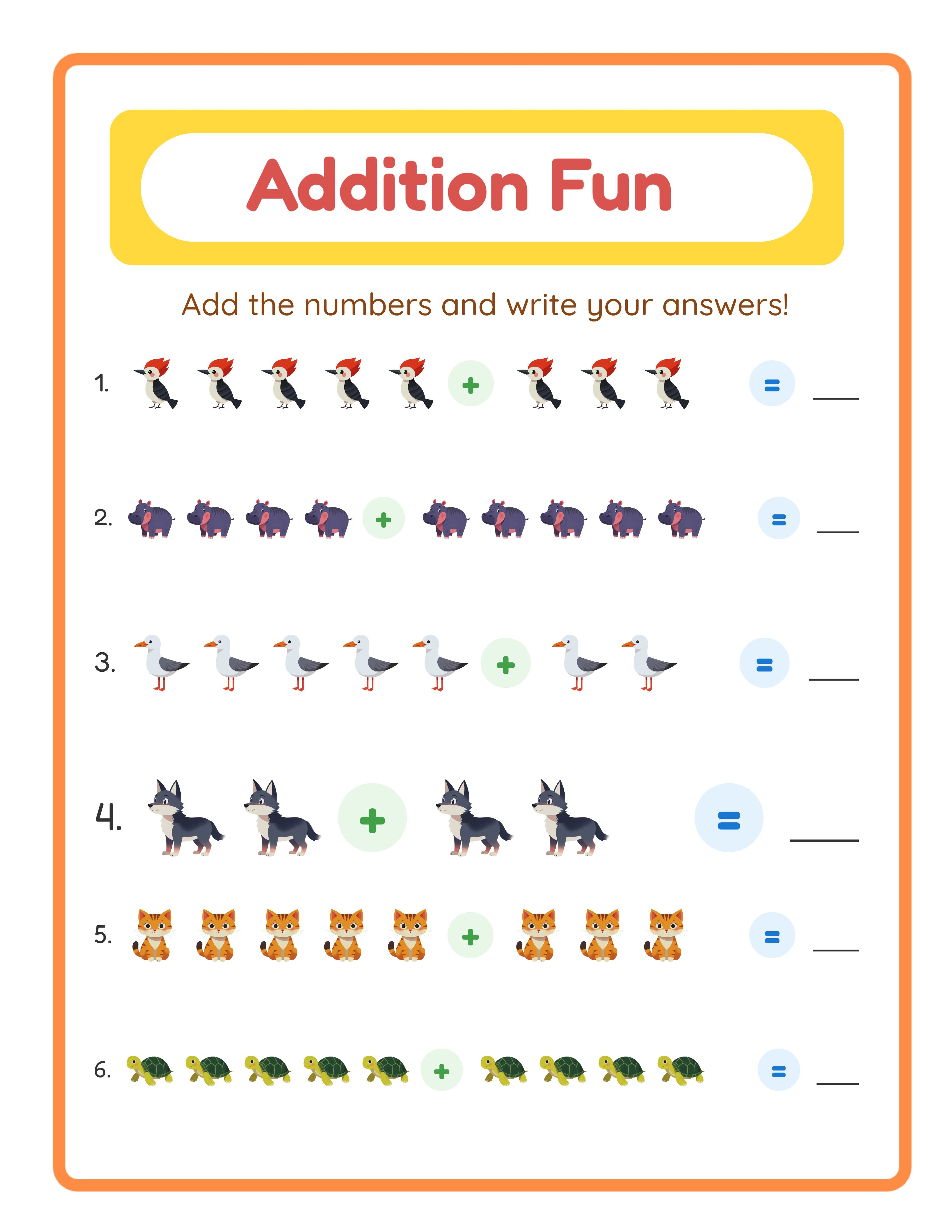
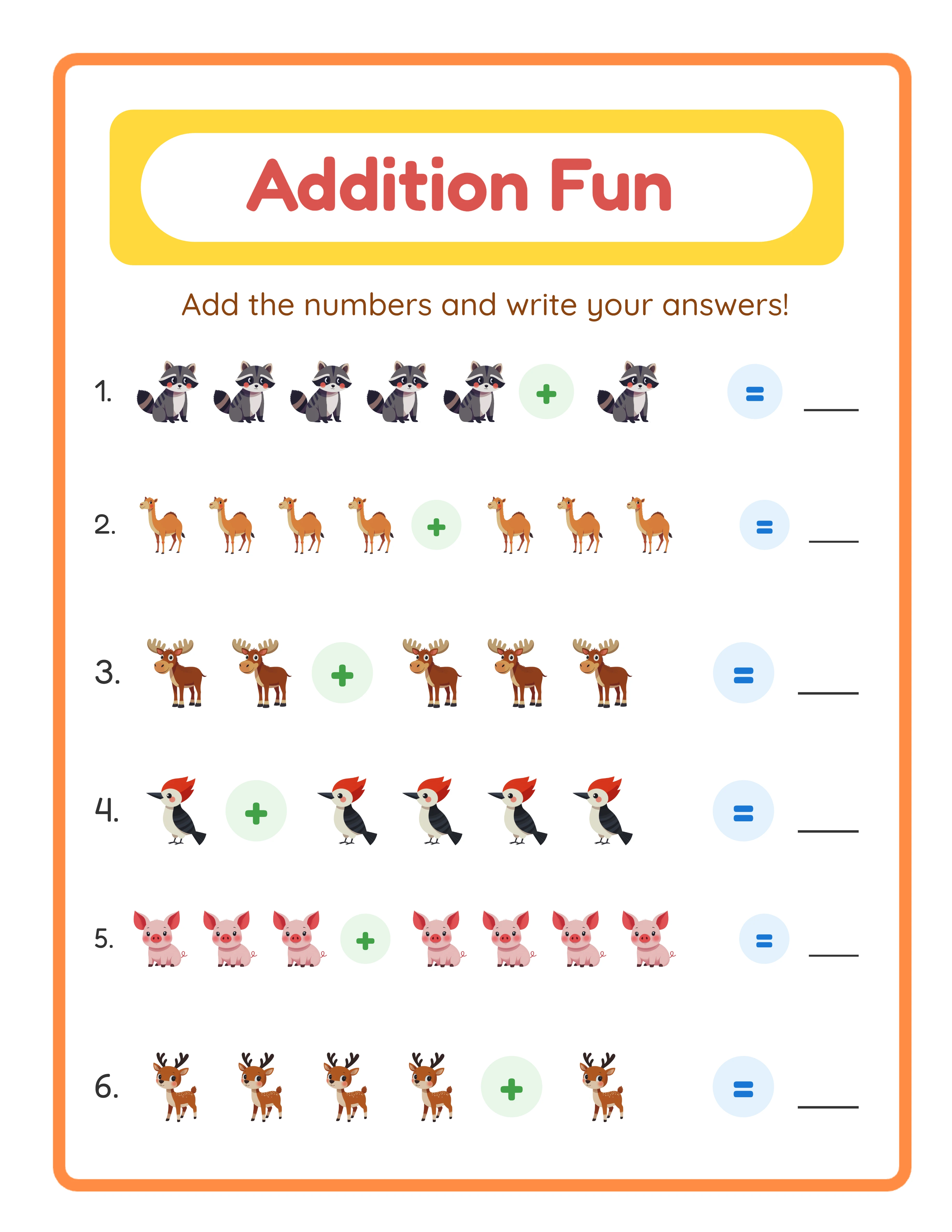
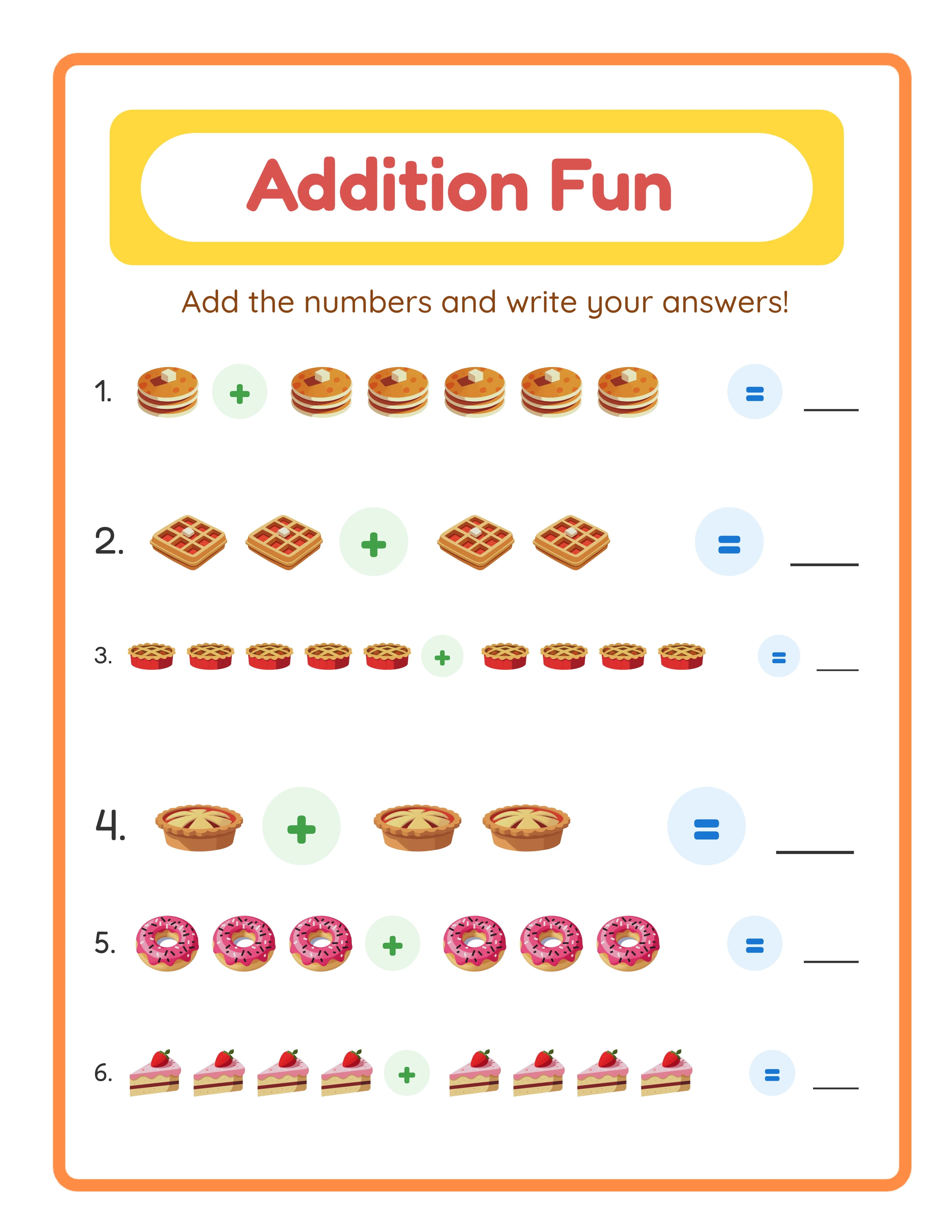
Professional addition worksheets created with the Addition Worksheet Generator, representing the printable product quality achievable across all 33 generators
Professional Printables

How to Start an Etsy Printable Shop from Scratch

Create stunning addition worksheets your customers will love

Addition worksheet sample 1
Addition worksheet sample 2
Addition worksheet sample 3
Pictures + NumbersAnswer KeysPrint-ReadyFree Trial with Watermark

Introduction

The printable worksheet market on Etsy has grown into a substantial digital product category, driven by homeschool parents, tutoring centers, activity directors, and families seeking educational offline activities. Etsy's marketplace structure is uniquely suited to printable sellers because the platform handles payment processing, digital file delivery, buyer communication, and search-driven product discovery — allowing you to focus on product creation and listing optimization rather than building your own e-commerce infrastructure. What makes printable worksheets particularly attractive as an Etsy business is the inventory model. Physical product sellers must manufacture, store, and ship inventory. Printable sellers create a product once and sell it an unlimited number of times with zero marginal cost per sale. A single well-optimized listing can generate sales for months or years without additional production effort. This means your initial product creation time is an investment that compounds — every new listing you add increases your shop's total search surface area and revenue potential permanently. The 33 generators across 6 product categories — Activity Worksheets, Math and Number, Letters and Words, Drawing and Art, Puzzles and Games, and Pattern and Logic — give you access to the broadest possible printable product range from a single toolkit. Most Etsy printable sellers are limited to one or two product types because they create everything manually. Having generators that produce professional, print-ready output across 33 distinct formats means you can launch with product diversity that would take manual creators months to build. Each generator offers a free trial with watermark so you can evaluate the output quality before committing. This guide is intentionally shop-level rather than product-specific. It covers the decisions and setup steps that apply regardless of which generators you use — your Etsy account configuration, shop branding, digital download policies, pricing framework, listing optimization principles, and launch strategy. For deep dives into selling specific product types, refer to the product-specific platform guides for math worksheets, word search puzzles, and other formats. Those guides build on the shop foundation you establish here. Etsy charges relatively modest fees compared to the infrastructure it provides. A $0.20 listing fee per item (renewed every 4 months or upon sale), a 6.5% transaction fee, and payment processing fees are your primary costs. There is no monthly subscription required to operate an Etsy shop, which means your startup cost is essentially zero beyond the listing fees for your initial products. This low-barrier entry makes Etsy the ideal testing ground for printable sellers who want to validate product-market fit before investing in additional sales channels. The most common mistake new printable sellers make is launching with too few listings, inconsistent branding, and no optimization strategy. This guide provides the structured approach that separates shops that gain traction within their first month from shops that sit dormant with zero views. Every section is designed to be actionable — you can follow the steps sequentially from account creation through your 30-day launch plan.
Try It Free with Watermark

Try any generator free with watermark. No signup required.

Tutorial

1

Choose Your Printable Niche on Etsy

Before creating your Etsy account, define which product categories you will launch with. The 6 generator categories span different buyer segments and competition levels, so choosing your starting focus strategically gives your shop the strongest possible launch position. The 6 categories and their market characteristics: Math and Number generators (addition, subtraction, code puzzles, comparison, grid puzzles, number drills) target parents and homeschoolers seeking structured curriculum-aligned worksheets with consistent year-round demand. Letters and Words generators (word search, crossword, word scramble, cryptogram, alphabet, handwriting, letter spotting, prepositions) serve literacy education with strong seasonal peaks around back-to-school. Drawing and Art generators (coloring pages) appeal to the broadest buyer demographic including parents, therapists, and adult relaxation buyers. Puzzles and Games generators (bingo, matching) serve event-driven demand from party planners, group activities, and senior centers. Activity Worksheets generators (mazes, dot-to-dot, spot differences, tracing) cover fine motor skill development for preschool and kindergarten audiences. Pattern and Logic generators (more-or-less, patterns) target early learning and cognitive development markets. Research your chosen category on Etsy before committing. Search for the product types you plan to create and examine the top results. Note how many reviews the leading listings have, what price points dominate, and how saturated the market appears. Categories where top listings have 500 or more reviews indicate proven demand but established competition. Categories where top listings have fewer than 100 reviews may indicate either less demand or an underserved opportunity — check the view counts in Etsy Stats after you launch to distinguish between these. For your first shop launch, choose one primary category and one secondary category. Your primary category should have 10 to 15 initial listings. Your secondary category adds 5 to 8 listings for variety. This mix gives you enough search surface area across two buyer segments while maintaining enough category focus for Etsy's algorithm to recognize your shop's specialization. Consider starting with a category that has natural cross-selling potential. Math worksheets pair with pattern and logic activities. Word search puzzles pair with crosswords and word scrambles. Coloring pages pair with dot-to-dot and tracing worksheets. These natural pairings encourage buyers to purchase multiple products from your shop, increasing your average order value from day one.
2

Set Up Your Etsy Seller Account

Creating your Etsy seller account takes approximately 15 to 20 minutes. The setup decisions you make during this process affect your shop's visibility, payment processing, and tax reporting, so configure each section deliberately rather than rushing through. Go to etsy.com and click "Sell on Etsy" to begin the seller registration process. If you already have an Etsy buyer account, you can convert it to a seller account. Otherwise, create a new account with an email address you will use exclusively for your printable business — separating personal and business email helps with organization as order notifications and buyer messages increase. Shop preferences: select your shop language (this determines the default language for your shop interface, not your product language), your shop country (this determines your currency and affects which tax forms Etsy generates), and your default currency. For international sales, Etsy automatically converts prices for buyers in other currencies. Payment setup: connect your bank account for Etsy to deposit your earnings. Etsy processes payments on a regular deposit schedule (typically weekly for new shops, potentially more frequently as your shop matures). You will also need to provide tax identification information — in the United States, this is your Social Security Number for sole proprietors or your EIN for business entities. Etsy reports your sales to the IRS via Form 1099-K if you exceed the reporting threshold. Shipping profiles: for digital-only shops, create a single shipping profile set to "Digital" delivery. This tells Etsy that your products are delivered as instant downloads rather than physical shipments. When buyers purchase your printable worksheets, they receive immediate access to the digital files through Etsy's built-in download system — no shipping labels, tracking numbers, or delivery delays. Billing: Etsy charges the $0.20 listing fee when you publish each listing and deducts transaction fees from your sales. Connect a payment method for listing fees. Review Etsy's current fee structure on their seller handbook to understand exactly what you will be charged — fees include the listing fee, transaction fee (6.5% of sale price including shipping), and payment processing fee (typically 3% plus $0.25 per transaction for US sellers). Enable two-factor authentication on your seller account immediately after creation. Your Etsy shop will become a revenue-generating business asset, and account security is essential.
3

Brand Your Etsy Printable Shop

Your shop's branding communicates professionalism, builds buyer trust, and differentiates your products from thousands of competing printable sellers. Invest time in branding during setup rather than treating it as an afterthought. Shop name: choose a name that signals what you sell without being so specific that it limits future expansion. "BrightSheet Printables" or "Printable Learning Hub" communicates educational printables broadly, while "MathOnly Worksheets" restricts your perceived catalog. Check that your chosen name is available on Etsy and ideally on social media platforms you may use for promotion later. Etsy shop names can be changed once, so choose carefully. Shop logo: create a clean, professional logo that is legible at small sizes. Your logo appears as a small circular icon in search results and shop pages. Avoid complex illustrations that become unreadable at thumbnail size. A simple typographic logo with your shop name or initials in a distinctive font works well. You can create logos using no-cost tools like Canva. Shop banner: design a banner (1200 x 300 pixels recommended) that showcases the variety of your printable products. Include 4 to 6 product thumbnails showing different worksheet types — a math worksheet, a word search puzzle, a coloring page, a matching activity. This immediately communicates product range to anyone landing on your shop page. Add a tagline like "Professional Printable Worksheets for Parents, Homeschool Families, and Sellers." About section: write a compelling About section that establishes credibility. Focus on what makes your products professional: print-ready 300 DPI quality, answer keys included with every worksheet, themed content curated for educational value, multiple page sizes (US Letter and A4) for international buyers, and products available in multiple languages. Mention that your products span 6 categories with 33 different activity formats — this signals catalog depth that most printable sellers cannot match. Shop policies: configure policies that address digital download specifics. For "Returns and exchanges," clearly state that digital download sales are final due to the nature of instant digital delivery, but that you are happy to resolve any issues with the files. For "Privacy policy," note how you handle buyer information (Etsy handles most data processing). For "Additional information," include printing recommendations and file format details. These policies prevent misunderstandings and set clear expectations for buyers. Shop sections: create organized sections before listing any products. Recommended sections for a printable shop: "Math Worksheets," "Word Puzzles," "Coloring Pages," "Learning Activities," "Worksheet Bundles," and "Seasonal Printables." Organized sections help Etsy's algorithm categorize your shop and help buyers navigate your catalog efficiently.
4

Create Your First Product Inventory

Launch requires a minimum product inventory that gives your shop enough search surface area to gain traction. Plan for 15 to 20 initial listings across your chosen categories, with variety in themes, formats, and price points. Select 3 to 5 generators from different categories as your starter toolkit. A strong starter combination: Addition (Math and Number) for curriculum-aligned worksheets, Word Search (Letters and Words) for the broadest buyer demographic, Coloring (Drawing and Art) for visual appeal and easy production, Matching (Puzzles and Games) for versatile themed activities, and Bingo (Puzzles and Games) for event-driven demand. This combination covers 4 of the 6 categories, reaching distinct buyer segments with each product type. Each generator offers a free trial with watermark so you can evaluate output quality before purchasing a license. For each generator, create products across 3 to 4 popular themes. High-demand themes that work across most generators include: animals, food, seasons, holidays, transportation, and nature. A single theme produced across 3 generators creates 3 listings immediately. Four themes across 3 generators produces 12 listings. Add 3 to 4 bundle listings combining themed products, and you reach 15 to 16 total listings for launch. Generate every product with answer keys included. Answer keys are non-negotiable for educational printable products on Etsy — listings without answer keys receive negative reviews and lose ranking. All generators produce answer keys automatically as part of the standard export. Export products in both PDF (the deliverable product file) and image format (for listing photos). The PDF becomes the digital download file that buyers receive after purchase. The image export provides visual content for your listing photos. Always export at the highest quality setting for print-ready 300 DPI output. Create both US Letter (8.5 x 11 inches) and A4 (210 x 297 mm) versions of each product. International Etsy buyers use A4 paper, and worksheets formatted for Letter size print incorrectly on A4 printers. Providing both sizes eliminates the most common source of negative reviews from international buyers and expands your addressable market significantly. Organize your product files with clear, descriptive naming: "Addition-Worksheets-Animals-Theme-10-Pack-Letter.pdf" and "Addition-Worksheets-Animals-Theme-10-Pack-A4.pdf." Organized files prevent upload mistakes and make it easy to update products later if you improve your designs.
5

Write Your First Etsy Listings

Listing optimization determines whether your products appear in Etsy search results. Every field — title, tags, description, category, and attributes — affects your visibility to potential buyers. Titles carry the most search weight in Etsy's algorithm. Front-load the most important keywords in your title. "Addition Worksheets for Kindergarten — 10 Printable Math Activities with Answer Keys — PDF Download" is effective because it includes the product type (addition worksheets), target audience (kindergarten), quantity (10), key feature (answer keys), and format (PDF download) all in a scannable structure. Avoid vague titles like "Cute Math Sheets" that contain no searchable terms buyers actually use. Etsy provides 13 tag slots per listing — use every single one. Tags should cover keyword variations, synonyms, and related terms without repeating exact phrases already in your title. Etsy combines title keywords and tags when matching against buyer search queries, so diversify your keyword coverage. For an addition worksheet listing, effective tags include: "math worksheets kindergarten," "printable addition practice," "educational math activities," "homeschool math printables," "math practice resources," "number worksheets kids," "digital download math," "first grade math practice," "fun math activities," "addition facts worksheets," "offline learning activities," "math homework sheets," "printable school worksheets." Descriptions should lead with what the buyer receives, not your shop story. First paragraph: exactly what is included (10 addition worksheets with answer keys, animal theme, difficulty level, page count). Second paragraph: target audience and use cases (kindergarten through first grade, math centers, homework reinforcement, tutoring sessions). Third paragraph: file details (PDF format, US Letter and A4 sizes included, 300 DPI print-ready quality). Fourth paragraph: how to use (instant digital download, print at home or school, recommended paper weight for best results). End with a brief note about your shop and related products. Category and attributes: select the most specific Etsy category available for your product type. For printable worksheets, navigate to the education-related categories in Etsy's taxonomy. Fill in every attribute field Etsy offers — file type, occasion, recipient, and any other available fields. Complete attribute information improves your listing quality score. Digital file upload: upload your PDF files directly to the listing. Etsy allows up to 5 digital files per listing. For single-product listings, upload the Letter-size PDF and A4-size PDF as separate files so buyers can choose their paper size. For bundle listings, organize files logically and name them descriptively so buyers understand what each file contains immediately after download.
6

Photograph and Present Your Digital Products

Etsy is a visual marketplace where listing thumbnails determine click-through rates from search results. Digital products present a unique photography challenge because the product itself is a file — you need to show what that file produces when printed. First image (thumbnail): this is the most important image because it appears in search results. Show 2 to 3 printed worksheet pages fanned out or overlapping on a clean, neutral background. The worksheet content should be partially visible and legible even at thumbnail size. Include a text overlay stating the key selling point: "10 Worksheets + Answer Keys" or the theme name. Use consistent colors that match the product theme. Second image: display a single worksheet at full size so buyers can evaluate the actual product quality. Show the complete page layout, the worksheet content, the formatting, and the visual design. This builds trust by showing the real product rather than only styled mockups. Buyers want to see exactly what they will print. Third image: show the answer key alongside its corresponding worksheet. This immediately communicates that answer keys are included — one of the most searched-for features in educational printable listings. Side-by-side presentation is the clearest way to demonstrate this feature. Fourth image: display the variety within the product. If your listing includes 10 worksheets, show a grid of 6 to 9 worksheet thumbnails demonstrating that each page offers different content. This counters buyer skepticism about whether multi-page products contain genuinely varied content or repetitive filler. Fifth image: create a "what's included" infographic listing the product contents, page count, themes, answer key count, page sizes (Letter and A4), and any bonus materials. This serves buyers who browse photos without reading descriptions, which is extremely common on Etsy. Maintain visual consistency across all your listings. Use the same background color or texture, the same text overlay font and placement, and the same layout structure for every product. When multiple listings from your shop appear in the same search results page, consistent visual branding makes your products recognizable as a set and your shop appear professional. No-cost tools like Canva provide templates for digital product mockups. You can place your exported worksheet images onto mockup templates showing printed pages on desks, in binders, or held by children. These contextual mockups help buyers visualize the end product in use.
7

Set Pricing and Understand Etsy Fees

Pricing your printable products requires understanding both the competitive landscape and Etsy's fee structure so that every sale generates actual profit after platform costs. Etsy's fee breakdown for digital products: a $0.20 listing fee is charged when you publish or renew a listing (listings auto-renew every 4 months or immediately upon sale). A 6.5% transaction fee applies to the total sale price. Payment processing fees are typically 3% plus $0.25 per transaction for US sellers (rates vary by country). On a $5.99 sale, your fees total approximately: $0.20 (listing) + $0.39 (transaction at 6.5%) + $0.43 (processing at 3% + $0.25) = $1.02 in fees, leaving you $4.97 per sale. Understanding these numbers prevents pricing your products too low to be sustainable. Recommended price tiers for printable products: individual worksheets or small packs (3 to 5 pages) at $1.99 to $3.99 serve as entry-point products that attract first-time buyers and generate initial reviews. Themed packs (8 to 15 pages with answer keys) at $4.99 to $7.99 are your primary revenue products with strong perceived value. Multi-format bundles combining worksheets from different generators around a theme at $9.99 to $14.99 serve as premium offerings. Mega collections (30 to 100+ pages across themes) at $14.99 to $24.99 capture buyers wanting comprehensive libraries. Avoid pricing below $1.99. After Etsy fees, a $0.99 product generates approximately $0.48 per sale. Low prices also signal low quality to buyers who associate price with product value. Professional worksheets created at 300 DPI with answer keys and multiple page sizes are premium products — price them accordingly. Use Etsy's sales and promotions features strategically. Running a 15 to 20% introductory discount on new listings for the first two weeks can boost initial sales velocity and generate the early reviews that build ranking momentum. Etsy displays the original price with a strikethrough alongside the discounted price, which creates perceived value. Include per-item value calculations in your listing descriptions: "10 worksheets with answer keys for $5.99 — that's less than $0.60 per worksheet." This reframes the purchase as an obvious value proposition. Consider creating a "loss leader" listing: a high-quality single worksheet pack at $1.99 designed primarily to generate your first reviews and drive traffic to your shop. Once buyers land on your shop through the low-priced listing, they often browse and purchase higher-priced products. The small margin on the $1.99 listing is offset by the full-price purchases it generates.
8

Launch and Build Momentum in Your First 30 Days

Your first 30 days on Etsy establish the trajectory for your shop's long-term search ranking, review accumulation, and revenue growth. Execute this period with a structured daily and weekly plan rather than a passive "list and wait" approach. Day 1 to 3 — initial launch: publish your 15 to 20 initial listings all at once. Etsy gives new listings a temporary search visibility boost, and launching with a critical mass of products maximizes the impact of this boost across multiple search terms simultaneously. Verify every listing has all 13 tags filled, professional photos uploaded, complete descriptions, and correct digital file attachments. Day 4 to 7 — monitor and adjust: check Etsy Stats daily to see which listings are getting search impressions (views from Etsy search) and which are receiving zero traffic. For listings with zero impressions after 3 to 4 days, revise the title and tags to target different keyword variations. Etsy Stats shows you the exact search terms buyers used to find your listings — this data is invaluable for understanding what your target market is actually searching for. Day 8 to 14 — second wave listings: add 4 to 6 new listings during week two. These should be products that fill gaps identified through your Stats analysis. If your math worksheets are getting views but your coloring pages are not, consider creating more math-category products from other generators in that category. The steady addition of new listings signals an active shop and triggers additional new-listing boosts. Day 15 to 21 — optimization sprint: review all listing analytics accumulated over two weeks. Identify your highest-performing listings by views and favorites. Create variations of these successful products: different themes using the same generator, different difficulty levels of the same theme, or bundles combining your top-performing individual products. Also identify underperforming listings and either optimize their titles and tags or consider replacing them with products in higher-demand categories. Day 22 to 30 — expansion and review building: add 4 to 6 more new listings to push your total count toward 25 to 30 products. Focus on bundle listings that combine your best individual products into higher-priced packages. If you have received any sales, respond to buyers with a thank-you message (through Etsy's messaging, not as a review request — Etsy prohibits explicitly soliciting reviews outside of their built-in review request system). Include a polite review invitation within your digital download PDF files. Ongoing cadence after day 30: add 2 to 3 new listings per week consistently. This steady listing cadence is one of the strongest signals Etsy's algorithm uses to determine shop activity and relevance. Shops that add new products regularly outperform shops that publish in bulk and then go dormant, even if the total listing count is the same. Social media seeding: share your listings on Pinterest, Instagram, and Facebook groups related to teaching resources, homeschooling, and educational activities. Pinterest in particular drives significant traffic to Etsy printable listings because Pinterest users are actively searching for printable content. Create pins that show your worksheet products with descriptive text overlays and link directly to your Etsy listings.
Skill Levels

Worksheets for Every Level

Three difficulty tiers for differentiated content

Beginner
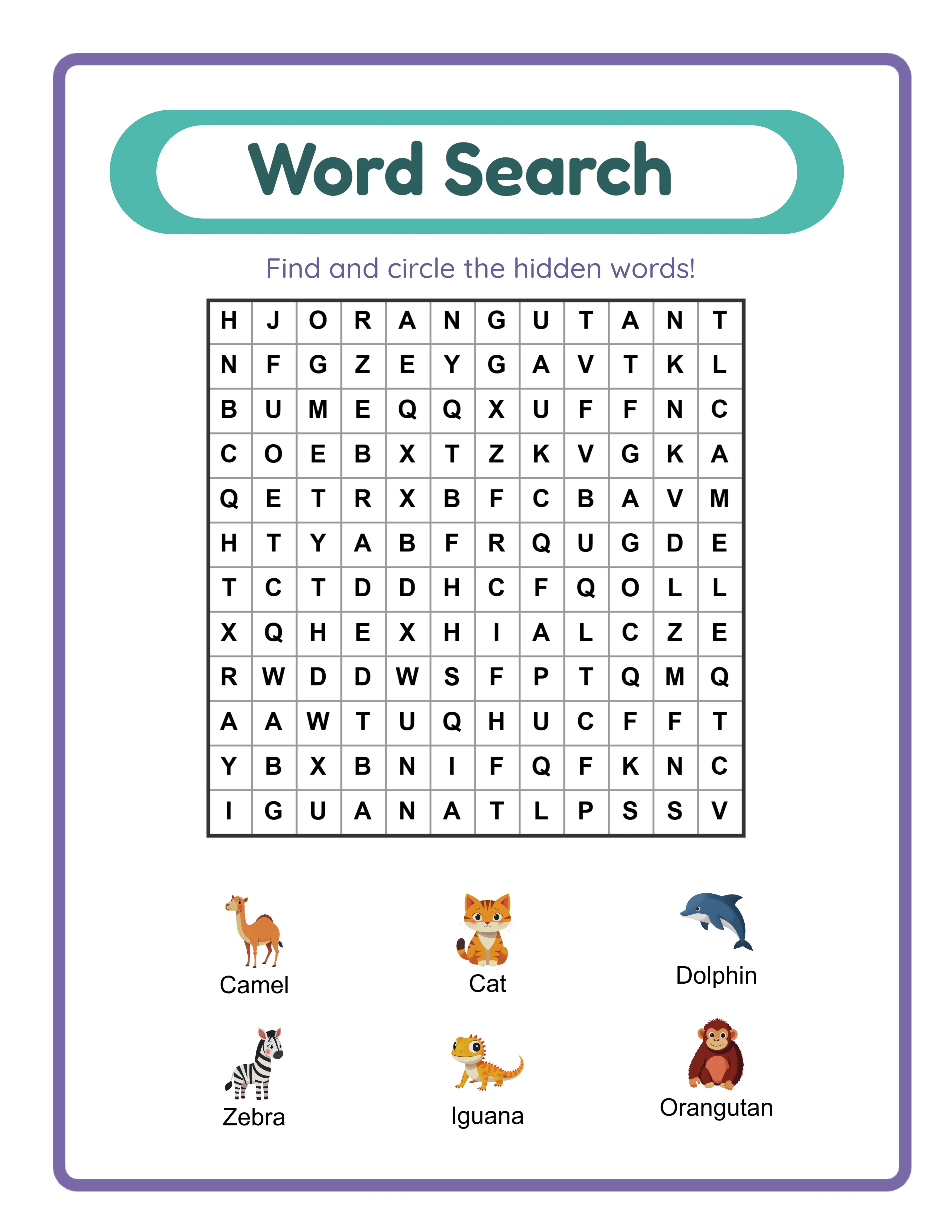
Word Search beginner worksheet

Simple 6×6 grids

Explorer
Coloring intermediate worksheet

Detailed scenes

Expert
Matching advanced worksheet

Advanced 8+ pairs

Professional quality at every difficulty level

Platform Tips

Etsy Algorithm Fundamentals for Printable Sellers

Understanding how Etsy's search algorithm works gives you a structural advantage over sellers who treat listing optimization as guesswork. Etsy's algorithm uses a quality score for each listing that combines click-through rate (how often searchers click your listing from results), favorite rate (how often viewers favorite the listing), and conversion rate (how often viewers purchase). Listings with higher quality scores rank higher in search results, creating a positive feedback loop: better ranking produces more clicks, which improves the quality score further. This means your first impression — your listing thumbnail and title — directly affects your long-term search position. Tag matching on Etsy is phrase-based rather than keyword-based. The tag "printable math worksheets" matches searches for "printable math worksheets for kids" and "math worksheets printable download" but may not match "worksheets math printable" with the same strength. Use your 13 tags to cover different phrase orderings and synonym variations. Never repeat exact phrases from your title in your tags — Etsy already indexes your title separately, so duplicate tags waste valuable tag slots. Etsy gives temporary ranking boosts to new and renewed listings. This means your launch window is critical: a listing that is fully optimized with professional photos, complete tags, and a compelling title at publication will outperform a listing published quickly and optimized later, because the boost period was used effectively in the first case and wasted in the second. Shop quality score is influenced by your shop's overall metrics: response time to buyer messages, review score average, order completion rate, and policy compliance. Maintain fast response times (under 24 hours), resolve any issues promptly, and keep your shop policies clear and accurate. A strong shop quality score lifts the ranking of all your individual listings.

Building Shop Credibility as a New Etsy Seller

New Etsy shops face a credibility gap: buyers prefer purchasing from established sellers with review histories. Overcoming this gap quickly is essential for your first-month momentum. Your first 5 to 10 reviews establish your shop's reputation trajectory. Focus your early efforts on products and pricing designed to generate those initial reviews. Lower-priced entry products ($1.99 to $2.99) have lower purchase hesitation, making them more likely to generate quick sales from buyers willing to try a new shop. Once those sales convert to positive reviews, your higher-priced products benefit from the shop-level trust those reviews create. Complete your About section thoroughly. Buyers who are hesitant about purchasing from a new shop often read the About section to evaluate the seller's credibility. Include details about your product quality standards, your production process (professional generators producing 300 DPI print-ready output), and your commitment to customer satisfaction. Avoid generic statements — specific details build more trust than vague promises. Respond to buyer messages within a few hours during business hours. Etsy displays your typical response time on your shop page, and "typically responds within a few hours" builds significantly more confidence than "typically responds within a few days." Quick responses also prevent impatient buyers from purchasing from a competitor while waiting for your reply. Include a professional thank-you page at the end of every PDF product with your shop name, a brief message of appreciation, and printing tips. This page reinforces your brand at the moment the buyer is experiencing your product — the ideal time to make a positive impression that leads to a review or repeat purchase. Note that Etsy's policies allow you to include a review invitation within the product file itself, though you cannot offer incentives for reviews.

Avoiding Common New Seller Mistakes

Most new Etsy printable shops fail not because their products are poor but because they make avoidable operational and strategic mistakes during their first weeks. Mistake one: launching with too few listings. A shop with 3 to 5 listings has minimal search surface area — there simply are not enough keyword combinations across so few listings for Etsy's algorithm to match against the variety of terms buyers search for. Launch with 15 to 20 listings minimum, and add more weekly. Quantity of well-optimized listings is the single strongest predictor of new shop success on Etsy. Mistake two: using generic or vague listing titles. "Fun Worksheets for Kids" contains no specific searchable terms. Buyers search for "addition worksheets kindergarten" or "printable word search animals" or "coloring pages preschool." Every word in your title should be a term that real buyers actually type into Etsy's search bar. Mistake three: leaving tag slots empty. Each empty tag slot is a missed opportunity to appear in search results for a relevant query. Use all 13 tags on every listing, every time. If you struggle to think of 13 relevant tags, research competitor listings and note their keyword choices. Mistake four: inconsistent visual presentation. Listings with different background colors, font styles, and layout approaches look like they come from different shops. Visual consistency across all listings makes your shop appear professional and established, even when it is brand new. Mistake five: setting prices too low. Pricing at $0.99 to attract buyers actually signals low quality and attracts the most demanding, discount-focused buyers who leave critical reviews. Price your products at $1.99 minimum for individual worksheets and higher for themed packs and bundles. Mistake six: publishing all listings at once and then going inactive. Etsy's algorithm rewards consistent activity. A shop that adds 3 new listings per week for 8 weeks outperforms a shop that publishes 24 listings in one day and then adds nothing for 2 months, even though both have 24 total listings.

Addition Showcase

See What You Can Create!
Featured addition worksheet
Print Instantly!Pictures for MathWith Answer Keys

Monetization Strategies

First-Month Revenue Expectations and Targets

Setting realistic revenue expectations for your first month prevents discouragement while keeping you focused on the metrics that actually drive long-term growth. Most new Etsy printable shops generate between $0 and $50 in their first month. This is normal and not a sign of failure. Etsy's algorithm needs time to index your listings, evaluate their quality scores, and determine where to rank them in search results. Your first month is primarily an investment in search positioning and review accumulation rather than a revenue-generating period. The metrics that matter in month one are views, favorites, and conversion rate — not total revenue. If your listings are getting search impressions and clicks, the revenue will follow as your quality scores improve and your review count grows. Track these metrics daily in Etsy Stats and focus your optimization efforts on improving them. Target milestones for month one: 500 to 1,000 total shop views, 3 to 5 first sales, and ideally 1 to 3 reviews. These numbers may seem modest, but they establish the foundation for exponential growth in months two and three. Shops that achieve these first-month milestones typically see revenue doubling or tripling each subsequent month as their quality scores compound. Month two through three targets shift toward revenue: aim for 10 to 25 sales per month with an average order value of $4 to $6, generating $40 to $150 monthly. By month six, a well-managed printable shop with 50 or more optimized listings typically generates $200 to $500 monthly. These figures assume consistent weekly listing additions and ongoing optimization based on Stats data. Remember that printable products generate passive recurring revenue. Listings that sell today will continue selling for months and years with zero additional production effort. Every listing you add during your first month is a permanent revenue-generating asset for your shop.

Scaling from Individual Listings to a Full Catalog

Your initial 15 to 20 listings are the seed catalog. Scaling to 50, then 100, then 200+ listings follows a systematic expansion pattern driven by performance data. Expansion strategy one — theme multiplication: take your best-performing product format and create versions across every popular theme. If your animal addition worksheets are getting the most views and sales, create addition worksheets for food, transportation, nature, seasons, and holiday themes. Each theme targets different search terms and buyer interests while leveraging your proven best format. Expansion strategy two — format expansion within themes: take your best-performing theme and create products using additional generators. If animal-themed products perform well, create animal coloring pages, animal word searches, animal matching games, animal bingo cards, and animal dot-to-dot worksheets. Each format appeals to slightly different buyer needs while maintaining the proven theme. Expansion strategy three — bundle creation from existing inventory: combine individual products into themed bundles, format bundles, and mega collections. A "Complete Animal Learning Bundle" containing addition worksheets, coloring pages, word searches, and matching activities packaged together at a premium price point creates a new listing from products you have already built. Bundles have higher average order values and stronger perceived value. Expansion strategy four — seasonal and trending products: create themed products 4 to 6 weeks before seasonal peaks. Back-to-school (July through September), Halloween (September through October), Christmas (October through December), Valentine's Day (January through February), and Easter (February through April) each drive printable purchase spikes. Seasonal listings that rank well during their first year get an algorithmic head start in subsequent years. Expansion strategy five — multilingual products: create versions of your top sellers in additional languages using the generators' language settings. Printable products in Spanish, French, German, and other languages face dramatically less competition than English products while serving real buyer demand from bilingual families and international customers.

Reinvesting in Your Product Range

As your shop generates revenue, strategic reinvestment in your product catalog and business operations accelerates growth more effectively than any other use of your earnings. Priority one: expand your generator toolkit. If you launched with 3 to 5 generators, add generators from categories you have not yet covered. Each new generator type opens access to entirely new buyer search terms and demographics. A shop selling math worksheets, word puzzles, coloring pages, matching games, and bingo cards reaches 5 distinct buyer segments, each of which may never search for the other product types. Broader category coverage means more total search impressions across your shop. Priority two: improve your listing photography. As revenue allows, invest in a simple flat-lay photography setup: a large neutral background surface, consistent lighting, and a few props (colored pencils, a ruler, a notebook) to style your worksheet photos. Professional-quality listing photos increase click-through rates from search results, which directly improves your quality score and search ranking. Priority three: explore additional sales channels once your Etsy shop is generating consistent revenue. Amazon KDP allows you to compile your printable worksheets into activity books sold as physical products. Your own website gives you full control over pricing and customer relationships. Other marketplace platforms expand your buyer reach. Each additional channel multiplies the revenue potential of products you have already created. Priority four: create flagship bundle products. Compile your best individual products into comprehensive mega bundles priced at $19.99 to $29.99. These premium products generate your highest per-transaction revenue and serve buyers who want a complete resource library rather than individual worksheets. A "Complete Kindergarten Learning Bundle — 150+ Activities Across 6 Categories" containing worksheets from every generator represents significant value that justifies premium pricing. Track your return on investment by monitoring which product types and categories generate the most revenue per listing. Double down on your highest-performing categories while maintaining enough breadth to capture diverse buyer segments.

Examples

Example 30-Day Shop Launch Plan

This plan provides a concrete day-by-day framework for launching your Etsy printable shop from account creation through your first month of operations. Day 1 — account and branding: create your Etsy seller account, configure payment and tax information, design your shop logo and banner, write your About section, set up shop policies for digital downloads, and create 5 to 6 shop sections organized by product category. Day 2 to 4 — product creation: use your 3 to 5 selected generators to create your initial product inventory. Target 15 to 20 products across 3 to 4 popular themes (animals, food, seasons, holidays). Export every product as PDF in both Letter and A4 sizes. Generate answer keys for all worksheets. Create listing photos for each product. Day 5 to 6 — listing creation: write and publish all 15 to 20 initial listings with fully optimized titles, all 13 tags filled, professional descriptions, complete attributes, and listing photos. Upload digital files and verify the download process works correctly by purchasing a test listing if needed. Day 7 — launch verification: review all published listings for errors in titles, descriptions, pricing, and file attachments. Verify listing photos display correctly at thumbnail size. Share your shop link on personal social media and Pinterest. Set up a basic Pinterest board for your printable products. Day 8 to 14 — monitor, adjust, and add: check Etsy Stats daily. Revise titles and tags on zero-impression listings. Add 4 to 6 new listings based on search term data from Stats. Create Pinterest pins for your top products. Respond to any buyer messages within hours. Day 15 to 21 — optimize and expand: analyze two weeks of Stats data. Create variations of your best-performing products (new themes, difficulty levels, bundle combinations). Add 4 to 6 more listings. Consider running a 15% introductory sale on select listings to boost sales velocity. Day 22 to 30 — scale and review: push your total listing count toward 25 to 30 products. Create your first bundle listings combining individual products at premium prices. Include thank-you pages with review invitations in all product PDFs. Plan your month-two content calendar based on performance data from month one.

Example First-Month Product Roadmap Across Categories

This roadmap shows how to build a diversified product catalog using generators from multiple categories, creating maximum search coverage with your initial product set. Week one launch inventory (15 listings): Math and Number category (5 listings) — Addition worksheets: animals theme pack (10 pages, $4.99), food theme pack (10 pages, $4.99), mixed theme sampler (5 pages, $2.49). Subtraction worksheets: animals theme pack (10 pages, $4.99), seasons theme pack (10 pages, $4.99). Letters and Words category (4 listings) — Word search puzzles: animals theme (8 puzzles with answer keys, $3.99), holiday theme (8 puzzles with answer keys, $3.99). Crossword puzzles: animals theme (6 puzzles with answer keys, $3.99). Word scramble: mixed themes sampler (5 puzzles, $2.49). Drawing and Art category (3 listings) — Coloring pages: animals collection (15 pages, $4.99), vehicles collection (12 pages, $3.99), nature collection (12 pages, $3.99). Puzzles and Games category (3 listings) — Matching activities: animals theme (8 worksheets, $3.99), food theme (8 worksheets, $3.99). Bingo cards: animals theme (30 unique cards, $4.99). Week two additions (5 listings) — Bundle: complete animals learning bundle combining math, word search, coloring, and matching products ($12.99). New themes: transportation addition worksheets ($4.99), ocean word search ($3.99), farm coloring pages ($3.99). Seasonal: spring-themed matching activities ($3.99). Week three additions (5 listings) — Difficulty variations: easy addition worksheets for preschool ($3.99), challenging word search for adults ($4.99). New formats: dot-to-dot animals ($3.99), alphabet tracing letters ($3.99). Bundle: complete food theme bundle across categories ($11.99). Week four additions (5 listings) — Premium bundles: mega math collection combining all math products ($14.99), mega puzzle collection combining all word search, crossword, and scramble products ($14.99). Seasonal prep: back-to-school math worksheets ($4.99), back-to-school word search ($3.99). Cross-category bundle: complete preschool learning starter pack ($16.99). End of month one: 30 total listings across 4 categories with price points ranging from $2.49 to $16.99, providing comprehensive search coverage and multiple entry points for different buyer segments.

Sample Worksheets

Addition worksheets showing math and number category printable products for Etsy shops
Math and Number category: Addition worksheets with answer keys ready for Etsy digital download listings
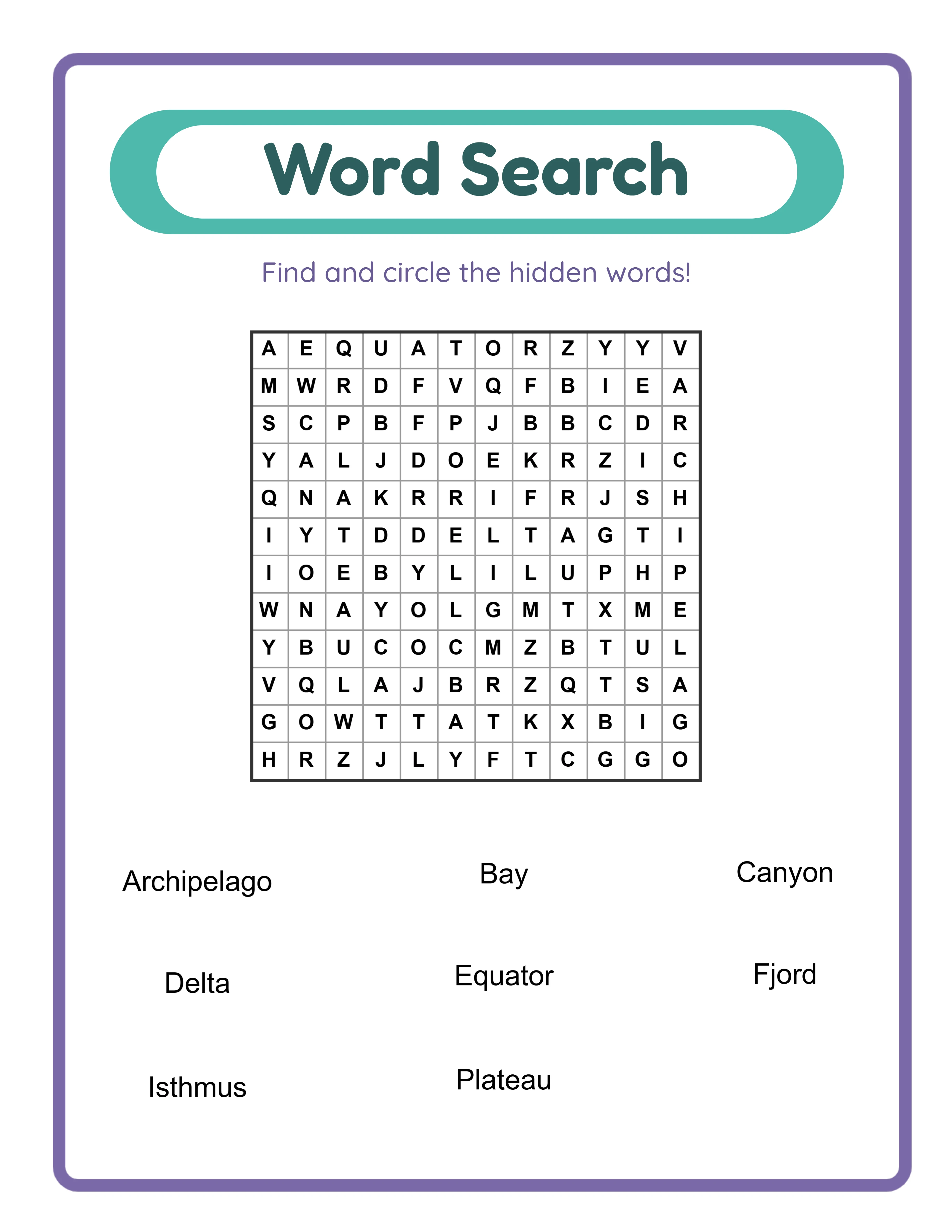
Word search puzzles showing letters and words category printable products for Etsy shops
Letters and Words category: Word search puzzles with themed vocabulary for broad buyer appeal
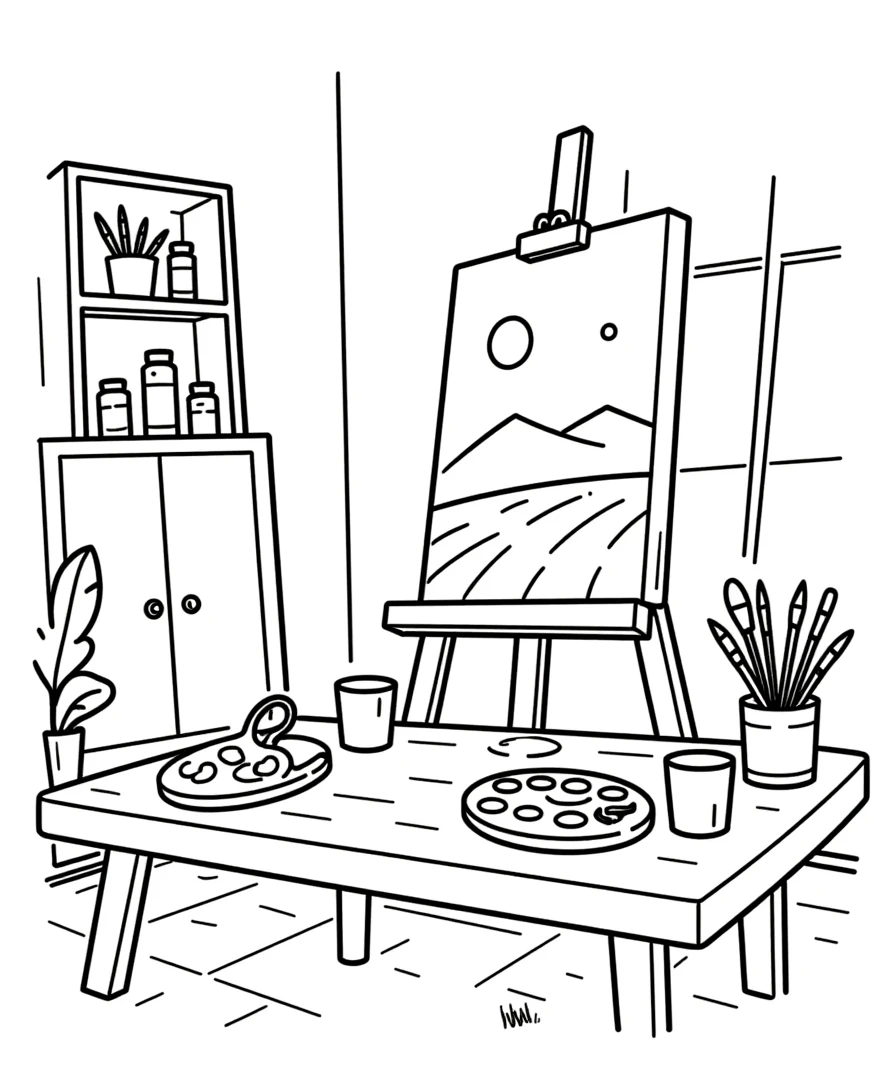
Coloring pages showing drawing and art category printable products for Etsy shops
Drawing and Art category: Coloring pages with themed illustrations for the widest age demographic

Theme Images

Allosaurus — themed educational image
Allosaurus
Ankylosaurus — themed educational image
Ankylosaurus
Apatosaurus — themed educational image
Apatosaurus
Argentinosaurus — themed educational image
Argentinosaurus
Brachiosaurus — themed educational image
Brachiosaurus

Professional Worksheet Gallery

Clean, polished layouts ready for your business

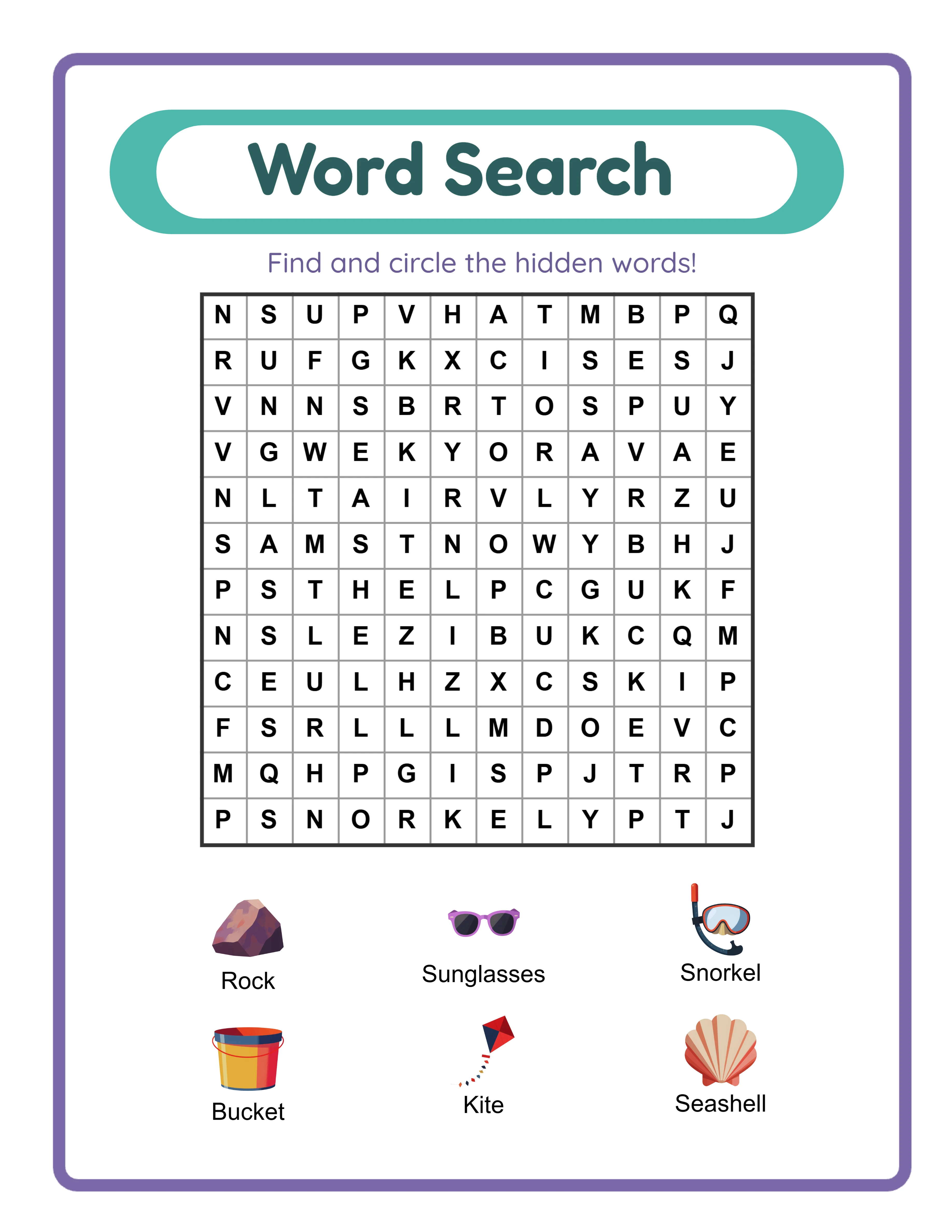
Word Search professional worksheet
Word Search
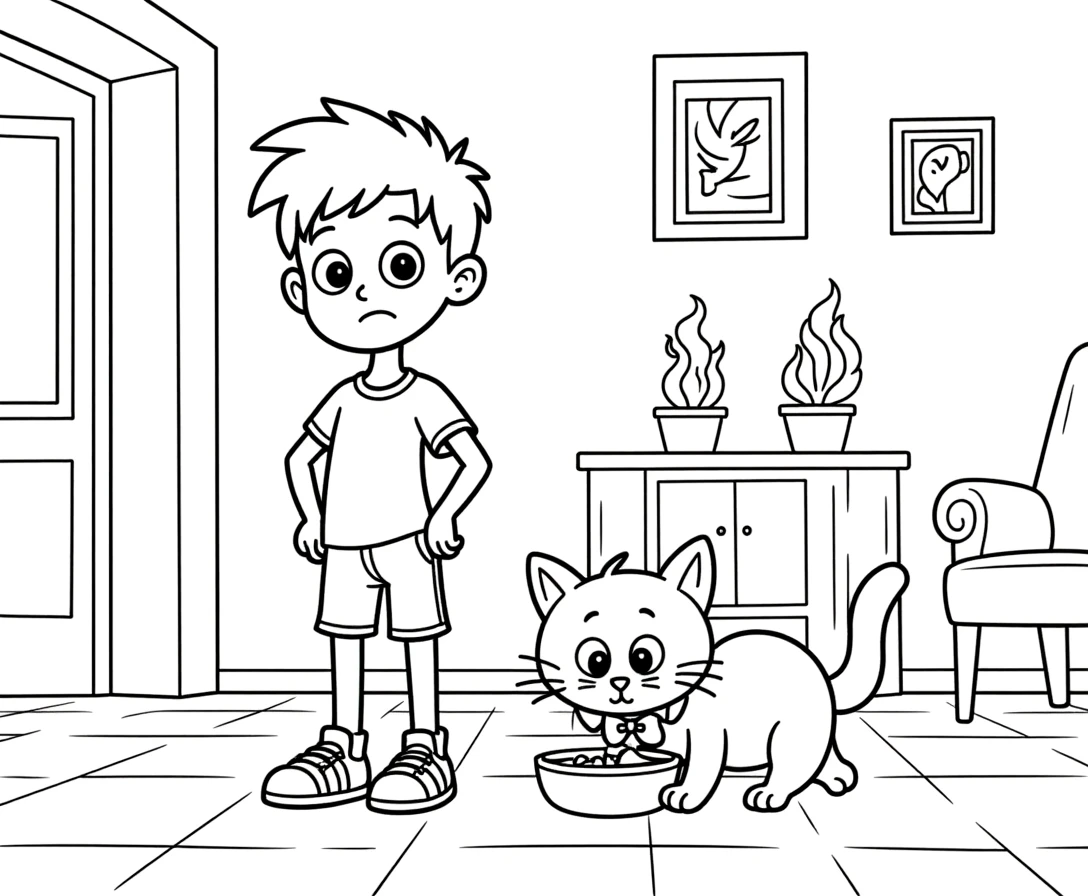
Coloring professional worksheet
Coloring
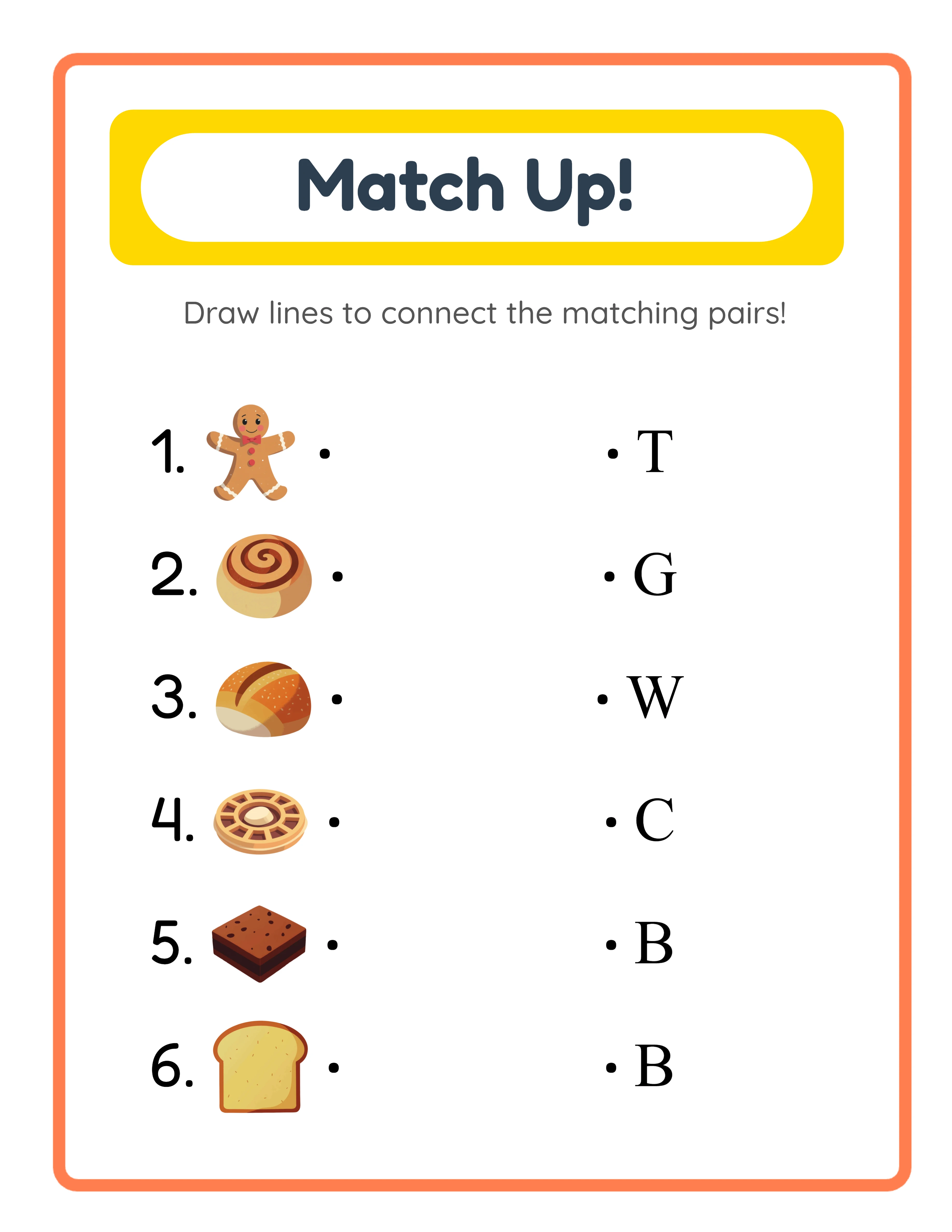
Matching professional worksheet
Matching
Print-ReadyProfessional QualityMultiple FormatsAnswer Keys

Frequently Asked Questions

How much does it cost to start an Etsy printable shop?
Starting an Etsy shop has minimal upfront costs. There is no monthly subscription fee to operate an Etsy shop. Your primary costs are the $0.20 listing fee per product (so 20 initial listings cost $4.00 in listing fees) and the generator licenses for creating your products. Each generator offers a free trial with watermark so you can evaluate the output before purchasing. Transaction fees (6.5%) and payment processing fees (approximately 3% plus $0.25) are deducted only when you make sales, so you pay nothing until you earn revenue. Total startup investment for 20 listings is approximately $4.00 in Etsy fees plus your generator license costs.
Do I need a business license to sell printables on Etsy?
Etsy does not require a business license to open a seller account. However, local and state regulations vary. In the United States, most sole proprietors can sell on Etsy under their personal name and Social Security Number without a separate business license. Some cities and states require a general business license or sales tax permit regardless of sales volume. Consult your local government website or a tax professional to understand requirements specific to your location. Etsy provides tax reporting documentation (Form 1099-K in the US) for sellers who meet the reporting threshold. As your printable business grows, consider forming an LLC or other business entity for liability protection.
How many listings do I need to launch my Etsy printable shop?
Launch with a minimum of 15 to 20 listings. Fewer listings provide insufficient search surface area for Etsy's algorithm to match your products against the variety of terms buyers search for. Each listing targets specific keywords, so more listings mean more potential search matches. Shops that launch with 15 to 20 products and add 2 to 3 per week consistently gain traction significantly faster than shops that launch with 5 or fewer listings. Quality matters alongside quantity — every listing should have optimized titles, all 13 tags filled, professional photos, and complete descriptions.
What file format should I use for Etsy digital downloads?
PDF is the standard format for printable worksheet digital downloads on Etsy. PDF preserves formatting across all devices and printers, supports high-resolution 300 DPI output, and is universally accessible without specialized software. Include both US Letter (8.5 x 11 inches) and A4 (210 x 297 mm) versions to serve international buyers who use A4 paper. Etsy allows up to 5 files per digital download listing, so you can upload Letter and A4 versions as separate files. For bundle products, use a ZIP archive containing clearly named PDF files organized in descriptive subfolders.
How long does it take to get my first sale on Etsy?
Most new printable shops make their first sale within 2 to 6 weeks of launching, assuming they launched with 15 or more optimized listings and continue adding products weekly. Etsy's algorithm needs time to index your listings and evaluate their quality scores before ranking them in search results. Shops that launch with well-optimized titles, complete tags, and professional photos tend to see first sales faster than shops with minimal optimization. Focus on views, favorites, and search impressions during your first weeks rather than fixating on sales — these leading indicators confirm your listings are being found, and sales follow as your quality scores improve.
Do I need a commercial license to sell worksheets I create with the generators?
Yes. The generators offer a free trial with watermark for evaluating the tools. Products created during the free trial include a visible watermark and are intended for personal evaluation only. To sell worksheets commercially on Etsy or any other platform, you need a commercial license that removes the watermark and grants you the right to sell the generated products. Each generator's product page details the specific license tiers and what commercial rights are included. See the Commercial License Guide for complete details on licensing terms and permitted commercial uses.
What is the refund policy for commercial licenses?
Every generator offers a free trial with watermark so you can test all features, create sample worksheets, and evaluate output quality before purchasing. Because you can fully evaluate the product before buying, all commercial license sales are final. This is standard practice for digital product tools where the full product can be previewed before purchase.

Ready to Start Creating?

Try any generator free with watermark. No signup required.

Browse All Generators