What Is a Printable Worksheet Business?
A printable worksheet business sells digital files that customers download and print at home, in a product set, or at a print shop. You create the product once — a PDF or high-resolution image file — and sell it an unlimited number of times. There is no inventory to manage, no shipping to arrange, and no physical product to manufacture.
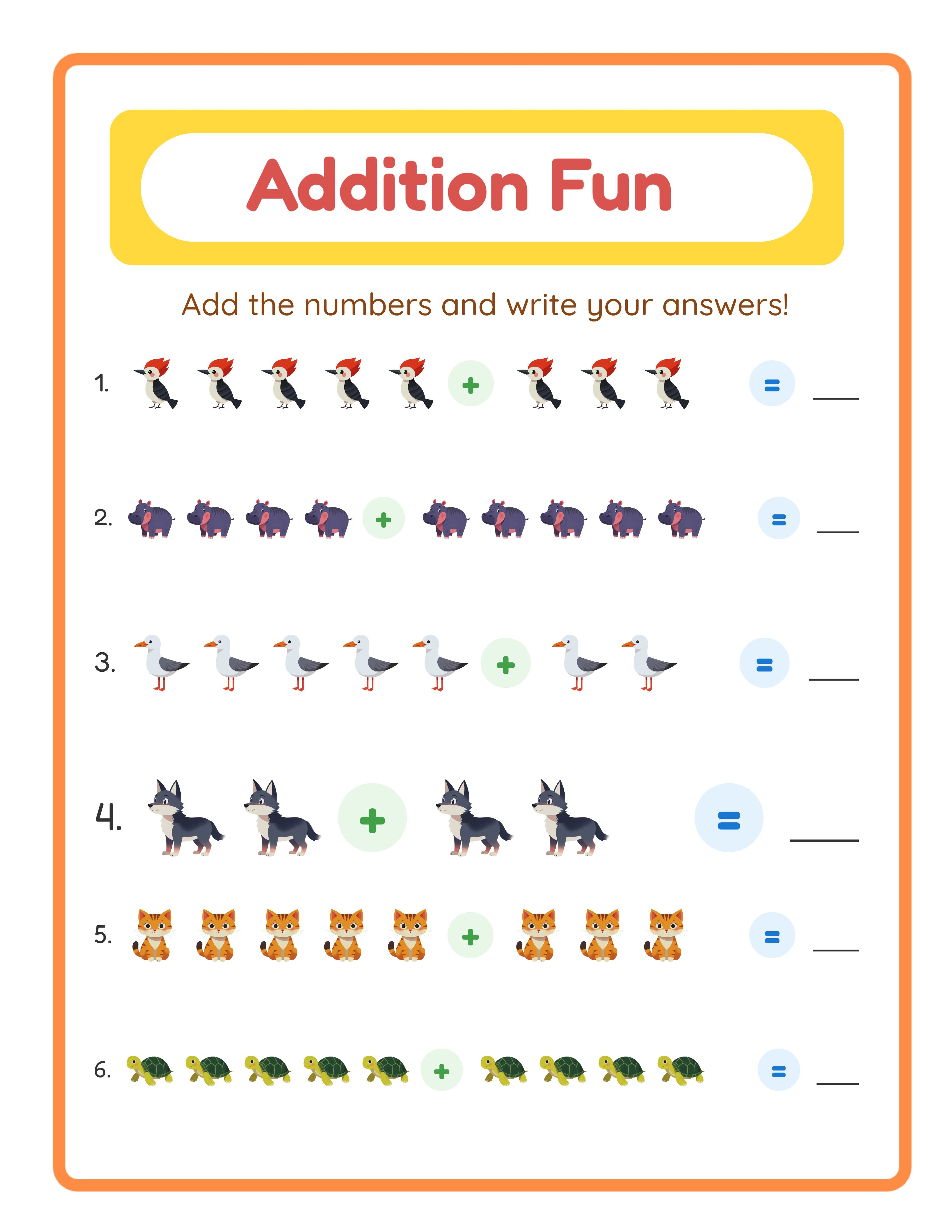
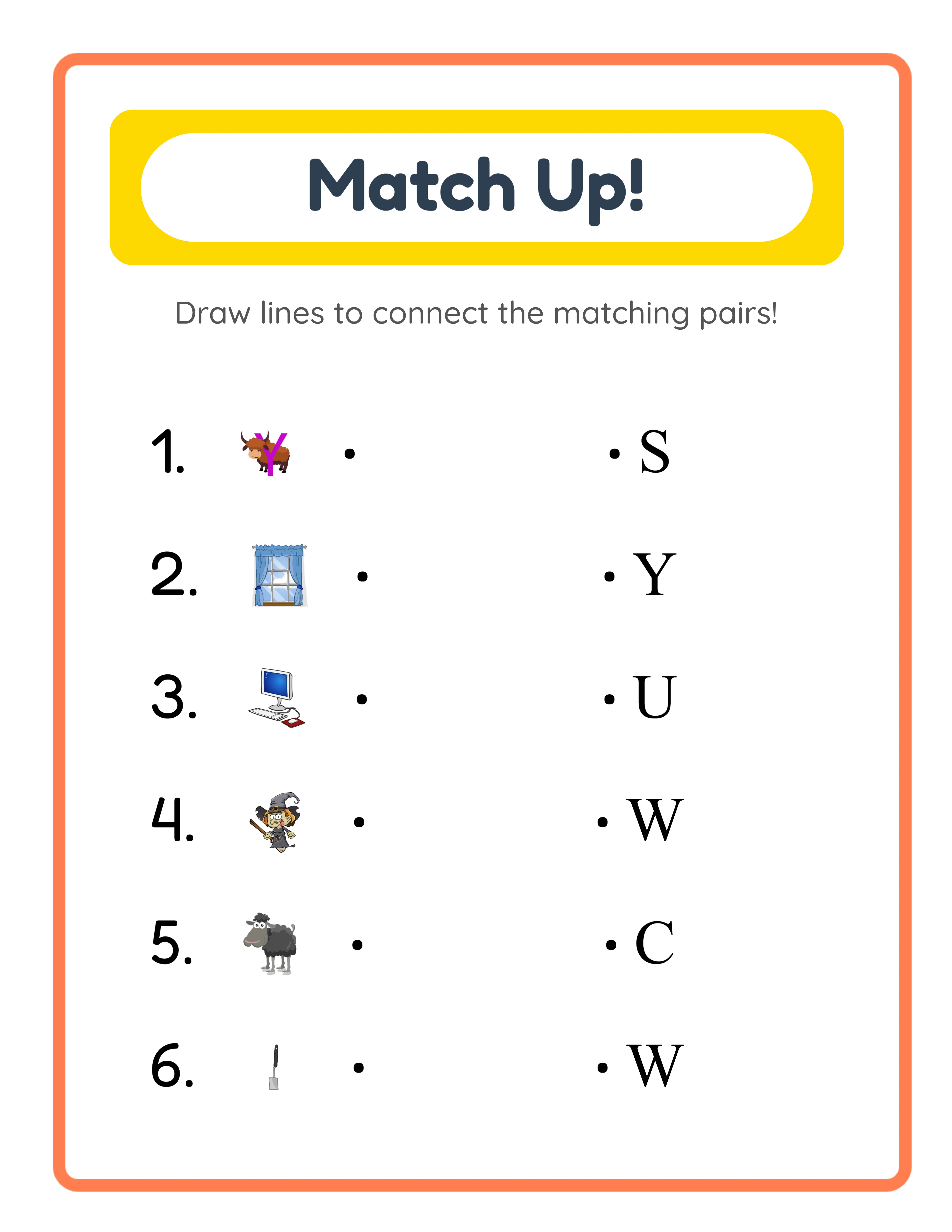
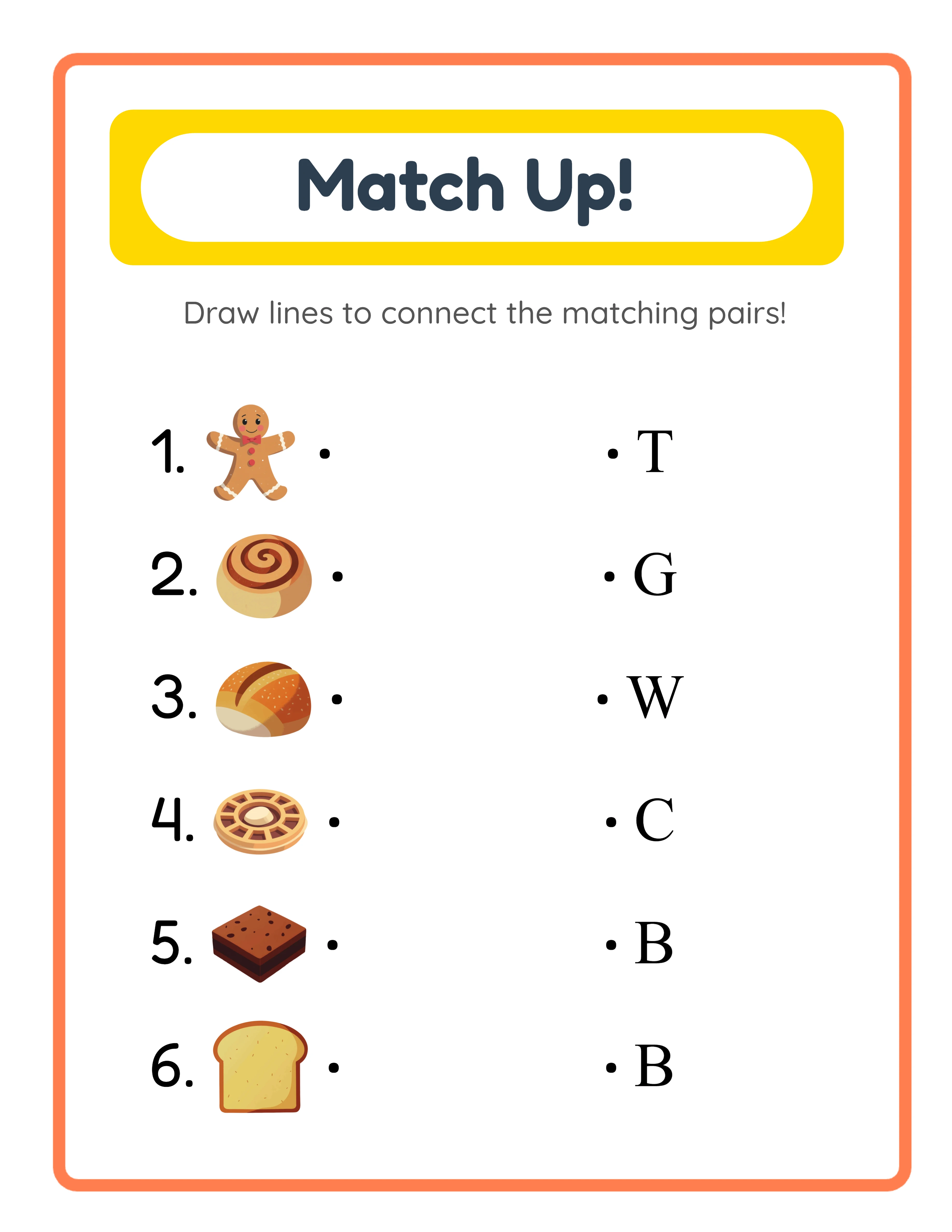
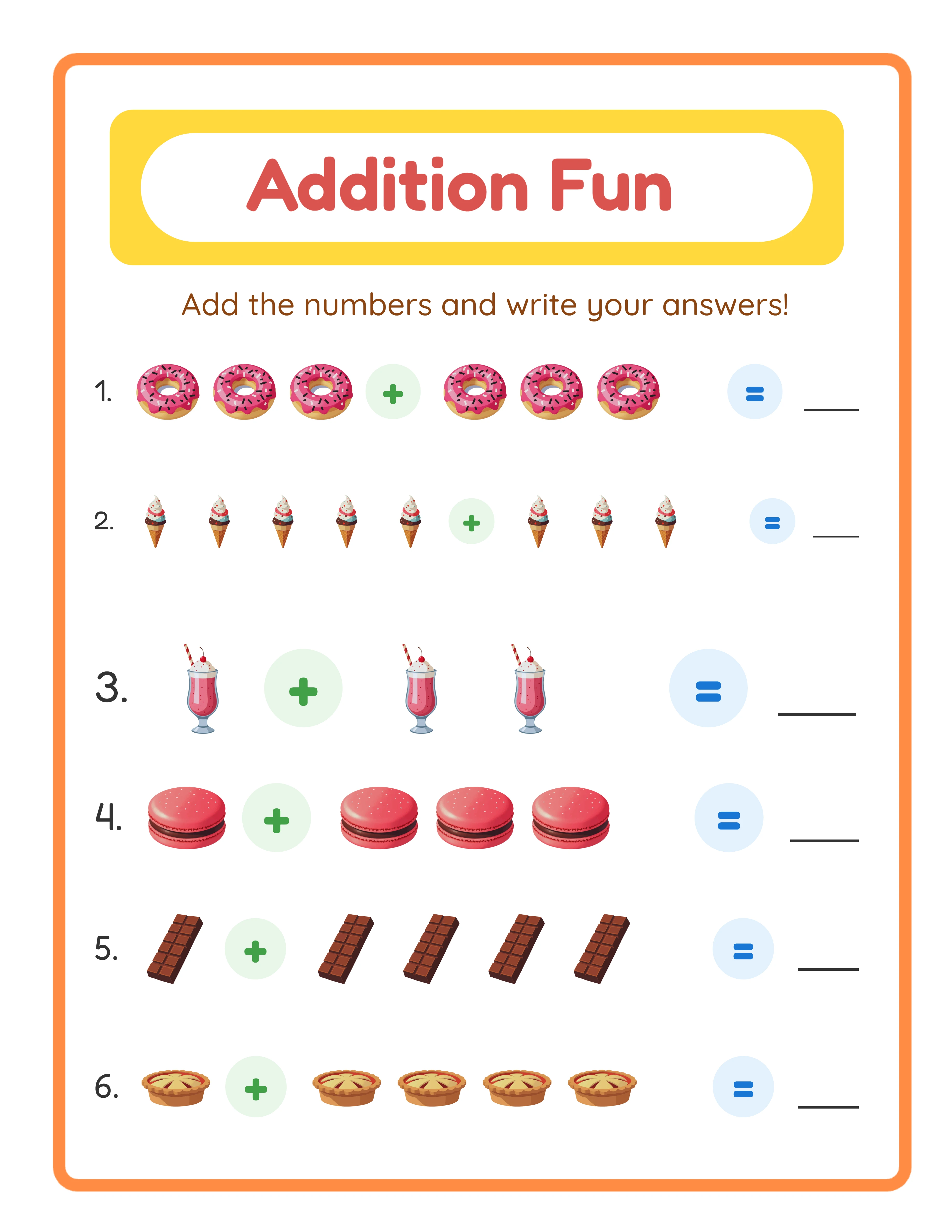
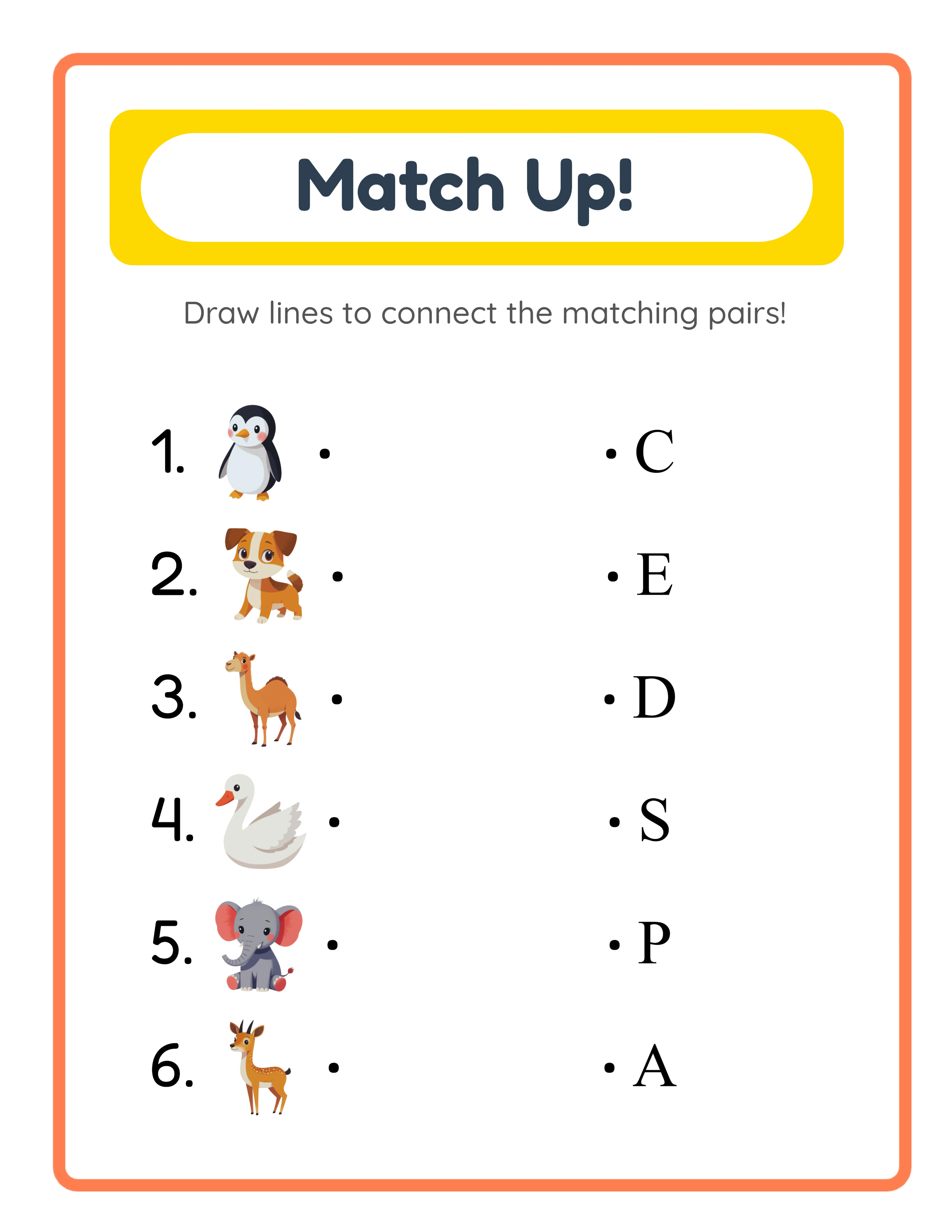
The most common printable worksheet categories include math practice sheets, literacy activities, coloring pages, puzzle worksheets, matching games, and pattern recognition exercises. These products serve parents, buyers, homeschool families, tutoring centers, and childcare providers.
What makes this business model particularly attractive is the combination of low overhead and recurring demand. A well-made addition worksheet sells in September and it sells in March. A holiday-themed coloring page sells every year when that holiday approaches. Your catalog compounds — every new product you add increases your shop's total earning potential without increasing your ongoing costs.
Why Printable Worksheets Are a Strong Business Model for Sellers
Several characteristics make printable worksheets one of the most accessible digital product businesses available today.
First, the startup cost is minimal. You need a worksheet generator tool, a marketplace account, and time. Compare that to physical products requiring inventory, storage, and shipping infrastructure.
Second, the market is enormous and fragmented. No single seller dominates printable worksheets on Etsy or Amazon KDP. There are millions of buyers and thousands of niches — from preschool dinosaur math to third-grade multiplication puzzles — which means there is always room for a new seller with quality products.
Third, the product lifecycle is long. Educational worksheets do not go out of style. An addition worksheet you create today will still be relevant and sellable five years from now. Seasonal products like Halloween coloring pages or Christmas word searches have predictable annual demand spikes.
Fourth, scaling is straightforward. Once you understand how to create one successful product, the process repeats. A math worksheet shop can expand into literacy. A preschool-focused catalog can grow into kindergarten and first grade. Each new product takes roughly the same effort as the first, but your shop's visibility and authority grow with every listing.
Choosing Your Niche and Target Audience for Printable Products
The biggest mistake new printable sellers make is trying to serve everyone. A shop with random worksheets covering every subject, every age group, and every theme looks unfocused and struggles to build a following.
Start with one intersection of three factors: subject, age group, and buyer type.
Subject examples: addition, word search, coloring, matching, patterns, handwriting.
Age groups: toddler (2–3), preschool (3–5), kindergarten (5–6), first grade (6–7), second grade (7–8).
Buyer types: parents, buyers, homeschool families, tutoring centers, daycare providers.
A strong starting niche might be "preschool math worksheets for homeschool parents" or "kindergarten literacy activities for buyers." This specificity helps you rank in marketplace search results and attract repeat buyers who know your shop serves their exact needs.
Research your chosen niche before creating products. Search Etsy for your target keywords. Look at the top-selling shops. Note their pricing, product variety, and listing quality. You are not copying — you are understanding what the market rewards. Identify gaps: are there few options for visual pattern worksheets? Is multilingual content underserved? These gaps represent your opportunity.
Essential Worksheet Creation Tools for Printable Sellers
Professional-quality worksheets require consistent layouts, clean typography, accurate answer keys, and visually appealing designs. Creating these manually in graphic design software is time-consuming and error-prone.
Worksheet generators solve this problem. They handle the layout, the math logic, the answer key generation, and the visual design automatically. You choose the parameters — difficulty level, number range, theme, image set, page size — and the generator produces a print-ready file in seconds.
LessonCraftStudio offers 33 specialized worksheet generators covering six categories: math and numbers, letters and words, drawing and art, visual learning, matching and sorting, and puzzles and games. Each generator includes over 100 themed image sets, multiple page sizes, configurable difficulty levels, and automatic answer key generation.
Every generator offers a free trial with watermark so you can evaluate the output quality, test different configurations, and create sample worksheets before purchasing a commercial license. The commercial license allows you to sell the generated worksheets on any platform — Etsy, Amazon KDP, Gumroad, Gumroad, or your own website.
The practical advantage of using generators is speed. A seller using manual design tools might spend 30–60 minutes on a single worksheet. With a generator, you can create a polished, print-ready worksheet in under two minutes. That speed difference is what separates sellers who build large catalogs from those who stall at a handful of products.
Creating Your First Printable Worksheet Product
Your first product should be simple, proven, and fast to create. Do not start with the most complex worksheet type — start with something you can complete in a single session and list the same day.
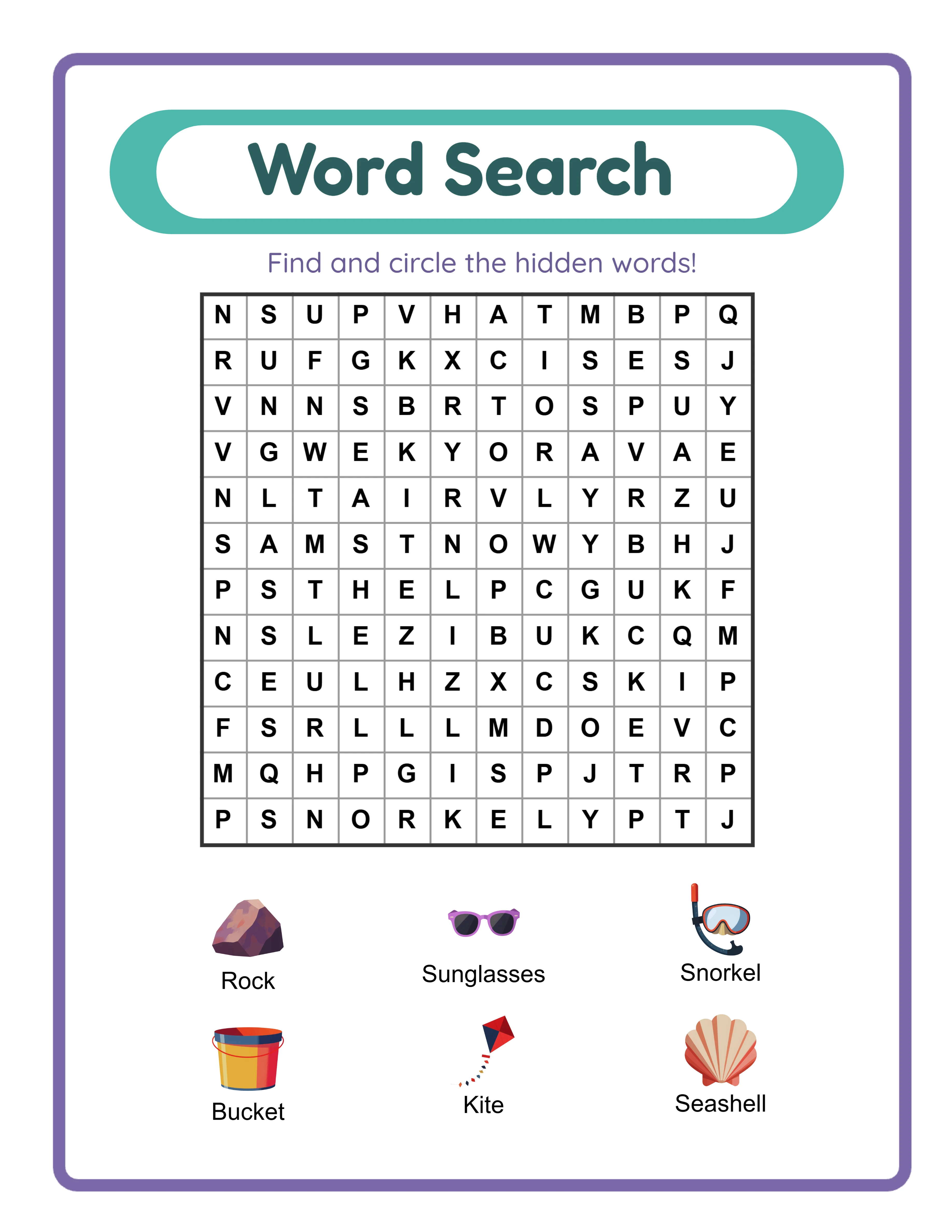
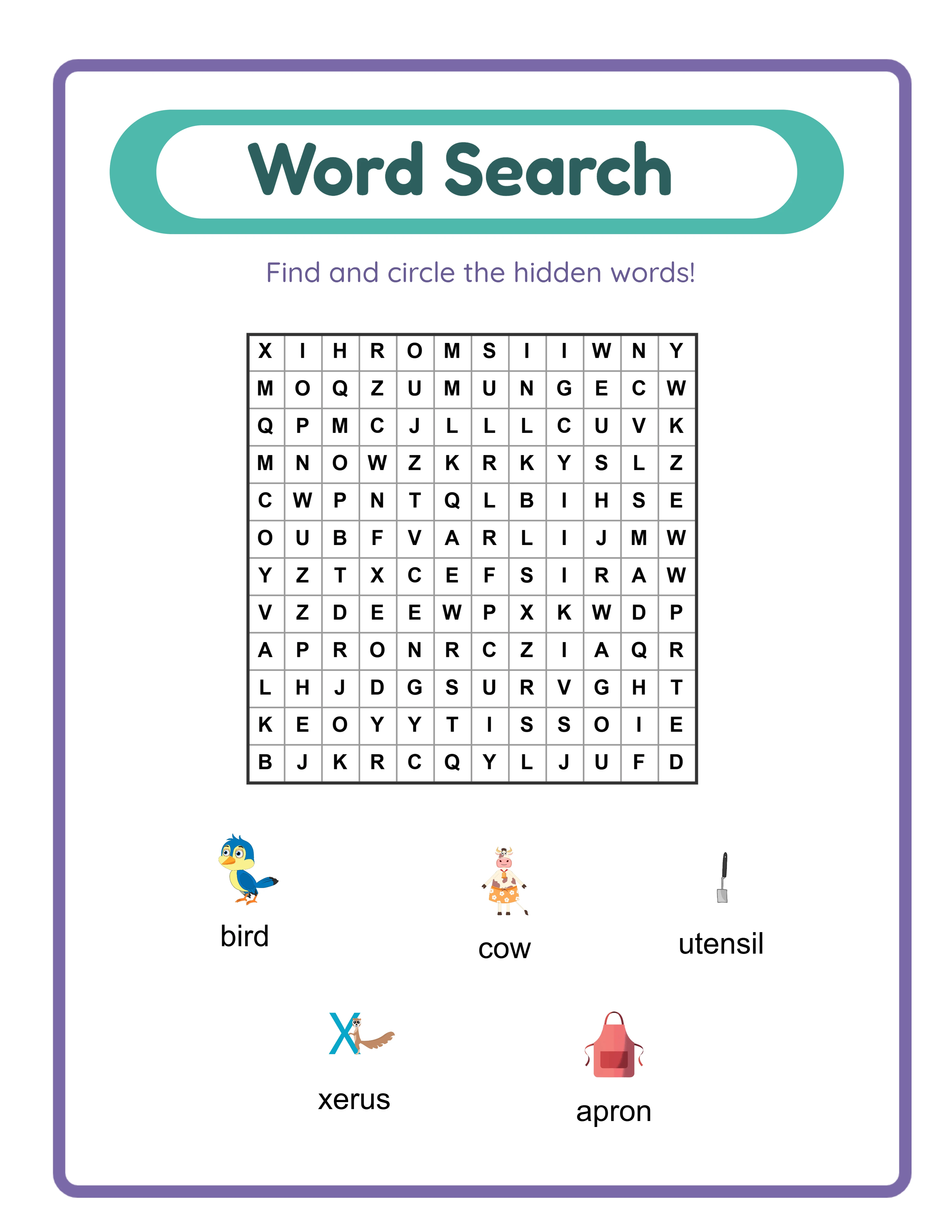
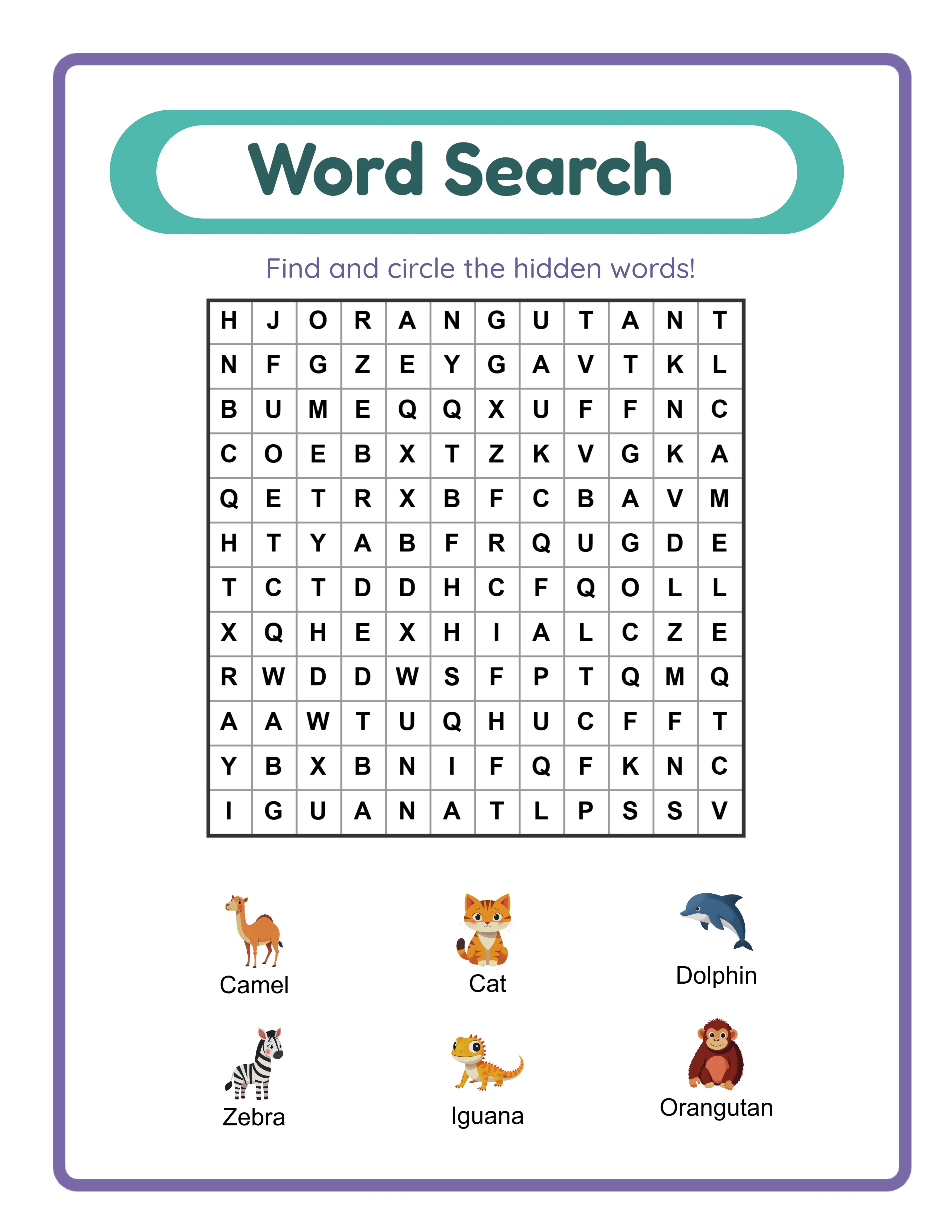
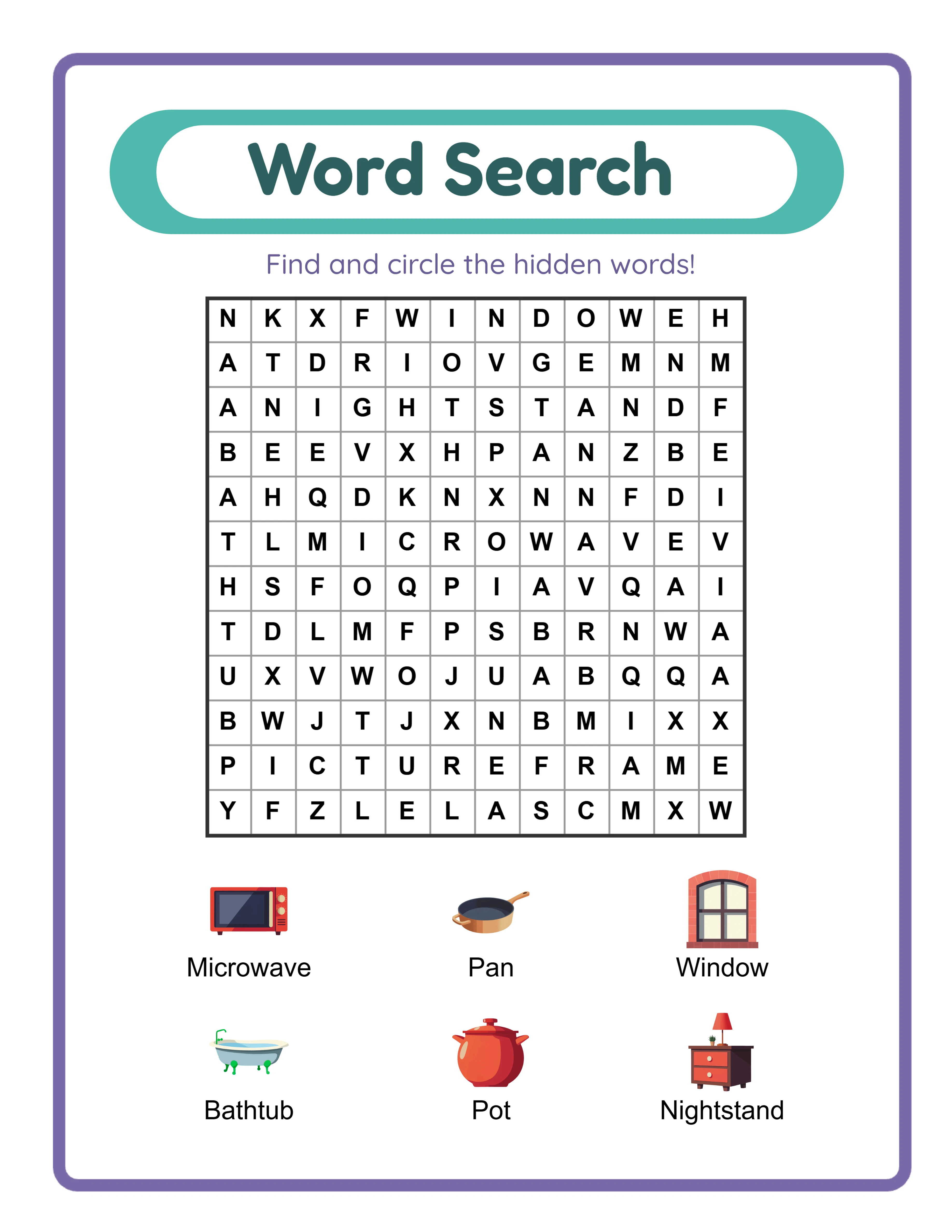
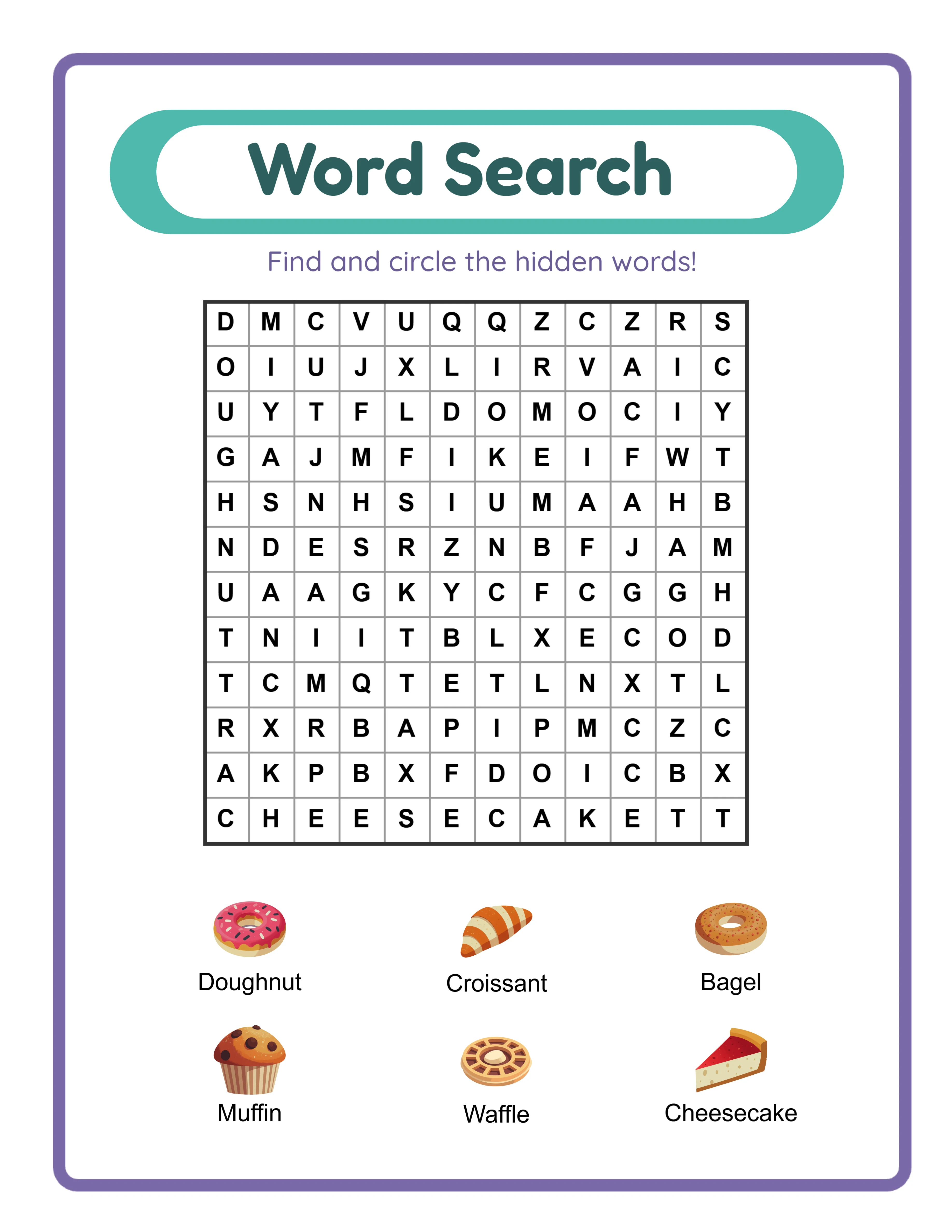
Word search worksheets are an excellent first product. They are universally understood, appeal to a wide age range, and have strong search volume on every marketplace. Here is the process:
1. Open the Word Search generator and select a theme (for example, "animals").
2. Choose your target difficulty: set the grid size, word count, and word directions.
3. Select a page size (US Letter or A4) and decide whether to include an answer key.
4. Generate your worksheet. Review the output for visual quality and layout.
5. Download the PDF and JPEG versions.
6. Create 3–5 variations with different themes or difficulty levels for a small bundle.
Bundles sell better than individual sheets. A "10 Animal Word Search Puzzles" bundle at $3.99 outsells a single puzzle at $0.99 because buyers perceive more value and the per-unit price feels lower.
Before listing, verify the quality: print a test copy, confirm the layout is clean, and solve the worksheet yourself to check accuracy. First impressions matter — a single misaligned element or incorrect answer key will earn a negative review that affects future sales.
Where to Sell Your Printable Worksheets Online
Four platforms dominate printable worksheet sales, and each has distinct advantages.
Etsy is the largest marketplace for printable downloads. It has massive built-in traffic from buyers actively searching for printable worksheets. The listing fee is $0.20 per item, and Etsy takes a percentage of each sale. The platform favors sellers with large catalogs and good SEO. Your main competition is other Etsy sellers, and tiered difficulty comes from quality, niche focus, and listing optimization.
Amazon KDP (Kindle Direct Publishing) serves the activity book and workbook market. KDP products are printed on demand and shipped by Amazon, but you can also publish low-content and no-content books as printable-style products. KDP gives you access to Amazon's enormous customer base. The tradeoff is less control over pricing and presentation compared to Etsy.
Gumroad (Gumroad) specializes in educational resources. The audience is primarily buyers and homeschool sellers. Gumroad buyers expect skill-aligned, standards-referenced products. If your worksheets target specific grade levels and learning objectives, Gumroad is a natural fit. The platform takes a commission on each sale, with lower rates for premium seller accounts.
Gumroad offers the simplest setup for selling digital downloads directly. You control the entire customer experience, set your own prices, and keep a larger share of each sale. The tradeoff is that Gumroad has no built-in marketplace traffic — you need to drive your own visitors through social media, email lists, or content marketing.
The recommended approach: start on Etsy for immediate access to buyers, then expand to KDP and Gumroad as your catalog grows. Use Gumroad or your own website for direct sales once you have an audience.
Pricing Strategies for Printable Worksheet Products
Pricing printable worksheets is both an art and a science. Price too low and you devalue your work while attracting bargain hunters who rarely become repeat customers. Price too high without established credibility and buyers scroll past.
Here are the pricing ranges that currently perform well on major platforms:
Individual worksheets: $1.49–$2.99. Best for simple, single-page products. At this price point, impulse purchases are common.
Small bundles (5–10 pages): $2.99–$5.99. The most popular price range for worksheet bundles on Etsy. Buyers feel they are getting good value per page.
Large bundles (15–30+ pages): $5.99–$12.99. These work best when the bundle has a clear theme or content catalog focus, such as "Complete Kindergarten Math Bundle" or "Year-Round Coloring Pages Collection."
Mega bundles (50+ pages): $14.99–$29.99. Highest revenue per transaction but lowest volume. These appeal to buyers and homeschool parents who want comprehensive resources.
Research your specific niche before setting prices. Search for comparable products on Etsy, note the price range of top sellers, and position yourself competitively. It is usually better to start in the middle of the market and adjust based on actual sales data rather than guessing.
One critical pricing insight: bundles consistently outperform individual worksheets in total revenue. A seller with 10 individual sheets at $1.99 each will almost always earn less than the same seller offering those 10 sheets as a $6.99 bundle. Create both options — individual listings for visibility and bundles for revenue.
Listing Optimization and SEO for Printable Sellers
Your worksheets can be excellent, but if buyers cannot find them, they will not sell. Marketplace SEO determines your visibility.
On Etsy, the three most important ranking factors are: title keywords, tags, and listing quality score (which includes click-through rate and conversion rate). Write titles that front-load the most important keywords. For example, "Printable Addition Worksheets for Kindergarten — Math Practice Bundle with Answer Keys" is far better than "Fun Math Worksheets for Kids."
Use all 13 Etsy tags. Each tag should be a unique phrase that a buyer might search for. Mix broad terms ("printable math worksheets") with specific long-tail phrases ("kindergarten addition worksheets with pictures"). Do not repeat the same words across tags — Etsy combines title and tag keywords for search matching.
Your thumbnail image is the single biggest factor in click-through rate. Show the actual worksheet in a clean, well-lit mockup. Include a small text overlay indicating the page count or bundle size. Avoid cluttered thumbnails with too many fonts or colors.
Write descriptions that serve buyers, not search engines. Lead with what the product includes (page count, topics covered, formats provided). Explain who it is for (age range, skill level). Mention the file format (PDF, JPEG) and printing instructions. End with your refund policy and license terms.
On Amazon KDP, optimize your book title, subtitle, and backend keywords. Your cover image must clearly communicate the book's content and age range. Use the description field to highlight what makes your activity book different from the hundreds of others in the category.
Building a Profitable Printable Product Catalog
One product is a test. Ten products is a shop. Fifty products is a business. The sellers who earn consistent income from printables are the ones who build large, well-organized catalogs.
Start with your core niche and expand systematically. If your first products are addition worksheets, the natural expansion path is: subtraction worksheets, mixed math bundles, then broader math categories like multiplication and division. Each expansion leverages your existing expertise and attracts return buyers who trust your quality.
Seasonal products deserve a place in every catalog. Back-to-school bundles in August, Halloween-themed worksheets in October, holiday activity packs in December — these time-sensitive products create predictable revenue spikes throughout the year. Create them during off-peak months so they are ready to list when demand surges.
Cross-category bundles are powerful revenue drivers. A "Complete Preschool Learning Bundle" that includes math worksheets, coloring pages, matching games, and pattern activities from across your catalog commands a higher price than any individual category bundle.
Track what sells. Every marketplace provides analytics showing which products get views, clicks, and purchases. Double down on what works. If your animal-themed coloring pages outsell everything else, create more animal themes, more coloring variations, and animal-themed bundles. Data should drive your catalog expansion, not guesswork.
Non-English markets are significantly underserved. Most printable sellers create English-only products. If you can produce worksheets in German, French, Spanish, or other languages, you face less competition and can charge similar prices. Visual-only worksheets — like matching, coloring, and pattern activities — work in any language without modification, giving you instant access to international buyers.
Common Mistakes New Printable Business Sellers Make
After watching thousands of printable sellers launch and grow (or stall and quit), several patterns emerge consistently.
Underpricing is the most common mistake. New sellers price worksheets at $0.99 or even give products away for exposure. This trains buyers to expect low prices, makes it nearly impossible to earn meaningful income, and positions your brand as budget-tier. Price based on value delivered, not on insecurity about being new.
Thin product variety kills shops. A shop with five listings looks like a hobby. A shop with fifty looks like a business. Buyers are far more likely to purchase from a seller who clearly specializes in their niche and offers comprehensive coverage. Commit to adding new products consistently — even two or three per week adds up to over 100 products in a year.
Ignoring non-English markets is a missed opportunity. The German, French, Spanish, and Portuguese markets for educational printables are growing rapidly but remain underserved. Most worksheet generators on LessonCraftStudio support 11 languages, making it straightforward to create multilingual products without translation expertise.
Poor listing quality undermines good products. Blurry thumbnails, keyword-stuffed titles, and vague descriptions signal amateur quality even when the actual worksheets are excellent. Invest time in professional listing presentation — it directly affects whether buyers click and purchase.
Finally, treating this as a hands-off side project rather than an active business is a recipe for disappointment. Successful printable sellers create products regularly, optimize listings based on data, respond to customer feedback, and adapt to market trends. The business can become highly efficient once established, but the building phase requires consistent effort and attention.