.webp)
.webp)
What Is a Printable Business Blueprint and Why Sellers Need One
A printable business blueprint is a structured plan that connects five elements: your niche, your product line, your platform strategy, your pricing model, and your growth milestones. Without this structure, sellers create products reactively — chasing trends, copying competitors, and building a catalog with no coherence.
The blueprint serves three practical purposes. First, it prevents wasted effort. Every product you create fits into a planned catalog structure rather than existing in isolation. Second, it creates momentum. When you know your next 20 products before you create the first one, you eliminate decision fatigue and maintain consistent output. Third, it enables measurement. With defined milestones, you can evaluate whether your business is on track or needs adjustment.
Consider two sellers who both want to build a printable worksheet business. Seller A opens Etsy, creates five random worksheets, lists them, and waits. Seller B spends one day mapping a 50-product catalog organized by theme and difficulty, identifies three platforms to target, sets a pricing strategy, and creates a weekly production schedule. After three months, Seller B has 36 products generating consistent sales while Seller A abandoned the project after week three.
The blueprint does not guarantee success. But it eliminates the most common reason printable businesses fail: lack of direction. A plan you can execute is worth more than a hundred scattered ideas you never follow through on.
Identifying Profitable Printable Business Ideas for New Sellers
Profitable printable business ideas share three characteristics: proven demand, manageable competition, and repeat purchase potential. Your job during the research phase is to find ideas that score well on all three.
Start with marketplace research. Search Etsy for broad terms like "printable worksheets," "activity book pages," and "educational printables." Sort by most popular. Note the product types, themes, and price points that dominate the first two pages of results. These are proven sellers — products with demonstrated demand from real buyers.
Next, look for gaps. Search for more specific terms: "preschool pattern worksheets," "multiplication coloring pages," "bilingual math activities." When specific searches return fewer results, you have found a gap between buyer demand and available supply. These gaps are your best opportunities as a new seller.
Amazon KDP bestseller lists reveal what activity books sell in print format. Browse the "Children's Activity Books" and "Education & Teaching" categories. The titles and themes that rank consistently are reliable indicators of what parents and sellers buy.
Seasonal trends add a timing dimension to your research. Google Trends shows when demand for specific printable types peaks. "Halloween worksheets" spikes in September and October. "Back to school worksheets" peaks in July and August. Planning seasonal products in advance lets you capture demand that arrives on schedule every year.
Avoid ideas that rely on trending characters, licensed intellectual property, or fads with short lifespans. Educational printable business ideas built around core skills — math practice, reading comprehension, pattern recognition, coloring activities — have permanent demand. A well-made addition worksheet sells year after year. A worksheet based on this year's trending cartoon character sells for three months.
Validating Your Printable Business Idea Before Investing Time
Research tells you what might sell. Validation tells you what will sell for you specifically. The difference matters because research reflects the entire market while validation tests your ability to compete in it.
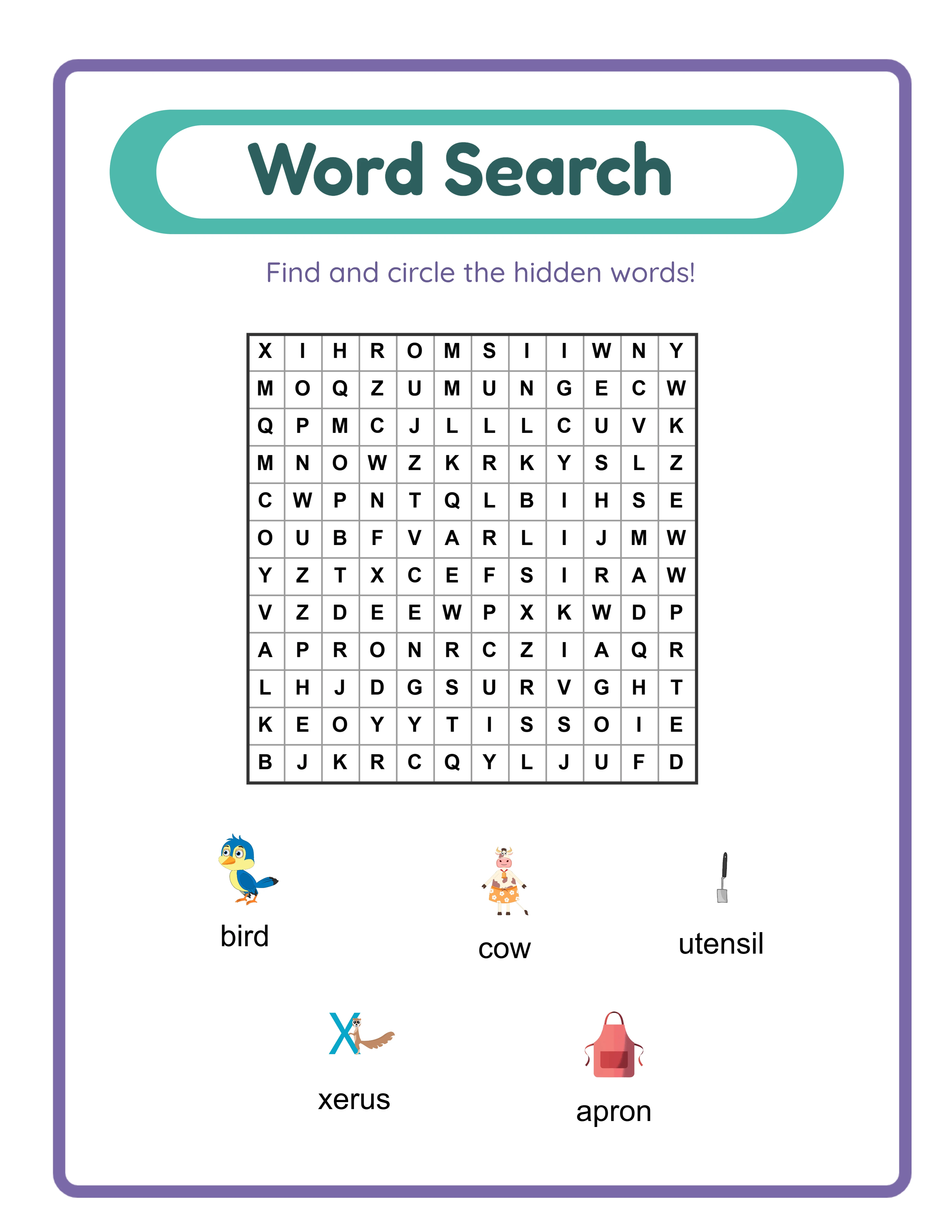
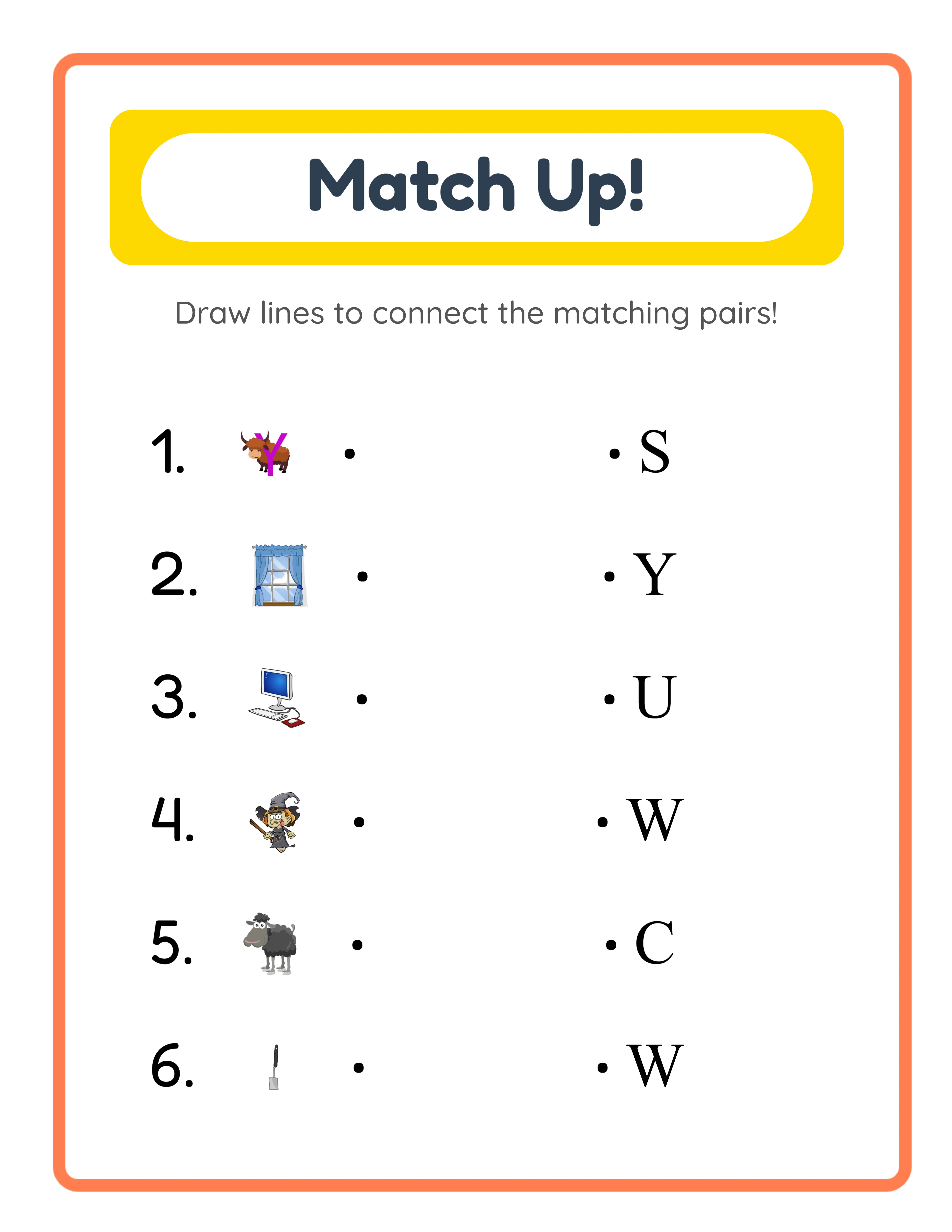
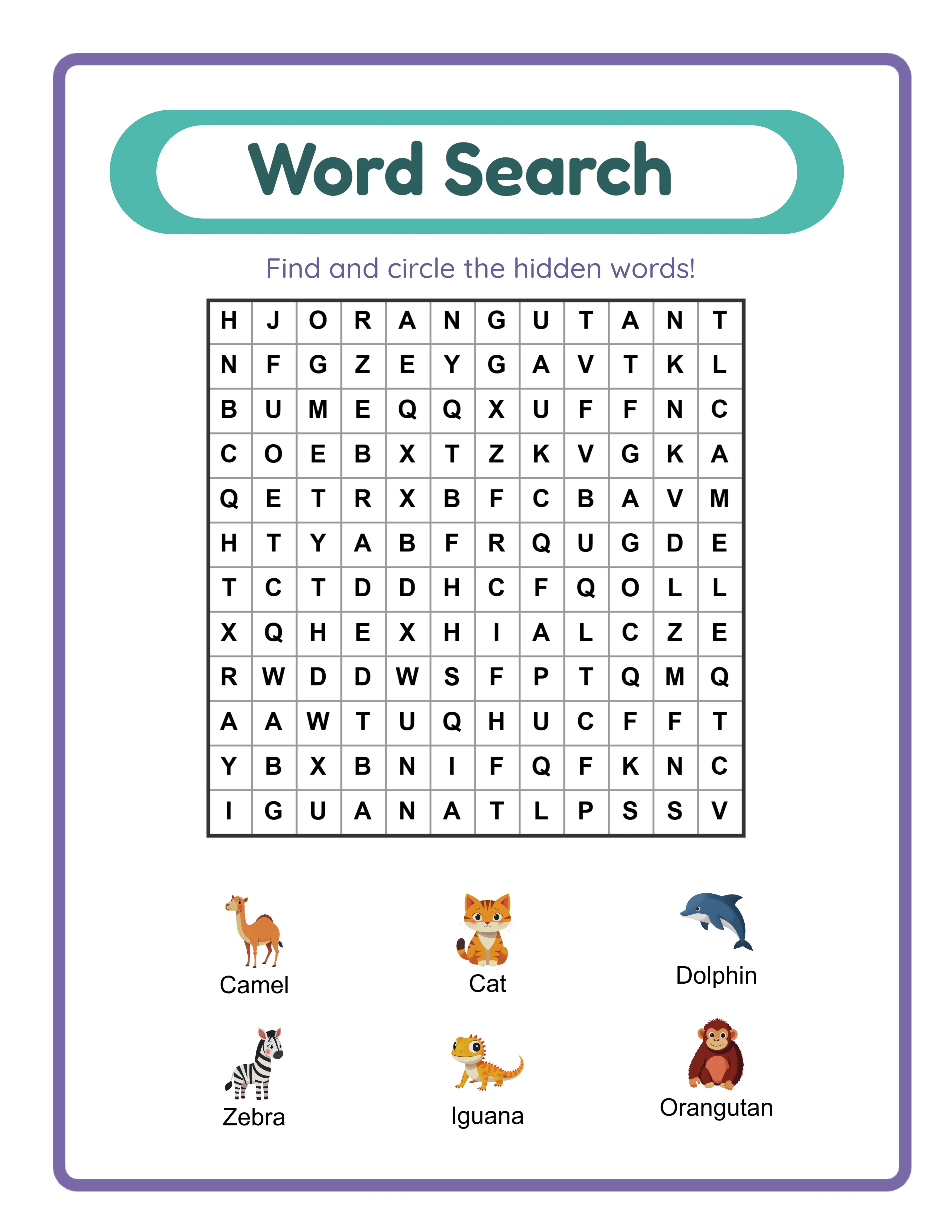
The fastest validation method is creating 3–5 test products using a free trial with watermark and evaluating the output against existing marketplace listings. Open a worksheet generator, create sample products in your chosen niche, and compare them side-by-side with the top-selling products on Etsy. Ask yourself: does my output match or exceed the quality of what is currently selling? If yes, you have a viable idea. If no, you need a different niche or a different approach.
Competition density determines how hard it will be to gain visibility. Search your exact target keywords on Etsy and count the results. Fewer than 5,000 results indicates a niche with room for new sellers. Between 5,000 and 20,000 means moderate competition where quality and SEO tier winners. Above 50,000 results means you need exceptional tiered difficulty or a more specific sub-niche.
Price point validation ensures your products can generate meaningful revenue. If the top sellers in your niche price bundles at $3.99–$7.99, you know the market supports those prices. If everything is priced under $1.99, you either need to offer significantly more value (larger bundles, unique themes) or find a niche with healthier pricing.
The validation phase should take one to two days, not weeks. You are not trying to prove the idea will definitely succeed — you are screening out ideas that are clearly unviable before investing weeks of product creation time. If your idea passes the quality test, the competition test, and the price test, move forward. You will learn more from listing real products than from additional research.
Mapping Your Product Line From Day One
Product line mapping is the step most new sellers skip, and it is the step that creates the biggest competitive advantage. Mapping means planning your first 20–50 products before creating any of them.
Start with your core product type. If you chose math worksheets as your niche, your core type might be addition worksheets. From that single starting point, plan your expansion along three axes: theme variations, difficulty progressions, and format bundles.
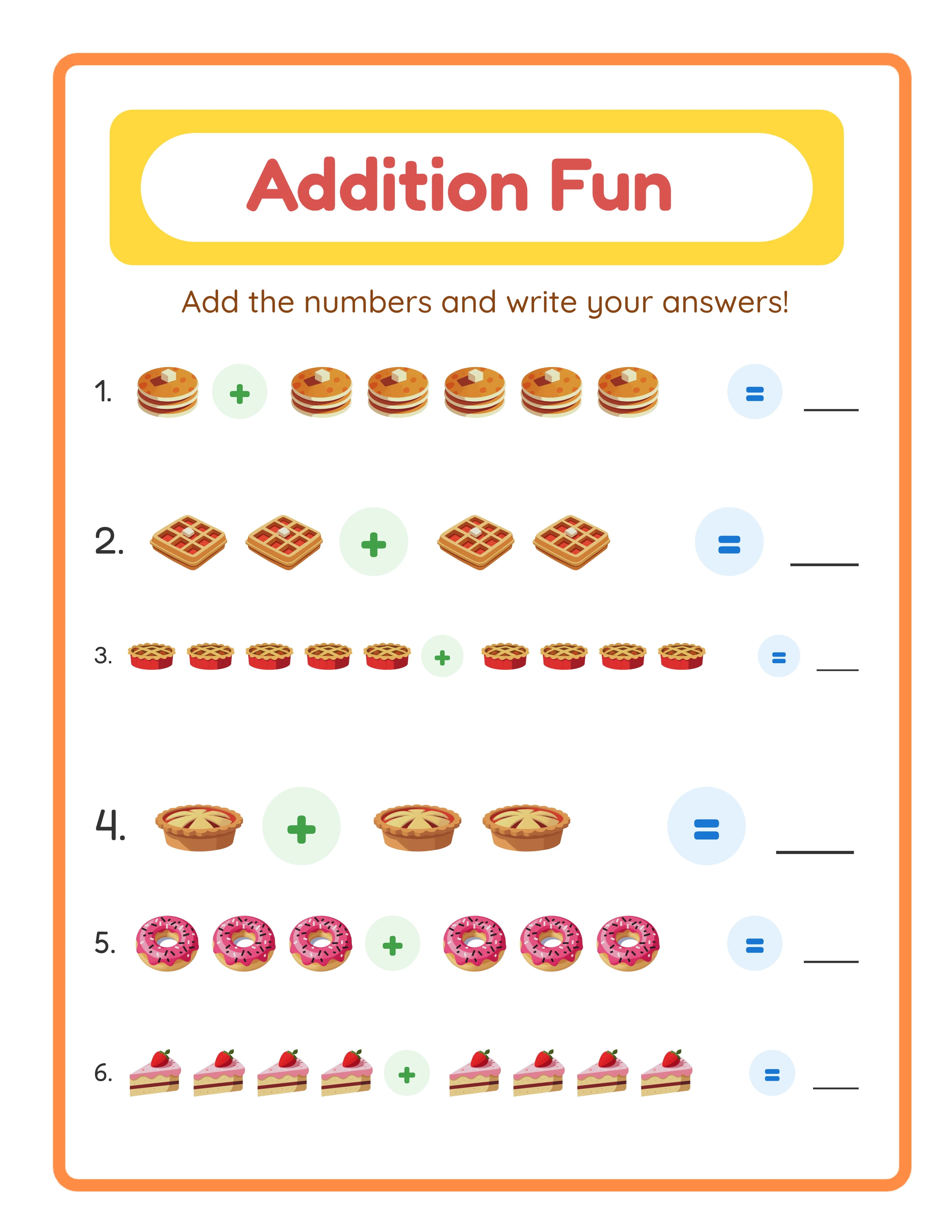
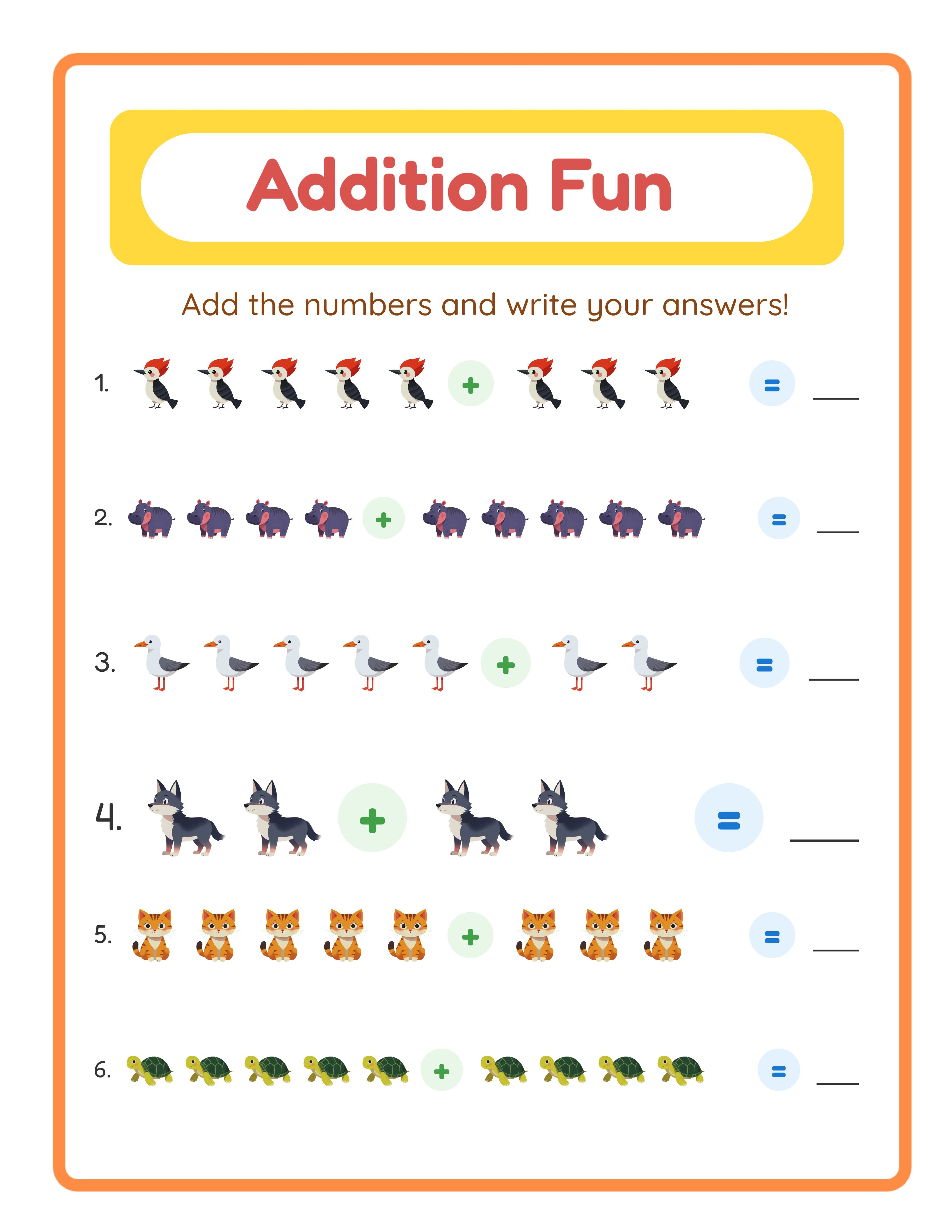
Theme variations multiply your catalog with minimal additional effort. One addition worksheet template with five different image themes (animals, dinosaurs, ocean, vehicles, food) produces five distinct products, each targeting different search queries and different buyer interests. With 100+ themed image sets available in LessonCraftStudio generators, theme variation alone can generate dozens of unique products.
Difficulty progressions serve different age groups and skill levels from your same core type. Easy addition (sums to 10) targets preschool. Medium addition (sums to 20) targets kindergarten. Advanced addition (two-digit numbers) targets first and second grade. Each difficulty level is a separate product line serving a different buyer segment.
Format bundles combine individual products into higher-value packages. Your product line map should include individual worksheets (for marketplace visibility), small bundles (5–10 pages, your main revenue driver), large bundles (20–30 pages, premium pricing), and mega bundles (50+ pages, maximum revenue per transaction).
A practical product line map for a math worksheet business might look like this: 5 themes × 3 difficulty levels × 4 bundle sizes = 60 planned products from a single worksheet type. Add subtraction as a second type and you have 120 planned products. This is not theoretical — worksheet generators make creating these variations fast and consistent.
Write your product line map in a spreadsheet. List every planned product with its theme, difficulty, bundle size, and target price. This document becomes your production roadmap for the next three to six months.
Choosing Your Platform Strategy for Printable Sales
Platform strategy determines where your products reach buyers. The right choice depends on your product type, your target audience, and your willingness to manage multiple storefronts.
Etsy is the default starting platform for most printable sellers, and for good reason. It has the largest built-in audience for digital downloads, mature search and discovery features, and a buyer base that actively searches for printable worksheets. Etsy charges $0.20 per listing plus a transaction fee on each sale. The platform rewards sellers who list frequently, optimize titles and tags, and maintain strong review ratings.
Amazon KDP serves a different market segment: buyers who want physical printed books shipped to their door. You format your worksheets as an activity book interior, upload it to KDP, and Amazon handles printing and shipping. KDP gives you access to Amazon's massive customer base but offers less pricing control and a longer setup process per product. KDP works best for bundled activity books (50+ pages) rather than individual worksheets.
Gumroad is the specialist platform for educational resources. The audience is primarily buyers and homeschool sellers who expect skill-aligned, standards-referenced products. If your worksheets target specific grade levels and learning objectives, Gumroad provides access to buyers who are willing to pay premium prices for quality educational materials.
Gumroad offers simplicity and higher profit margins for direct sales. You control the customer experience entirely, set your own prices, and keep a larger share of each sale. The tradeoff is zero built-in marketplace traffic — you must drive your own visitors through social media, email marketing, or content.
The recommended platform strategy for your blueprint: start on Etsy to validate demand and generate initial sales. After reaching 30+ listings and consistent sales, expand to Amazon KDP with your best-performing bundles reformatted as activity books. Add Gumroad if your products have content catalog alignment. Use Gumroad or your own website for direct sales once you have built an audience through other channels.
Do not launch on all platforms simultaneously. Each platform has its own optimization requirements, formatting standards, and audience expectations. Master one platform first, then expand systematically.
Setting Realistic Revenue Goals for Your Printable Business
Revenue goals transform your blueprint from a wish into a measurable plan. But unrealistic goals are worse than no goals at all — they create frustration that leads to quitting.
Printable worksheet revenue follows a predictable pattern tied to catalog size, listing quality, and platform maturity. Understanding the math behind per-product economics helps you set goals that are ambitious but achievable.
On Etsy, a well-optimized listing in a proven niche typically generates between 5 and 30 views per day after the initial indexing period. Conversion rates for printable products range from 1% to 5%, depending on listing quality, pricing, and niche competition. At a $4.99 price point with a 2% conversion rate and 15 daily views, one listing generates roughly $1.50 per day or $45 per month.
These numbers are approximations based on publicly available marketplace data, not guarantees. Your actual results will vary based on your niche, product quality, pricing, and optimization efforts. The purpose of these calculations is planning, not prediction.
Catalog size milestones provide a useful planning framework. With 10 well-optimized listings, a new seller might target $50–$200 per month in gross revenue. With 30 listings and established marketplace presence, $200–$600 per month becomes achievable. With 50+ listings, seasonal products, and multi-platform presence, $500–$1,500 per month is within reach for sellers who consistently optimize and expand.
Set your 90-day goal based on catalog size rather than revenue. "List 30 products in 90 days" is within your direct control. "Earn $500 in 90 days" depends on factors outside your control. Focus your energy on the actions you can take — product creation, listing optimization, catalog expansion — and let revenue follow from consistent execution.
Review your goals monthly. If you are ahead of your listing target, consider whether quality is keeping pace. If you are behind, identify the bottleneck: is it product creation time, listing optimization, or motivation? Adjust your timeline without changing your total catalog target.
Building Your First Product Collection With Worksheet Generators
Your blueprint exists on paper. Now it is time to build products. The goal for your first two weeks is a focused collection of 10–15 products that establish your shop's identity and give the marketplace algorithm enough data to start showing your listings to buyers.
Start with your core product type and your strongest theme. If your product line map starts with addition worksheets in an animal theme, that is your first product. Open the generator, configure your settings (difficulty level, image theme, page size, answer key), and create your first page. Review it carefully — this first product sets the quality standard for everything that follows.
Generate 9 more pages with the same theme and difficulty settings. Each generation produces unique content while maintaining visual consistency. Download PDF and JPEG formats for all pages. Assemble the pages into a bundle with a cover page listing the contents, age range, and your shop name.
Now create theme variations. The same addition worksheet settings with different image themes (dinosaurs, ocean, vehicles, food) produce four more unique products in minutes. Each targets different search keywords and different buyer interests, but all maintain the same quality standard and visual style.
Add a difficulty progression. Create an easy version (sums to 5) for the preschool-age market, a medium version (sums to 10) for the kindergarten-age market, and a harder version (sums to 20) for first graders. These three difficulty levels applied to your five themes produce 15 products.
Your first collection should feel cohesive. When a buyer visits your shop and sees 15 animal-themed, dinosaur-themed, and ocean-themed math bundles at three difficulty levels, they see a specialist. That perception of expertise drives purchases and repeat visits.
Every generator offers a free trial with watermark during this process. Use the trial to test different configurations and themes before committing to a commercial license. The trial output shows you exactly what the final product will look like, minus the watermark.
Pricing Strategy for Your Printable Product Blueprint
Your pricing strategy should be part of your blueprint before you create your first product, not an afterthought when you are ready to list. Pricing affects everything: your revenue per sale, your position in marketplace search results, your perceived quality, and your long-term brand.
The printable worksheet market has established price ranges that vary by product size and platform. Individual worksheets (1–3 pages) typically sell for $1.49–$2.99. Small bundles (5–10 pages) sell for $2.99–$5.99. Large bundles (15–30 pages) sell for $5.99–$12.99. Mega bundles (50+ pages) sell for $14.99–$29.99. These ranges reflect current Etsy marketplace data and may vary by niche.
Platform fees reduce your net revenue from each sale. Etsy charges a $0.20 listing fee, a 6.5% transaction fee, and payment processing fees of approximately 3% + $0.25. On a $4.99 sale, your net after fees is approximately $4.09. Amazon KDP royalties range from 35% to 60% depending on list price and distribution options, resulting in lower per-unit revenue but zero fulfillment work.
Price anchoring is a powerful strategy for printable sellers. When buyers see your 10-page bundle at $4.99 and your 30-page bundle at $9.99, the larger bundle looks like a bargain. The per-page price drops from $0.50 to $0.33, making the more expensive option feel like the better deal. Structure your pricing tiers to guide buyers toward the bundle size with the highest total revenue.
Competitive positioning matters more than absolute price. If the top three sellers in your niche price 10-page bundles at $4.99, $5.49, and $5.99, pricing yours at $1.99 does not attract more buyers — it signals lower quality. Price within the established range and compete on product quality, theme uniqueness, and listing presentation instead.
Avoid the race to the bottom. New sellers often underprice out of insecurity, then struggle to raise prices later. Start at the middle of your niche's price range and adjust based on actual sales data after 30 days.
Launch Checklist for Your Printable Business
Your blueprint is mapped, your products are created, and your pricing is set. This checklist ensures nothing falls through the cracks during your launch.
Shop setup comes first. Choose a shop name that reflects your niche and is easy to remember. Write a shop description that positions you as a specialist in your chosen category. Upload a professional-looking shop banner and profile photo. Complete your shop policies including processing time (instant for digital downloads), refund policy, and licensing terms.
List your first 10 products within your first week. Marketplace algorithms favor new shops that demonstrate activity. Each listing needs a keyword-rich title that front-loads the most important search terms. Use all 13 Etsy tags with unique, buyer-relevant phrases. Write descriptions that clearly state what is included, who the product is for, what age range it targets, and what file formats are provided.
Thumbnail quality determines whether buyers click your listing. Show the actual worksheet in a clean, bright presentation. Include a small text overlay indicating the page count or bundle size. Avoid cluttered thumbnails with too many fonts, colors, or decorative elements. The worksheet should be the hero of the image.
Create a description template for consistency. Your template should include: product title, page count, age range, skill focus, what is included, file format, printing instructions, and licensing information. Using a template ensures every listing is complete and saves significant time as you list multiple products.
Set up your analytics tracking from day one. Etsy provides built-in analytics showing views, favorites, and conversion rates per listing. Bookmark your stats page and check it weekly. After 30 days, you will have enough data to identify which products and keywords perform best.
Prepare your customer service approach. Decide how quickly you will respond to messages, what your refund process looks like, and how you will handle custom requests. Having these answers ready before your first customer message prevents reactive, inconsistent responses.
Measuring Progress and Adjusting Your Blueprint
A blueprint without measurement is just a wish list. Building review checkpoints into your plan ensures you make data-driven adjustments instead of operating on guesswork.
Weekly reviews should take 15 minutes. Check three numbers: total views across your shop, total favorites, and total orders. Views tell you whether your SEO is working. Favorites indicate buyer interest that has not yet converted. Orders tell you what is actually selling. A listing with high views but no sales needs better thumbnails or pricing. A listing with few views needs better keywords.
Monthly reviews go deeper. Calculate your conversion rate (orders divided by views) for each listing. Identify your top three performers and your bottom three. Create more products similar to your top performers. Update or retire your bottom performers with better thumbnails, descriptions, or keywords before creating entirely new products.
Revenue per listing is the metric that drives catalog expansion decisions. Divide your monthly revenue by your total active listings. If you earn $300 from 30 listings, your revenue per listing is $10/month. Now you can project: adding 20 more listings at the same quality should add approximately $200/month. This metric also reveals when quality is slipping — if revenue per listing drops as you add products, your newest products are not matching the quality of your early work.
Platform expansion timing depends on your primary platform performance. Do not add a second platform until you have at least 30 listings on your first platform and a clear understanding of what sells. Splitting focus too early means mediocre results on multiple platforms instead of strong results on one.
The most important adjustment is knowing when to double down versus when to pivot. If your math worksheets sell consistently and your coloring pages do not, the blueprint says: create more math products, not more coloring pages. If a specific theme outperforms others by a wide margin, create every possible variation of that theme before exploring new ones. Data should drive your catalog expansion, not personal preference or assumptions about what should sell.
Revisit your blueprint quarterly. Update your product line map based on what you have learned. Adjust your revenue targets based on actual performance data. Add new product types that your marketplace research suggests. Remove planned products that your data shows are unlikely to succeed. The blueprint is a living document, not a rigid contract.
.webp)