Why Income Questions Are the Wrong Starting Point
Most people searching "how much can you make selling printables" want a specific number. They want someone to say "you can expect to earn $X per month" so they can decide whether the business is worth pursuing. That number does not exist, and anyone who provides one is either guessing or selling something.
Printable business income is not a fixed outcome. It is a result of multiple variables interacting over time. The same worksheet generator in the hands of two different sellers produces two entirely different income trajectories — not because the tool is inconsistent, but because the sellers make different decisions about catalog size, pricing, platform selection, product quality, niche focus, and time investment.
Consider a parallel: asking "how much can you make as a photographer" has no meaningful answer. A photographer who shoots one wedding per year earns differently than one who books fifty. A photographer in a premium market charges differently than one in a saturated budget market. The camera does not determine income — the business decisions around it do.
The same principle applies to printable businesses. The worksheet generator is a production tool. Your income depends on what you produce, where you sell it, how you price it, and how consistently you show up. The useful question is not "how much can I make" but "what determines how much I make" — and that is a question with concrete, actionable answers. Every section of this guide addresses one of those determining variables so you can evaluate your own situation honestly rather than relying on someone else's unverifiable claim.
The Variables That Determine Printable Business Income
Printable business income is the product of several measurable variables. Understanding each one lets you identify where your effort will have the most impact.
Catalog size is the most fundamental variable. Each product listing is an entry point for potential buyers. A shop with 10 listings has 10 chances to appear in search results. A shop with 200 listings has 200 chances. More listings do not guarantee more sales, but they dramatically increase the probability of being discovered. Sellers with larger catalogs consistently outperform those with smaller catalogs, all else being equal.
Product quality determines conversion rate. When a buyer clicks on your listing, the quality of your product images, descriptions, and the actual worksheet content determines whether they purchase. High-quality worksheets with professional layouts, clear formatting, and appropriate difficulty levels convert browsers into buyers. Low-quality products get clicks but not sales.
Pricing affects both revenue per sale and total sales volume. Price too high and fewer people buy. Price too low and you leave revenue on the table. The optimal price depends on your specific product, your target market, and what competitors charge for similar items.
Platform selection determines your audience size and fee structure. Etsy has massive built-in traffic but charges significant fees. Amazon KDP reaches book buyers globally but has specific royalty calculations. Each platform has its own economics.
Niche selection affects competition level. Broad categories like "math worksheets" face heavy competition. Specific niches like "multiplication practice for grade 3 with animal themes" face less competition and attract more targeted buyers.
Time investment compounds over months. A seller who adds five products per week for six months has 130 listings. One who adds five products per month has 30. The difference in discovery potential is substantial. Consistency matters more than intensity.
Platform Economics: Understanding the Fee Structures
Every marketplace takes a cut of your sales. Understanding the actual fee structures lets you calculate your real revenue per sale — not the listing price, but the amount that reaches your account.
Etsy charges a $0.20 listing fee per item (renewed every four months or upon sale), a 6.5% transaction fee on the sale price including shipping, and payment processing fees of approximately 3% plus $0.25 per transaction. If you participate in Etsy Offsite Ads, an additional 12–15% fee applies to sales generated through those ads. For a $4.99 digital download, the approximate net after all fees is roughly $4.15–$4.30, depending on your specific fee situation. These are Etsy's publicly listed rates as of early 2026.
Amazon KDP uses a royalty model for paperback books: 60% of the list price minus printing costs. Printing costs depend on page count, ink type (black and white vs color), and marketplace. A 100-page black-and-white activity book listed at $6.99 on Amazon.com has a printing cost of approximately $2.15 (current KDP calculator rate), yielding a royalty of approximately $2.04 per sale. Color interiors cost significantly more to print, reducing the royalty. KDP provides a royalty calculator so you can model exact numbers for your specific book specifications.
Gumroad offers a 55% royalty rate on its basic plan and 80% on the premium plan ($59.95 per year). For a $4.99 product, that translates to roughly $2.74 (basic plan) or $3.99 (premium plan) per sale.
Gumroad, Payhip, and similar platforms charge varying fees depending on the plan tier. Direct sales through your own website (Shopify, WooCommerce) involve payment processing fees of approximately 2.9% plus $0.30 per transaction but no marketplace commission.
These are factual, publicly available platform rates. They are not income predictions — they are the cost structures that determine your actual per-sale revenue on each platform.
Pricing Strategies for Printable Worksheets
Pricing is one of the few income variables you control directly, and observing how the printable market prices products helps you position your own listings competitively.
On Etsy, individual worksheet downloads typically list in the $1.99–$5.99 range. Single-page worksheets tend toward the lower end. Multi-page packs of 5–10 worksheets often list at $3.99–$5.99. Larger bundles of 20–50 pages frequently list at $6.99–$14.99. These are observational ranges based on marketplace listings, not recommendations or guarantees of sales at any specific price point.
On Amazon KDP, activity book paperbacks typically list at $4.99–$9.99. The price must account for printing costs, which reduce your royalty. Higher page counts mean higher printing costs but also justify higher list prices. The KDP royalty calculator is the definitive tool for modeling your specific revenue per book at different price points.
Bundling is the most common pricing strategy for increasing average order value. Instead of selling ten individual worksheets at $2.99 each, sellers often bundle them into a themed pack at $9.99. The buyer perceives greater value, and the seller earns more per transaction with no additional production cost.
Tiered pricing lets you serve different buyer segments. Offer a small sampler pack at a low price point for price-sensitive buyers, a standard bundle at a mid-range price for most buyers, and a comprehensive mega-pack at a premium price for buyers who want everything. Each tier captures a different segment of demand.
Competitive research is essential before setting prices. Search your target keywords on Etsy and Amazon, note the price ranges of top-selling listings, and position your products within that range based on your content quality and page count. Pricing significantly above or below the market norm requires a clear justification — more pages, better quality, unique themes, or stronger branding.
The Catalog Size Factor: Why More Listings Matter
Platform algorithms on Etsy, Amazon, and Gumroad all share one fundamental characteristic: they surface products from sellers with larger, active catalogs more frequently than products from sellers with a handful of listings. This is not a secret algorithm hack — it is basic marketplace math. More listings create more indexable pages, more keyword targets, and more opportunities for the algorithm to match your products to buyer searches.
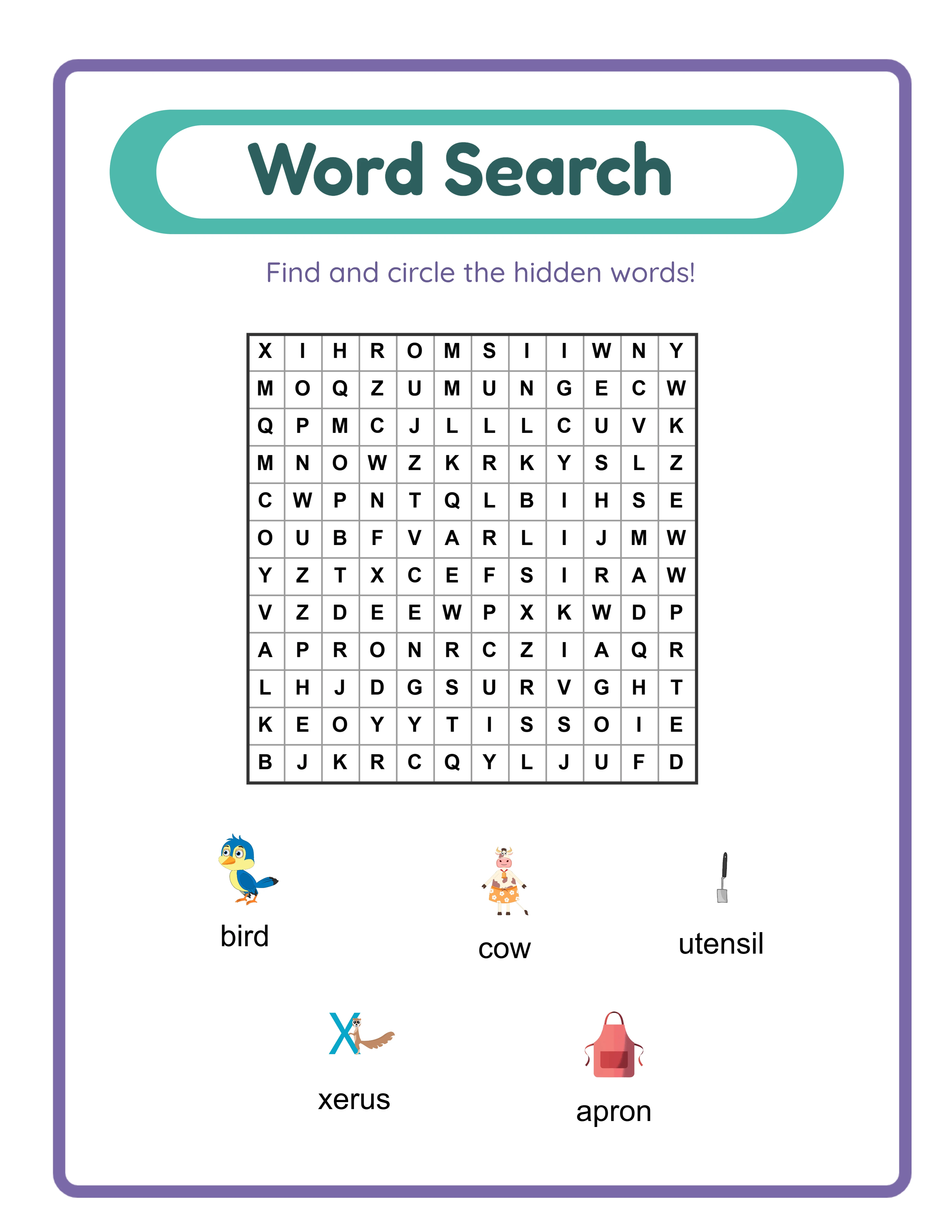
Each listing you create is an independent entry point for discovery. A word search puzzle themed around animals targets different search queries than one themed around food, vehicles, or holidays. A math worksheet for grade 1 targets different queries than one for grade 3. Every variation you create targets a new cluster of buyer searches.
Worksheet generators dramatically accelerate catalog building because each generator can produce dozens of unique product variations. Consider one example: the word search generator with 10 available themes and 3 difficulty levels produces 30 distinct product configurations. Add 3 different page counts (10-page pack, 25-page pack, 50-page pack) and you have 90 potential Etsy listings from a single generator. With the Full Access tier unlocking 100+ themes, the math scales further.
For Amazon KDP, the same principle applies to book variations. "Animal Word Search for Kids Ages 4–6" and "Animal Word Search for Kids Ages 8–10" are separate books targeting separate buyer searches. "Food Word Search" and "Vehicle Word Search" are separate titles. Each unique book is a new discovery opportunity in Amazon's search results.
The practical takeaway: building your catalog consistently over time — adding new products weekly rather than in a single burst — is one of the strongest predictors of eventual sales. Platform algorithms reward sellers who demonstrate ongoing activity, and a growing catalog means a growing footprint in search results.
The free trial with watermark lets you test how quickly you can produce variations before purchasing a license, so you can estimate your own realistic catalog-building pace.
Time Investment: What the First 90 Days Actually Look Like
Unrealistic timelines cause more printable business abandonment than any other factor. Sellers who expect significant income in week one often quit before their catalog reaches the size where meaningful sales become probable. Here is what a realistic first 90 days typically involves.
Month one is the learning and setup phase. You explore worksheet generators, test different output formats, learn the settings that produce the best results for your niche, set up your seller account on your chosen platform, create your first listings, and publish your first products. Most sellers spend this month producing 10–20 listings while learning their tools and platform. Sales during month one, if any, are typically sporadic and come from direct search matches.
Month two is the expansion phase. You have your workflow established and can produce products faster. The focus shifts to expanding your catalog systematically — adding more themes, more difficulty levels, more page count variations. You start learning platform-specific SEO: which keywords drive traffic, which titles get clicks, which product images perform best. Organic traffic begins arriving if your listings target buyer search terms effectively. Some sellers see their first organic sales during month two. Others do not yet.
Month three is the optimization phase. You have sales data or at least traffic data to analyze. Which listings get views? Which convert? Which sit unseen? This data informs where to invest your production time: create more products in categories that show traction, adjust pricing on products that get views but no sales, improve listing photos and descriptions on underperformers. Your catalog is approaching 40–60+ products if you have been consistent.
There is no guaranteed timeline. Some sellers report their first sale within days of their first listing. Others take weeks or months. The variables discussed throughout this guide — niche selection, product quality, pricing, platform choice, and SEO — all influence the timeline. What is consistent across nearly all successful printable sellers is that they did not quit during the first 90 days when results were uncertain.
Why Product Quality Determines Long-Term Income
Short-term sales can come from many sources: a trending keyword, a seasonal surge, or marketplace advertising. Long-term, sustainable income comes from one source: product quality that generates positive reviews, repeat purchases, and organic recommendations.
Quality in the printable worksheet market has specific, measurable indicators. Output resolution matters — 300 DPI PDF files print cleanly on standard printers without pixelation or blurriness. Buyers who receive worksheets that print poorly leave negative reviews immediately. Layout consistency matters — uniform margins, aligned text, balanced spacing, and professional formatting signal quality that casual generators cannot match. Content accuracy matters — math worksheets with correct answer keys, word searches with all words actually findable, crosswords with valid intersections.
The worksheet generators produce 300 DPI PDF output with answer keys and consistent layouts by default. These are quality signals that buyers notice and that tier professional sellers from those uploading hastily assembled content. The free trial with watermark lets you verify every aspect of output quality before you invest in a license or list anything for sale.
Positive reviews compound over time. On Etsy, listings with 10+ five-star reviews convert at significantly higher rates than identical products with no reviews. On Amazon KDP, books with positive ratings rank higher in search results and receive more click-throughs. Each positive review makes the next sale easier to get — this is the compounding effect that turns a side project into a reliable income stream over months and years.
Negative reviews, conversely, are difficult to recover from. A few one-star reviews on a product listing can suppress it in search results and discourage future buyers. The cost of rushing low-quality products to market is not just lost sales on those products — it is the opportunity cost of the positive review momentum you failed to build.
Investing time in quality from the start — testing output thoroughly, ensuring accurate content, and presenting professional product images — is the highest-return time investment in a printable business.
The Compounding Effect of Multiple Revenue Streams
One of the strongest structural advantages of a printable business is that the same generated content can sell across multiple platforms simultaneously. This creates multiple revenue streams from a single production session.
Consider a practical example. You generate a set of 50 word search puzzles on an animal theme using three difficulty levels. From that single generation session, you can create: an Etsy digital download listing with a 50-page PDF bundle, an Amazon KDP paperback activity book with the same 50 pages plus a cover, a Gumroad resource listing, and a Gumroad direct-sale listing. Four revenue streams from one production session. Each platform reaches different buyers — Etsy digital shoppers, Amazon book buyers, buyers, and direct-purchase customers.
Multilingual expansion multiplies this further. The same word search concept generated in German targets Amazon.de and German-speaking Etsy buyers. In French, it targets Amazon.fr and French-speaking markets. In Spanish, Amazon.es and the broader Spanish-speaking world. The Full Access tier with all 11 languages means one product concept can target 11 language markets across multiple platforms each.
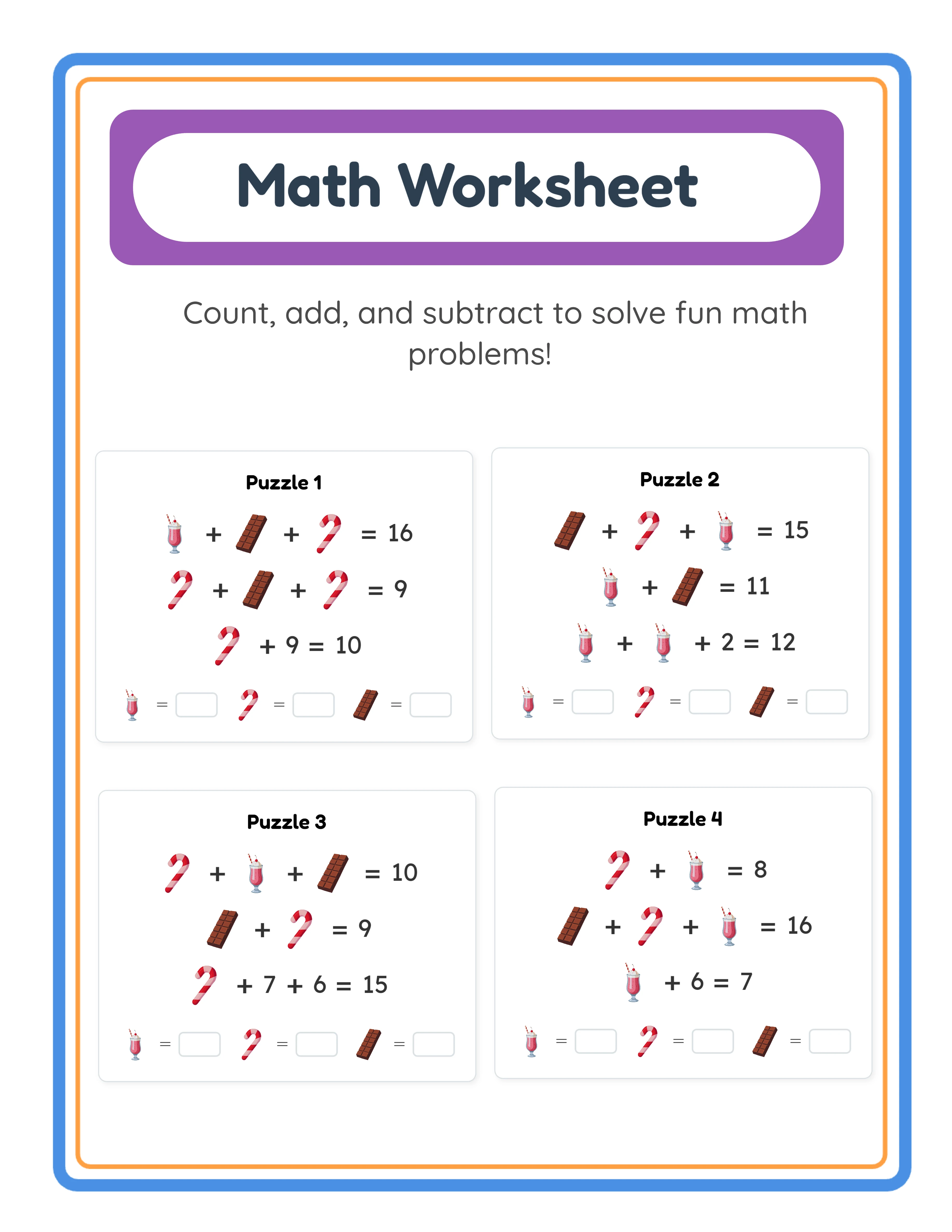
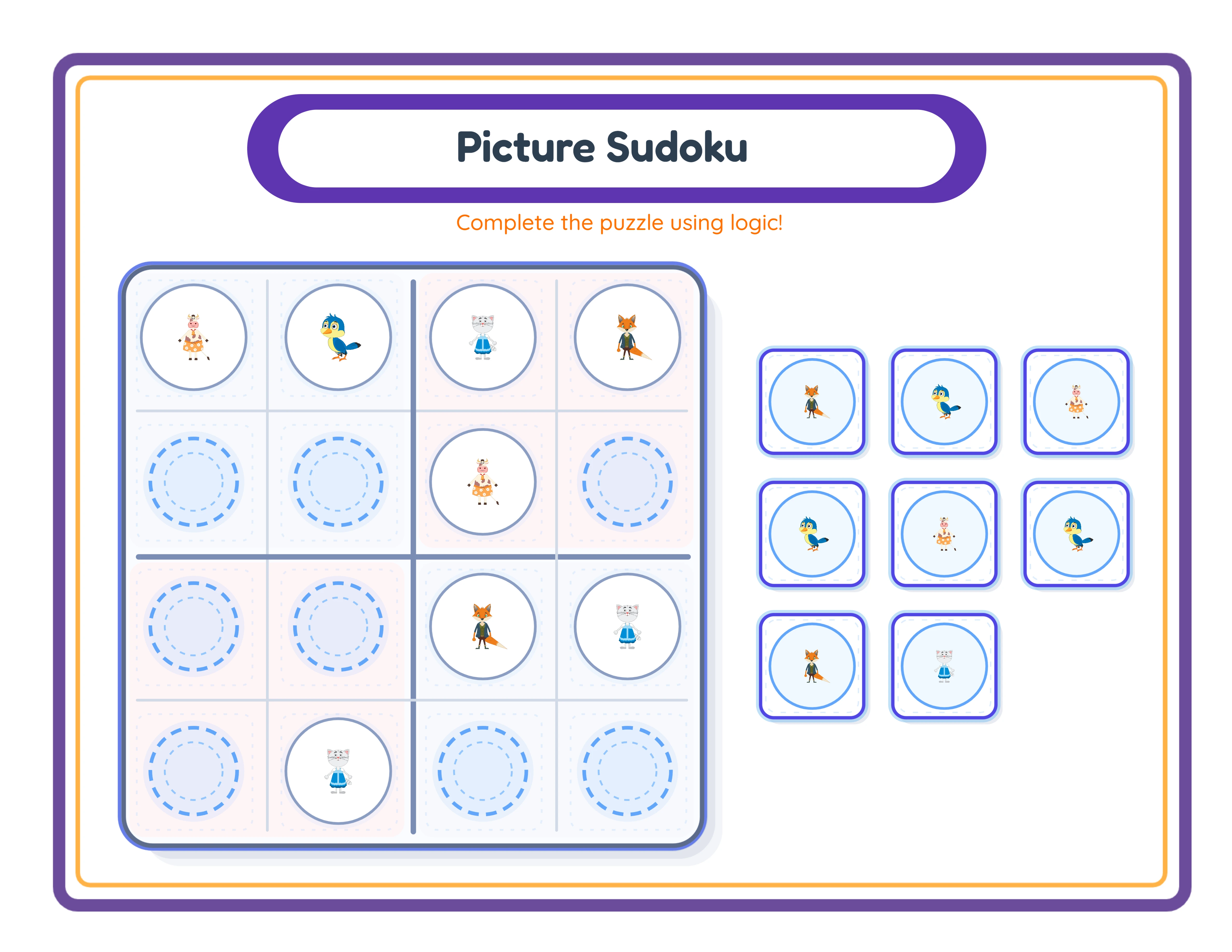
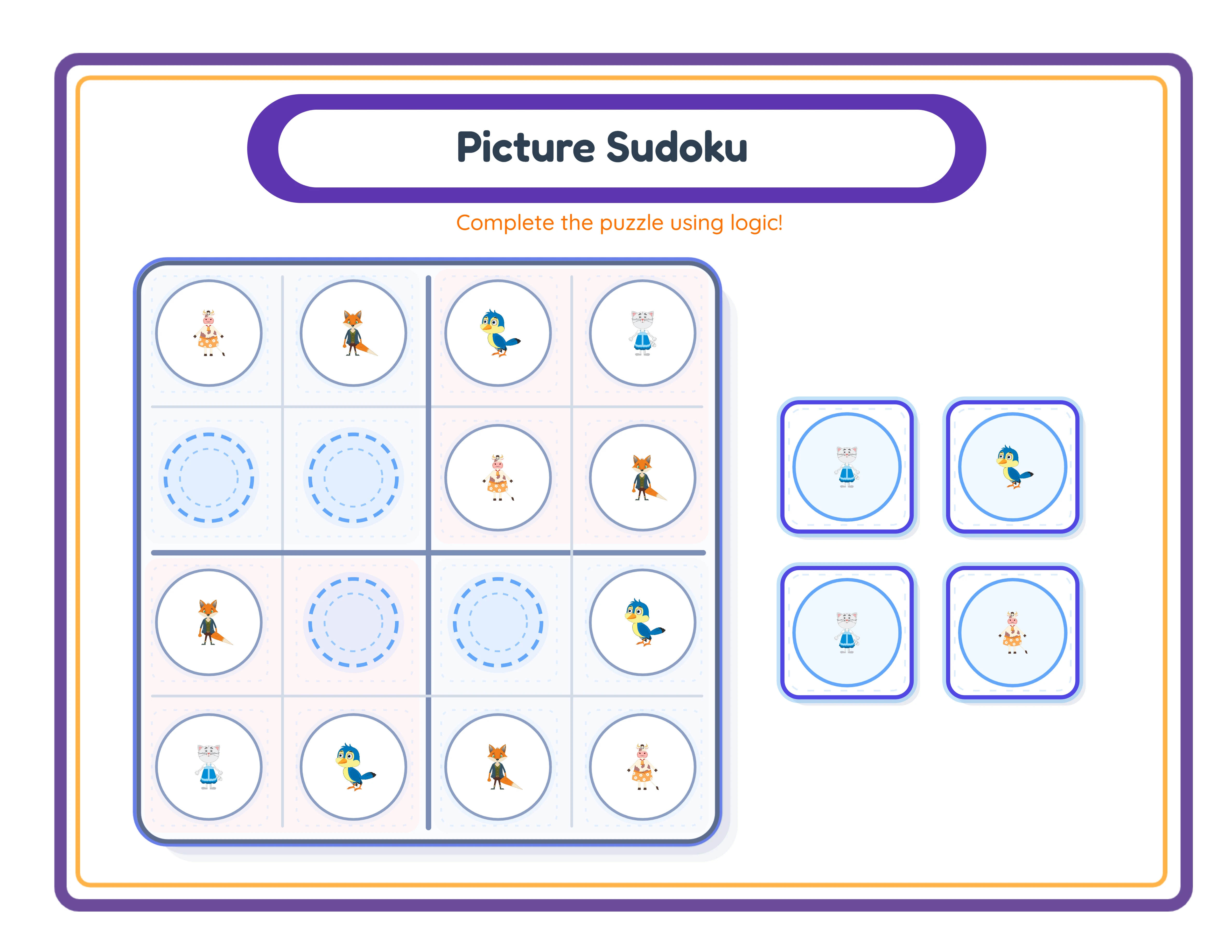
Cross-generator bundling creates yet another layer. A "Complete Animal Activity Pack" containing word searches, crosswords, coloring pages, and math worksheets from four different generators sells at a premium price point because it offers more variety than any single-activity product. The content comes from generators you already have licensed.
The compounding math is straightforward. A seller with one product on one platform has one revenue stream. A seller with that same product on four platforms has four. Translated into three languages across four platforms, that becomes twelve. Bundled with content from three other generators, the variations multiply again. None of this requires new tools or new skills — it requires the strategic application of tools you already have.
Common Income Myths in the Printable Business Space
The printable business space attracts more misleading income claims than most online business niches. Recognizing the most common myths protects you from unrealistic expectations and bad decisions.
Myth: you can earn a large recurring income immediately with minimal effort. Reality: building a printable business that generates consistent sales requires sustained effort over months. Catalog building, listing optimization, platform SEO, and product quality improvements all take time. Sellers who treat it as a serious business endeavor see better results than those who expect effortless returns.
Myth: one product can generate transformative income. Reality: printable business income is almost always distributed across many products. Successful sellers typically have dozens or hundreds of listings, with sales spread across their catalog rather than concentrated in a single product. Relying on a single product exposes you to seasonal fluctuations, algorithm changes, and competitive pressure.
Myth: the business runs itself after the initial setup. Reality: active sellers who continue adding products, optimizing listings, and responding to market trends outperform those who set up a shop and walk away. The printable business can become relatively low-maintenance over time, but "low-maintenance" is not the same as "no maintenance." Ongoing catalog growth, seasonal product updates, and listing optimization are part of sustained success.
Myth: any printable will sell if you list it. Reality: market research, niche selection, and product tiered difficulty matter enormously. Some niches are oversaturated. Some product types have low demand. Some themes sell seasonally but not year-round. Understanding your market before committing production time is far more effective than producing random content and hoping for the best.
Myth: tool choice determines income. Reality: the tool is a production accelerator, not an income guarantee. A high-quality worksheet generator makes you more efficient, but efficiency without strategy produces more products that may not sell. Combine good tools with market research, strategic niche selection, and consistent effort for the best outcomes.
Setting Your Own Realistic Income Goals
The most effective income goals for a printable business focus on inputs you control rather than outputs you cannot. Revenue depends on buyer behavior, algorithm changes, seasonal demand, and competitive dynamics — none of which you directly control. But the activities that drive revenue are entirely within your control.
Input-focused goals sound like this: "List 5 new products this week." "Create listings on 2 new platforms this month." "Test 3 new niches this quarter." "Optimize titles and tags on 10 underperforming listings." These are concrete, measurable, and achievable regardless of external factors. They also happen to be the activities that, compounded over time, produce revenue growth.
Output-focused goals sound like this: "Earn a specific dollar amount this month." The problem with output goals is not that they are wrong to desire — everyone starts a business wanting revenue. The problem is that they create frustration when external factors delay results, and that frustration leads to quitting before the business reaches critical mass.
A practical goal framework for new printable sellers: Week 1–4, focus on learning one generator thoroughly and creating your first 15–20 product listings. Week 5–8, expand to a second product type or a second platform while continuing to add listings weekly. Week 9–12, analyze your traffic and sales data to identify which products and niches show traction, then double down on those areas. By the end of 90 days, your goal is a catalog of 50+ listings across at least two product types, with enough data to make informed decisions about where to invest your time going forward.
The free trial with watermark supports this goal framework perfectly. Use the trial period to learn generators, test niches, and evaluate production workflows before purchasing licenses. When you do purchase, you already know which generators produce the products your target market wants, and you can focus your investment on proven product types rather than guessing.
Track your inputs weekly and your revenue monthly. The inputs will feel slow at first. The revenue will feel slower. But sellers who maintain consistent input over six to twelve months are the ones who build printable businesses that generate meaningful, sustainable income. The variables covered in this guide — catalog size, product quality, platform economics, pricing strategy, and time investment — are all within your control. Focus on them relentlessly, and let the revenue follow.