Why Multilingual Worksheets Are a Major Business Opportunity
The economics of multilingual printable selling are compelling because of a massive imbalance between supply and demand.
Search for "word search worksheets" on Etsy.com and you will find tens of thousands of results. Search for "Wortsuche Arbeitsblätter" (the German equivalent) on Etsy.de and you will find a tiny fraction of that number. The same pattern holds across French, Spanish, Portuguese, Italian, Dutch, and Scandinavian markets. Buyer demand exists — buyers in these countries search for educational worksheets every day — but the supply of professional, localized content is dramatically lower.
This supply gap exists because most printable sellers speak English and create English content exclusively. Expanding into German or French requires either language skills or translation tools, and most sellers consider it too difficult to attempt. The sellers who do make the effort face a fraction of the competition and often achieve higher conversion rates because buyers in underserved markets have fewer options to choose from.
Amazon KDP shows the same pattern. Activity books in English compete in a market with millions of titles. The German activity book market on Amazon.de, the French market on Amazon.fr, and the Spanish market on Amazon.es have significantly less competition across nearly every category. A word search book in German competes against dozens of titles instead of thousands.
The multilingual opportunity is not about replacing your English business. It is about multiplying your catalog by serving additional markets with the same types of products. If you already create word search worksheets in English, creating the same product in German, French, and Spanish adds three new revenue streams from content you can generate in minutes.
Understanding Language-Sensitive vs Visual-Only Worksheet Types
This is the most important distinction in multilingual worksheet creation, and understanding it will shape your entire international product strategy.
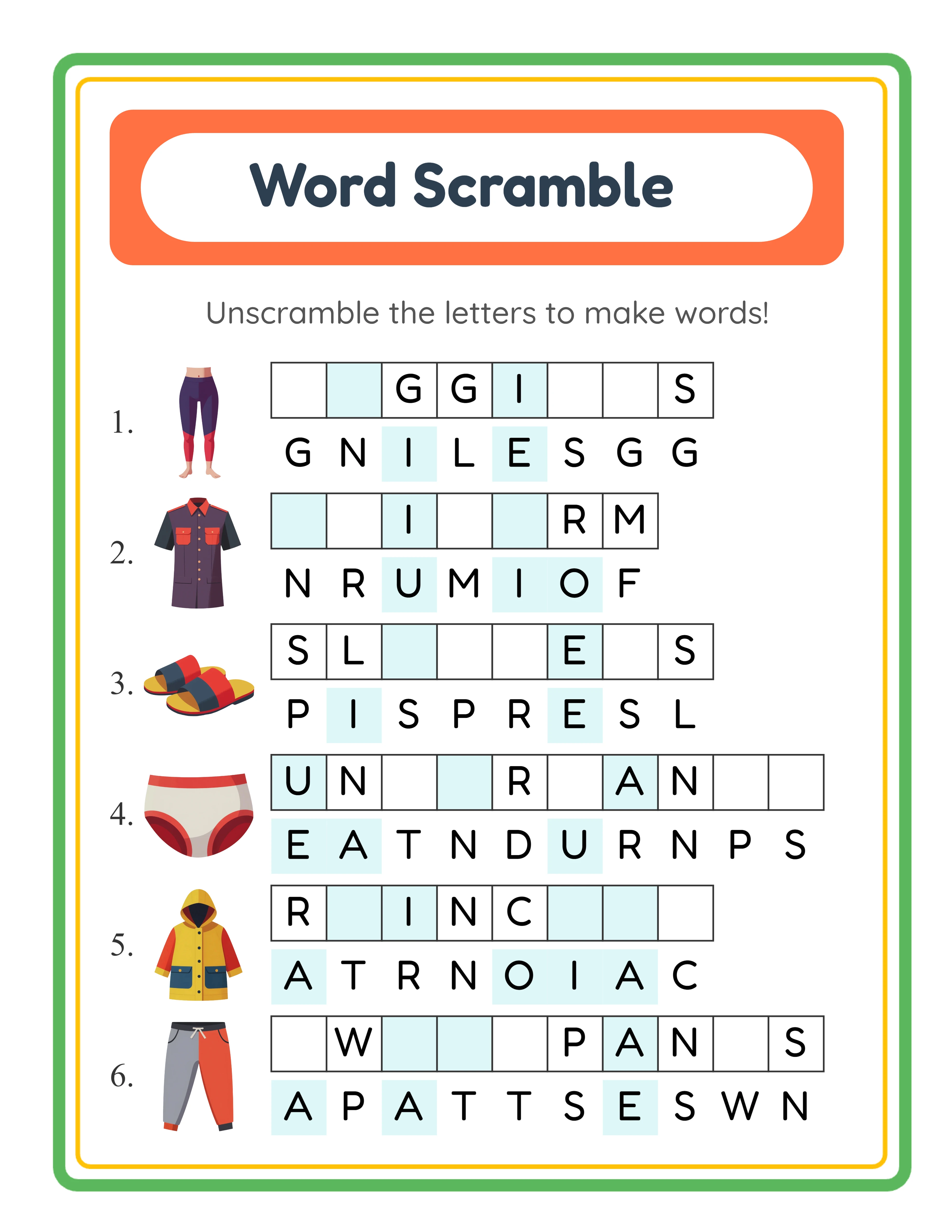
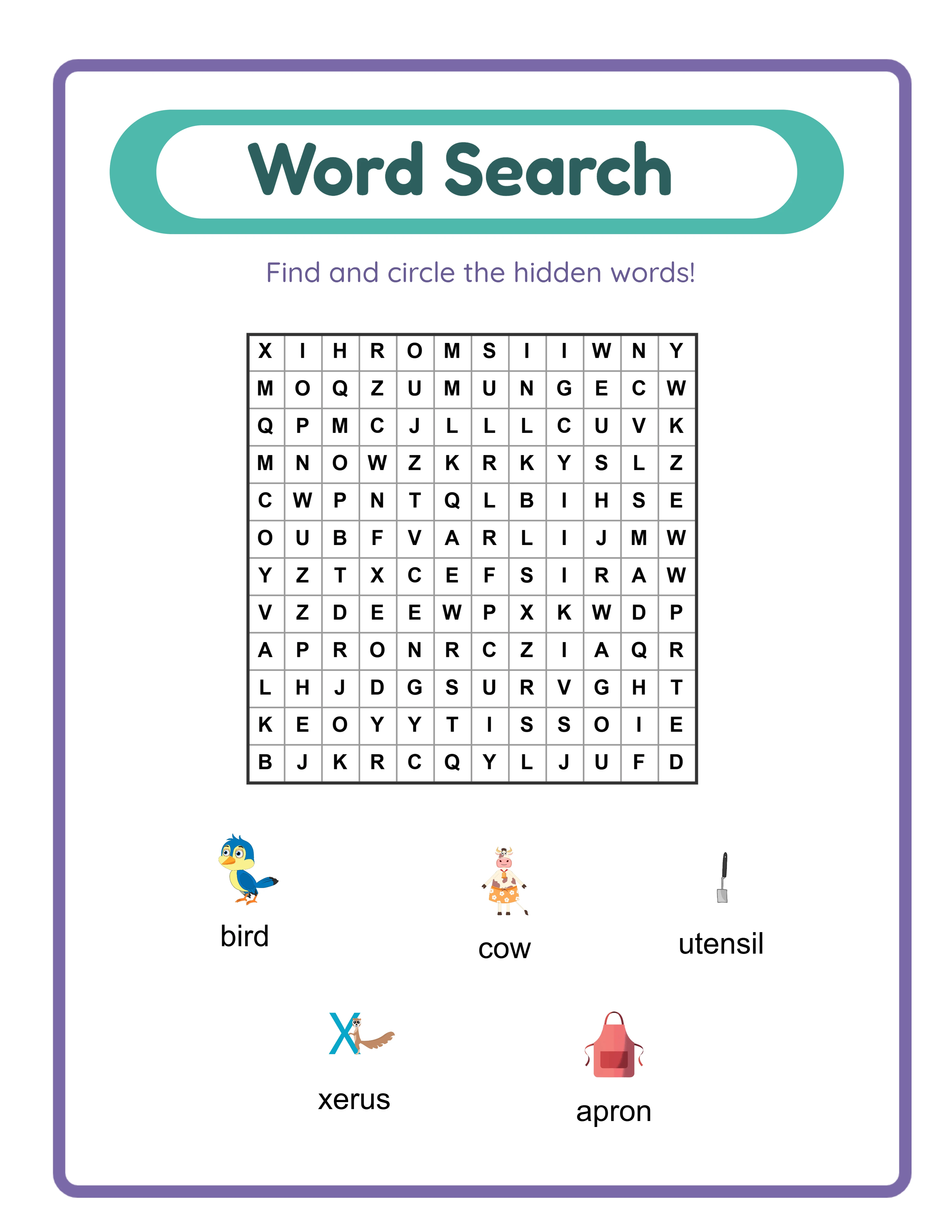
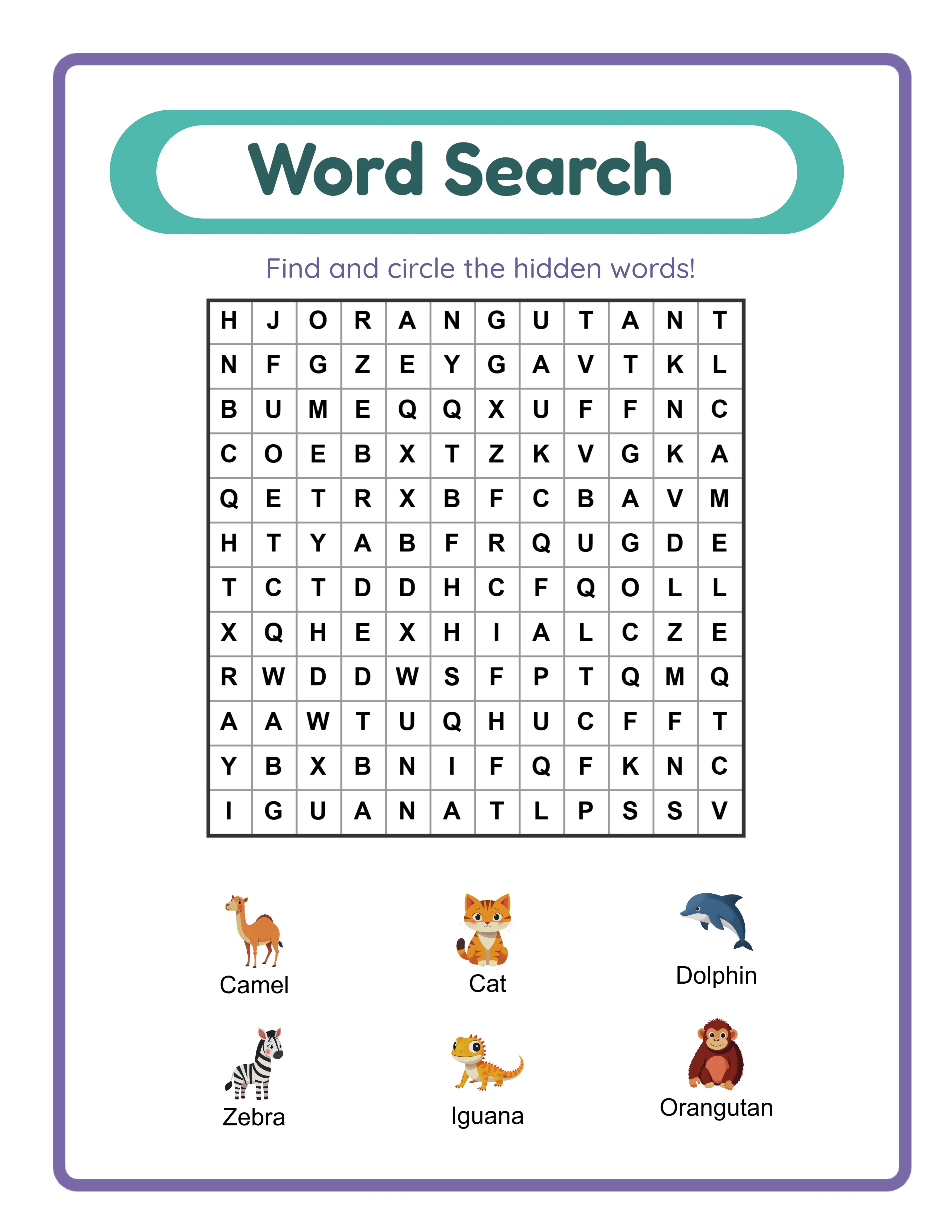
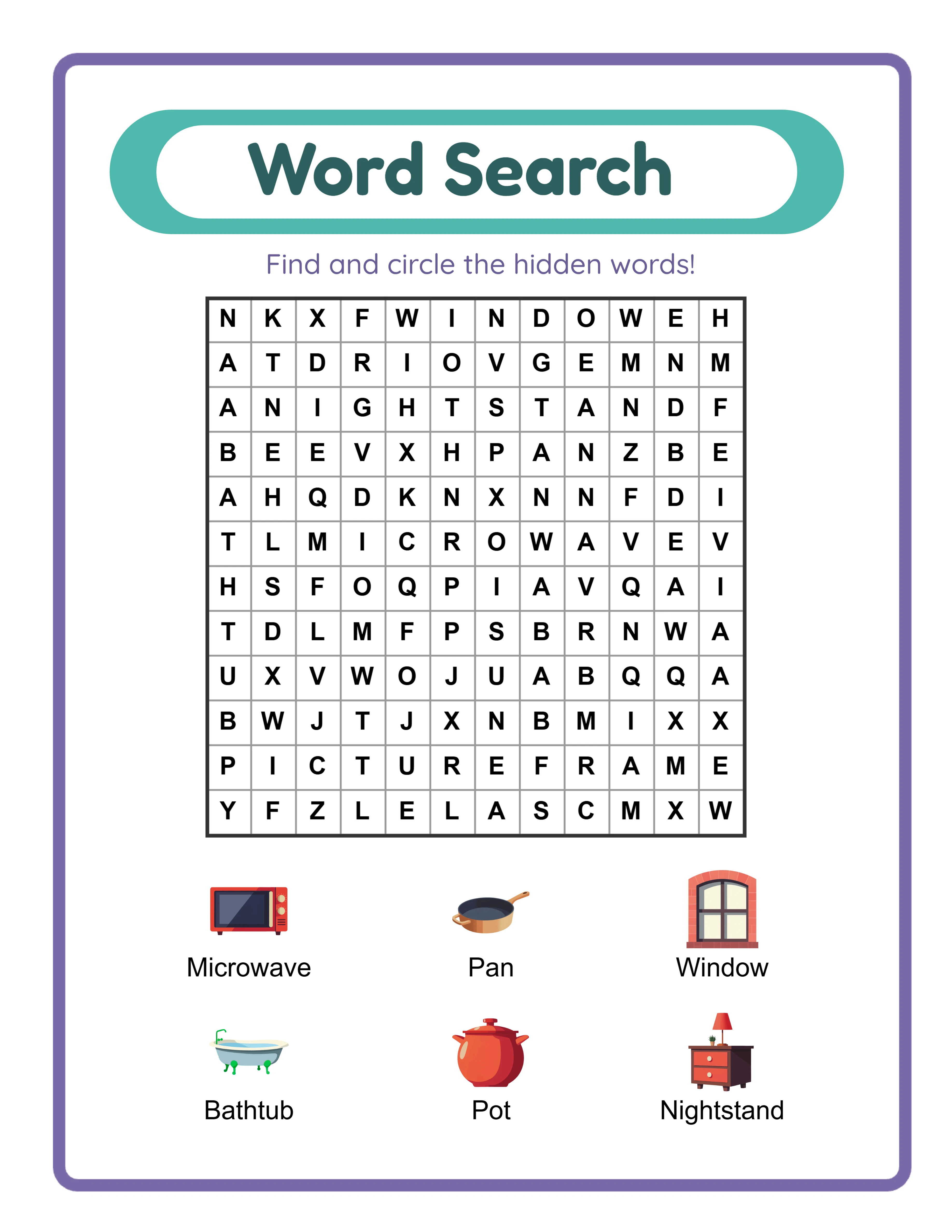
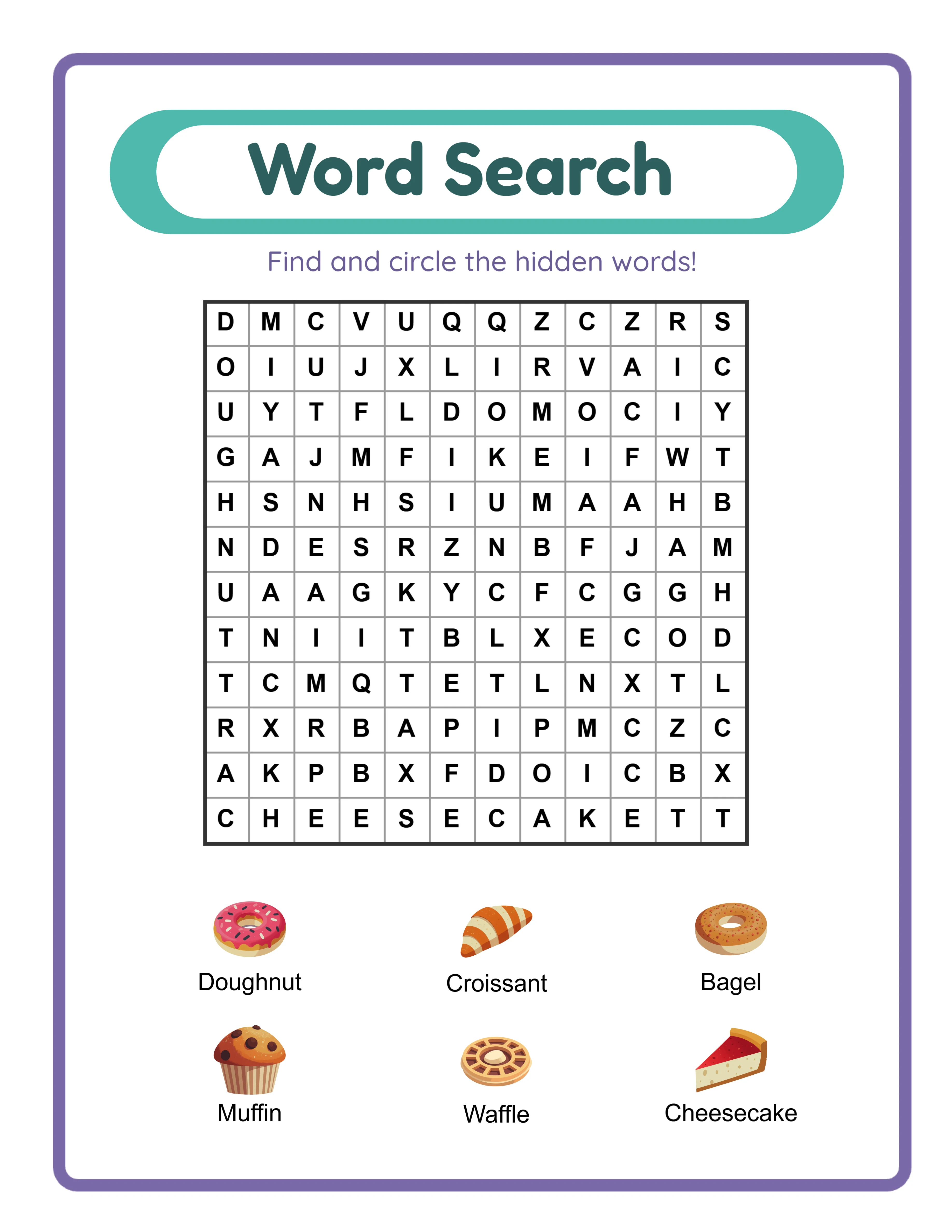
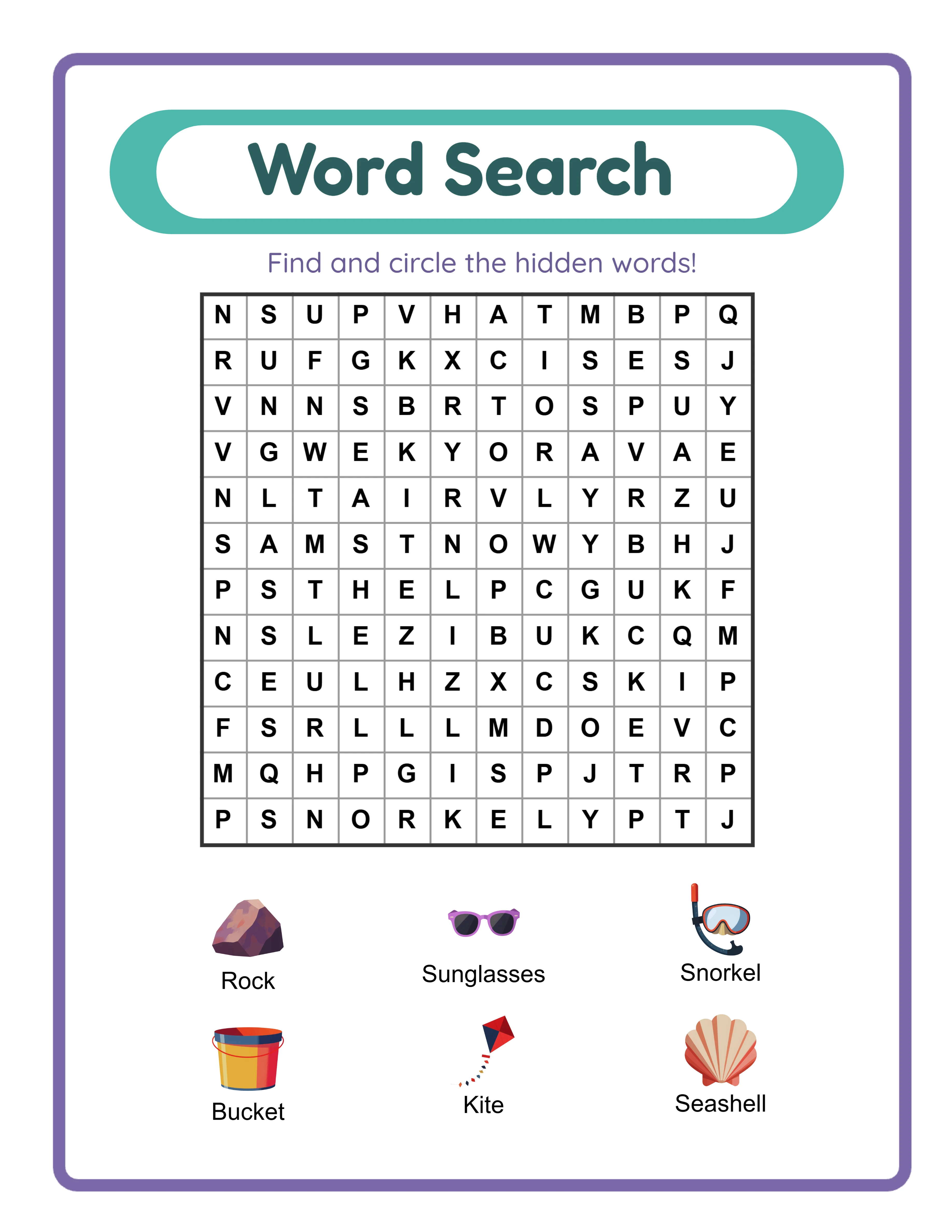
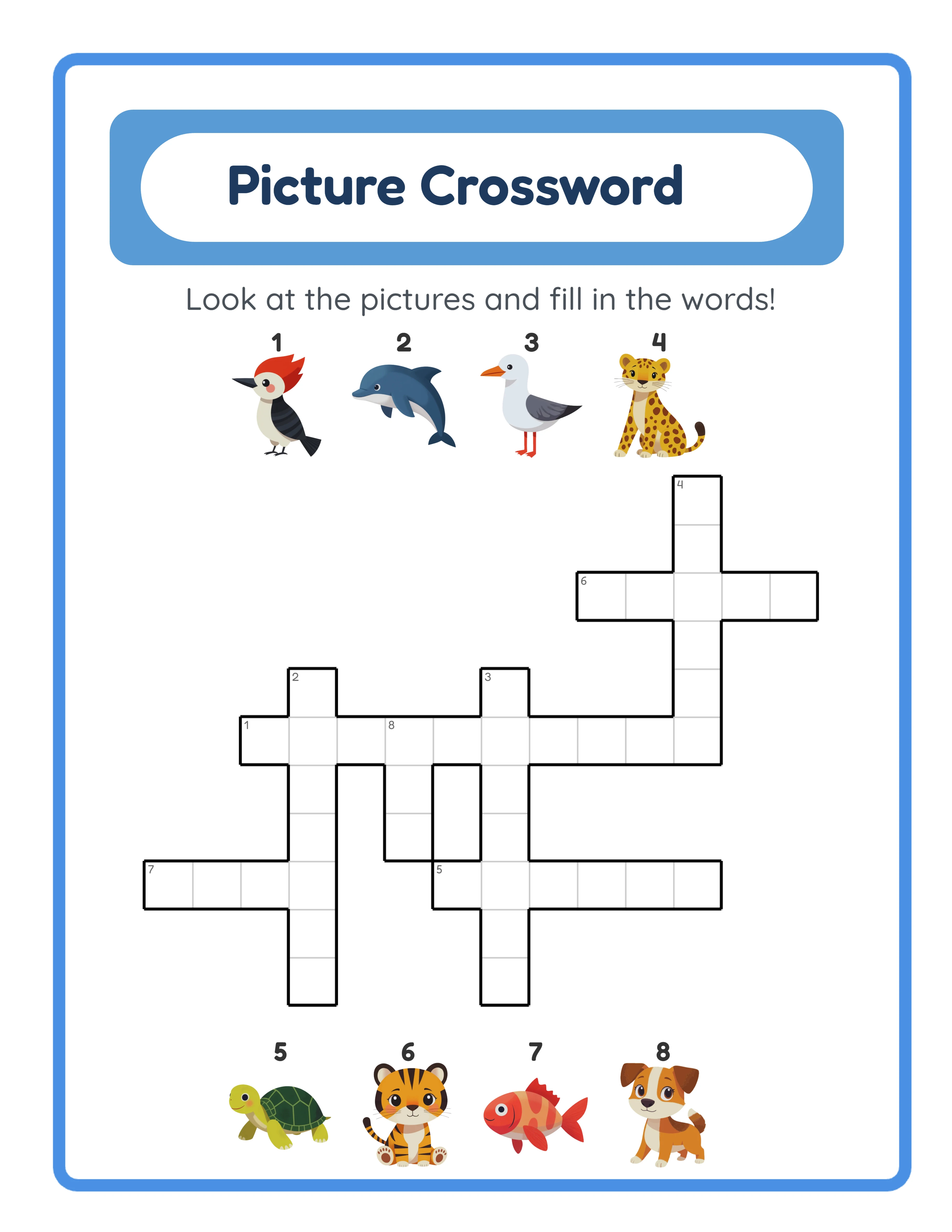
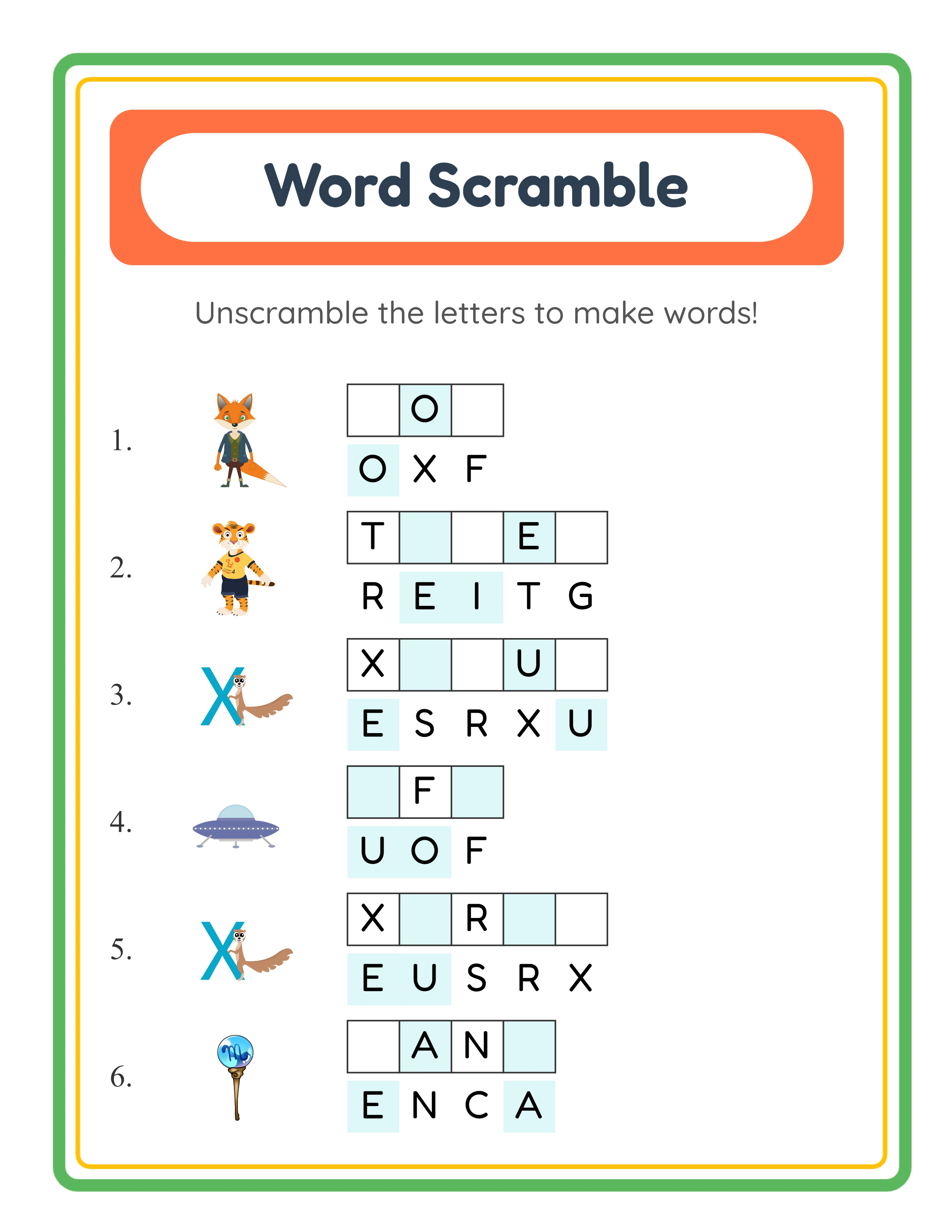
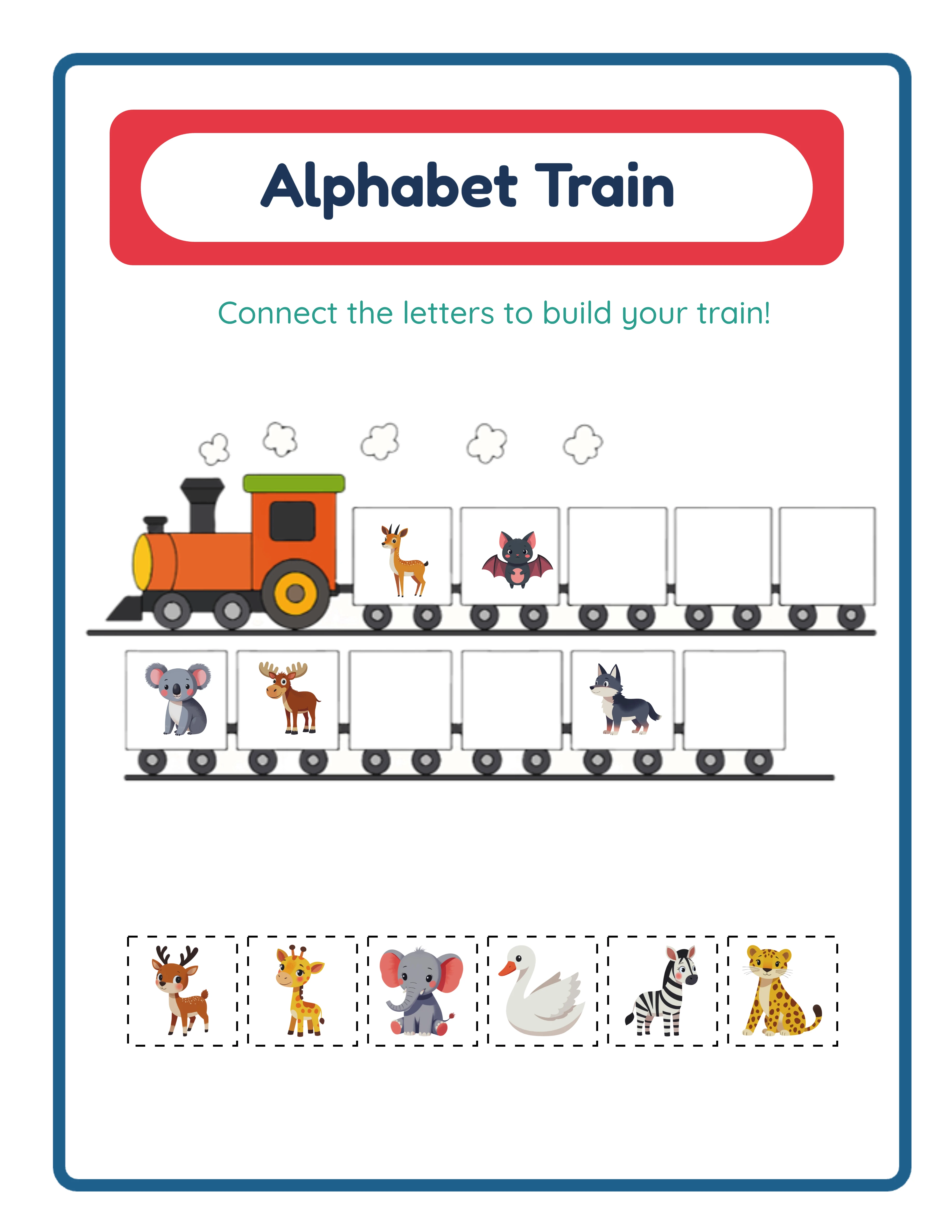
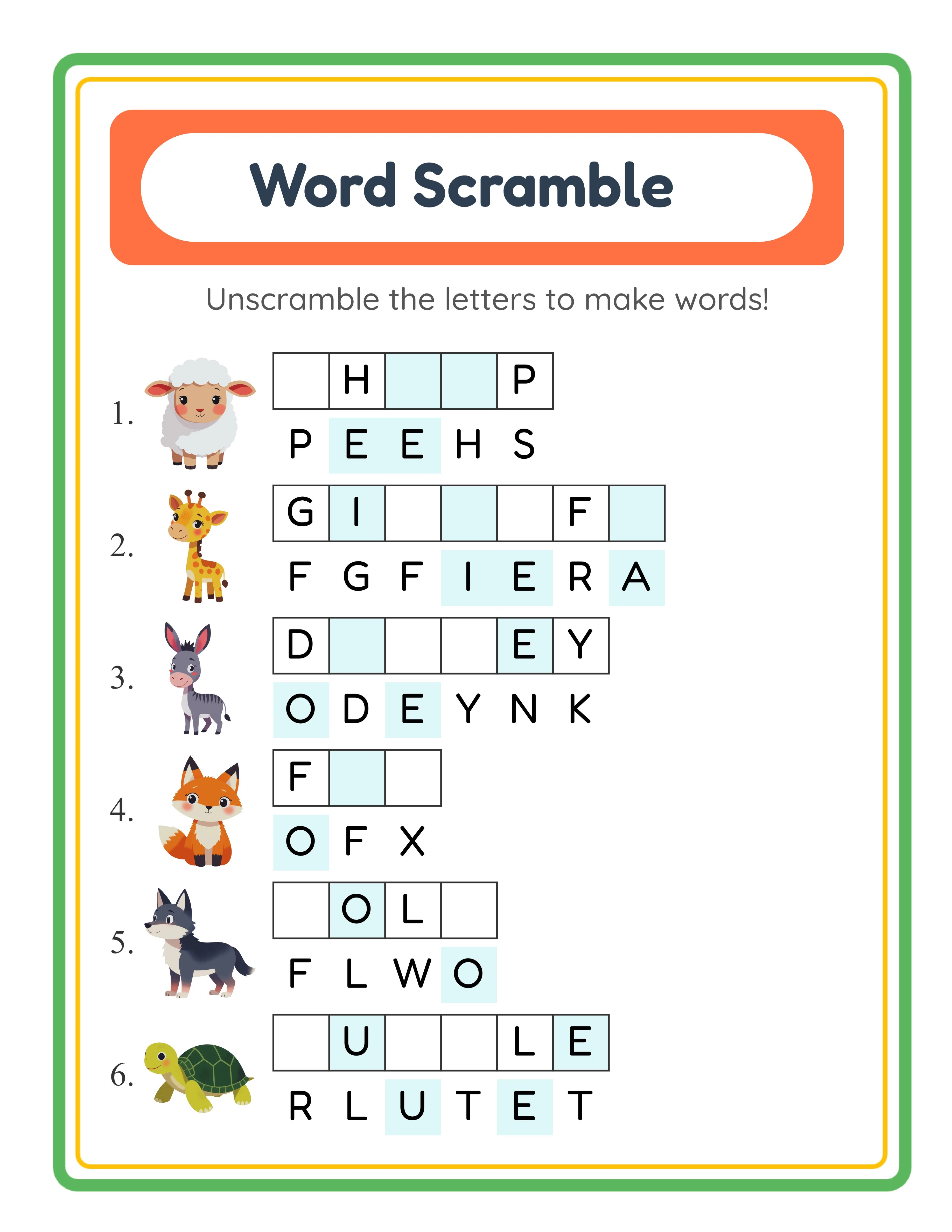
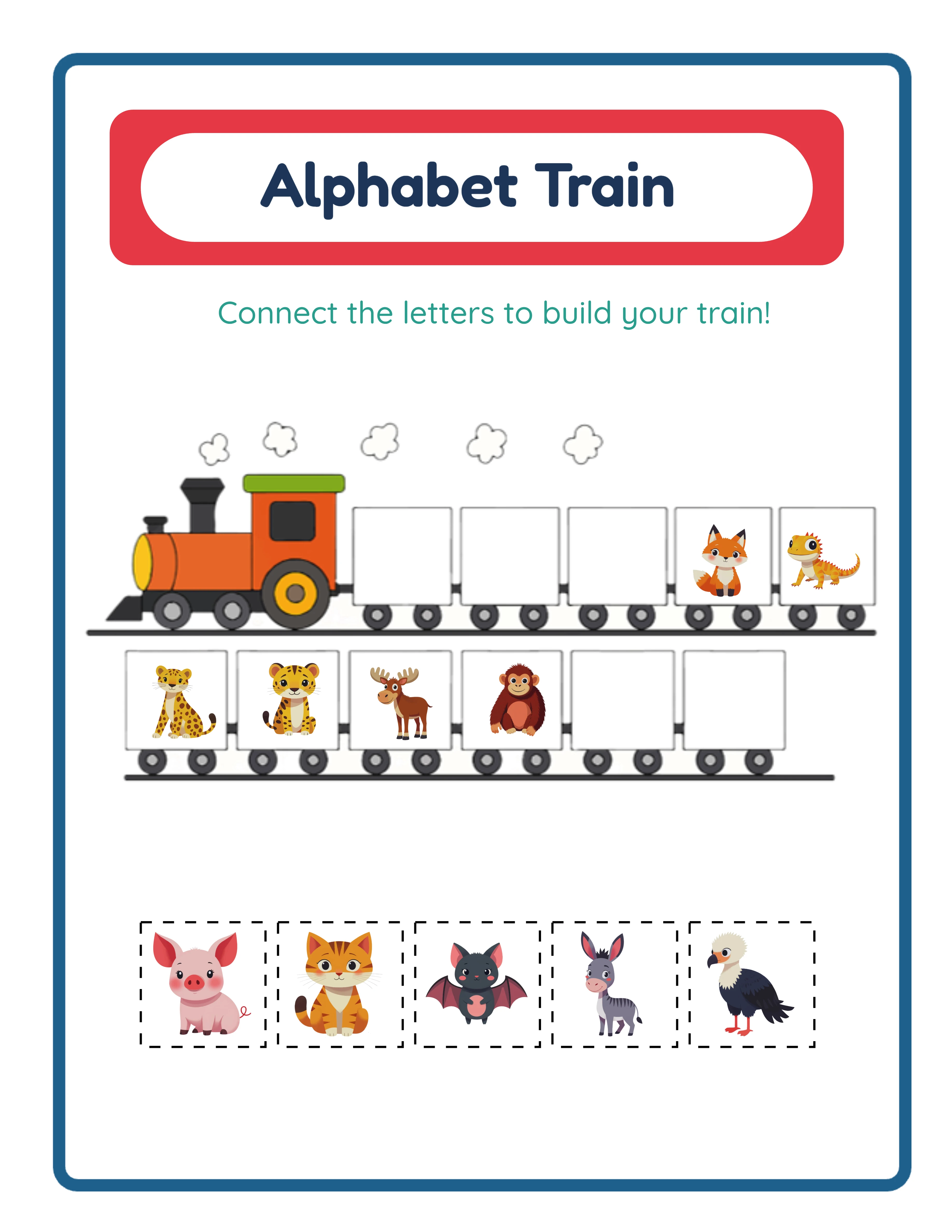
Language-sensitive generators produce content where the output changes based on the selected language. When you generate a word search puzzle in German, the hidden words are German vocabulary words. When you create a crossword in French, the clues and answers are in French. The language selection fundamentally changes what appears on the printed page. There are 13 language-sensitive apps: word search, crossword, word scramble, alphabet train, image vocabulary, letter spotting, word guess, big or small, missing letters, matching (in word mode), find and count (with labels), prepositions, and more or less.
Visual-only generators produce content where the output is language-independent. A coloring page looks the same regardless of language. A Sudoku puzzle uses numbers, not words. A math addition worksheet uses digits and symbols that are universal. The language setting on these generators only affects the user interface — button labels, menu text, and instructions — not the worksheet output itself. There are 20 visual-only apps including coloring, Sudoku, addition, subtraction, multiplication, math puzzle, pattern worksheets, and others.
For sellers, this distinction has direct business implications. Language-sensitive generators let you create genuinely differentiated products for each language market. A German word search is a fundamentally different product from an English word search — different words, different puzzle grids, different educational value. Visual-only generators give you instant international products with zero additional effort — a math worksheet or coloring page is already sellable in any market.
Both categories are valuable, but they serve your multilingual strategy in different ways. Language-sensitive products are your competitive moat in non-English markets. Visual-only products are your instant catalog multiplier.
The 11 Supported Languages and Their Market Potential
Each supported language connects to specific marketplaces and buyer populations. Understanding these markets helps you prioritize which languages to target first.
English is the largest market by volume. Amazon.com, Amazon.co.uk, Etsy.com, and Gumroad together represent the biggest pool of worksheet buyers. English is your baseline — nearly every seller competes here.
German is the highest-opportunity non-English language. Amazon.de is the second-largest Amazon marketplace in the world. Etsy.de has a strong buyer base for educational printables. German buyers search for "Arbeitsblätter" (worksheets), "Rätsel" (puzzles), and "Lernmaterial" (learning materials) in significant volumes. Competition is dramatically lower than English.
French serves Amazon.fr, Etsy.fr, and the broader Francophone market including Belgium, Switzerland, and Canada. French educational printable demand is strong, particularly for activity books and puzzle worksheets. The French market is your second priority after German.
Spanish connects to Amazon.es and the large US Hispanic market. Spanish-language educational content on Amazon.com reaches bilingual families in the United States, making it uniquely valuable for accessing two buyer pools from one language.
Portuguese serves Amazon.com.br (Brazil) and the growing Portuguese market. Brazilian demand for educational printables is increasing rapidly. Italian serves Amazon.it with moderate but growing demand for educational activity books.
Dutch serves the Netherlands and Belgium markets. Swedish, Danish, Norwegian, and Finnish serve their respective Nordic markets. These are smaller but extremely underserved — competition is minimal, and buyers who find localized content in these languages tend to be loyal repeat customers.
The recommended expansion order for most sellers: English first (baseline), then German (highest opportunity), French (second largest), Spanish (dual market access), then Portuguese and Italian, then Nordic languages.
How Language-Sensitive Generators Create Authentic Content
The quality of multilingual output depends entirely on the underlying translation system. Machine translation of individual words frequently produces incorrect or awkward results — especially for educational content where accuracy is critical. The generators use a different approach.
The image library contains over 3,000 categorized images across 104 themes. Each image has professionally verified translations in all 11 supported languages. When you select a theme like "animals" and generate a word search in German, the generator pulls German vocabulary directly from this pre-translated database. The word "Schmetterling" (butterfly) appears in the puzzle because it was stored as the German translation of that specific image, not because a machine translated "butterfly" on the fly.
This database-driven approach ensures accuracy that machine translation cannot match. Compound nouns in German, gendered articles in French, diacritical marks in Portuguese and Swedish — all are handled correctly because native-speaker translations were entered and verified for each vocabulary item.
Word search puzzles demonstrate this most clearly. Select "food" as your theme, choose German, and the puzzle fills with words like "Kuchen" (cake), "Brötchen" (bread roll), and "Gemüse" (vegetables) — complete with correct umlauts and compound noun formatting. The same theme in French produces "gâteau," "pain," and "légumes" with proper accent marks.
Crossword generators go further: clues adapt to the target language, answer lengths change to fit the translated words, and grid layouts regenerate to accommodate the different word structures of each language. Alphabet train adjusts letter sets for languages that use different characters or letter frequencies.
This built-in translation quality is what makes the multilingual output sellable. Buyers in Germany, France, or Spain can immediately tell the difference between genuinely localized content and poorly machine-translated worksheets. Authentic content earns positive reviews; machine-translated content earns refund requests.
Creating Your First Multilingual Worksheet Product
The fastest path to your first multilingual product starts with a language-sensitive generator and a high-demand theme.
Step one: choose a language-sensitive generator. Word search is the strongest starting point because it is the most popular puzzle worksheet category on both Etsy and Amazon, and it demonstrates language differences most visibly. The hidden words are entirely different in each language, making each version a genuinely unique product.
Step two: select your target language. If this is your first non-English product, start with German. Amazon.de is the largest non-English marketplace, and German educational printable demand is well-established. You can explore the interface in English while generating German-language output.
Step three: pick a popular theme. Animals, food, and vehicles are universally strong themes across all languages and age groups. Select your theme and the generator automatically uses the German translations from its vocabulary database.
Step four: generate and review. Create your word search puzzles and examine the output. You will see German words in the puzzle grid, with German word lists for the solver. Even if you do not speak German, you can verify the output looks professional and complete.
Step five: create a complete product. Generate 15–25 puzzle pages for a downloadable PDF bundle (Etsy) or 50–100 pages for an activity book interior (Amazon KDP). Add a title page with the product name in the target language.
Step six: repeat for additional languages. Once you have your German version, create the same product in French and Spanish. Each generation takes minutes because the workflow is identical — only the language selection changes. You now have four products (English, German, French, Spanish) from one workflow.
Remember: use the free trial with watermark to test your multilingual output before committing to a commercial license. Generate sample pages in multiple languages to confirm the quality meets your standards.
Selling Multilingual Worksheets on Etsy
Etsy operates regional domains that serve buyers in their native language, and understanding how to optimize for these markets is essential for multilingual sellers.
Etsy.de serves German-speaking buyers. Etsy.fr serves French-speaking buyers. Etsy.com serves primarily English-speaking buyers but also has significant Spanish-speaking traffic. When you create listings, Etsy displays them on the regional domain that matches the listing language and the buyer's location.
For listing optimization in non-English markets, write your title, tags, and description in the target language. A German word search listing should have the title "Wortsuche Rätsel für Kinder — Tiere Thema — 20 Seiten" rather than "German Word Search Puzzles for Kids." Buyers on Etsy.de search in German, so your listing must contain German keywords to appear in their search results.
If you do not speak the target language, use translation tools for your listing text (not your worksheet content — that is handled by the generator). Listing titles and descriptions are short enough that translation tools produce acceptable results, especially when you follow a template structure.
Bundle strategies work exceptionally well for multilingual products on Etsy. "Deutsches Wortsuche Paket — 20 Rätsel" (German Word Search Bundle — 20 Puzzles) offers clear value in a single purchase. Create theme-specific bundles: animals, food, holidays, school subjects. Price bundles at a modest premium over individual worksheets.
Cross-linking between language versions creates a catalog effect. In your English listing description, mention "Also available in German, French, and Spanish" with links to those listings. Bilingual buyers and international schools often purchase multiple language versions of the same worksheet set.
Etsy's digital download format is ideal for multilingual worksheets because there is no shipping complexity. A buyer in Germany downloads a PDF instantly, just like a buyer in the United States. Your operating costs are identical regardless of which country the buyer is in.
Publishing Multilingual Activity Books on Amazon KDP
Amazon KDP gives you direct access to marketplace-specific storefronts in multiple countries, each with its own buyer population searching in the local language.
Amazon.de (Germany), Amazon.fr (France), Amazon.es (Spain), Amazon.it (Italy), Amazon.nl (Netherlands), and Amazon.se (Sweden) all accept KDP publications. When you publish a book, you select which marketplaces to distribute to. A German-language activity book published on Amazon.de competes only against other German-language titles on that marketplace.
For KDP keyword optimization in non-English markets, your book title, subtitle, and backend keywords must be in the target language. "Wortsuche Rätsel für Kinder — Tier Thema" performs on Amazon.de; "German Word Search Puzzles for Kids" does not. Backend keywords should also be in the target language: German buyers search in German.
The same interior file can serve multiple marketplaces if the content language matches. Your German word search interior works on Amazon.de, Amazon.at (Austria), and the German-language section of Amazon.com. Your French interior works on Amazon.fr, Amazon.ca (French Canada), and Amazon.be (Belgium).
Pricing requires marketplace-specific adjustments. Each Amazon marketplace uses its local currency — euros on Amazon.de, Amazon.fr, Amazon.es, and Amazon.it; Swedish kronor on Amazon.se. KDP lets you set independent prices for each marketplace. Research competitor pricing on each specific marketplace rather than converting your US price.
Category selection differs across marketplaces. The browse category structure on Amazon.de is not identical to Amazon.com. Explore each marketplace's category tree to find the most relevant placement for your activity book. "Kinderbücher > Rätsel & Spiele" (Children's Books > Puzzles & Games) on Amazon.de may be the right equivalent of "Children's Activity Books" on Amazon.com.
A single KDP account manages all marketplaces. You do not need separate accounts for each country. Publish across all relevant marketplaces from one dashboard to maximize your international reach.
Visual-Only Worksheets: Instant International Products
While language-sensitive generators require you to select a language and produce genuinely different content, the 20 visual-only generators offer an even faster path to international sales — because their output already works in every language.
Coloring pages contain only outlines and images. A coloring page of a butterfly is a coloring page of a butterfly in any language. Sudoku puzzles use numbers, which are universal. Math worksheets use digits, operation symbols, and number lines that work identically across all markets. Pattern recognition worksheets use shapes and sequences that require no text.
This means every visual-only worksheet you have already created for the English market is immediately sellable in every other market. Your existing coloring page bundle can be listed on Etsy.de with a German title and tags today. Your math practice workbook on Amazon.com can be published on Amazon.de, Amazon.fr, and Amazon.es with localized titles and descriptions — the interior file needs no changes at all.
The only adaptation required is your listing text and, for KDP, your cover. The product title, description, and marketing materials need to be in the target language. For Etsy digital downloads, this means translating your listing title and description. For Amazon KDP, this means creating a cover with the title in the target language and updating your keywords and categories.
This gives visual-only products a unique advantage in your multilingual strategy: zero additional production cost. You invest time only in creating localized listings, not in generating new worksheet content. If you have a catalog of 10 coloring page bundles in English, you can potentially create 10 German listings, 10 French listings, and 10 Spanish listings using the same files — instantly tripling your catalog presence across international markets.
Combine this with language-sensitive products for a powerful international catalog. Your German listings include both unique German word search puzzles (language-sensitive) and your existing coloring and math worksheets (visual-only), giving buyers in that market a complete product range.
Building a Multi-Language Product Catalog Strategy
A systematic approach to multilingual catalog building produces compounding results over time. Random translations of random products do not. Here is the strategy that maximizes return on your catalog investment.
Start with your strongest English products. Look at your sales data — which worksheet types and themes sell best in English? These are your first candidates for multilingual expansion because they have proven demand. If word search animal puzzles are your best seller in English, they should be your first product in German, French, and Spanish.
Expand one language at a time. Complete your German catalog before starting French. This focus ensures your German listings are optimized, your pricing is competitive on Amazon.de, and you build marketplace-specific expertise. A half-done presence in four languages is less valuable than a complete presence in one.
The recommended production order for each language: first, create language-sensitive products (word search, crossword, word scramble) because these are genuinely unique and competitive advantages. Second, relist your existing visual-only products (coloring, math, Sudoku) with localized titles and descriptions. This two-step approach gives you both differentiated products and volume.
Series strategy across languages creates a multiplied catalog. If you publish "Word Search Vol. 1 — Animals" in English, German, French, and Spanish, then "Word Search Vol. 2 — Food" in the same four languages, you have 8 products from 2 content themes. Add Vol. 3, and you have 12. Each volume in each language is a separate listing with its own search visibility.
Consistency in branding across languages builds recognition. Use the same visual style, cover template, and design approach for all language versions. A buyer who recognizes your German word search covers will recognize your German crossword covers, building brand loyalty in that market.
Track performance by language and marketplace separately. Your German products may outperform your French products, or vice versa. Let the data guide where you invest additional catalog-building effort. Double down on languages and marketplaces that generate the strongest returns.
Common Mistakes When Selling Multilingual Printable Products
Sellers who expand internationally often make avoidable mistakes that undermine their results. Learning from these common errors saves time and protects your marketplace reputation.
Mistake one: machine-translating listing titles without review. Translation tools handle simple phrases adequately, but worksheet-specific terminology often translates incorrectly. "Coloring worksheets for preschool" machine-translated to German may produce awkward phrasing that no German buyer would actually search for. Research how native speakers describe these products by looking at existing listings on Etsy.de or Amazon.de.
Mistake two: using the same pricing across all markets. Buyer expectations and competitive pricing differ by marketplace. The €5.99 price point on Amazon.de may be too high or too low relative to local competitors. Always research pricing on the specific marketplace before setting your price.
Mistake three: publishing to the wrong Amazon marketplace. A French-language book should be published on Amazon.fr, not just Amazon.com. While Amazon.com has French-speaking buyers, the primary audience for French content is on Amazon.fr. Select all relevant marketplaces during KDP publishing.
Mistake four: neglecting cover text localization for KDP. If your book interior is in German but your cover title is in English, German buyers will be confused. The cover is the first thing buyers see — it must match the content language. Create separate cover files for each language version.
Mistake five: treating multilingual expansion as an afterthought. The sellers who succeed in international markets treat each language as a deliberate business channel, not a quick translation experiment. They research the market, optimize listings, track performance, and iterate. Casual, low-effort multilingual listings produce casual, low-effort results.
Mistake six: ignoring diacritical marks and special characters. German umlauts (ä, ö, ü), French accents (é, è, ê), Portuguese tildes (ã, õ), and Swedish characters (å, ä, ö) are not optional decorations. Omitting them is the equivalent of misspelling words in English. The generators handle these characters correctly in worksheet output, but you must also ensure your listing text includes them.





.webp)