Why Manual Niche Research Fails Most Sellers
Before exploring the tool, let's understand why most sellers make poor niche choices:
**Problem 1: Trend-chasing**
Sellers read "Top 10 Printable Niches for 2026" blog posts and rush into the listed niches. By the time these articles are published, thousands of sellers have already read them and entered. Trend articles create competition, not opportunity.
**Problem 2: Personal bias**
"I like mandalas, so I'll make mandala coloring books." Personal interest is great for motivation but terrible for market selection. Your favorite niche might have 25,000 competitors and shrinking demand.
**Problem 3: Surface-level research**
Searching "worksheets" on Etsy and noting there are many results is not niche research. It's observation without analysis. Real research requires comparing demand signals against competition levels across specific sub-niches.
**Problem 4: Analysis paralysis**
Checking dozens of niches manually — Etsy results, Google Trends, Amazon BSR, Pinterest engagement — for each candidate takes hours. Most sellers burn out after researching 5-10 niches and settle for "good enough" instead of "optimal."
**Problem 5: Missing non-obvious niches**
Manual research only finds niches you think to search for. You'll never discover "preposition worksheets for ESL adults" or "pattern block templates for occupational therapy" by browsing popular categories. The most profitable niches are often the ones you'd never think to search for.
A niche research tool solves all five problems by systematically scanning markets, comparing data points, and surfacing opportunities based on metrics rather than intuition.
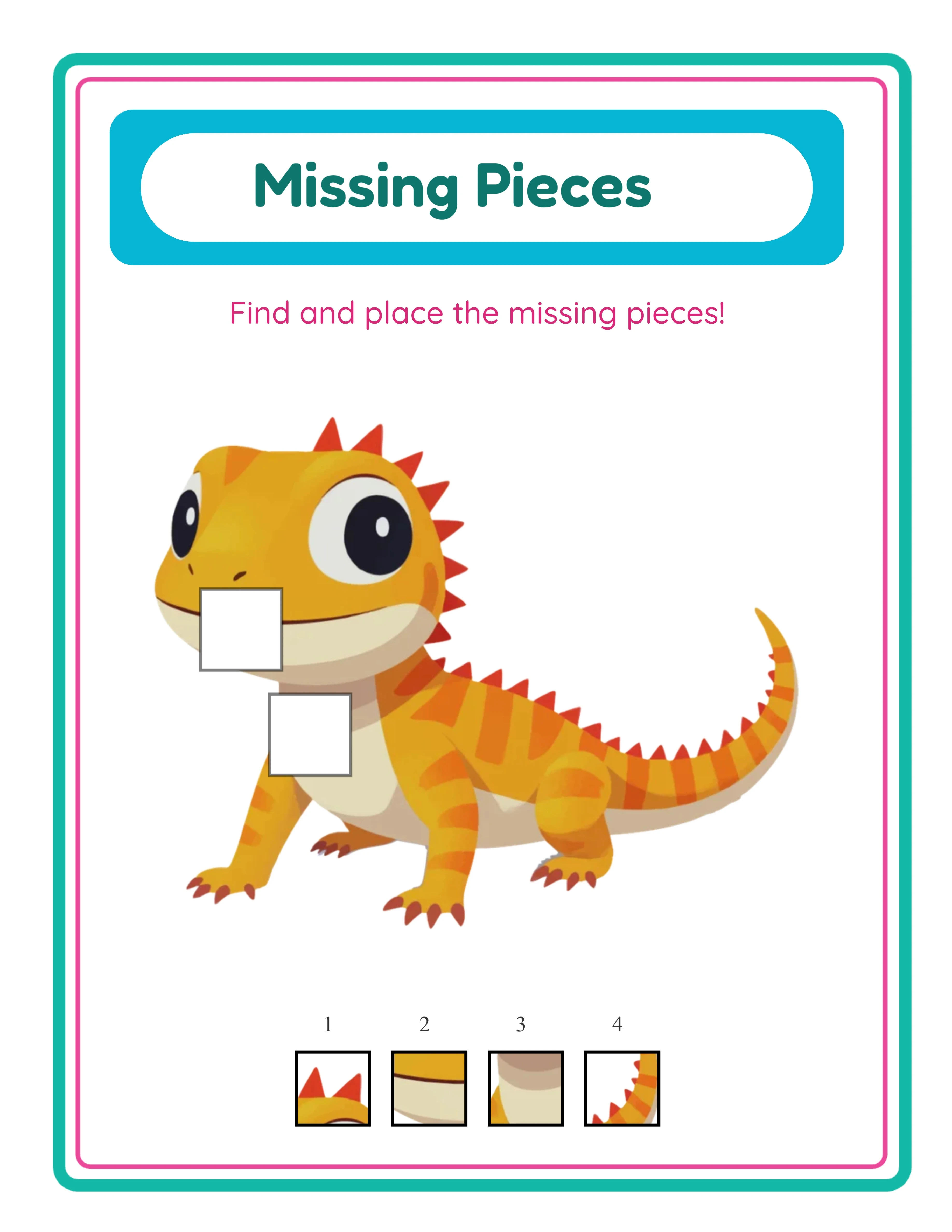
Endless Variety of Themes
Mix and match across 33 generators to create unique products
How the Niche Finder Works
The Niche Finder tool is designed specifically for printable and educational product sellers. Here's how it approaches niche research:
**Step 1: Category exploration**
Start by selecting a broad category that interests you: math, language arts, puzzles, coloring, science, life skills, or all categories. The tool displays sub-niches within that category ranked by opportunity score.
**Step 2: Demand analysis**
For each sub-niche, the tool evaluates demand signals: search volume estimates, buyer intent indicators, and seasonal patterns. High-demand niches are flagged with strong demand signals so you can focus on niches where buyers are actively searching.
**Step 3: Competition assessment**
The tool estimates the number of competing products on major platforms (Etsy, Amazon KDP) for each sub-niche. Low-competition niches where demand exceeds supply are highlighted as primary opportunities.
**Step 4: Profitability scoring**
Based on typical price points, marketplace fees, and production effort, each niche receives a profitability score. Niches where sellers can charge premium prices with reasonable production effort score highest.
**Step 5: Opportunity ranking**
The tool combines demand, competition, and profitability into an overall opportunity score. The highest-scoring niches represent the best combination of strong demand, low competition, and healthy margins.
**Step 6: Actionable recommendations**
For each high-scoring niche, the tool provides: recommended product types, suggested price ranges, keyword suggestions, and a link to relevant generators that can produce content for that niche.
Walkthrough: Finding a Profitable Puzzle Niche
Let's walk through a real example using the Niche Finder:
**Starting broad: the puzzle category**
Select "Puzzles" as your broad category. The tool returns 15-20 puzzle sub-niches ranked by opportunity score.
**Top results might include:**
1. Cryptogram puzzles (adult) — Opportunity score: 9.2/10
- Demand: High (strong KDP BSR, growing Etsy search)
- Competition: Low (under 1,200 Etsy listings)
- Profitability: High ($6.99-$8.99 price range)
2. Logic grid puzzles — Opportunity score: 8.8/10
- Demand: Moderate-High (niche but dedicated audience)
- Competition: Very low (under 800 listings)
- Profitability: High ($7.99-$9.99 price range)
3. Number search puzzles — Opportunity score: 8.5/10
- Demand: Moderate (growing search volume)
- Competition: Very low (under 600 listings)
- Profitability: Moderate ($6.99-$7.99 price range)
**Digging into cryptogram puzzles:**
Click into the cryptogram niche for detailed insights:
- Recommended product types: themed quote collections, large print for seniors, holiday editions
- Suggested keywords: "cryptogram puzzle book," "cryptoquote puzzles large print," "cryptogram book for adults"
- Price recommendations: $7.99 for standard, $8.99-$9.99 for large print
- Generator link: create cryptogram puzzles instantly using the cryptogram generator
Within 5 minutes, you've identified a high-opportunity niche with specific product recommendations and the tools to start creating content immediately.
Walkthrough: Finding a Non-English Opportunity
The Niche Finder's most powerful feature is cross-language analysis. Here's how to use it:
**Selecting a language filter**
Choose a non-English language — let's use German. The tool now shows niches scored specifically for the German market.
**German market results might show:**
1. Vorschule Arbeitsblatter (preschool worksheets) — Score: 9.5/10
- Demand: Very high (German parents actively search)
- Competition: Very low (under 2,500 Etsy listings vs. 75,000+ English)
- Profitability: High (German buyers pay premium)
2. Schwungubungen (handwriting exercises) — Score: 9.3/10
- Demand: High (uniquely popular in German markets)
- Competition: Very low (under 1,000 listings)
- Profitability: High (specialized content commands premium prices)
3. Ratsel fur Senioren (puzzles for seniors) — Score: 9.1/10
- Demand: Growing rapidly (aging population)
- Competition: Almost none (under 200 listings)
- Profitability: Very high (care facilities and families buy in bulk)
**The insight:** niches that are saturated in English often have wide-open equivalents in German, French, Spanish, and other languages. The Niche Finder makes this cross-language comparison instant instead of requiring hours of manual research in each language.
**Acting on the results:**
Select the niche, note the recommended keywords and product types, then use any worksheet generator in its German language mode to produce content immediately. Try the generator output with a free trial with watermark to verify quality before producing a full product line.
Using Niche Finder Data for Product Planning
Raw niche data becomes valuable when you convert it into a product plan. Here's the process:
**Step 1: Select your top 3 niches**
From the Niche Finder results, choose 3 niches that meet your criteria: high opportunity score, alignment with your interests or expertise, and production feasibility (can you create products using available generators?).
**Step 2: Map out product tiers for each niche**
For each selected niche, plan:
- 5-10 individual products ($2.99-$4.99 each)
- 3-5 themed packs ($6.99-$12.99 each)
- 1-2 comprehensive bundles ($14.99-$24.99 each)
- 1 mega bundle or growing bundle ($29.99-$49.99)
**Step 3: Prioritize by effort-to-revenue ratio**
Not all products are equal. A 100-page puzzle book takes 3-5 hours to create and sells for $7.99 with ongoing passive royalties. A custom-designed planner takes 20+ hours and sells for $9.99. Create the puzzle book first.
**Step 4: Schedule your production calendar**
Week 1-2: Create products for Niche #1 (15-20 products)
Week 3-4: Create products for Niche #2 (15-20 products)
Week 5-6: Create products for Niche #3 (15-20 products)
Week 7-8: Create bundles and cross-niche products
**Step 5: Launch and measure**
Publish all products within a 2-week window. Track sales for 30 days. Double down on the niche that generates the most traction. Reduce investment in niches that underperform.
**Step 6: Re-analyze quarterly**
Return to the Niche Finder every 3 months. Market conditions change — new opportunities emerge and existing niches become more competitive. Quarterly research keeps your product line aligned with current demand.
What Your Listings Could Look Like
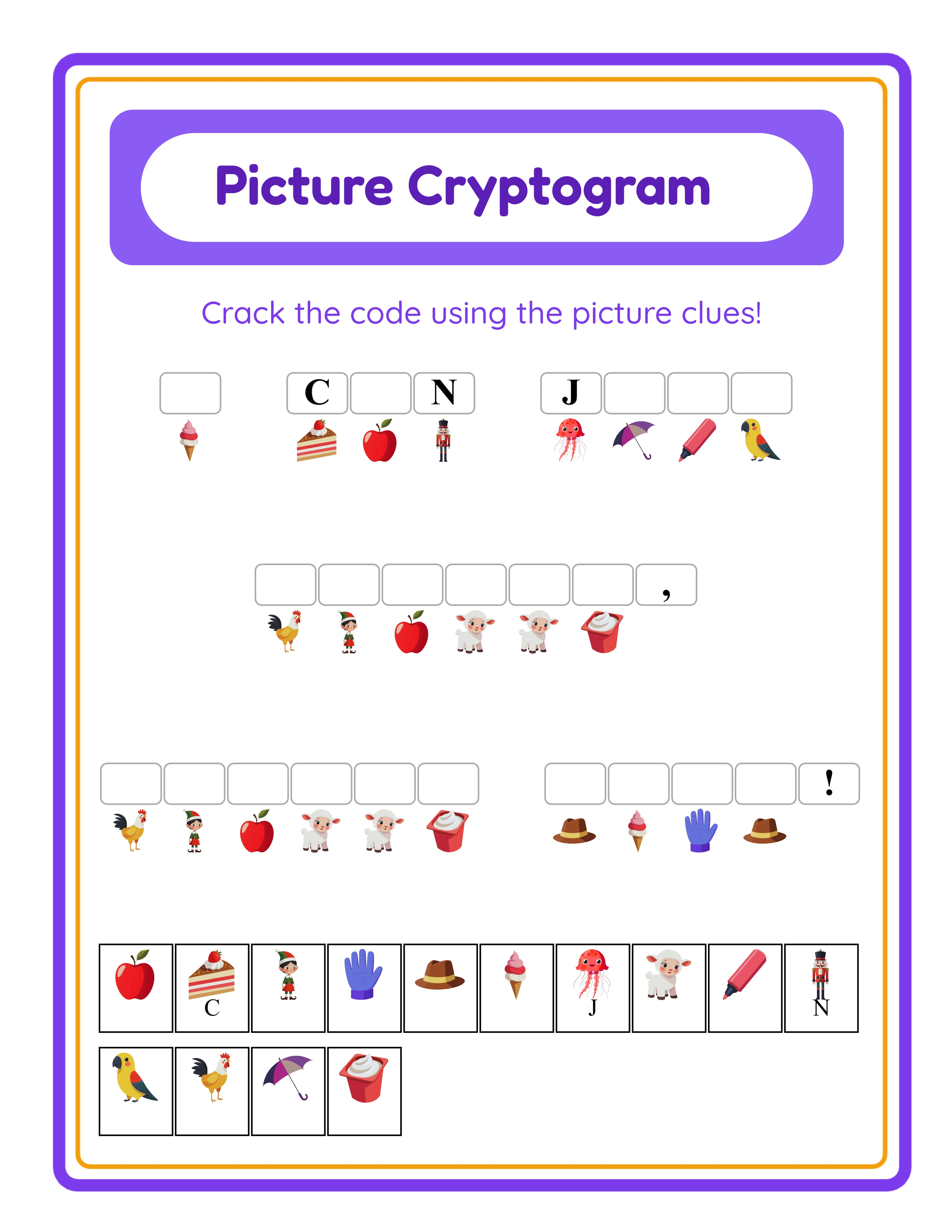
Theme Pack A
$4.99
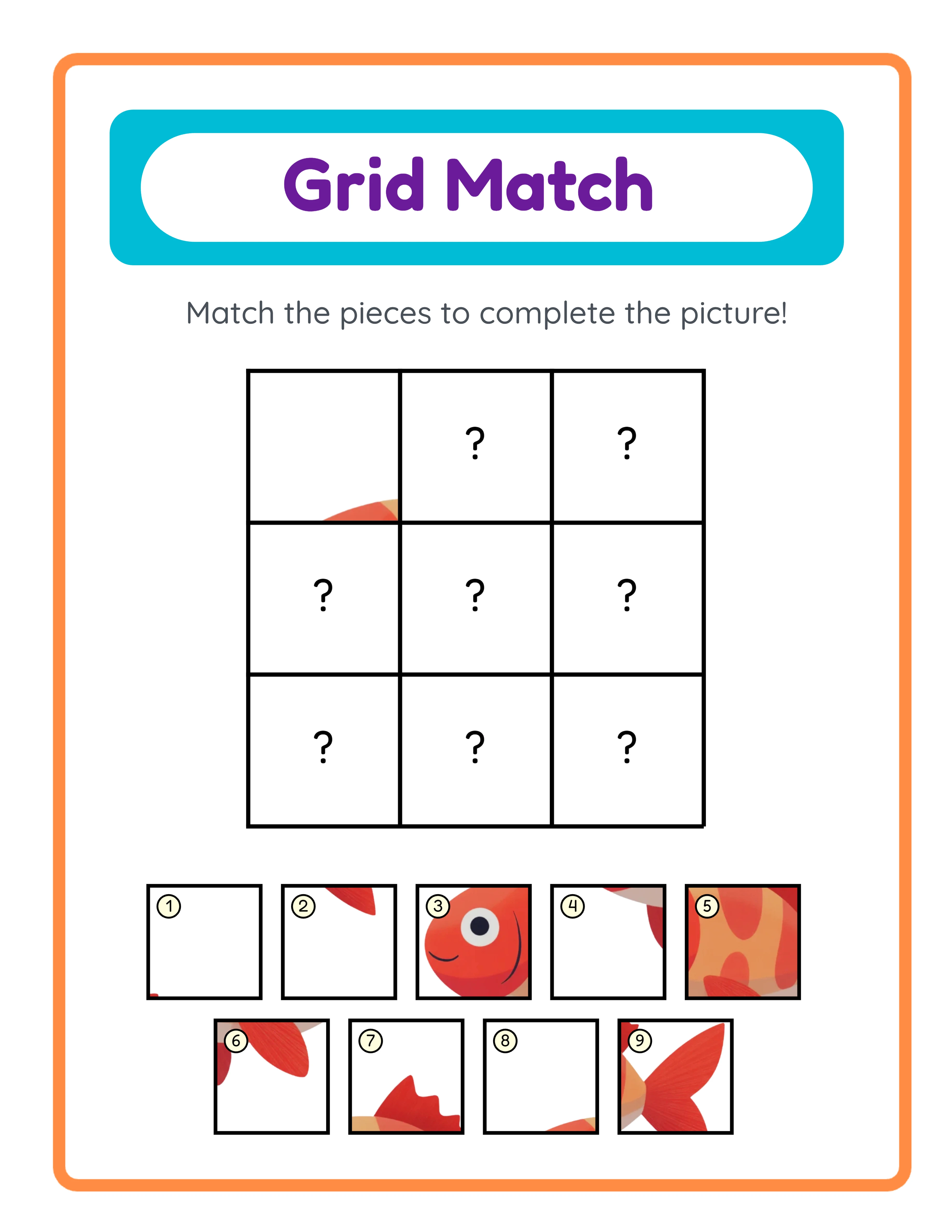
Theme Pack B
$5.99
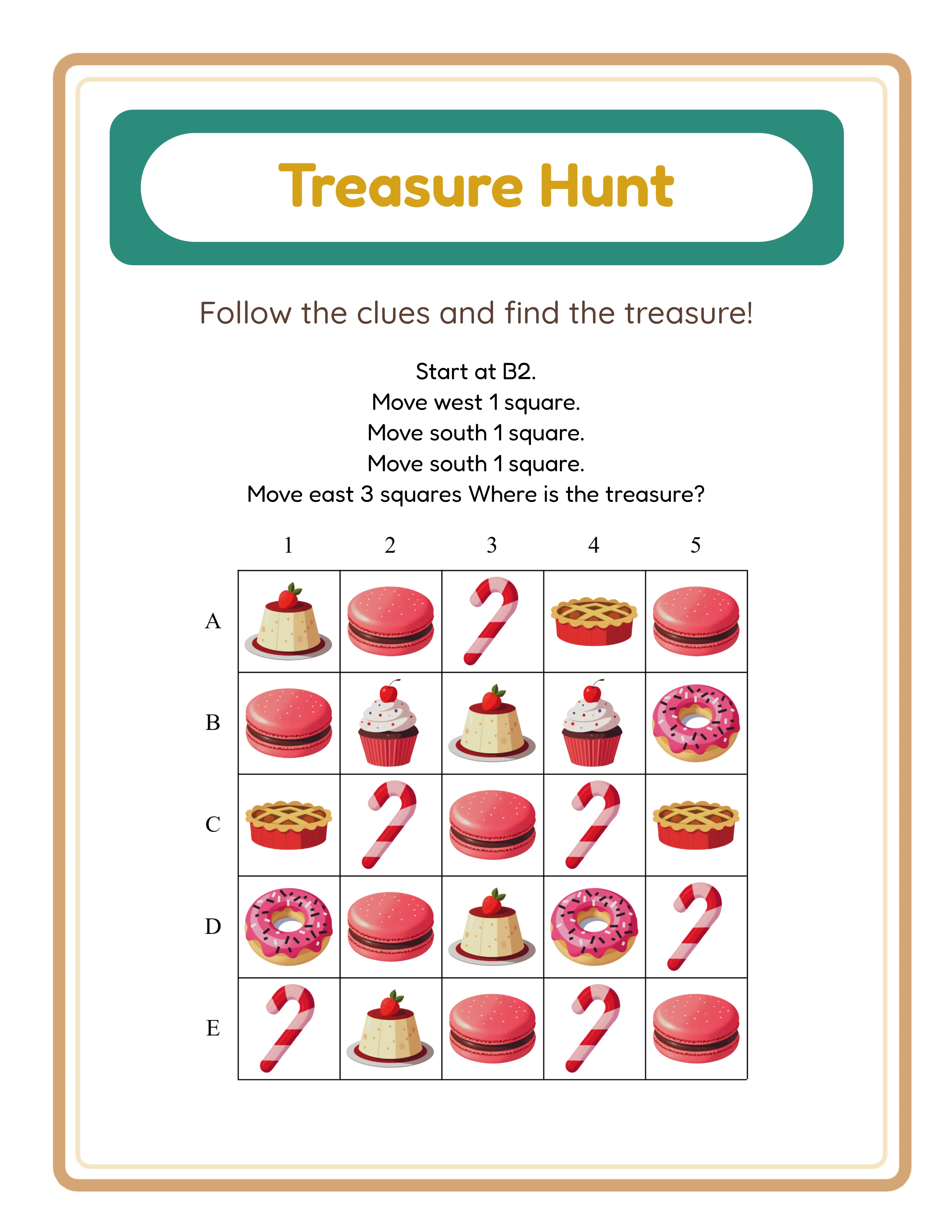
Theme Bundle
$8.99
Common Niche Research Mistakes and How to Avoid Them
Even with a niche research tool, sellers make avoidable errors. Here's what to watch for:
**Mistake 1: Ignoring high-scoring niches because they're unfamiliar**
The Niche Finder might surface "occupational therapy fine motor worksheets" or "ESL preposition activities." If you've never heard of these niches, your instinct is to skip them. Don't. Unfamiliar niches often have the best opportunity scores precisely because they're unfamiliar to most sellers too.
**Mistake 2: Choosing too many niches at once**
The tool will show dozens of opportunities. Resist the temptation to enter 10 niches simultaneously. Start with 2-3, build depth (30-50 products per niche), and expand only after establishing a foothold. Spread too thin and you'll rank poorly in every niche.
**Mistake 3: Focusing only on competition without verifying demand**
A niche with zero competition isn't an opportunity — it might just mean nobody wants the product. Always verify that a low-competition niche also has positive demand signals: search volume, BSR data, or social media interest.
**Mistake 4: Entering a niche without studying existing products**
Before creating products, buy and study 3-5 top sellers in your target niche. What do they do well? What do reviews criticize? Your products need to match or exceed the quality bar set by existing sellers.
**Mistake 5: Abandoning a niche too quickly**
Most printable products take 2-4 weeks to gain traction on Etsy and 4-8 weeks on KDP. If you check results after 1 week and see zero sales, that's not enough data to judge. Give each niche 60-90 days with at least 15-20 optimized listings before evaluating performance.
**Mistake 6: Never returning to the tool**
Niche research isn't a one-time activity. Markets evolve quarterly. Returning to the Niche Finder every 90 days ensures you're always aware of emerging opportunities and shifting competition levels.
Combining Niche Finder with Other Research Methods
The Niche Finder is most powerful when combined with complementary research methods:
**Niche Finder + Etsy search**
Use the Niche Finder to identify promising niches, then validate them with Etsy search. Check the actual listings: are top sellers using professional mockups? Are descriptions optimized? Poor presentation among existing sellers means you can differentiate easily.
**Niche Finder + Google Trends**
The Niche Finder shows current demand. Google Trends shows direction. A niche with high current demand AND a rising trend is more valuable than one with high current demand and a flat or declining trend.
**Niche Finder + Amazon BSR**
For KDP niches, check the bestseller ranks of top titles. If the Niche Finder flags "cryptogram puzzles" as high opportunity, verify by checking Amazon: top cryptogram books with BSR under 50,000 confirm active buyer demand.
**Niche Finder + Pinterest**
Pinterest is a leading indicator for printable demand. If a niche shows strong Pinterest engagement (pins with 500+ saves), demand will likely grow on Etsy and KDP in the following 2-3 months.
**Niche Finder + customer feedback**
If you already sell printables, your customer messages and reviews contain niche ideas. "Do you have a version for seniors?" or "I wish this came in Spanish" are direct signals. Cross-reference these requests with Niche Finder data to confirm the opportunity.
**The research stack:**
1. Niche Finder: generates candidate niches (5 minutes)
2. Google Trends: validates demand direction (5 minutes per niche)
3. Etsy/Amazon: verifies competition and quality bar (10 minutes per niche)
4. Pinterest: confirms buyer interest and promotional potential (5 minutes per niche)
Total time per validated niche: 25 minutes. Compare this to hours of unstructured browsing.
From Niche Discovery to First Sale
Here's the complete workflow from finding a niche to making your first sale:
**Day 1: Research (1-2 hours)**
- Run the Niche Finder to identify 5-10 candidate niches
- Validate your top 3 using Google Trends, Etsy search, and Amazon BSR
- Select 1 niche to start with
**Day 2-3: Product creation (4-8 hours)**
- Use the relevant generator to create 10-15 individual products
- Try any generator with a free trial with watermark to test output
- Create 2-3 themed bundles from your individual products
- Design covers and mockup images for each listing
**Day 4: Listing optimization (2-3 hours)**
- Write keyword-optimized titles using suggestions from the Niche Finder
- Create detailed descriptions addressing buyer pain points
- Upload to Etsy with all 13 tags per listing
- Upload activity books to KDP with optimized backend keywords
**Day 5-7: Promotion (1-2 hours)**
- Create 10-15 Pinterest pins linking to your listings
- Share one product in a relevant Facebook group (genuinely helpful, not spammy)
- Set up Etsy Ads at $1/day on your 3 best listings
**Day 8-30: Monitor and optimize**
- Check Etsy Stats weekly for search term performance
- Adjust tags based on what's driving impressions
- Add 3-5 new products per week to deepen your niche presence
- Respond to every customer inquiry within 24 hours
**Day 31-60: Scale**
- If generating 1+ sales per day, create 20 more products in the same niche
- Launch a growing bundle
- Begin research on your second niche using the Niche Finder
- Cross-list top sellers on additional platforms (KDP, Gumroad)
The entire process from niche discovery to first sale typically takes 7-14 days. From first sale to consistent daily revenue takes 60-90 days. From consistent revenue to profitable business takes 6-12 months.