The Niche Research Framework
Before revealing specific niches, here's the exact research process that finds them. This framework works for any marketplace and any product type.
**Step 1: Generate niche candidates**
Start with Etsy's search autocomplete. Type a broad term like "worksheets for" and note every suggestion. Repeat with "printable," "activity book," "puzzle," and category-specific terms. Each autocomplete suggestion represents real buyer search behavior. Collect 50-100 candidates in a spreadsheet.
**Step 2: Measure competition**
For each candidate, search the exact phrase on Etsy and record the total number of results. Sort your spreadsheet by competition (lowest first). Eliminate anything above 5,000 results — those niches are already established.
**Step 3: Verify demand**
Low competition means nothing without demand. Check each remaining niche against Google Trends (stable or rising), Pinterest search volume (strong engagement on related pins), and Amazon search suggestions (appearing in autocomplete means people are buying). Eliminate niches with no external demand signals.
**Step 4: Assess profitability**
Check the average selling price of the top 20 listings in each surviving niche. If most listings sell below $3.50, profit margins are too thin after Etsy fees. The sweet spot is $4.99-$9.99 for individual products and $12.99-$24.99 for bundles.
**Step 5: Score and rank**
Assign each niche a score: demand (1-5) + inverse competition (1-5) + profitability (1-5). Enter the top-scoring niches first.
Endless Variety of Themes
Mix and match across 33 generators to create unique products
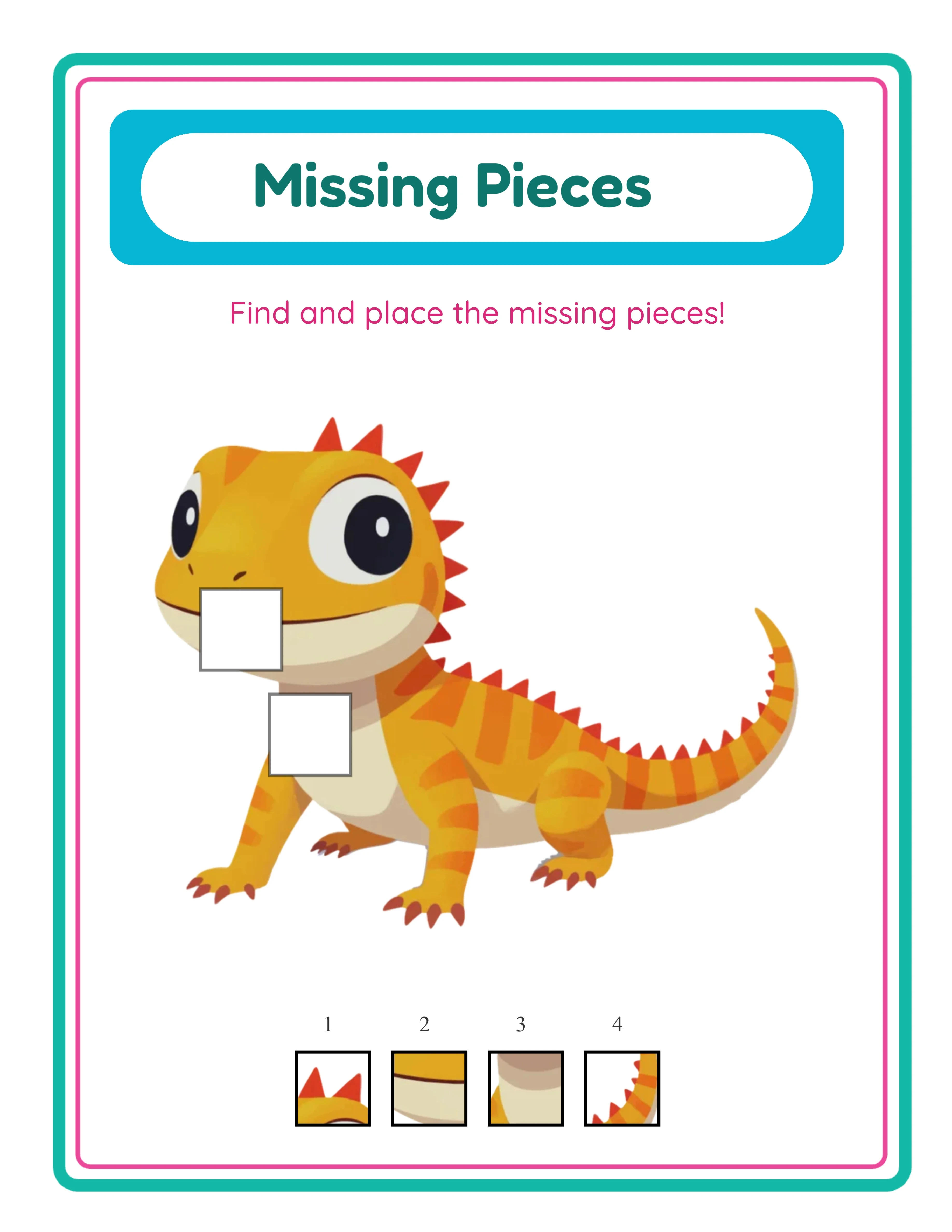
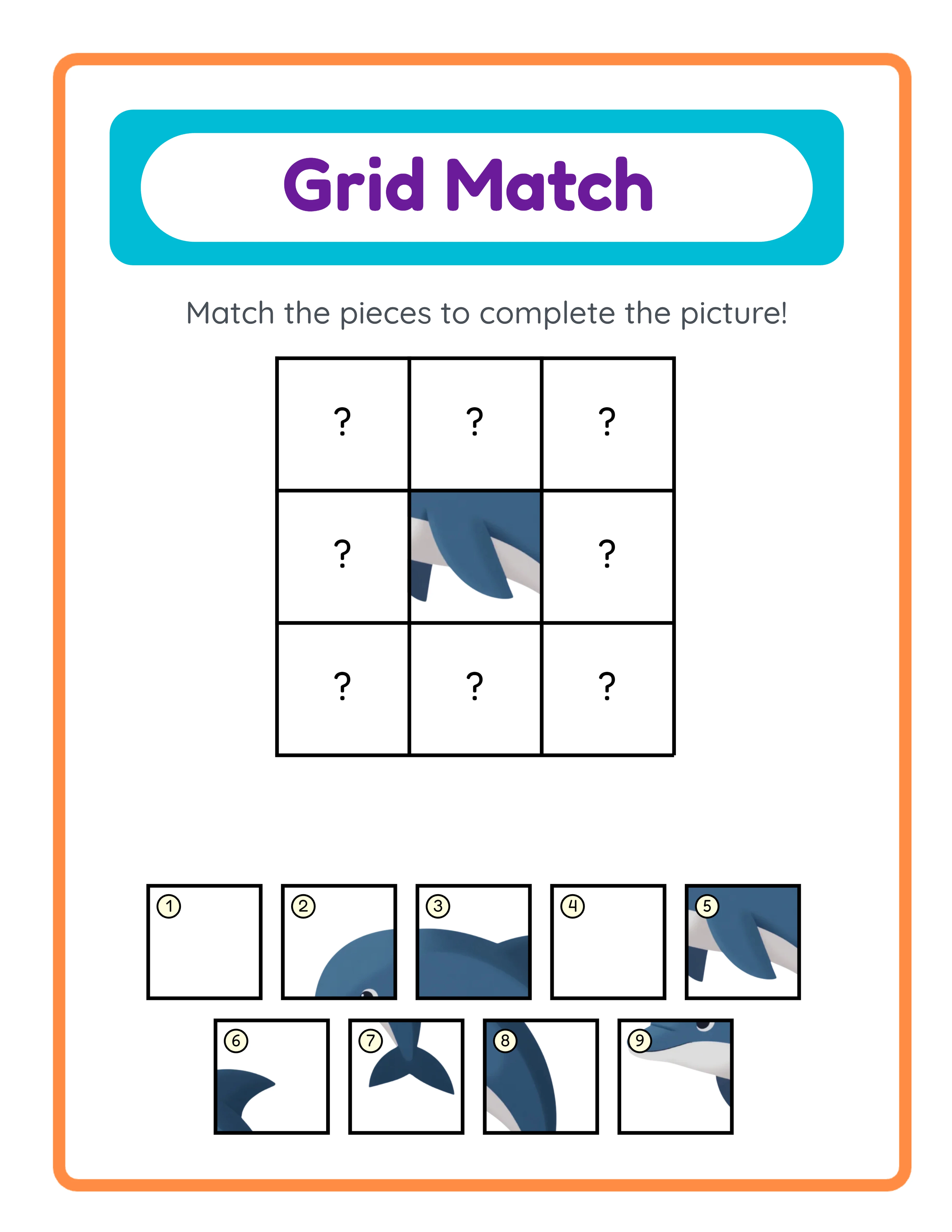
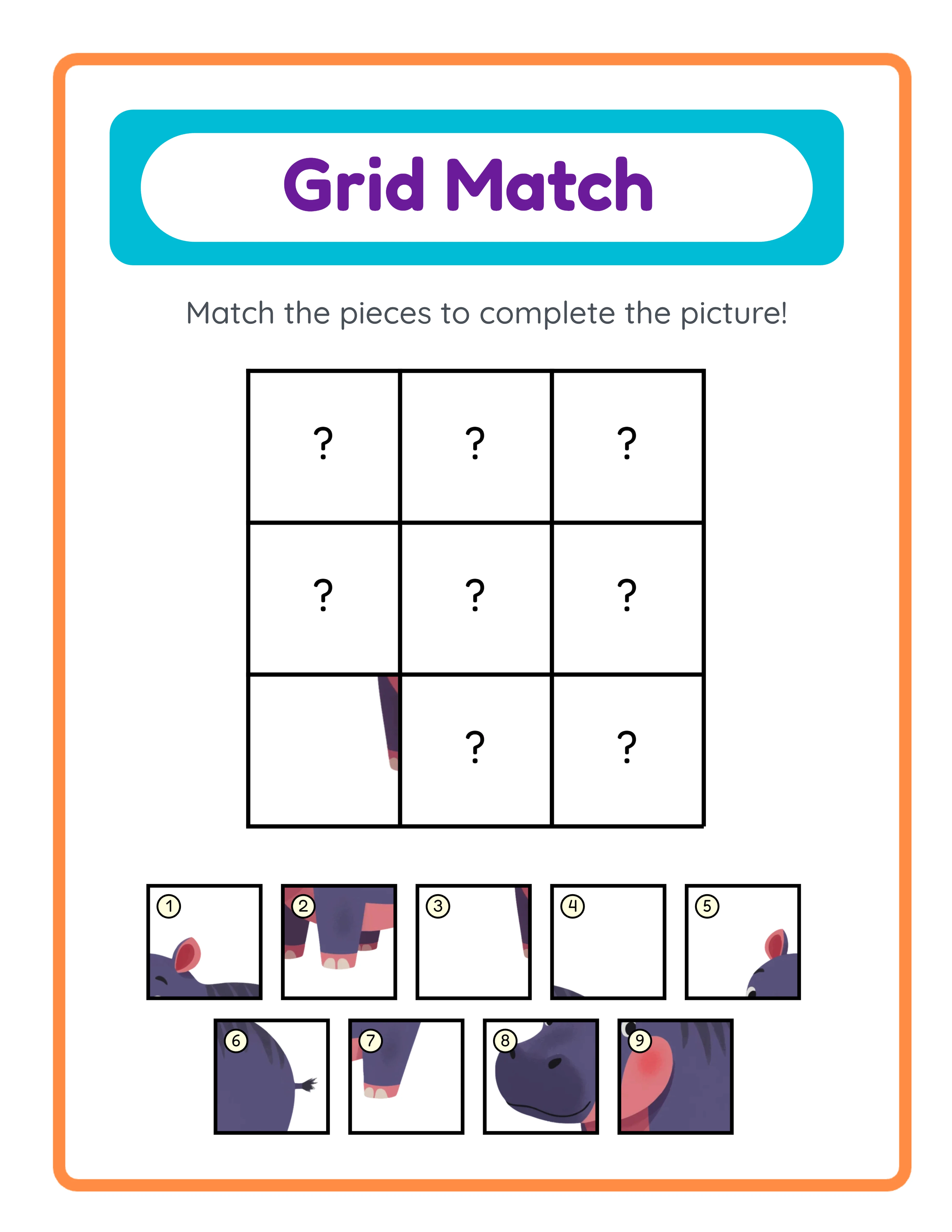
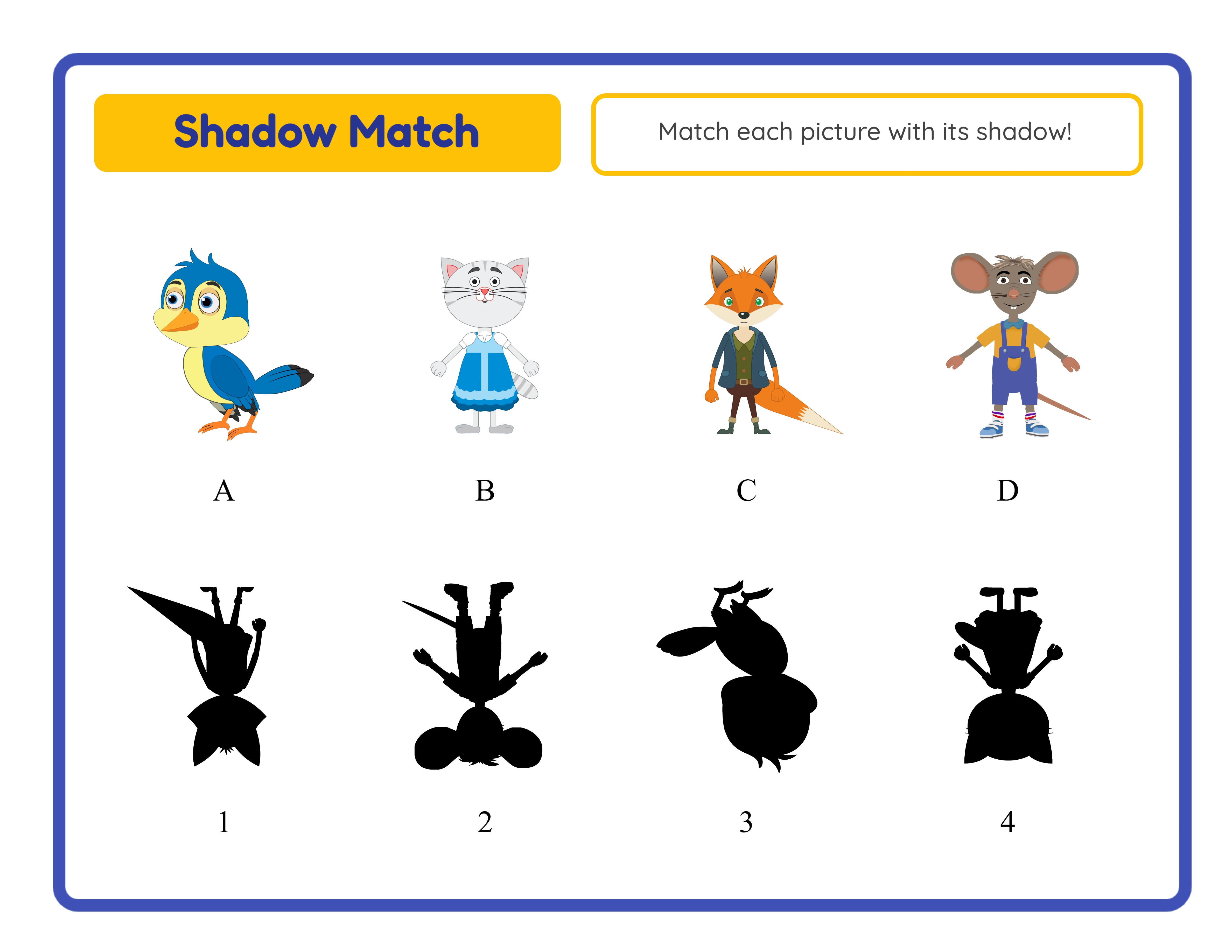
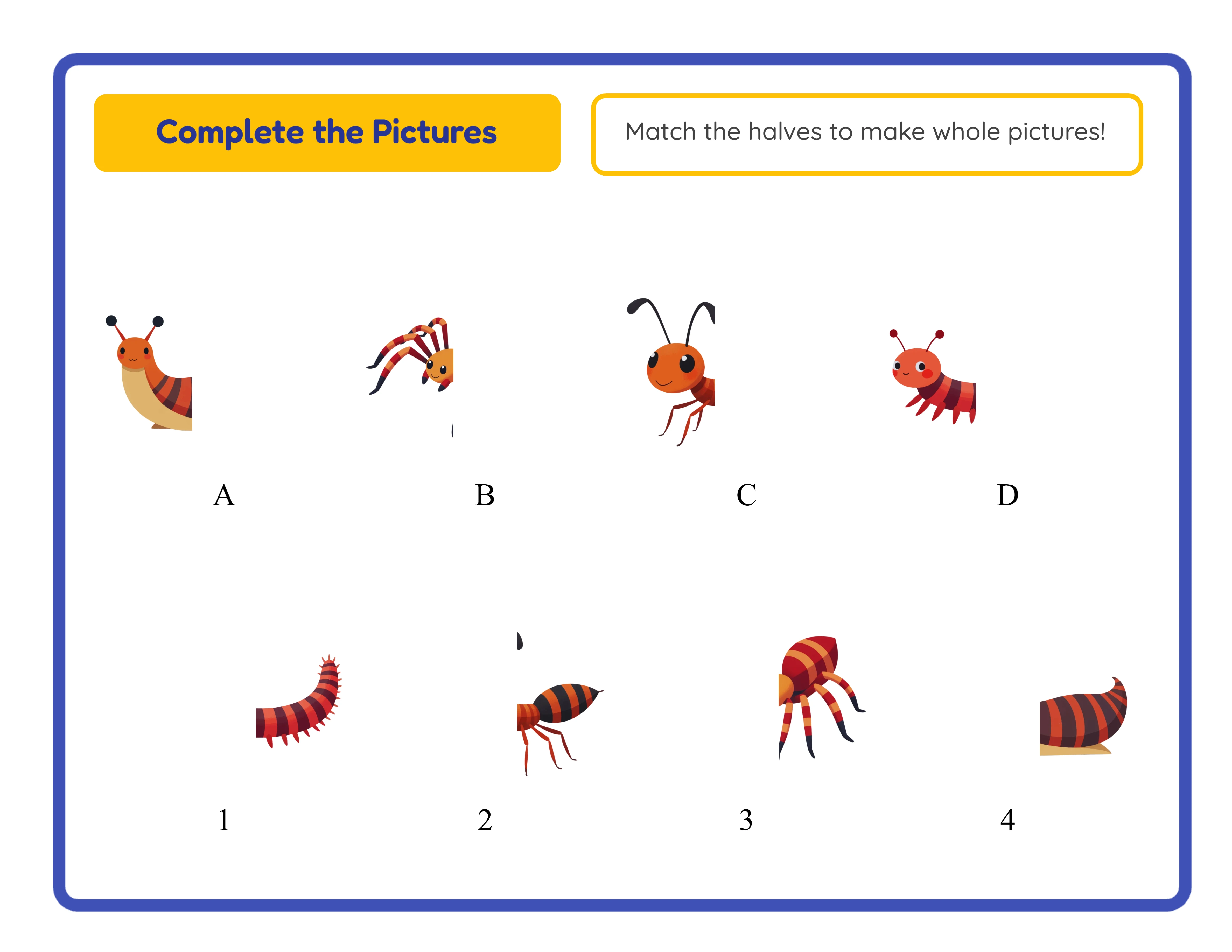
Category 1: Puzzle Printables with Minimal Competition
Puzzle printables consistently rank among the most underserved categories on Etsy. While "word search" has 60,000+ listings, specific puzzle types have surprisingly little competition:
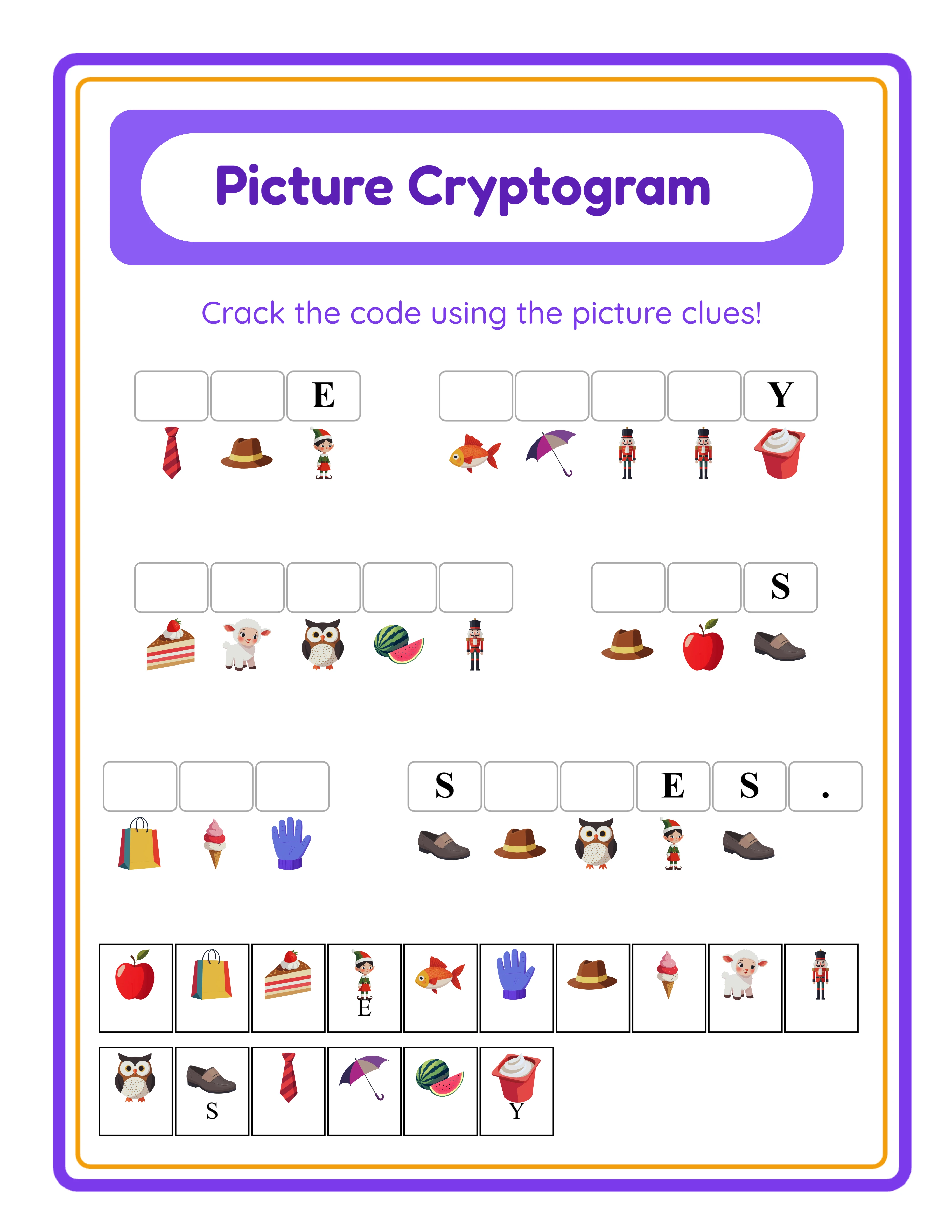
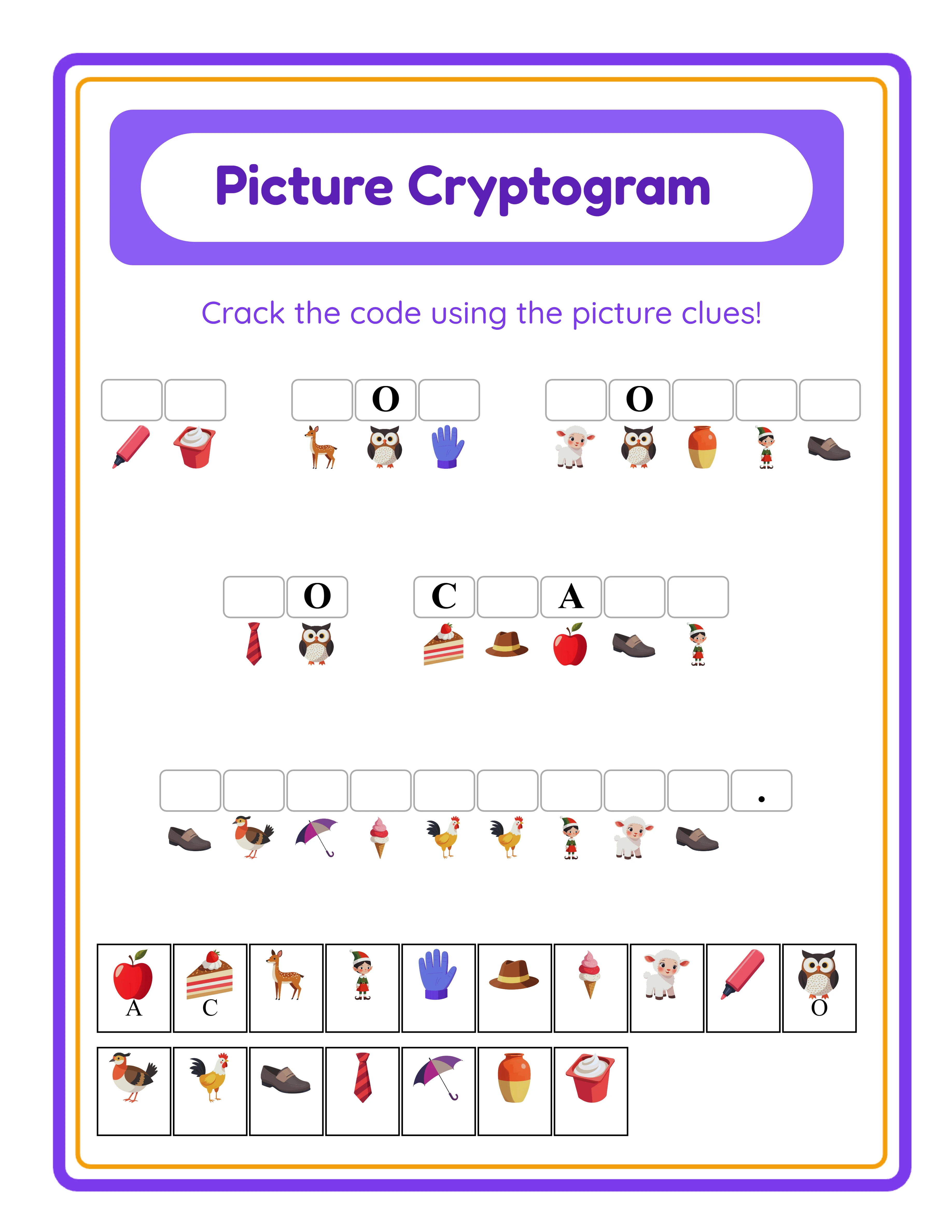
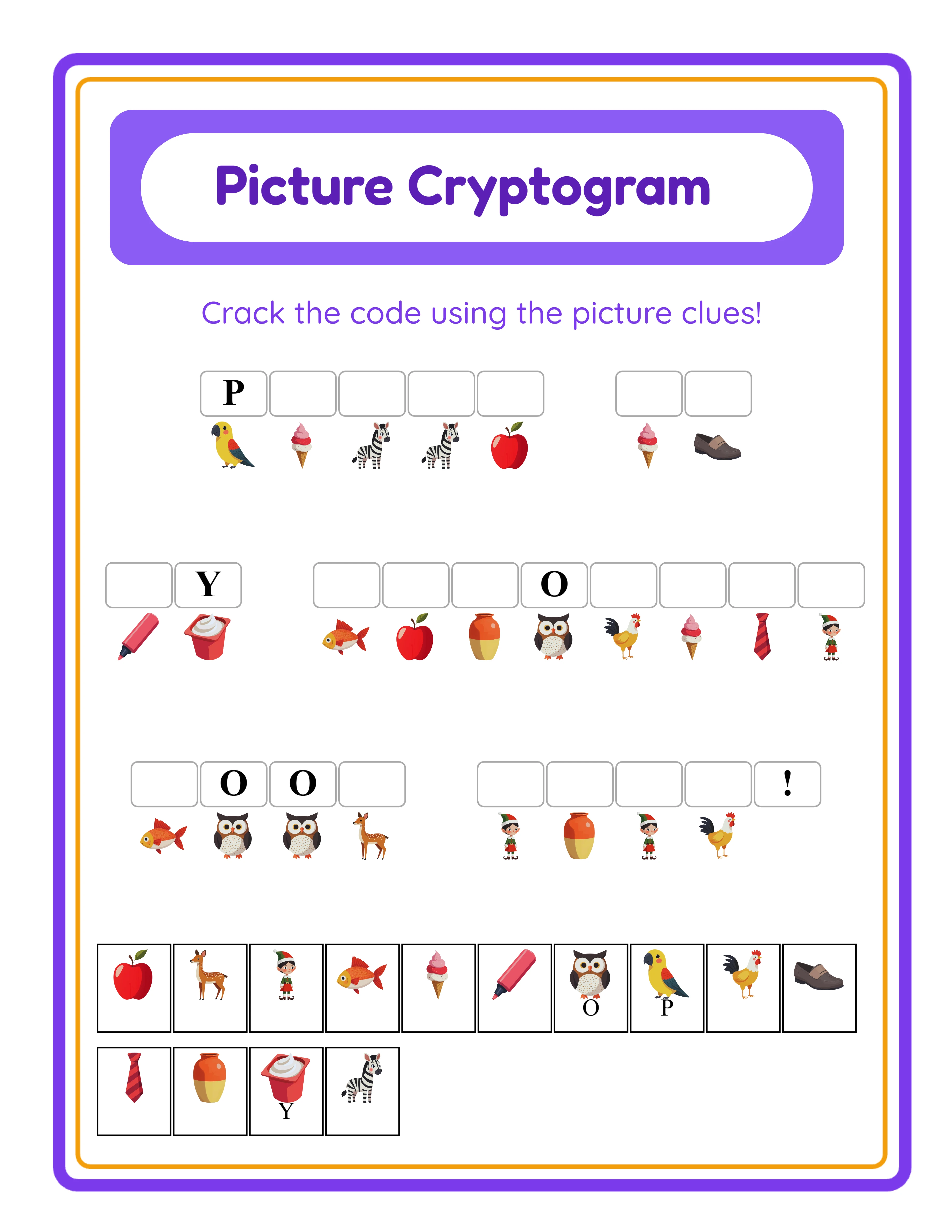
**Cryptogram worksheets** — Under 1,100 listings. Adults who enjoy word puzzles buy these regularly. Quote-based cryptograms, themed collections (holidays, inspirational, humorous), and large-print versions for seniors all sell well. Average price: $4.99-$6.99 per set.
**Logic grid puzzles** — Under 800 listings. The puzzle enthusiast audience actively searches for printable logic puzzles. Sets of 20-30 puzzles with varying difficulty levels sell at $5.99-$8.99.
**Number search puzzles** — Under 600 listings. Similar format to word search but using number sequences. Almost zero competition despite proven buyer interest on Amazon.
**Picture sudoku for young children** — Under 500 listings. Uses images instead of numbers, making sudoku accessible to ages 4-7. Parents specifically search for this variation and find very few options.
**Math code-breaker puzzles** — Under 900 listings. Solve math problems to decode a hidden message. Popular with parents looking for engaging math practice that doesn't feel like homework.
Each of these puzzle types can be produced efficiently using generators, allowing you to create 15-20 products per niche in a single afternoon.
Category 2: Niche Educational Printables
Broad educational categories are saturated, but specific sub-topics remain wide open:
**Preposition worksheets for ESL learners** — Under 700 listings. The ESL market is massive and underserved on Etsy. Visual-based preposition activities (in, on, under, behind) with clear illustrations sell at $5.99-$8.99.
**Financial literacy worksheets for kids** — Under 500 listings. A rapidly growing category as parents prioritize money education. Budgeting activities, coin identification, saving vs. spending exercises. Average price: $4.99-$7.99.
**Social skills worksheets** — Under 1,200 listings. Therapists, counselors, and parents of children with autism search for these consistently. Emotion identification, conversation starters, social scenarios. Prices reach $8.99-$14.99 for comprehensive sets.
**Geography activities and map worksheets** — Under 1,500 listings. Country profiles, map labeling, flag identification. Homeschool families are the primary buyers. Average price: $5.99-$9.99 for themed sets.
**Critical thinking worksheets** — Under 1,000 listings. Analogies, cause and effect, sequencing, inference activities. Parents and tutors search for these to supplement standard curriculum. Average price: $4.99-$7.99.
The educational niche rewards depth. Rather than creating one worksheet per topic, build comprehensive packs of 20-40 pages covering a single skill area. Buyers pay 3-4x more for complete curriculum-aligned packs than individual sheets.
Category 3: Underserved Age Groups and Markets
Most Etsy printable sellers target the 3-8 age range. These overlooked audiences have genuine demand with minimal supply:
**Activity printables for seniors** — Under 400 listings. Memory games, large-print word puzzles, reminiscence activities, and cognitive exercises. Care facilities and family members buy these in bulk. Average price: $6.99-$12.99 for activity packs.
**Toddler-specific activities (ages 1-2)** — Under 1,800 listings for truly toddler-appropriate content. Most "toddler" listings are actually designed for ages 3-4. Genuine toddler activities — simple matching, basic sorting by color/shape, do-a-dot activities — are scarce.
**Tween activities (ages 9-12)** — Under 1,500 listings. Most worksheets are either too babyish or too advanced for this age group. Brain teasers, trivia challenges, creative writing prompts, and code-breaking activities fill this gap.
**Special education printables** — Under 2,000 listings for SEN-specific content. Therapists and special education providers pay premium prices ($8.99-$19.99) for visual schedules, social stories, fine motor activities, and adapted learning materials. This market values quality over price.
**Adult learners (ESL/literacy)** — Under 1,000 listings. Adults learning English need age-appropriate materials, not children's worksheets. Vocabulary builders, reading comprehension, and everyday English activities sell at $5.99-$9.99.
Category 4: Themed and Seasonal Gaps
Seasonal niches are often overlooked because sellers assume they're only profitable for a few weeks. In reality, seasonal printables sell year-round to planners and educators who prepare months ahead:
**Summer-themed activity packs** — Under 1,200 listings during off-season. Parents start searching for summer activities in April. Road trip games, outdoor scavenger hunts, vacation journals, and "summer slide prevention" worksheets all sell from April through August.
**Cultural celebration activities** — Under 800 listings per celebration. Chinese New Year, Diwali, Eid, Hanukkah, Day of the Dead, and Kwanzaa all have genuine demand from educators teaching cultural awareness. Most sellers only create Christmas and Halloween content.
**Career and occupation-themed worksheets** — Under 600 listings. Community helpers, career exploration, "what do they do?" matching activities. Strong demand from preschool programs and career day activities.
**Space and astronomy printables** — Under 1,400 listings. Planet activities, constellation worksheets, moon phase tracking sheets, space-themed puzzles. Consistent demand driven by children's fascination with space and regular NASA news cycles.
**Ocean and marine life activities** — Under 1,100 listings. Sea creature identification, ocean zone activities, marine food chain worksheets. Peak demand in summer but steady year-round interest from homeschool families.
The key with themed niches is creating comprehensive packs rather than single worksheets. A "Complete Space Activity Pack" with 30-40 pages sells at $12.99-$17.99, while a single space worksheet sells at $2.99.
What Your Listings Could Look Like
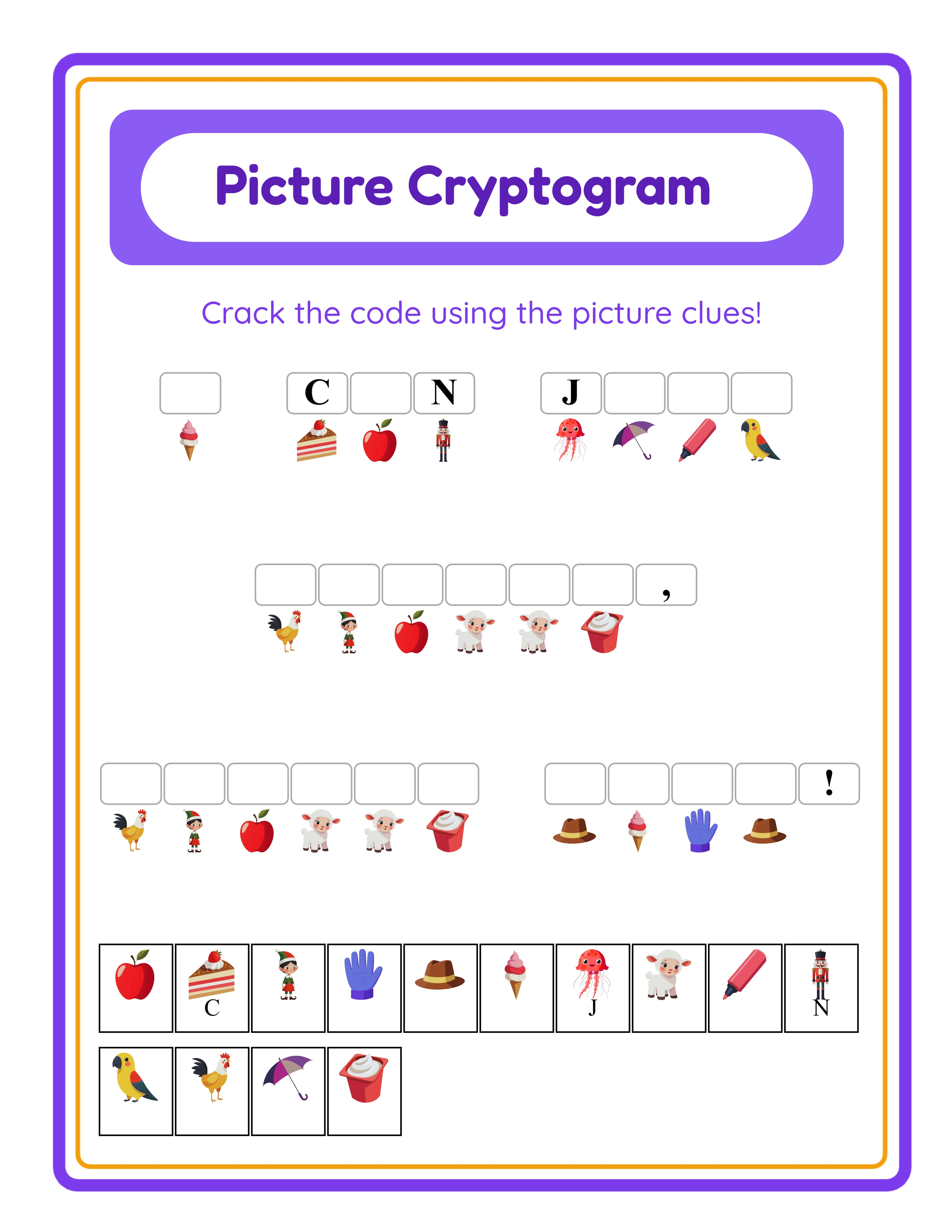
Theme Pack A
$4.99
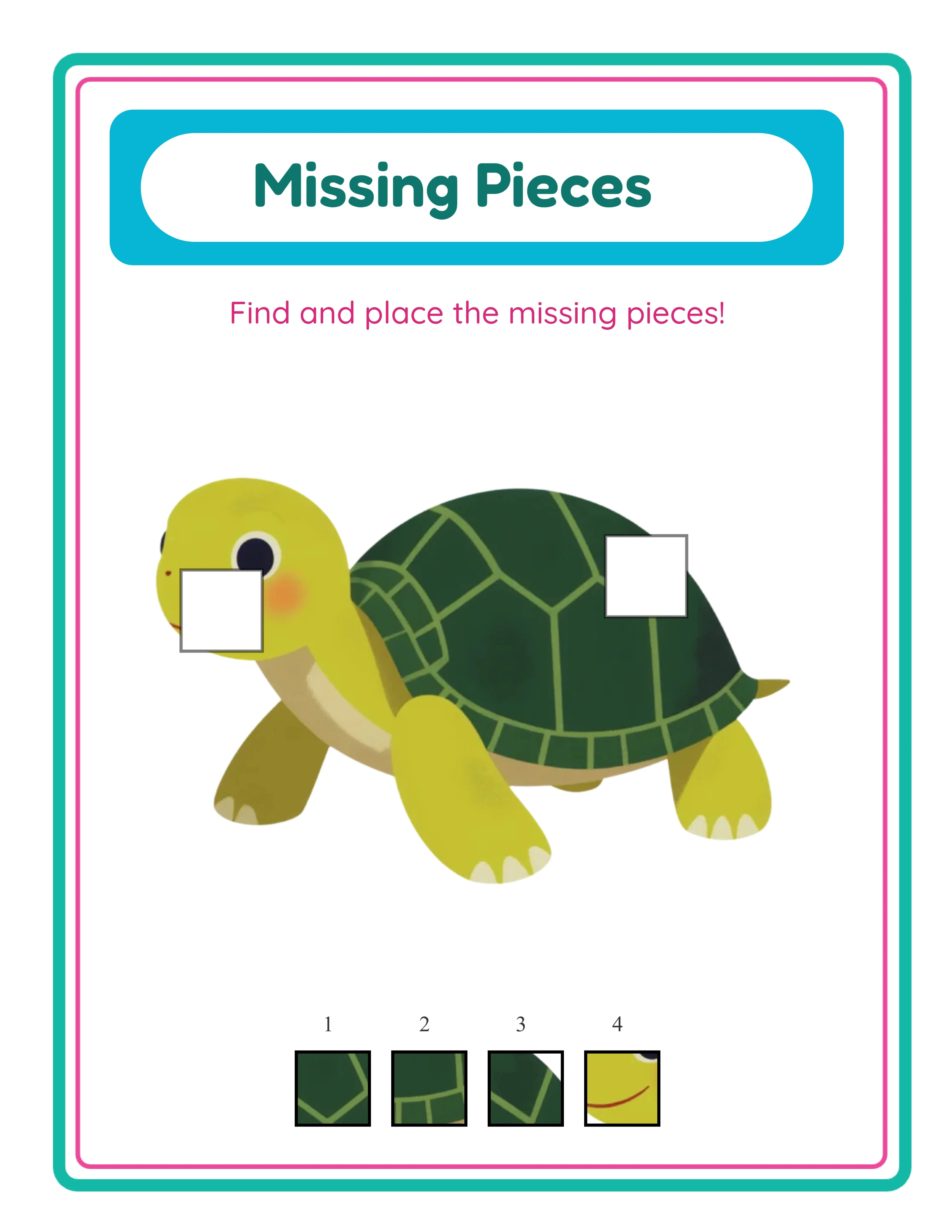
Theme Pack B
$5.99
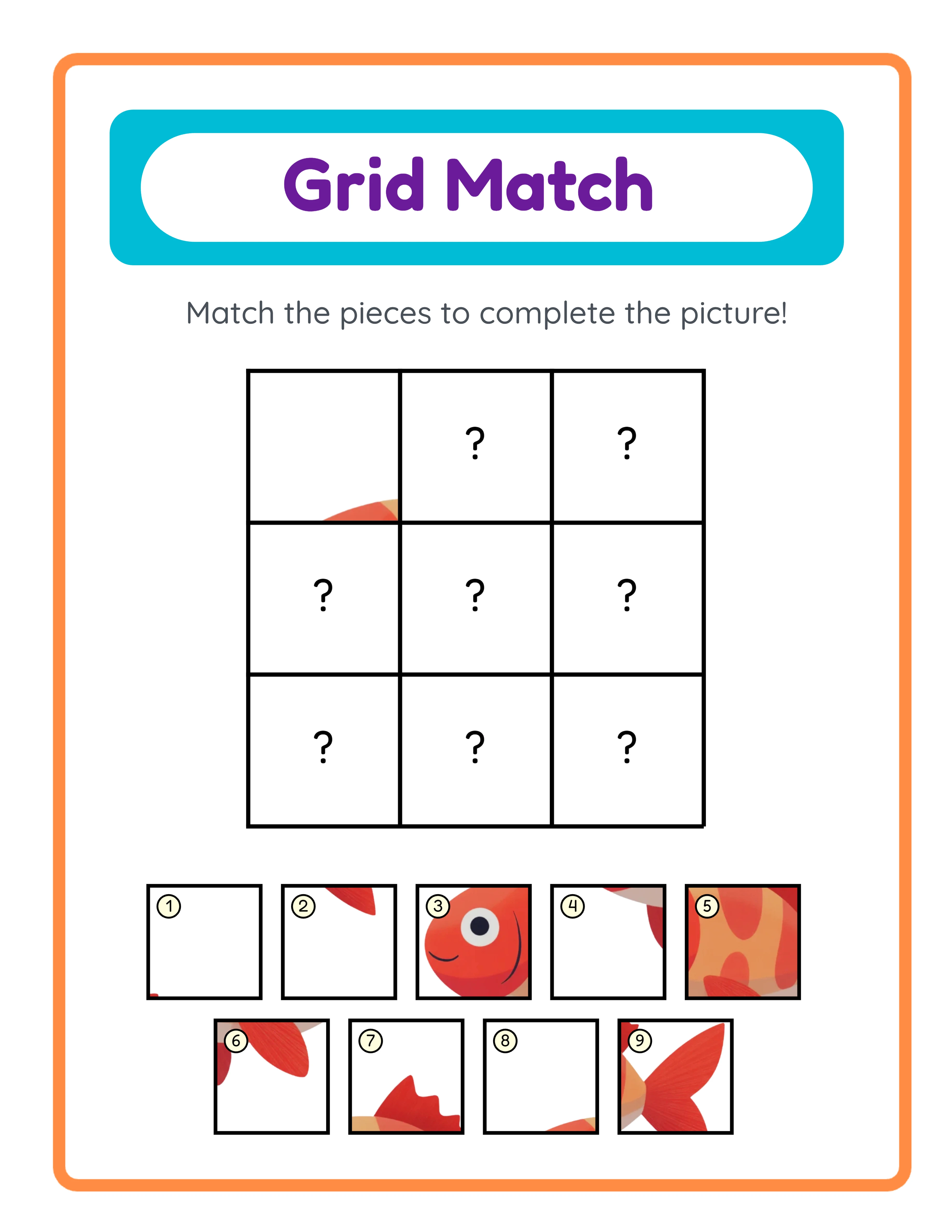
Theme Bundle
$8.99
How to Validate Before You Create
Researching a niche takes 30 minutes. Creating 20 products takes 10-15 hours. Always validate before you invest production time.
**The 5-minute Etsy check**
Search your exact niche keyword. If results show fewer than 2,000 listings with at least 5 sellers who have 50+ sales in the niche, demand is proven and competition is manageable.
**The review mining technique**
Read 20-30 reviews of top-selling competitors. Look for:
- "I wish this had..." — product gaps you can fill
- "The quality was..." — standards you need to meet or exceed
- "I bought this for..." — use cases you hadn't considered
- "My only complaint..." — improvements you can make in your version
**The Pinterest validation**
Search your niche keyword on Pinterest. If related pins have 500+ saves, there's genuine interest. If you find pins linking to Etsy shops in your niche, buyers are already flowing through this channel.
**The bundle test**
Can you create at least 5 distinct products in this niche? Individual worksheets, themed bundles, mega bundles, and growing bundles all need to make sense. If you can only create 2-3 products, the niche may be too narrow to justify the effort.
**The cross-platform check**
Search the niche on Amazon KDP, Gumroad, and Teachers Pay Teachers (now Spark). If the niche exists on multiple platforms, demand is validated across different buyer populations. If it only exists on one platform, there's risk that demand is platform-specific.
Building a Niche Domination Strategy
Finding a low-competition niche is step one. Owning it requires a systematic launch approach:
**Phase 1: Foundation (Week 1-2)**
Create 15-20 individual products and 3-5 bundles in your chosen niche. Every listing needs professional mockup images, keyword-optimized titles using all 13 Etsy tags, and detailed descriptions that address buyer intent. Upload everything within a 3-day window so your shop appears established.
**Phase 2: Visibility (Week 3-6)**
Create 30-40 Pinterest pins linking to your listings. Join and share in 2-3 relevant Facebook groups. Start Etsy Ads on your 5 best products at $1/day each. The goal is generating your first 10-20 sales and reviews as quickly as possible.
**Phase 3: Expansion (Month 2-3)**
Add 5-10 new listings per week. Respond to every customer message within 24 hours. Create a "growing bundle" that automatically includes new additions — buyers love ongoing value. Analyze Etsy Stats to see which search terms drive traffic and create products targeting high-traffic, low-competition terms.
**Phase 4: Moat building (Month 4-6)**
By now you should have 50-75 listings, 30+ reviews, and consistent daily sales. New competitors entering the niche will face your established presence. Build a growing bundle with 100+ pages, create a companion product for KDP, and consider expanding to one adjacent niche.
First-mover advantage in a low-competition niche compounds over time. Every sale, review, and favorite strengthens your position against future competitors.
Tools That Speed Up Niche Research
Manual research works but takes time. These tools and techniques accelerate the process:
**Etsy search autocomplete** — Free and immediate. Type partial phrases and note every suggestion. Each suggestion is powered by actual buyer search data.
**eRank (free tier)** — Shows estimated search volume for Etsy keywords, trending searches, and competition metrics. The free tier covers most research needs.
**Google Trends** — Compare niche keywords to see relative demand and seasonality. Use "past 12 months" to identify stable vs. declining niches.
**Pinterest Trends** — Shows rising search topics that often predict Etsy demand 2-3 months in advance. If a topic is trending on Pinterest now, it will trend on Etsy soon.
**Amazon BSR tracking** — Check bestseller ranks of competing KDP books. BSR under 100,000 means daily sales. Use this to validate that buyers actually spend money in your niche, not just search for free options.
**Niche research tools** — Dedicated niche finder tools analyze competition levels and demand signals across multiple platforms simultaneously. Rather than checking Etsy, Amazon, and Google separately, a niche finder aggregates the data and highlights opportunities you might miss manually.
The most efficient research workflow combines automated tools for broad scanning with manual review for final validation. Spend 80% of your research time on validation and 20% on discovery — finding niches is easy, confirming they're worth entering is the real skill.