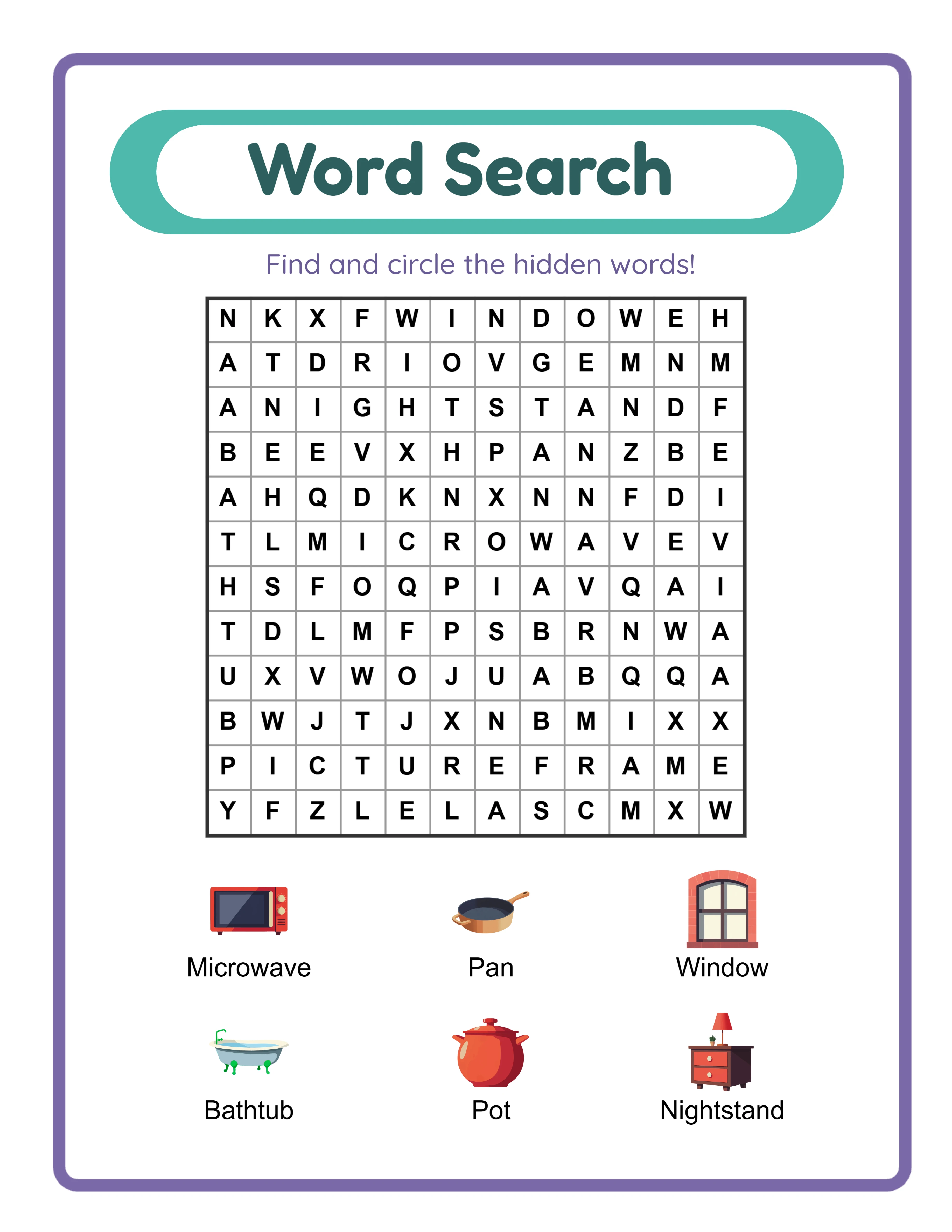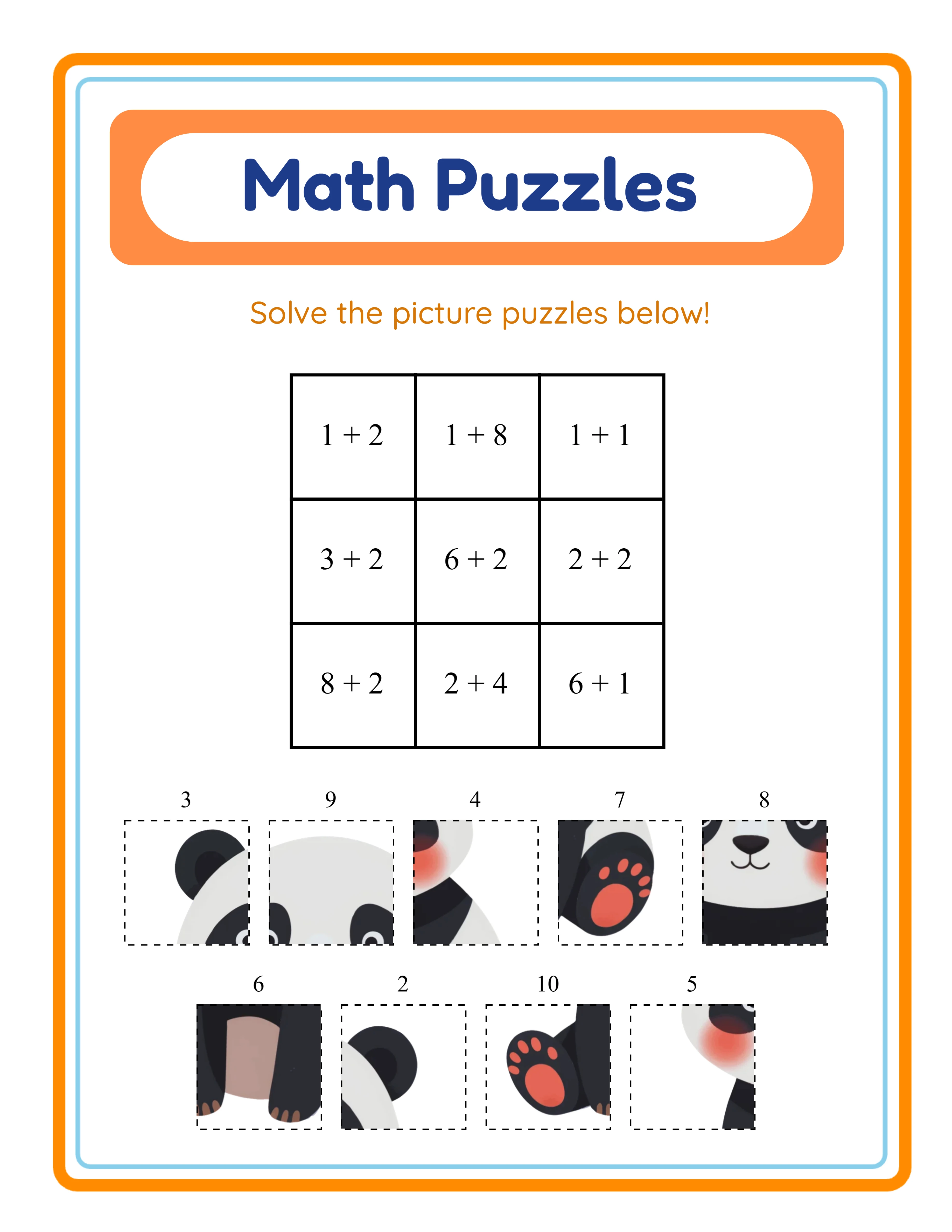
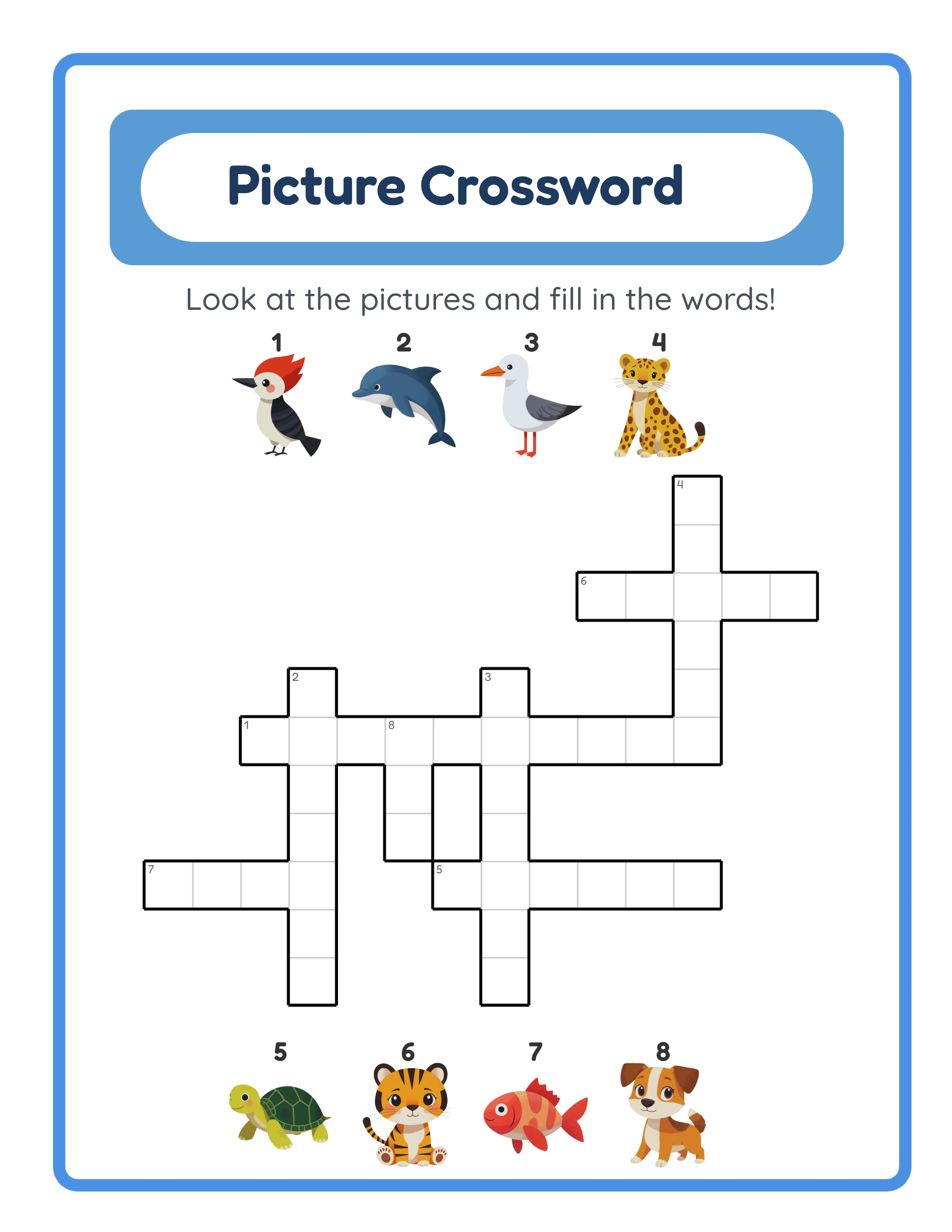
How KDP Keywords Work Behind the Scenes
Understanding KDP's keyword system prevents common misconceptions that waste your limited keyword real estate.
**The 7 keyword fields:** KDP gives you 7 separate keyword fields, each with a 50-character maximum. That's 350 characters total to describe your book to Amazon's search algorithm.
**How Amazon indexes keywords:**
- Amazon indexes your title, subtitle, and all 7 keyword fields
- Keywords don't need to be in a specific order within a field
- You don't need to repeat words — Amazon combines terms across fields
- Plural and singular forms are treated as the same word
- Punctuation is ignored; commas and spaces function identically
**What NOT to include in keywords:**
- Words already in your title or subtitle (redundant — already indexed)
- Competitor brand names or book titles (violates Amazon's terms of service)
- Subjective claims like "best" or "top rated"
- Temporary statements like "new" or "on sale"
- Common misspellings (Amazon's autocorrect handles most of these)
**The indexing test:** After publishing, search Amazon for exact phrases from your keywords. If your book appears in results, those keywords are indexed. If not, check for policy violations or overly competitive phrases.
Keyword Research Methods for Activity Books
Effective keyword research combines multiple data sources. No single method captures the full picture.
**Method 1 — Amazon autocomplete:**
Type partial phrases into Amazon's search bar and record the suggestions. These are real buyer searches ranked by popularity. Start broad and narrow down:
- "activity book" → "activity book for kids ages 4-8," "activity book for adults"
- "math puzzles" → "math puzzles for kindergarten," "math puzzles for 3rd graders"
- "word search" → "word search book for kids," "word search large print"
**Method 2 — Competitor analysis:**
Find the top 10-20 books in your target category. Analyze their titles, subtitles, and book descriptions for keyword patterns. What phrases appear repeatedly? These are proven search terms.
**Method 3 — "Customers also bought" section:**
On competitor book pages, the "Customers also bought" section reveals related books. Their titles and categories suggest additional keyword angles you might not have considered.
**Method 4 — Publisher Rocket or similar tools:**
Paid tools like Publisher Rocket estimate Amazon search volume and competition for specific phrases. This data helps you prioritize keywords with adequate search volume but manageable competition.
**Method 5 — Google Keyword Planner:**
While not Amazon-specific, Google data reveals broader search intent. Phrases that are popular on Google often translate to Amazon searches. Use it to validate that your keyword targets have real demand.
How It Looks as a KDP Book
Amazon KDP
Building Your 7 Keyword Slots Strategically
Don't just fill keyword slots randomly. Structure them to maximize coverage across different search intents.
**Slot allocation strategy:**
**Slots 1-2: Core product descriptors**
Phrases that describe exactly what your book is. Example for an addition activity book:
- Slot 1: "addition worksheets practice pages with answers"
- Slot 2: "math activity book kindergarten first grade"
**Slots 3-4: Audience and use case**
Phrases describing who uses the book and how:
- Slot 3: "homeschool math curriculum supplement practice"
- Slot 4: "kids learning addition subtraction number sense"
**Slots 5-6: Theme and format**
Phrases about the book's style, theme, or format:
- Slot 5: "animal themed educational puzzles games printable"
- Slot 6: "large print easy beginner math exercises"
**Slot 7: Seasonal or situational**
Phrases for specific buying contexts:
- Slot 7: "summer practice workbook back to school gift"
**Character optimization:** Each slot allows 50 characters. Use as many characters as possible. "math" wastes 46 characters. "addition subtraction math practice ages four eight" uses nearly all 50 characters and covers multiple search queries.
**No repeated words:** Since Amazon combines keywords across all fields, never repeat the same word in multiple slots. If "math" appears in Slot 1, don't include it in Slot 3. Use the space for a different word instead.
Competitive Analysis: Finding Low-Competition Keywords
High-volume keywords are worthless if you can't rank for them. Finding the right balance between search volume and competition is the key to KDP keyword strategy.
**Assessing competition:** For any keyword phrase, search Amazon and evaluate the results:
- Count how many results appear (fewer results = less competition)
- Check the top 10 results' review counts (books with 500+ reviews are hard to displace)
- Look at the sales rank of top results (lower BSR = higher sales = tougher competition)
- Note the publish dates (if top results are years old, there may be room for fresh content)
**The sweet spot:** Target keywords where:
- Amazon autocomplete suggests the phrase (confirms real search volume)
- The top 10 results have fewer than 100 reviews on average
- At least 2-3 results have BSR above 100,000 (indicating moderate but not extreme demand)
- You can create a genuinely better or more specific product than what currently ranks
**Long-tail strategy:** "activity book" has millions of competitors. "animal themed addition worksheets kindergarten" has far fewer. Long-tail keywords have lower individual search volume but higher conversion rates because they match specific buyer intent. Fill your keyword slots with long-tail phrases rather than broad terms.
**Niche stacking:** Use your 7 keyword slots to cover multiple related niches. An addition activity book could target "math practice," "homeschool curriculum," "kindergarten worksheets," and "kids educational puzzles" — each attracting a different audience segment searching with different terms.
Title and Subtitle Keyword Strategy
Your title and subtitle are indexed by Amazon's search just like your backend keywords — and they carry even more weight.
**Title best practices:**
Your title should contain your primary keyword phrase and be readable to humans. "Addition Activity Book for Kids Ages 4-8" is both a strong search term and an appealing title. Avoid keyword-stuffed titles that read like a string of random words.
**Subtitle as keyword real estate:**
The subtitle (shown below the title on Amazon) is fully indexed and provides substantial keyword space. Use it to include secondary keywords in a natural-sounding way:
- Good: "100 Fun Animal Themed Math Puzzles with Answer Keys for Kindergarten and First Grade"
- Bad: "Math Worksheets Addition Subtraction Kindergarten First Grade Homeschool Practice"
The good example includes the keywords "animal themed," "math puzzles," "answer keys," "kindergarten," and "first grade" while reading naturally. The bad example jams in keywords without coherence.
**Coordination with backend keywords:** Since title and subtitle words are already indexed, don't repeat them in your 7 backend keyword fields. This is the most common waste of keyword space among new publishers. If "addition" appears in your title, every backend slot containing "addition" is partially redundant.
**A/B testing limitation:** Unlike Etsy, Amazon doesn't make it easy to A/B test titles. However, you can update your title and subtitle and monitor changes in impressions and sales over 2-4 weeks. Keep records of what you change and when.
33 Generators
3,000+ Images
11 Languages
300 DPI Export
International Keywords and Multi-Marketplace Optimization
KDP publishes to multiple Amazon marketplaces simultaneously. Optimizing keywords for each marketplace expands your reach dramatically.
**Marketplace-specific keywords:** When you publish on KDP, you can set different keywords for each marketplace (US, UK, DE, FR, etc.). The default is to use your US keywords everywhere, but this misses opportunities.
**English-language variations:**
- US: "math worksheets kindergarten"
- UK: "maths worksheets reception year"
- AU: "maths worksheets prep year"
The same product serves all three markets but requires different keywords to match local search patterns.
**Non-English marketplaces:**
If your activity book is language-neutral (mazes, pattern recognition, coloring), add translated keywords for German (amazon.de), French (amazon.fr), Spanish (amazon.es), and Italian (amazon.it) marketplaces. "Labyrinth Raetselbuch Kinder" targets German buyers searching for maze puzzle books for kids.
**Language-neutral content advantage:**
Math puzzles, mazes, pattern activities, and coloring pages work across languages without translation. This means you can sell the same book in every Amazon marketplace. Adding marketplace-specific keywords in each language multiplies your addressable market.
**Research for international keywords:** Use each marketplace's autocomplete feature. Go to amazon.de, search in German, and note suggestions. Repeat for each marketplace. International markets are often less competitive than the US market, offering easier ranking opportunities.
Monitoring and Updating Your Keywords Over Time
Keywords aren't a set-it-and-forget-it element. Regular monitoring and updates keep your books discoverable as markets shift.
**When to update keywords:**
- Your book has been live for 60+ days with fewer than 10 sales per month
- A seasonal opportunity is approaching (add seasonal keywords 60-90 days ahead)
- You notice new competitor books ranking for terms you're targeting
- Amazon autocomplete suggests phrases you haven't targeted
**Keyword performance tracking:**
KDP doesn't show which keywords drive traffic (unlike Etsy's Stats). Instead, track proxy metrics:
- Sales rank trends (improving rank suggests better keyword targeting)
- Search result position for your target phrases (search manually and note your book's position)
- Sales velocity after keyword changes (compare 30-day sales before and after)
**Seasonal keyword rotation:**
Swap one or two keyword slots seasonally:
- September-October: "back to school activity book," "fall worksheets"
- November-December: "Christmas activity book kids," "stocking stuffer gift"
- January-February: "new year learning activities," "Valentine's Day worksheets"
- May-June: "summer practice workbook," "vacation activity book"
Keep your core keyword slots (product descriptors and audience) permanent. Only rotate the situational slot.
**Annual keyword audit:** Every January, conduct a complete keyword review across your catalog. Research fresh autocomplete data, check current competition, and update all 7 slots for each book. Markets evolve, and last year's keywords may not reflect this year's search behavior.