What Makes a Curriculum Pack Different From a Worksheet Bundle
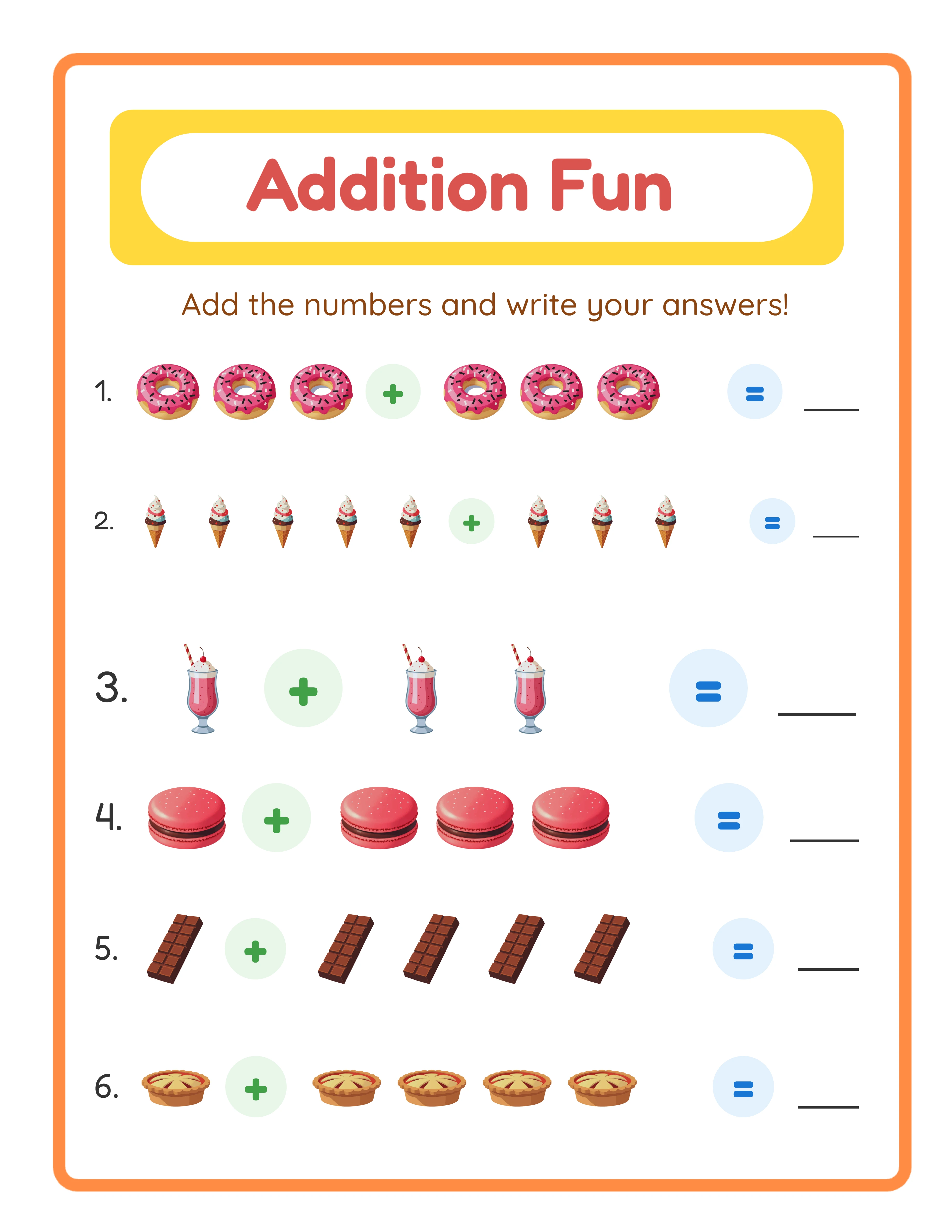
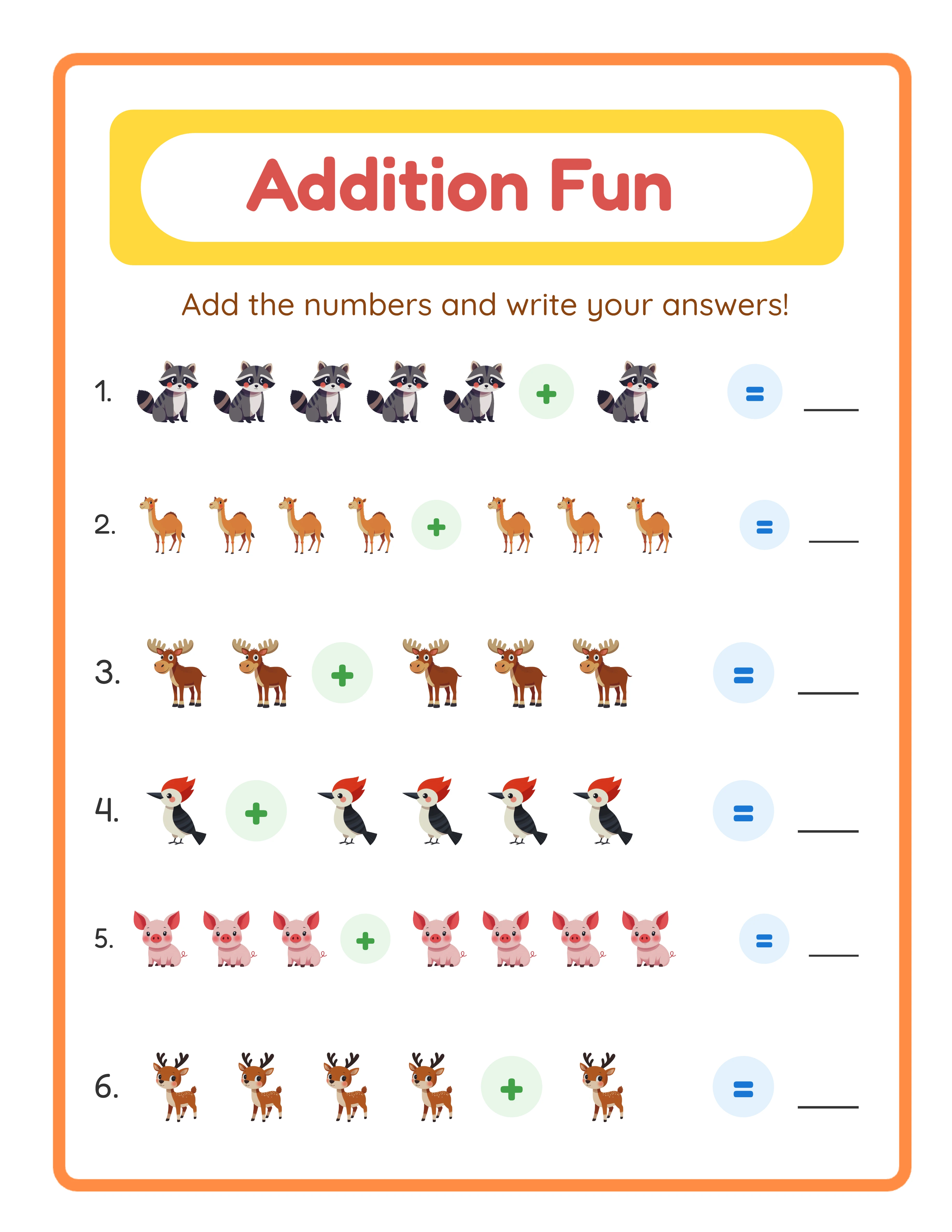
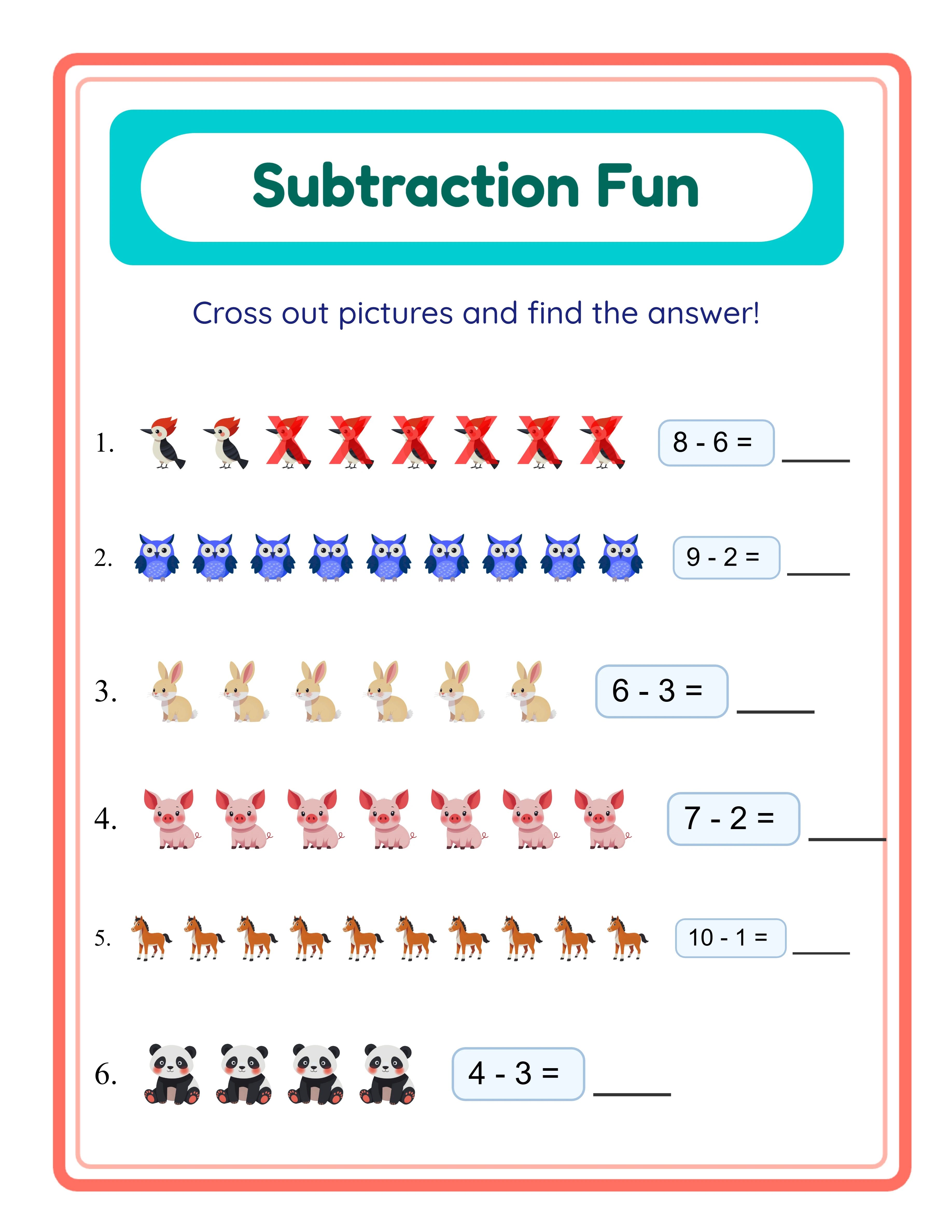
A worksheet bundle is a collection of similar pages. A curriculum pack is a structured learning program. The difference is organization, progression, and supporting materials.
**Worksheet bundle:** 50 addition worksheets, random order, no instructions
- Price: $9.99-$14.99
- Buyer mindset: "I need practice sheets"
**Curriculum pack:** 12-week addition program with daily lessons, progressive difficulty, answer keys, progress tracker, and parent guide
- Price: $29.99-$49.99
- Buyer mindset: "I need a complete math program"
**What a curriculum pack includes:**
1. Parent/instructor guide (2-4 pages explaining how to use the pack)
2. Weekly schedule or daily lesson plan
3. Worksheets organized by week and day (progressive difficulty)
4. Answer keys for every worksheet
5. Progress tracking sheet or checklist
6. Assessment pages (one per week or unit)
7. Completion certificate
The worksheets themselves might be identical in quality to a regular bundle. The value premium comes from the structure, organization, and supporting materials that turn raw worksheets into a ready-to-use program.
Step 1: Plan Your Curriculum Structure (45 Minutes)
Start with the end goal and work backward. What should the child know after completing your pack?
**Example: 12-Week Addition Curriculum for Ages 5-7**
- Weeks 1-3: Counting and number recognition (foundation)
- Weeks 4-6: Single-digit addition with picture aids
- Weeks 7-9: Single-digit addition without aids, introducing number lines
- Weeks 10-12: Double-digit addition, review, and final assessment
**Daily structure (5 days per week):**
- Day 1: New concept introduction (guided worksheet)
- Day 2: Practice worksheet (same concept)
- Day 3: Practice worksheet (slight variation)
- Day 4: Mixed review (current + previous weeks)
- Day 5: Fun activity (themed puzzle, coloring, or game using the concept)
**Total content needed:**
- 60 worksheets (5 per week x 12 weeks)
- 60 answer keys
- 12 weekly assessment pages
- 1 parent guide
- 1 progress tracker
- 1 final assessment
- 1 completion certificate
That is approximately 140 pages. With a worksheet generator producing worksheets in batches, the content generation takes about 60-90 minutes. The value is in the structure you create around the content.
Step 2: Generate and Organize the Content (90 Minutes)
With your plan in hand, generate all worksheet content in one session.
**Generation workflow:**
1. Generate Week 1-3 worksheets: Easy difficulty, counting theme, picture aids (15 worksheets + 15 answer keys)
2. Generate Week 4-6 worksheets: Easy-medium, single-digit addition with images (15 + 15)
3. Generate Week 7-9 worksheets: Medium, single-digit without aids (15 + 15)
4. Generate Week 10-12 worksheets: Medium-hard, double-digit (15 + 15)
5. Generate 12 assessment pages: Mixed problems from each week's content
Total generation time: about 30-40 minutes for 72 worksheets + answer keys.
**Create supporting materials (50 minutes):**
1. Parent guide: Write 2-3 pages explaining the curriculum structure, daily time commitment (15-20 minutes), and tips for success. Use a simple Canva template.
2. Weekly schedule: One-page calendar layout showing which worksheet to use each day.
3. Progress tracker: Checkboxes for each day, with space for notes.
4. Completion certificate: Branded template with fill-in-the-blank for child's name and date.
These supporting materials take longer to create than the worksheets themselves — and they are what justify the premium price. A parent paying $39.99 is buying convenience and structure, not just paper.
One Generator — Three Product Tiers
Create an entire product line from a single tool
beginner level
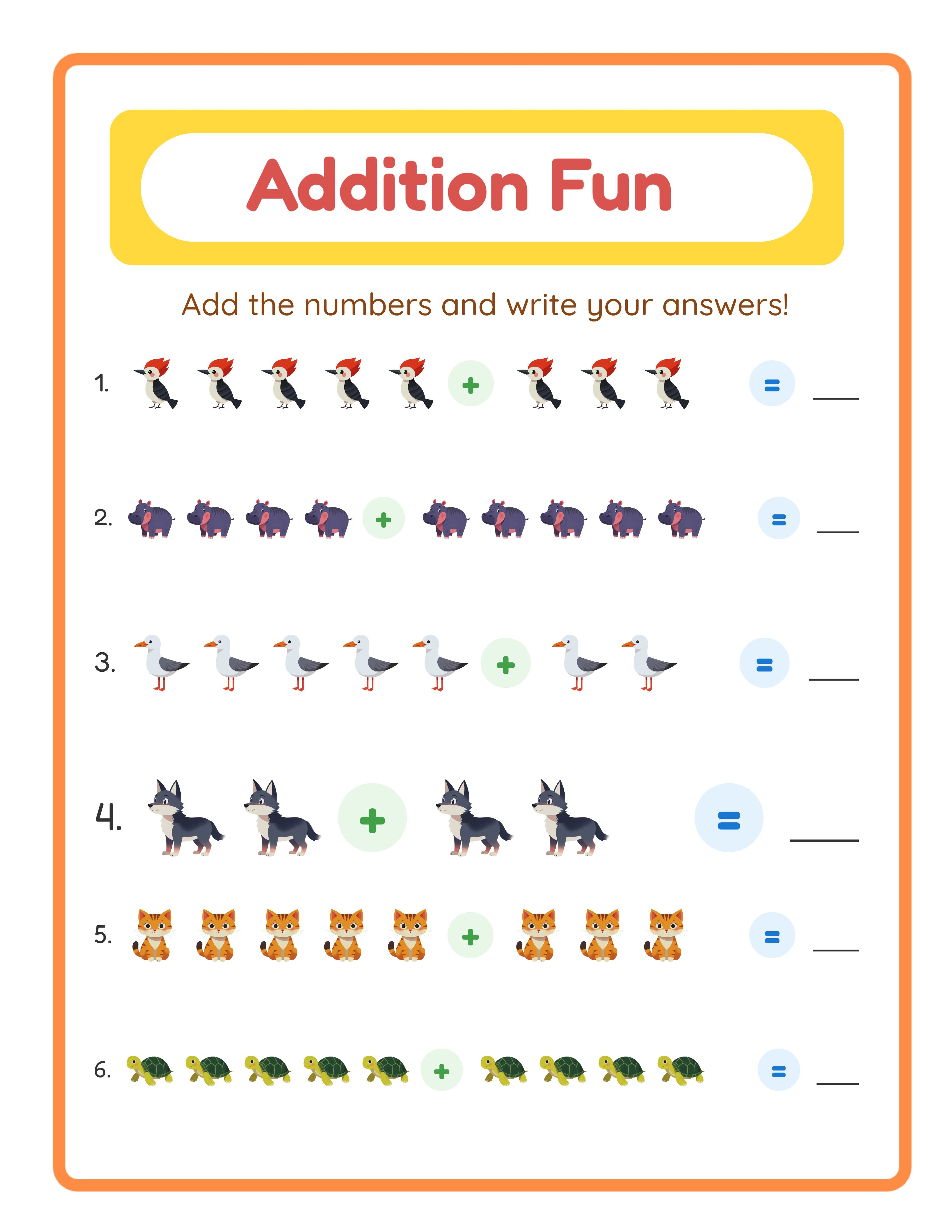
intermediate level
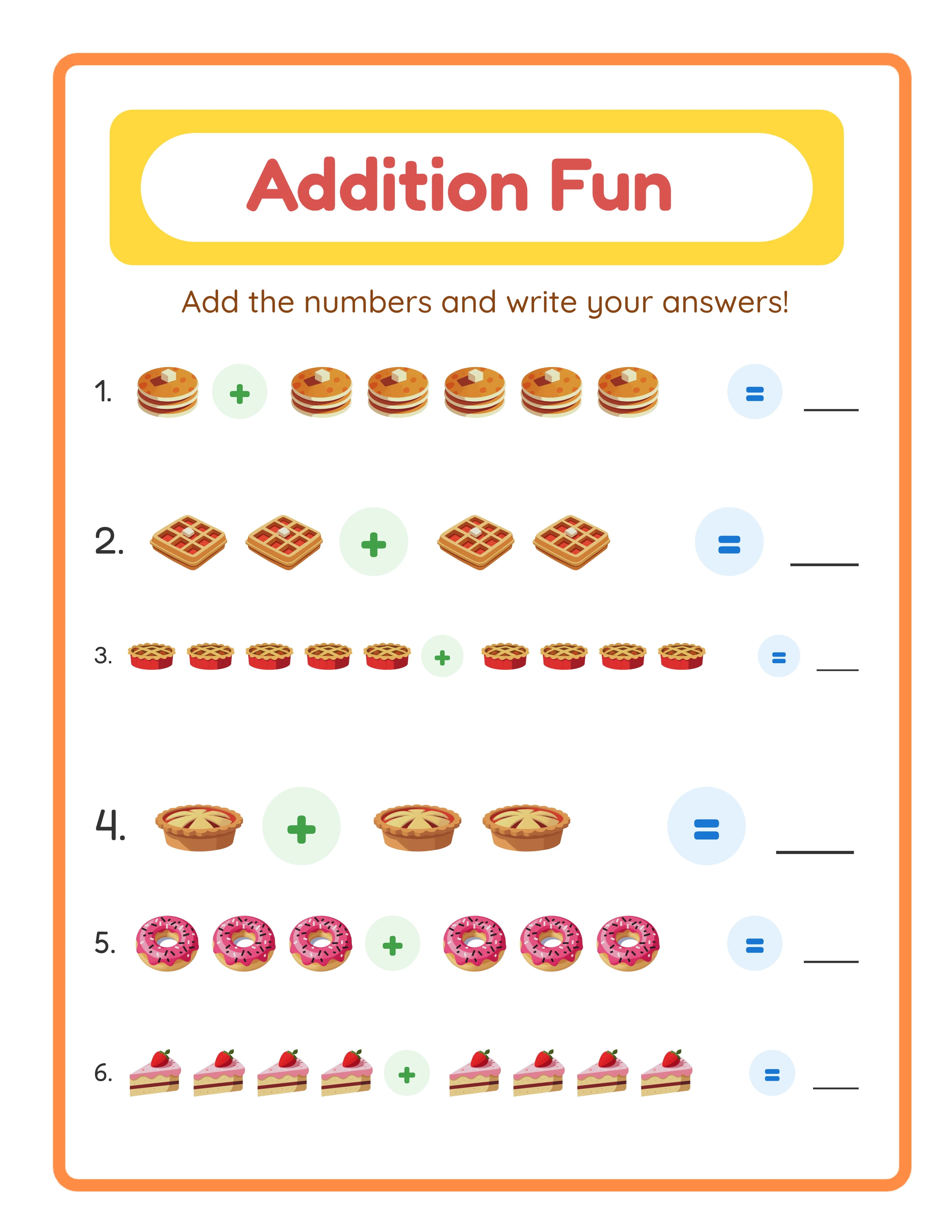
advanced level
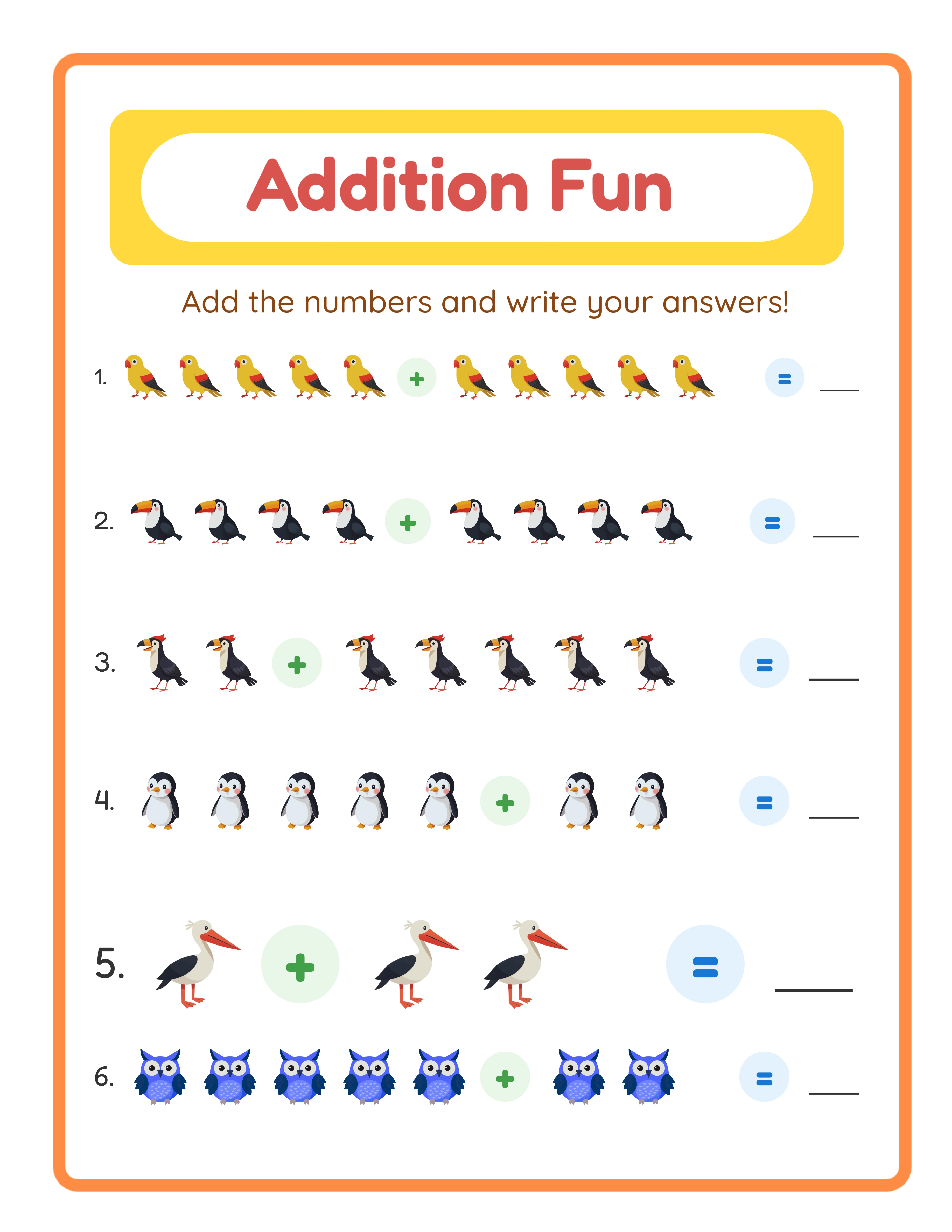
→Increasing difficulty→
Step 3: Price and Position for the Homeschool Market
**Pricing tiers for curriculum packs:**
- 4-week mini curriculum: $19.99-$29.99
- 12-week full curriculum: $39.99-$49.99
- Full-year curriculum (36 weeks): $69.99-$99.99
- Subject bundle (math + reading + writing): $99.99-$149.99
Homeschool parents are accustomed to spending $30-$100 on curriculum materials. Traditional published curricula cost $50-$200. Your printable version at $39.99 is a bargain by comparison — and you should frame it that way in your listing.
**Positioning strategies:**
- Compare to traditional curricula: "Complete 12-week program at a fraction of textbook prices"
- Emphasize convenience: "Ready-to-use daily lessons — no planning required"
- Highlight flexibility: "Print as many copies as you need for your family"
- Include age/grade specificity: "Designed for kindergarten and 1st grade (ages 5-7)"
**Where to sell curriculum packs:**
- Etsy: Largest audience, highest competition
- Gumroad: Higher per-sale profit (lower fees), growing homeschool audience
- Your own website: Highest profit margin, requires traffic generation
- Homeschool Facebook groups: Direct sales, relationship-based
List on Etsy first for visibility, then expand to Gumroad and your own site as you build an audience.
Scaling: Building a Curriculum Product Line
One successful curriculum pack becomes the foundation for a full product line.
**Expansion paths:**
**By subject:**
- Addition curriculum (your first product)
- Subtraction curriculum
- Multiplication curriculum
- Combined math curriculum (all operations)
**By age/grade:**
- Pre-K math readiness (ages 3-4)
- Kindergarten math (ages 5-6)
- 1st grade math (ages 6-7)
- 2nd grade math (ages 7-8)
**By duration:**
- 4-week sampler → upsell to 12-week full → upsell to 36-week year
**Revenue potential:**
- 5 curriculum packs at $39.99 each, selling 20 units/month each = $3,999/month
- 10 curriculum packs at $39.99 each, selling 15 units/month each = $5,999/month
These numbers are achievable because homeschool parents buy curricula for every subject and every child. A family with two children at different grade levels might buy 4-6 packs from you.
The retention rate is also high. A parent who successfully uses your kindergarten math curriculum will buy your 1st grade math curriculum the following year. You are building a recurring customer base, even without a subscription model.