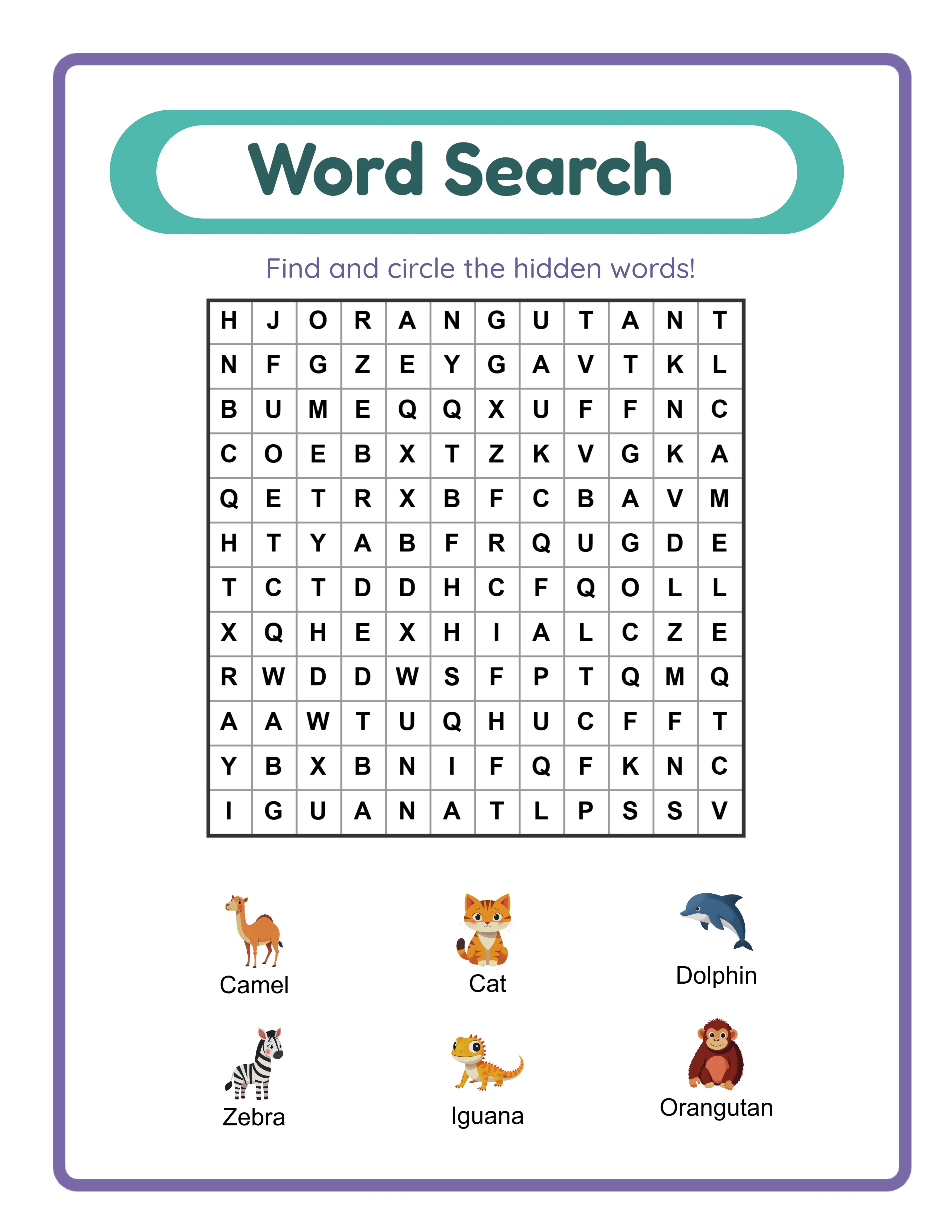
The Three-Tier Pricing Architecture
Every printable shop should have three pricing tiers:
**Tier 1 — Entry Products ($0.99-$2.99):**
Single worksheets or 2-3 page samplers. Purpose: attract first-time buyers, generate reviews, introduce buyers to your brand. Profit margin per sale is low, but these products bring traffic to your shop.
**Tier 2 — Core Products ($4.99-$9.99):**
Themed packs of 10-25 pages. Purpose: your primary revenue driver. Most of your sales should come from this tier. These products balance accessibility with meaningful profit per sale.
**Tier 3 — Premium Products ($12.99-$29.99):**
Mega bundles, complete curricula, multi-theme collections. Purpose: maximize revenue per transaction. Buyers who reach this tier are committed and value-conscious, not price-sensitive.
The architecture works because Tier 1 products introduce buyers who then discover Tier 2 and 3 products in your shop.
Pricing by Product Type
Optimal price ranges for common printable product types:
**Single worksheets:** $1.49-$2.49
Keep low for impulse purchases. These are your review generators.
**Themed packs (10-15 pages):** $4.99-$6.99
Your bread-and-butter product. Most searched, most purchased price range.
**Educational bundles (25-40 pages):** $8.99-$12.99
Positioned as comprehensive practice sets. Include answer keys and instructions.
**Complete curriculum bundles (50-100 pages):** $14.99-$24.99
Positioned as "everything you need for [subject]." Premium price justified by completeness.
**All-in-one mega bundles (100+ pages):** $24.99-$39.99
Your flagship product. Combines multiple subjects or themes. Highest absolute profit per sale.
Bundle Products Sell Better
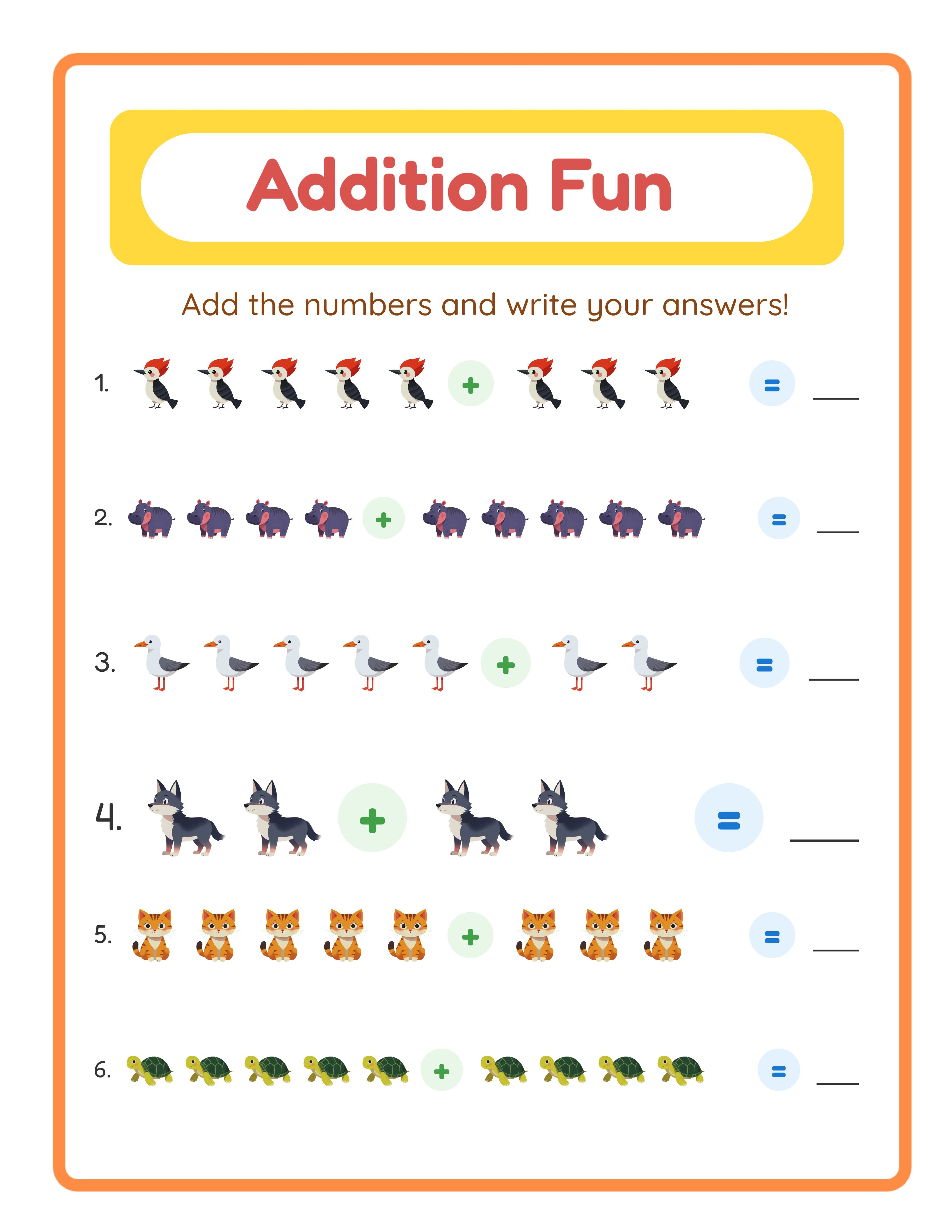
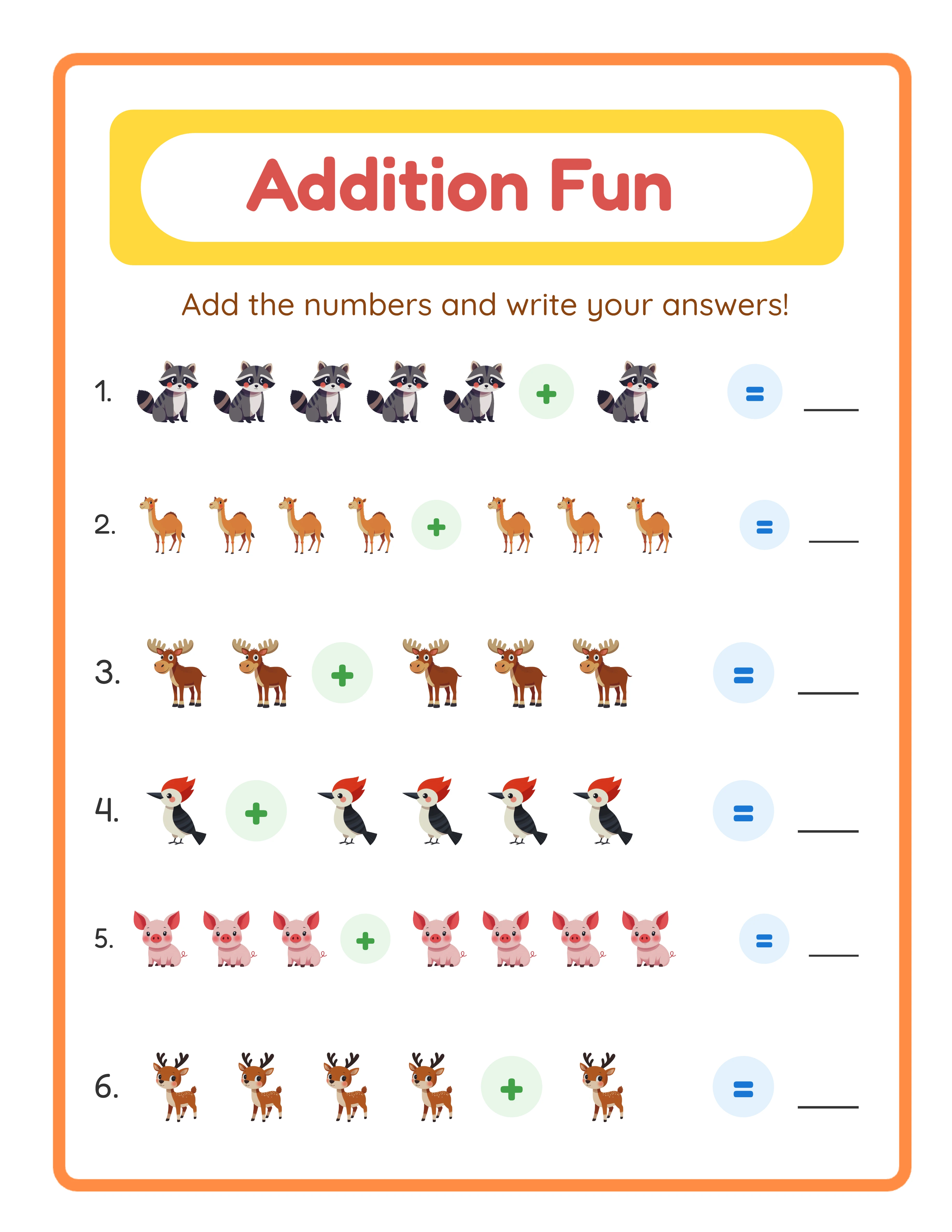
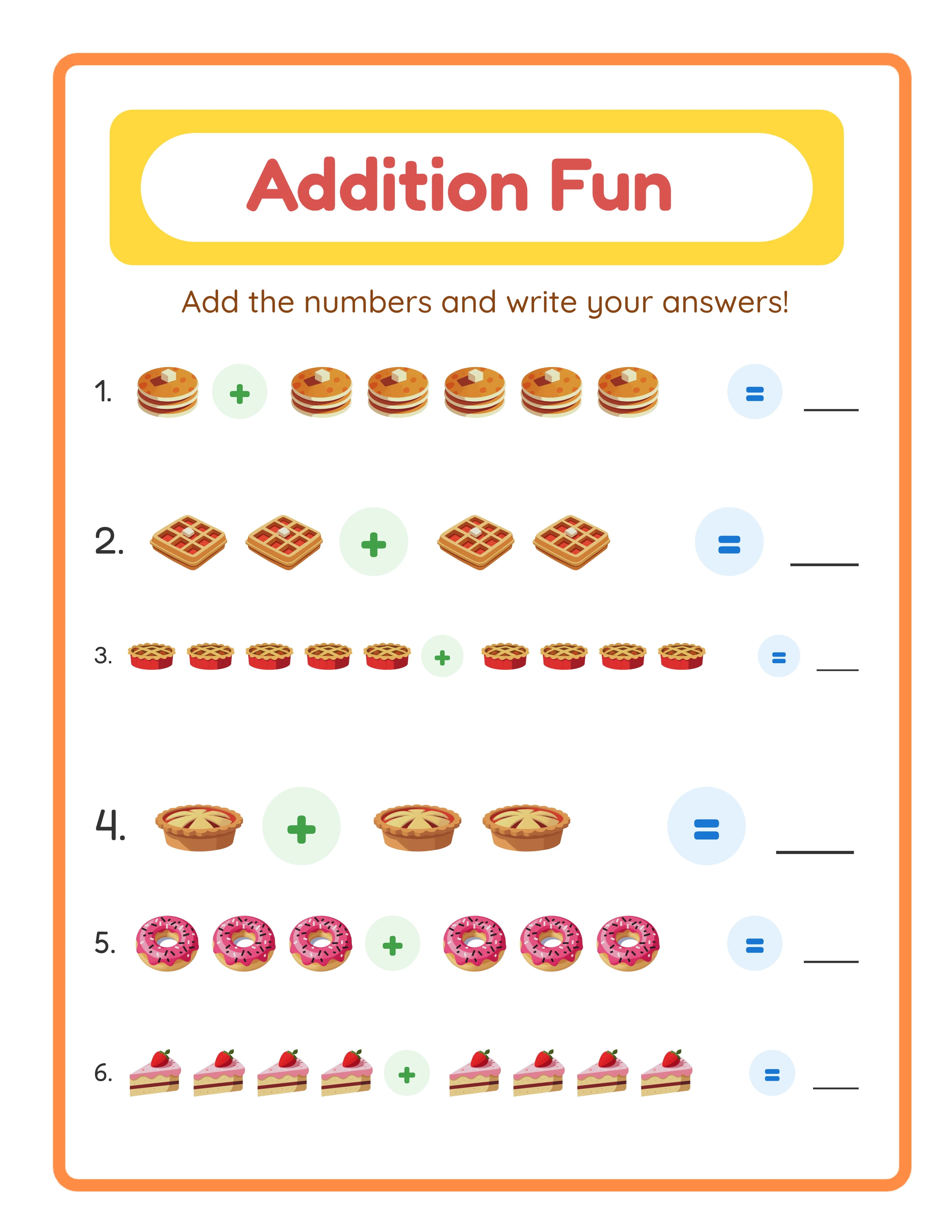
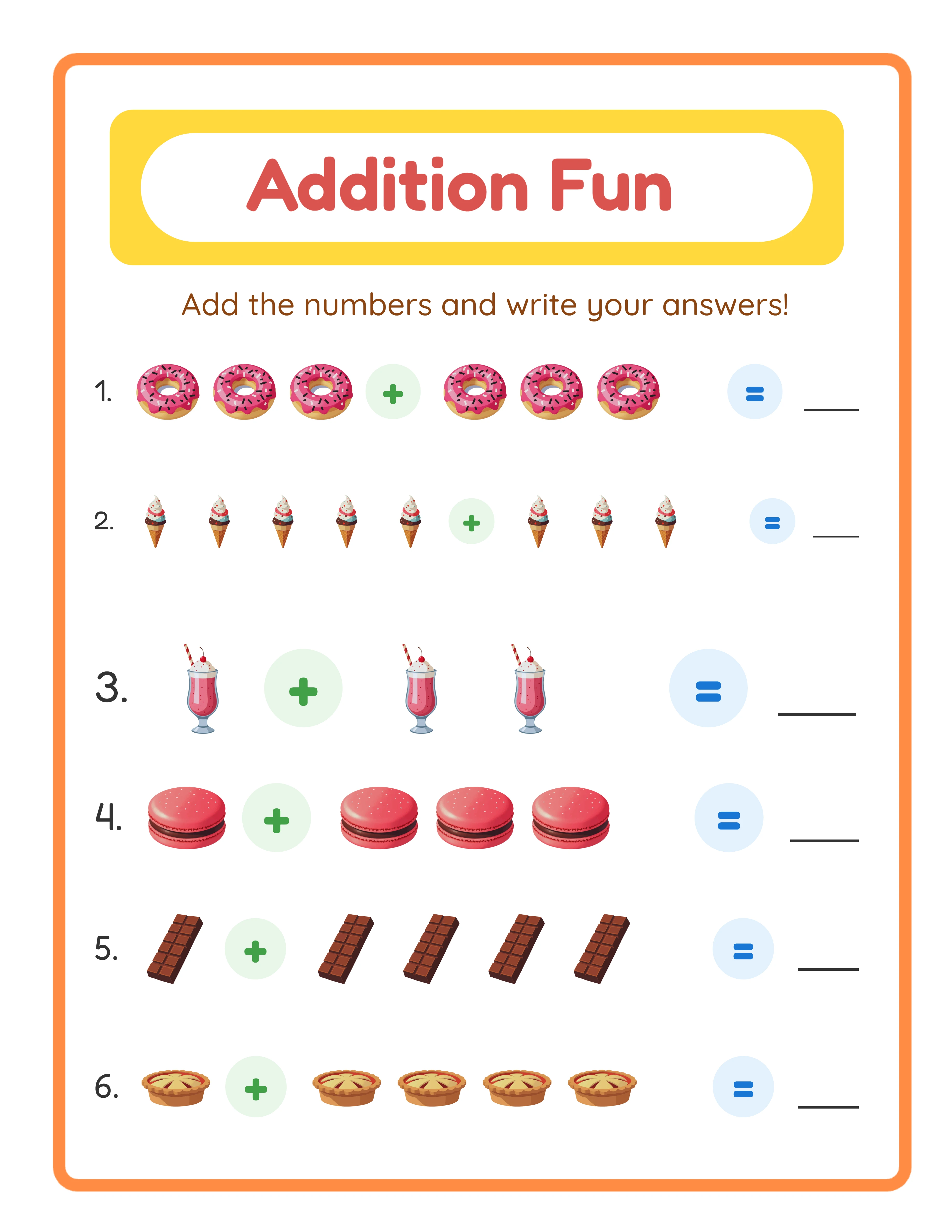
50 Pages
The Anchor Effect: How Bundles Increase Sales
Pricing psychology shows that presenting a high-priced option makes mid-priced options seem more affordable. This is the anchor effect.
In practice:
- Your Tier 3 mega bundle at $24.99 makes your Tier 2 themed pack at $5.99 feel like a bargain
- Buyers who came intending to buy a $2 single worksheet see the $5.99 themed pack and think "that's a much better deal"
- Your $5.99 pack looks affordable BECAUSE the $24.99 option exists
To use this effectively:
1. Pin your mega bundle as your first featured listing
2. Show the "per page" value comparison in your description ("$24.99 for 100 pages = just $0.25/page")
3. Cross-reference your premium bundle in every individual product description
When to Raise Prices
New sellers underprice their products out of fear. Here are the signals that it's time to raise prices:
**Raise prices when:**
- Your conversion rate exceeds 5% consistently (buyers are too eager — your price may be too low)
- You have 50+ five-star reviews (social proof justifies higher prices)
- Competitors with similar quality charge 30-50% more
- Your products sell out within hours of listing (not applicable to digital, but search favorites-to-purchase ratio is similar)
- You're getting consistent daily sales and don't need to attract new buyers with low prices
**How to raise prices safely:**
- Raise by $1-$2 increments, not 50% jumps
- Raise one product category at a time, monitor the impact
- Keep your Tier 1 entry products at low prices (these drive traffic)
- Raise Tier 2 and Tier 3 products where the impact on total revenue is positive
- If conversion drops significantly, you can always adjust back
33 Generators
3,000+ Images
11 Languages
300 DPI Export
Sales and Discounts Strategy
Etsy's promotional tools can drive sales when used strategically:
**Etsy Sales events:**
Participate in Etsy's site-wide sales (spring, summer, Black Friday, Cyber Monday). Offer 15-25% off — not deeper. Printables have high margins, but steep discounts train buyers to wait for sales.
**Bundle discounts:**
Offer quantity discounts: "Buy 2 packs, save 15%." This increases average order value without devaluing individual products.
**New product launch pricing:**
List new products 10-15% below target price for the first 2 weeks to generate early sales and reviews. Then raise to target price.
**Avoid:**
- Permanent deep discounts (>30%) that erode your price authority
- "Free" products on your main shop (use a separate platform for freebies/lead magnets)
- Price wars with competitors (compete on quality and value instead)