Tutorial
1
Research Competitor Pricing on Etsy
Systematic competitor research is the foundation of a sound pricing strategy. Random browsing gives you impressions; structured research gives you data you can act on.
Search Etsy for your primary product type — "addition worksheets printable," "word search puzzles kids," "coloring pages educational" — and record the following for the first 20 results: price, page count, whether an answer key is included, whether multiple page sizes are included (Letter and A4), number of reviews, and the seller's total shop review count. This data reveals the pricing landscape for your specific category.
Organize your research by product format. Single worksheets or very small packs (1 to 5 pages) typically cluster at $1.49 to $2.99. Standard packs (5 to 15 pages) cluster at $2.99 to $5.99. Category bundles (15 to 40 pages) range from $5.99 to $12.99. Mega bundles and complete collections (40 to 100+ pages) range from $12.99 to $29.99. These ranges shift by category — puzzle books and sudoku collections often command higher prices than basic math drill sheets because of perceived entertainment value.
Pay attention to which price points correlate with high review counts. A listing with 500 reviews at $4.99 is telling you something different than a listing with 500 reviews at $12.99. The first is a high-volume traffic product. The second is a high-value conversion product. Both are valid strategies, but they serve different roles in a shop.
Look for pricing gaps — price points where few competitors list products. If the market clusters heavily at $2.99 to $3.99 for individual packs and then jumps to $14.99 for large bundles, the $6.99 to $9.99 range represents an opportunity for mid-tier products that offer more value than a basic pack without the commitment of a mega bundle.
Do not copy competitor prices blindly. Many competitors are underpricing because they made the same mistake you are trying to avoid. Use competitor data to understand the market landscape, then price based on your value and margin calculations.
2
Understand Etsy Fee Math for Digital Products
Etsy charges three separate fees on every digital download sale, and understanding the math is essential for setting prices that actually generate profit.
The listing fee is $0.20 per listing. This is charged when you publish a listing and again each time a listing renews (every 4 months or after a sale if auto-renew is enabled). For high-volume products, this per-listing cost becomes negligible. For new products with few sales, it is a fixed cost to factor in.
The transaction fee is 6.5 percent of the total sale price (including any shipping charges, though digital products have no shipping). This is Etsy's core marketplace fee.
The payment processing fee is 3 percent of the total plus $0.25 per transaction. This covers the credit card or PayPal processing.
Here is what these fees mean at common price points:
At $1.99: listing fee $0.20, transaction fee $0.13, processing fee $0.31. Total fees: $0.64. Your net revenue: $1.35 (68 percent of the list price). At this price, you are giving up nearly a third of every sale to fees.
At $3.99: listing fee $0.20, transaction fee $0.26, processing fee $0.37. Total fees: $0.83. Your net revenue: $3.16 (79 percent).
At $7.99: listing fee $0.20, transaction fee $0.52, processing fee $0.49. Total fees: $1.21. Your net revenue: $6.78 (85 percent).
At $14.99: listing fee $0.20, transaction fee $0.97, processing fee $0.70. Total fees: $1.87. Your net revenue: $13.12 (88 percent).
At $24.99: listing fee $0.20, transaction fee $1.62, processing fee $1.00. Total fees: $2.82. Your net revenue: $22.17 (89 percent).
The pattern is clear: the higher your price point, the higher your percentage retention. A product priced at $1.99 loses 32 percent to fees. A product priced at $24.99 loses only 11 percent. This is why underpricing is more damaging than most sellers realize — low prices do not just mean less revenue per sale, they mean a worse revenue ratio on every sale.
The $0.25 fixed component of the processing fee is particularly important for low-priced products. On a $1.99 sale, that fixed $0.25 represents 12.6 percent of the price by itself. On a $14.99 sale, it represents only 1.7 percent. This fixed fee creates a natural floor below which pricing becomes economically unsustainable.
3
Set Your Base Price by Product Type and Page Count
Different worksheet types carry different perceived value, and page count is the primary anchor buyers use to evaluate whether a price is reasonable.
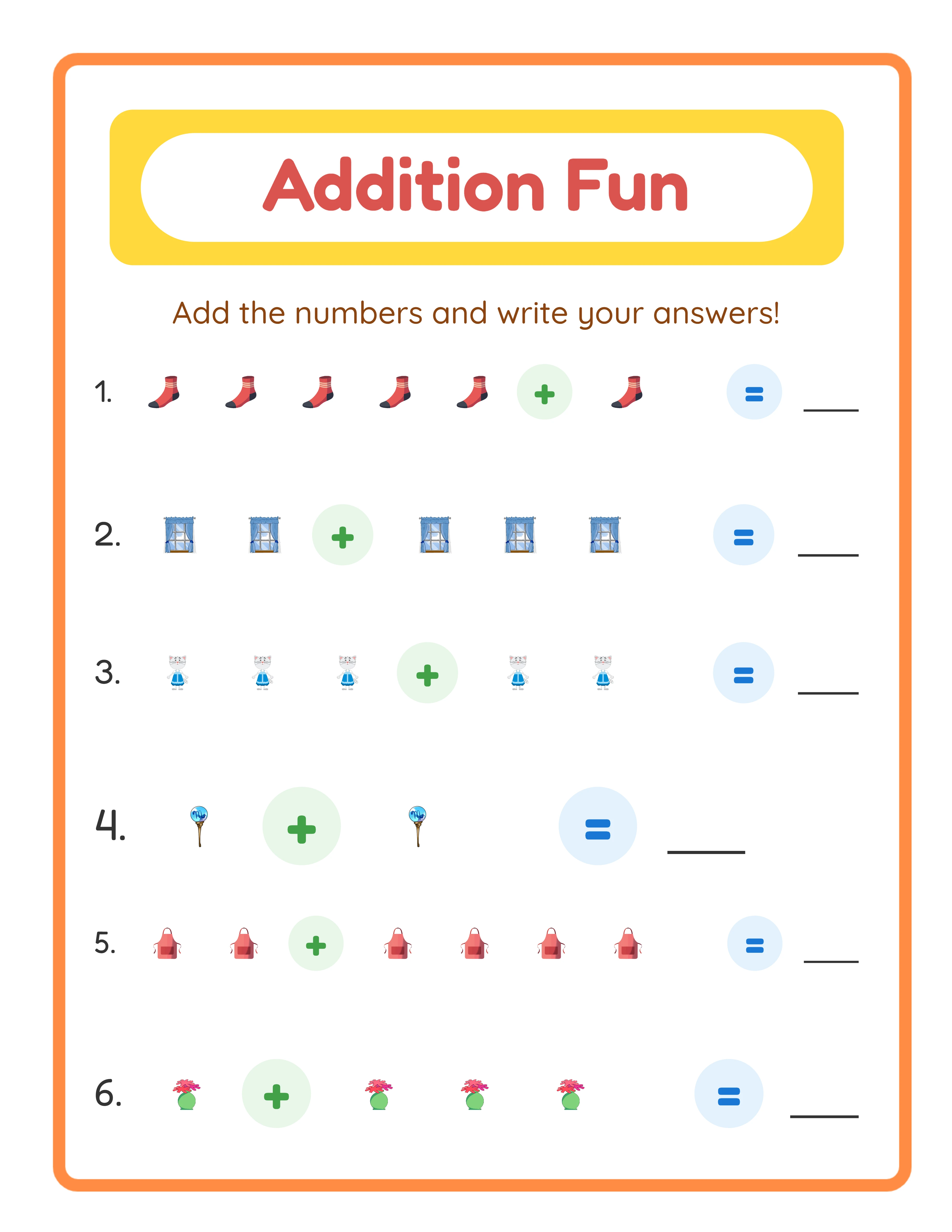
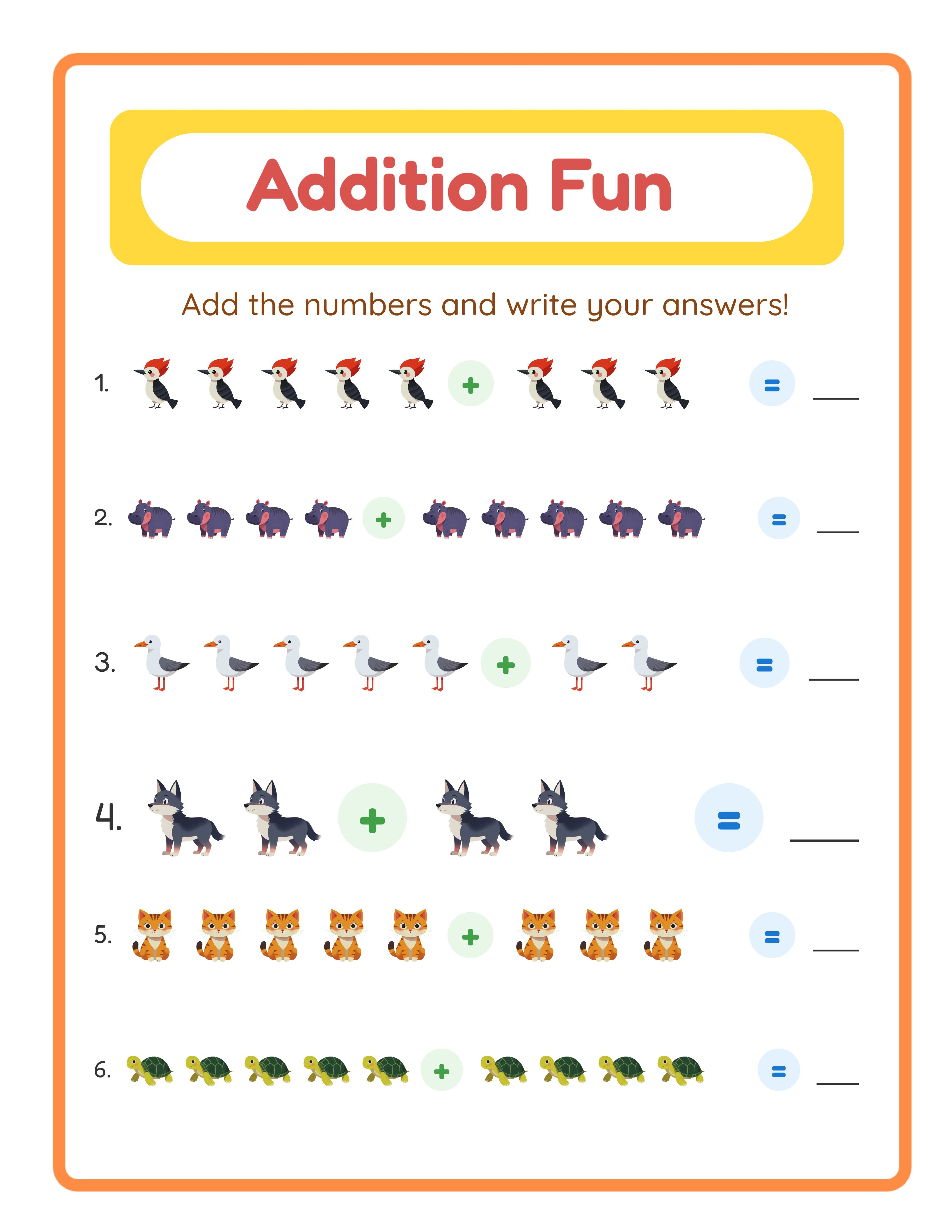
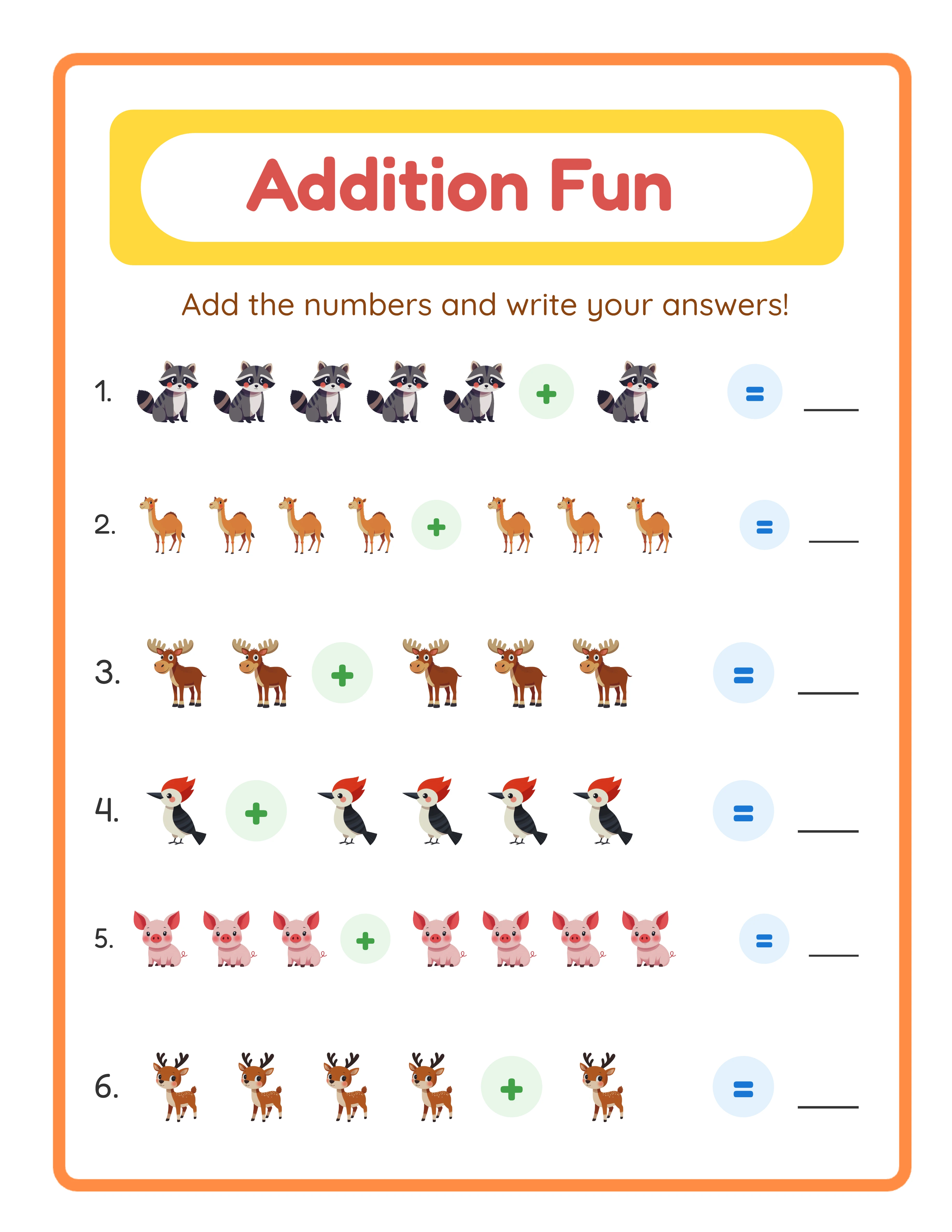
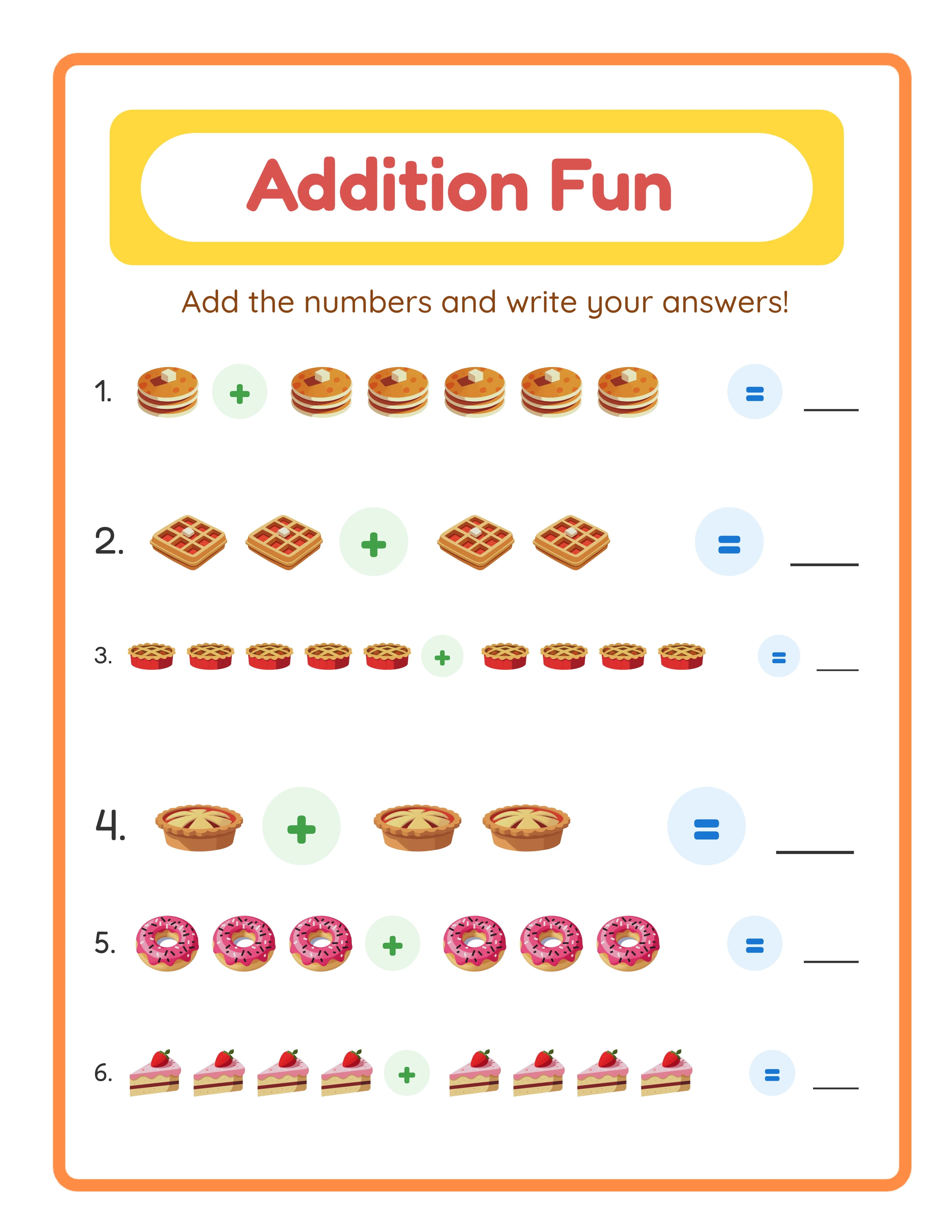
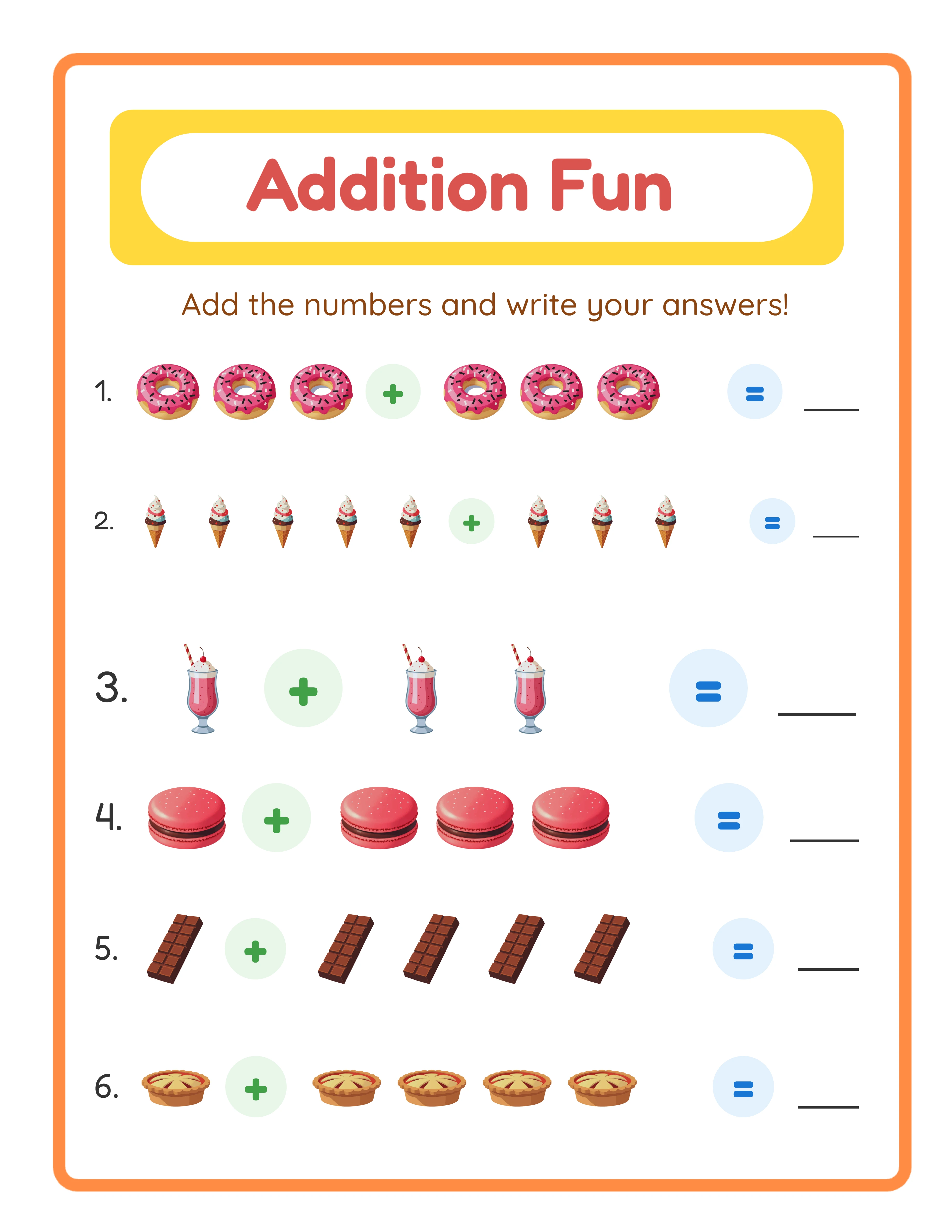
Math worksheets (addition, subtraction, code puzzles, comparison, grid puzzles, number drills): buyers expect 5 to 10 pages for $2.99 to $4.99. Each page contains a complete activity with themed illustrations. Answer keys add perceived value without adding significant production time. Products with image-based problems (using themed illustrations) command higher prices than plain number drills because they look more professional in listing photos and feel more engaging to children.
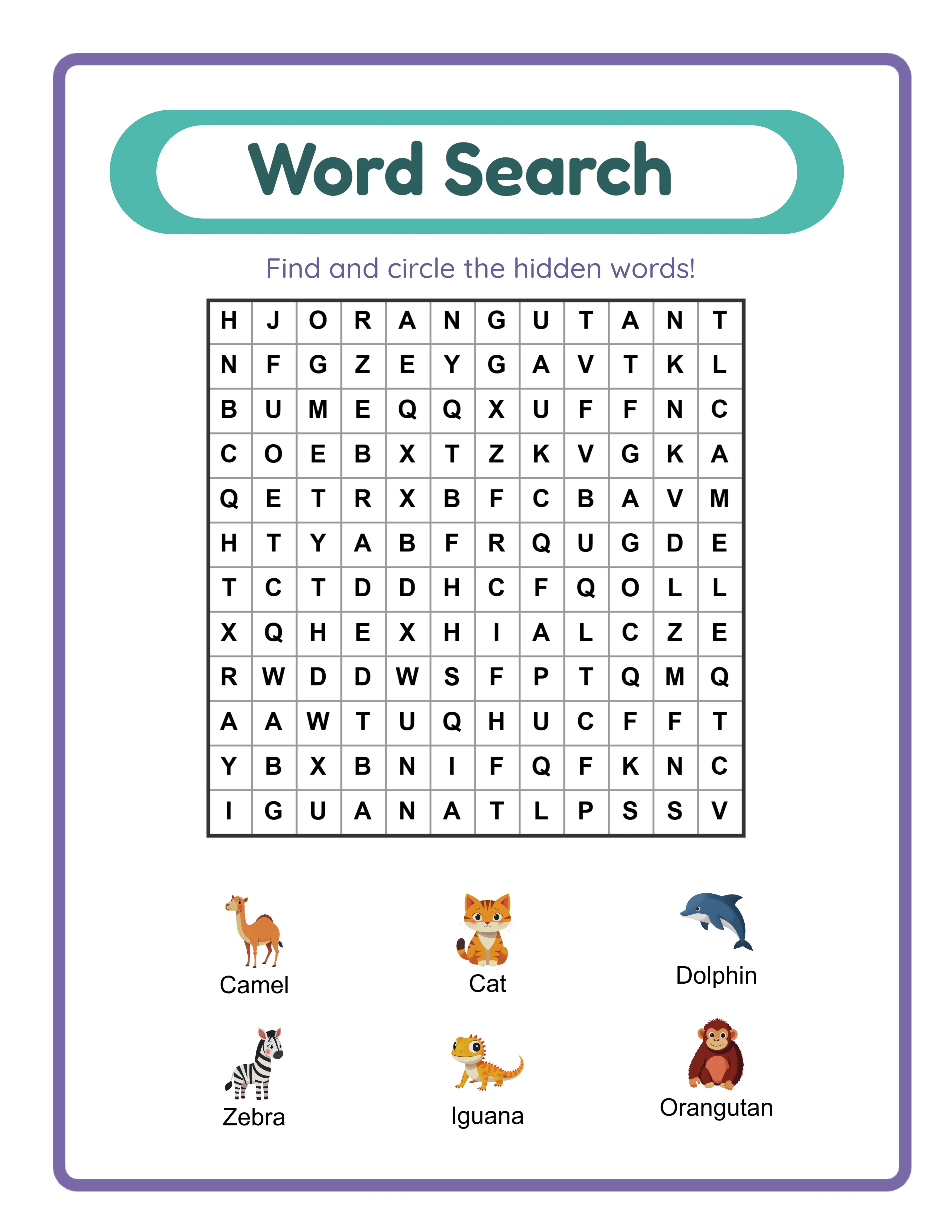
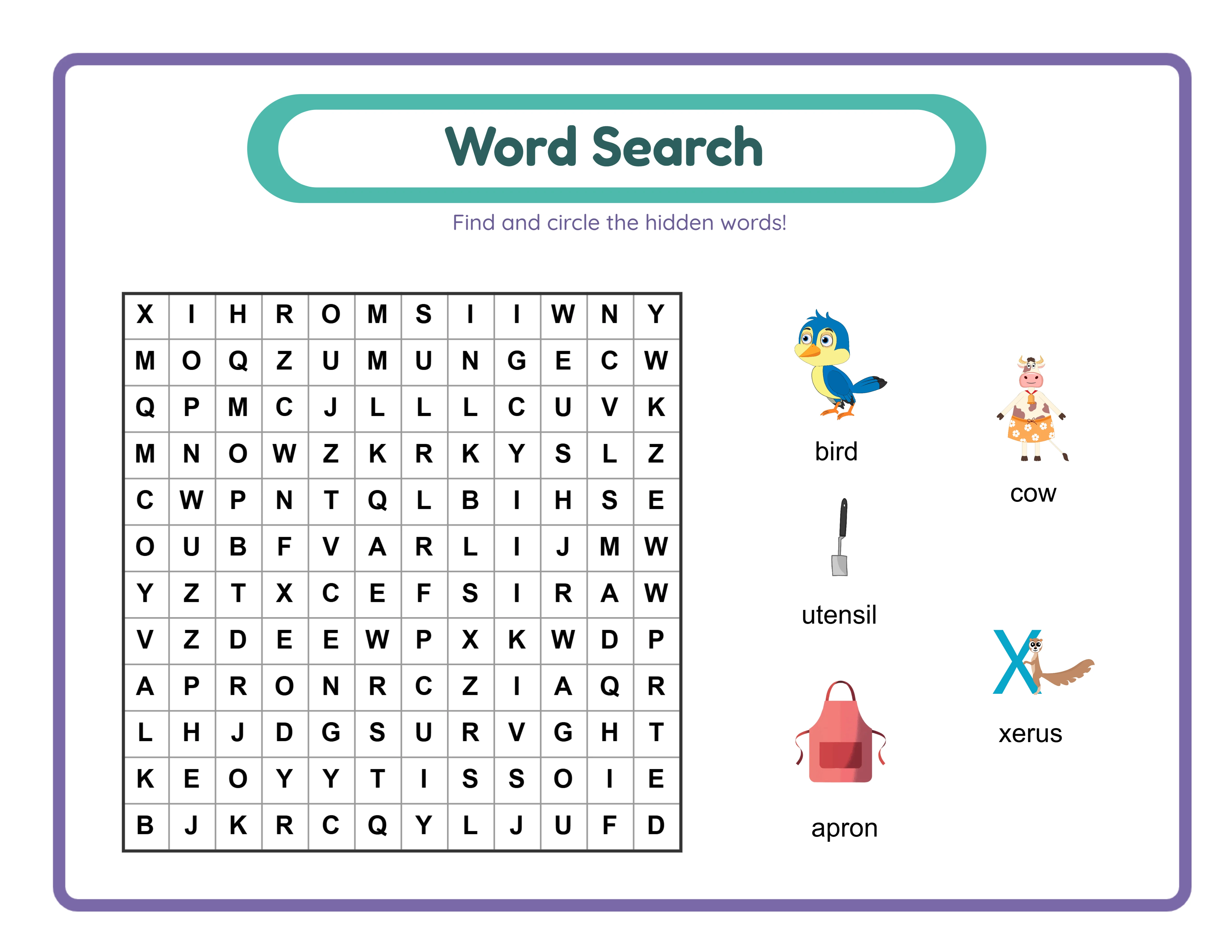
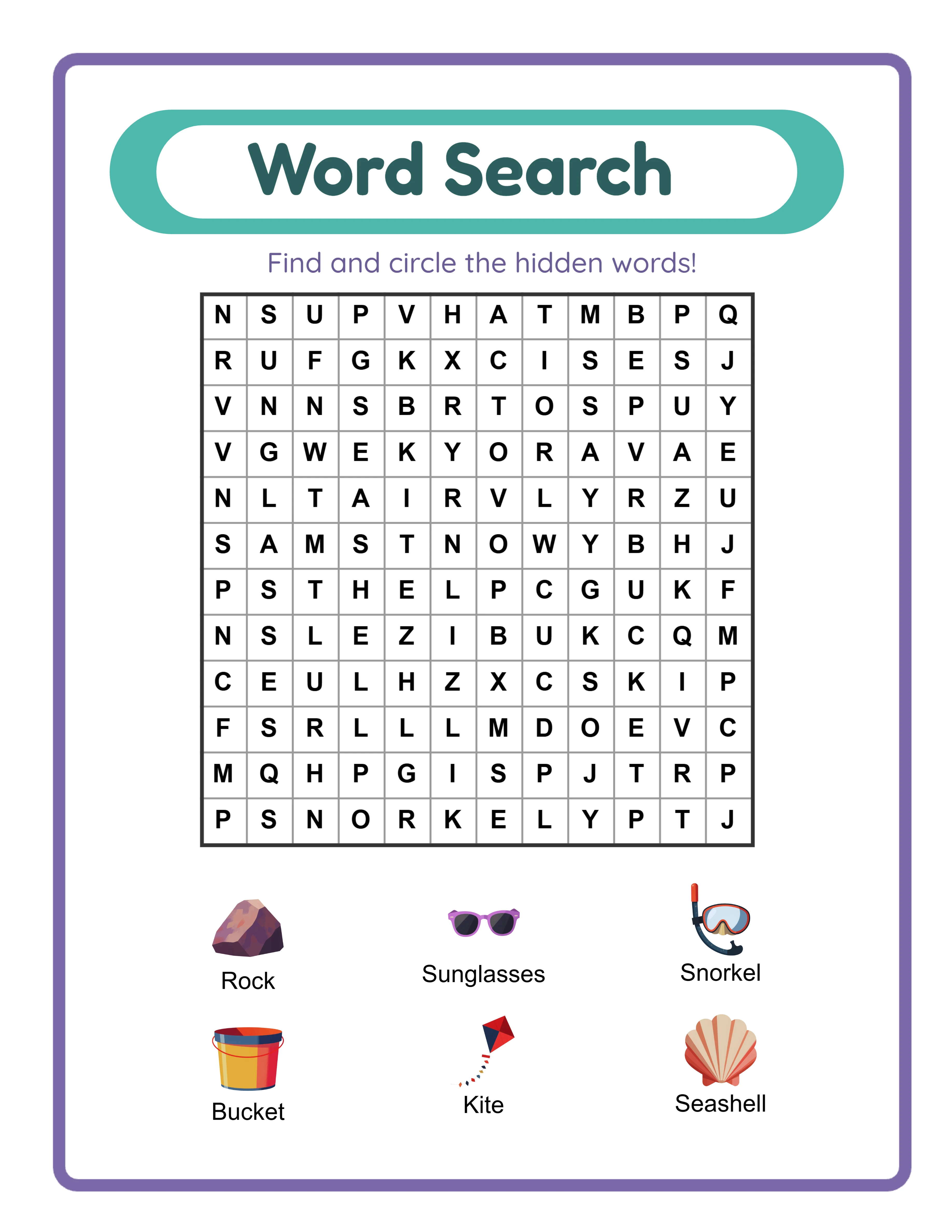
Word search and crossword puzzles: buyers expect 8 to 15 puzzles for $3.99 to $5.99. Puzzle products have higher perceived entertainment value than drill-format worksheets, which supports slightly higher pricing. Multi-language versions justify premium pricing — a "Spanish Word Search Pack" commands the same price as an English version but faces far less competition.
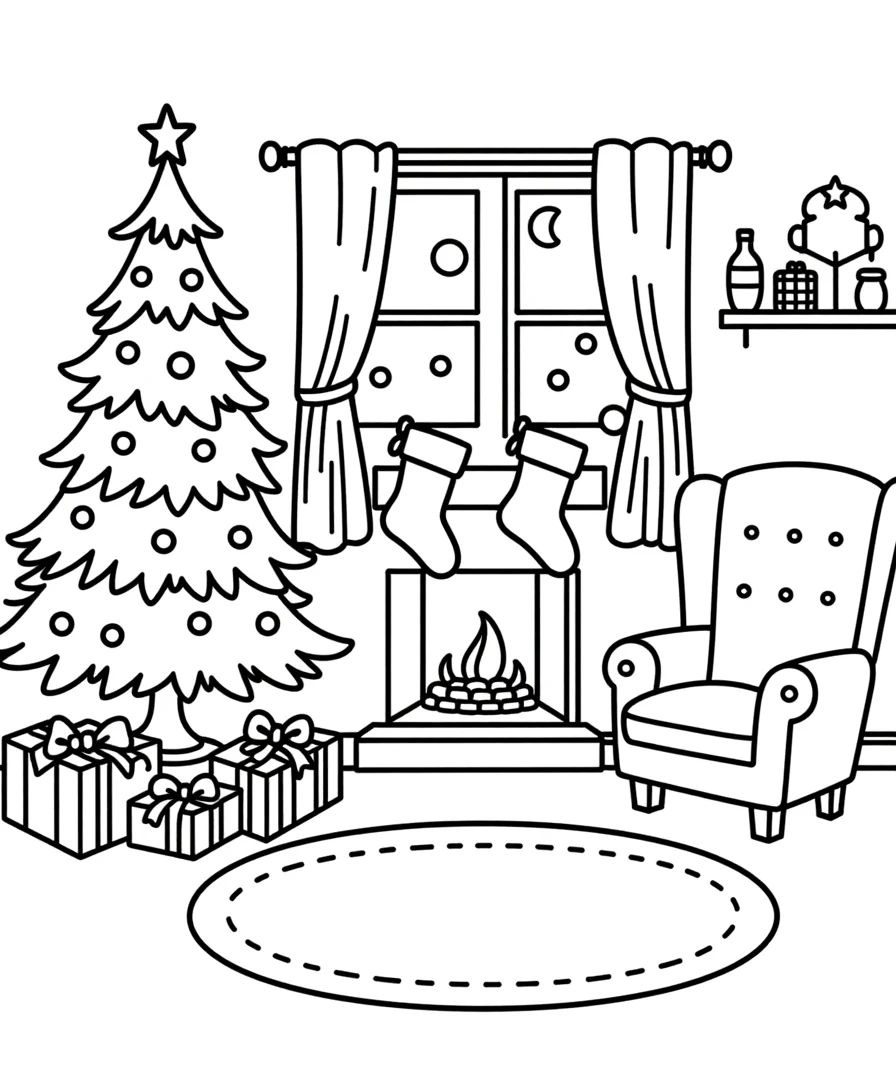
Coloring pages: buyers expect 10 to 20 pages for $2.99 to $4.99. Coloring pages face intense competition because every illustration tool can create them. Differentiation through educational themes (animals with facts, vocabulary-building scenes) justifies premium pricing over generic coloring pages.
Matching and sorting activities (matching worksheets, prepositions, big or small, more or less): buyers expect 8 to 12 pages for $2.99 to $4.99. Early learning products targeting preschool and kindergarten can command slightly higher prices because parents buying for very young children are less price-sensitive and more quality-focused.
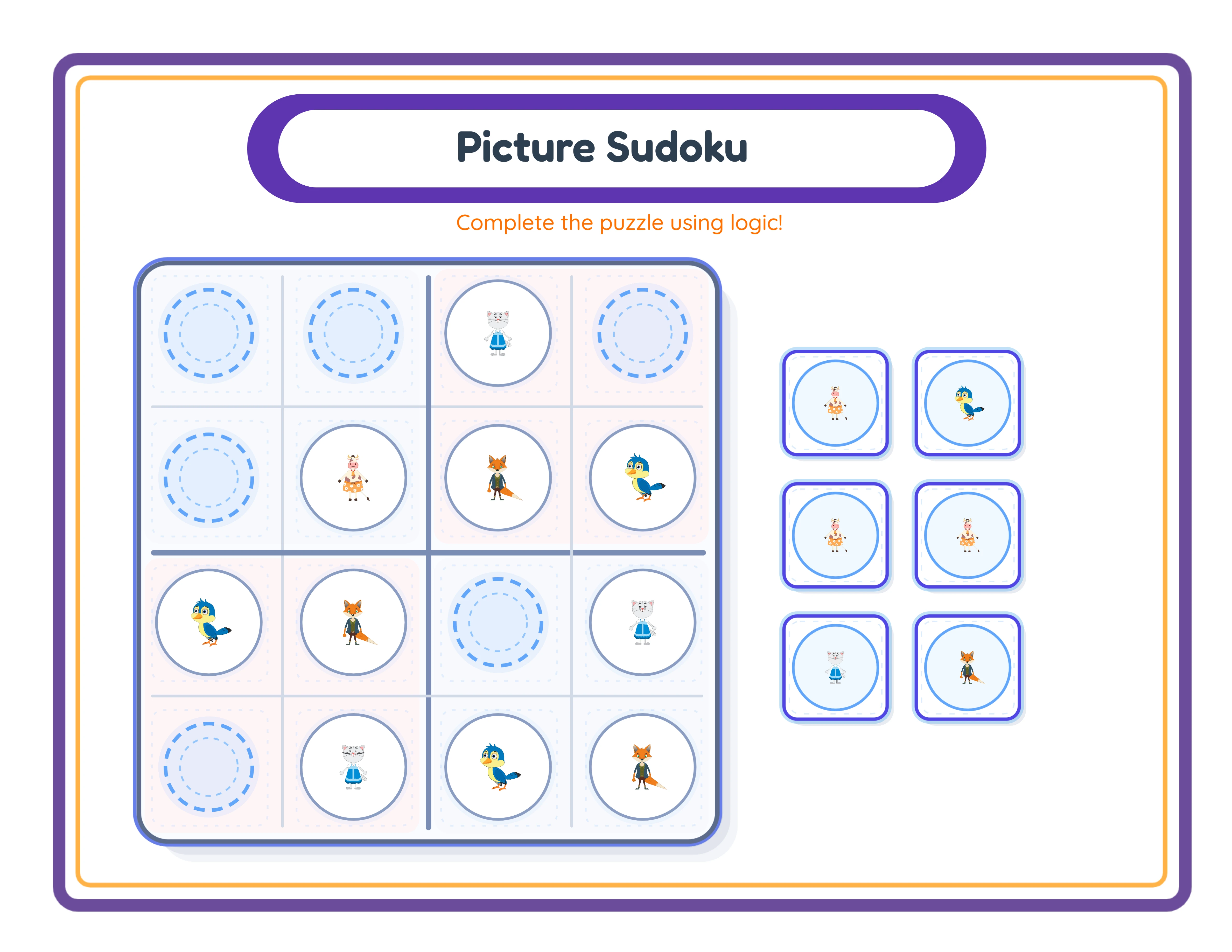
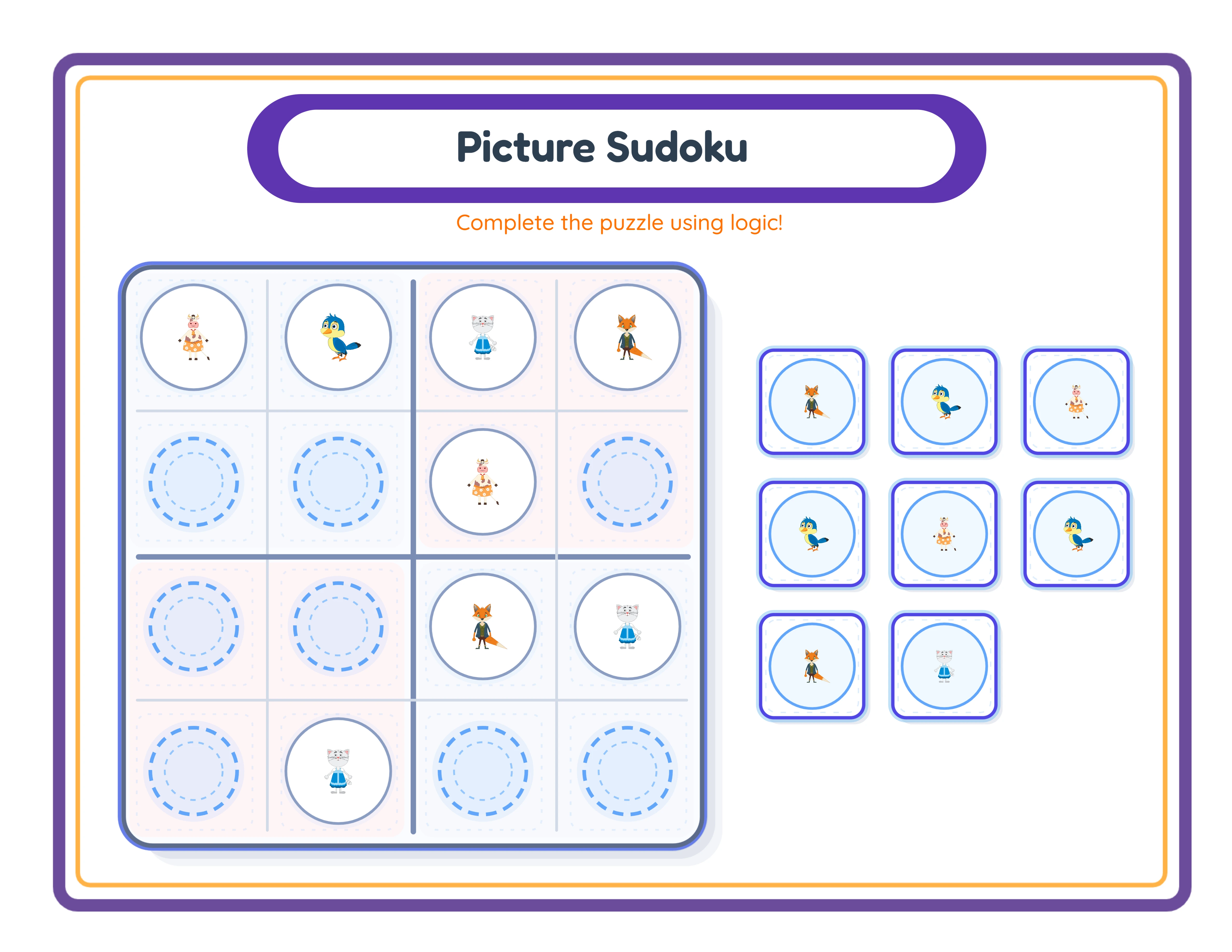
Sudoku and logic puzzles: buyers expect 15 to 30 puzzles for $3.99 to $6.99. Difficulty level significantly affects pricing — a mixed-difficulty sudoku collection (easy through hard with progressive structure) commands a higher price than a single-difficulty pack because it offers longer usage life.
Search-and-find activities (find-and-count, letter spotting, find-the-difference): buyers expect 8 to 15 pages for $3.99 to $5.99. These products have a pricing advantage because their visual complexity signals high production effort, even when generators make them quick to create.
Always include both Letter and A4 page sizes in every product. This costs nothing additional since all generators support both formats, but it nearly eliminates negative reviews from international buyers who cannot print Letter-size pages. More importantly, it lets you honestly state "includes both US Letter and A4 formats" in your listing, which adds perceived value.
4
Build a Three-Tier Pricing Structure
A three-tier pricing structure is the single most effective pricing tactic for Etsy printable sellers. Instead of pricing every product independently, you create three deliberate price levels that serve different buyer types and guide purchase decisions.
Entry tier ($2.99 to $4.99): individual worksheet packs and small theme packs. These products serve two purposes: they attract new buyers with a low commitment purchase, and they rank for specific long-tail search terms that bring traffic to your shop. Example: "Dinosaur Addition Worksheets — 10 Pages with Answer Key" at $3.99. Entry-tier products are your traffic generators. They bring buyers into your shop where they discover your mid-tier and premium offerings.
Mid tier ($6.99 to $12.99): category bundles and multi-theme packs. These products capture buyers who want comprehensive coverage of a single subject or theme. Example: "Complete Addition and Subtraction Pack — 40 Pages, 6 Themes, with Answer Keys" at $9.99. Mid-tier products typically generate the highest total revenue because they balance attractive pricing with meaningful per-sale margins. A buyer who came in through a $3.99 listing and sees a $9.99 bundle that includes the product they were already considering plus 30 additional pages often upgrades.
Premium tier ($14.99 to $29.99): cross-category bundles, grade-level complete packs, and mega collections. These products target buyers with high intent and willingness to pay for comprehensive solutions. Example: "First Grade Complete Learning Bundle — Math, Literacy, Puzzles, and Activities — 100+ Pages" at $22.99. Premium products have the highest per-sale margin and the best fee ratio.
The price ratio between tiers matters. The mid tier should be 2 to 3 times the entry tier price while offering 3 to 5 times the content. The premium tier should be 2 to 3 times the mid tier while offering comprehensive category or grade-level coverage. This ratio creates an obvious value proposition at each step up: the buyer gets disproportionately more content per dollar as they move to higher tiers.
Every listing in your entry tier should reference your mid-tier products in the description. "Love these dinosaur addition worksheets? Get the Complete Math Bundle with 6 themes and 40 pages." Every mid-tier listing should reference your premium bundles. This internal linking guides buyers up your pricing ladder without requiring advertising spend.
The three-tier structure also protects you from price competition. When a competitor undercuts your $3.99 entry product with a $2.49 listing, your overall revenue is minimally affected because your entry tier is a traffic generator, not your primary revenue source. Your margins live in the mid and premium tiers where undercutting is far less common.
5
Price Cross-Category and Grade-Level Bundles
Cross-category bundles and grade-level packs are where pricing strategy becomes most powerful. These products combine content from multiple generators and categories into comprehensive collections that no single-product competitor can match.
The perceived value multiplier is the key concept. When a buyer sees 5 individual worksheet packs at $3.99 each ($19.95 total) combined into a single bundle at $14.99, they perceive a $4.96 savings. But the real psychology runs deeper: the bundle feels like a complete solution rather than a collection of parts. Parents searching for "kindergarten worksheets" or "first grade math pack" want comprehensive coverage, and they will pay a premium for the convenience of a single purchase.
Cost-per-page pricing is the anchor buyers use to evaluate bundle value. If your individual packs offer 10 pages for $3.99 ($0.40 per page), your bundle should offer a lower cost per page. A 50-page bundle at $12.99 works out to $0.26 per page — a 35 percent improvement that is easy to communicate in listing descriptions. A 100-page premium pack at $22.99 is $0.23 per page — an even better ratio that justifies the higher absolute price.
Grade-level bundles command the highest prices because they target a specific, urgent buyer need. A parent searching for "first grade learning pack" is not comparison shopping across product types — they want everything their child needs for that grade in one purchase. Grade-level bundles that combine math worksheets, word activities, coloring pages, matching exercises, and puzzles for a specific grade sell at $19.99 to $29.99 because they represent a complete learning supplement.
Theme bundles cut across categories using a shared visual theme. An "Animal Learning Pack" containing animal addition worksheets, animal word searches, animal coloring pages, and animal matching activities appeals to a different search pattern than grade-level bundles. Theme bundles typically price at $12.99 to $19.99 — lower than grade-level bundles because the buyer need is less urgent, but higher than single-category bundles because of the cross-category variety.
Seasonal bundles have a narrow sales window but high per-unit revenue. A "Halloween Learning Pack" or "Back-to-School Bundle" that combines seasonal products from 3 to 4 categories sells at $14.99 to $19.99 during peak season. Price seasonal bundles at a slight premium over comparable evergreen bundles because seasonal buyers face time pressure and are less likely to comparison shop.
Never price a bundle below the sum of its two most expensive components. If the bundle includes products individually priced at $4.99 and $3.99, the bundle price should be at minimum $8.98 and ideally $9.99 or higher. Pricing below the sum of just two components devalues all your individual products and trains buyers to wait for bundles rather than purchasing individual packs.
6
Use Etsy Sales and Coupons Strategically
Etsy provides built-in tools for running sales and distributing coupons. Used strategically, these tools increase conversion rates and repeat purchases. Used carelessly, they erode your margins and train buyers to expect discounts.
Sitewide sales (Etsy Sales and Coupons tool): Etsy lets you run shop-wide percentage discounts that display as crossed-out prices on your listings. The crossed-out price format is powerful — buyers see the original price alongside the sale price, creating an immediate value perception. Run sitewide sales during 3 to 4 strategic windows per year: back-to-school season (July to August), Black Friday and Cyber Monday (November), New Year (January), and one additional sale timed to your shop's data (when your conversion rate historically dips).
Keep sale discounts between 15 and 25 percent. Discounts below 15 percent do not feel significant enough to drive action. Discounts above 25 percent undermine your price credibility and cut too deeply into margins. A 20 percent sale on a $9.99 bundle brings the price to $7.99 — still above your floor and compelling to buyers on the fence.
Thank-you coupons: Etsy lets you automatically send coupons to buyers after their purchase. Set a 15 percent thank-you coupon with a 30-day expiration. This converts one-time buyers into repeat customers without requiring any manual effort. The coupon targets buyers who already trust your products — the highest-converting audience for any promotion.
Abandoned cart coupons: Etsy can send automatic coupons to shoppers who favorited your listing but did not purchase. Set a 10 to 15 percent abandoned cart coupon. These target buyers who already expressed interest and may need a small nudge to complete their purchase.
Establish a floor price for every product tier — the minimum price below which you will never discount, even during sales. For entry-tier products, the floor should be no lower than $2.49 (below which Etsy fees consume an unsustainable percentage). For mid-tier products, the floor should maintain at least a 75 percent net revenue ratio after fees. For premium products, the floor should be no lower than 70 percent of the regular price.
Never run sales continuously. Permanent sales train buyers to ignore your regular prices entirely and wait for "real" discounts. Limit sales to specific calendar windows and end them on schedule. The scarcity of time-limited discounts is what makes them effective.
7
Adjust Pricing for International Buyers
Etsy serves a global buyer base, and your pricing strategy should account for international purchasing patterns. Digital products like printable worksheets have a natural advantage here: there are no shipping costs, no customs fees, and instant delivery regardless of the buyer's location.
Etsy automatically displays prices in each buyer's local currency based on their account settings. A product listed at $4.99 USD appears as approximately £3.95, €4.60, or A$7.50 to buyers in those markets. You do not need to create separate listings for different currencies — Etsy handles the conversion. However, you should be aware of how your prices translate. A price that feels like a natural rounding point in USD ($4.99) may translate to an awkward number in another currency (€4.61), which can feel less polished.
Page size inclusion is the most important international pricing consideration for printable worksheets. Including both US Letter and A4 formats in every download is non-negotiable for international sales. Buyers outside the United States, Canada, and Mexico use A4 paper almost universally. A listing that only includes Letter-size worksheets effectively excludes international buyers — or worse, results in negative reviews when worksheets do not print correctly on A4 paper. All generators support both formats, so include both in every product at no additional production cost.
Language-sensitive products (word searches, crosswords, alphabet activities, word guessing games) have a unique pricing opportunity in international markets. A Spanish word search pack, a French crossword collection, or a German alphabet activity set faces far less competition than the English equivalent. The reduced competition in non-English language markets supports pricing at or slightly above your English product prices, despite potentially lower search volume. A $4.99 English word search competes with thousands of similar listings. A $4.99 German word search competes with dozens.
Do not create separate listings for different page sizes or bundle Letter and A4 as separate products. This splits your review count and listing authority. A single listing containing both formats serves all markets and concentrates your reviews on one listing, which improves search ranking globally.
8
Test and Optimize Prices Over Time
Pricing is not a set-and-forget decision. Etsy provides analytics that let you measure the impact of price changes and optimize over time.
Etsy Stats shows you views, visits, favorites, and orders for each listing over time. The key metric for price optimization is conversion rate: the percentage of visits that result in a purchase. A listing with 100 visits and 3 sales has a 3 percent conversion rate. A listing with 100 visits and 5 sales has a 5 percent conversion rate.
When to raise prices: if a listing has a conversion rate above 4 to 5 percent, it may be underpriced. Buyers are purchasing at a rate that suggests price is not a barrier. Test a modest increase ($1 to $2) and monitor whether conversion rate drops, stays stable, or barely changes. If conversion drops by less than the percentage price increase, the higher price generates more total revenue. For example, if you raise a price from $4.99 to $5.99 (a 20 percent increase) and conversion drops from 5 percent to 4.5 percent (a 10 percent drop), your revenue per 100 visits went from $24.95 to $26.96 — a net improvement.
When to lower prices: if a listing has strong view counts but a conversion rate below 1.5 percent after 30 or more days, price may be a barrier. But before lowering the price, check your listing photos and description first — low conversion with high views more often indicates a listing quality issue than a pricing issue. If listing quality is strong and conversion remains low, test a modest decrease and monitor the impact.
Seasonal price adjustments: raise prices on seasonal products during their peak window when demand is highest. Back-to-school bundles in August can sustain prices 15 to 20 percent higher than the same products in February. Holiday-themed products in November and December support premium pricing because buyer urgency reduces price sensitivity.
Track price changes in a simple spreadsheet: date, product, old price, new price, conversion rate before and after. This data accumulates into a pricing playbook specific to your shop and product categories. After 6 to 12 months, you will have empirical evidence for optimal price points in each category and tier.
Avoid making multiple pricing changes simultaneously. If you raise prices on 10 listings at once, you cannot isolate which changes helped and which hurt. Change prices on 1 to 2 listings at a time, give each change 2 to 4 weeks of data, and then apply successful adjustments to similar products.





.webp)