Step 1: Use Etsy's Search Bar for Free Keyword Discovery
The best keyword research tool for Etsy is Etsy itself. The autocomplete suggestions in the search bar are real searches from real buyers.
**How to mine Etsy autocomplete:**
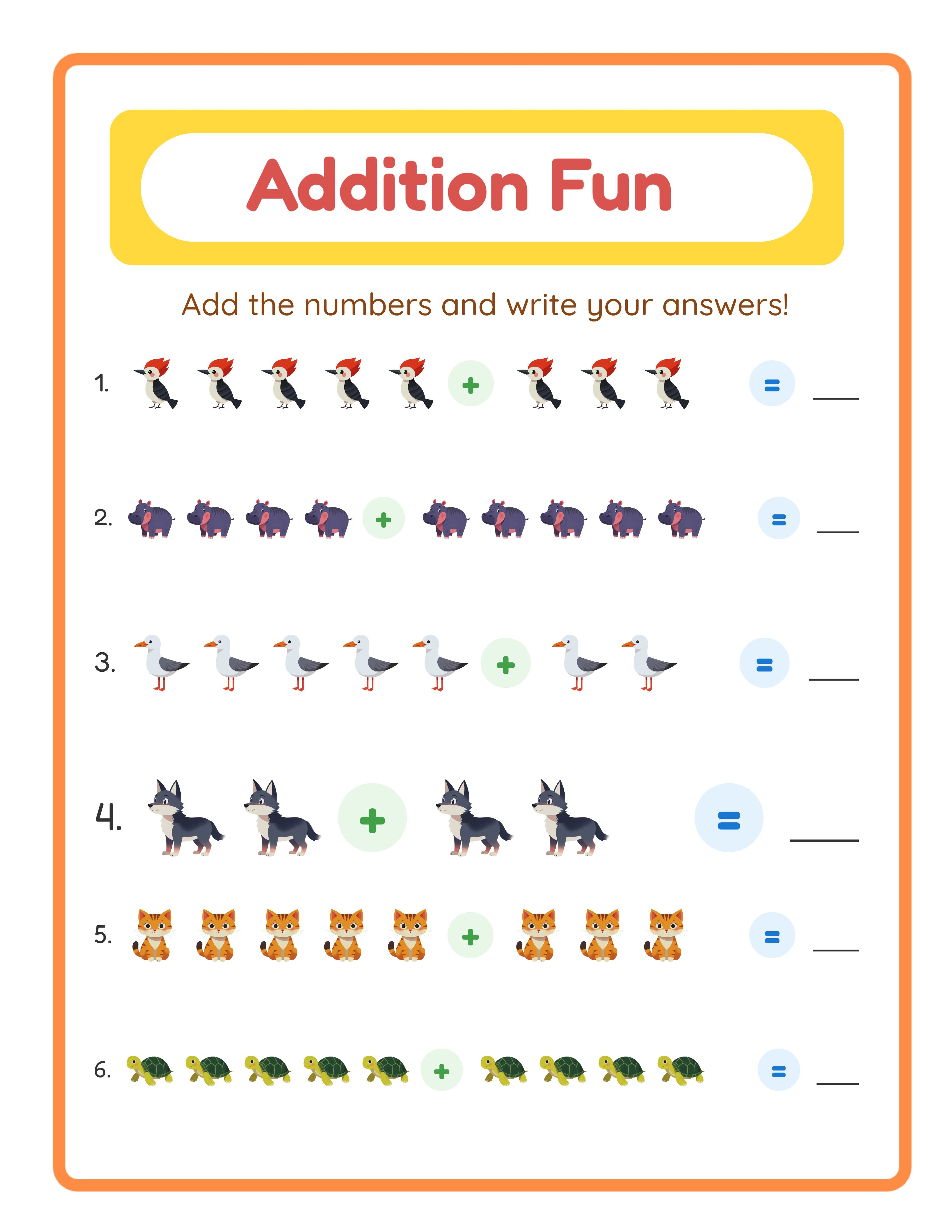
1. Go to Etsy.com and type your product base term: "addition worksheets"
2. Note every autocomplete suggestion — these are high-volume searches
3. Add modifiers one at a time: "addition worksheets k" → "addition worksheets kindergarten"
4. Try different starters: "math worksheets," "printable worksheets," "homeschool math"
5. Record everything in a spreadsheet
**Example autocomplete results for "addition worksheets":**
- addition worksheets kindergarten
- addition worksheets first grade
- addition worksheets with pictures
- addition worksheets printable
- addition worksheets for kids
- addition worksheets bundle
- addition worksheets with answer key
Each of these is a confirmed search term that real buyers use. Target them in your listing titles and tags.
**Bonus technique:** Search your term on Etsy, then scroll to the bottom of the results page. Etsy shows "Related searches" — these are additional keyword ideas directly from the algorithm.
Spend 20-30 minutes on this step per product category. You will generate 50-100 keyword ideas from Etsy autocomplete alone — enough to optimize 5-10 listings.
Step 2: Analyze Competition for Each Keyword
Not all keywords are worth targeting. You want phrases with high demand (many searches) and manageable competition (not too many listings).
**How to assess competition:**
1. Search your keyword on Etsy
2. Note the number of results (shown at the top: "X results")
3. Check the first page of results:
- How many reviews do top listings have?
- How many are from shops with 1,000+ sales?
- Are there any listings with under 100 reviews on page 1?
**Competition tiers:**
- **Low competition (target these first):** Under 10,000 results, some page-1 listings have under 100 reviews
- **Medium competition:** 10,000-50,000 results, page 1 dominated by established sellers but with gaps
- **High competition (avoid initially):** Over 50,000 results, page 1 is all 5,000+ review shops
**Example keyword analysis:**
- "addition worksheets" → 85,000 results → Too competitive for a new shop
- "dinosaur addition worksheets kindergarten" → 2,400 results → Excellent opportunity
- "animal math worksheets bundle with answer keys" → 800 results → Low competition, high intent
Long-tail keywords (4-7 words) almost always have lower competition and higher purchase intent. A buyer searching "dinosaur addition worksheets kindergarten printable" knows exactly what they want and is ready to buy.
Step 3: Place Keywords in the Right Locations
Etsy indexes keywords from specific locations in your listing. Place your best keywords in all of these:
**1. Title (most important):**
- Front-load your primary keyword: "Dinosaur Addition Worksheets | Kindergarten Math | Printable PDF with Answer Keys"
- Use pipes (|) or dashes (-) to separate keyword phrases
- Etsy reads every word in your title as a potential keyword
- Maximum 140 characters — use all of them
**2. Tags (13 available — use all 13):**
- Each tag can be up to 20 characters
- Use multi-word phrases, not single words: "dinosaur math" not "dinosaur"
- Do not repeat words already in your title — use different variations
- Include seasonal terms when relevant: "back to school math"
**3. Description (first 40 words matter most):**
- Etsy indexes your description text for search
- Place your primary keyword in the first sentence naturally
- Avoid keyword stuffing — write for humans, not algorithms
- The rest of the description should inform and sell, not repeat keywords
**4. Categories and attributes:**
- Select the most specific category available
- Fill in every attribute Etsy offers (age group, occasion, etc.)
- These filter results — a buyer who filters by "kindergarten" will only see listings with that attribute
**Common mistake:** Using all 13 tags for single words like "math," "worksheets," "printable." These are too broad and face massive competition. Use specific phrases: "kindergarten math worksheets," "addition printable PDF," "math with answer keys."
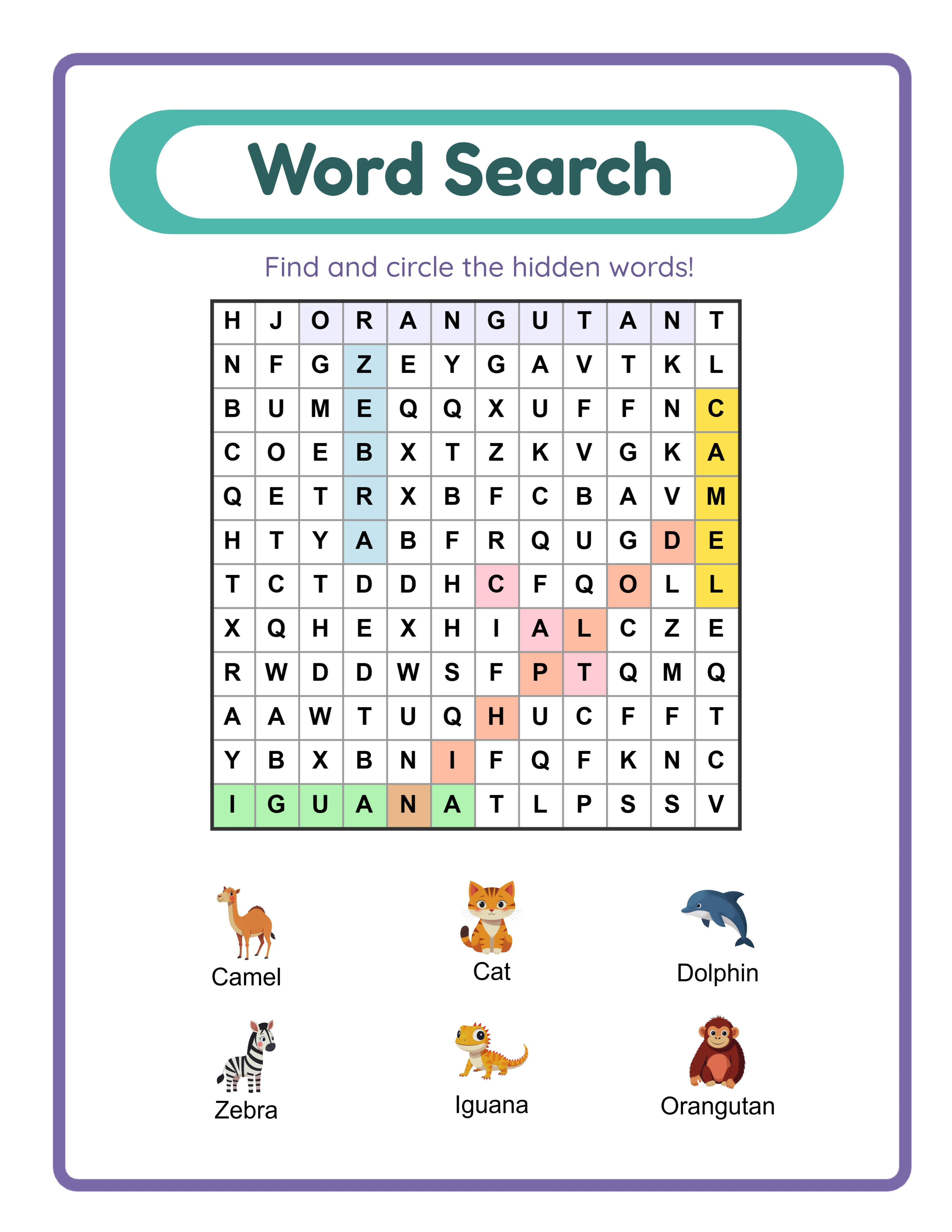
Every Worksheet Includes an Answer Key
Step 4: Build a Keyword Map for Your Entire Shop
A keyword map prevents your own listings from competing against each other for the same search terms.
**Create a spreadsheet with these columns:**
- Listing name
- Primary keyword (the main phrase this listing targets)
- Secondary keywords (3-4 supporting phrases)
- Tags used (all 13)
- Monthly search volume estimate (relative: high/medium/low)
**Rules for keyword mapping:**
1. Each listing targets a unique primary keyword — no duplicates
2. Secondary keywords can overlap slightly between related listings
3. Each tag should appear in no more than 2-3 listings across your shop
4. Group related products into categories with complementary (not competing) keywords
**Example keyword map for a math worksheet shop:**
- Listing 1: "dinosaur addition worksheets kindergarten" (primary)
- Listing 2: "ocean animal math worksheets first grade" (primary)
- Listing 3: "farm animal subtraction worksheets" (primary)
- Listing 4: "animal math worksheet bundle all grades" (primary — bundles target "bundle" keywords)
Each listing targets a different combination of theme + activity + age. They appear in different search results and serve different buyers.
**Maintenance:** Update your keyword map when adding new listings and quarterly audit existing listings for keyword performance using Etsy Stats.
Step 5: Monitor Performance and Iterate
Keyword research is not a one-time task. Monitor which keywords drive traffic and sales, then double down on what works.
**Etsy Stats (free, built-in):**
- Go to Shop Manager → Stats → Keywords
- See exactly which search terms brought visitors to your listings
- Identify keywords that drive views but few sales (listing needs improvement)
- Identify keywords that drive sales (create more products targeting similar terms)
**What to track monthly:**
- Top 10 keywords by views
- Top 10 keywords by sales (these matter more than views)
- Keywords with high views but low sales (optimize listing photos and description)
- Keywords with high sales but low views (create more products targeting these terms)
**Optimization cycle (monthly):**
1. Check Etsy Stats for top-performing keywords
2. Identify underperforming listings (views but no sales)
3. Update tags on underperformers with better-performing keyword variations
4. Create new listings targeting high-performing keywords you discovered
5. Retire or rework listings that have zero views after 90 days
**Seasonal keyword adjustments:**
- August-September: Add "back to school" to relevant tags
- October: Add "Halloween" to themed listings
- November-December: Add "Christmas gift," "stocking stuffer"
- January: Add "New Year," "winter break activities"
Swap seasonal tags in and out as seasons change. This keeps your listings relevant to current search trends without creating entirely new products.