Tutorial
1
Understand How Etsy Search Works for Digital Products
Etsy's search engine uses a two-phase process to display results. First, it identifies listings that match the buyer's query (query matching). Then, it ranks those matching listings by relevance and quality (ranking). Understanding both phases helps you optimize effectively.
**Query Matching:** Etsy checks your listing title, tags, categories, and attributes against the buyer's search terms. If a buyer searches "addition worksheets for kindergarten," Etsy looks for listings where those words appear in the title or tags. Exact phrase matches carry more weight than scattered individual words. Multi-word tags like "addition worksheets" match that exact phrase, while single-word tags only match when combined with other signals.
**Listing Quality Score:** After matching, Etsy ranks results using a quality score based on historical performance. Listings with higher click-through rates, more favorites, and stronger conversion rates rank higher. For new listings, Etsy provides a temporary boost to test performance — this is your window to prove the listing deserves ongoing visibility.
**Recency Factor:** Etsy gives newly listed and recently renewed listings a small ranking boost. This is why some sellers renew listings strategically during peak shopping hours. For digital products, this effect is smaller than for physical goods, but it still exists.
**Digital Product Differences:** Unlike physical products, digital downloads have no shipping relevance score (a significant Etsy ranking factor). This means your listing quality score, keyword relevance, and shop quality carry even more weight. The good news: you compete only against other digital sellers on these factors, not against physical product sellers with shipping advantages.
**Shop Quality Score:** Etsy evaluates your entire shop's performance — complete listings, clear policies, positive reviews, and consistent sales activity. A shop with strong fundamentals gives every listing a baseline ranking advantage.
2
Research Keywords for Educational Printable Categories
Keyword research is the foundation of Etsy SEO. Before writing a single title or tag, you need to know exactly what buyers type when searching for products like yours. There are three reliable methods for finding these terms.
**Method 1: Etsy Search Bar Autocomplete.** Type the beginning of a keyword into Etsy's search bar and observe the suggestions. These are real buyer search terms sorted by popularity. For example, typing "math worksheets" might suggest "math worksheets for kindergarten," "math worksheets printable," and "math worksheets for 1st grade." Each suggestion represents actual buyer demand. Try variations: "addition," "addition worksheets," "addition practice," "addition for kids." Record every relevant suggestion.
**Method 2: Competitor Tag Analysis.** Open top-ranking listings in your category and scroll to the bottom. Etsy displays the listing's tags below related searches. Studying which tags successful competitors use reveals proven keyword combinations. Look for patterns across multiple top sellers — if five out of ten competitors use "printable math activities," that tag has demonstrated value.
**Method 3: Etsy Stats Search Terms Report.** If you already have active listings, your Etsy Stats dashboard shows which search terms brought visitors to your shop. This data reveals terms you might not have considered. Pay special attention to search terms with high impressions but low clicks — these indicate keywords where you appear in results but your listing photo or title needs improvement.
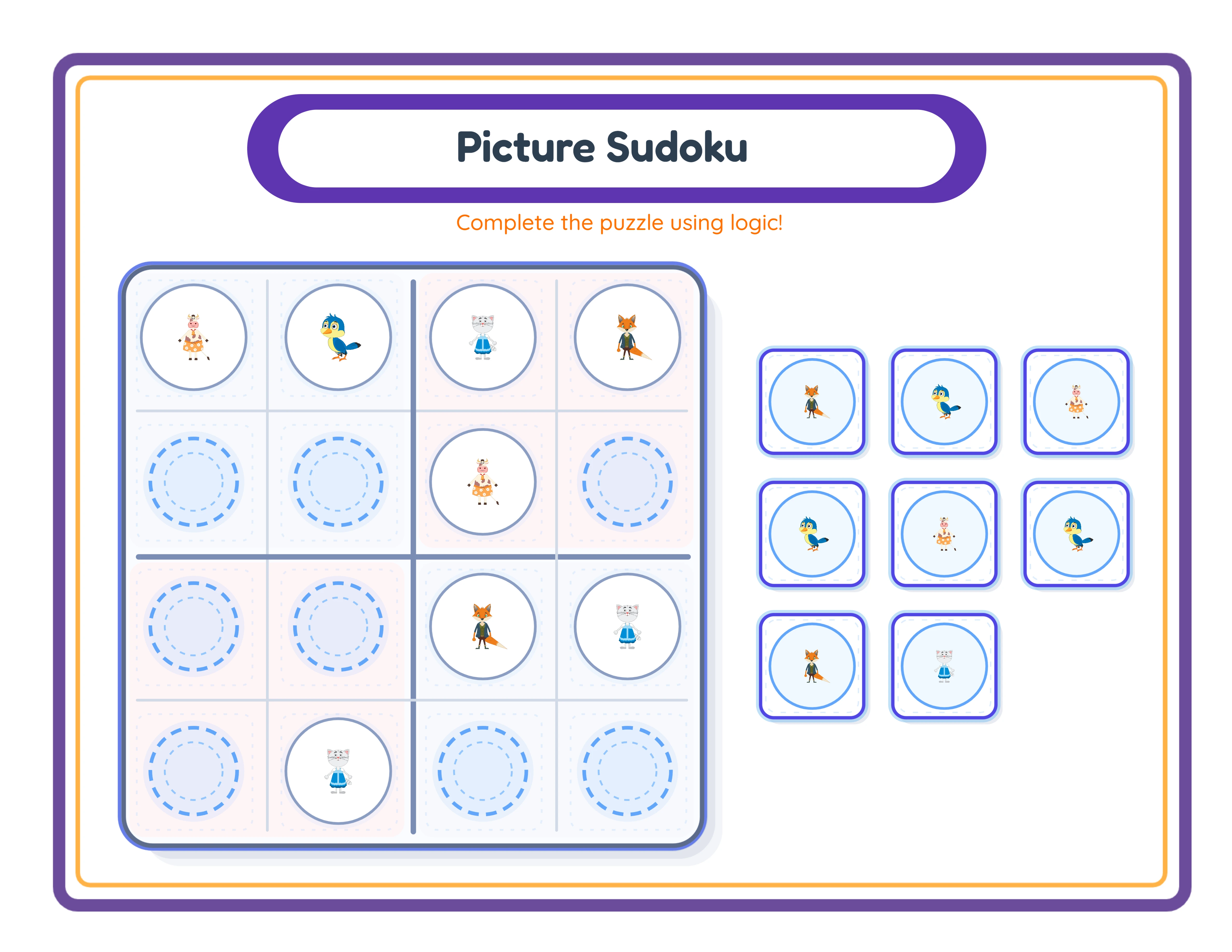
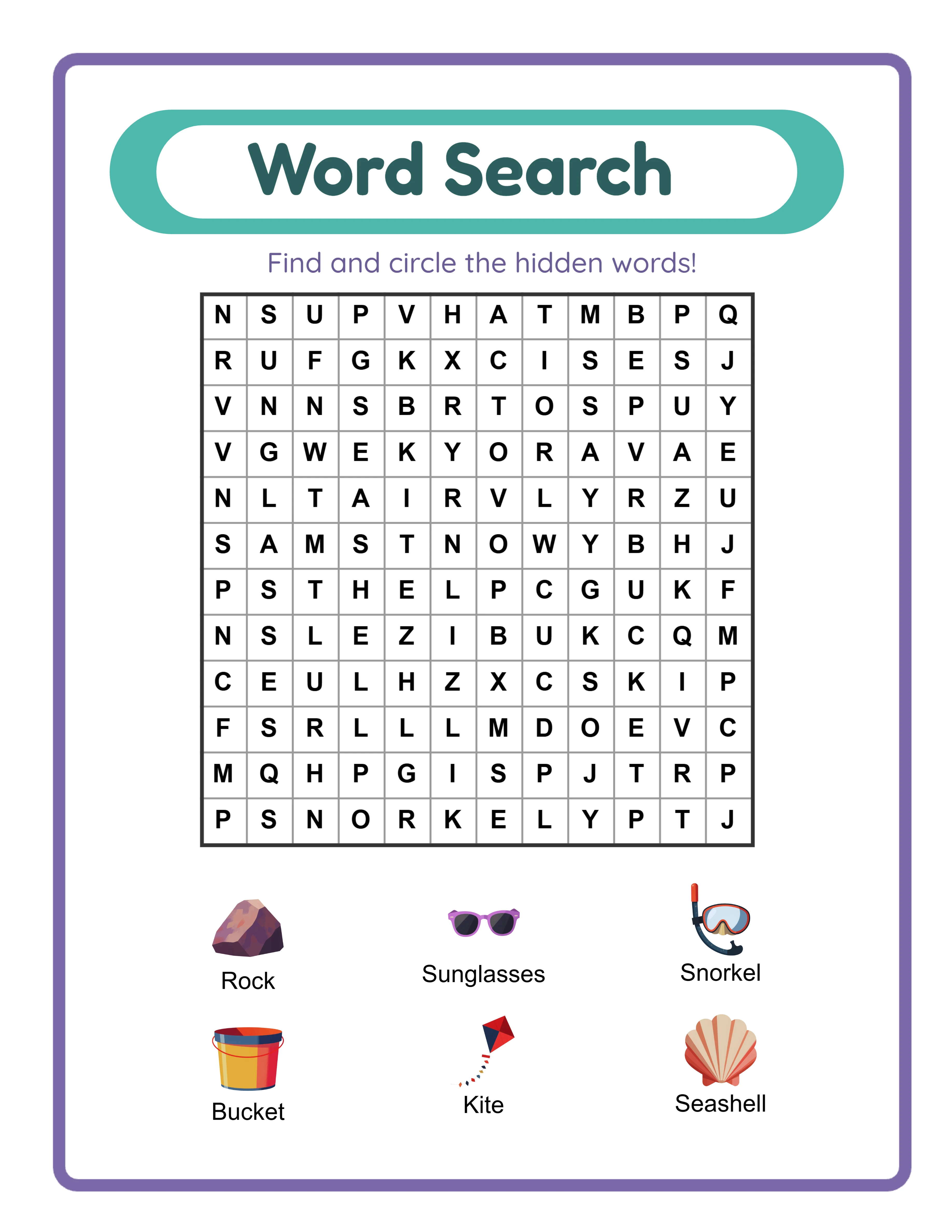
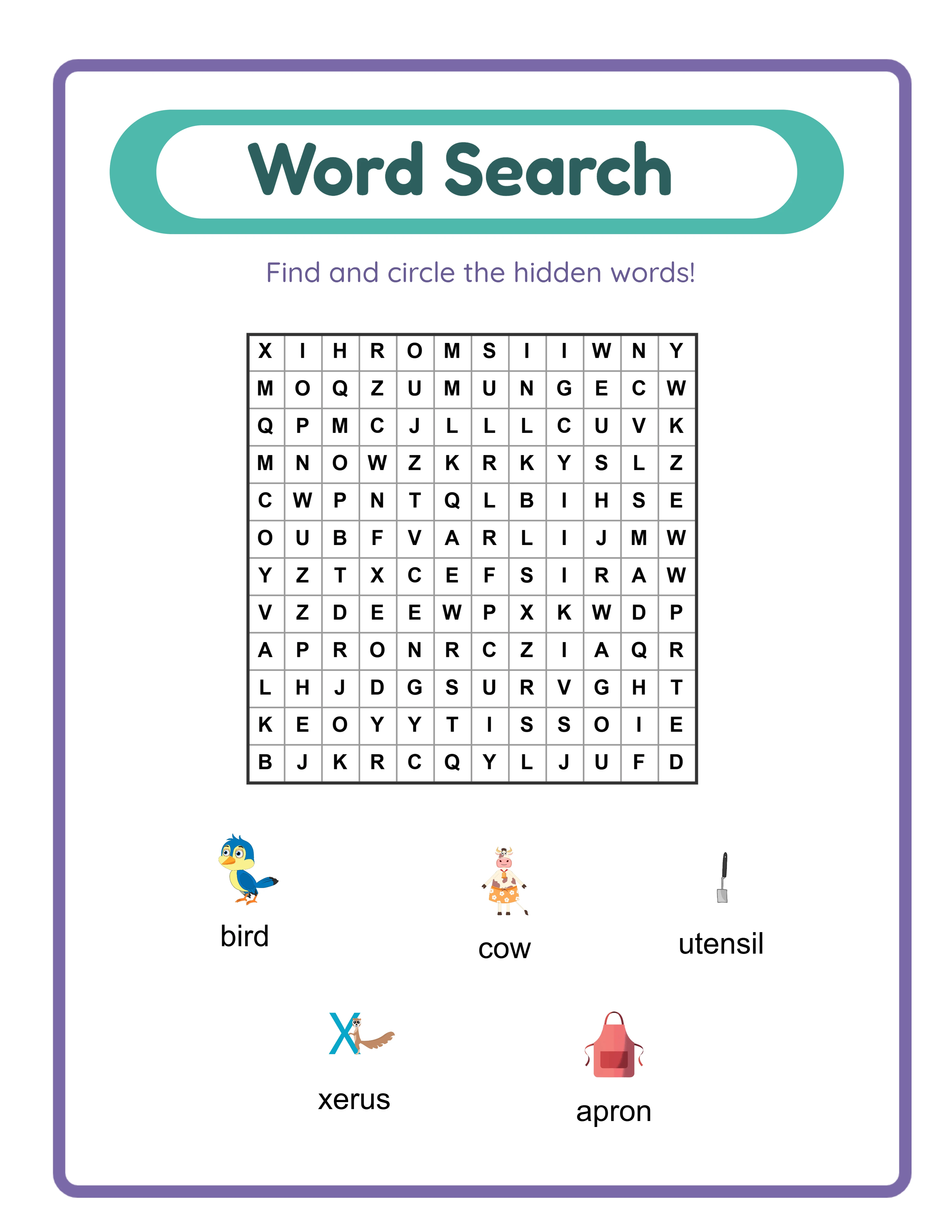
**Category-Specific Keyword Patterns:** Different educational printable categories have distinct keyword structures. Math worksheets use grade-level qualifiers: "first grade addition," "kindergarten counting." Literacy products use skill qualifiers: "letter tracing," "sight word practice." Puzzle products use format qualifiers: "word search printable," "sudoku for kids." Coloring pages use theme qualifiers: "animal coloring pages," "seasonal coloring sheets."
**Long-Tail Keywords:** Broad terms like "worksheets" have enormous competition. Specific long-tail phrases like "animal themed addition worksheets kindergarten" have less competition and higher conversion rates because they match exact buyer intent. Build your keyword list with a mix of broad and specific terms.
3
Write Etsy Listing Titles That Rank and Convert
Your listing title serves two audiences simultaneously: Etsy's search algorithm and human shoppers scanning results. A title that ranks well but reads poorly will get impressions without clicks. A title that reads beautifully but misses key search terms will never appear in results.
**Title Structure Formula:** Place your primary keyword phrase at the beginning of the title. Etsy gives more weight to words that appear earlier. Follow with descriptive modifiers that add secondary keywords naturally. End with format signals that confirm the product type.
Example structure: [Primary Keyword] [Grade/Age] [Theme/Variation] [Format Signal]
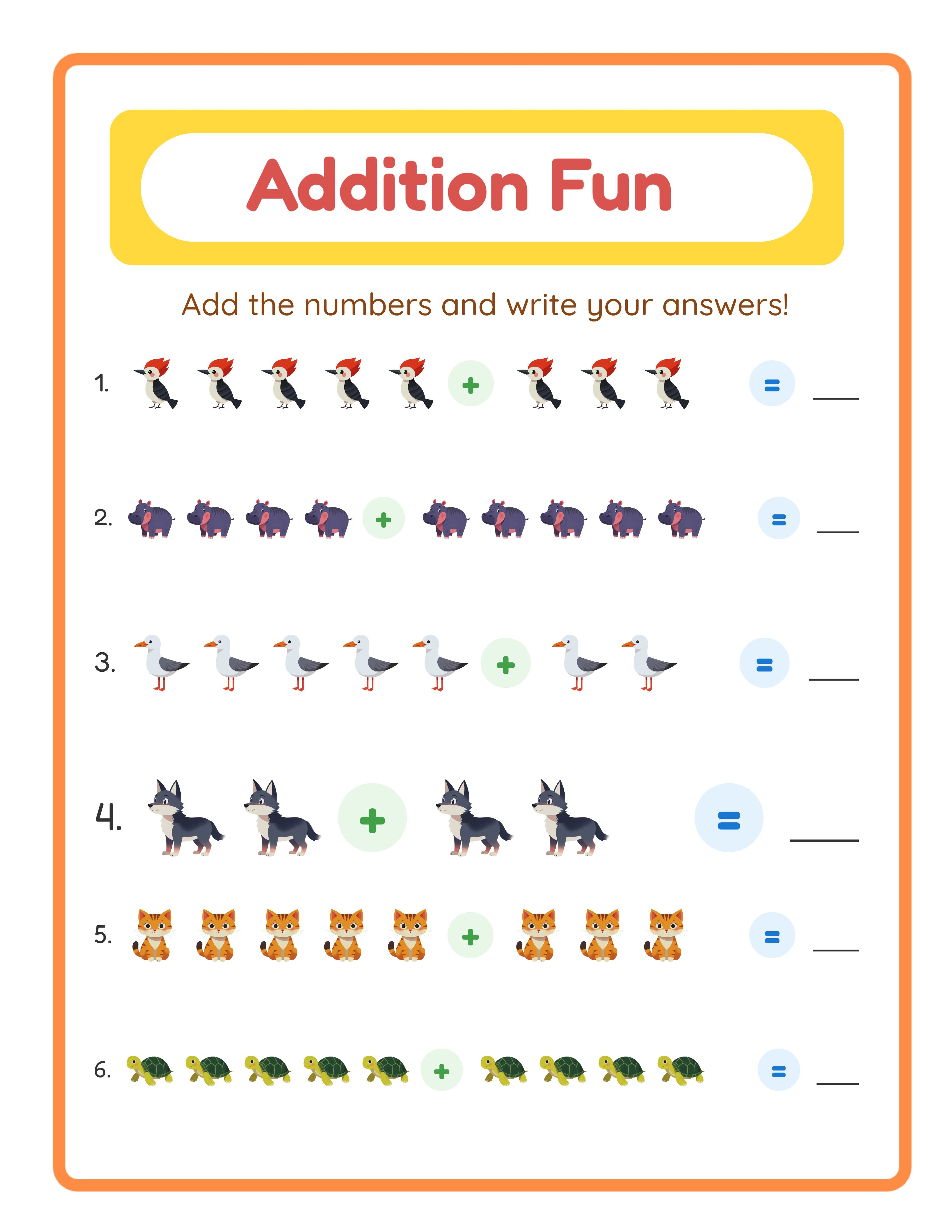
Applied: "Addition Worksheets Kindergarten | Animal Math Printable | Digital Download"
**Character Limit:** Etsy allows 140 characters for titles. Use as much of this space as possible — more words mean more potential keyword matches. However, avoid keyword stuffing that creates unreadable titles. Every word should either help with search ranking or help a buyer understand the product.
**Pipe Separators:** Use pipe characters (|) or commas to separate distinct keyword phrases within your title. This helps readability while still allowing Etsy to index all the words. Etsy treats the entire title as one keyword pool regardless of separators.
**Words to Include:** Product type (worksheets, printable, activities), subject (addition, subtraction, phonics), grade or age level (kindergarten, first grade, preschool), theme if applicable (animals, seasons, food), format (digital download, PDF, printable). Each word opens a potential search pathway.
**Words to Avoid:** Subjective claims ("best," "amazing," "unique") waste character space without SEO value. Stop words ("the," "and," "for") are generally ignored by search but help readability — use them sparingly. Your shop name wastes space since Etsy already displays it.
**Title Variation Across Listings:** If you sell multiple related products (addition worksheets in different themes), vary the title structure for each listing. This prevents your own listings from competing against each other for the same keyword and broadens your shop's total search coverage.
4
Optimize All 13 Etsy Tags for Maximum Reach
Etsy gives every listing 13 tag slots, each holding up to 20 characters. These tags are your most powerful SEO tool because each tag creates a separate search pathway to your listing. A listing with 13 well-chosen tags can appear in searches that the title alone would never match.
**Why All 13 Matter:** Many sellers leave tag slots empty or use only five or six tags. Every empty slot is a missed opportunity. If your listing has seven tags and a competitor's has thirteen, the competitor has nearly twice as many chances to appear in search results. Always fill all 13 slots.
**Multi-Word Tag Strategy:** Etsy treats each tag as a phrase. A tag "math worksheets" matches the search "math worksheets" as an exact phrase, which carries more weight than matching "math" and "worksheets" separately. Always use multi-word phrases in your tags rather than single words.
**Tag Categories to Cover:** Spread your 13 tags across these categories for maximum coverage:
1. **Product type** (2 tags): "math worksheets," "printable activities"
2. **Subject/skill** (2 tags): "addition practice," "number recognition"
3. **Age or grade** (2 tags): "kindergarten math," "first grade"
4. **Format** (1 tag): "digital download" or "PDF printable"
5. **Use case** (2 tags): "homeschool math," "learning activities"
6. **Theme** (2 tags): "animal worksheets," "spring activities"
7. **Related terms** (2 tags): "math for kids," "learning activities"
**Tags vs. Title:** Tags should complement your title, not duplicate it. Etsy already indexes your title words for search. Using identical phrases in both title and tags wastes tag slots. If your title says "Addition Worksheets Kindergarten," your tags should cover alternative phrases buyers might use: "math printable," "counting activities," "early math practice."
**Seasonal Rotation:** Swap two or three tags seasonally. In August, add "back to school" and "store supplies." In November, try "holiday activities" and "winter worksheets." Keep your core tags stable and rotate only the seasonal slots.
5
Write Listing Descriptions That Support SEO and Convert
Etsy listing descriptions serve a dual purpose: they provide buyers with product information that drives purchase decisions, and their opening text appears as a search snippet in some contexts. While Etsy's search algorithm weights titles and tags more heavily than descriptions, well-written descriptions improve conversion rate — which in turn improves your listing quality score and search ranking.
**First 160 Characters:** The opening of your description may appear in search result snippets and social media previews. Front-load this section with your primary keyword phrase and a clear benefit statement. Example: "Printable addition worksheets with animal illustrations for kindergarten solvers. Each PDF includes themed math problems with a matching answer key." This immediately tells both search engines and buyers what the product is.
**Description Structure:** After the opening, organize your description in scannable sections:
1. **What's included:** File count, page count, formats, answer keys
2. **Product features:** Theme options, difficulty levels, customization
3. **Who it's for:** Age range, grade level, learning objectives
4. **How to use:** Print instructions, store vs. home use, digital device compatibility
5. **Technical details:** File format (PDF), resolution (300 DPI), paper size
**Natural Keyword Integration:** Weave keywords into your description naturally. Instead of listing keywords in a block (which Etsy may penalize), use them in complete sentences: "These kindergarten math worksheets make addition practice engaging with colorful animal illustrations" naturally includes several valuable search terms.
**Avoid Keyword Stuffing:** Repeating the same keyword phrase multiple times does not help ranking and may hurt it. Etsy's algorithm can detect unnatural keyword repetition. Use each important keyword once or twice in the description, letting your title and tags handle the primary SEO work.
**Call to Action:** End your description with a clear next step: "Click Add to Cart for instant download" or "Favorite this listing to save it for later." Favorites improve your listing quality score, so encouraging them is a legitimate SEO tactic.
6
Use Etsy Categories and Attributes Correctly
Beyond titles and tags, Etsy uses your category selection and attribute fields as additional signals for search matching. Choosing the right category is essential — a miscategorized listing may never appear in filtered searches.
**Category Selection for Educational Printables:** Most educational printable worksheets fit under: Craft Supplies & Tools > Learning & School > Educational Materials. Some sellers use Digital Downloads as a top-level category, but the more specific educational path provides better matching for buyers who browse categories rather than search.
**Why Category Matters for Search:** When buyers use Etsy's category filters or browse by department, your listing only appears if it's in the correct category. Many buyers combine search terms with category filtering: searching "math worksheets" within "Educational Materials" produces different results than the same search in "All Categories." Being in the right category ensures you appear in both filtered and unfiltered searches.
**Attribute Fields:** Etsy provides attribute fields based on your category. For educational materials, you may see fields like "Occasion" (back to school, birthday), "Recipient" (for children, for sellers), and format options. Fill in every applicable attribute — each one provides an additional matching signal.
**Multiple Listings, Different Categories:** If a product could fit in multiple categories (a coloring page with math elements might fit in both "Coloring Pages" and "Educational Materials"), create separate listings optimized for each category. Different titles, tags, and descriptions for each category listing target different buyer search patterns.
**Category-Specific Buyer Behavior:** Buyers in the educational materials category tend to search with specific grade levels and subjects. Buyers in the coloring pages category search more by theme and style. Align your SEO strategy with the browsing behavior of your chosen category's audience.
7
Optimize Listing Photos for Click-Through Rate
Listing photos don't directly contain keywords, but they are arguably the most important factor in Etsy SEO success. Here's why: Etsy's search algorithm tracks click-through rate (the percentage of shoppers who click your listing after seeing it in results). Higher click-through rate signals to Etsy that your listing is relevant and appealing, which improves your ranking.
**Thumbnail Optimization:** Your first listing image appears as the thumbnail in search results. For educational printables, the most effective thumbnails show the actual worksheet content clearly. Avoid thumbnails that are mostly text, logos, or decorative borders — buyers want to see what they're getting. Use high-contrast colors and ensure text on the worksheet is legible even at thumbnail size.
**Use All 10 Photo Slots:** Etsy allows up to 10 images per listing. Use every slot. Show the product from different angles: full worksheet view, close-up of question format, answer key, themed variations, size reference, and usage examples. Listings with more images have higher conversion rates, which improves listing quality score.
**Photo Sequence Strategy:** Image 1 (thumbnail) should be your most eye-catching worksheet. Image 2 can show what's included (file count, page breakdown). Image 3-5 show different worksheet pages or theme variations. Image 6-8 can show the product in use or lifestyle mockups. Image 9-10 can display bundle contents or related products.
**Mockup Presentations:** Flat-lay mockups showing worksheets on a desk with pencils, crayons, or erasers create a lifestyle context that increases buyer engagement. Mockup templates are available online specifically for printable sellers. Use consistent mockup styling across your shop for brand recognition.
**File Format and Size:** Upload images at the highest resolution possible. Etsy displays images at various sizes across different devices. Images that appear crisp on desktop but blurry on mobile hurt your click-through rate. Use JPEG format, minimum 2000 pixels on the shortest side.
8
Monitor and Improve Rankings with Etsy Stats
Etsy provides a built-in analytics dashboard (Etsy Stats) that shows exactly how buyers find your listings. This data is invaluable for ongoing SEO optimization. Rather than guessing which keywords work, you can make data-driven decisions.
**Search Terms Report:** Navigate to Shop Manager > Stats > Search terms. This report shows which search queries brought visitors to your shop, how many impressions each term generated, and how many visits resulted. Sort by impressions to see your highest-visibility keywords.
**High Impressions, Low Clicks:** Keywords where your listing appears in many searches but receives few clicks indicate a title or thumbnail problem. Your listing is matching the search term (good SEO) but not compelling shoppers to click. Solutions: improve your thumbnail image, adjust the title to better match buyer expectations for that search term, or update your first listing image.
**High Clicks, Low Conversions:** Keywords that bring visitors who don't purchase indicate a listing page problem. The buyer clicked (attracted by your title and thumbnail) but left without buying. Solutions: improve your description, adjust your price, add more listing photos, or reconsider whether the keyword actually matches your product.
**Keyword Performance Over Time:** Track your top 10 keywords monthly. Note which keywords grow and which decline. Declining keywords may indicate increased competition or seasonal demand changes. Growing keywords may warrant additional listings targeting related terms.
**When to Refresh Tags and Titles:** If a listing's views decline steadily over several weeks despite consistent shop activity, refresh its tags and title. Replace underperforming tags (those that bring few impressions) with new alternatives from your keyword research. Changing two or three tags at a time lets you measure the impact of each change.
**Seasonal Keyword Rotation Calendar:** Educational printable demand follows a predictable cycle. Track these peaks in your keyword strategy:
- **January–February:** New Year learning resolutions, Valentine's themed activities
- **March–April:** Spring activities, Easter themes, standardized test preparation
- **May–June:** End-of-year reviews, summer learning preparation
- **July–August:** Back-to-school peak (highest demand period for educational printables)
- **September–October:** Fall themes, Halloween activities, homeschool content library supplements
- **November–December:** Holiday activities, Christmas themes, winter break learning packets
Rotate two or three of your 13 tags to align with upcoming seasonal peaks. Add seasonal tags four to six weeks before the peak to build ranking momentum before demand surges.