Why Trim Size Matters More Than Most Publishers Think
Trim size is not just a technical specification. It shapes every aspect of your book's commercial performance.
**Production cost:** Larger trim sizes use more paper and cost more to print. An 8.5 x 11 book costs roughly $0.80-$1.20 more to print than an equivalent 6 x 9 book at the same page count. That difference comes directly out of your royalty.
**Retail price perception:** Buyers expect larger books to cost more. An 8.5 x 11 activity book priced at $7.99 feels like a bargain. The same price on a 5 x 8 book feels overpriced. Trim size sets the price anchor before buyers even open the listing.
**Usability:** Children working on mazes, coloring pages, or handwriting practice need space. A trim size that is too small makes activities frustrating. One that is too large becomes unwieldy for small hands. The right size depends on the activity type and target age group.
**Shelf competition:** When buyers search for activity books on Amazon, results display as thumbnail images. Books with distinctive proportions stand out. If every competitor uses 8.5 x 11, a well-designed 8 x 10 book catches the eye simply by being slightly different.
The Top 5 Trim Sizes for KDP Activity Books
After analyzing hundreds of bestselling activity books on Amazon, five trim sizes dominate the market.
**8.5 x 11 inches (US Letter)** — The most popular choice for activity books. Provides maximum workspace for coloring, drawing, and math activities. Best for ages 5-12 where children need room to write and draw. Printing cost is higher but retail prices of $8-12 are standard and accepted.
**8 x 10 inches** — A slightly smaller alternative that reduces printing cost while maintaining a large feel. Works well for puzzle books, word searches, and activity books where content does not need full-page space. Growing in popularity because the cost savings allow more competitive pricing.
**6 x 9 inches** — The most cost-effective option for text-heavy activity books. Ideal for word puzzles, crosswords, sudoku, and logic games. Not suitable for coloring or drawing activities where children need space. Lowest printing cost among the popular sizes.
**8.5 x 8.5 inches (square)** — An underused format that stands out visually. Excellent for younger children's activity books because the square shape is easy to hold. Works well for sticker books, seek-and-find activities, and themed activity collections.
**7 x 10 inches** — A versatile middle-ground size. Large enough for most activities but cheaper to print than 8.5 x 11. Popular in the educational workbook segment. Good compromise when you want decent workspace without premium printing costs.
Trim Size Recommendations by Activity Type
Different activities demand different amounts of space. Here is a breakdown by activity type.
**Coloring pages:** Use 8.5 x 11. Coloring requires maximum space for detail and comfort. Smaller sizes compress artwork and frustrate buyers. This is the one category where the largest trim size is almost always correct.
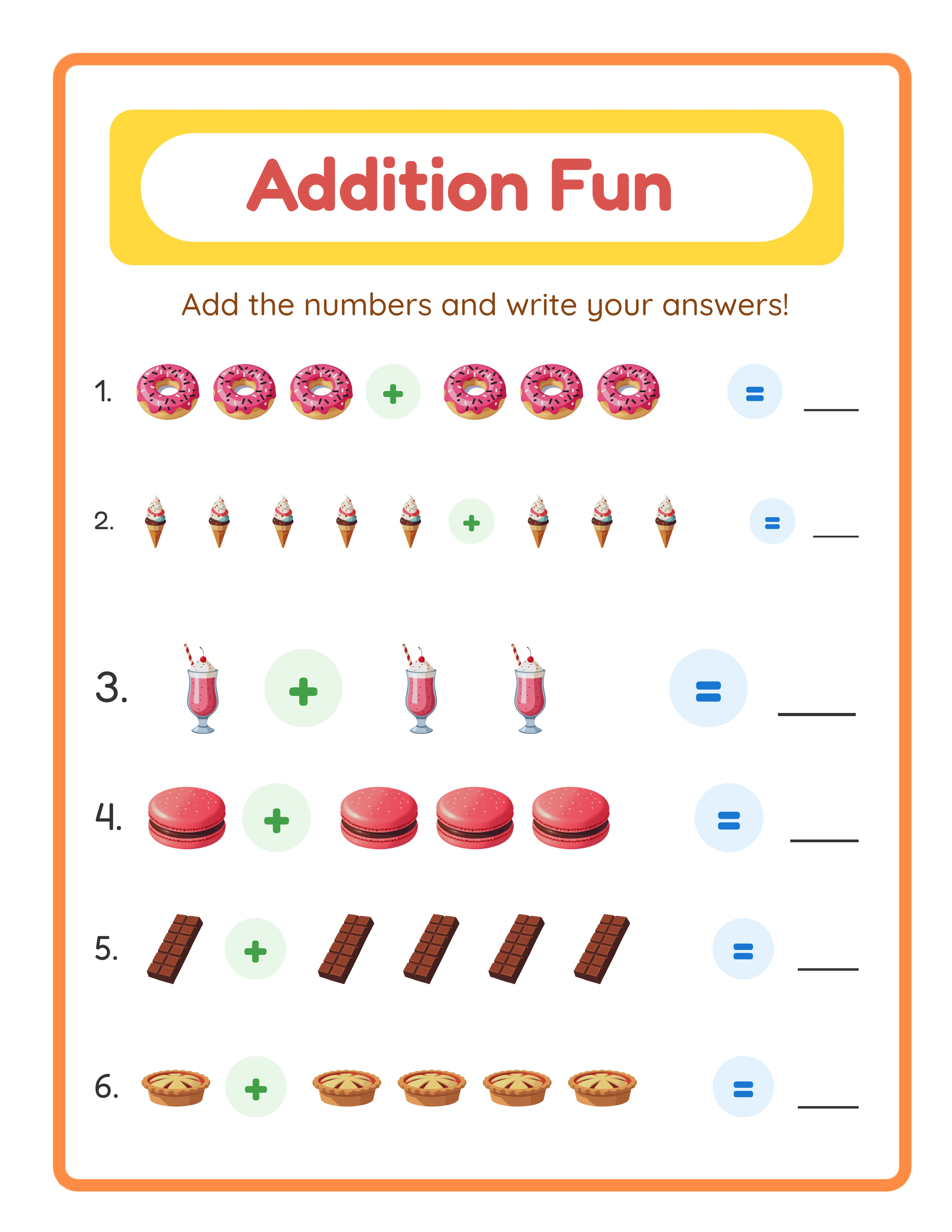
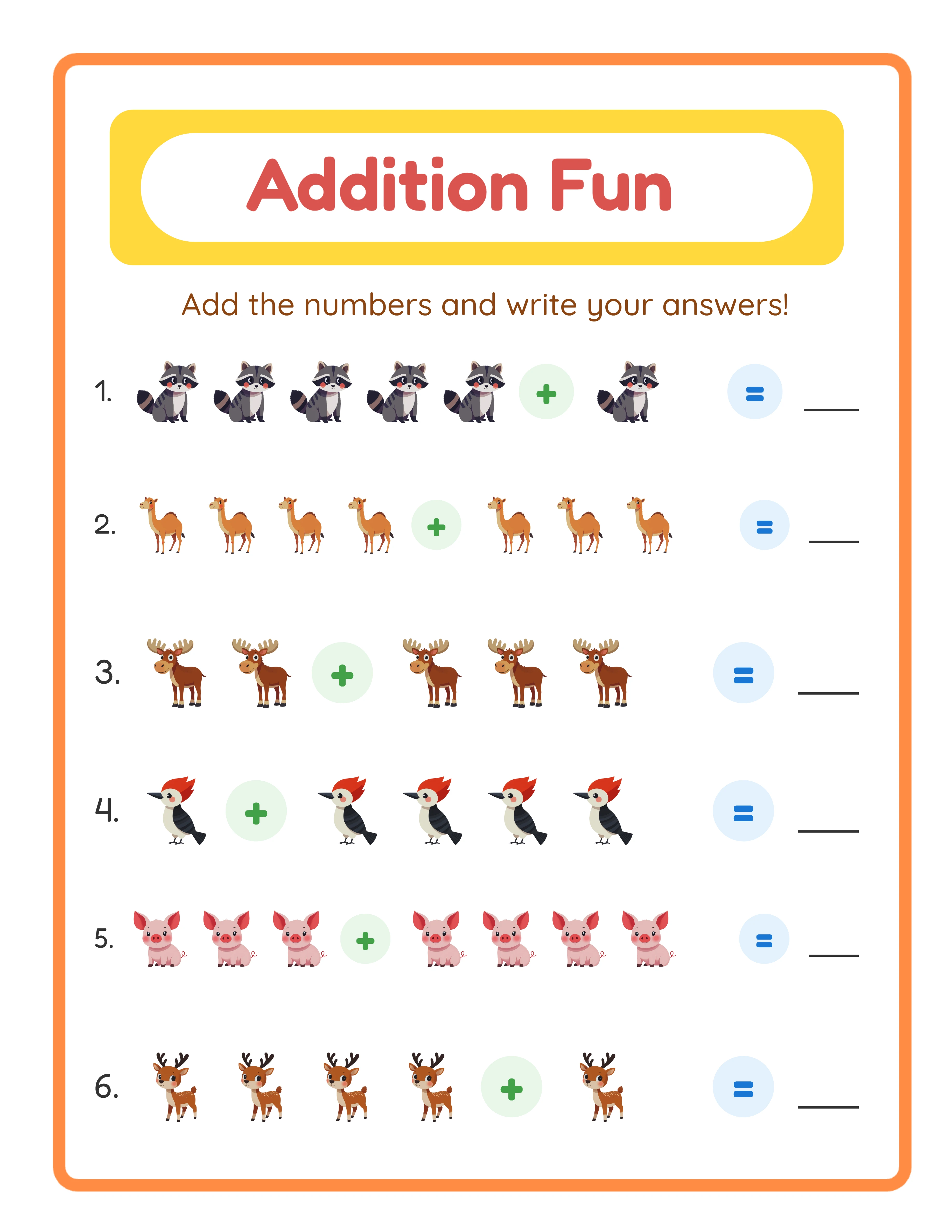
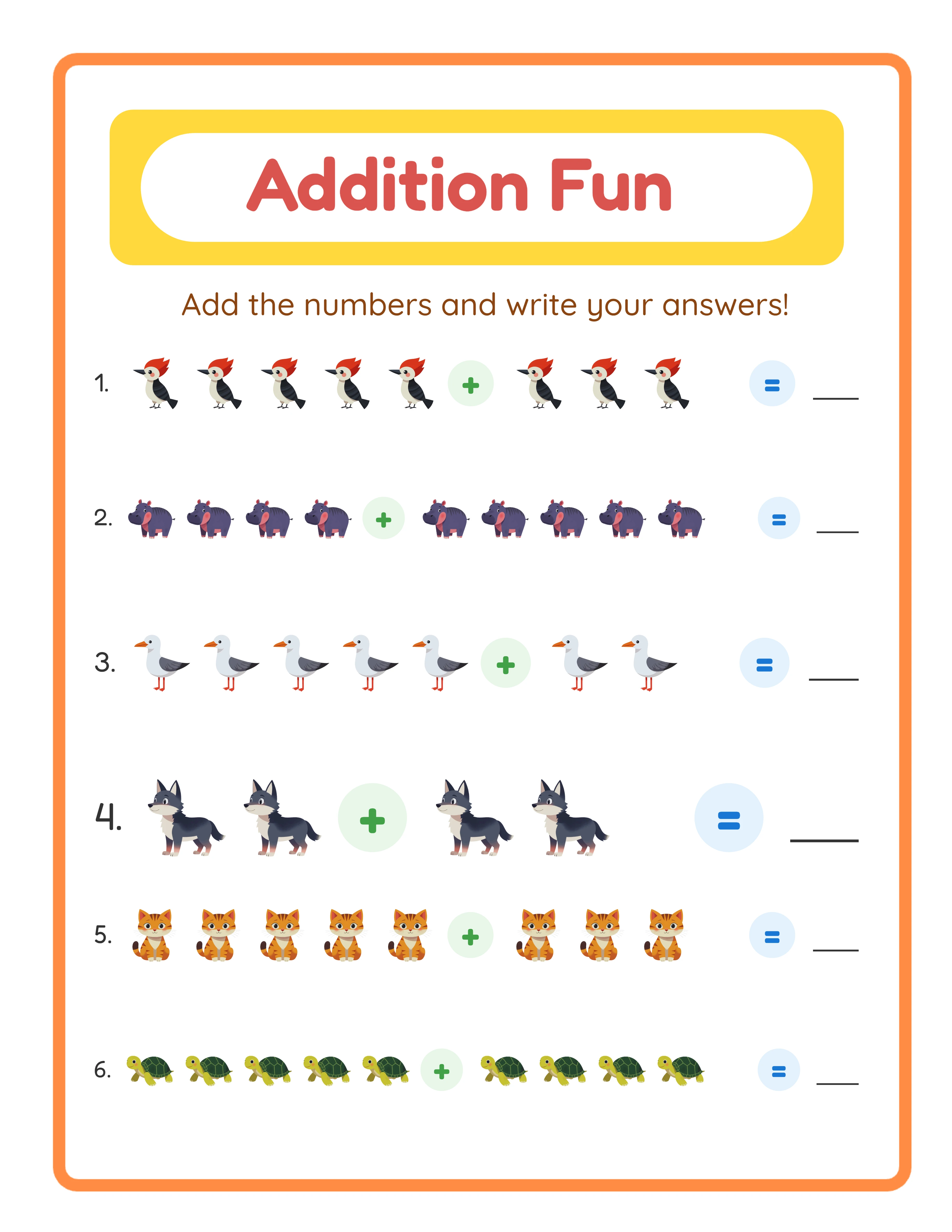
**Math worksheets and workbooks:** 8 x 10 or 8.5 x 11 work best. Math problems need clear spacing between numbers and enough room for written calculations. For younger children learning to write numbers, lean toward 8.5 x 11.
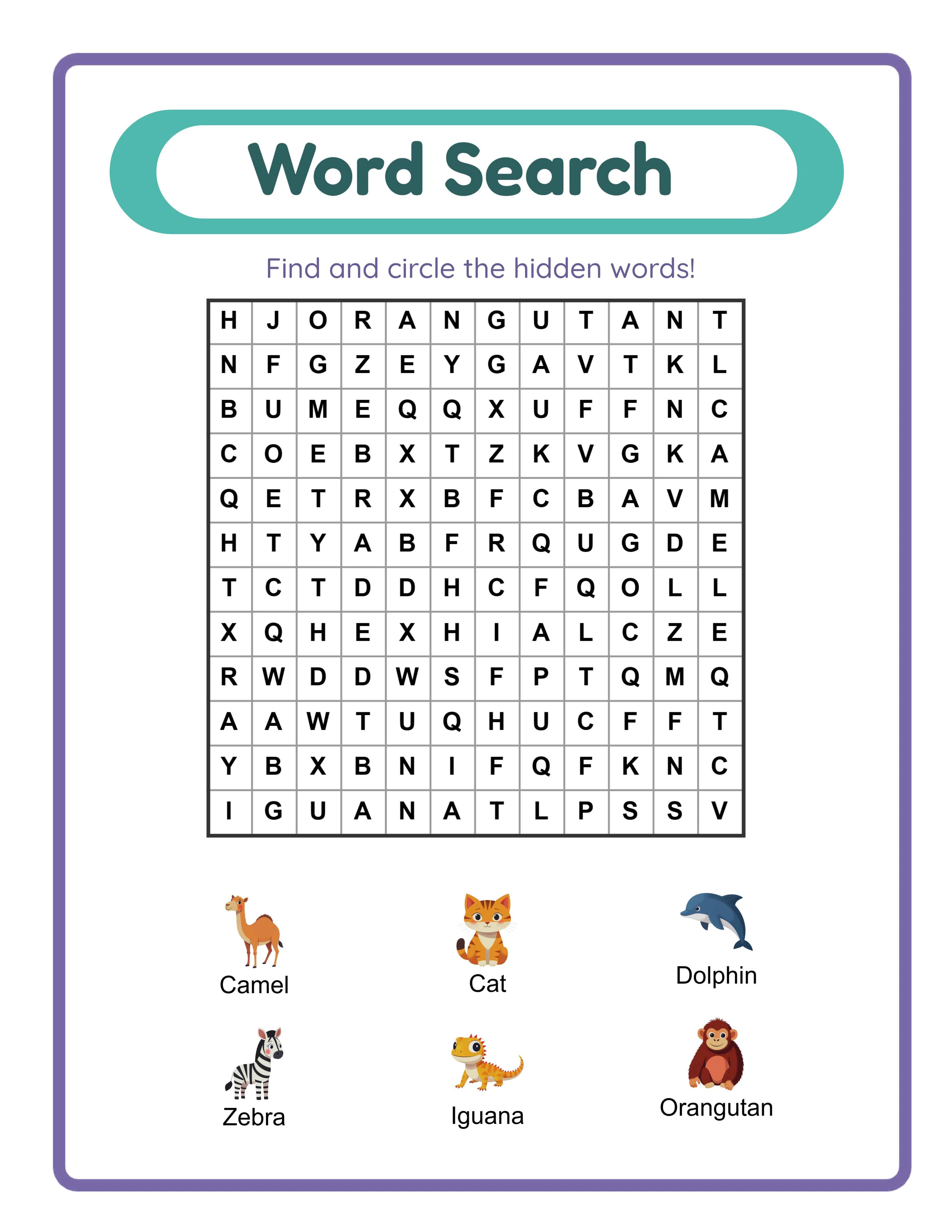
**Word searches and crosswords:** 6 x 9 or 7 x 10 are ideal. These puzzles do not require large page areas and the smaller sizes keep printing costs down, enabling more competitive pricing in a crowded niche.
**Mazes:** 8 x 10 or 8.5 x 11. Mazes need space to be visually engaging and solvable without squinting. Simple mazes work at 7 x 10, but complex mazes with detailed paths need the larger formats.
**Mixed activity books:** 8 x 10 is the best all-around choice. It accommodates coloring, puzzles, writing prompts, and games without the premium cost of 8.5 x 11. Most mixed activity book bestsellers use this size.
**Handwriting practice:** 8.5 x 11 is essential. Letter tracing and handwriting lines need full width to be usable. Never go smaller than 8 x 10 for handwriting content.
How Trim Size Affects Your Royalties and Pricing
KDP calculates printing cost based on trim size, page count, and ink type. The difference between sizes is significant.
**Printing cost comparison (100 pages, black and white interior):**
- 6 x 9: approximately $2.15
- 7 x 10: approximately $2.65
- 8 x 10: approximately $2.85
- 8.5 x 11: approximately $3.05
- 8.5 x 8.5: approximately $2.95
These are approximate figures and fluctuate slightly. The point is clear: larger trim sizes cost $0.50-$0.90 more per copy to print.
At a $9.99 list price with a 60% royalty rate, your royalty is $5.99 minus printing cost. That means a 6 x 9 book nets about $3.84 per sale while an 8.5 x 11 book nets about $2.94. Over 1,000 sales, the smaller book earns $900 more.
However, the 8.5 x 11 book might convert better and sell more copies because it looks more substantial. The right calculation is not just royalty per unit but total revenue over time.
Use a KDP royalty calculator to model different scenarios with your specific page count and price point. Small trim size changes can shift your annual revenue by hundreds of dollars per title.
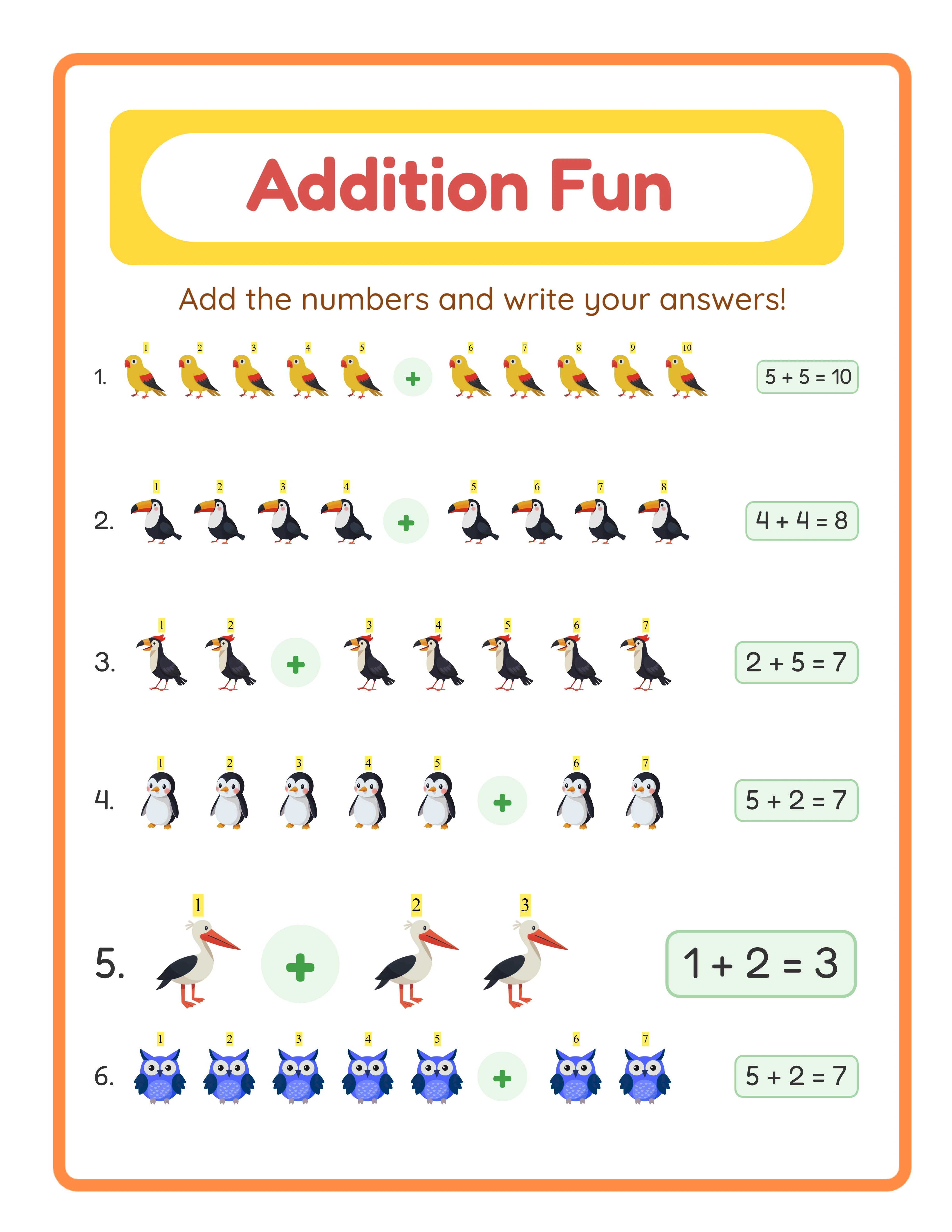
Every Worksheet Includes an Answer Key
Bleed vs. No-Bleed and How It Interacts with Trim Size
KDP offers two interior options that interact with your trim size choice.
**No-bleed interior:** Content stays within a safe margin. This is the standard for text-based activity books like word searches, math worksheets, and logic puzzles. All trim sizes support no-bleed.
**Bleed interior:** Content extends to the very edge of the page with no white border. Required for coloring books and activity books with full-page artwork. Not all trim sizes support bleed — check KDP's specifications for your chosen size.
Bleed adds 0.125 inches to each edge of your interior files. So an 8.5 x 11 bleed book requires interior files at 8.75 x 11.25 inches. This matters for your template setup and can cause formatting headaches if you switch trim sizes after creating content.
**Practical advice:** If your activity book includes any full-page coloring or artwork pages, set up bleed from the start even if most pages do not need it. It is much easier to add white space within a bleed template than to convert a no-bleed file to bleed later.
For pure puzzle and worksheet books with no full-page art, use no-bleed. It simplifies formatting and you never have to worry about content getting trimmed at the edges.
When using a KDP size calculator tool, always specify whether you need bleed — it changes the exact dimensions you need for your interior PDF.
Testing Trim Sizes Before Committing to a Series
Before launching a 10-book series in one trim size, test your choice with a single title.
**Order a proof copy.** KDP lets you order author copies at printing cost. Order one copy of your book and evaluate it physically. Does the size feel right? Are activities comfortable to complete? Does the cover look proportional?
**Check competitor dimensions.** Search your target keyword on Amazon and look at the product details of the top 10 results. Note their trim sizes. If 8 out of 10 use 8.5 x 11, that is what buyers in your niche expect. Going smaller might feel inadequate by comparison.
**Test with real users.** If you are creating children's activity books, have a child actually try the activities. Watch where they struggle with space or where the page feels too large. This five-minute test prevents expensive mistakes.
**Consider your series strategy.** If you plan to create 20+ books in a series, the trim size you choose now locks you in. Switching trim sizes mid-series creates an inconsistent product line that confuses buyers and looks unprofessional. Pick a size you can commit to for the entire series.
**Factor in international sales.** If you sell through Amazon's international marketplaces, note that A4 (8.27 x 11.69 inches) is not a standard KDP trim size. The closest option is 8.5 x 11. International buyers are accustomed to US standard sizes on Amazon, so this is rarely a problem.
Common Trim Size Mistakes to Avoid
These errors cost publishers real money and are entirely preventable.
**Mistake 1: Choosing 8.5 x 11 for everything.** This is the laziest default and often the wrong one. Word search books at 8.5 x 11 waste paper and inflate your printing cost for no benefit. Match the trim size to the activity type.
**Mistake 2: Using non-standard sizes.** KDP supports sizes like 5.06 x 7.81 or 6.14 x 9.21, but these unusual dimensions look odd on Amazon and can create printing issues. Stick to the five popular sizes unless you have a specific reason to go custom.
**Mistake 3: Ignoring spine width.** Thin books (under 80 pages) at large trim sizes look flimsy and cheap. If your activity book is only 50 pages, either increase the page count or use a smaller trim size so the spine looks proportional.
**Mistake 4: Forgetting cover dimensions.** Your cover template dimensions depend on trim size, page count, and paper type. Every time you change any of these variables, you need a new cover template. Calculate your exact cover dimensions before designing — not after.
**Mistake 5: Not accounting for KDP margin requirements.** Each trim size has minimum margin specifications. If your content extends too close to the edges, KDP will reject your file. Build your templates with the correct margins from the start. A reliable cover size calculator saves hours of trial and error.