Step 1: Generate Niche Ideas Using Amazon Autocomplete
Amazon's search autocomplete is a free, real-time demand signal. When Amazon suggests a search term, it means real buyers are typing that exact phrase regularly.
**How to mine Amazon autocomplete:**
1. Go to Amazon.com and select "Books" from the department dropdown
2. Type a broad seed keyword and pause (e.g., "activity book for")
3. Note every autocomplete suggestion — these are buyer searches
4. Add letters after your seed phrase: "activity book for a...", "activity book for b..."
5. Document every suggestion in a spreadsheet
**Seed keywords to start with:**
- "activity book for kids"
- "puzzle book for adults"
- "workbook for"
- "coloring book for"
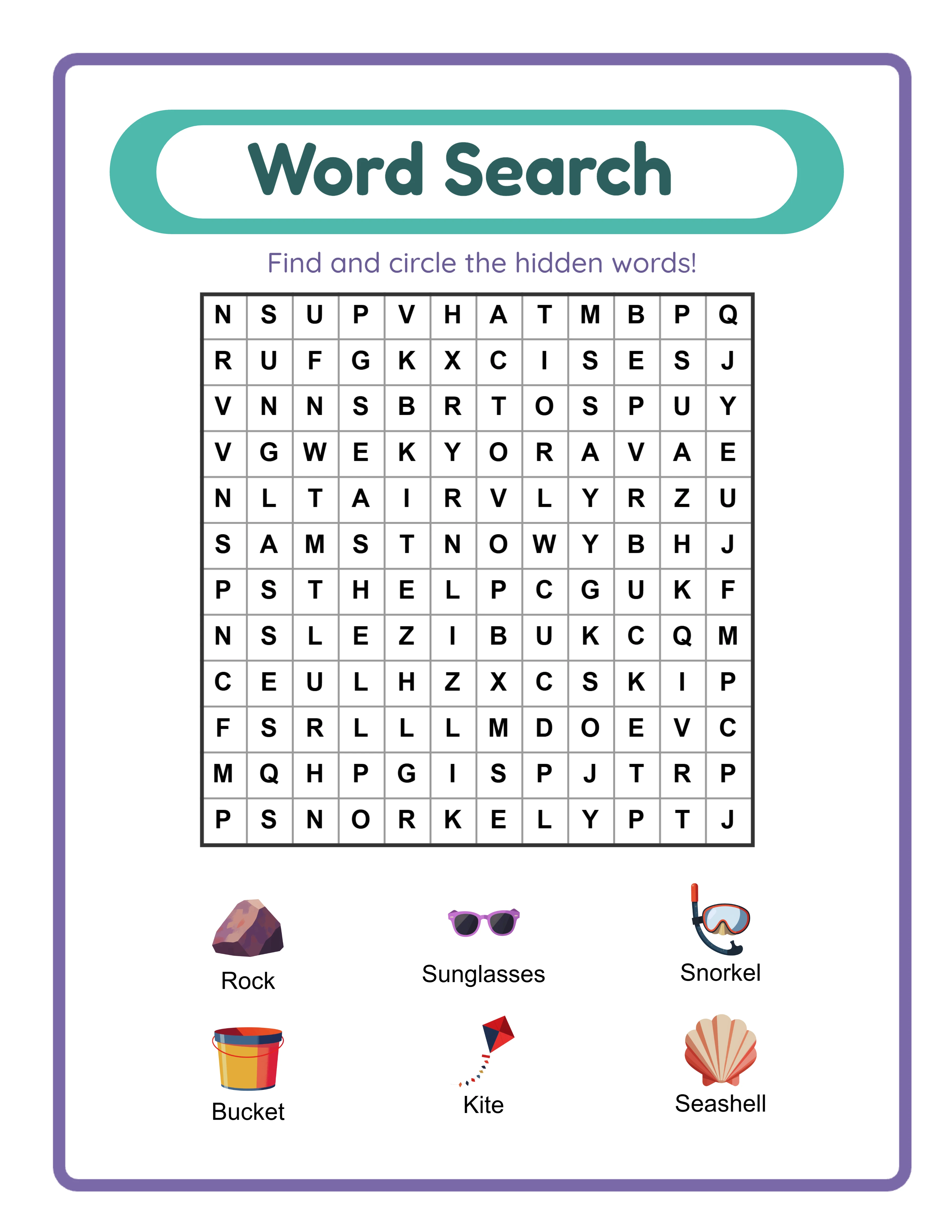
- "word search"
- "math workbook"
- "brain games for"
**What you are looking for:**
Specific sub-niches that Amazon surfaces. "Activity book for kids" is too broad. But autocomplete might reveal "activity book for kids ages 6-8 travel" or "activity book for kids with autism" — these are specific niches with proven demand.
**Document systematically:**
Create a spreadsheet with columns for:
- Niche keyword (the autocomplete suggestion)
- Category (activity book, puzzle book, workbook, etc.)
- Target age range
- Estimated competition (you will fill this in Step 2)
- Revenue estimate (you will fill this in Step 3)
Spend 30-60 minutes on this step. You should generate 30-50 niche ideas from autocomplete alone. Most will be eliminated in Steps 2-4, so start with volume.
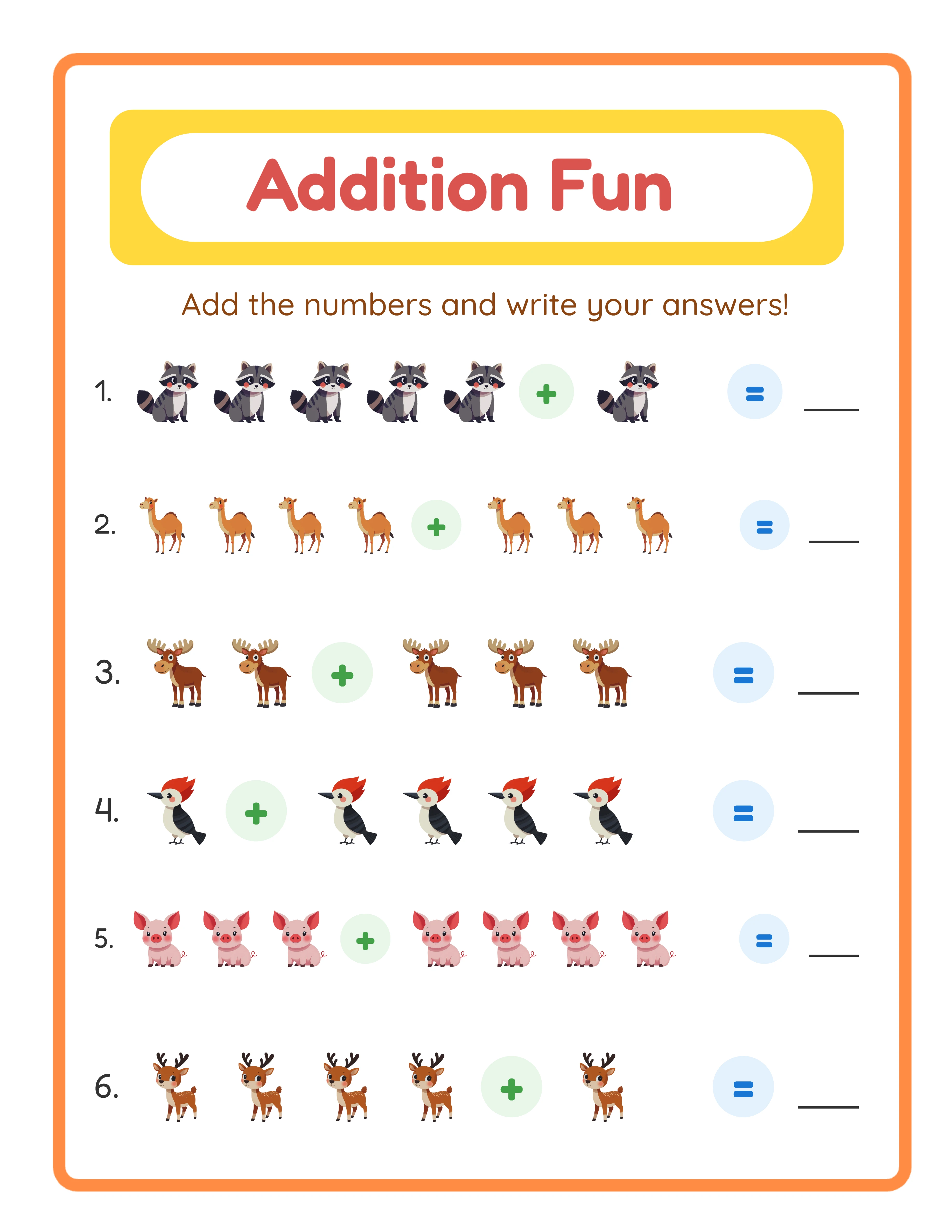
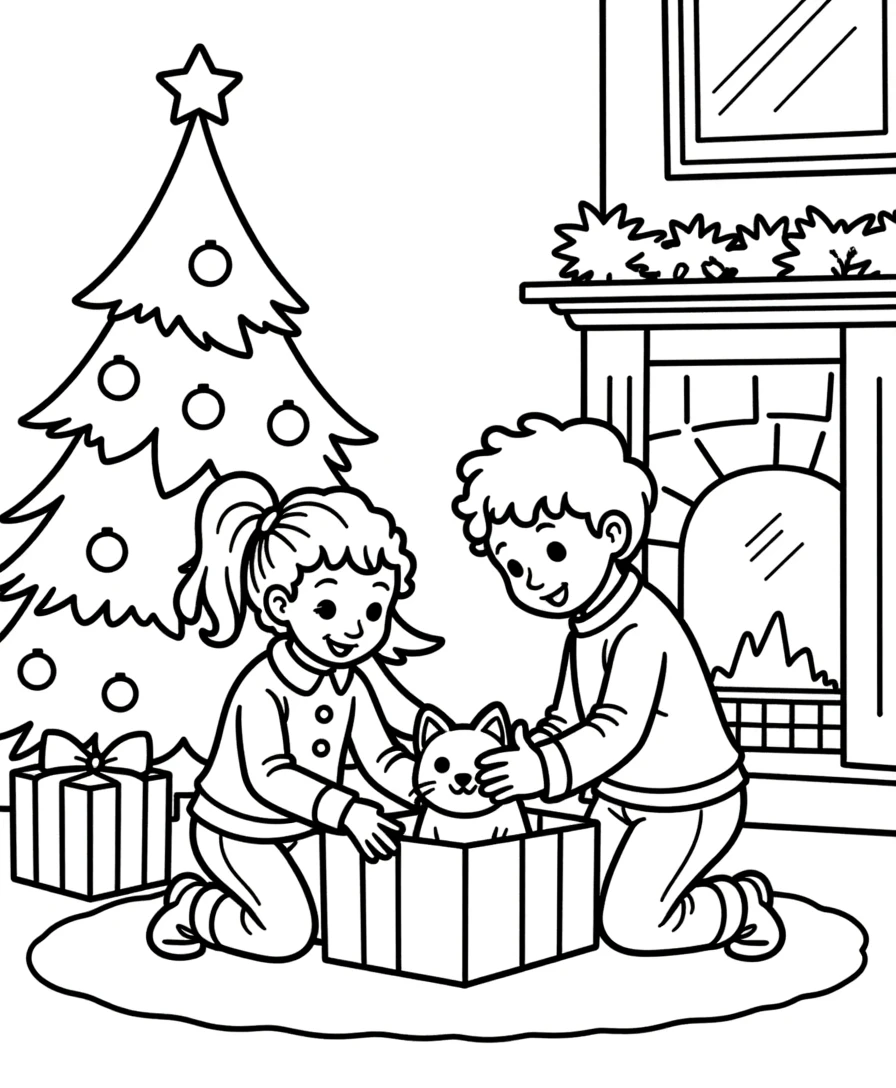
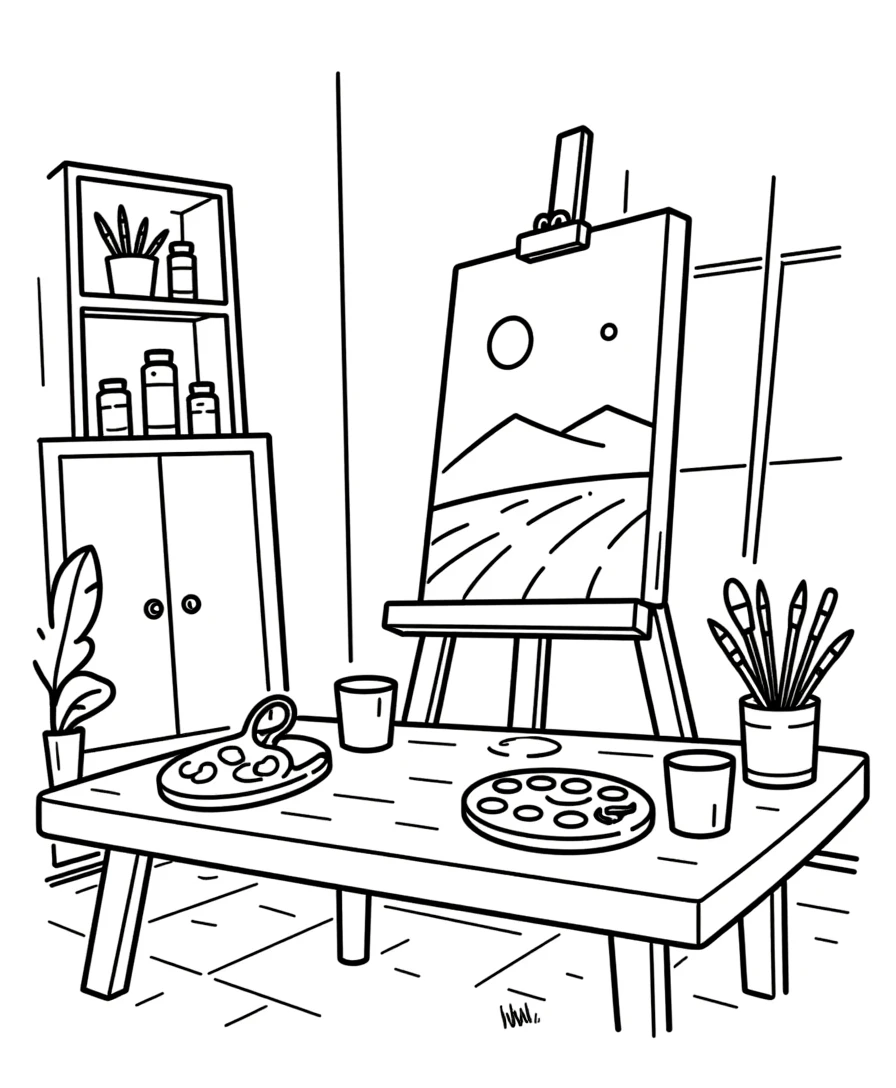
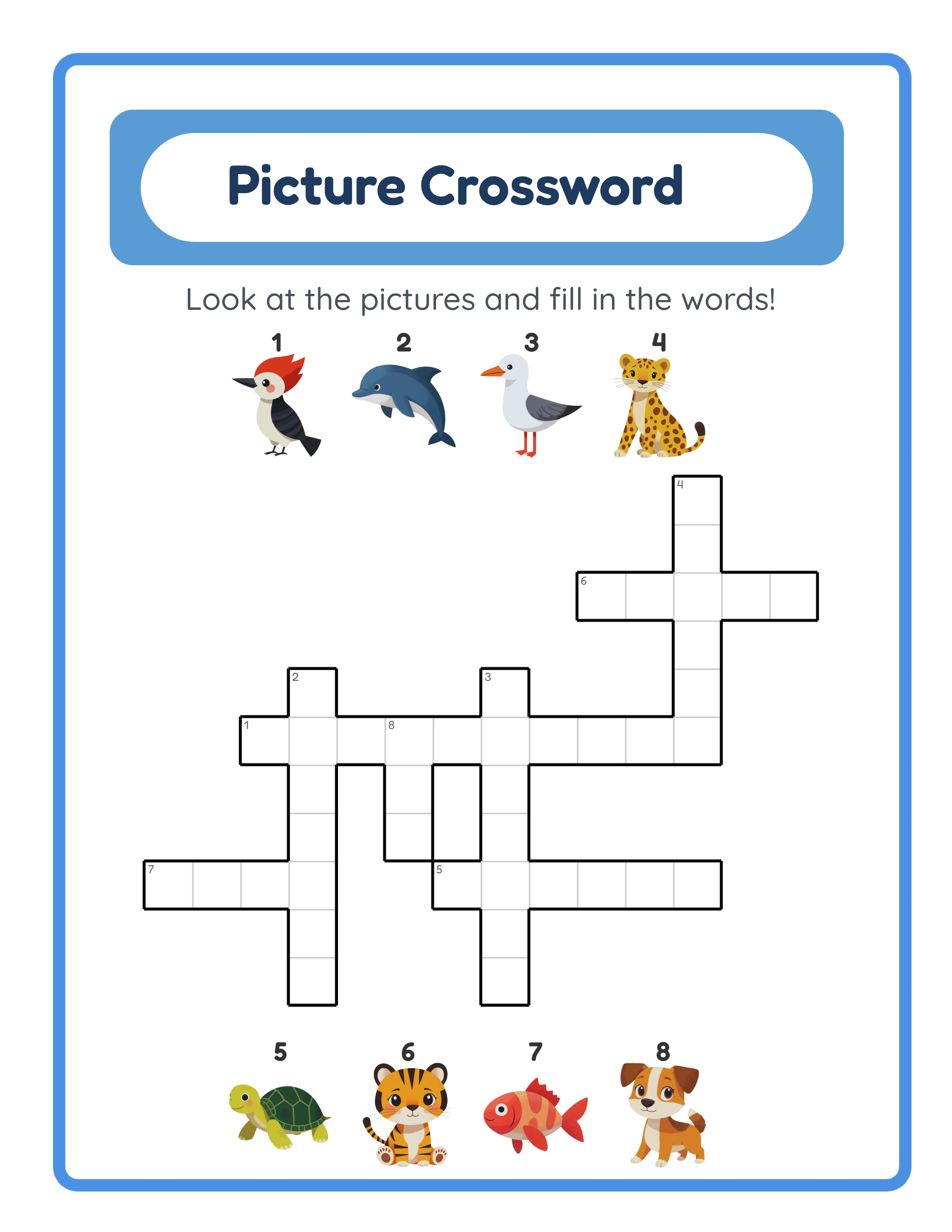
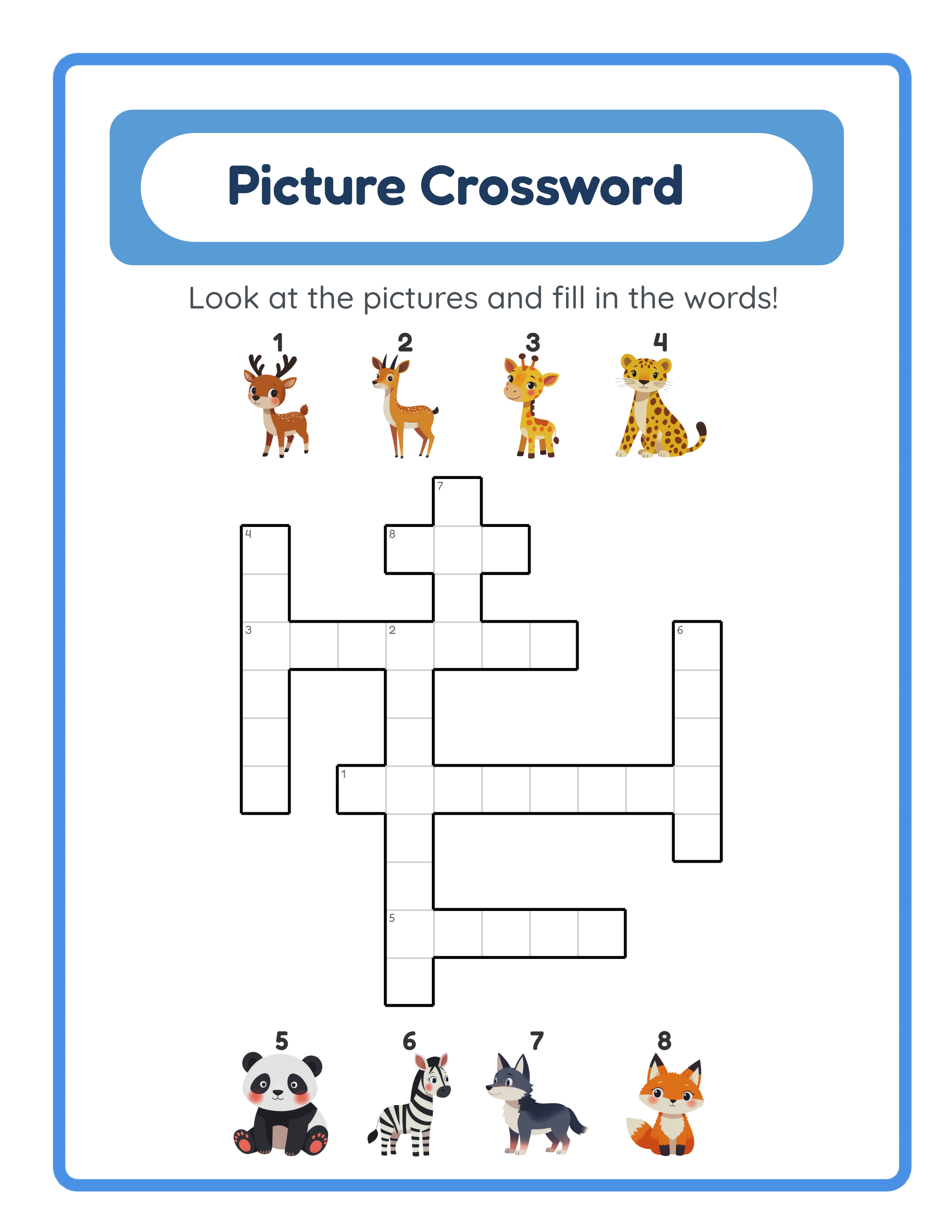
Endless Variety of Themes
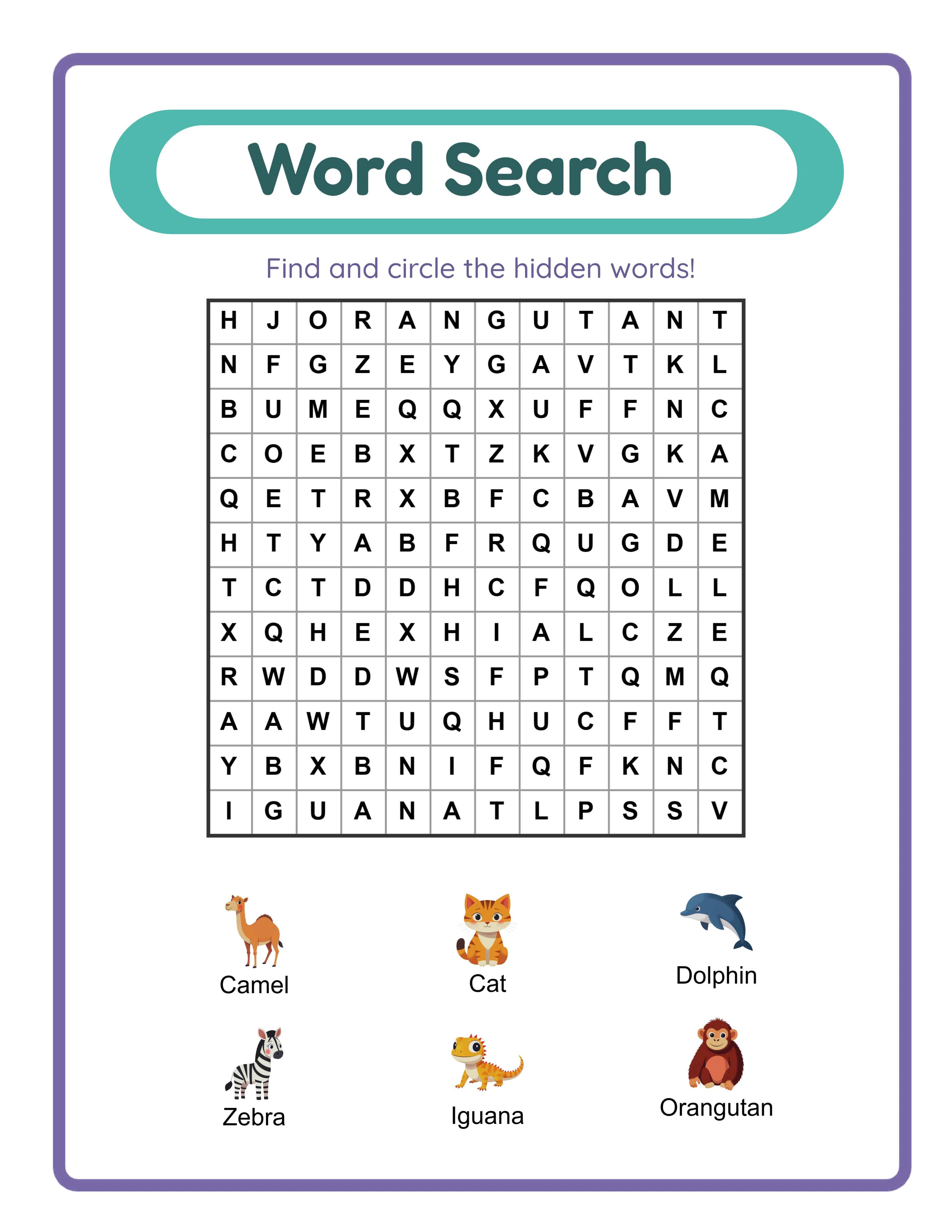
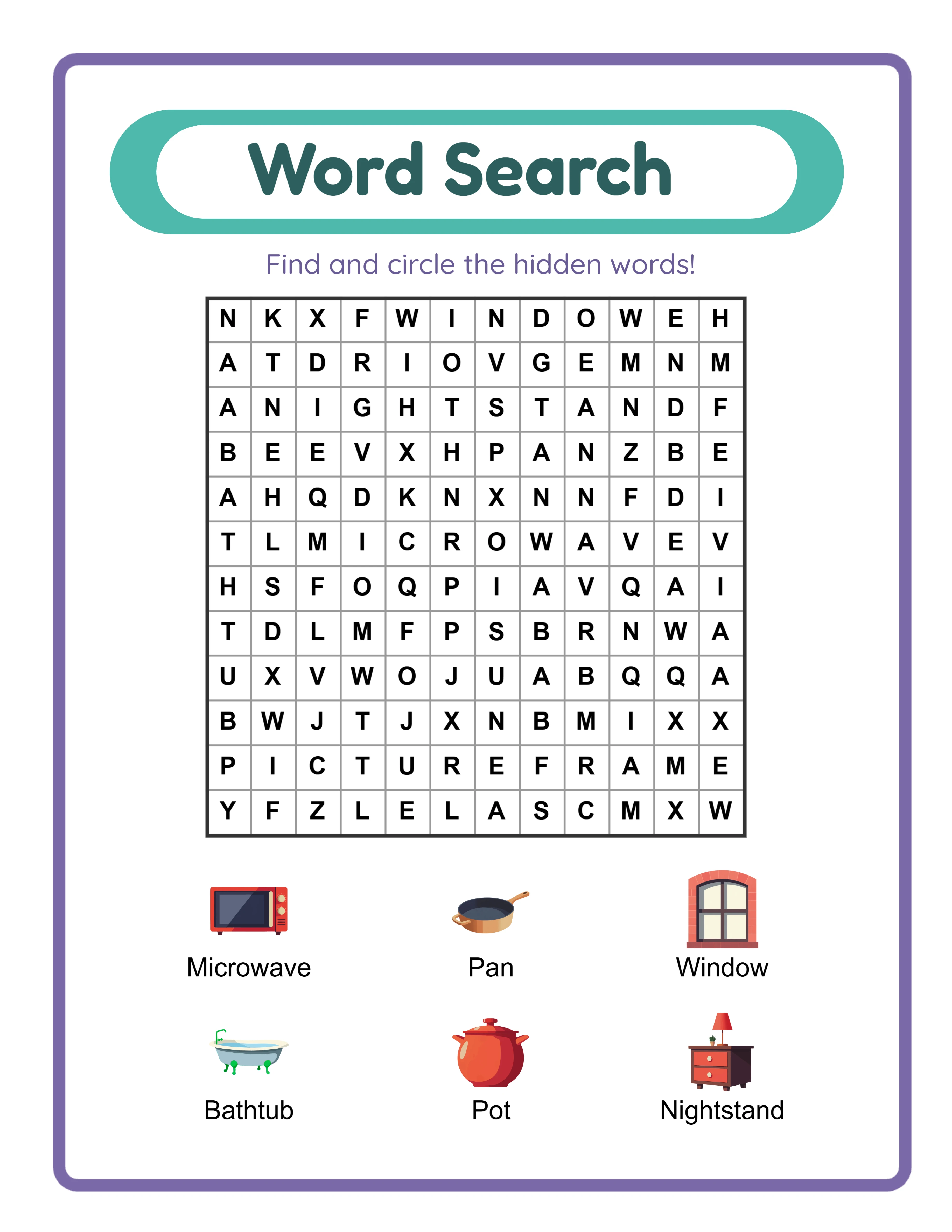
Mix and match across 33 generators to create unique products
Step 2: Evaluate Competition for Each Niche
Competition evaluation determines whether you can realistically rank on the first page of Amazon search results. Here is how to assess it:
**Search the exact keyword on Amazon:**
1. Type your niche keyword in the Amazon Books search bar
2. Note the total number of results (shown at the top of the page)
3. Examine the first 2 pages of results (top 32 listings)
**Competition scoring system:**
- Under 1,000 results: LOW competition (strong opportunity)
- 1,000-3,000 results: MODERATE competition (viable with differentiation)
- 3,000-10,000 results: HIGH competition (avoid unless you have a strong angle)
- Over 10,000 results: SATURATED (skip this niche)
**Analyze the top 20 listings:**
For each of the top 20 results, note:
- Number of reviews (an indicator of sales history)
- Average star rating
- Cover quality (professional or amateur?)
- Publication date (are the top books old or recent?)
- Price (the market's established price point)
**Signs of a favorable competitive landscape:**
- Several top-20 books have under 50 reviews (they are not entrenched)
- Some covers look amateur (you can differentiate with better design)
- Recent publications (within 6 months) are ranking well (the algorithm is still testing)
- Pricing is above $6.99 (healthy margin opportunity)
- At least 3-4 of the top 20 books have 4+ star ratings (buyers are satisfied with the category)
**Signs to avoid a niche:**
- Multiple books with 1,000+ reviews dominating page 1
- All top books published 2+ years ago with no new entrants ranking
- Average pricing below $5.99 (race-to-the-bottom market)
- Mostly 3-star or lower ratings (buyers are unhappy — indicates a problem with the niche itself)
Step 3: Estimate Demand Using BSR Analysis
Amazon Best Seller Rank (BSR) is a proxy for sales volume. Lower BSR means more daily sales. Here is how to use it:
**How to find BSR:**
1. Click on any book listing from your niche search
2. Scroll to "Product details" section
3. Find "Best Sellers Rank" (listed by category)
4. Note the overall Amazon BSR and the category-specific BSR
**BSR to daily sales estimates (approximate):**
| Amazon BSR Range | Estimated Daily Sales |
|---|---|
| Under 10,000 | 10-25+ copies/day |
| 10,000-50,000 | 3-10 copies/day |
| 50,000-100,000 | 1-3 copies/day |
| 100,000-300,000 | 0.5-1 copy/day |
| 300,000-1,000,000 | A few per week |
| Over 1,000,000 | Rarely sells |
**How to use BSR for niche evaluation:**
1. Check BSR for 5-10 books in the top 20 results for your niche
2. Calculate the average BSR of books ranked 5-15 (not just the top 1-2)
3. If the average is under 200,000, the niche has healthy demand
4. If the average is under 100,000, the niche has strong demand
**BSR analysis example:**
Searching "large print word search for seniors" — check books ranked 5 through 15:
- Book 5: BSR 45,000
- Book 8: BSR 78,000
- Book 10: BSR 112,000
- Book 12: BSR 165,000
- Book 15: BSR 230,000
- Average: ~126,000 — healthy demand, not dominated by a few mega-sellers
**Important BSR notes:**
- BSR fluctuates hourly — check the same book at different times
- Check BSR of books ranked 5-15, not just the top 3 (top books may have external traffic)
- A niche where only the top 3 have good BSR and everything else is 500,000+ is top-heavy and risky
- A niche where books ranked 10-20 all have BSR under 200,000 is healthy and deep
Step 4: Calculate Revenue Potential
Combining BSR estimates with pricing and royalty data gives you a revenue projection for any niche:
**KDP royalty calculation:**
- Paperback: 60% royalty for books priced under $8 or above $250, else you choose 40% or 60% based on price
- Most activity books use the 60% royalty option
- Effective royalty after printing costs: approximately $2.50-$4.00 per copy at $7.99-$9.99 price point
- Exact printing costs depend on page count and trim size
**Revenue estimation formula:**
Estimated daily sales x royalty per copy x 30 = monthly revenue per book
**Example calculation:**
- Niche: "travel activity book for kids ages 6-8"
- Average BSR of books ranked 5-15: 85,000 (estimated 2 copies/day)
- Book price: $8.99
- Printing cost (100 pages, 8.5x11): approximately $4.50
- Royalty per copy: ($8.99 x 0.60) - $4.50 = $0.89
Wait — that is too low. Let us adjust:
- Book price: $9.99
- Royalty per copy: ($9.99 x 0.60) - $4.50 = $1.49
- Monthly revenue: 2 copies/day x $1.49 x 30 = $89.40/month per book
**Revenue targets by strategy:**
- Single book income: $50-$150/month is realistic for a well-positioned book
- 10-book catalog in one niche: $500-$1,500/month
- 30-book catalog across 3-5 niches: $1,500-$5,000/month
**Revenue red flags:**
- If the math does not produce at least $50/month per book at realistic BSR estimates, the niche is too small
- If pricing must exceed $12.99 to achieve viable royalties, test buyer willingness carefully
- If printing costs consume more than 50% of list price, reduce page count or increase price
**Revenue green flags:**
- Multiple books in the niche earning $100+/month (proven, sustainable demand)
- Books priced at $9.99-$12.99 with BSR under 150,000 (healthy economics)
- Room for 10+ books in the niche without keyword overlap (catalog potential)
Step 5: Validate with Supplementary Data
Amazon search is your primary data source, but supplementary signals confirm or challenge your findings:
**Google Trends validation:**
1. Search your niche keyword on Google Trends
2. Set the time range to "Past 12 months"
3. Look for: stable or growing interest (good), declining interest (caution), one-time spike (seasonal — note the timing)
4. Compare your niche keyword to a known baseline (e.g., "coloring book for adults")
**Etsy cross-validation:**
1. Search your niche keyword on Etsy
2. If Etsy has strong demand for digital versions, the KDP physical version likely has demand too
3. Etsy data tells you about the digital download market potential
4. A niche that sells on both KDP and Etsy doubles your revenue opportunity
**Pinterest interest signals:**
1. Search your niche keyword on Pinterest
2. High pin counts indicate content interest (leads to buying interest)
3. Pinterest traffic for activity-related keywords often translates to Amazon purchasing
**Review content analysis:**
1. Read the 1-star and 2-star reviews of top competitors in your niche
2. These reveal exactly what buyers want but are not getting
3. Common complaints in activity books: "too few pages," "too easy/hard," "poor print quality," "boring activities"
4. Each complaint is a product differentiation opportunity
**Seasonal demand patterns:**
1. Check if your niche has seasonal spikes (back-to-school, Christmas, summer)
2. Google Trends shows seasonality clearly
3. Seasonal niches are not bad — they just require timing your launches correctly
4. Publish 6-8 weeks before the seasonal peak to build reviews during the ramp-up
**Data convergence:**
A niche is strong when Amazon, Google Trends, Etsy, and Pinterest all show demand. If Amazon BSR is good but Google Trends shows declining interest, proceed with caution — the niche may be contracting.
What Your Listings Could Look Like
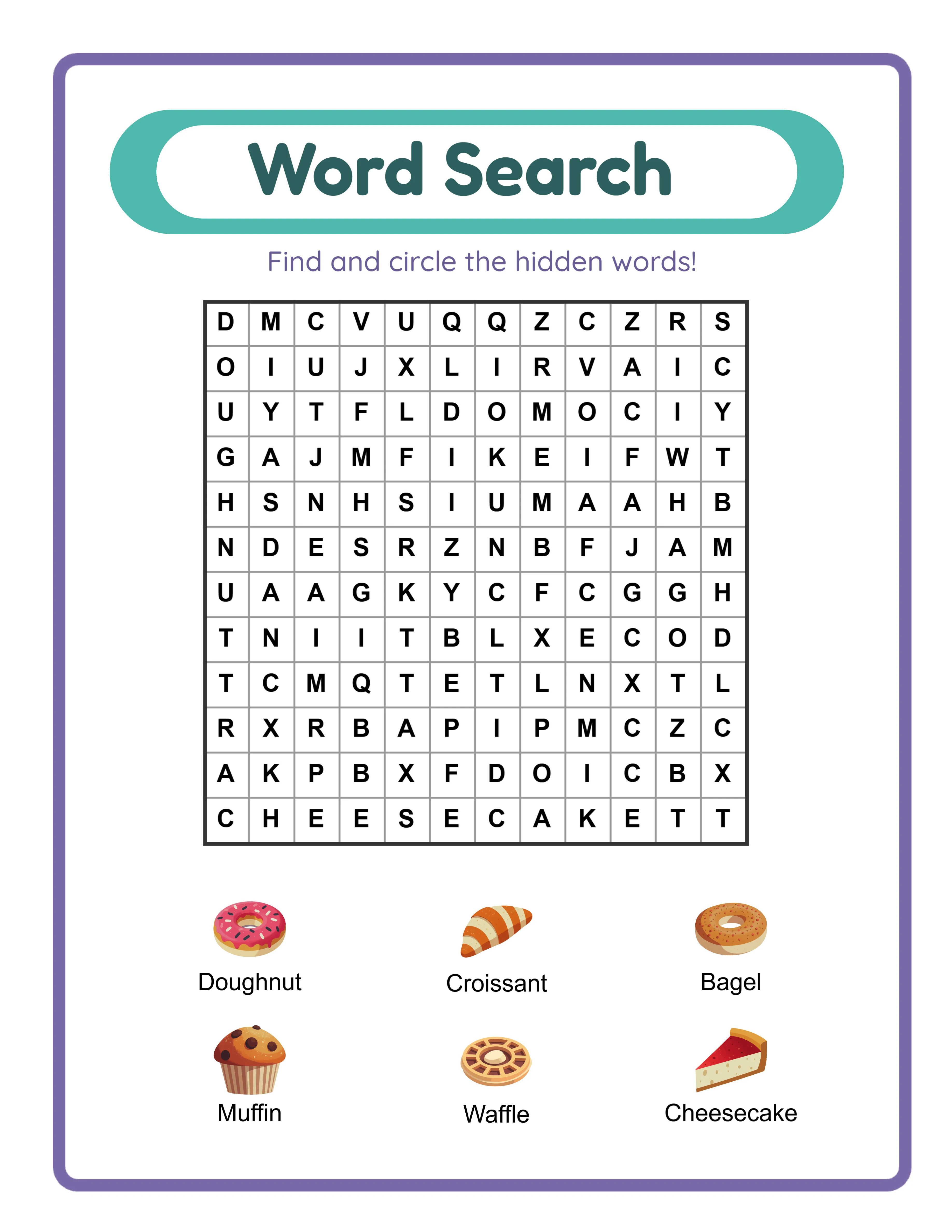
Theme Pack A
$4.99
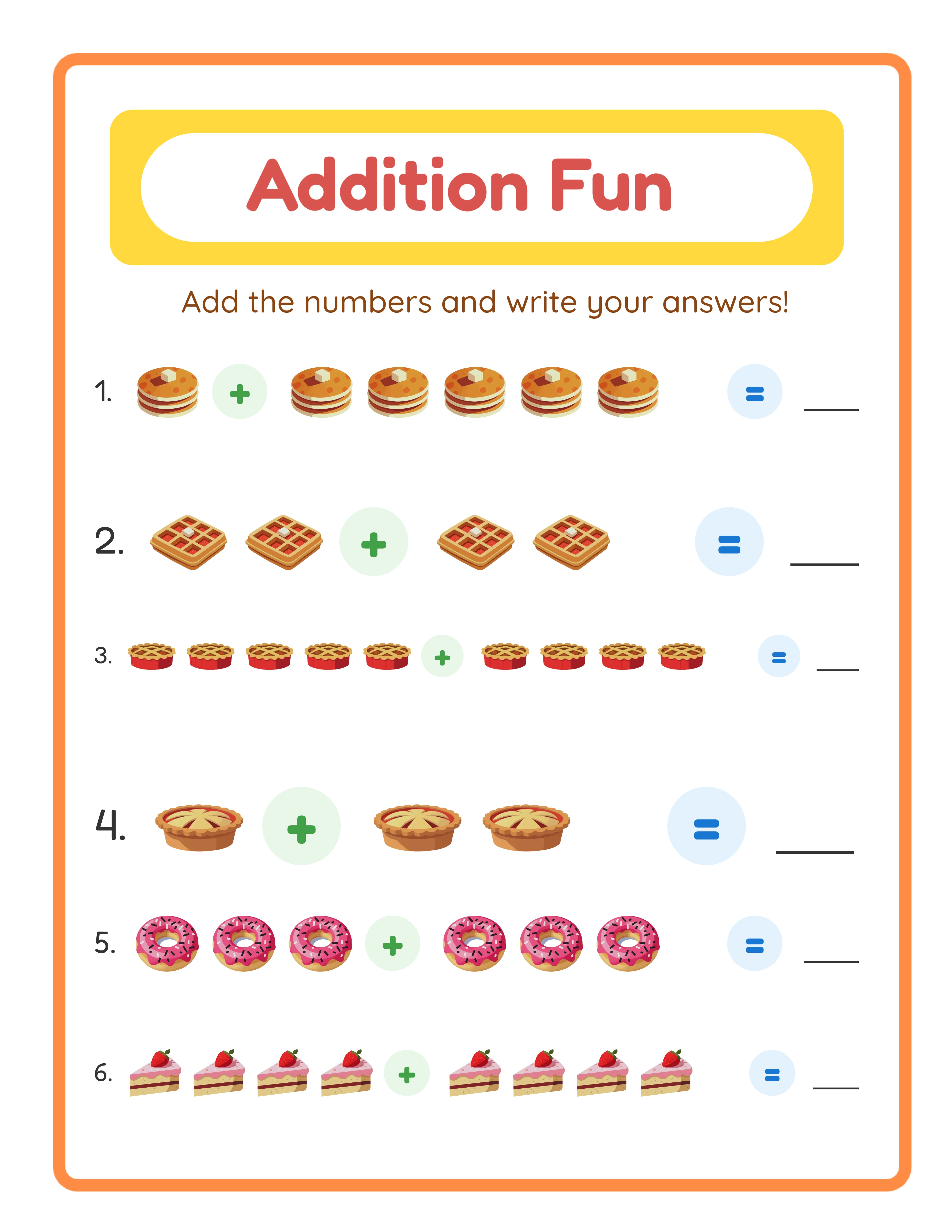
Theme Pack B
$5.99
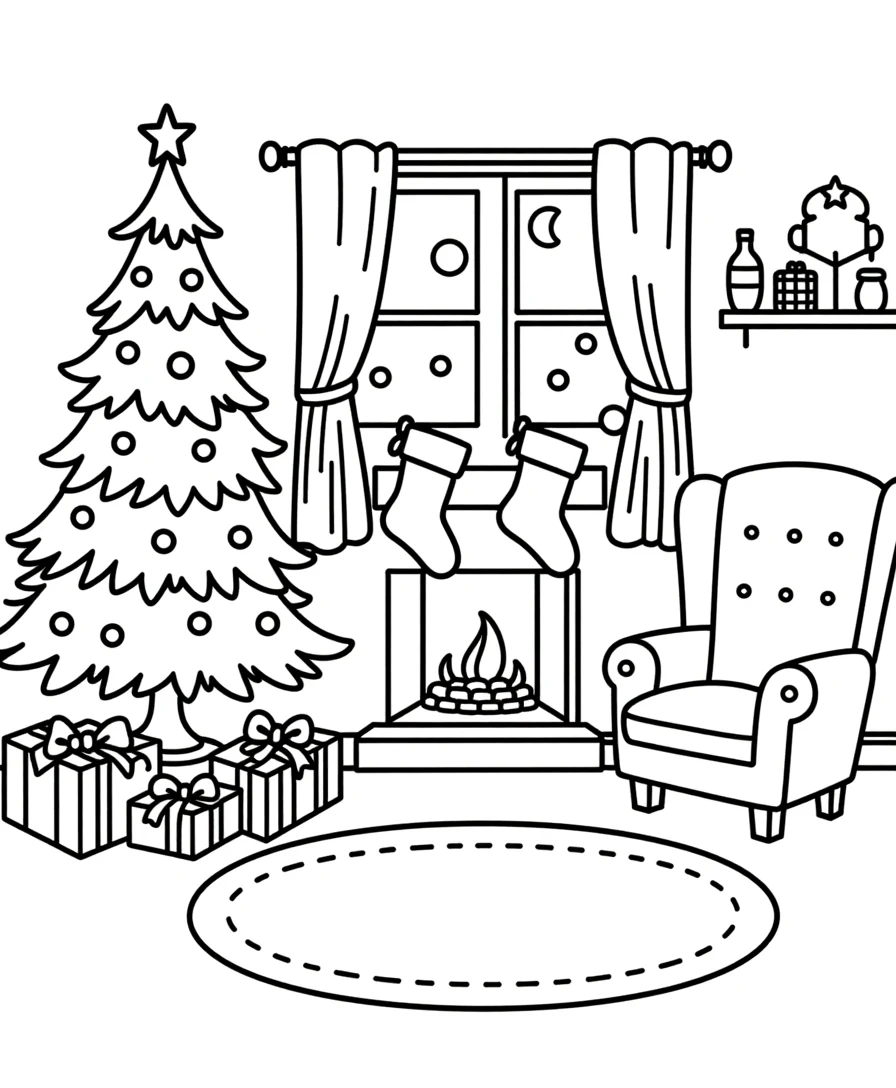
Theme Bundle
$8.99
Step 6: Make the Go/No-Go Decision
After completing Steps 1-5, you have enough data to make a confident niche decision. Use this scoring framework:
**Score each factor 1-5 (5 = best):**
1. **Demand (BSR analysis):** Average BSR of books ranked 5-15
- 5 = under 50,000 | 4 = 50-100K | 3 = 100-200K | 2 = 200-500K | 1 = over 500K
2. **Competition (result count + quality):**
- 5 = under 500 results | 4 = 500-1,500 | 3 = 1,500-3,000 | 2 = 3,000-5,000 | 1 = over 5,000
3. **Revenue potential (per book monthly estimate):**
- 5 = $150+ | 4 = $100-$150 | 3 = $50-$100 | 2 = $25-$50 | 1 = under $25
4. **Differentiation opportunity (weak competitors, unmet needs):**
- 5 = obvious gaps, poor competitor quality
- 3 = moderate opportunities for improvement
- 1 = competitors are strong, little room to differentiate
5. **Production feasibility (can you create this efficiently?):**
- 5 = generators handle most content | 4 = generators + minor manual work
- 3 = mix of generated and manual | 2 = mostly manual
- 1 = fully custom creation required
6. **Catalog potential (room for multiple books):**
- 5 = 20+ book variations | 4 = 10-20 | 3 = 5-10 | 2 = 3-5 | 1 = standalone only
**Decision thresholds:**
- Total score 25-30: Strong GO — prioritize this niche
- Total score 20-24: Conditional GO — worth entering if you have production capacity
- Total score 15-19: MAYBE — proceed only if one factor is exceptionally strong
- Total score under 15: NO-GO — find a better niche
Document your scoring for each niche you evaluate. Over time, your scoring calibration improves and you make faster, more accurate decisions.
Common Niche Research Mistakes to Avoid
Even systematic researchers make these errors. Awareness prevents costly publishing decisions:
**Mistake 1: Confusing Amazon results count with competition**
1,000 results does not mean 1,000 active competitors. Many are old, abandoned, or poorly optimized listings. What matters is the quality and entrenchment of the top 20 results. A niche with 2,000 results but weak top-20 competitors is easier to enter than a niche with 500 results dominated by established publishers.
**Mistake 2: Chasing trending niches**
By the time a niche appears in a YouTube video or blog post about "hot KDP niches," it is already flooded with new entrants. Your niche research using Amazon data finds opportunities 3-6 months before they become common knowledge. Trust your data, not trend reports.
**Mistake 3: Ignoring production cost in revenue calculations**
A 200-page activity book at $9.99 might look profitable until you calculate printing costs of $6.50, leaving only $0.49 in royalty. Always calculate the actual royalty after printing costs before committing to a niche.
**Mistake 4: Evaluating demand from the top 3 books only**
The top 3 books in any niche may have external traffic (social media, email lists, ads) inflating their sales. Evaluate books ranked 5-15 for a realistic picture of what organic Amazon traffic delivers.
**Mistake 5: Entering a niche with one book**
Single books rarely earn meaningful income. Evaluate niches for catalog potential — can you publish 5-10 variations? A niche that supports only one book is not worth the research and production investment.
**Mistake 6: Neglecting existing content in your catalog**
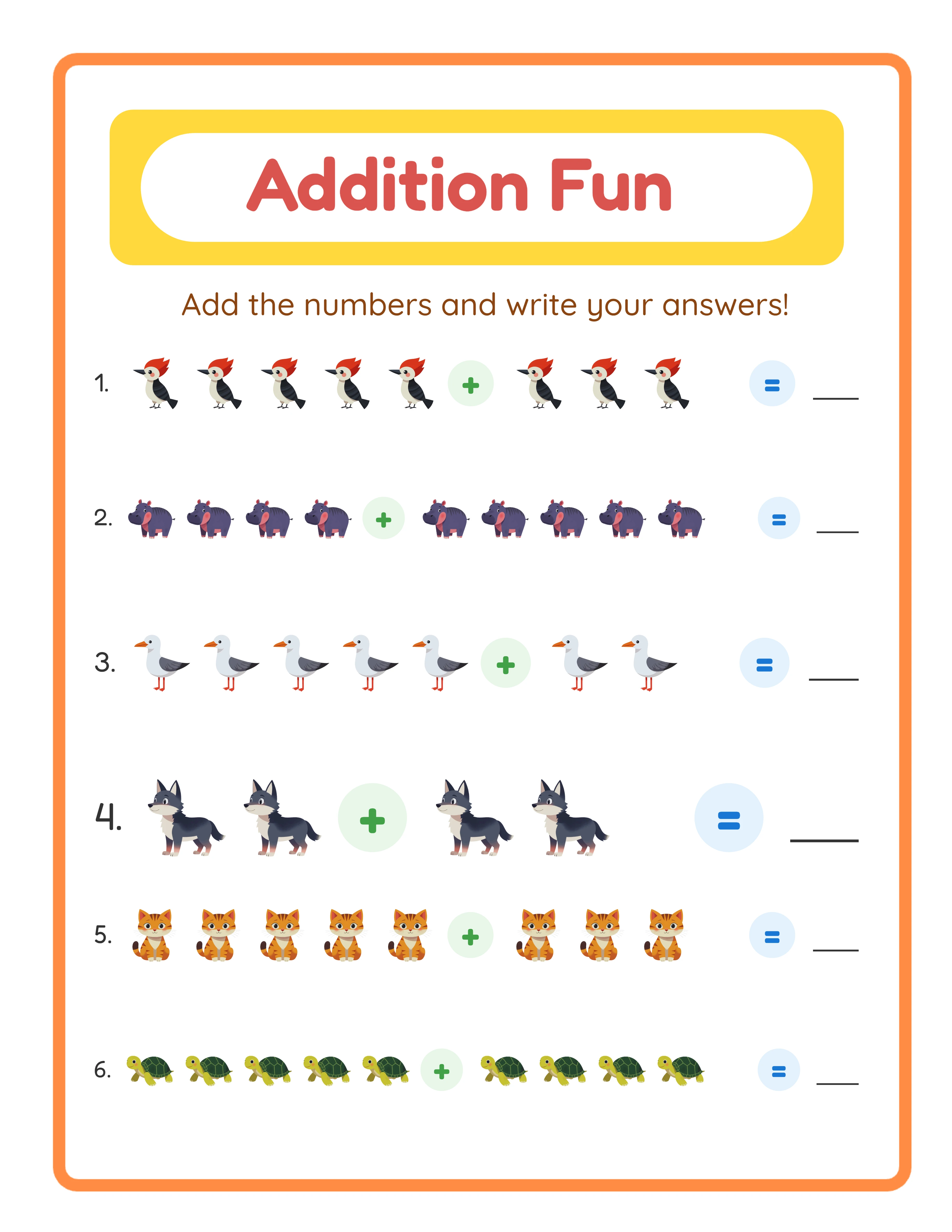
If you already sell addition worksheets on Etsy, a KDP addition workbook is a natural extension. Your existing content and customer base reduce the risk of entering a new platform. Always check for cross-platform opportunities from your current catalog.
**Mistake 7: Skipping review analysis**
Competitor reviews are free market research. They tell you exactly what buyers want improved. Spending 30 minutes reading competitor reviews saves you from repeating their mistakes.
Putting It All Together: A Complete Research Example
Here is the complete niche research process applied to a real example:
**Seed keyword exploration:**
Typing "puzzle book for" in Amazon Books autocomplete reveals: "puzzle book for adults large print," "puzzle book for kids ages 8-12," "puzzle book for seniors easy," "puzzle book for teens." The suggestion "puzzle book for seniors easy" looks promising.
**Competition check:**
Searching "easy puzzle book for seniors" returns approximately 1,400 results. The top 20 listings show a mix of quality: some professional covers, some amateur. Several books ranked 5-15 have under 100 reviews. Competition score: 4/5.
**BSR analysis:**
Checking BSR for books ranked 5-15:
- Book 6: BSR 62,000
- Book 9: BSR 95,000
- Book 11: BSR 140,000
- Book 14: BSR 185,000
Average: ~120,000 — healthy demand. Demand score: 3/5.
**Revenue calculation:**
Price $8.99, 100 pages, printing cost ~$4.50. Royalty: $0.89/copy. At 1.5 copies/day: $40/month. Bumping to $9.99: royalty $1.49/copy = $67/month. Revenue score: 3/5.
**Differentiation check:**
Reviewing 1-star reviews: "puzzles too small," "not enough variety," "boring word searches only." Opportunity: create a mixed puzzle book (word search + sudoku + crossword) with large print formatting. Differentiation score: 4/5.
**Production feasibility:**
Word search, sudoku, and crossword generators can produce 80% of the content. Manual effort limited to layout and cover. Production score: 5/5.
**Catalog potential:**
Easy, medium difficulty. Themed variations (nature, nostalgia, faith-based). Large print and standard print. Score: 5/5.
**Total: 24/30 — Conditional GO.** The revenue per book is modest, but catalog potential and production efficiency make this niche profitable at scale with 10-15 books.