Why Themed Products Outsell Generic Ones
Themed products win on multiple fronts: search visibility, conversion rate, and perceived value.
**Search visibility:** "Addition worksheets" returns millions of results on Etsy and Amazon. "Dinosaur addition worksheets" returns thousands. "Ocean animals addition worksheets for kindergarten" returns dozens. Themes naturally create long-tail keywords that face dramatically less competition.
**Conversion rate:** When a parent searches for "dinosaur worksheets" and finds your listing with actual dinosaur illustrations on every page, the product feels custom-made for their child. Generic worksheets with no theme feel mass-produced and interchangeable. The themed product converts higher because it matches the buyer's specific desire.
**Perceived value:** A 50-page math worksheet pack might sell for $4.99. Add a cohesive animal theme with matching illustrations and the same 50 pages sell for $6.99-$7.99. The math content is identical. The theme adds $2-3 in perceived value because it transforms a utility product into an engaging experience.
**Gift potential:** Themed products are gift-worthy. "Farm animals activity book" is something a grandparent buys as a present. "Math worksheet bundle" is not. Themes unlock the gift-buying market, which is significant during holiday seasons.
**Series potential:** A single theme generates 5-10 products across different activity types. Five themes generate 25-50 products. The theme IS your product catalog strategy.
How to Choose Themes That Sell
Not all themes perform equally. Some are evergreen sellers while others are seasonal or niche.
**Tier 1: Evergreen high-demand themes**
- Animals (domestic, farm, wild, ocean, jungle)
- Vehicles (cars, trucks, trains, planes, construction)
- Food and cooking
- Space and planets
- Dinosaurs
- Underwater and sea creatures
These themes have consistent year-round demand. Start here for your first product lines.
**Tier 2: Seasonal high-demand themes**
- Halloween (September-October peak)
- Christmas and winter holidays (November-December)
- Easter and spring (March-April)
- Back to school (July-August)
- Valentine's Day (January-February)
- Summer activities (May-June)
Seasonal themes produce sales spikes. Create them in advance and optimize listings 4-6 weeks before the season.
**Tier 3: Niche themes with loyal audiences**
- Unicorns and fantasy creatures
- Pirates
- Robots and technology
- Musical instruments
- Sports
- Camping and nature
Niche themes face the least competition and attract devoted buyers. A parent looking for "robot activity book" will pay a premium because options are limited.
**Theme selection strategy:** Launch with 3-4 Tier 1 themes to build a base of consistent sales. Add 2-3 Tier 2 themes for seasonal revenue spikes. Expand into Tier 3 themes to capture underserved niches. This layered approach builds a balanced product catalog.
Building a Product Line from a Single Theme
One themed image collection can fuel an entire product line. Here is how to maximize a single theme.
**Take "Farm Animals" as an example:**
1. **Farm Animals Addition Worksheets** (50 pages, $5.99)
- Addition problems illustrated with farm animal images
- With complete answer keys
2. **Farm Animals Subtraction Worksheets** (50 pages, $5.99)
- Same visual style, different math operation
3. **Farm Animals Coloring Pages** (40 pages, $4.99)
- Farm animal illustrations for coloring
4. **Farm Animals Word Search Puzzles** (60 pages, $5.99)
- Farm vocabulary word searches with animal images
5. **Farm Animals Maze Book** (50 pages, $5.99)
- Mazes with farm animal illustrations
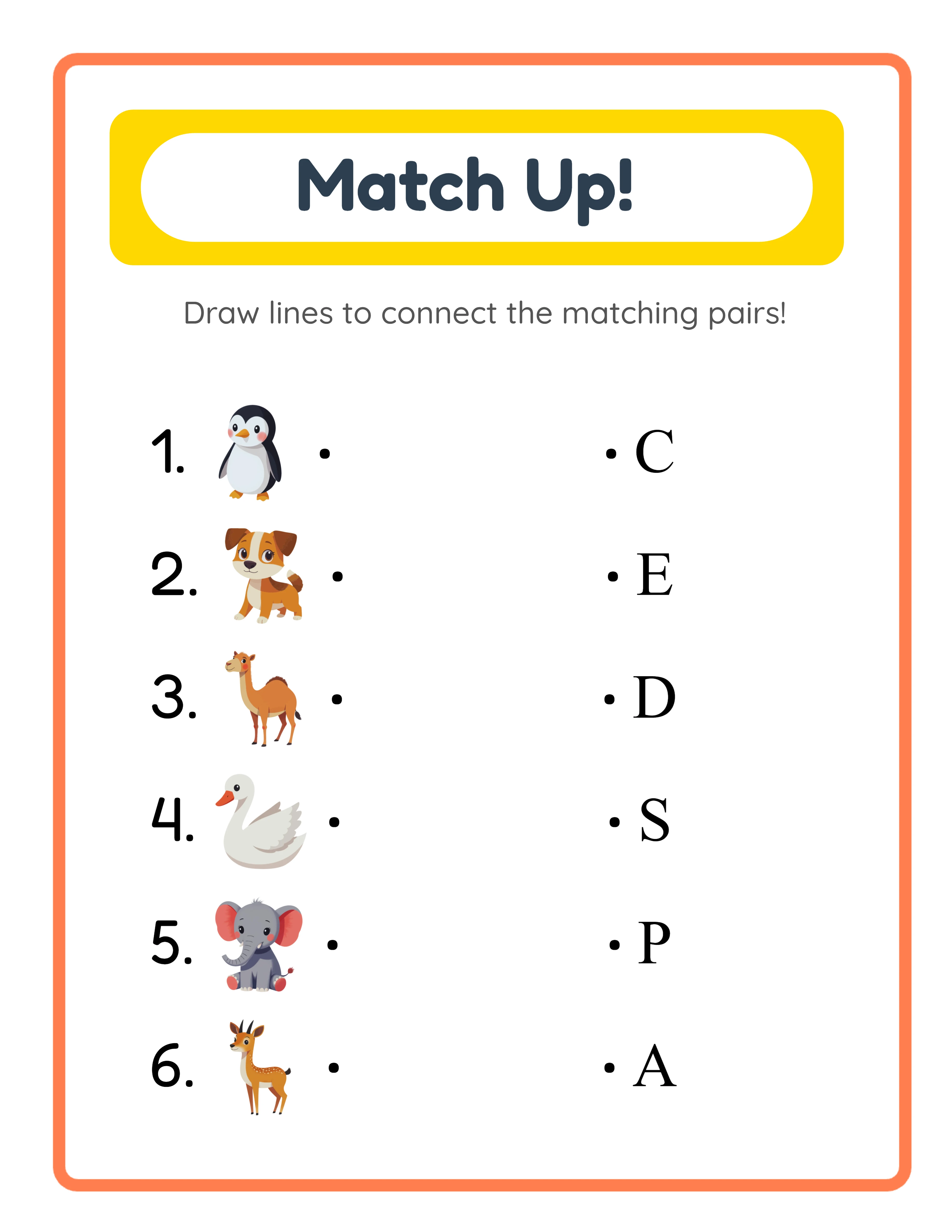
6. **Farm Animals Matching Activities** (40 pages, $4.99)
- Match animals to their names, sounds, or habitats
7. **Ultimate Farm Animals Activity Bundle** ($24.99)
- All six products in one discounted bundle
**Revenue potential:** If each individual product sells 50 copies and the bundle sells 20 copies, one theme generates: (6 products x 50 sales x $5.49 avg) + (20 x $24.99) = $1,647 + $500 = $2,147.
**Replication across themes:** Apply the same product structure to 10 themes and you have 60 individual products + 10 bundles. The content creation process gets faster with each theme because you have established templates and workflows.
Using LessonCraftStudio's 104 Theme Collections
LessonCraftStudio provides 104 themed image collections specifically designed for printable product creation.
**What each collection includes:** High-quality images organized by theme, ready to be used in worksheet generators. Each collection contains enough variety to create multiple distinct products without repeating images.
**Theme categories available:**
- Animals: domestic, farm, jungle, ocean, forest, arctic, desert, birds, insects, reptiles
- Objects: vehicles, food, clothing, furniture, tools, instruments, toys, school supplies
- Nature: flowers, trees, weather, seasons, landscapes, gardening
- Activities: sports, hobbies, professions, daily routines
- Fantasy: fairy tales, mythical creatures, space exploration
- And many more covering diverse interests and age groups
**How to use them effectively:**
1. Browse the available themes and identify which align with your target market
2. Select a theme and open the relevant worksheet generator
3. Choose the theme's image collection as your visual content source
4. Generate worksheets — the images are automatically placed and formatted
5. Download your themed worksheets with answer keys
**The speed advantage:** Using pre-made themed collections eliminates the most time-consuming part of creating themed products — finding, licensing, and formatting images. With LCS, you go from theme selection to finished product in minutes, not hours.
**Try it yourself:** Use any generator free trial with watermark to see how themed image collections integrate into the worksheet creation process. The watermarked output shows you exactly what the paid version produces.
One Generator — Three Product Tiers
Create an entire product line from a single tool
beginner level
intermediate level

advanced level

→Increasing difficulty→
Visual Consistency: Making Themed Products Look Professional
A themed product is only as good as its visual execution. Inconsistent imagery destroys the theme's value.
**Style consistency:** Every image in a themed product should share the same artistic style. Mixing cartoon animals with realistic photos looks unprofessional. Mixing different illustration styles (flat design with 3D rendered) looks disjointed. Choose one visual style and maintain it across every page.
**Color palette consistency:** Themed products should have a cohesive color palette. If your farm animals theme uses warm, earthy tones, maintain those tones on every page. Headers, borders, and accents should complement the theme's palette.
**Layout consistency:** Use the same page template throughout the themed product. Headers in the same position, content areas the same size, image placement consistent. This creates a professional, polished feel that buyers recognize and appreciate.
**Cover design that sells the theme:** Your cover image is the thumbnail in search results. It must immediately communicate the theme. A farm animals activity book cover should prominently feature farm animals in an appealing composition. Generic covers with small theme elements fail to capture attention.
**Quality across all pages:** Every page must maintain the same quality standard. If page 1 has a beautifully illustrated animal and page 25 has a basic clipart animal, the inconsistency undermines the entire product. Buyers review the full product, not just the first page.
**The advantage of curated collections:** Using a curated image collection (like those in LessonCraftStudio) automatically ensures visual consistency because all images are created in the same style by the same source. This eliminates the inconsistency problem that plagues sellers who source images from multiple clipart packs.
Keyword Strategy for Themed Products
Themed products open up long-tail keyword opportunities that generic products cannot access.
**Primary keyword formula:** [Theme] + [Activity Type] + [Audience]
Examples:
- "dinosaur addition worksheets kindergarten"
- "ocean animals coloring pages toddler"
- "farm word search puzzles kids"
**Title optimization:** Include the theme prominently in your listing title. "Farm Animals Addition Worksheets for Kids Ages 4-6 | Printable Math Practice" tells the buyer and the algorithm exactly what this product is.
**Tag strategy for themed products:**
- 3-4 tags with theme + activity combinations: "farm math worksheets," "animal addition practice"
- 2-3 tags with theme + audience: "farm activity kids," "animal worksheets preschool"
- 2-3 tags with activity + format: "printable math PDF," "instant download worksheets"
- 2-3 tags with broader theme terms: "farm animal printable," "animal activity book"
**Cross-theme keyword capture:** If you have the same product in 5 themes, each listing targets different long-tail keywords. Your five listings collectively cover far more search territory than one generic listing could.
**Seasonal keyword overlay:** Add seasonal keywords to themed products when relevant. "Farm animals Easter activity" captures buyers looking for Easter-themed content who also like farm animals. These compound keywords face almost zero competition.
**Amazon backend keywords:** For KDP, use the 7 keyword slots to capture theme variations: "farm animals," "barnyard," "cow pig chicken horse," "farm theme kids," etc. These do not need to be exact phrases — Amazon matches words independently.
Scaling from 1 Theme to a Full Product Catalog
Here is the scaling roadmap from your first themed product to a comprehensive catalog.
**Month 1: Single theme, multiple products**
Choose your best theme (highest demand, strongest images). Create 4-6 products plus a bundle. Learn the workflow, refine your templates, and gather your first reviews.
**Month 2: Add 2-3 more themes**
Apply your established workflow to new themes. Since your templates are already built, each new theme takes half the time of the first. You now have 15-20 products.
**Month 3: Seasonal theme launch**
Identify the next upcoming seasonal peak. Create 4-6 themed products targeting that season. List them 4-6 weeks before the peak date. Seasonal products generate concentrated sales during their peak period.
**Months 4-6: Expand and cross-reference**
Add 2-3 themes per month. Cross-reference products across themes in your listings. Create multi-theme bundles ("Animal Activity Mega Pack" combining farm, jungle, and ocean themes). You now have 40-60 products.
**Ongoing: Optimize and iterate**
Analyze sales data. Which themes sell best? Create more products in high-performing themes. Which products underperform? Optimize their listings or pivot the approach.
**Revenue trajectory:** With 50+ themed products averaging $5.99 and selling 20-30 copies each over 12 months, annual revenue reaches $6,000-$9,000 from organic Etsy and Amazon traffic alone. Top sellers with 200+ themed products and established review profiles earn significantly more.
The key is consistency: create systematically, list strategically, and compound your catalog over time. Themed image collections make the creation step fast enough that the bottleneck becomes listing and marketing, not production.