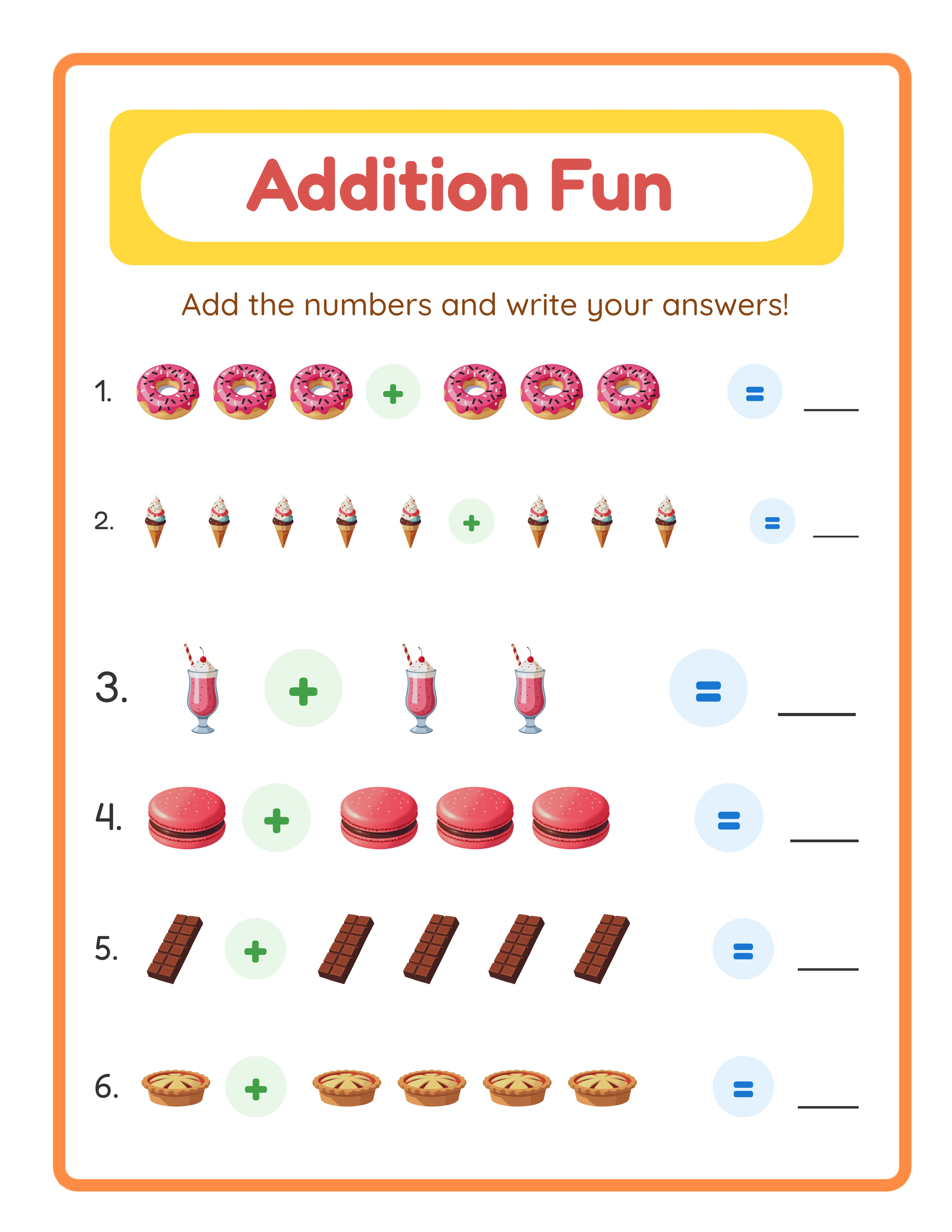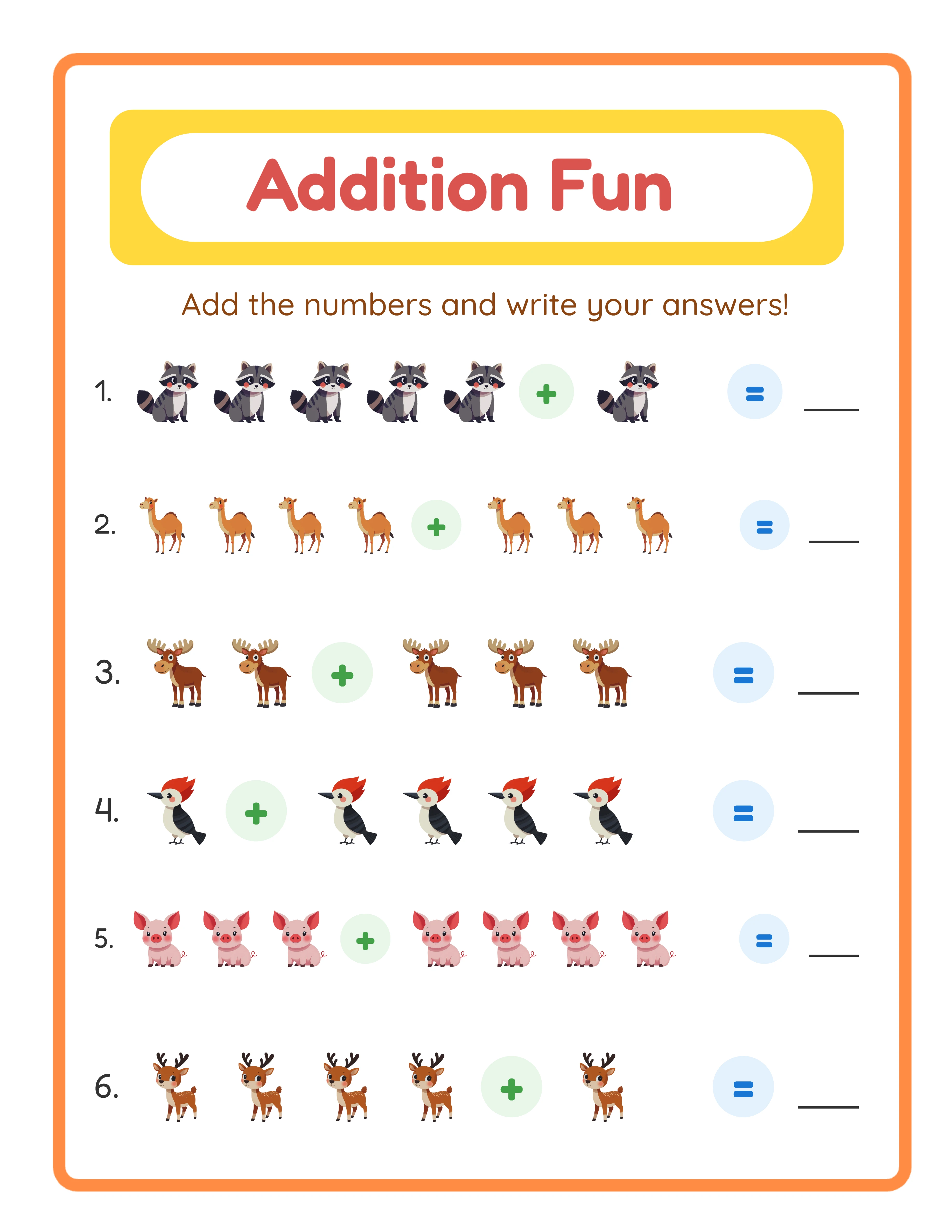
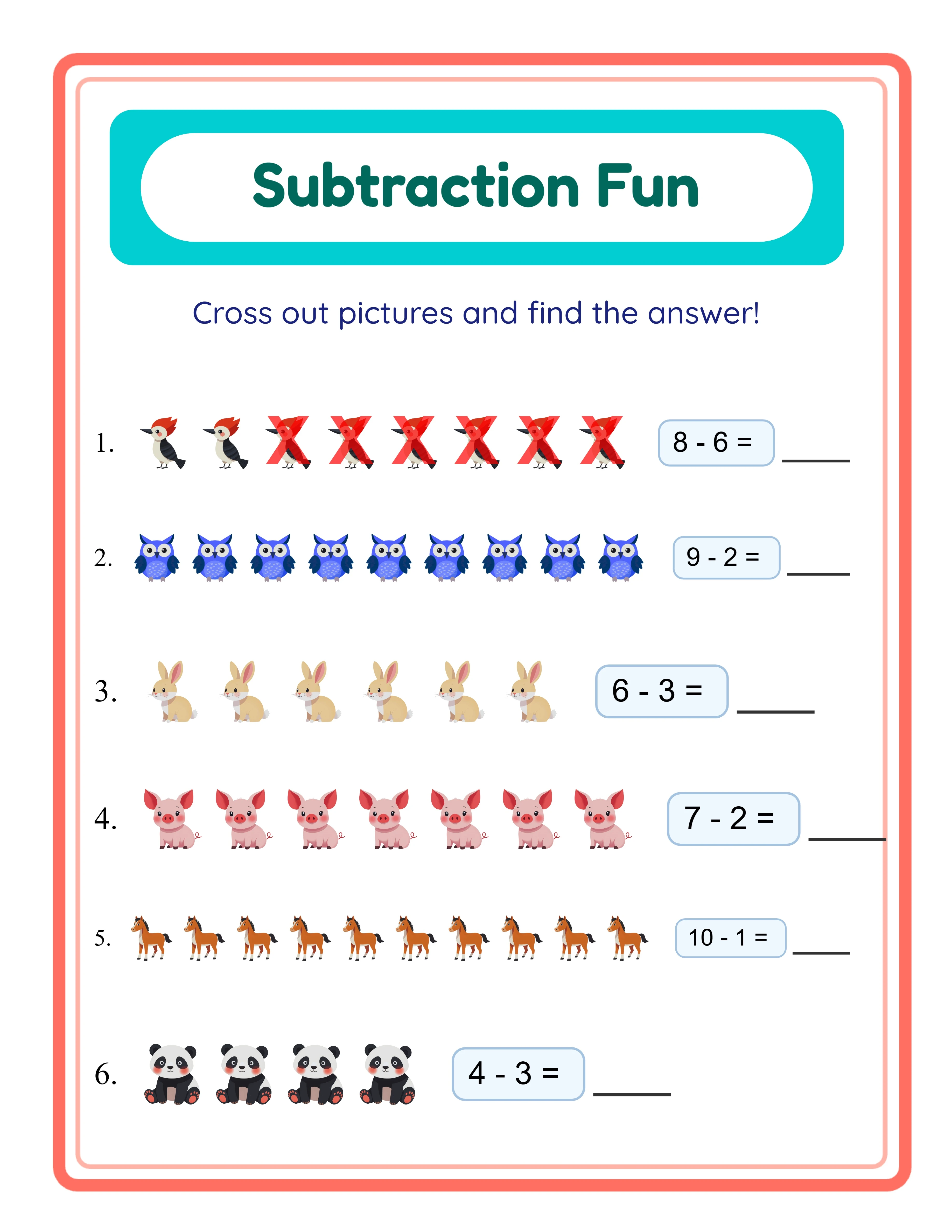
Why Product Series Outperform Individual Listings
The economics of product series are dramatically better than standalone products.
**Customer acquisition cost is fixed.** Getting a buyer to your Etsy listing costs the same whether they buy one product or five. Etsy ads, SEO effort, and social media marketing all target the initial discovery. Once a buyer trusts your shop, additional purchases cost nothing to acquire.
**Average order value increases.** Buyers who see a complete series often add 2-3 items to cart in one session. A single $5.99 sale becomes an $18 order. Etsy's algorithm also promotes shops with higher average order values.
**Reviews compound.** Each product in a series generates its own reviews. Five products with 10 reviews each give your shop 50 total reviews, which builds credibility faster than 50 reviews on a single product.
**Etsy's "more from this shop" feature.** When a buyer views one of your listings, Etsy shows related products from your shop. A coherent series appears naturally in these recommendations, driving browsing to purchasing.
**Reduced competition per listing.** A series of 5 animal-themed math worksheet packs competes in 5 different keyword niches. Your single standalone competitor competes in one niche. You capture 5 times the search real estate with the same product creation effort.
**Gift potential.** Parents and educators buy product series as gifts. A complete set of "animal math workbooks ages 3-8" is a compelling gift purchase that individual worksheets are not.
Three Proven Series Structures for Printables
Not all series are structured the same way. Choose the structure that fits your product type.
**Structure 1: Difficulty Progression**
Create the same activity type at increasing difficulty levels. Examples:
- Addition Worksheets: Easy (single digit), Medium (double digit), Hard (triple digit)
- Word Searches: Simple (10 words), Intermediate (15 words), Advanced (20+ words)
- Mazes: Beginner (simple paths), Intermediate (multiple paths), Expert (complex multi-layer)
This structure works because buyers naturally progress. A parent whose child masters the easy level will purchase the medium level next. The progression path is obvious and the purchase decision is frictionless.
**Structure 2: Themed Collections**
Create the same activity type with different themes. Examples:
- Coloring Pages: Animals, Vehicles, Food, Nature, Fantasy
- Word Searches: Ocean Animals, Farm Animals, Jungle Animals, Pet Animals
- Activity Books: Halloween, Christmas, Valentine's Day, Easter, Summer
Themed collections work because buyers who like one theme will explore others. A parent who buys animal worksheets notices your vehicle and food worksheets in your shop.
**Structure 3: Activity Type Expansion**
Create different activity types within the same theme. Examples:
- Animal Theme: Addition worksheets, Coloring pages, Word searches, Mazes, Matching games
- Space Theme: Math activities, Writing prompts, Crosswords, Drawing exercises, Puzzles
This structure creates the deepest engagement because it serves multiple learning needs within a theme the buyer already likes.
Designing Your Series for Maximum Cross-Sell
Strategic design decisions make cross-selling natural rather than forced.
**Consistent visual branding across the series.** Use the same color scheme, font choices, header style, and layout structure across all products in a series. When a buyer sees any product from the series, they immediately recognize it as part of a collection. This visual consistency on Etsy thumbnails drives curiosity and browsing.
**Standardized page counts and pricing.** Keep all products in a series at the same page count and price. This eliminates decision friction. If Volume 1 is 80 pages at $5.99, make Volumes 2-5 identical. Buyers know what to expect.
**Include cross-references in every product.** On the last page of each product, list all other products in the series with their names and a brief description. "Enjoyed this? Check out the other books in the Animal Math Series: Volume 2 (Subtraction), Volume 3 (Multiplication), Volume 4 (Division)."
**Create a bundle option.** Offer the complete series as a single bundle at a 15-25% discount. This captures buyers who want everything at once and provides a higher-value listing. The bundle listing also ranks for different keywords than individual volumes.
**Number your products clearly.** "Volume 1 of 5" in your title tells buyers this is part of a series. Buyers who purchase Volume 1 will search for Volume 2 specifically, and your listing title ensures they find your product, not a competitor's.
**Preview the next product.** Include a one-page preview of the next product in the series at the end of each PDF. This teaser drives immediate interest in continuing the series.
Building a Themed Image Collection Strategy
Themed image collections are the foundation of a diverse product series.
**The concept:** Start with a theme (animals, food, vehicles, etc.) and create multiple product types using images from that theme. One image collection fuels 5-10 different products.
**Example product line from an "Animals" theme collection:**
1. Animal Addition Worksheets (50 pages, $5.99)
2. Animal Subtraction Worksheets (50 pages, $5.99)
3. Animal Coloring Pages (40 pages, $4.99)
4. Animal Word Search Puzzles (60 pages, $5.99)
5. Animal Maze Book (50 pages, $5.99)
6. Animal Matching Activities (40 pages, $4.99)
7. Ultimate Animal Activity Bundle (all 6 products, $24.99)
Total revenue potential from one buyer: $24.99 (bundle) or up to $33.95 (all individual). From one theme's image collection.
**Scaling with multiple themes:** LessonCraftStudio provides 104 themed image collections. Each collection can generate the same product line structure above. That is potentially 600+ individual products from a systematic approach.
**Theme selection strategy:** Start with universally popular themes that have year-round demand: animals, food, vehicles, nature. Then expand into seasonal themes (Halloween, Christmas) and niche themes (dinosaurs, space, underwater) that face less competition.
**Consistency across themes:** Use the same activity types and product structure across all themes. A buyer who purchases your "Animals Addition Worksheets" should find an identical format in "Vehicles Addition Worksheets." This consistency makes repeat purchases feel safe and predictable.
One Generator — Three Product Tiers
Create an entire product line from a single tool
beginner level
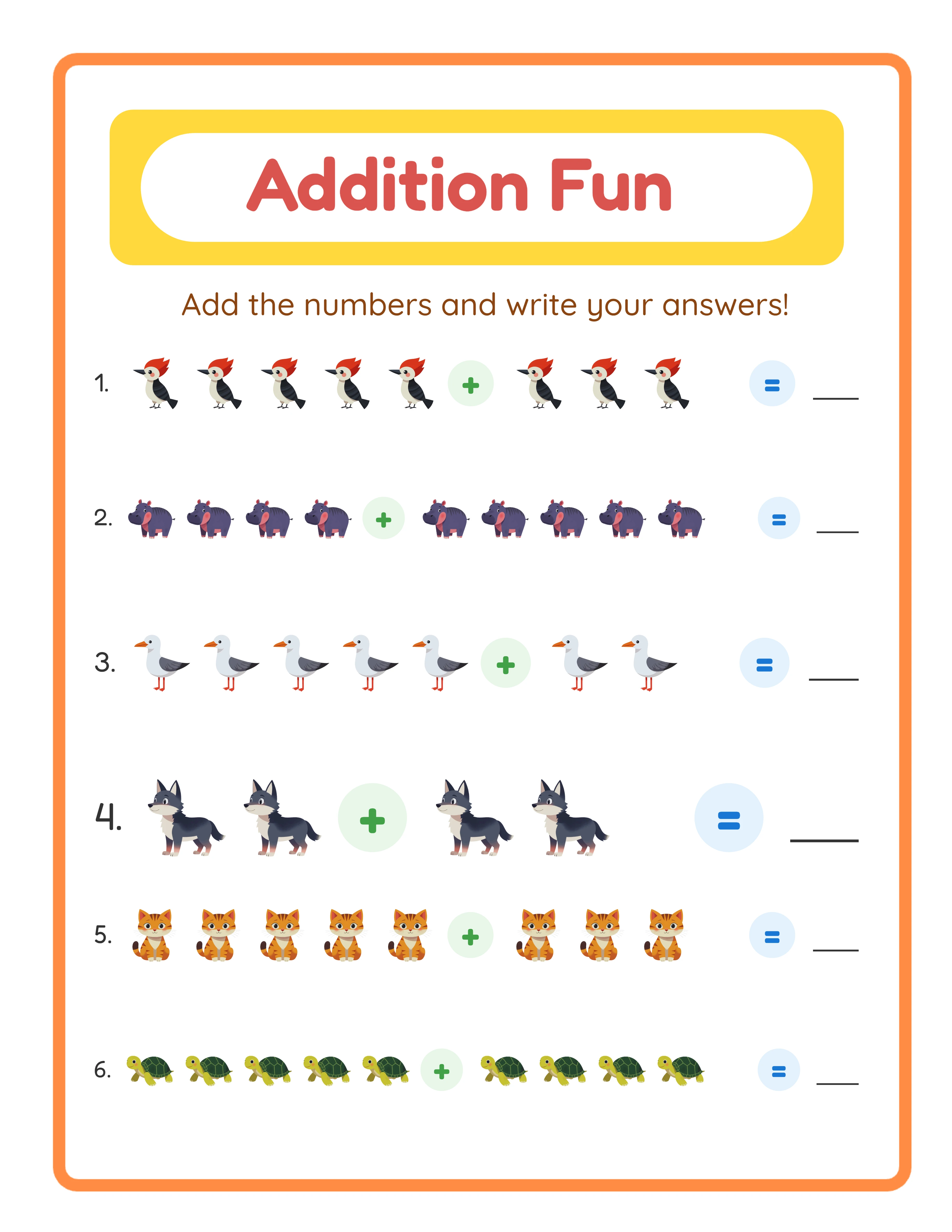
intermediate level
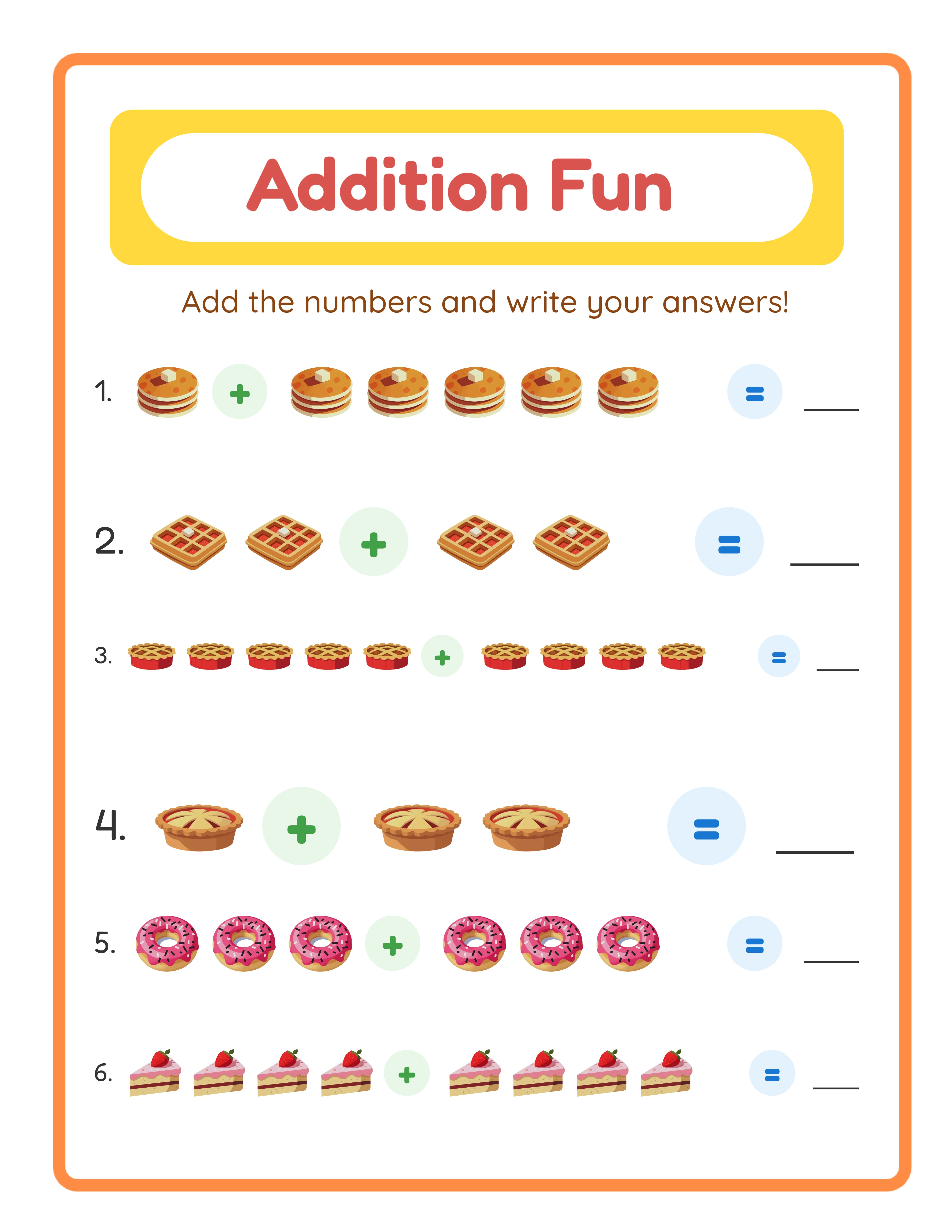
advanced level
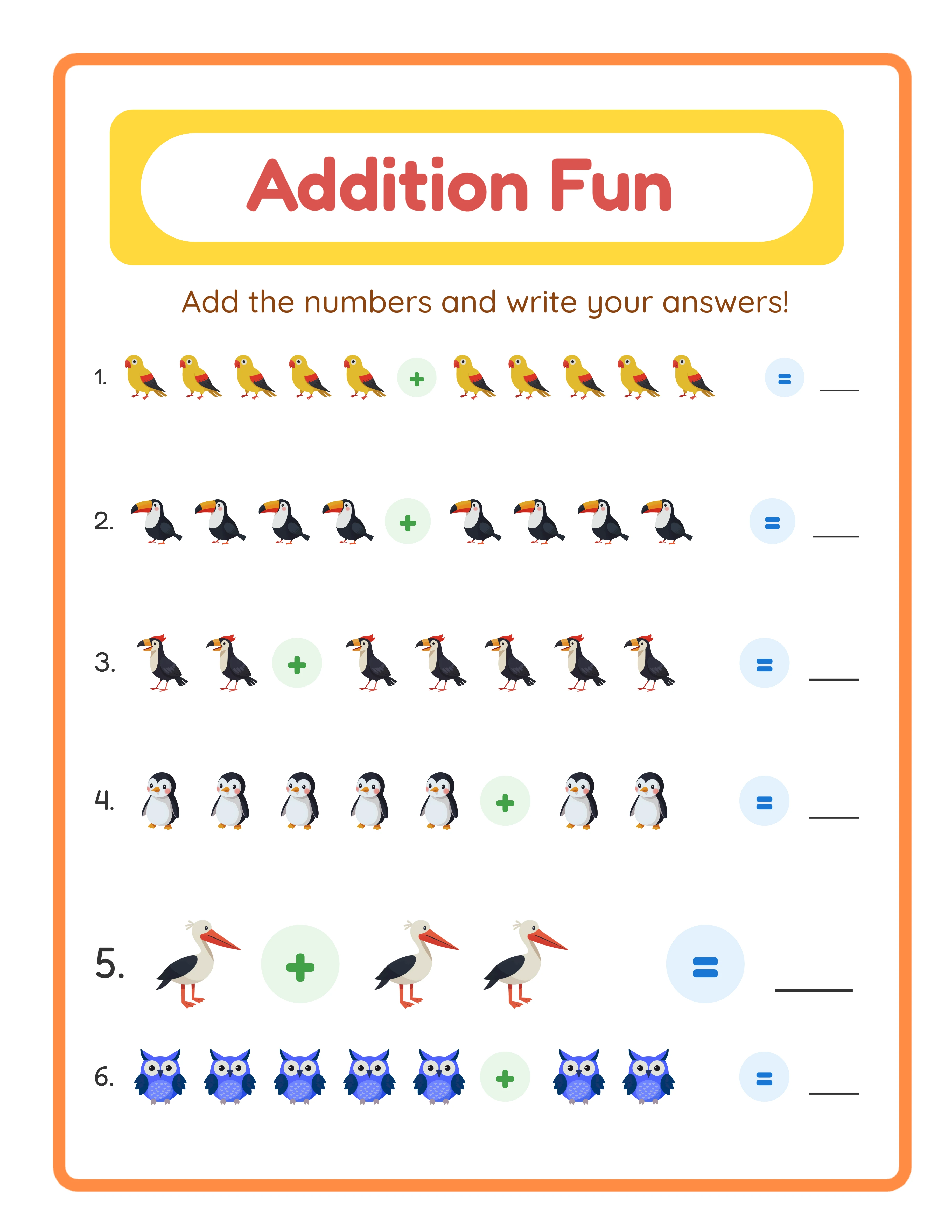
→Increasing difficulty→
Cross-Sell Techniques Within Your Etsy Shop
Getting buyers from one product to another requires intentional cross-selling techniques.
**Etsy listing organization:**
- Create a shop section for each series (e.g., "Animal Math Series," "Seasonal Activity Books")
- Order listings within sections logically (Volume 1 first, then 2, 3, etc.)
- Use consistent thumbnail designs so series look cohesive in shop view
**In-listing cross-sells:**
- Mention related products in your description: "This product is Volume 2 of our Animal Math Series. See Volume 1 (Addition) and Volume 3 (Multiplication) in our shop."
- Use listing photos to show the complete series. Photo 4 or 5 can be a series overview showing all available products.
**Bundle offers:**
- Create discounted bundles for buyers who want the full series
- Price bundles at 15-25% below the total of individual products
- Position bundles as "best value" in your shop sections
**Post-purchase follow-up:**
- Use Etsy's message system to thank buyers and mention related products
- Include a "What's Next" card in every digital download listing links to the rest of the series
- Note: Keep messages helpful, not spammy. One follow-up message is appropriate.
**Seasonal cross-promotion:**
- When seasonal demand peaks, promote your seasonal series across all listings
- Add seasonal tags to your evergreen products that cross-reference seasonal collections
- Update your shop banner and announcement with current series promotions
Pricing Strategy for Series and Bundles
Pricing a series requires balancing individual product value with bundle incentives.
**Individual pricing baseline:** Price each product in the series at a consistent rate. If your standalone products sell at $5.99-$6.99, keep series products in the same range. Do not price series products higher just because they are part of a collection.
**Bundle discount sweet spot:** 15-25% off the combined individual price. Less than 15% feels insignificant. More than 25% devalues the individual products.
**Bundle pricing example:**
- 5 individual products at $5.99 each = $29.95 total
- Bundle at 20% discount = $23.99
- Buyer saves $5.96; you earn $23.99 in one transaction instead of $5.99
**Tiered bundle strategy:**
- "Starter Pack" (2 products): 10% discount
- "Complete Series" (5 products): 20% discount
- "Mega Bundle" (all themes): 25% discount
This tiered approach captures buyers at every budget level and creates a clear upgrade path.
**KDP pricing for series:** Price KDP series volumes identically and competitively within your category. Amazon buyers browse series by price point. If Volume 1 is $7.99 and Volume 2 is $9.99 for no clear reason, you lose the repeat purchase.
**Launch pricing strategy:** When launching a new series, consider introductory pricing on Volume 1 at a lower price to build reviews and buyer momentum. Once Volume 1 has 10+ reviews, raise it to match the rest of the series.
Planning Your First Product Series: Step by Step
Here is the practical workflow for creating your first complete product series.
**Step 1: Choose your series structure.** Decide whether you will build a difficulty progression, themed collection, or activity expansion. Pick one structure for your first series.
**Step 2: Select your theme and scope.** Choose a popular theme with year-round demand. Plan 4-6 products for the series — enough to feel complete but manageable to produce.
**Step 3: Create a series plan spreadsheet.** Map out every product: title, page count, difficulty level, price, target keywords, and which existing products it cross-references.
**Step 4: Design your visual template.** Create one template that all products in the series will share. Consistent headers, footers, page layouts, and color schemes. This template speeds up production and ensures visual cohesion.
**Step 5: Batch-produce the content.** Generate all worksheets for all products in the series in one or two sessions. Use LessonCraftStudio generators to create content batches quickly. Do not list anything until the entire series is ready.
**Step 6: Create the bundle listing.** Before listing individual products, prepare the bundle listing. Having the bundle ready means you can cross-reference it from day one.
**Step 7: Launch strategically.** List one product every 2-3 days over two weeks. This spreads out the "new listing" boost Etsy gives to fresh listings. Reference upcoming volumes in your descriptions to build anticipation.
**Step 8: Create cross-references.** Once all products are live, update each listing description and product PDF to cross-reference the complete series.