International Printable Markets Guide

The English-speaking printable market is saturated with competition, but international markets remain dramatically underserved. Germany alone has 83 million people with high digital purchasing power and minimal printable competition. France, Spain, Italy, Brazil, the Netherlands, and Scandinavian countries each represent distinct opportunities with their own demand patterns, platform preferences, and pricing expectations. This guide analyzes each market individually, giving you the data you need to decide where to expand and how to enter each country strategically.
Printable worksheet designed for international market sales across multiple countries

Introduction

Most printable sellers operate as if the entire market is English-speaking. They create products in English, sell on the US Etsy marketplace and Amazon.com, and compete against tens of thousands of other English-language sellers. Meanwhile, entire national markets go largely uncontested. The numbers tell the story clearly. There are approximately 400 million native English speakers worldwide. But there are 1.5 billion native speakers of the other 10 languages supported by the LessonCraftStudio generators: German (100M), French (80M), Spanish (500M+), Portuguese (260M+), Italian (65M), Dutch (25M), Swedish (10M), Danish (6M), Norwegian (5M), and Finnish (5.5M). These populations buy digital products, print worksheets, and search for educational materials -- often finding almost nothing in their language. The business case for international expansion is straightforward: less competition, lower advertising costs, premium pricing power from scarcity, and revenue multiplication from existing product concepts. A worksheet bundle that earns $200 per month in English might earn $80 in German, $60 in French, and $50 in Spanish -- adding $190 per month (nearly doubling revenue) from the same creative concept. This guide provides a market-by-market analysis so you can prioritize your expansion intelligently. Each country section covers market size, platform preferences, buyer behavior, pricing expectations, competition density, and the specific cultural factors that influence what sells. The goal is to give you enough data to choose your first two or three international markets with confidence.
Try It Free with Watermark

Try any generator free with watermark. No signup required.

Tutorial

1

Germany: Europe's Largest Printable Market

Germany represents the single most attractive non-English printable market for several reasons: high population (83 million), strong digital purchasing habits, excellent printing infrastructure (most homes have printers), and a cultural emphasis on structured education that drives worksheet demand. Platform landscape: - Amazon.de: Germany's dominant e-commerce platform. KDP books in German face moderate competition but far less than on amazon.com. Activity books, puzzle books, and educational workbooks sell consistently. - Etsy Germany: Strong and growing. German buyers on Etsy actively search for "Arbeitsblatter" (worksheets), "Ratsel" (puzzles), "Ausmalbilder" (coloring pages), and "Druckvorlagen" (printable templates). Competition is a fraction of the English market. - Lehrermarktplatz (now eduki.com): Germany's equivalent of educator marketplaces. If you create educational printables, this platform has a dedicated German teacher audience. Buyer behavior: - German buyers value quality and thoroughness. They prefer comprehensive bundles over single-page products. - Product descriptions should be detailed and precise. German consumers research before purchasing. - Reviews matter enormously. German buyers read reviews carefully before committing. - Print quality expectations are high. Ensure your PDFs are 300 DPI with clean lines and professional formatting. Pricing expectations: - Single worksheet sets (10-20 pages): 3.99 EUR to 6.99 EUR - Bundles (50+ pages): 9.99 EUR to 14.99 EUR - Mega bundles (100+ pages): 14.99 EUR to 24.99 EUR - German buyers will pay full price for quality. Do not undercut English prices. Competition analysis: - Educational worksheets: Low to moderate competition. Most German worksheets are created by individual teachers, not professional sellers with optimized listings. - Puzzle books (KDP): Low competition. German-language puzzle books are dramatically underserved compared to English. - Coloring pages: Moderate competition. This is the most competitive non-English printable category in Germany. Cultural considerations: - German education follows a structured curriculum. Products aligned with specific grade levels (Klasse 1-4 for primary school) resonate with parents and teachers. - Privacy sensitivity is high. Avoid requesting personal information or using aggressive marketing language. - Environmental consciousness influences purchasing -- mention that digital printables reduce waste compared to pre-printed workbooks.
2

France: Premium Market with Loyal Buyers

France offers a premium printable market characterized by loyal buyers, strong repeat purchase rates, and growing digital adoption for educational materials. Platform landscape: - Amazon.fr: Active marketplace for KDP books. French puzzle books and activity books have low competition and steady demand. - Etsy France: Growing rapidly. French buyers search for "fiches d'exercices" (worksheets), "mots croises" (crosswords), "mots meles" (word searches), and "coloriage" (coloring pages). - Maitresse de la foret, Eduki France, and similar educator platforms serve the French teaching community. Buyer behavior: - French buyers value aesthetic quality highly. Product design, layout, and visual appeal influence purchasing decisions more than in most other markets. - Language precision matters. French buyers notice spelling errors, incorrect accents, and awkward phrasing immediately. The LessonCraftStudio generators handle French linguistic accuracy automatically. - Bundle purchasing is strong. French families tend to buy comprehensive sets rather than individual pages. - Seasonal purchasing peaks around La Rentree (September back-to-school) and school holidays (February, April, July). Pricing expectations: - Individual worksheet sets: 3.49 EUR to 5.99 EUR - Bundles: 8.99 EUR to 12.99 EUR - Premium bundles: 14.99 EUR to 19.99 EUR - French buyers are moderately price-sensitive but will pay premium prices for demonstrably high-quality products. Competition analysis: - Educational worksheets: Low competition. The French market is significantly less saturated than English or German. - Activity books (KDP): Very low competition. French-language activity books on Amazon.fr have minimal sellers. - Coloring pages: Low to moderate competition. Francophone reach: French products serve not just France (67 million people) but also Belgium (French-speaking community, 4.5 million), Switzerland (French-speaking region, 2 million), Quebec Canada (8.5 million), and francophone Africa (400+ million, though digital purchasing power varies). Your total addressable French-speaking market with significant purchasing power is approximately 80 million people. Cultural considerations: - French education emphasizes critical thinking and structured learning. Products that align with the French curriculum (programmes de l'Education Nationale) sell better. - Visual design should be clean and elegant. Cluttered or overly colorful designs are less appealing to French buyers than in some other markets. - French law requires specific information on digital products sold in France. Familiarize yourself with basic EU consumer protection requirements.
3

Spain and Latin America: Volume Opportunity

The Spanish-speaking market is the largest non-English language market by population, offering massive volume potential across multiple countries and platforms. Market sizing: - Spain: 47 million people, high digital adoption, strong Etsy and Amazon presence - Mexico: 130 million people, rapidly growing digital marketplace adoption - Colombia: 52 million people, emerging digital product market - Argentina: 46 million people, strong educational content demand - Other Latin American countries: Combined 200+ million additional Spanish speakers Platform landscape: - Amazon.es: Spain's Amazon marketplace. Low competition for Spanish-language KDP books. - Amazon.com.mx: Mexico's Amazon marketplace. Growing rapidly with increasing demand for educational materials. - Etsy: Spanish-speaking buyers search on both local marketplaces and Etsy.com. Keywords include "hojas de trabajo" (worksheets), "sopas de letras" (word searches), "crucigramas" (crosswords), and "paginas para colorear" (coloring pages). - MercadoLibre: Latin America's dominant e-commerce platform. While primarily for physical goods, digital product categories are expanding. Buyer behavior: - Spanish-speaking buyers are highly price-sensitive, especially in Latin American markets. Competitive pricing is essential. - Bundle value perception is strong. Buyers prefer large bundles at moderate prices over small sets at higher per-page prices. - Mobile purchasing is dominant in Latin American markets. Ensure your product previews look good on mobile screens. - Social media referrals drive significant traffic. Spanish-speaking buyers often discover products through Instagram, Facebook, and Pinterest. Pricing strategy: - Spain: Match or slightly undercut French pricing (3.49 EUR to 5.99 EUR for individual sets) - Latin America: Price 20-30% below European levels. $2.99 to $4.99 for individual sets, $7.99 to $12.99 for bundles. - Volume makes up for lower per-unit pricing. A $3.99 product selling 10 copies per day generates $1,197 per month. Competition analysis: - Educational worksheets: Low competition on Etsy, moderate on local platforms - Puzzle books (KDP): Very low competition on Amazon.es, minimal on Amazon.com.mx - Coloring pages: Moderate competition due to the large Spanish-speaking market Cultural considerations: - Spain and Latin America have different vocabulary and cultural references. "Coche" (car in Spain) vs "carro" (car in Latin America). The LessonCraftStudio generators use broadly accepted vocabulary that works across Spanish-speaking regions. - Religious and family holidays drive seasonal demand. Semana Santa, Dia de los Reyes, Dia de los Muertos (Mexico), and Navidad are key seasonal selling periods. - Educational systems vary by country. Generic educational content outperforms curriculum-specific content because it serves buyers across all Spanish-speaking countries.
4

Brazil and Portugal: Emerging Powerhouse

Portuguese-speaking markets represent one of the highest-growth opportunities for printable sellers, driven primarily by Brazil's enormous population and rapidly increasing digital adoption. Market sizing: - Brazil: 215 million people, the world's 5th largest population. Internet penetration exceeds 80%, and digital purchasing is growing at 20%+ annually. - Portugal: 10 million people with high purchasing power and strong digital adoption. - Other Portuguese-speaking markets: Mozambique, Angola, and other lusophone countries add an additional market (though purchasing power is lower). Platform landscape: - Amazon.com.br: Brazil's Amazon marketplace has been expanding rapidly. KDP availability for Portuguese books opened the market for self-publishers. - Etsy: Brazilian buyers are increasingly using Etsy for digital products. Portuguese keyword searches on Etsy are growing 30%+ year over year. - Mercado Livre (MercadoLibre Brazil): The dominant e-commerce platform in Brazil with a growing digital products section. - Hotmart and Eduzz: Brazilian digital product platforms popular for educational content. Buyer behavior: - Brazilian buyers are enthusiastic early adopters of new product types. If they see quality Portuguese-language printables, they share them widely through social media and messaging apps (WhatsApp is nearly universal in Brazil). - Price sensitivity is significant. Brazilian purchasing power is lower than European markets, so pricing needs to account for this. - Trust signals matter. Include preview images, detailed descriptions in Portuguese, and any social proof you have. - Installment payments are the norm in Brazil. Platforms that offer "parcelamento" (installment options) convert better. Pricing strategy: - Brazil: $1.99 to $3.99 for individual sets, $6.99 to $9.99 for bundles. Lower prices compensated by massive market volume. - Portugal: 3.49 EUR to 5.99 EUR for individual sets, matching other Southern European markets. Competition analysis: - Portuguese printables face almost zero competition on Etsy and Amazon. You can literally be the first seller offering certain product types in Portuguese. - Brazilian educator marketplaces have growing but still limited printable selections. - The opportunity is comparable to where the English printable market was 5-7 years ago. Cultural considerations: - Brazilian Portuguese differs from European Portuguese in vocabulary and spelling. The LessonCraftStudio generators produce content compatible with both variants. - Education in Brazil is compulsory until age 17. Parents actively seek supplementary educational materials, especially in math and literacy. - Carnival, Festas Juninas (June festivals), and Natal (Christmas) are major seasonal selling opportunities. - The Brazilian school year runs from February to December (opposite of Northern Hemisphere), affecting seasonal product timing.
5

Italy, Netherlands, and Belgium: Compact Premium Markets

These three European markets share characteristics of high purchasing power, strong digital adoption, and virtually zero competition for printable products. Italy (60 million people): - Amazon.it is the primary platform. Italian KDP books have minimal competition. - Etsy Italy is growing. Search terms: "schede didattiche" (worksheets), "cruciverba" (crosswords), "disegni da colorare" (coloring pages). - Italian buyers value beautiful design. Aesthetic quality is even more important here than in France. - Pricing: 2.99 EUR to 4.99 EUR for individual sets, 8.99 EUR to 14.99 EUR for bundles. - Competition: Near zero for most printable categories. You can establish category dominance quickly. - Cultural factors: Italian education emphasizes creativity. Art-related printables (coloring, drawing) perform particularly well. Netherlands (17.5 million people): - Bol.com is the dominant e-commerce platform (more popular than Amazon in NL). Amazon.nl is growing. - Etsy Netherlands is active. Search terms: "werkbladen" (worksheets), "woordzoekers" (word searches), "kleurplaten" (coloring pages). - Dutch buyers have very high digital purchasing power. Per-capita digital spending is among the highest in Europe. - Pricing: 3.99 EUR to 6.99 EUR for individual sets. Dutch buyers are willing to pay premium prices for quality. - Competition: Extremely low. Dutch-language printables are genuinely scarce. - Cultural factors: Dutch education is pragmatic and structured. Practical educational printables sell well. The Netherlands has high bilingual (Dutch-English) awareness, creating opportunities for both Dutch-only and Dutch-English bilingual products. Belgium (11.5 million people): - Split between Dutch-speaking (Flanders, 6.5 million) and French-speaking (Wallonia, 4.5 million) communities. - Belgian buyers purchase from both Dutch and French marketplaces. Your Dutch and French products automatically reach Belgian buyers. - Bol.com serves Dutch-speaking Belgium. Amazon.fr serves French-speaking Belgium. - Pricing matches their respective language markets (Dutch or French levels). - Belgium represents bonus market reach -- you do not need Belgium-specific products, just Dutch and French products.
6

Scandinavia: High-Value Niche Markets

The four Scandinavian markets (Sweden, Denmark, Norway, Finland) share characteristics that make them uniquely attractive for printable sellers: extremely high purchasing power, strong educational cultures, near-universal printer ownership, and essentially zero competition for native-language printables. Sweden (10.4 million people): - Amazon.se launched in 2020 and is growing steadily. Swedish KDP books have almost no competition. - Etsy serves Swedish buyers, though many also shop on US/UK Etsy sites. - Swedish search terms: "arbetsblad" (worksheets), "korsord" (crosswords), "ordsokning" (word searches), "farglaggning" (coloring). - Swedish buyers have among the highest per-capita spending on educational materials in Europe. - Pricing: 39 SEK to 79 SEK (approximately $3.50 to $7.50) for individual sets. Premium bundles at 129 SEK to 199 SEK ($12 to $19). Denmark (5.9 million people): - No dedicated Amazon marketplace yet. Danish buyers purchase on Amazon.de, Amazon.co.uk, or Etsy. - Danish search terms: "opgaveark" (worksheets), "krydsord" (crosswords), "ordsoegning" (word searches). - Very high purchasing power. Danish parents invest heavily in educational supplements. - Pricing: 29 DKK to 59 DKK (approximately $4 to $8.50) for individual sets. Norway (5.4 million people): - Similar to Denmark -- no dedicated Amazon marketplace. Etsy and international Amazon sites serve Norwegian buyers. - Norwegian search terms: "arbeidsark" (worksheets), "kryssord" (crosswords), "ordsok" (word searches). - Highest per-capita income in Scandinavia. Norwegian buyers are the least price-sensitive of any market. - Pricing: 39 NOK to 79 NOK (approximately $3.50 to $7) for individual sets. Finland (5.5 million people): - Finnish is linguistically unique (not related to Swedish, Danish, or Norwegian). This makes Finnish printables even scarcer than other Scandinavian languages. - Finnish search terms: "tyoarkki" (worksheets), "ristikko" (crosswords), "sananhaku" (word searches). - Strong educational culture (Finland consistently ranks among the top countries in global education rankings). - Pricing: 3.99 EUR to 6.99 EUR for individual sets. Scandinavian strategy: The individual markets are small, but combined they represent 27 million people with the highest purchasing power in Europe. Create products in all four Scandinavian languages as a batch -- the effort is minimal with the LessonCraftStudio generators, and each language captures a market with zero competition. Even selling 5-10 copies per month per language generates meaningful revenue when multiplied across 4 languages and multiple product types.
7

Amazon KDP International: Marketplace-by-Marketplace Strategy

Amazon KDP allows you to publish simultaneously on multiple Amazon marketplaces worldwide. Each marketplace serves a different primary language and buyer base. Marketplace priority ranking for printable sellers: 1. Amazon.com (US) -- Already your primary market. Serves English-speaking buyers globally. 2. Amazon.de (Germany) -- Largest European marketplace. Publish German KDP books here first. 3. Amazon.co.uk (UK) -- English-language, but different keyword patterns than US. Target UK-specific terms. 4. Amazon.fr (France) -- Publish French KDP books. Also serves French-speaking Belgium and Switzerland. 5. Amazon.es (Spain) -- Publish Spanish KDP books. Also serves Spanish-speaking Latin American buyers. 6. Amazon.it (Italy) -- Publish Italian KDP books. Growing marketplace. 7. Amazon.nl (Netherlands) -- Publish Dutch KDP books. Newer marketplace with very low competition. 8. Amazon.com.br (Brazil) -- Publish Portuguese KDP books. Massive market with growing digital adoption. 9. Amazon.se (Sweden) -- Publish Swedish KDP books. New marketplace, almost no competition. 10. Amazon.com.mx (Mexico) -- Spanish-language marketplace serving Mexico specifically. 11. Amazon.com.au (Australia) -- English-language, serves Australia and New Zealand. KDP expanded distribution: Enable expanded distribution for all your books. This makes them available on all Amazon marketplaces worldwide, not just your home marketplace. A German puzzle book published on Amazon.de automatically becomes available on Amazon.com as well. Pricing by marketplace: Set individual prices for each marketplace. Use KDP's royalty calculator to determine the optimal price point that maximizes royalty after printing costs in each region. European printing costs are typically 10-20% higher than US costs. Keyword optimization by marketplace: Each Amazon marketplace has its own search algorithm and keyword patterns. Optimize your book's title, subtitle, description, and keyword fields for the specific language and search behavior of each marketplace. Do not simply translate your English keywords -- research what buyers actually search for on each marketplace.
Platform Tips

Cross-Platform Strategy for International Sales

Different countries have different platform preferences. A successful international printable business sells across multiple platforms to maximize reach. Platform selection by country: - US/UK/Canada/Australia: Etsy (primary), Amazon KDP (secondary), Gumroad, Creative Market - Germany: Etsy, Amazon.de, eduki.com - France: Etsy, Amazon.fr, eduki.fr - Spain: Etsy, Amazon.es - Italy: Etsy, Amazon.it - Netherlands: Bol.com, Etsy, Amazon.nl - Brazil: Amazon.com.br, Hotmart, Etsy - Scandinavia: Etsy, Amazon.se (Sweden only), local educational platforms Multi-platform workflow: Create your printable once using the LessonCraftStudio generators. Export it as PDF. Then list it on every relevant platform for that language. The product file is identical -- only the listing details (title, description, tags) need to be adapted for each platform's requirements. Platform fee comparison: - Etsy: 6.5% transaction fee + $0.20 listing fee + payment processing - Amazon KDP: Printing cost + 40% or 60% of list price as royalty - Gumroad: 10% fee (or less on premium plans) - Creative Market: 30-50% commission For maximum international reach with minimum operational overhead, Etsy plus Amazon KDP covers the vast majority of international buyers. Add platform-specific marketplaces (Bol.com, Hotmart) only after you have validated demand in that specific market.

Currency, Tax, and Legal Considerations by Region

Selling internationally requires awareness of currency, tax, and legal requirements in different regions. Currency management: - Etsy handles currency conversion automatically. Buyers see prices in their local currency. - Amazon KDP lets you set prices per marketplace in local currency. Always set explicit prices rather than relying on automatic conversion -- round numbers convert better. - Price anchoring varies by currency. $9.99 USD feels different from 9.99 EUR, which feels different from 99 SEK. Research local price points for digital products. VAT and digital tax: - EU countries charge VAT on digital products (typically 19-25% depending on country). Etsy and Amazon handle VAT collection and remittance automatically. - If selling through your own website, you must collect and remit VAT for EU sales. Use a service like Paddle, Lemon Squeezy, or similar merchant-of-record platforms that handle VAT compliance. - US sales tax varies by state. Etsy handles this automatically. Digital product regulations: - EU consumer protection law grants buyers a 14-day withdrawal right for digital products unless they explicitly waive it at the point of purchase. Both Etsy and Amazon handle this through their terms of service. - GDPR applies to any personal data collected from EU buyers. If you collect email addresses for delivery or marketing, ensure GDPR compliance. Content considerations: - Some countries have specific rules about educational content. Germany, for example, has strict standards about what constitutes "educational material." Present your products as "supplementary activity materials" rather than claiming they replace formal education. - Copyright law varies by jurisdiction. Ensure your products do not include copyrighted characters, brands, or content from any country you sell in.

Seasonal Timing Differences by Country

School calendars, holidays, and seasonal buying patterns vary significantly between countries. Timing your product launches and advertising to match each country's calendar maximizes sales. Back-to-school timing: - US/Canada: Late August to early September - UK: Early September - Germany: Varies by state (Bundesland), from late June to September. Einschulung (first day of school for first-graders) is a major cultural event with gift-giving. - France: La Rentree in early September. This is the single largest seasonal sales event for French educational printables. - Spain: Mid-September - Italy: Mid-September - Brazil: February (Southern Hemisphere school year) - Scandinavia: Mid-August (varies by country) Major seasonal selling opportunities by country: Germany: Einschulung (Aug-Sep), Sankt Martin (November), Advent/Weihnachten (December), Karneval/Fasching (February), Ostern (Easter) France: La Rentree (September), Toussaint (November), Noel (December), Mardi Gras, Paques (Easter) Spain: Vuelta al Cole (September), Dia de los Reyes (January 6), Semana Santa (March-April), Navidad (December) Brazil: Volta as Aulas (February), Festa Junina (June), Dia das Criancas (October 12), Natal (December) Scandinavia: Skolstart (August), Lucia (December 13 in Sweden), Jul/Joulu (Christmas) Production calendar: Plan your international content creation 8-10 weeks ahead of each country's major seasonal events. Create seasonal products in batches by language -- generate Halloween content in all 11 languages at once, then Christmas content, then back-to-school content.

Monetization Strategies

Revenue Projections by Market

Realistic revenue expectations help you prioritize which international markets to enter first. Per-market monthly revenue potential (at catalog maturity of 20+ products): Germany: $200 to $600 per month. Highest non-English revenue potential due to market size and purchasing power. France: $150 to $400 per month. Strong repeat buyers and growing digital adoption. Spain + Latin America: $150 to $500 per month. Lower per-unit revenue but higher volume potential. Latin American markets are growing rapidly. Brazil + Portugal: $100 to $350 per month. The market is early-stage, meaning first movers capture disproportionate market share. Italy: $50 to $200 per month. Smaller market but premium pricing and near-zero competition. Netherlands + Belgium (Dutch): $50 to $150 per month. Small population offset by very high per-capita spending. Scandinavia (combined): $75 to $250 per month. Four small markets combined into meaningful revenue. Total international revenue potential: $775 to $2,450 per month from the same product catalog that already earns revenue in English. Investment required: The primary investment is time spent creating language versions (10-30 minutes per product per language using the generators) and localizing listings (30-60 minutes per listing per language). No additional product development, design work, or creative effort required. ROI calculation: If your English catalog of 20 products earns $1,500 per month and you expand to 5 languages, adding $900 per month in international revenue, you have increased total revenue by 60% with approximately 15-20 hours of additional work. The ongoing maintenance cost is near zero because products continue selling without updates.

Market Entry Prioritization Framework

Use this framework to decide which international markets to enter in what order, based on your specific situation. Score each market on three factors (1-10 scale): 1. Revenue potential: How large is the addressable market? How many buyers are actively searching? 2. Competition intensity: How many existing sellers serve this market? (Lower competition = higher score) 3. Production ease: How quickly can you create products for this market using the generators? Market scores: German market: - Revenue potential: 9 - Competition gap (inverse of competition): 7 - Production ease: 9 (generators produce excellent German content) - Total: 25/30 -- Enter first Spanish market: - Revenue potential: 8 (massive population) - Competition gap: 6 (more competition than other non-English markets) - Production ease: 9 - Total: 23/30 -- Enter second French market: - Revenue potential: 7 - Competition gap: 8 - Production ease: 9 - Total: 24/30 -- Enter first or second Portuguese market: - Revenue potential: 7 (Brazil is huge and growing) - Competition gap: 9 (near zero competition) - Production ease: 9 - Total: 25/30 -- Enter early (first mover advantage is massive) Italian market: - Revenue potential: 5 - Competition gap: 9 - Production ease: 9 - Total: 23/30 -- Enter in second wave Dutch market: - Revenue potential: 4 - Competition gap: 10 (virtually no competition) - Production ease: 9 - Total: 23/30 -- Enter in second wave Scandinavian markets (batch): - Revenue potential: 3 (each), 6 (combined) - Competition gap: 10 - Production ease: 9 - Total: 25/30 (combined) -- Enter as a batch in second or third wave Recommended entry sequence: German and French first, then Spanish and Portuguese, then Italian and Dutch, then Scandinavian languages as a batch.

Building International Revenue Streams with Minimal Overhead

The key to profitable international expansion is keeping operational overhead low while maximizing revenue across markets. Batch production workflow: Do not create products one language at a time. Instead, batch by product type. Open the word search generator, create your puzzle concept, then generate it in all target languages in one session. This is faster than switching between product types and languages randomly. Session example: Generate an animal word search in English, German, French, Spanish, Portuguese, Italian, Dutch, Swedish, Danish, Norwegian, and Finnish in one sitting. Export all 11 versions. Total time: 30-45 minutes for 11 products. Listing templates: Create listing template documents for each language with pre-researched titles, descriptions, and tags. When you have a new product to list, copy the template, insert the product-specific details, and publish. This reduces per-listing time from 60 minutes to 15-20 minutes. Automated pricing: Set up a pricing spreadsheet that calculates optimal prices for each marketplace based on your base English price, currency conversion, and market-specific adjustments. Update exchange rates monthly. Performance tracking: Track revenue by language market monthly. Use a simple spreadsheet with columns for each language and rows for each month. Identify which markets are growing, which are flat, and which need attention. Shift production effort toward the highest-performing markets. Scaling trigger: When a language market consistently generates $100+ per month, invest in creating language-specific seasonal products, expanding the product catalog for that language, and increasing advertising spend. Below $100 per month, maintain the market with minimal effort and let organic growth do the work. The goal is a portfolio approach: many small revenue streams across multiple languages and platforms that collectively generate substantial income with predictable growth.

Examples

Blueprint: German Market Entry in 30 Days

This blueprint provides a concrete 30-day plan for entering the German printable market. Day 1-3: Market research Search Etsy for German printable keywords: "Arbeitsblatter," "Ratsel," "Ausmalbilder," "Matheaufgaben," "Wortsuche." Note the top 10 listings for each keyword, their prices, review counts, and listing quality. Identify which product types have the highest demand and lowest competition. Day 4-7: Product creation Open the LessonCraftStudio generators and select German (Deutsch). Create: - 5 word search puzzle sets (5 different themes, 10 puzzles each) - 3 crossword puzzle sets (3 themes, 8 puzzles each) - 2 coloring page sets (2 themes, 15 pages each) Export all products as high-quality PDFs. Total: 10 products ready for listing. Day 8-12: Listing creation Create Etsy listings for all 10 products with: - German-language titles optimized for Etsy search - German-language descriptions with detailed product information - All 13 tags in German using researched keywords - Preview images with German text overlays - Prices set at 4.99 EUR to 6.99 EUR per set Day 13-14: Bundle creation Create 2 mega bundles: - "Ratsel-Paket -- 80 Wortsuche und Kreuzwortratsel" (puzzle bundle) at 14.99 EUR - "Komplett-Paket -- Alle Arbeitsblatter" (complete bundle) at 19.99 EUR Day 15-21: Launch and promote Publish all 12 listings. Enable Etsy Ads at 3 EUR per day. Share products in German-language Pinterest boards and educational Facebook groups. Day 22-30: Optimize and expand Analyze search terms, click-through rates, and conversion rates. Optimize underperforming listings. Create 3-5 additional products based on which keywords drive the most traffic. Expected results at 30 days: 15-25 sales generating 80 EUR to 150 EUR. More importantly, you now have an established presence in the German market with optimized listings that will grow organically.

Blueprint: 5-Market Expansion Over 6 Months

This blueprint shows how to systematically expand from English-only to 6 languages over 6 months. Month 1: German market entry Follow the 30-day German blueprint above. Goal: 12+ German listings live and generating initial sales. Month 2: French market entry Repeat the process for French. Create 10 products in French using the generators. List on Etsy with French-optimized titles, descriptions, and tags. Create 2 bundles. Goal: 12+ French listings live. Month 3: Spanish market entry + German expansion Create 10 Spanish products and list on Etsy. Simultaneously, expand your German catalog by adding 5 more products based on Month 1 performance data. Goal: 12+ Spanish listings, 17+ German listings. Month 4: Portuguese market entry + French expansion Create 10 Portuguese products targeting Brazilian and Portuguese buyers. Expand French catalog with 5 additional products. Goal: 12+ Portuguese listings, 17+ French listings. Month 5: Italian and Dutch market entry Create 8 products each in Italian and Dutch. These smaller markets need fewer initial products. Goal: 8+ Italian listings, 8+ Dutch listings. Month 6: Scandinavian batch + full catalog optimization Create 5 products each in Swedish, Danish, Norwegian, and Finnish. Review all market performance data. Double down on top-performing markets and products. Cumulative results at Month 6: - English: existing catalog (baseline revenue) - German: 20+ listings, $150 to $400 per month - French: 20+ listings, $100 to $300 per month - Spanish: 15+ listings, $100 to $350 per month - Portuguese: 15+ listings, $75 to $200 per month - Italian: 10+ listings, $40 to $120 per month - Dutch: 10+ listings, $30 to $100 per month - Scandinavian (4 languages): 20+ listings combined, $50 to $150 per month Total additional international revenue: $545 to $1,620 per month on top of existing English revenue. This revenue grows organically as listings gain reviews and search ranking authority.

Sample Worksheets

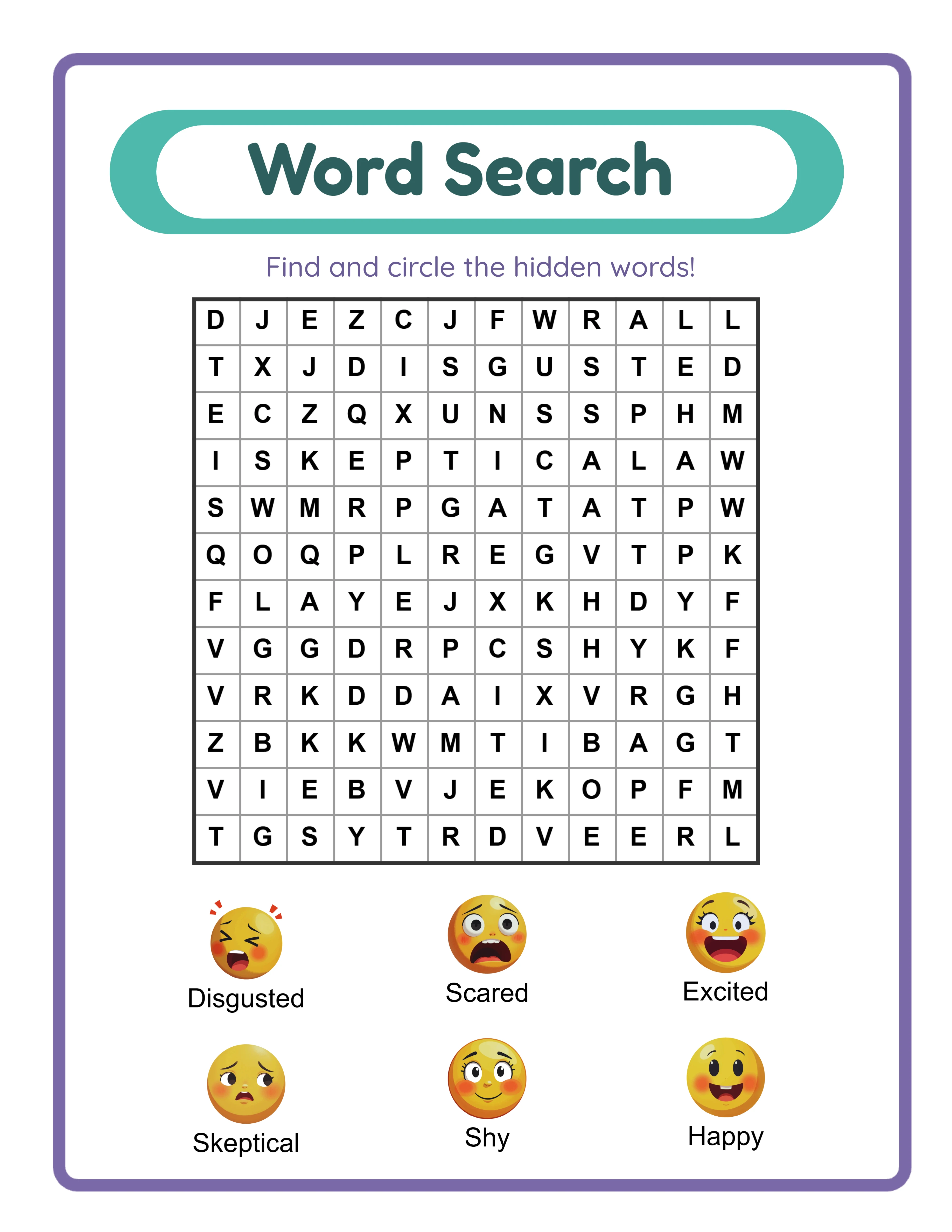
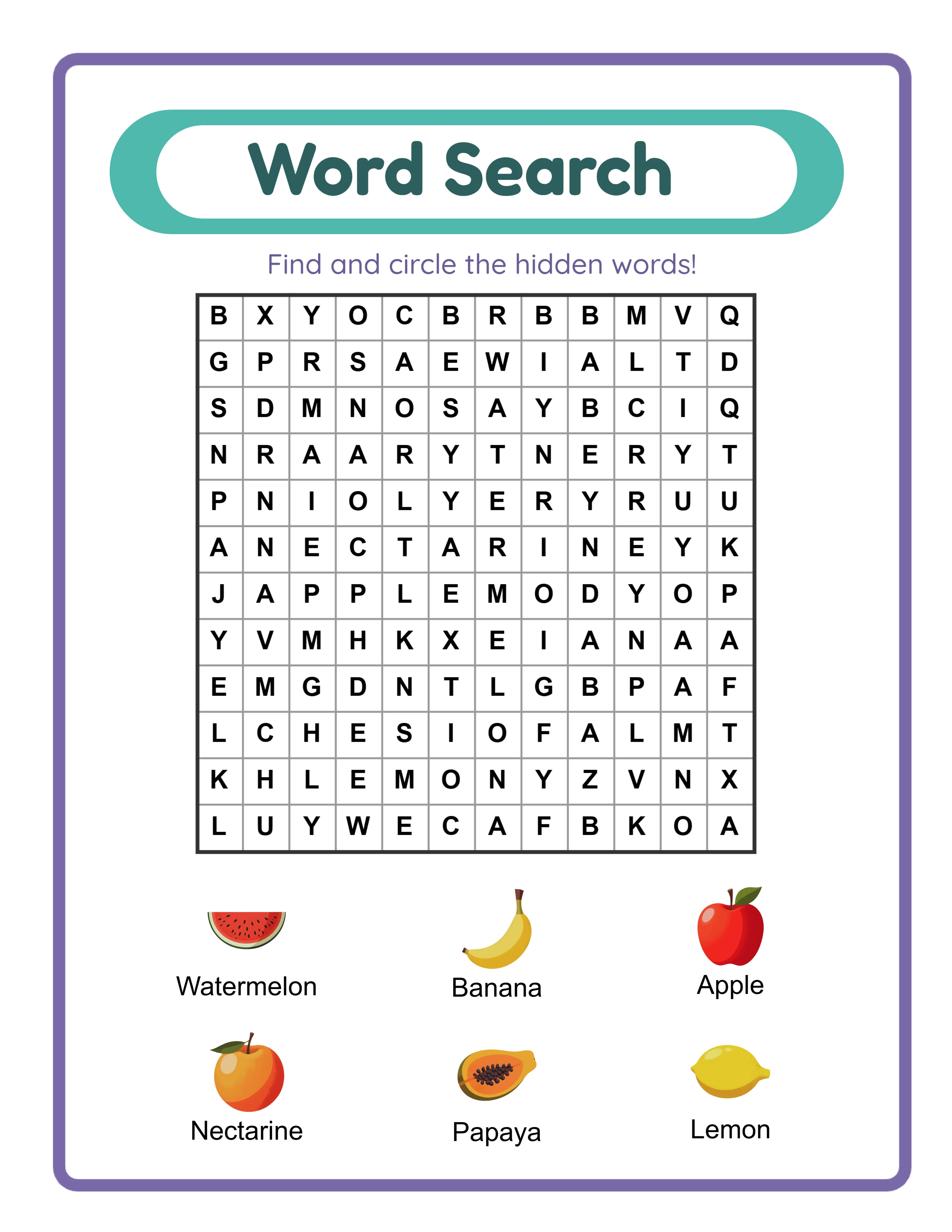
Word search puzzle for international marketplace listing
Word search puzzles with native vocabulary for any of 11 supported languages
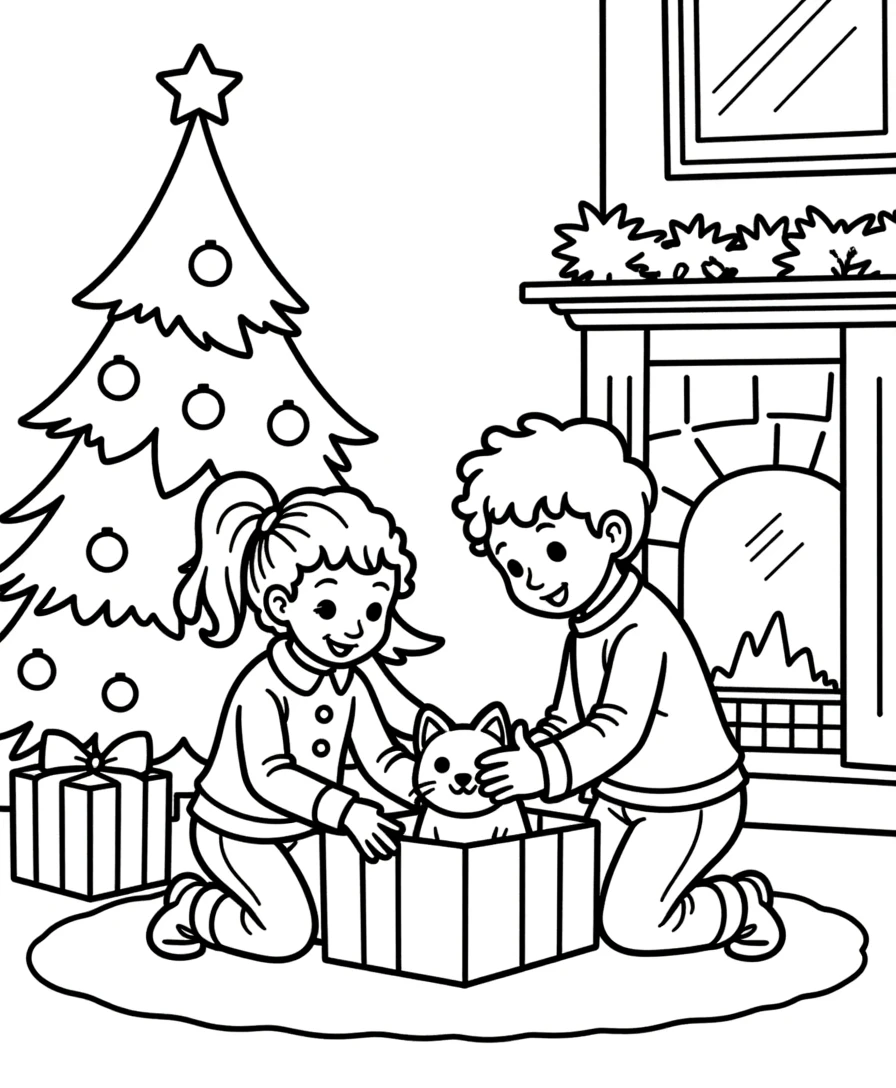
Coloring page ready for international printable markets
Coloring pages with localized labels for global marketplace distribution

Theme Images

Elephant -- themed educational image
Elephant
Bread -- themed educational image
Bread
Bus -- themed educational image
Bus
Lion -- themed educational image
Lion
Penguin -- themed educational image
Penguin

Frequently Asked Questions

Which international market should I enter first?
German or French markets offer the best combination of market size, purchasing power, and low competition. German is the largest non-English European market with 83 million people and strong demand for educational printables. French serves France, Belgium, Switzerland, Quebec, and francophone Africa. Start with whichever has more overlap with your existing product types.
Do I need to speak the language to sell in that market?
No. The LessonCraftStudio generators handle all language-specific content within the printable products automatically. For Etsy listing text, use Etsy search autocomplete in the target language, competitor listing analysis, and keyword research tools to find the right terms. Many successful international sellers use this research-based approach without fluency.
How do I handle customer service in other languages?
For printable products (instant digital downloads), customer service volume is minimal. Most inquiries are about download issues, which Etsy handles automatically. For the occasional language-specific question, translation tools provide sufficient accuracy for customer service communication. As revenue grows in a specific market, consider hiring a native-speaker virtual assistant for that language.
Are international printable markets growing or stable?
International printable markets are growing significantly faster than the English market. German, French, and Spanish markets are in a growth phase similar to where the English market was 3-5 years ago. Brazilian and Scandinavian markets are even earlier in development. Entering now gives you first-mover advantage that compounds over time as these markets mature.
Should I use Amazon KDP or Etsy for international sales?
Use both. Etsy excels for individual worksheets, bundles, and digital downloads. Amazon KDP excels for compiled books (puzzle books, activity books, coloring books). Listing on both platforms maximizes your reach. Many international buyers use Amazon as their default shopping platform, while others prefer Etsy for specialty educational materials.
How do I price products for countries with lower purchasing power?
Price 20-30% below your English prices for Latin American markets (Spanish, Portuguese). Match English prices for Western European markets (German, French, Italian, Dutch). Price at premium levels for Scandinavian markets where purchasing power is highest and competition is lowest. Always research competitor pricing on the specific marketplace for each country.
What is the refund policy for commercial licenses?
Every generator offers a free trial with watermark so you can test all features, create sample products in any of the 11 supported languages, and evaluate output quality before purchasing. Because you can fully evaluate the product before buying, all commercial license sales are final. This is standard practice for digital product tools where the full product can be previewed before purchase.

Ready to Start Creating?

Try any generator free with watermark. No signup required.

Browse All Generators