Tutorial
1
Planning Your Multi-Type Puzzle Book
Successful KDP puzzle books start with a clear content plan. Before generating a single puzzle, define your book's format, target audience, and competitive positioning.
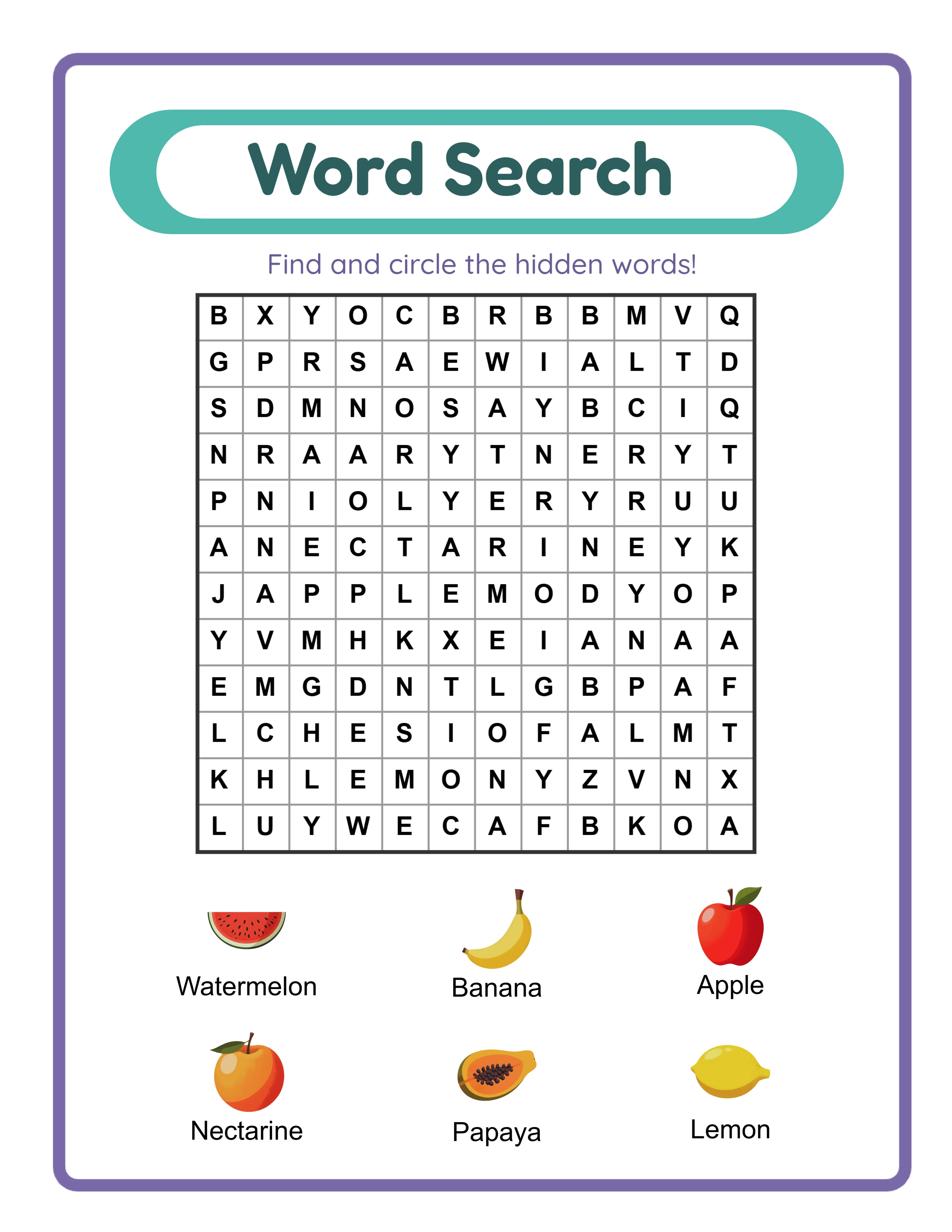
Choose your puzzle mix: The standard multi-type puzzle book includes 4 formats. For a 200-puzzle book, a balanced mix is 60 word search + 60 crossword + 40 sudoku + 40 cryptogram puzzles. This weighting reflects relative popularity -- word search and crossword are the most popular formats, so they get more pages.
Define difficulty: Decide whether your book targets beginners, intermediate, or advanced solvers. For a "mixed difficulty" book (the broadest audience), include easy, medium, and hard puzzles within each format. Label difficulty levels in the table of contents so solvers can choose their starting point.
Choose a theme: Themed puzzle books outperform generic ones on KDP because they target specific keyword niches. "Animal Puzzle Book," "Travel Puzzle Collection," or "Holiday Puzzle Compendium" each target a distinct search audience. The 104 themed image collections provide ready-made themes.
Determine page count: For multi-type puzzle books on KDP, aim for 150 to 250 pages. This includes puzzle pages, answer key pages, section dividers, table of contents, and front/back matter. A 200-puzzle book with answer keys runs approximately 200 to 220 pages depending on formatting.
Plan your answer key section: Group answer keys by puzzle type and number them to match puzzle pages. Place all answer keys at the back of the book. Include a note at the beginning of the answer section explaining the numbering system.
Trim size: The 8.5 x 11 inch format works best for puzzle books because it provides ample grid space for all puzzle types. The 6 x 9 format works for "travel size" editions with smaller grids.
2
Generating Word Search Puzzles for Your Compilation
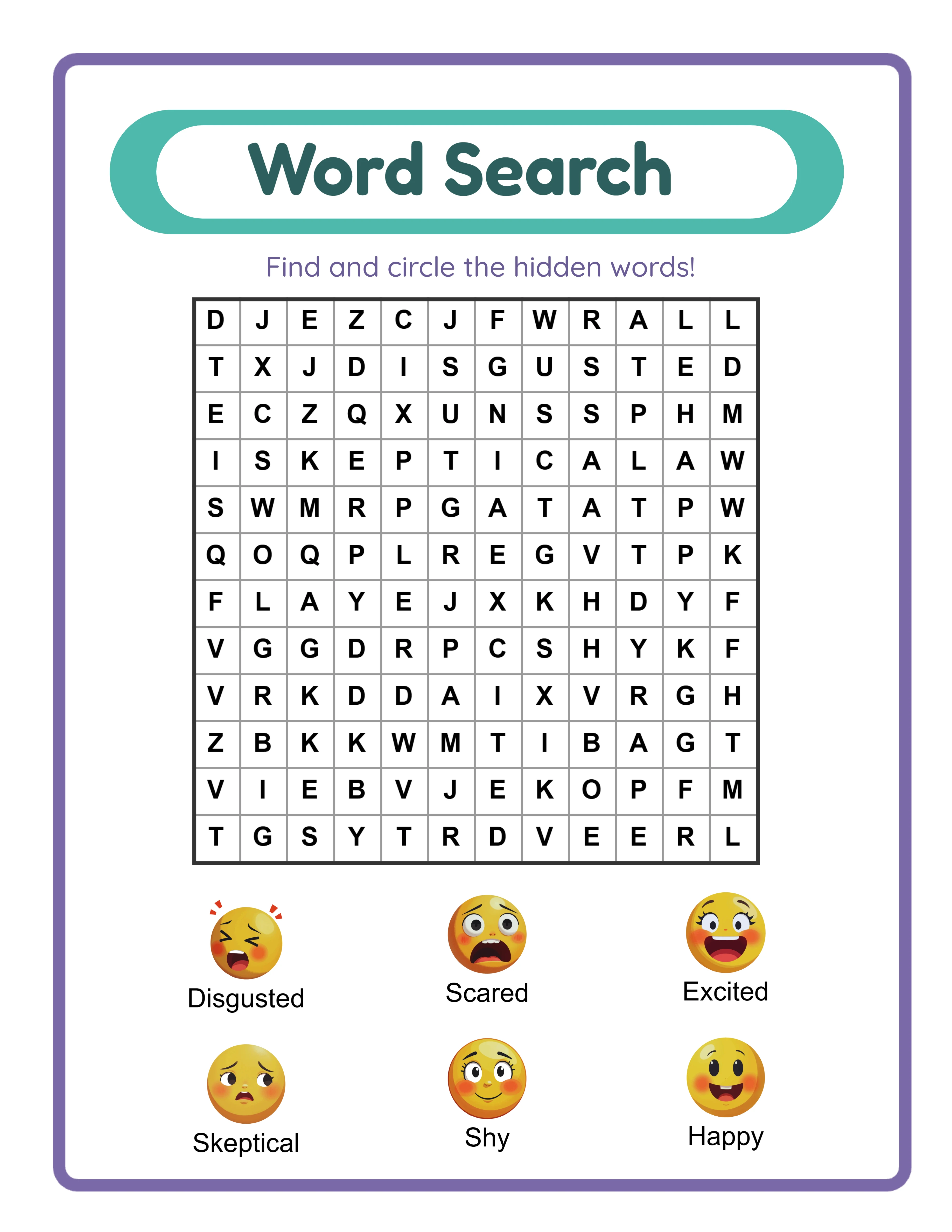
Word search puzzles form the backbone of most multi-type puzzle books. Generate them first because the themed vocabulary you choose will carry across your crossword and cryptogram puzzles.
Open the word search generator and select your book's theme. For an animal-themed puzzle book, choose the "animals" collection. Set the grid size based on your target difficulty: 12x12 for easy, 15x15 for medium, and 20x20 for hard.
Configure word directions: Easy puzzles use horizontal and vertical only. Medium adds diagonal. Hard enables all directions including reverse. For a mixed-difficulty book, generate 20 easy, 20 medium, and 20 hard word search puzzles.
Word count per puzzle: Use 8 to 10 words for easy (12x12 grids), 12 to 15 words for medium (15x15 grids), and 15 to 20 words for hard (20x20 grids). The word list appears below each grid, giving solvers their search targets.
Generate each puzzle, preview it for quality, and export as a 300 DPI PDF. Generate the corresponding answer key for each puzzle. The answer key highlights word positions in the grid with color-coded marks.
Naming convention: Name your exports systematically. "WS-Easy-01.pdf" through "WS-Hard-20.pdf" for puzzles, "WS-Easy-01-Answer.pdf" through "WS-Hard-20-Answer.pdf" for answer keys. This systematic naming makes manuscript assembly dramatically easier.
Note the specific vocabulary words used in each puzzle. You will use these same words for your crossword clues and cryptogram quotes, creating thematic coherence across puzzle formats.
3
Generating Crossword, Sudoku, and Cryptogram Puzzles
With your word search puzzles complete and vocabulary notes in hand, generate the remaining three puzzle formats.
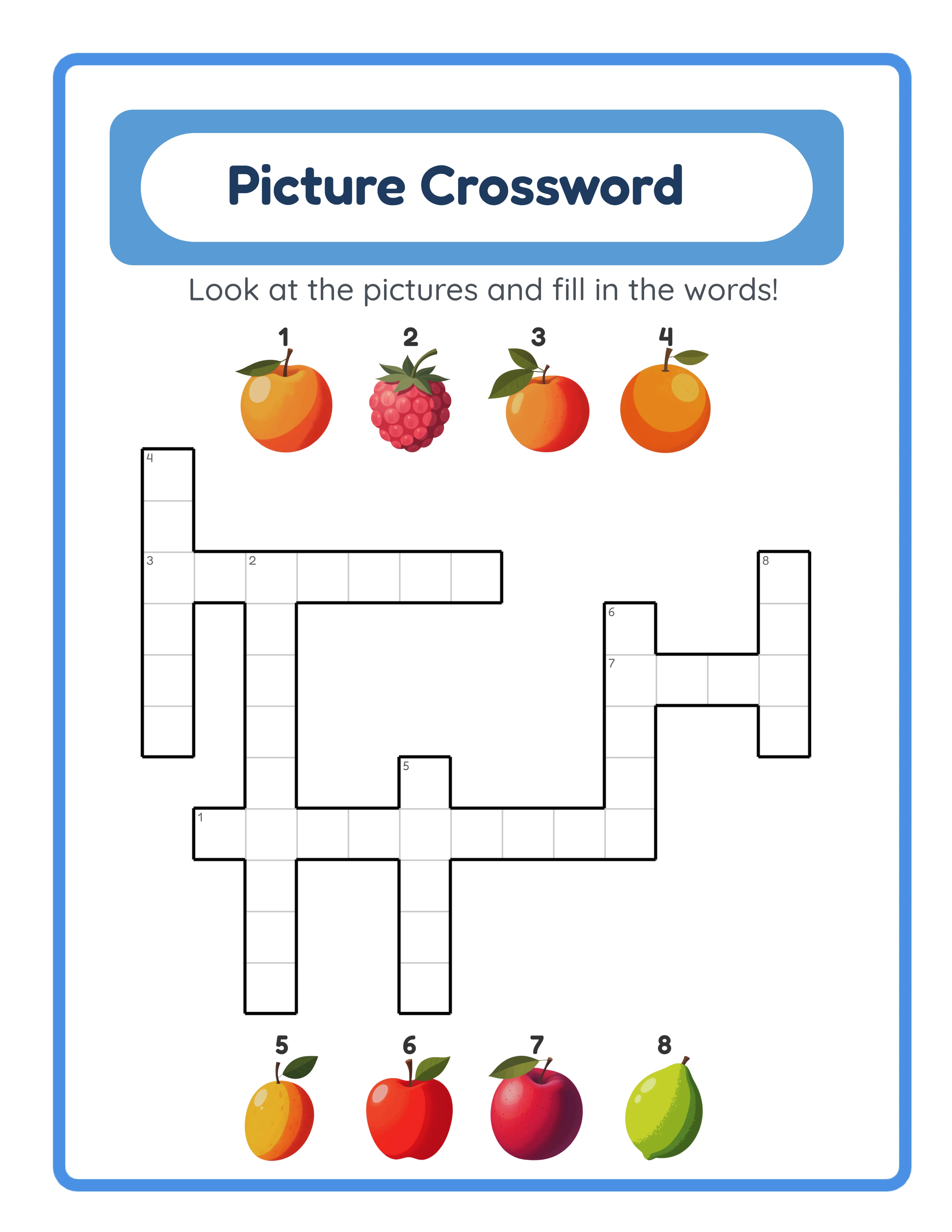
Crossword puzzles: Open the crossword generator and select the same theme. The picture crossword format uses image clues instead of text definitions -- the solver sees an image of a cat and writes "CAT" in the grid. This visual format is distinctive on KDP because most crossword books use text-only clues. Generate 60 crossword puzzles at varying grid sizes: 8 to 10 words for easy, 12 to 15 words for medium, 15 to 20 words for hard. Export each puzzle and answer key.
Sudoku puzzles: Open the sudoku generator and select the same theme. Picture sudoku uses themed images instead of numbers -- instead of placing digits 1-9, solvers place animal images. Generate 4x4 grids for easy (suitable for beginners), 6x6 for medium, and 9x9 for hard. Create 15 puzzles at each difficulty level for 45 total. Export each puzzle and answer key.
Cryptogram puzzles: Open the cryptogram generator and create letter-substitution cipher puzzles. Each puzzle encodes a phrase or sentence using a substitution cipher -- the solver decodes by identifying letter patterns. For themed books, use phrases related to your theme (animal facts, nature quotes, etc.). Generate 40 cryptogram puzzles at varying lengths: short phrases for easy, medium sentences for moderate, and longer quotes for hard.
Quality check: Preview every puzzle before exporting. Verify that crossword grids are solvable, sudoku puzzles have unique solutions, and cryptogram ciphers produce clean substitution patterns. The generators handle these checks automatically, but a visual preview catches formatting issues.
Total generation time: Expect 8 to 12 hours to generate all 200 puzzles with answer keys across 4 formats. This is a full day's work, but the result is a complete book's worth of content.
4
Assembling Your KDP Manuscript
With all puzzles generated, assemble them into a single manuscript PDF that meets KDP publishing requirements.
Manuscript structure for a multi-type puzzle book:
Page 1: Title page (book title, subtitle, author/publisher name)
Page 2: Copyright page (standard copyright, commercial license reference)
Page 3-4: Table of contents listing each section and starting page
Page 5: Introduction explaining the four puzzle types and difficulty levels
Page 6-7: Instructions for each puzzle type (brief, one paragraph each)
Pages 8-67: Word search puzzles (60 puzzles, one per page)
Pages 68-127: Crossword puzzles (60 puzzles, one per page)
Pages 128-167: Sudoku puzzles (40 puzzles, one per page)
Pages 168-207: Cryptogram puzzles (40 puzzles, one per page)
Page 208: Answer key section divider
Pages 209-268: Word search answer keys
Pages 269-328: Crossword answer keys
Pages 329-368: Sudoku answer keys
Pages 369-408: Cryptogram answer keys
Page 409: About the author / catalog page
Use a PDF merging tool (PDFsam Basic, Sejda, or macOS Preview) to combine all individual PDFs in the correct order. Verify page order by scrolling through the merged document.
Formatting checklist:
- All pages same trim size (8.5 x 11 inches)
- Consistent margins throughout (0.75 inch gutter, 0.5 inch outside/top/bottom)
- Page numbers on every puzzle and answer key page
- Section dividers between puzzle types
- "Puzzle #X" labels on each puzzle page matching the answer key numbering
- No watermarks on any page (commercial license required)
- Final file under 650 MB (KDP limit)
5
Creating Your KDP Book Cover
Multi-type puzzle books need covers that communicate variety. Your cover must instantly convey that this book contains multiple puzzle formats -- not just one.
Cover design strategy: Show preview snippets of each puzzle type on the front cover. A grid layout with a small word search sample, crossword sample, sudoku sample, and cryptogram sample in four quadrants immediately communicates the multi-format concept. This visual approach outperforms text-only covers because it shows rather than tells.
Title and subtitle: Make the puzzle variety explicit.
- Title: "The Ultimate Animal Puzzle Book"
- Subtitle: "200 Mixed Puzzles: Word Search, Crossword, Picture Sudoku & Cryptogram -- With Complete Answer Keys"
The subtitle serves double duty: it informs the buyer about contents and contains keywords that Amazon indexes for search.
Spine design: For a 400-page book, the spine is wide enough for text. Include the title and author name. Use a readable font at a size visible on a bookshelf.
Back cover: List key selling points in bullet format:
- 200 puzzles across 4 formats
- 3 difficulty levels (Easy, Medium, Hard)
- Complete answer keys for every puzzle
- Themed content throughout
- Large print format on 8.5 x 11 pages
Include a brief description and a barcode area. KDP provides the barcode automatically, but leave space for it.
Cover tools: Canva offers KDP cover templates with correct dimensions. Book Bolt provides KDP-specific cover tools. For a polished result, invest $25 to $50 in a Fiverr cover designer who specializes in KDP activity books.
6
Optimizing Your KDP Listing for Search
Amazon's search algorithm is the primary discovery mechanism for KDP puzzle books. Every element of your listing affects search visibility and conversion.
Title (200 characters max): Include your primary keyword, puzzle types, and key features.
Example: "The Ultimate Animal Puzzle Book for Adults: 200 Mixed Puzzles -- Word Search, Crossword, Picture Sudoku & Cryptogram with Complete Answer Keys"
Subtitle (for series title field): Add secondary keywords.
Example: "Large Print Themed Puzzle Collection -- Easy to Hard -- Hours of Screen-Free Entertainment"
7 keyword slots: Amazon provides 7 keyword fields for backend search terms. Use each for a distinct phrase:
1. mixed puzzle book adults
2. word search crossword combination
3. variety puzzle book large print
4. multi game puzzle collection
5. brain teaser activity book
6. puzzle compilation with answers
7. themed puzzle book animals
Description (4,000 characters max): Use HTML formatting for readability. Structure with a compelling opening, bulleted feature list, content breakdown by puzzle type, and a call to action. Include keywords naturally.
Categories: Select two categories. "Books > Humor & Entertainment > Puzzles & Games > Puzzles" is essential. Add "Books > Humor & Entertainment > Puzzles & Games > Word Games" or "Crosswords" as a secondary.
Pricing: For a 400-page multi-type puzzle book at 8.5 x 11:
- Printing cost: approximately $7.50 (US)
- List price: $12.99 to $14.99
- 60% royalty at $12.99: $7.79 - $7.50 printing = $0.29 per copy
- 60% royalty at $14.99: $8.99 - $7.50 printing = $1.49 per copy
The margin difference between $12.99 and $14.99 is significant. Price testing is essential -- start at $13.99 and adjust based on sales velocity.
7
Building a KDP Puzzle Book Series
A single multi-type puzzle book generates modest income. A series of 10 to 20 books generates a sustainable publishing business. Here is how to scale systematically.
Theme expansion: Each of the 104 themed image collections is a potential book. Start with the 5 most popular themes (animals, food, nature, vehicles, holidays), then expand to niche themes (careers, sports, musical instruments, space). Niche themes face less competition while targeting specific keyword searches.
Difficulty series: Publish the same theme at three difficulty levels. "Animal Puzzle Book -- Easy," "Animal Puzzle Book -- Medium," and "Animal Puzzle Book -- Hard" are three products from the same content generation workflow. Each targets a different buyer segment and ranks for different keywords.
Format-specific spinoffs: Your multi-type compilation generates data about which formats perform best. If your compilation reviews consistently praise the word search section, spin off a dedicated "200 Animal Word Search Puzzles" book. Cross-reference the compilation with format-specific books in your catalog page.
Language expansion: Republish each book in German (amazon.de), French (amazon.fr), Spanish (amazon.es), Portuguese (amazon.com.br), and Italian (amazon.it). The generators support all 11 languages with native vocabulary and locale-correct content. Non-English puzzle books face a fraction of the competition.
Seasonal books: "Holiday Puzzle Collection," "Summer Puzzle Book," "Christmas Puzzle Compilation" spike in demand during their seasons and sell year after year without updates.
Series branding: Use KDP's series feature to link all your books. Consistent cover design templates, author name, and series naming ("ThemePuzzles Vol. 1," "ThemePuzzles Vol. 2") create a recognizable brand that encourages buyers to purchase multiple volumes.
Catalog compound effect: 15 books averaging 2 copies per day at $1.00 royalty per copy = $30 per day = $900 per month. Add language variants and the numbers multiply. This is achievable within 6 to 12 months of consistent publishing.