Crossword Generator for KDP Books

Picture crossword books stand apart from every other puzzle book on Amazon KDP because they replace traditional text clues with image clues. Instead of reading "a four-legged pet that barks," solvers see a picture of a dog and write the word. This visual format appeals to a broader audience -- kids, language learners, visual thinkers, and anyone who finds standard crossword clues intimidating. The LessonCraftStudio crossword generator creates 15x15 grids with image clues drawn from 104 themed collections, supports 11 languages, and exports 300 DPI PDFs ready for KDP upload. This guide walks you through every step: from generating your first picture crossword to publishing a complete book on Amazon.
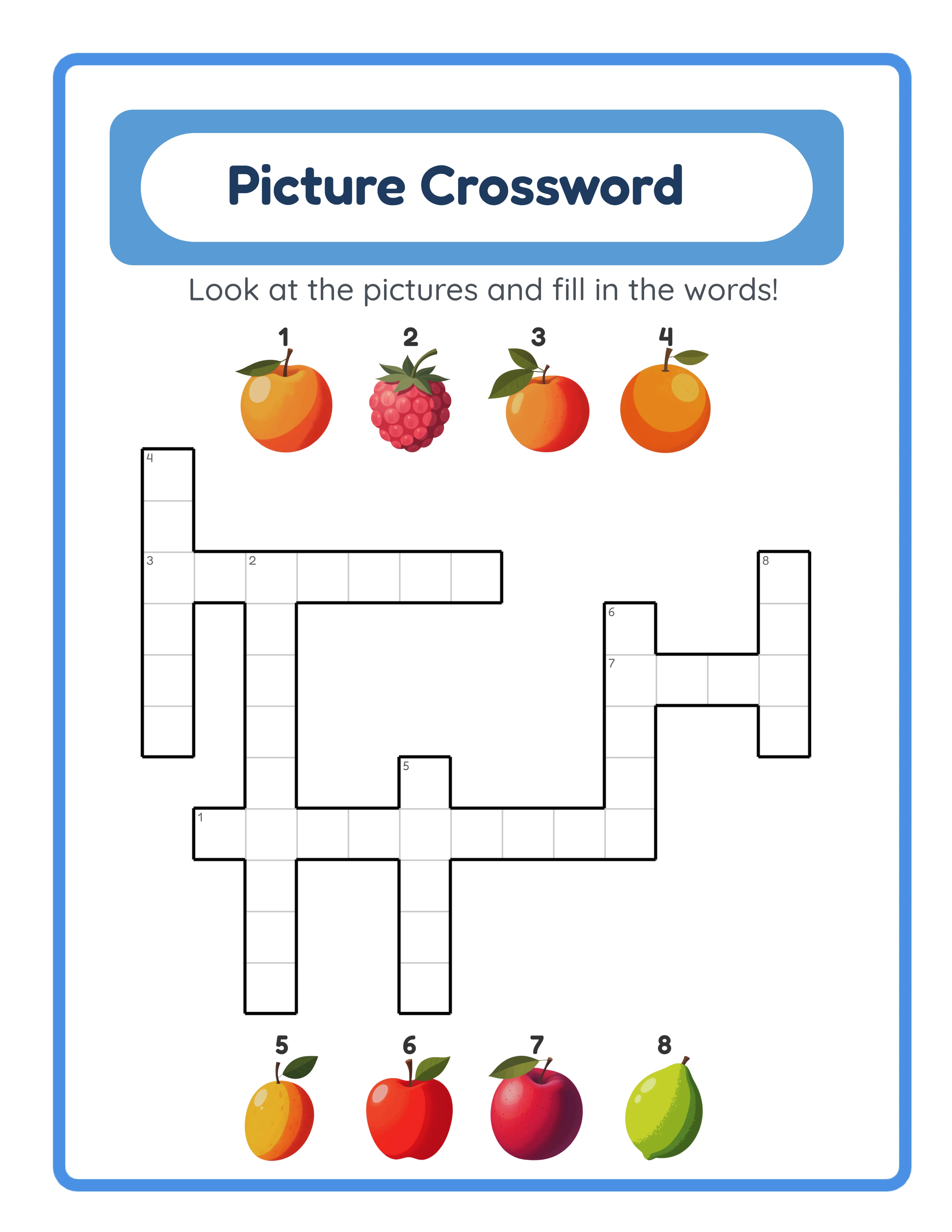
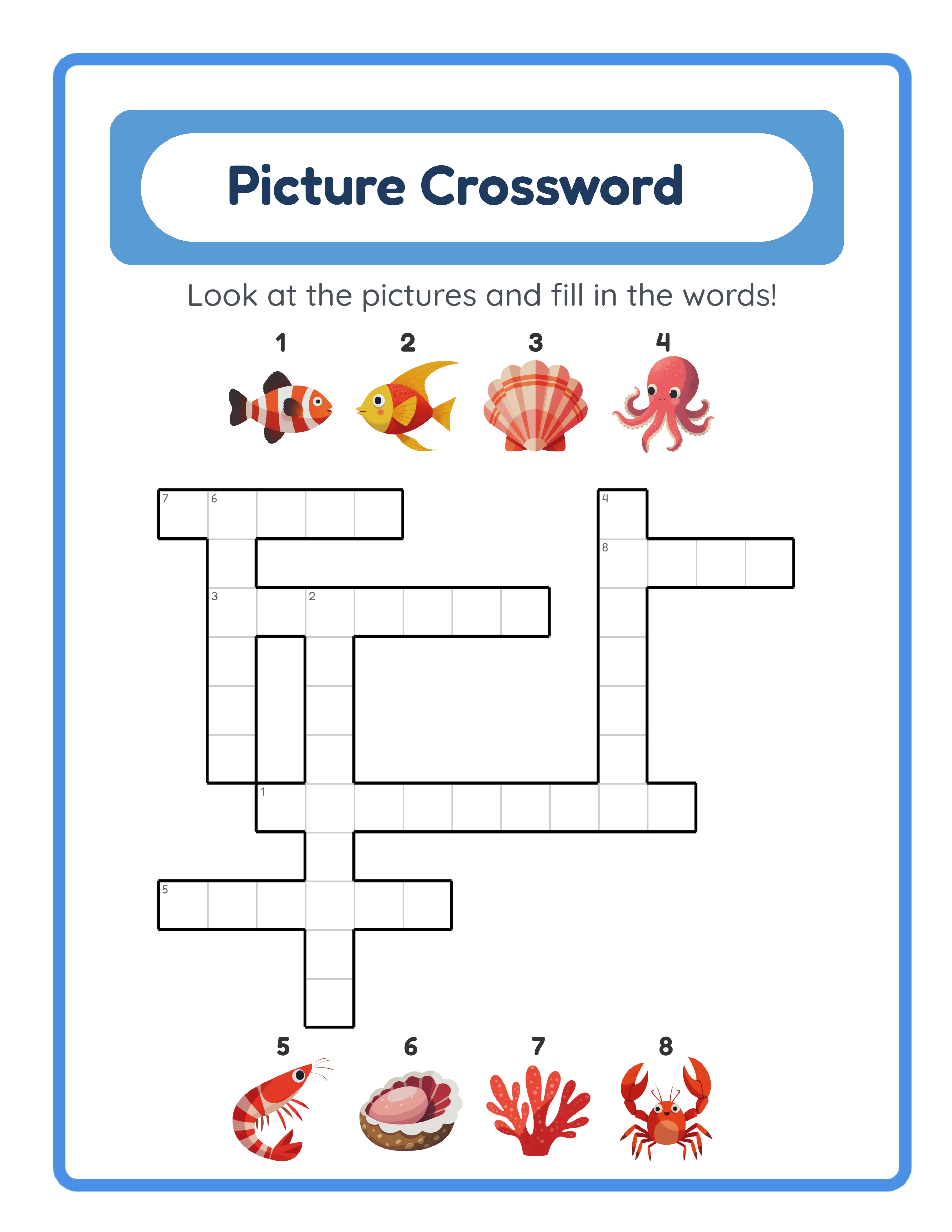
Picture crossword puzzle with image clues generated for KDP book interior

Introduction

Crossword puzzle books occupy a profitable niche on Amazon KDP that most publishers overlook in favor of word searches and sudoku. The competition is lower, the perceived value is higher, and the format lends itself to creative theming that buyers actively search for. A well-positioned crossword book can outperform a word search book simply because there are fewer competing titles in the same niche. Picture crosswords take this a step further. Traditional crossword books require solvers to interpret text clues, which limits the audience to confident English speakers with strong vocabulary. Picture crosswords remove that barrier entirely. When the clue is an image of a cat, the solver does not need to decode "feline companion often found purring on laps" -- they see the picture and write "cat." This makes picture crosswords accessible to children, second-language learners, and adults who enjoy visual puzzles but find traditional crosswords frustrating. The economics mirror other puzzle book formats. A 100-puzzle picture crossword book with answer keys sells at $6.99 to $9.99 on Amazon. At a 60% royalty rate, you earn roughly $2.50 to $4.50 per copy after printing costs. The key difference is competition: search "crossword puzzle book" on Amazon and you find thousands of results. Search "picture crossword puzzle book" and the field narrows dramatically. The LessonCraftStudio crossword generator is built specifically for this format. It creates 15x15 grids where every clue is an image drawn from 104 themed collections -- animals, food, vehicles, holidays, sports, nature, and dozens more. The generator supports 11 languages (English, German, French, Spanish, Portuguese, Italian, Dutch, Swedish, Danish, Norwegian, and Finnish), which means each book concept can become eleven separate products targeting eleven different Amazon marketplaces. Answer keys are generated automatically, and every export is a 300 DPI PDF that meets KDP quality standards. You can test the entire workflow using the free trial with watermark before purchasing a commercial license. This guide covers KDP requirements, the four input methods for creating crosswords, manuscript compilation, cover design, listing optimization, and scaling strategies.
Try It Free with Watermark

Try any generator free with watermark. No signup required.

Tutorial

1

Understanding KDP Crossword Book Requirements

Amazon KDP has specific formatting requirements for paperback books. Understanding these before you generate a single puzzle saves time and prevents rejected manuscripts. Trim size: The best sizes for crossword books are 8.5 x 11 inches (US Letter) and 8 x 10 inches. US Letter provides the most space for a 15x15 grid with image clues, making each clue image large enough to be clearly identifiable. Avoid 6 x 9 for picture crosswords -- the smaller page compresses images to the point where they become hard to recognize. Page count: KDP requires a minimum of 24 pages for paperback. For crossword books, target 50 to 120 puzzle pages plus matching answer key pages. A 75-puzzle book with 75 answer key pages plus 6 pages of front matter gives you a 156-page book -- substantial enough that buyers perceive real value. Margins: KDP minimum margins vary by page count. For a 156-page book at 8.5 x 11, you need at least 0.625 inches on the gutter (inside margin) and 0.25 inches on the outside, top, and bottom. The crossword generator's page setup accounts for standard print margins, but always verify against KDP's current guidelines. Bleed: Crossword books do not need bleed. Select "no bleed" in your KDP setup to simplify formatting. File format: KDP accepts PDF manuscripts. The crossword generator exports 300 DPI PDFs that meet KDP's quality standards for both text clarity and image sharpness -- critical for picture crosswords where clue images must print cleanly. Interior type: Select "black and white" for lower printing costs and higher royalties. If your picture crosswords include color images, select "premium color" but note that printing costs increase significantly -- roughly $0.07 per page versus $0.012 for black and white.
2

Generating Picture Crosswords with the 15x15 Grid

The LessonCraftStudio crossword generator creates picture crosswords on a 15x15 grid. Instead of numbered text clues, each clue is an image from one of 104 themed collections. Here is how to set up and generate crosswords optimized for KDP books. Open the crossword generator and select your theme. The 104 available themes include animals, farm, ocean, food, fruits, vegetables, vehicles, tools, musical instruments, sports, holidays, and many more. Each theme contains a curated set of vocabulary words paired with matching images. The generator places words on the 15x15 grid in interlocking horizontal and vertical positions -- the classic crossword format. Each word gets an image clue instead of a text clue. The Across and Down clue lists display thumbnail images with corresponding grid numbers. Solvers look at the image, identify what it shows, and write the word in the grid. Word count per puzzle: A 15x15 grid typically fits 10 to 20 words depending on word length and interlocking density. The generator optimizes word placement automatically, maximizing intersections to create a satisfying solving experience. Difficulty control: Difficulty comes from vocabulary complexity and theme selection. A puzzle using common animals (cat, dog, cow, pig) is easier than one using less common animals (platypus, chameleon, armadillo). For kids' books, stick to everyday vocabulary themes. For adult books, use themes with more specialized vocabulary. Generate each puzzle, preview the grid layout and image clues, then export as a 300 DPI PDF. Each export includes the puzzle page and a corresponding answer key page showing the completed grid.
3

Four Input Methods for Creating Crossword Content

The crossword generator offers four distinct input methods for creating puzzle content. Each method serves a different publishing workflow. Method 1 -- Theme Selection: Choose from 104 pre-built theme collections. The generator automatically selects vocabulary words and pairs them with matching images from the theme. This is the fastest method for producing themed crossword books. Select "Animals," and the generator pulls words like elephant, giraffe, penguin, and dolphin with their corresponding images. Method 2 -- Manual Word Entry: Type your own word list. The generator creates a crossword grid from your custom words and lets you assign images from the built-in library. This is ideal when you want precise control over which words appear -- for example, creating a puzzle with only ocean animals rather than the full animal theme. Method 3 -- Word List Upload: Upload a text file containing your word list. The generator processes the list and creates the crossword layout. This is efficient for batch production when you have pre-prepared vocabulary lists organized by theme or difficulty level. Method 4 -- Random Generation: The generator selects random words from your chosen theme to create a puzzle. This produces unique puzzles quickly and is useful when you need volume -- generating 50 or 100 distinct puzzles for a single book. Each random generation creates a different word selection and grid layout. For KDP book production, the typical workflow combines Method 1 and Method 4. Select a theme and use random generation to produce multiple unique puzzles from that theme. Each puzzle uses different words and a different grid layout, giving your book genuine variety rather than repetitive content.
4

Compiling Your KDP Crossword Manuscript

After generating all your crossword puzzles as individual PDFs, you need to assemble them into a single manuscript file for KDP upload. Recommended manuscript structure: Page 1: Title page with book title, subtitle, and publisher name Page 2: Copyright page with standard notice and commercial license reference Page 3: How to Solve Picture Crosswords -- a brief instruction page explaining that each numbered clue is an image, and the solver writes the word that matches the image. This page adds perceived value and helps buyers who are unfamiliar with the picture crossword format. Page 4: Table of contents listing puzzle numbers (optional but useful for books with 75+ puzzles) Pages 5 through 79: Puzzle pages (one crossword per page, numbered sequentially) Pages 80 through 154: Answer key pages (one per puzzle, numbered to match) Page 155: About the Publisher page with links to your other books To merge individual PDFs into a single manuscript, use PDF merging software. PDFsam Basic is a reliable option available at no cost. Adobe Acrobat, Sejda, and macOS Preview also handle PDF merging. Arrange all files in the correct sequence before merging. Critical checks before KDP upload: Verify every page is the same trim size. Mixed page sizes cause immediate rejection. Confirm margins meet KDP minimums on every page, including title and copyright pages. Check that image clues are sharp and recognizable at print size. Zoom to 100% in your PDF viewer -- if an image is blurry on screen, it will be blurry in print. Ensure no watermarks appear on any page. Only commercially licensed exports should go into your final manuscript. Verify the total file size is under 650 MB (KDP's upload limit). Confirm puzzle numbers match between puzzle pages and answer key pages.
5

Designing Your KDP Crossword Book Cover

Your cover determines whether a browser becomes a buyer. KDP book covers need to communicate what is inside at thumbnail size -- the size most Amazon shoppers first see your book. Cover dimensions: Use KDP's cover calculator to get exact dimensions based on your page count and trim size. For a 156-page 8.5 x 11 book, the full wraparound cover (front + spine + back) is approximately 17.55 x 11.25 inches at 300 DPI. Front cover design principles for picture crossword books: Show a sample crossword grid with visible image clues. This immediately communicates the unique selling point -- buyers see this is not a standard text-clue crossword book. A partially filled grid with a few image clues visible is more engaging than an empty grid. State the contents explicitly: "75 Picture Crossword Puzzles with Image Clues and Answer Keys." Buyers scan quickly and need to know exactly what they are getting. Include difficulty or audience targeting: "For Kids Ages 6-12" or "Easy Picture Crosswords for Adults" helps buyers self-select. Mention the theme if applicable: "Animal Picture Crosswords" or "Food and Kitchen Crossword Puzzles" targets niche searches. Use bold, readable fonts. Your title must be legible at the thumbnail size Amazon displays in search results -- approximately 150 x 200 pixels. Test readability by shrinking your cover design to that size. Spine design: Include the book title and author name. Use a font size that is readable on the spine width KDP calculates for your page count. Back cover: Include 3 to 4 selling points as bullet points, a sample puzzle image, the puzzle count, and an ISBN barcode area. Mention that answer keys are included -- this is a key purchasing factor for puzzle books.
6

Optimizing Your KDP Listing for Maximum Visibility

Your KDP listing determines how buyers find your book. Every field in the listing setup affects discoverability and conversion. Title: Be descriptive and include your primary keyword. Example: "Picture Crossword Puzzles for Kids: 75 Image Clue Crosswords with Answer Keys" Subtitle: Add details the title does not cover. Example: "Animal, Food & Nature Themes -- Easy Difficulty for Ages 6-12" Book description: Write 400 to 1,000 words describing exactly what the buyer gets. Use HTML formatting for readability (bold headings, bullet points, line breaks). Cover these points: - Number of puzzles and answer keys - What makes picture crosswords different from standard crosswords - Theme descriptions - Difficulty level and target audience - Page size and format - That image clues replace text clues 7 keyword slots: KDP gives you 7 keyword fields. Use specific buyer-intent phrases: - "picture crossword puzzle book kids" - "image clue crossword puzzles" - "easy crossword book for children" - "themed crossword puzzle book" - "crossword puzzles with pictures" - "visual crossword activity book" - "crossword puzzle book with answers" Categories: Select two relevant categories. "Children's Crossword Puzzle Books" and "Activity Books" work for kids' titles. "Crossword Puzzles" and "Puzzle Books for Adults" for grown-up titles. The more specific your category, the easier it is to rank. Pricing strategy: For a 156-page US Letter black and white paperback, price between $6.99 and $8.99 for 60% royalty. Check the top 10 picture crossword books (or crossword books in your niche) and price within 10% of the average. Start at $7.99 and adjust after 30 days based on sales data.
7

Scaling Your KDP Crossword Book Catalog

A single crossword book earns modest royalties. A catalog of 15 to 30 books across themes, difficulty levels, and languages builds a meaningful revenue stream. Here is a systematic scaling strategy. Theme expansion: The generator offers 104 themed image collections. Each theme is a separate book opportunity. Animals, food, vehicles, holidays, sports, musical instruments, tools, nature, weather, clothing -- the list is extensive. Publish one book per theme and you cover dozens of keyword niches that buyers actively search for. Difficulty series: Create easy, medium, and hard versions of the same theme. Easy books use common vocabulary (cat, dog, ball). Medium books use moderately complex words (penguin, trumpet, calendar). Hard books feature challenging vocabulary (chameleon, xylophone, observatory). Three difficulty levels from one theme triple your product count. Age targeting: Repackage the same difficulty concept for different audiences. "Picture Crosswords for Kids Ages 4-8" and "Easy Picture Crosswords for Seniors" can use similar vocabulary but different cover designs and marketing angles. Same content, different audience, different product. 11-language expansion: Every English book can become 10 additional products. Switch the generator's language to German and regenerate all puzzles -- the generator creates German vocabulary with matching German-language images. A book that sells 2 copies per day in English might sell 1 copy per day in German, French, and Spanish combined. That is 5 copies per day from one concept. Seasonal books: Christmas picture crosswords, Halloween crosswords, Easter crosswords, Valentine's Day crosswords. These spike 4 to 6 weeks before each holiday and sell year after year without updates. Bundle books: Compile 3 to 4 themed crossword books into a single mega-book. "Ultimate Picture Crossword Collection -- 300 Puzzles" at $12.99 to $14.99 targets buyers looking for maximum value. Cross-format bundles: Combine picture crosswords with word searches or sudoku in a single mixed-puzzle book. "The Big Puzzle Book: Crosswords, Word Searches & Sudoku" appeals to buyers who want variety and is a distinct product from your single-format books. The compounding effect: Twenty crossword books each selling 1.5 copies per day at $7.99 with $1.50 average royalty generates $900 per month. Add language variants and seasonal titles, and a 40-book catalog at similar per-book performance reaches $1,800 or more per month.
Platform Tips

KDP Formatting Tips for Picture Crossword Books

Picture crossword books have formatting considerations that differ from text-based puzzle books because of the image clue elements. Use "no bleed" for interior pages. Crossword grids do not extend to page edges, and image clues sit within the grid area, so bleed adds unnecessary complexity. Select "black and white" interior for maximum royalty. The crossword generator produces clean black and white output with line art images that print sharply without color. If you specifically want color image clues, select "premium color" but expect printing costs to increase by roughly 5x per page. Ensure image clue resolution is sufficient. The generator exports at 300 DPI, which meets KDP's minimum requirement. At 300 DPI, small thumbnail images in the clue list remain sharp when printed. Lower resolutions cause clue images to appear pixelated, which degrades the solving experience. Maintain consistent page orientation throughout the manuscript. All pages -- title, copyright, puzzles, and answer keys -- should be portrait orientation. Mixed orientations cause printing errors on KDP. Test with KDP's online previewer before publishing. The previewer shows your exact print output including gutter margins, spine positioning, and image rendering. Verify that all image clues are recognizable and that grid lines are crisp. Pay special attention to the gutter margin on puzzle pages -- if the grid is too close to the binding, solvers cannot write answers comfortably. Answer key formatting: Print answer keys at the same scale as puzzle pages for consistency. Number each answer key to match its corresponding puzzle. Consider adding the theme name to each answer key page for easy reference.

Keyword Research for KDP Crossword Books

Effective keyword research separates books that sell from books that sit invisible on Amazon. Here are strategies specific to crossword puzzle books. Amazon autocomplete research: Type "crossword puzzle book" into the Amazon search bar and note every suggestion. Then try "picture crossword," "crossword for kids," "crossword book adults," and "crossword puzzles with." Each autocomplete suggestion represents a real buyer search query. Competitor analysis: Find the top 20 crossword books on Amazon. Read their titles, subtitles, and descriptions. Note recurring keywords -- these are the terms driving sales. Pay attention to what is NOT covered. If no one targets "picture crossword puzzle book for kids," that is an opportunity gap. Long-tail keyword strategy: "Crossword puzzle book" has massive competition. "Picture crossword puzzles for kids ages 6-10 with answer keys" has far less competition and matches a specific buyer intent. Target these long-tail phrases in your title, subtitle, and 7 keyword slots. Age and audience qualifiers: "For kids ages 4-8," "for teens," "for adults," "for seniors," "large print" are powerful keyword modifiers. Each qualifier creates a distinct product niche with its own search demand. Theme-specific keywords: "Animal crossword book," "food crossword puzzles," "holiday crossword activity book" target buyers searching by theme. These themed keywords face less competition than generic "crossword puzzle book." Avoid keyword stuffing. Amazon's algorithm detects and penalizes unnatural keyword repetition. Write titles and descriptions that read naturally while incorporating your target keywords. Your book description should genuinely inform the buyer while including relevant search terms organically.

Pricing and Royalty Strategy for Crossword Books

KDP pricing directly impacts your royalty per sale and overall sales velocity. Here is how to optimize for crossword puzzle books. Royalty structure: KDP offers 60% royalty for paperbacks priced $2.99 to $250.00 in the US. Your actual earnings are 60% of the list price minus printing costs. For a 156-page black and white 8.5 x 11 book, printing costs approximately $3.95 in the US. Pricing calculation example: At $7.99 list price with 60% royalty, gross royalty is $4.79. Subtract $3.95 printing cost and your net royalty is $0.84 per copy. At $8.99, gross royalty is $5.39 minus $3.95 = $1.44 per copy. That $1.00 price increase nearly doubles your per-copy earnings. Optimal price range: For picture crossword books at 150 to 200 pages, price between $7.99 and $9.99. Below $7.99, your margins become razor thin after printing costs. Above $9.99, impulse buyers hesitate. The sweet spot for most crossword books is $8.49 to $8.99. Competitive benchmarking: Search your target keywords on Amazon and note the prices of the top 10 results. Price within 15% of the median. If competitors average $8.99, pricing at $7.99 positions you as a value option. Pricing at $9.99 works if your cover and description communicate premium quality. International marketplace pricing: European Amazon marketplaces have higher printing costs. Price European listings 15 to 25% higher than US to maintain comparable margins. Use KDP's marketplace-specific pricing to set different prices for amazon.de, amazon.fr, and others. Page count impact: Every additional page increases printing cost by approximately $0.012 (black and white). A 200-page book costs $0.53 more to print than a 156-page book. Factor this into your pricing -- a longer book justifies a higher price but needs to clear the higher printing cost.

Monetization Strategies

Revenue Projections for Crossword Book Catalogs

Realistic revenue expectations help you set goals and plan your publishing schedule. Single book performance: A well-optimized picture crossword book on Amazon sells 1 to 4 copies per day in its first year. Lower competition in the picture crossword niche can push performance toward the higher end compared to saturated categories like word searches. At $0.80 to $1.50 royalty per copy, one book generates $24 to $180 per month. Catalog scaling: Revenue grows roughly linearly with catalog size. Each new title adds its own daily sales. A 10-book catalog averaging 2 copies per day per book at $1.00 royalty equals $20 per day or $600 per month. Language multiplier: Publishing each book in 5 languages creates 5 revenue streams from one concept. If your English book earns $90 per month, German, French, Spanish, and Portuguese versions might add $30 to $60 per month each. Total from one concept: $210 to $330 per month. Difficulty multiplier: Three difficulty levels per theme triple your products. A single animal theme becomes "Easy Animal Picture Crosswords," "Medium Animal Picture Crosswords," and "Hard Animal Picture Crosswords" -- three listings, three revenue streams. Compounding example: Start with 5 themes. Create 3 difficulty levels each (15 books). Publish in 3 languages (45 books). If each book averages just 0.5 copies per day at $1.00 royalty, that is $22.50 per day or $675 per month. These are conservative numbers -- well-targeted titles in low-competition niches regularly exceed 0.5 copies per day. Break-even: Your initial investment is time plus a commercial license. Most publishers recoup the license cost within 1 to 3 months of their first publication, then earn ongoing royalties with minimal additional work.

Series Strategy and Cross-Selling

Amazon's recommendation engine drives a substantial portion of book sales. Structure your catalog to maximize algorithmic cross-selling. Create a branded series: Use consistent naming across all books. "PicturePuzzle Press Vol. 1: Animal Crosswords," "PicturePuzzle Press Vol. 2: Food Crosswords," "PicturePuzzle Press Vol. 3: Nature Crosswords." A recognizable brand name builds trust and encourages multi-volume purchases. Use KDP's Series feature: Link your books as a numbered series on Amazon. This creates a series page where buyers can browse all volumes at once. A buyer who enjoys Volume 1 can find and purchase Volumes 2 through 10 with a single click. Include a catalog page in every book: The last page of each book should list all your other titles with brief descriptions. Readers who finish a puzzle book and enjoyed it will check for more. Make discovery effortless. Cross-reference puzzle types: In your crossword books, mention your word search, sudoku, and cryptogram books. Puzzle enthusiasts rarely stick to one format. A buyer of your picture crosswords is a strong candidate for your word search and sudoku titles. Difficulty progression: Structure difficulty levels as a natural series. "Start with Easy, then try Medium, then challenge yourself with Hard." This creates an upgrade path that encourages three purchases per theme. Bundle strategy: After publishing 4 to 6 themed books, create a compilation. "The Complete Picture Crossword Collection -- 300 Puzzles" at $12.99 to $14.99 captures buyers looking for value and appears in different search results than individual volumes.

Advertising and Promotion for Crossword Books

Amazon Ads is the primary paid channel for KDP books. Here is a practical approach for promoting picture crossword books. Sponsored Products campaigns: These ads appear in Amazon search results and on competitor product pages. Start with automatic targeting to let Amazon identify relevant keywords. Run automatic campaigns for 2 weeks, then analyze the search term report to find keywords that convert. Manual keyword campaigns: Move converting keywords from automatic campaigns into manual campaigns with exact match targeting. This gives you precise control over which searches trigger your ads and at what bid price. Budget allocation: Start at $3 to $5 per day per book. Monitor ACoS (Advertising Cost of Sales) weekly. Keep campaigns running where ACoS is below 50% -- meaning your ad spend is less than half your revenue. Pause campaigns where ACoS exceeds 80%. Keyword bidding: Bid $0.25 to $0.65 for crossword-related terms. Niche terms like "picture crossword book kids" cost less per click than broad terms like "puzzle books." Lower-competition keywords also convert better because they match specific buyer intent. Seasonal campaigns: Increase ad budgets 6 weeks before relevant holidays for themed titles. A Christmas crossword book should have its highest ad spend from late October through mid-December. Reduce spending after the holiday. Organic promotion: Share sample puzzles on Pinterest -- the platform with the highest traffic for printable content. Create pins showing a partially completed picture crossword with a link to your Amazon listing. Pinterest pins have long shelf lives and continue driving traffic months after posting. Social proof: After your first few sales, encourage reviews by including a polite review request on the last page of your book. Reviews significantly affect Amazon conversion rates. Even 5 to 10 reviews give your listing credibility that zero-review books lack.

Examples

Complete KDP Picture Crossword Book Blueprint: Animal Theme

Here is a concrete example of a picture crossword book you can create and publish within a weekend. Book concept: "Animal Picture Crossword Puzzles for Kids: 75 Image Clue Crosswords with Answer Keys" Specifications: - Trim size: 8.5 x 11 inches - Page count: 156 pages (6 front matter + 75 puzzles + 75 answer keys) - Grid size: 15x15 - Words per puzzle: 10 to 15 - Image clues: Drawn from animal-themed collections (farm, ocean, jungle, pets, birds, insects, forest) - Interior: Black and white, no bleed - Target audience: Kids ages 6 to 12 Generation workflow: 1. Open the crossword generator and select the "Farm Animals" theme 2. Generate a puzzle -- the 15x15 grid fills with interlocking animal words, each clued by its picture 3. Preview the puzzle: verify all image clues are clear and the grid layout is clean 4. Export as 300 DPI PDF (puzzle page + answer key page) 5. Use random generation to create 10 unique farm animal puzzles 6. Switch to "Ocean Animals" theme and generate 10 more 7. Continue through jungle, pets, birds, insects, and forest themes 8. Compile all PDFs into a single manuscript with front matter Estimated time: 4 to 5 hours for puzzle generation, 1 hour for manuscript compilation, 1 to 2 hours for cover design and KDP listing setup. Total: 6 to 8 hours. Pricing: $7.99 Estimated royalty per copy: $0.84 Estimated monthly revenue: $25 to $100 (at 1 to 4 copies per day) Break-even on commercial license: Within 2 to 6 weeks

Multilingual Picture Crossword Series Blueprint

This blueprint demonstrates how to turn one book concept into a multi-market product line. Base book: "Easy Picture Crosswords -- 100 Food & Kitchen Themed Puzzles" (English) The food theme is an excellent choice for multilingual expansion because food vocabulary is universally relatable and visually clear. An image of bread, an apple, or a pizza communicates instantly in any language. Expansion workflow: 1. Generate 100 food-themed picture crosswords in English using the crossword generator. The image clues show foods and kitchen items. Solvers write the English word for each image. Export all puzzles and answer keys as PDFs. 2. Switch the generator language to German. Regenerate 100 food-themed crosswords. The generator now creates puzzles where the same food images clue German vocabulary -- Brot, Apfel, Kuchen. Filler characters and vocabulary are authentically German. 3. Repeat for French (pain, pomme, gateau), Spanish (pan, manzana, pastel), and Portuguese (pao, maca, bolo). 4. Create 5 covers using the same design template with translated titles and language indicators. 5. Publish all 5 books on their respective Amazon marketplaces. Total effort: The English book takes 4 to 5 hours. Each additional language takes 2 to 3 hours (the workflow is established). Total: approximately 14 to 18 hours for 5 published books. Expected results: - English (amazon.com, amazon.co.uk): 2 to 4 copies per day - German (amazon.de): 1 to 2 copies per day - French (amazon.fr): 1 to 2 copies per day - Spanish (amazon.es, amazon.com.mx): 1 to 2 copies per day - Portuguese (amazon.com.br): 0.5 to 1 copy per day Combined daily sales: 5.5 to 11 copies per day At average $1.00 royalty: $165 to $330 per month from one book concept in 5 languages The advantage of picture crosswords for multilingual publishing is that the image clues are language-independent. The same picture of an apple works whether the answer is "apple," "Apfel," "pomme," "manzana," or "maca." You are not translating clue text -- the generator handles vocabulary and grid layout for each language automatically.

Sample Worksheets

Picture crossword puzzle page with image clues ready for KDP manuscript
A themed picture crossword with image clues exported as a 300 DPI PDF for KDP book interior
Crossword answer key showing completed grid
Automatic answer key showing all words placed correctly in the 15x15 grid

Theme Images

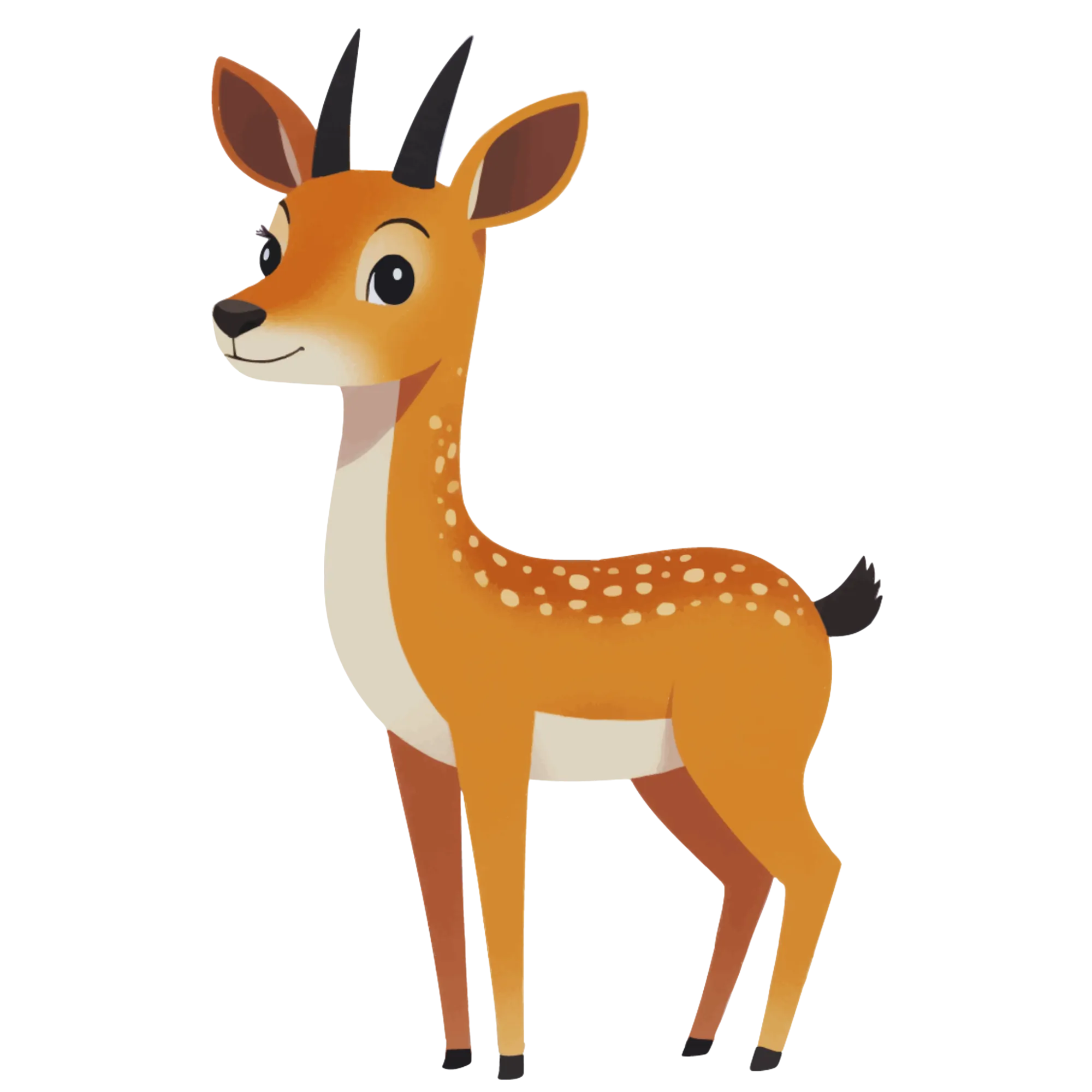
Antelope -- themed educational image
Antelope
Bat -- themed educational image
Bat
Camel -- themed educational image
Camel
Cat -- themed educational image
Cat
Dog -- themed educational image
Dog

Frequently Asked Questions

What makes picture crosswords different from standard crosswords for KDP?
Picture crosswords use image clues instead of text clues. Instead of reading a written definition, solvers see a picture and write the matching word. This format appeals to a broader audience including children, visual learners, and second-language speakers. On KDP, picture crossword books face significantly less competition than traditional text-clue crossword books.
What grid size does the crossword generator use?
The generator creates crosswords on a 15x15 grid, which is the standard size for professional crossword puzzles. This grid fits comfortably on an 8.5 x 11 inch KDP page with adequate margins. Each puzzle typically contains 10 to 15 interlocking words, each clued by an image from the selected theme.
Can I publish picture crossword books in multiple languages?
Yes. The generator supports 11 languages: English, German, French, Spanish, Portuguese, Italian, Dutch, Swedish, Danish, Norwegian, and Finnish. Each language version generates native vocabulary with locale-correct characters. A German crossword uses umlauts and eszett naturally. Each language version is a separate product on the corresponding Amazon marketplace.
How many themed image collections are available?
The generator includes 104 themed image collections covering animals, food, vehicles, tools, musical instruments, sports, holidays, nature, weather, clothing, furniture, and dozens more categories. Each theme contains a curated vocabulary set with matching images, giving you enough variety to create hundreds of uniquely themed crossword books.
Do I need a commercial license to sell crossword books on KDP?
Yes. The free trial with watermark lets you test all features and evaluate output quality, but exported PDFs include a watermark. A commercial license removes the watermark and grants you the right to sell the generated content. You must use commercially licensed exports for any book you publish on KDP or any other marketplace.
Are answer keys generated automatically?
Yes. Every crossword puzzle exported from the generator includes a matching answer key page showing the completed grid with all words filled in. This eliminates the need for manual answer key creation and ensures accuracy. The answer key pages are formatted to match puzzle pages for a professional, consistent manuscript.
What is the refund policy for commercial licenses?
Every generator offers a free trial with watermark so you can test all features, create sample puzzles, preview image clues, and evaluate output quality before purchasing. Because you can fully evaluate the product before buying, all commercial license sales are final. This is standard practice for digital product tools where the full product can be previewed before purchase.

Ready to Start Creating?

Try any generator free with watermark. No signup required.

Browse All Generators