Tutorial
1
Understand the KDP Puzzle Book Market
Puzzle books occupy a fundamentally different market position than educational activity books on Amazon. While math workbooks target parents searching for specific learning outcomes, puzzle books serve two distinct buyer segments with different motivations. Adult puzzle book buyers — the larger segment — purchase for entertainment, relaxation, stress relief, and cognitive maintenance. They buy word search books for travel, crossword collections for daily routines, and sudoku books as offline alternatives to phone games. Kids' puzzle book buyers are typically parents looking for engaging unplugged activities that also develop problem-solving skills.
This dual market means you need to decide your primary audience before creating content. Adult word search and crossword books are the highest-volume puzzle categories on Amazon, with consistent demand that does not fluctuate seasonally the way children's educational books do. Kids' puzzle books have lower individual sales volume but less competition and stronger seasonal peaks during summer, holidays, and back-to-school periods. Many successful puzzle book publishers serve both audiences with separate book lines.
The competitive landscape varies dramatically by puzzle type. Word search books have the highest demand but also the most competition, with thousands of active titles. Crossword books have strong demand with moderate competition. Sudoku books (especially picture sudoku for kids) occupy a smaller but loyal niche. Variety puzzle books — collections mixing multiple puzzle types — face less direct competition because they are harder to compare apples-to-apples against single-type books. Visual puzzle types like picture paths, odd-one-out, and missing pieces puzzles have the least competition but also the most niche audience.
Before publishing, spend time analyzing the top 20 results for your target search terms on Amazon. Note their page counts, prices, cover designs, and review counts. Pay special attention to books with high review counts but moderate star ratings — their negative reviews reveal exactly what buyers in this category expect and where existing books fall short. These gaps are your publishing opportunities.
2
Choose Your Puzzle Types and Format
The first strategic decision is whether to create a single-type puzzle book or a variety puzzle book. Each format has distinct advantages for Amazon discoverability and buyer satisfaction.
Single-type books (all word search, all crossword, all sudoku) rank better for specific keyword searches because their titles and descriptions can be laser-focused on one puzzle type. A book titled "Word Search Puzzles for Adults: 100 Large Print Puzzles" competes directly for the high-traffic "word search book" search term. Single-type books also attract repeat buyers who have a strong preference for one puzzle format — a word search enthusiast will buy multiple word search volumes but might skip a variety book with only 20 word searches mixed among other puzzle types.
Variety puzzle books (mixed puzzle types) appeal to buyers who want diverse entertainment in one purchase. They also make excellent gift purchases because the recipient can discover which puzzle types they enjoy most. Variety books have broader appeal but weaker keyword targeting — they partially rank for many puzzle-type searches but dominate none. The strategy works best when you can offer a genuinely diverse mix: word search, crossword, sudoku, math puzzles, visual puzzles, and maze-style content all in one book.
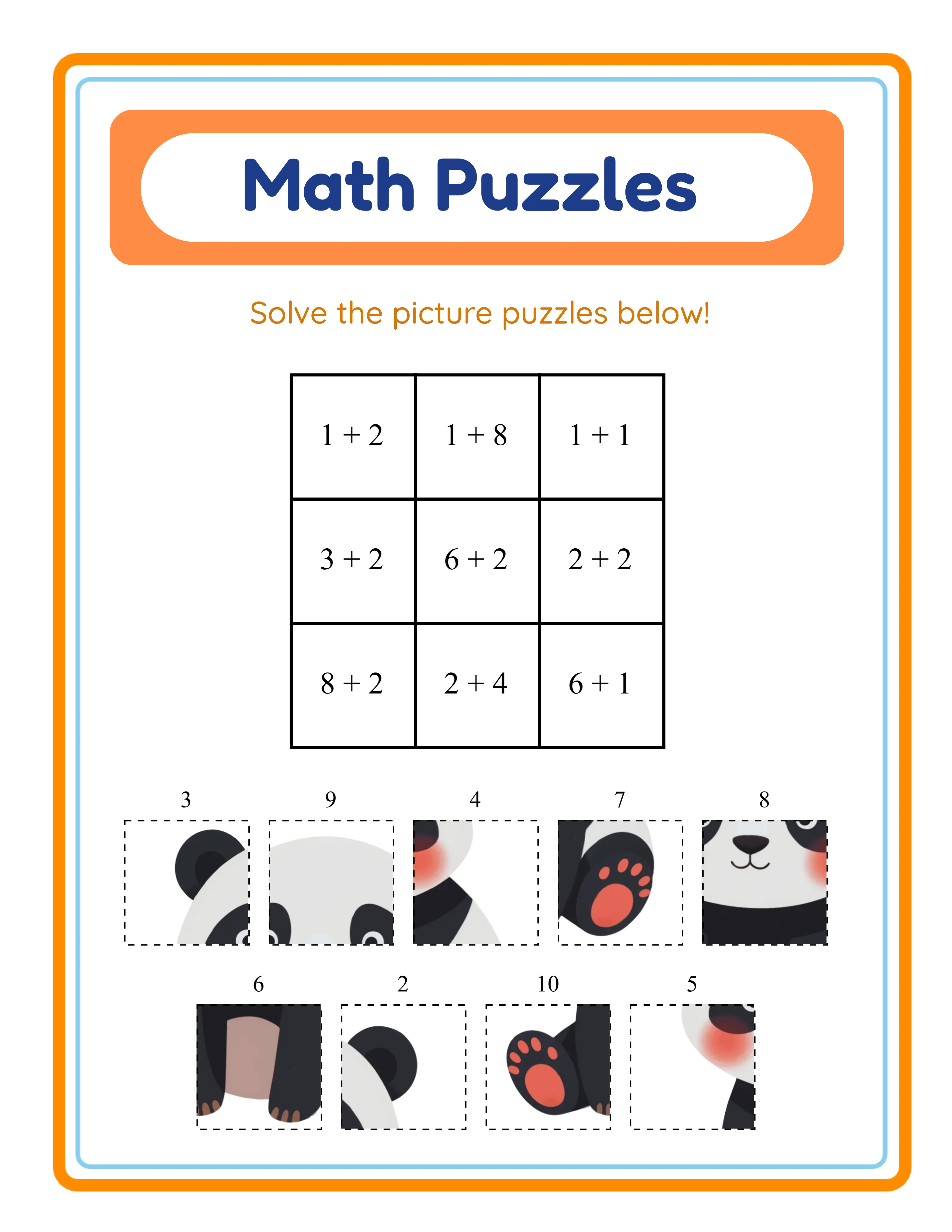
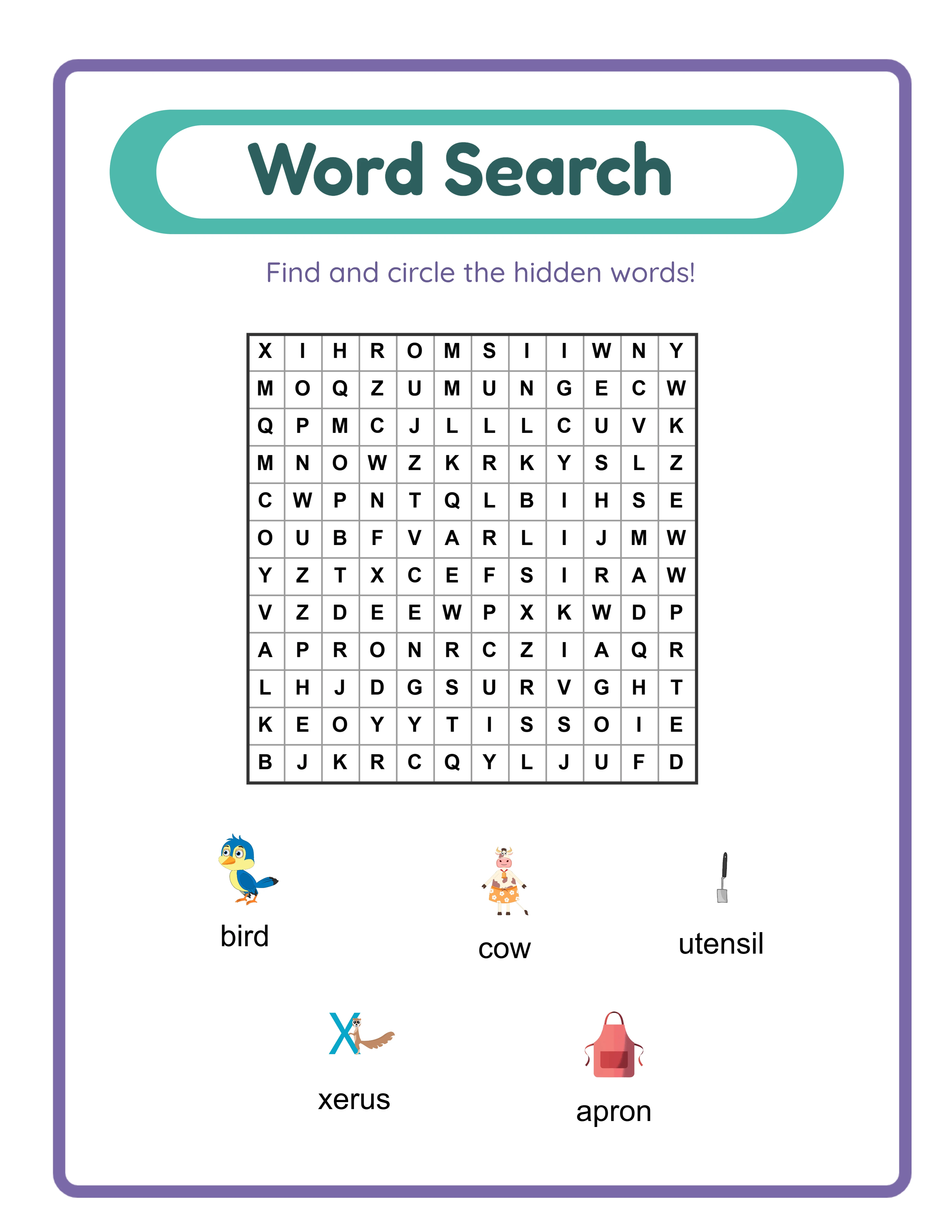
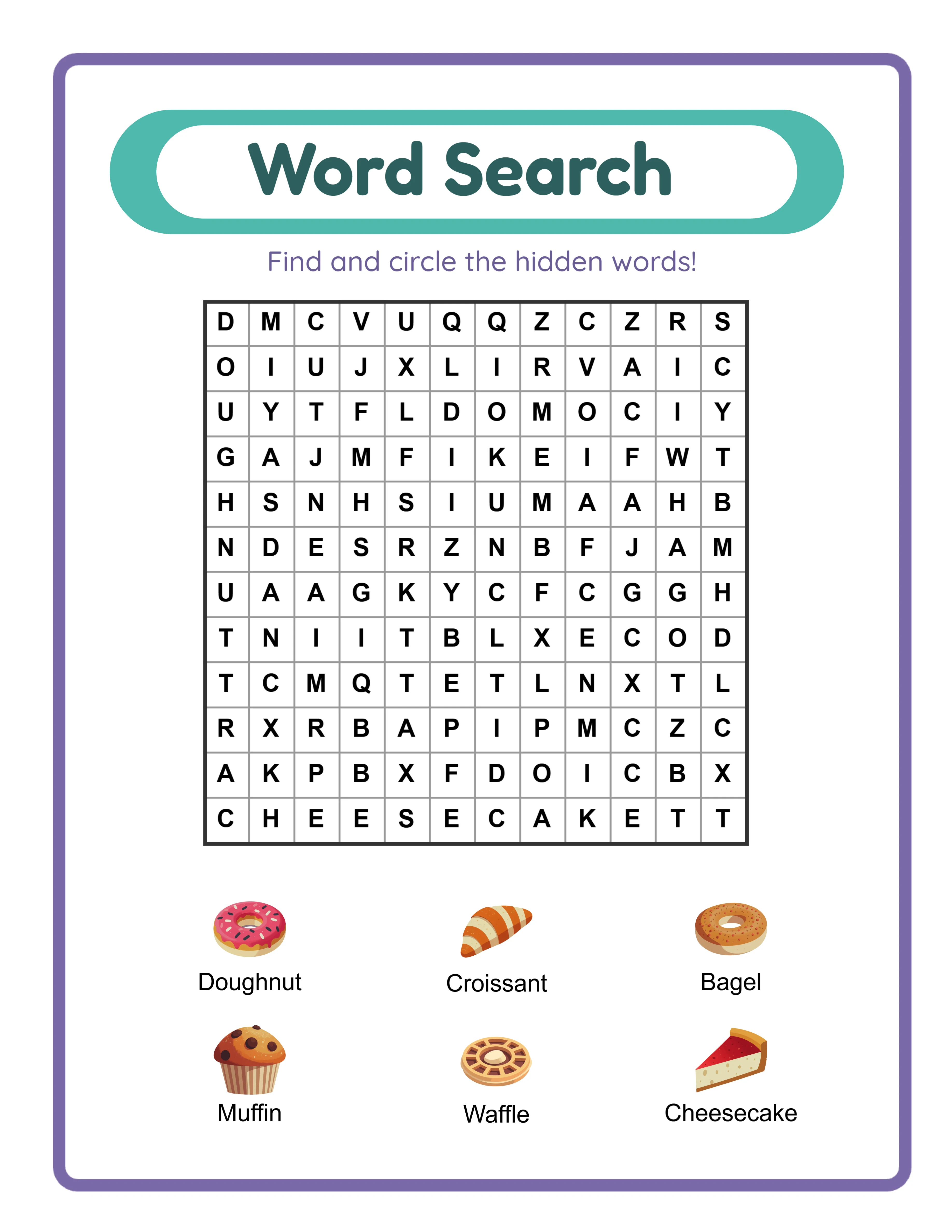
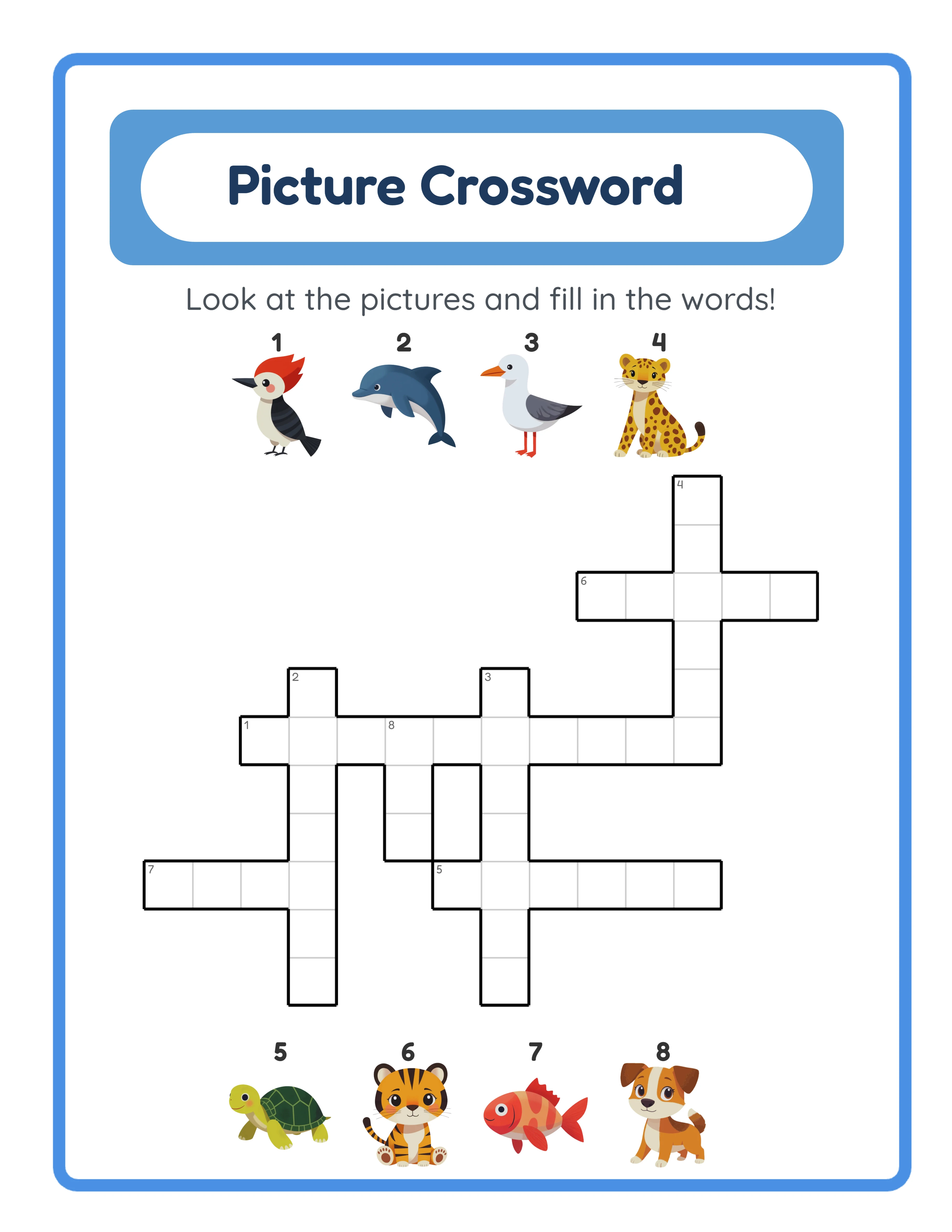
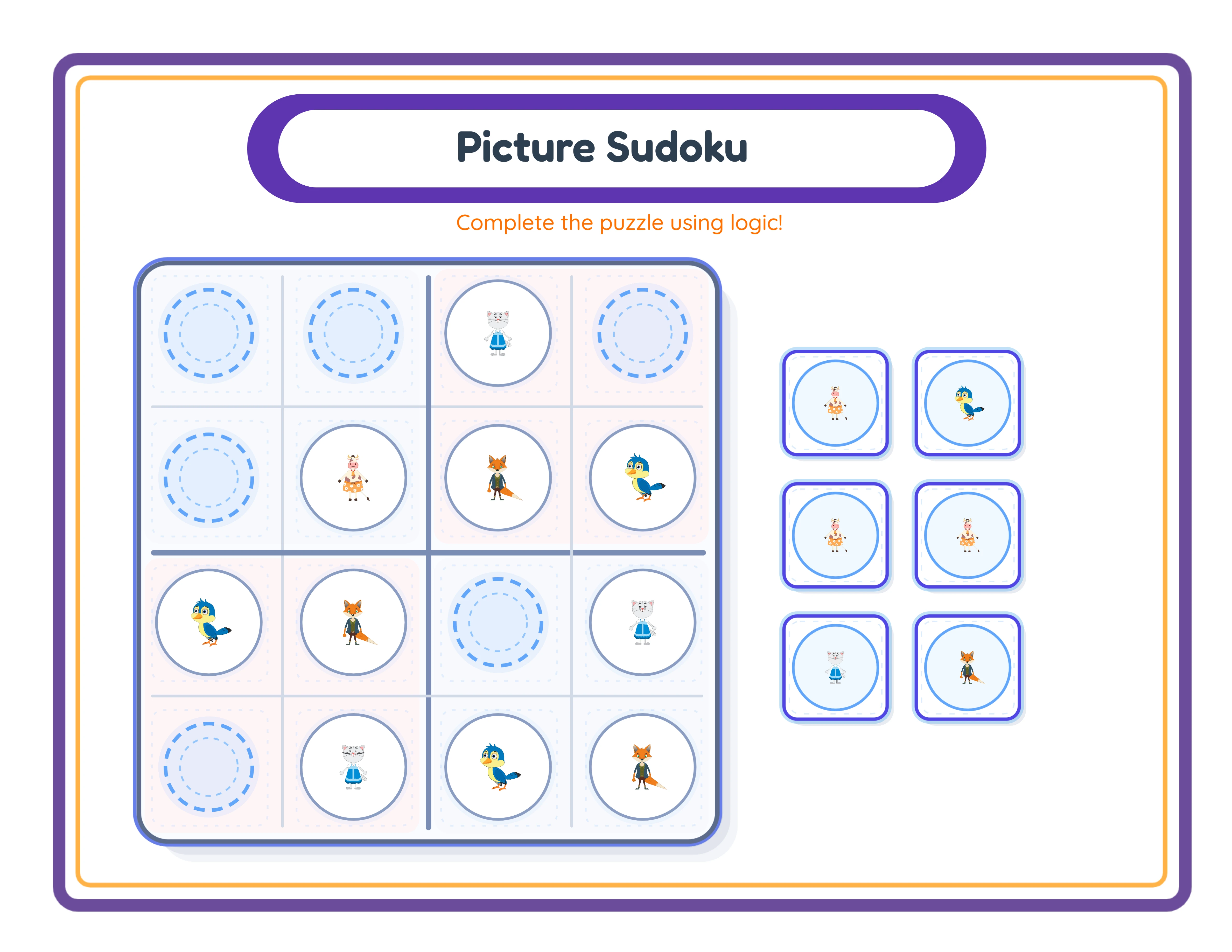
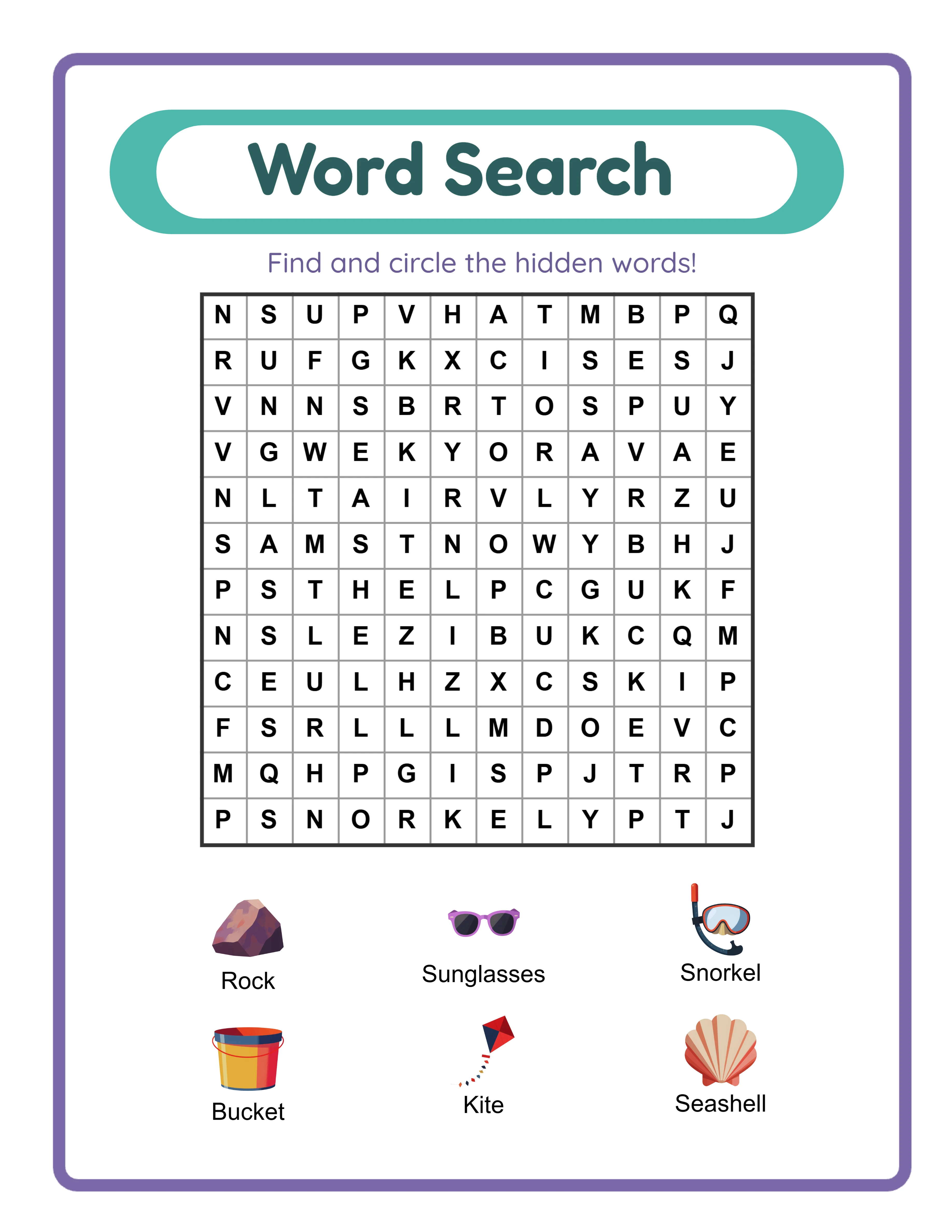
For puzzle content creation, match your generators to your chosen format. The Word Search generator is essential for any puzzle book project — word search is the single most popular puzzle type on KDP. The Crossword generator creates themed crossword puzzles that work for both adult and kids' books. The Sudoku generator produces picture-based sudoku ideal for kids' variety books. Math Puzzle creates grid-based number puzzles that add mathematical variety. Picture Path generates maze-style visual puzzles popular with younger audiences. Missing Pieces creates visual completion puzzles that round out a kids' variety book.
Consider creating both formats from the same content generation effort. Generate 80 word searches, use 60 for a dedicated word search book and distribute the remaining 20 across variety puzzle books alongside content from other generators. This approach maximizes the return on your content creation time.
3
Plan Page Count and Difficulty Progression
Puzzle books require higher page counts than standard activity books because each puzzle must occupy a full page for usability. Buyers physically write in puzzle books — circling words in word searches, filling letters in crosswords, writing numbers in sudoku grids — so cramming multiple puzzles onto one page frustrates users and generates negative reviews. Plan one puzzle per page as your baseline.
For single-type puzzle books targeting adults, 80 to 120 puzzle pages is the market standard. A "100 Word Search Puzzles" book immediately communicates substantial value. For kids' puzzle books, 40 to 80 puzzle pages works well because children work through puzzles more slowly and the book remains in use longer. For variety puzzle books, 60 to 100 puzzle pages provides enough space to include meaningful quantities of each puzzle type.
Organize every puzzle book with clear difficulty progression. Divide your book into three sections: Easy, Medium, and Hard. This structure serves multiple purposes. It lets beginners start with accessible puzzles and build confidence. It gives experienced puzzle solvers the option to skip ahead to challenging content. And it dramatically extends the useful life of each book because buyers work through it progressively rather than finishing all the interesting puzzles quickly and abandoning the rest.
For word search books, difficulty progression means increasing grid size (from 12 by 12 to 20 by 20), increasing the word list length, and using more obscure vocabulary. For crossword puzzles, difficulty scales through clue complexity and grid density. For sudoku, standard difficulty ratings from easy to expert are well-established. For variety books, cycle through puzzle types at each difficulty level — an easy word search followed by an easy crossword followed by an easy sudoku, then repeat the cycle at medium difficulty.
Always include a solutions section at the back of the book. Solutions are non-negotiable for puzzle books — buyers consistently mention solutions in reviews, and missing solutions are the number-one complaint in negative puzzle book reviews. Label each solution with its corresponding puzzle page number. The solutions section adds pages to your book but is essential for buyer satisfaction.
4
Generate Diverse Puzzle Content
With your format and page count planned, use the puzzle generators to create your content systematically. Work through each puzzle type and difficulty level methodically to maintain consistent quality across the entire book.
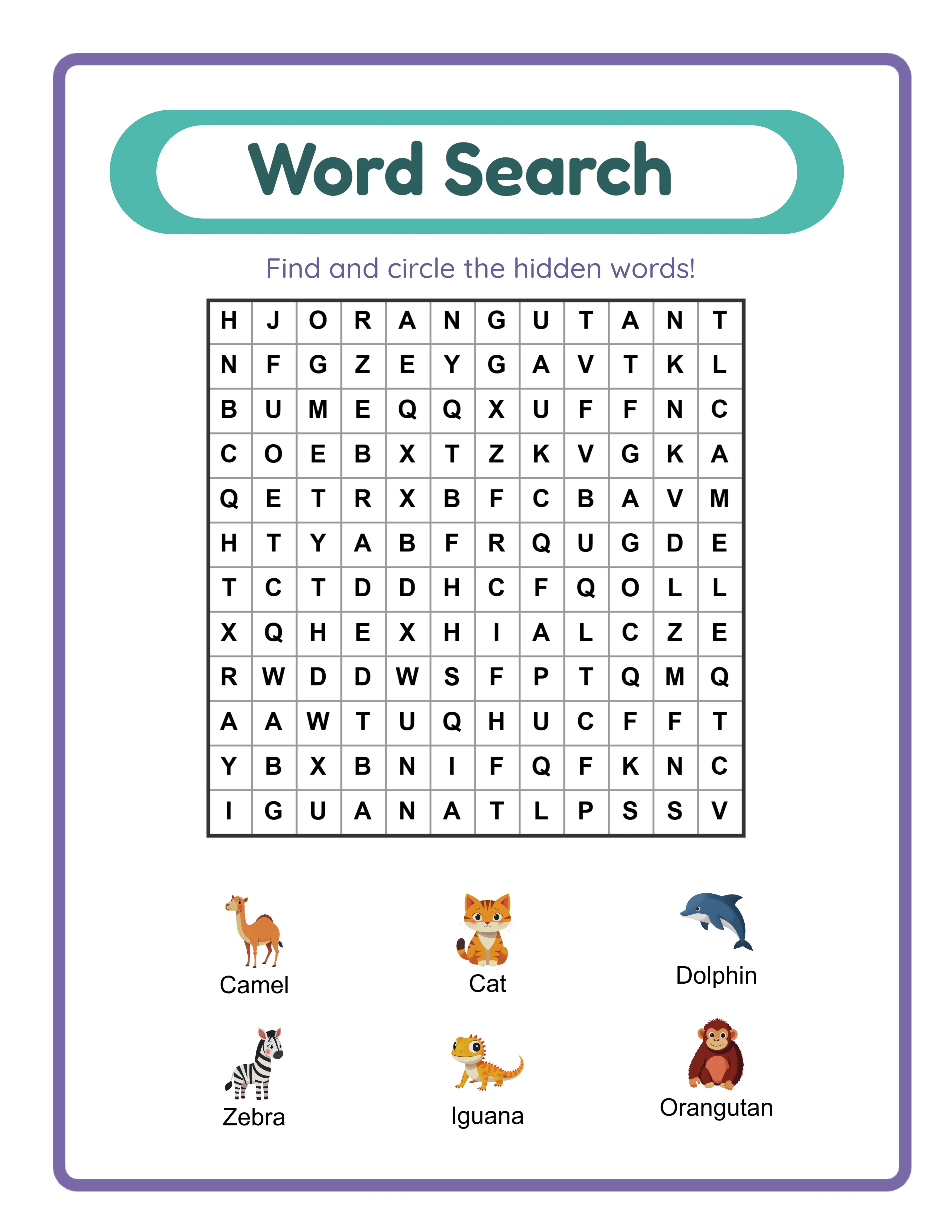
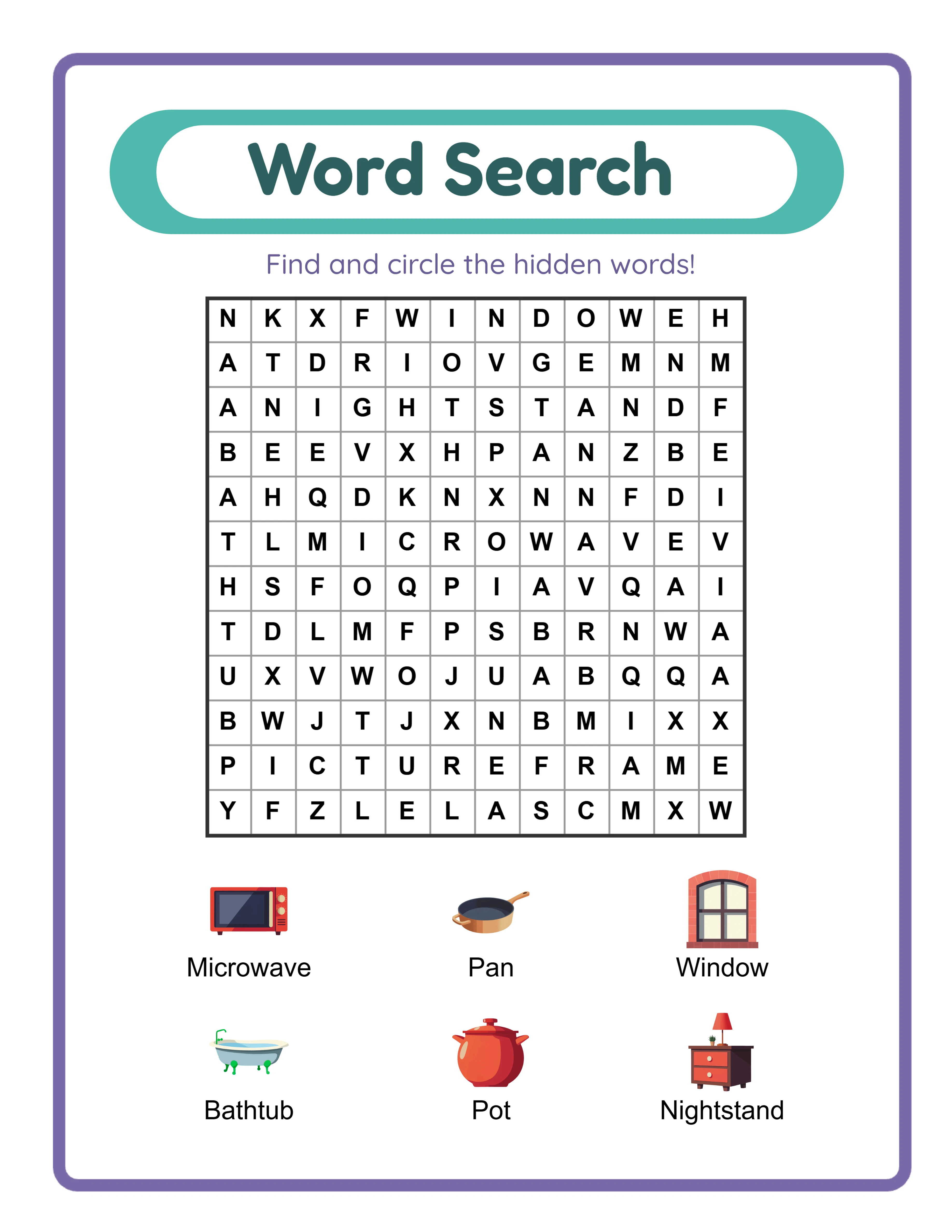
For word search content, the Word Search generator produces themed puzzle grids with customizable word lists, grid sizes, and visual styling. Create themed word searches for cohesive sections — an animals theme section, a food theme section, a travel theme section. Themed groupings add perceived editorial quality that distinguishes your book from competitors who publish random, unthemed word lists. For adult books, use larger grids (18 by 18 or 20 by 20) with longer, more sophisticated vocabulary. For kids' books, use smaller grids (10 by 10 to 15 by 15) with age-appropriate word lists.
The Crossword generator creates themed crossword puzzles with clues and answer grids. Crosswords add substantial value to any puzzle book because they require more engagement than word searches. Generate crosswords at multiple difficulty levels by varying clue directness — straightforward definition clues for easy sections, more cryptic or associative clues for hard sections. Always generate the corresponding answer key for each crossword.
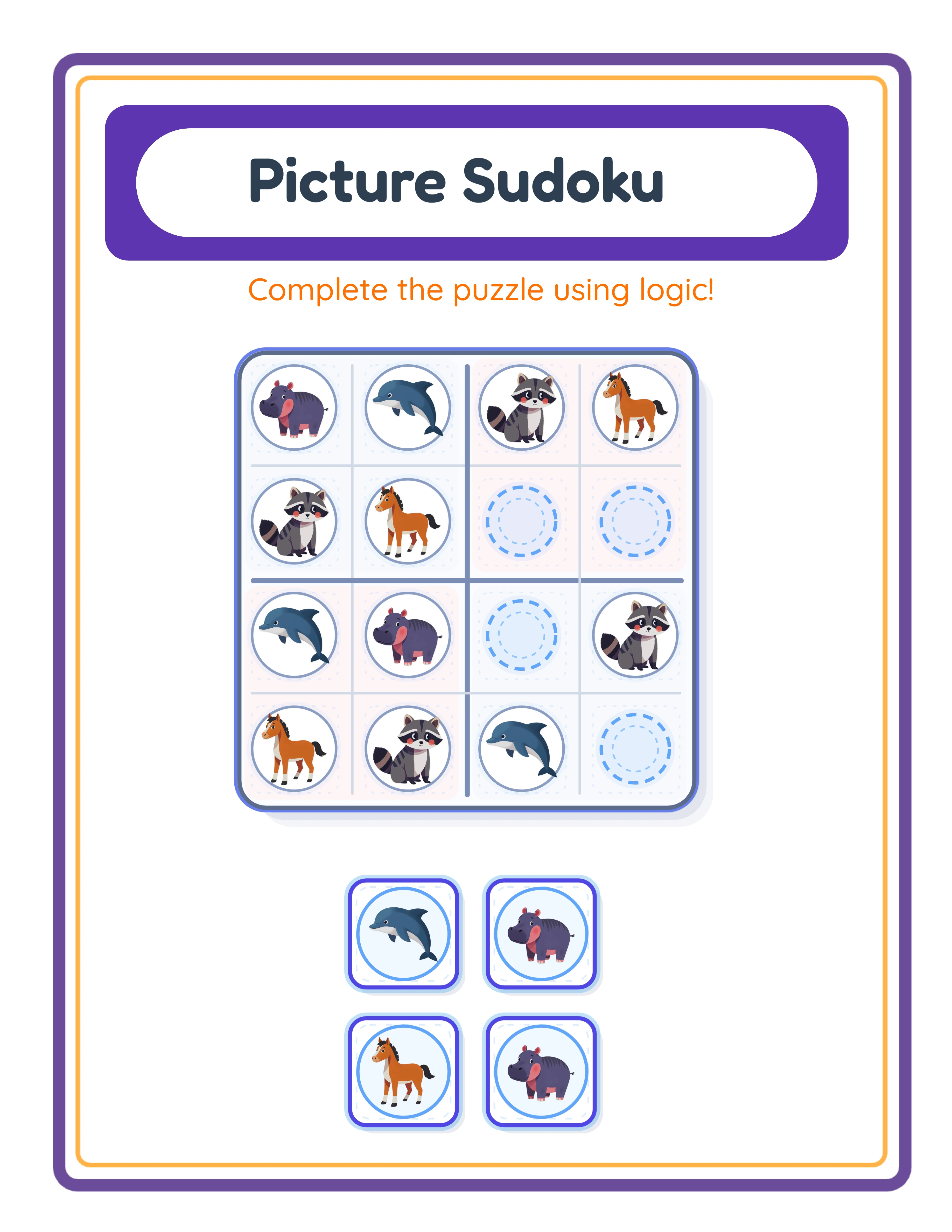
For kids' variety books, the Sudoku generator creates picture-based puzzles that teach logical thinking without requiring math skills. Picture Path provides maze-style content that younger children find especially engaging. Missing Pieces adds visual completion challenges. Math Puzzle contributes number-based grid puzzles that bridge the gap between pure entertainment and educational content.
Generate 20 to 30 percent more content than your target page count. This surplus gives you the flexibility to select the strongest puzzles for each section while maintaining consistent quality. Save unused puzzles for subsequent volumes — this head start on future books costs you no additional creation time and accelerates your catalog-building strategy.
5
Format Puzzle Pages for KDP Print
Puzzle books have formatting requirements that go beyond standard KDP manuscript specifications. The core challenge is ensuring puzzle grids are large enough for comfortable physical interaction — circling words, writing letters, filling numbers — while fitting within KDP's margin and trim requirements.
Trim size is your most important formatting decision for puzzle books. The 8.5 by 11 inch format provides maximum grid space and is the standard for adult word search and crossword books. This size allows large, comfortable grids that accommodate readers with varying eyesight and motor control — particularly important for the large-print puzzle book subcategory, which is a high-demand niche on its own. For portable puzzle books marketed for travel or commuting, 6 by 9 inches works but requires smaller grids that some users find cramped. The 8 by 10 inch format offers a middle ground.
Grid spacing is critical for puzzle usability. Word search grids need enough space between letters for readers to circle words without overlapping adjacent letters. A minimum of 0.25 inches between letter centers keeps grids readable and usable. Crossword grids need cells large enough to write a full letter comfortably — at least 0.35 inches per cell for adult books, 0.5 inches or larger for kids' books. Test your grid sizing by printing sample pages and physically working through the puzzles yourself.
Use generous margins beyond KDP minimums. Standard KDP minimums (0.25 inches outside, 0.375 inches gutter) are too tight for puzzle books where users write near the edges. Use 0.5 to 0.75 inch margins on all sides, with a full 0.75 inch gutter margin. This prevents content from disappearing into the binding and gives users comfortable workspace across the entire page.
For detailed KDP formatting specifications including bleed settings, PDF export resolution, page count requirements, and the complete manuscript assembly process, refer to the math activity books KDP guide and the KDP formatting guide which cover these fundamentals comprehensively. The formatting principles are identical — puzzle books simply require larger working areas within those same technical specifications.
6
Design Covers That Signal Puzzle Type
Puzzle book covers must communicate three things at thumbnail size: the puzzle type, the difficulty level or audience, and the volume number if part of a series. Amazon shoppers scrolling through search results make click decisions in fractions of a second, so visual clarity at small sizes is more important than elaborate design.
Include a sample puzzle on your front cover. This is standard practice in the puzzle book category and immediately communicates what the buyer will get inside. For word search books, show a small completed or partially completed word search grid. For crossword books, display a recognizable crossword grid pattern. For variety books, show a collage of different puzzle type previews. The sample puzzle does not need to be solvable at cover size — it serves as a visual type indicator, not actual content.
Differentiate kids' and adult covers through design language. Adult puzzle book covers typically use clean, sophisticated designs with muted or bold solid colors, large clear typography, and minimal illustration. Kids' puzzle book covers use bright primary colors, playful fonts, cartoon-style illustrations, and character art. Mismatching your cover style to your audience is one of the most common mistakes new puzzle book publishers make — an adult word search book with a childish cover will not attract its target buyer regardless of the content quality.
For series branding, create a cover template that stays consistent across volumes. Use the same layout, color scheme, and font choices for every volume, changing only the volume number and potentially an accent color. When all your word search books share recognizable branding, a buyer who enjoyed Volume 1 can instantly identify Volumes 2 through 10 on your author page or in search results. This visual consistency significantly increases cross-purchase rates.
The back cover should list the puzzle count, difficulty range, page count, and any special features like large print or themed content. Include 3 to 5 bullet points that highlight selling points: "100 themed word search puzzles," "Easy, Medium, and Hard difficulty sections," "Full solutions included at back," "Large 8.5 by 11 inch format for comfortable solving." Remember to leave the barcode zone clear in the lower right area of the back cover.
7
Optimize Your Amazon Listing for Puzzle Searches
Amazon keyword strategy for puzzle books differs from other activity book categories because puzzle searchers use highly specific terminology. A buyer searching for a word search book types exactly that — "word search book for adults" or "word search puzzles large print" — rather than generic terms like "activity book." Your 7 keyword fields should reflect this specificity.
For a word search book targeting adults, effective keyword fields include: "word search puzzles for adults large print," "word find books for adults entertainment," "word search book for seniors easy to read," "puzzle books for adults word games," "large print word search travel activities," "word puzzle book stress relief relaxation," and "brain games word search adults." Each field targets a different buyer intent while staying within the 50-character limit.
For kids' puzzle books, keyword fields should include age ranges and educational angles: "puzzle book for kids ages 6 8 10," "word search for kids activity book," "children puzzle book brain teasers," "kids activity book travel road trip," "educational puzzle book elementary school." Parents search differently from adult puzzle buyers, often including age ranges and educational descriptors.
Your title carries significant search weight on Amazon. Include the puzzle type, audience, and a distinguishing feature: "Word Search Puzzles for Adults: 100 Large Print Themed Puzzles with Solutions." The subtitle expands with secondary keywords and selling points. Amazon allows up to 200 characters for the title field, but prioritize readability — a natural-sounding title with key terms outperforms a keyword-stuffed string that looks spammy.
Category selection matters more for puzzle books than many other KDP categories because Amazon has specific puzzle subcategories. Target Puzzle and Game Activity Books, Word Games, and Crosswords as your primary categories. After publication, request additional category placements through KDP Support to appear in age-specific or format-specific subcategories. Appearing in niche categories with fewer competitors gives you a better chance of earning category ranking badges that boost click-through rates.
8
Build a Puzzle Book Catalog for Long-Term Revenue
The most successful puzzle book publishers on KDP earn their revenue from catalog depth, not individual titles. A single word search book might earn 50 to 100 dollars per month in royalties. Ten word search volumes with consistent branding and cross-promotion might earn 700 to 1,200 dollars monthly because Amazon's recommendation engine connects buyers across your entire catalog.
Start with your strongest puzzle type and build volume depth before branching to new puzzle types. If word search is your initial focus, publish Volumes 1 through 5 before starting a crossword series. Each new volume in a series benefits from existing reviews and sales history — Amazon shows "Books in this series" on every volume's page, giving your new title immediate visibility to buyers who already know and trust your brand.
Create themed collections alongside your numbered volumes. While Volume 1 through Volume 10 serve general puzzle enthusiasts, themed editions target seasonal and niche searches. A "Christmas Word Search Puzzles" book captures holiday gift-buying traffic. A "Travel Word Search Book" targets vacation season shoppers. A "Word Search for Cat Lovers" targets interest-based searches. These themed editions reach buyers who might never find your generic volumes.
Cross-promote between puzzle types within your catalog. In the back matter of your word search books, include a page listing your crossword and sudoku titles. In your Amazon book descriptions, mention related titles. Set up an Amazon Author Page that showcases your complete catalog organized by puzzle type and series. When a buyer who purchased your word search book browses your author page and sees matching crossword and sudoku books, the conversion rate is significantly higher than acquiring a new customer from scratch.
Plan age-segmented versions of your most successful titles. If your adult word search book sells well, create a kids' version with age-appropriate vocabulary and larger grids, and a large-print seniors' version with even larger formatting. Each version targets a different search term and audience while leveraging the same content creation workflow. This approach multiplies your catalog size efficiently while serving genuinely different market segments.
The compounding effect of catalog depth is the core advantage of puzzle book publishing on KDP. Unlike one-time digital product sales, each new title you publish strengthens the discoverability of every existing title through Amazon's recommendation algorithms. Publishers who commit to consistently adding new volumes and types build revenue streams that grow month over month as the catalog expands.
.webp)




.webp)
.webp)