Tutorial
1
Understand KDP Activity Book Economics
KDP pays royalties on paperback activity books using a simple formula: 60 percent of the list price minus the printing cost. The printing cost depends on page count, ink type (black-and-white or color), and marketplace. Understanding this formula is the foundation of every pricing and production decision you will make as a publisher.
For a black-and-white interior book sold on the US marketplace, the printing cost formula is approximately 0.85 dollars fixed cost plus 0.012 dollars per page. A 60-page activity book costs roughly 1.57 dollars to print. A 100-page book costs roughly 2.05 dollars. A 150-page book costs roughly 2.65 dollars. Color interiors cost dramatically more — roughly 0.85 dollars plus 0.07 dollars per page — making a 60-page color book cost about 5.05 dollars to print, which severely limits your royalty at competitive price points.
Here is where the math gets important. For a 60-page black-and-white activity book (printing cost 1.57 dollars), your royalty at different price points: at 5.99 dollars list price, royalty equals 60 percent of 5.99 minus 1.57, which is 2.02 dollars. At 7.99 dollars, royalty equals 3.22 dollars. At 9.99 dollars, royalty equals 4.42 dollars. The jump from 5.99 to 9.99 more than doubles your per-sale earnings. Many new publishers underprice because they fear higher prices will reduce sales, but activity book buyers on Amazon are relatively price-insensitive within the 6 to 12 dollar range — they care more about content quality, page count, and reviews than a 2 to 3 dollar price difference.
Color interiors change this calculation dramatically. That same 60-page book with color printing costs 5.05 dollars to print. At a 9.99 dollar list price, your royalty drops to just 0.94 dollars per sale compared to 4.42 dollars for the black-and-white version. This is why the vast majority of profitable activity book publishers design for black-and-white interiors. Coloring books are the notable exception, but even there, many publishers use black-and-white line art interiors rather than full-color pages.
The key insight is that page count and ink type are not just production decisions — they are profit decisions. Every additional page adds cost, and every dollar of additional cost comes directly out of your royalty. Design your books with the royalty math in mind from the start, not as an afterthought.
2
Price Your Activity Books for Maximum Royalty
Pricing is the single highest-leverage decision in your KDP activity book business. A 2-dollar price increase on a book selling 50 copies per month means an additional 60 dollars in monthly royalty — with zero additional work. Yet most publishers spend hours perfecting their content and seconds choosing their price.
The pricing sweet spot for most activity books falls between 7.99 and 9.99 dollars for standard page counts (50 to 80 pages). Books in this range generate meaningful royalties while remaining competitive with other activity books in Amazon search results. Below 6.99 dollars, your royalty per sale often drops below 2 dollars, meaning you need enormous sales volume to generate meaningful income. Above 12.99 dollars, you face buyer resistance unless your book offers clear premium value like higher page counts or specialized content.
Page count determines your floor price. A 40-page activity book can be profitably priced at 6.99 dollars because printing cost is low. A 120-page puzzle book needs to be priced at 9.99 dollars or higher to generate reasonable royalties because the printing cost is substantially higher. Calculate your target royalty first, then set the price to achieve it. If you want at least 3 dollars royalty per sale on a 80-page black-and-white book (printing cost approximately 1.81 dollars), you need a list price of at least 8.02 dollars — so 8.99 dollars is your minimum practical price.
Premium positioning can justify higher prices. Large-print activity books command 1 to 3 dollars more than standard format because the audience (typically seniors) values the usability improvement. Themed holiday books can be priced 1 to 2 dollars above generic equivalents during peak season. Books with higher page counts naturally support higher prices because buyers perceive more value. A 150-puzzle word search book at 11.99 dollars feels reasonable when competing books offer 80 puzzles at 8.99 dollars.
Avoid the race to the bottom. New publishers sometimes price at 4.99 dollars hoping to win on volume, but KDP activity book conversion rates are driven primarily by cover quality, reviews, and search ranking — not by being the cheapest option. A well-made 8.99 dollar book with strong reviews will outsell a mediocre 4.99 dollar book in nearly every scenario, and each sale will be worth 2 to 3 times more in royalties.
3
Build a Catalog Strategy That Compounds Revenue
The most important concept in KDP activity book economics is catalog compounding. A single book has a fixed ceiling: it can only appear in a limited number of search results, attract a limited audience, and generate a limited number of sales per month. A catalog of related books breaks through that ceiling because Amazon's recommendation engine connects your titles to each other.
Here is how compounding works in practice. When a buyer purchases your Math Workbook for Kids: Grade 1, Amazon's algorithm begins showing them your other titles in the "Customers also bought" section, the "More from this author" section, and in recommendation emails. If you have a Grade 2 workbook, a Grade 3 workbook, and a math puzzle book, that single buyer has multiple opportunities to purchase again — without you spending anything on additional marketing or advertising. Each title in your catalog becomes a discovery channel for every other title.
The math is compelling. If a single book earns 80 dollars per month, you might expect 10 books to earn 800 dollars. But 10 well-connected books in the same category often earn 1,000 to 1,500 dollars monthly because of cross-discovery. The recommendation engine effect grows stronger as your catalog expands — 20 books do not earn twice what 10 books earn, they often earn 2.5 to 3 times as much because the number of cross-promotional connections grows exponentially with each new title.
Structure your catalog for maximum cross-promotion. Create series with numbered volumes (Word Search Volume 1, 2, 3) so Amazon automatically links them in a series page. Create grade-level sequences (Grade 1, Grade 2, Grade 3) for educational books. Create themed collections that share a visual brand identity. Every book should include back matter listing your other titles with their Amazon page links.
The practical implication is that publishing one book per month for 12 months will almost always generate more revenue than spending 12 months perfecting a single book. The quality bar is not low — every book needs to be genuinely useful and well-formatted. But a good book published today contributes to catalog compounding immediately, while a slightly better book published 6 months from now means 6 months of missed compounding.
4
Leverage Seasonal Publishing for Revenue Spikes
Activity book sales follow predictable seasonal patterns that savvy publishers exploit for outsized revenue periods. Understanding these cycles lets you time your publishing calendar for maximum impact rather than releasing books randomly throughout the year.
The biggest revenue opportunity is Q4 — October through December — when holiday gift buying drives Amazon sales across all activity book categories. Christmas-themed activity books (holiday math, Christmas word search, winter coloring books) see intense demand from mid-October through December 20. Halloween activity books spike in September and October. These holiday titles can sell 3 to 5 times their normal monthly volume during peak periods. The critical detail is timing: publish holiday books at least 6 to 8 weeks before the holiday so Amazon has time to index, rank, and begin showing your book in search results.
Summer months (June through August) are the second-biggest opportunity for kids activity books. Parents buy travel activity books for road trips and flights, summer practice workbooks to prevent learning loss, and camp and outdoor-themed activity books. Back-to-school season (late July through September) drives demand for educational activity books, especially math workbooks and handwriting practice books aligned with specific grade levels.
Spring holidays create smaller but reliable spikes. Easter activity books sell well in March and April. Valentine's Day themed books have a narrow but intense demand window in January and February. Mother's Day and Father's Day drive some adult puzzle and activity book sales as gift purchases.
The strategic approach is to maintain an evergreen catalog as your baseline revenue and layer seasonal titles on top for periodic spikes. Your evergreen titles (generic math workbooks, unthemed puzzle books) earn steady monthly income year-round. Your seasonal titles earn very little most of the year but generate concentrated revenue during their relevant period. Together, they create a revenue profile that grows month over month from catalog compounding while spiking during holidays.
Importantly, seasonal books also drive traffic to your evergreen catalog. A buyer who discovers your Christmas Word Search book in November and enjoys it will visit your author page and discover your year-round word search volumes. This cross-pollination between seasonal and evergreen titles amplifies the catalog compounding effect.
5
Optimize Amazon Keywords and Categories for Sales
Amazon keyword optimization for activity books is a revenue strategy, not just a visibility strategy. The keywords you choose determine which buyer searches your books appear in, and different searches have dramatically different conversion rates and competition levels. Your goal is to appear in searches where buyers are ready to purchase, not just browse.
KDP gives you 7 keyword fields of up to 50 characters each. Use every field with distinct, buyer-intent phrases rather than single generic words. Instead of "math workbook" as one keyword, use "math workbook for kids grade 1 practice" — this longer phrase matches more specific searches where buyers have clear purchase intent. A parent searching for "math workbook for kids grade 1 practice" is closer to buying than someone searching for "math workbook."
Target keywords at three levels: category level ("activity book for kids"), type level ("word search puzzles for adults"), and niche level ("large print word search book for seniors"). Category-level keywords have high volume but intense competition. Niche-level keywords have lower volume but much higher conversion rates and less competition. Your best revenue often comes from dominating several niche keywords rather than competing for a few high-volume terms.
Category selection directly impacts your ranking potential and Best Seller badge eligibility. Amazon has hundreds of subcategories for activity books. A book ranked 50th in the broad "Children's Activity Books" category is invisible. The same book ranked 5th in "Children's Word Games" gets a Best Seller badge that dramatically increases click-through rates. After publication, contact KDP Support to request placement in additional relevant subcategories — you can appear in up to 10 categories.
Your book title and subtitle carry the most keyword weight on Amazon. Structure them to include your primary search terms naturally: "Math Workbook for Kids Grade 1: Addition and Subtraction Practice with 100 Worksheets." This title targets "math workbook for kids grade 1," "addition and subtraction practice," and "100 worksheets" simultaneously while reading naturally to human buyers. Never sacrifice readability for keyword density — Amazon's algorithm penalizes keyword-stuffed titles that users skip over in search results.
6
Scale Production with Multiple Activity Book Types
Revenue scales fastest when you diversify across multiple activity book types rather than publishing only one format. Each activity book type targets different Amazon search terms, serves different buyer demographics, and has different competitive dynamics. A publisher with titles across math, word search, crossword, sudoku, coloring, and drawing reaches far more potential buyers than one publishing only math workbooks.
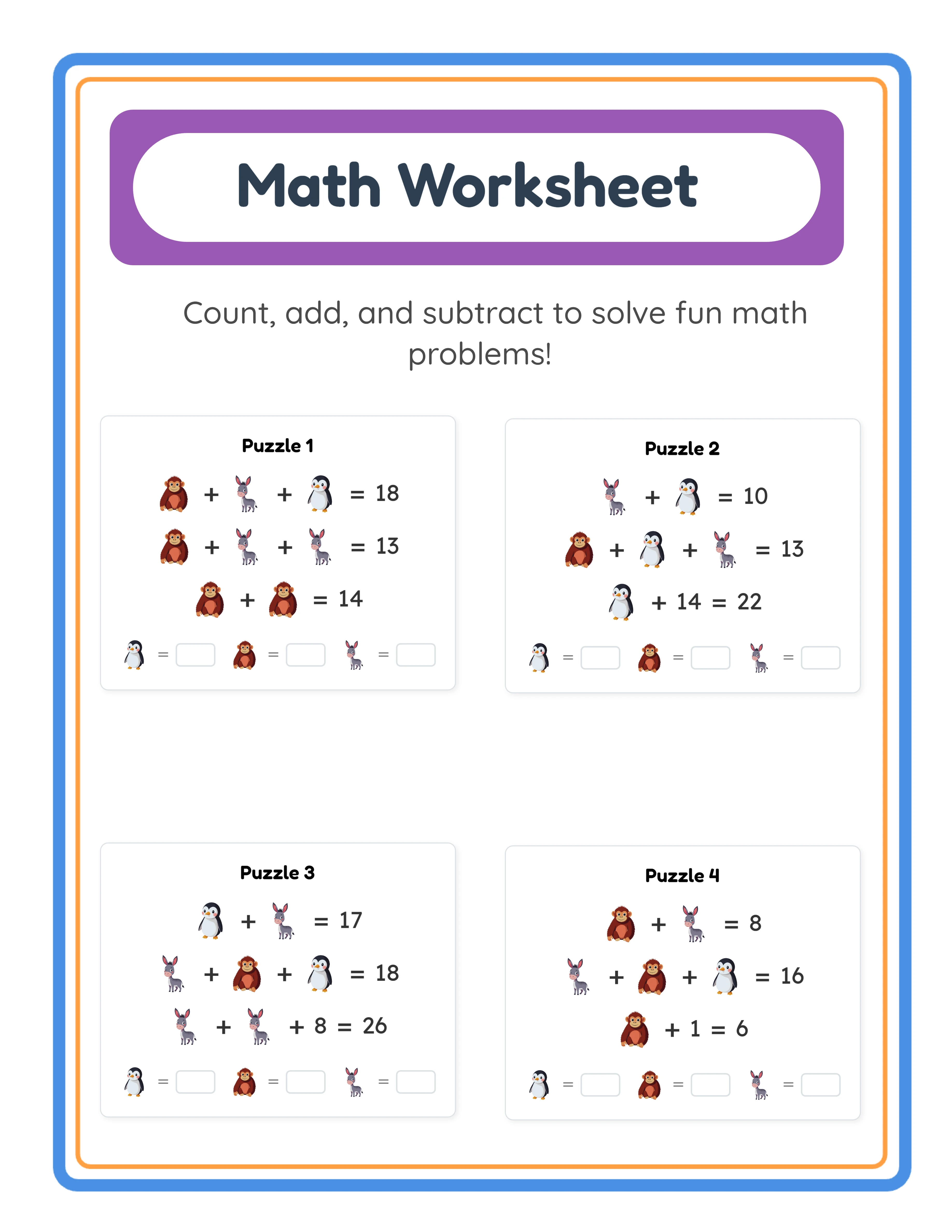
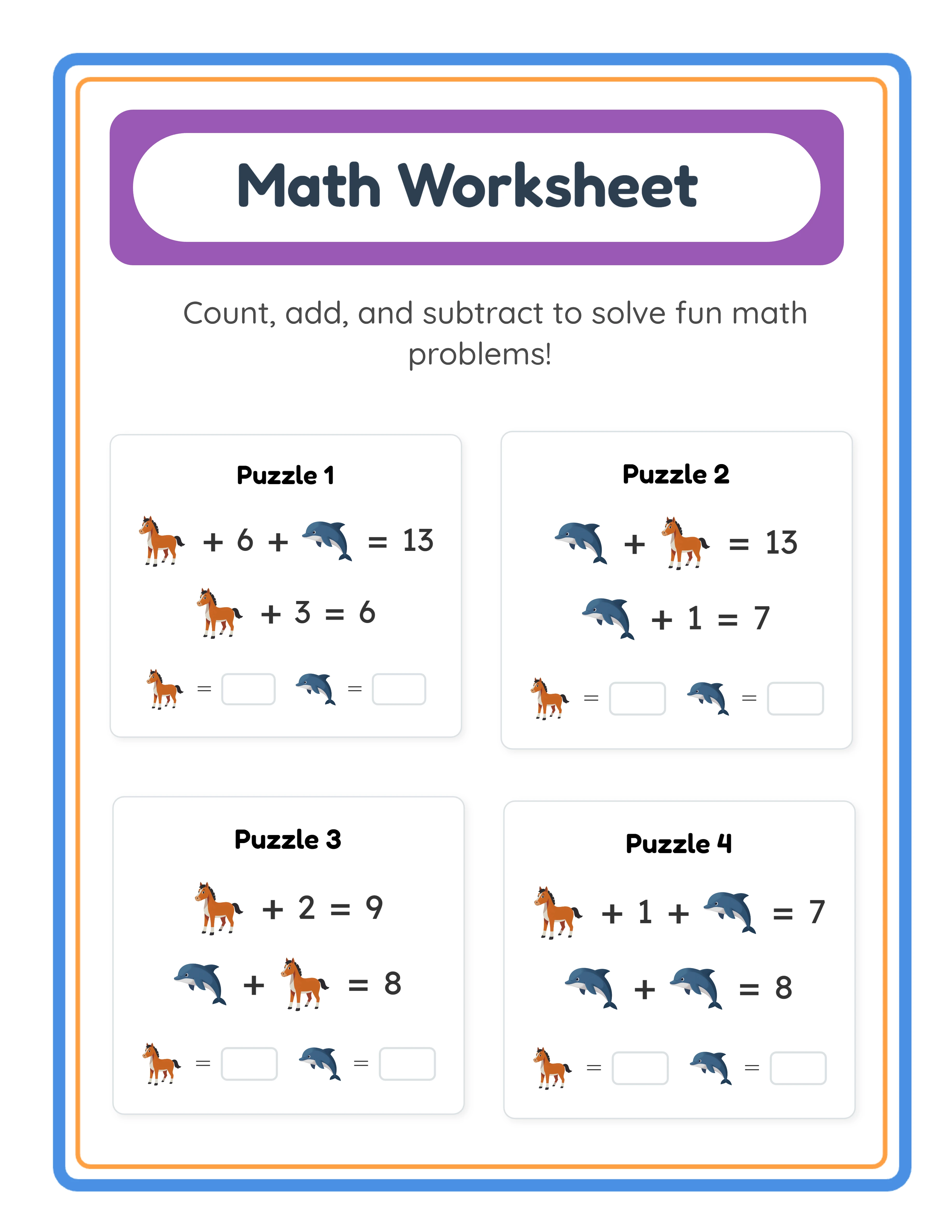
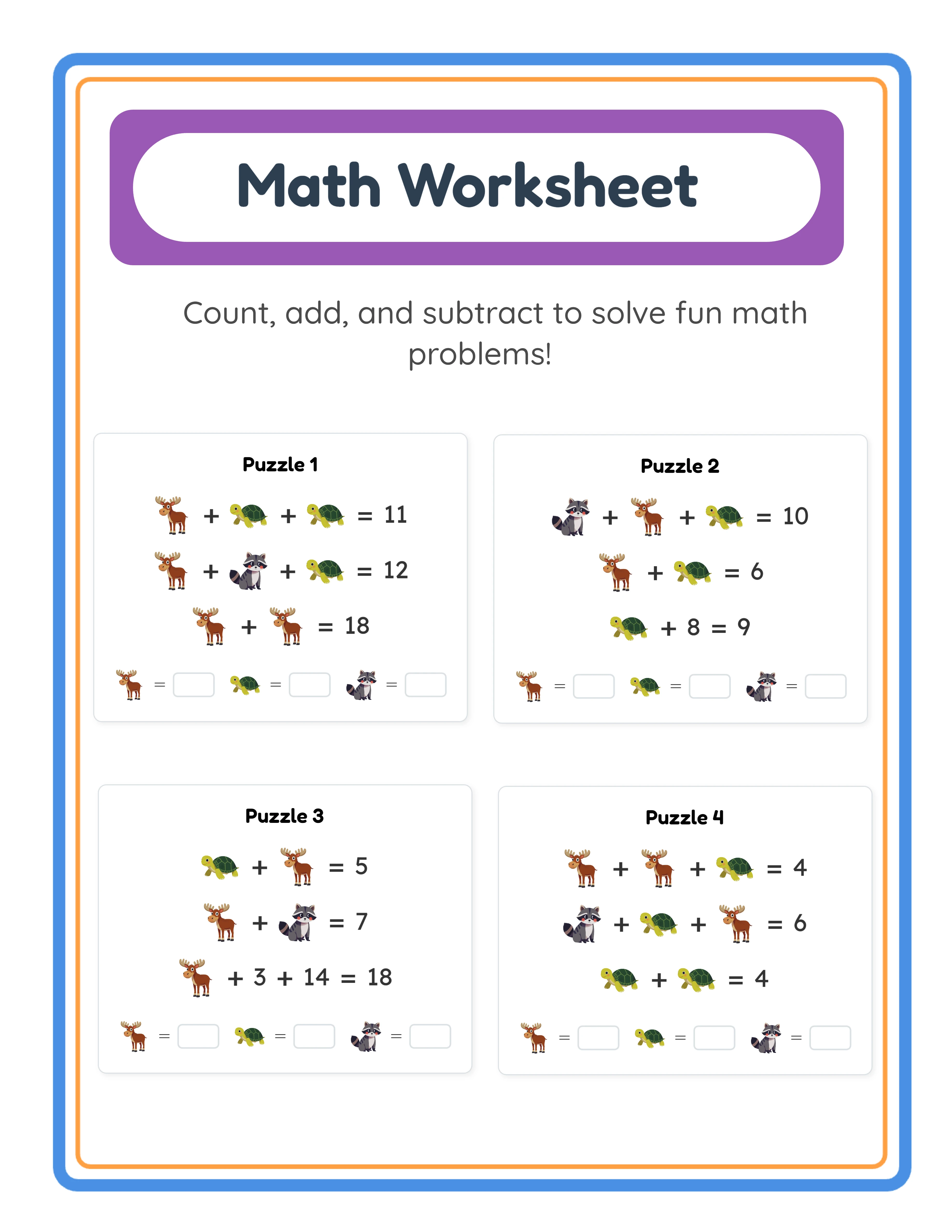
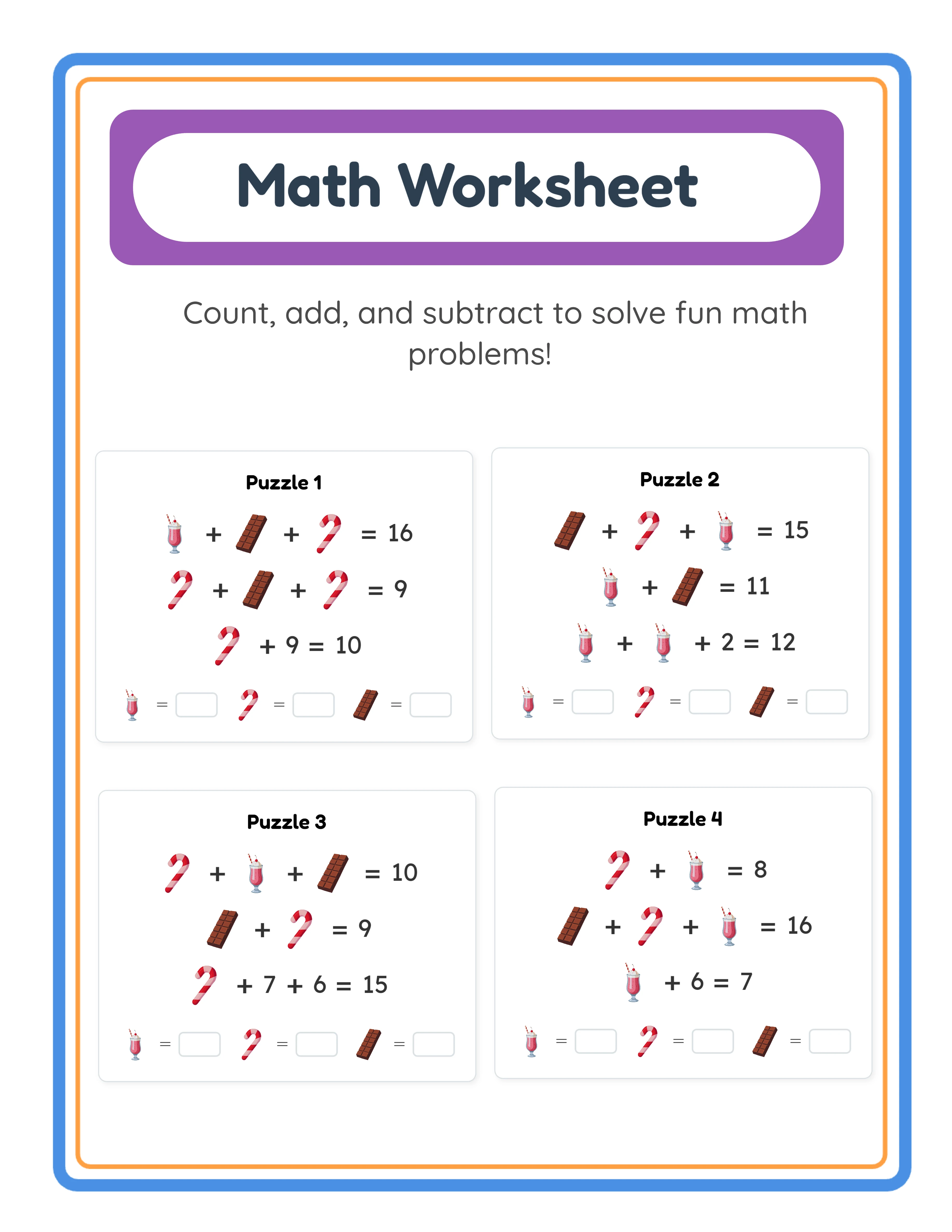
The math category includes addition, subtraction, multiplication, division, and mixed-operation workbooks segmented by grade level. Each grade level and operation type is a separate Amazon search market. The Math Worksheet generator creates targeted content for specific operations and difficulty levels, while the Addition generator produces focused single-operation content for grade-specific workbooks. A publisher can create 15 to 20 distinct math titles just by combining different operations with different grade levels.
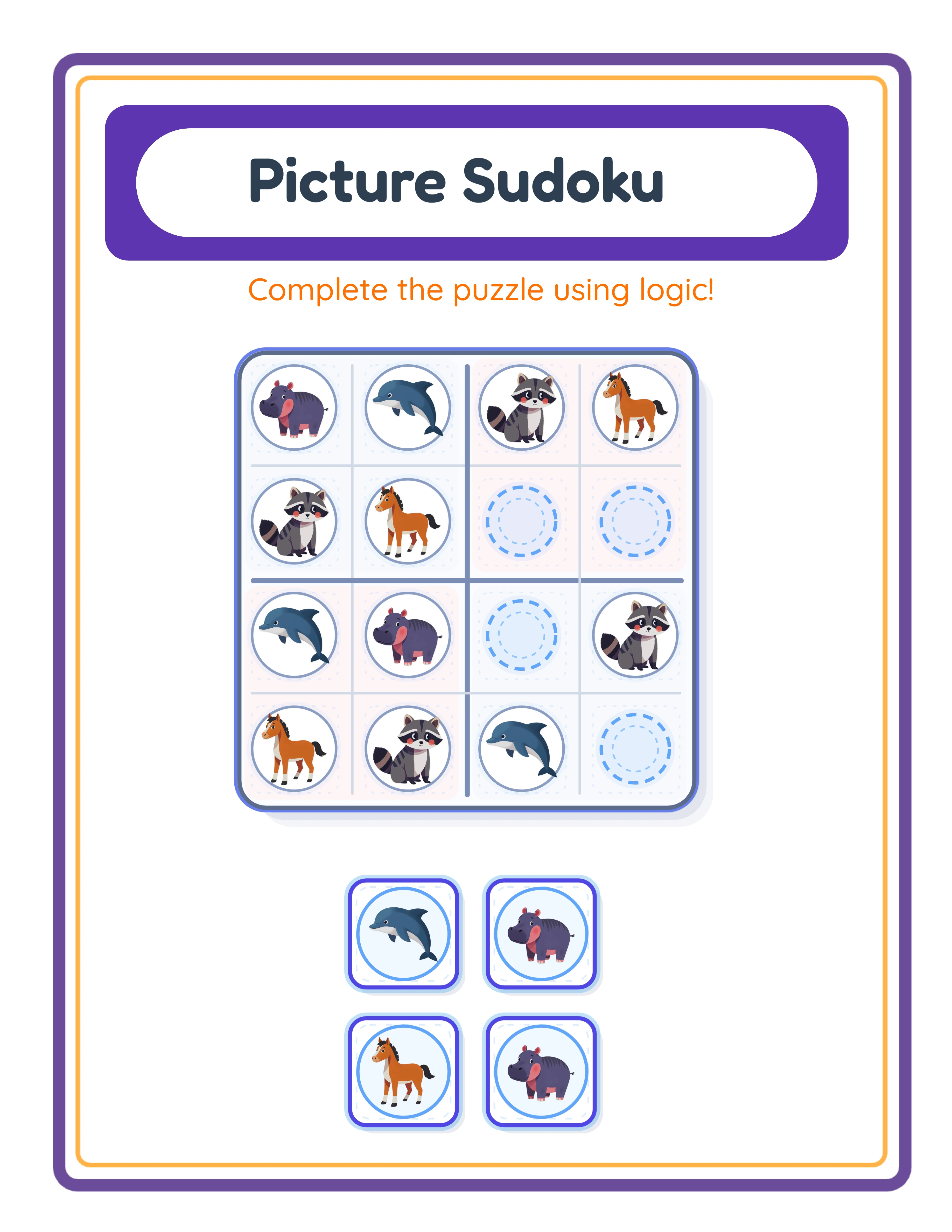
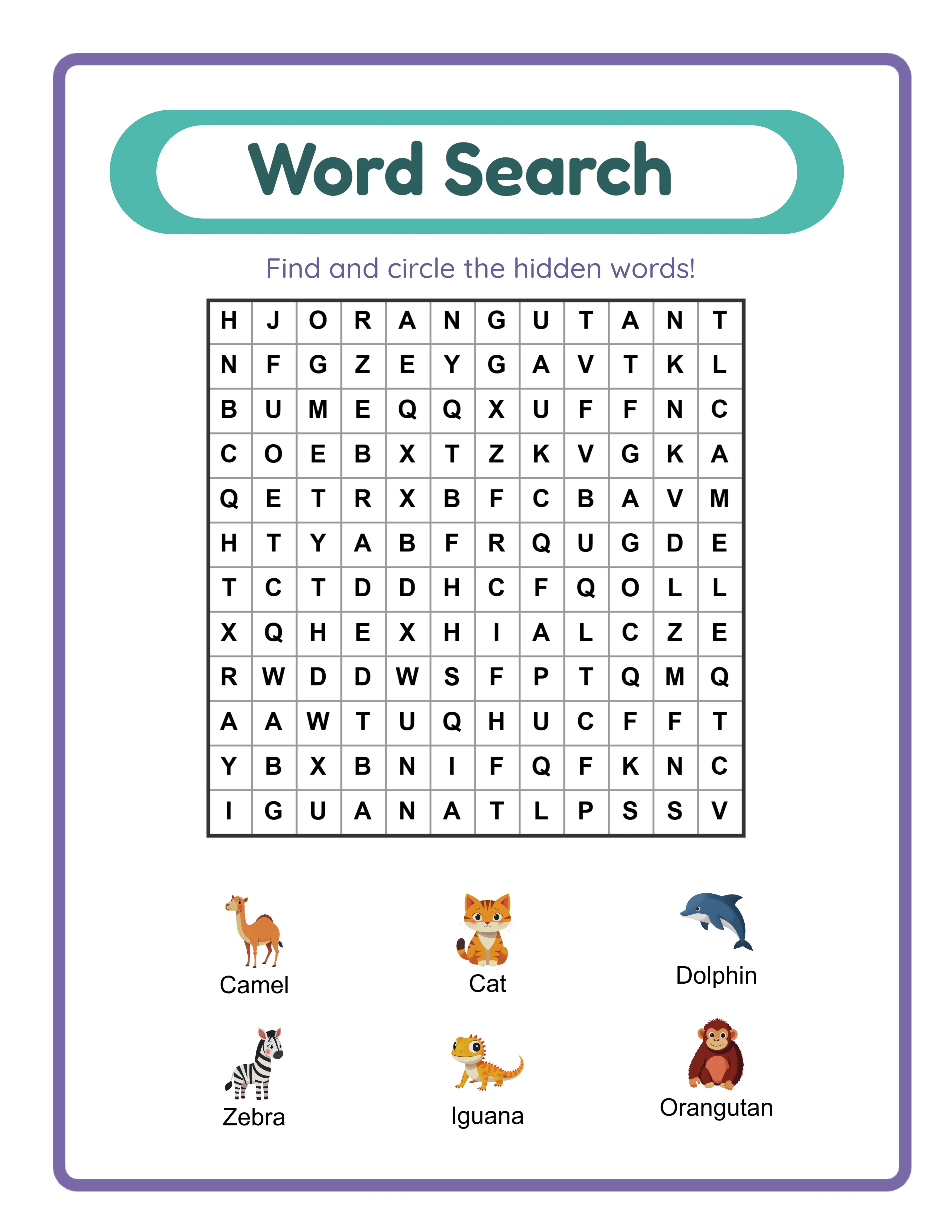
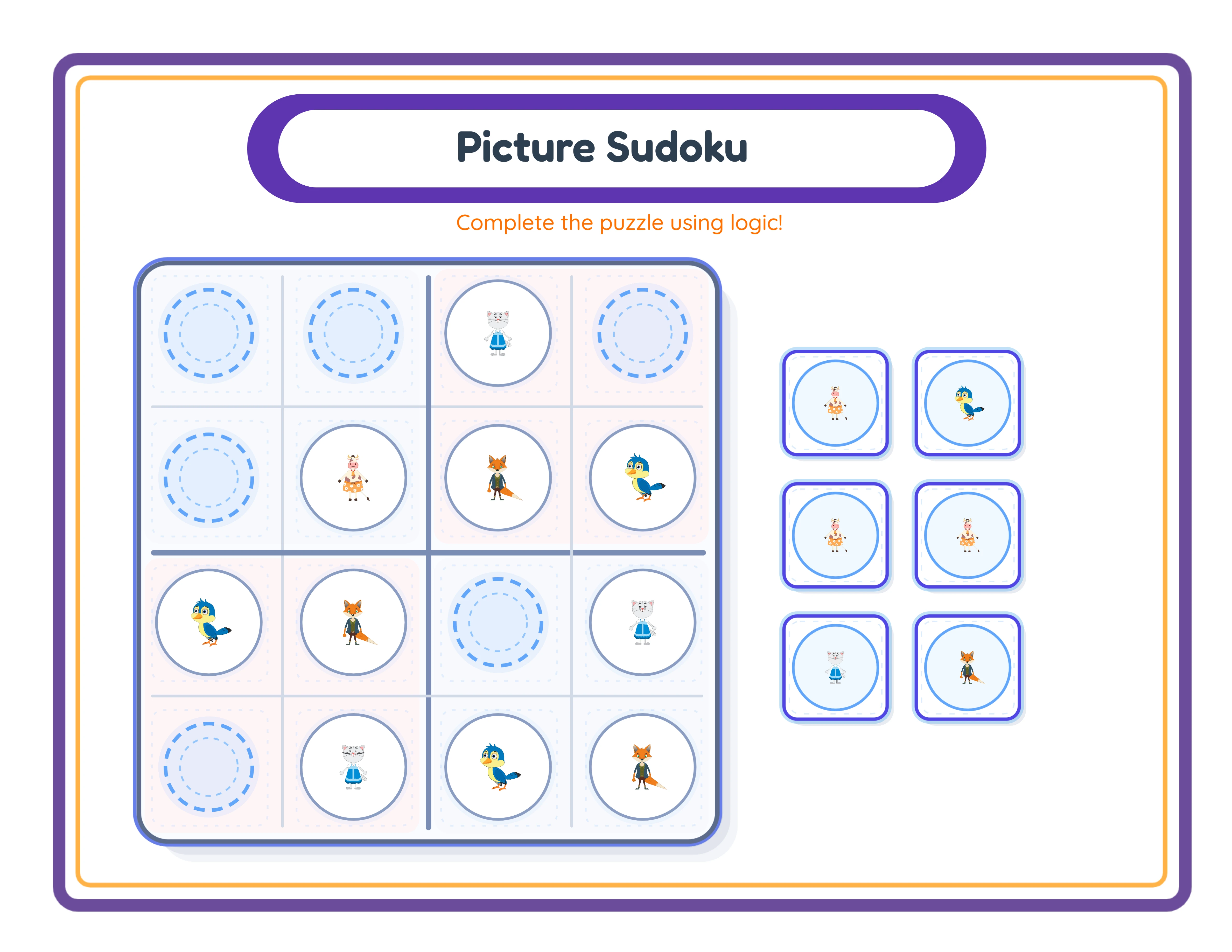
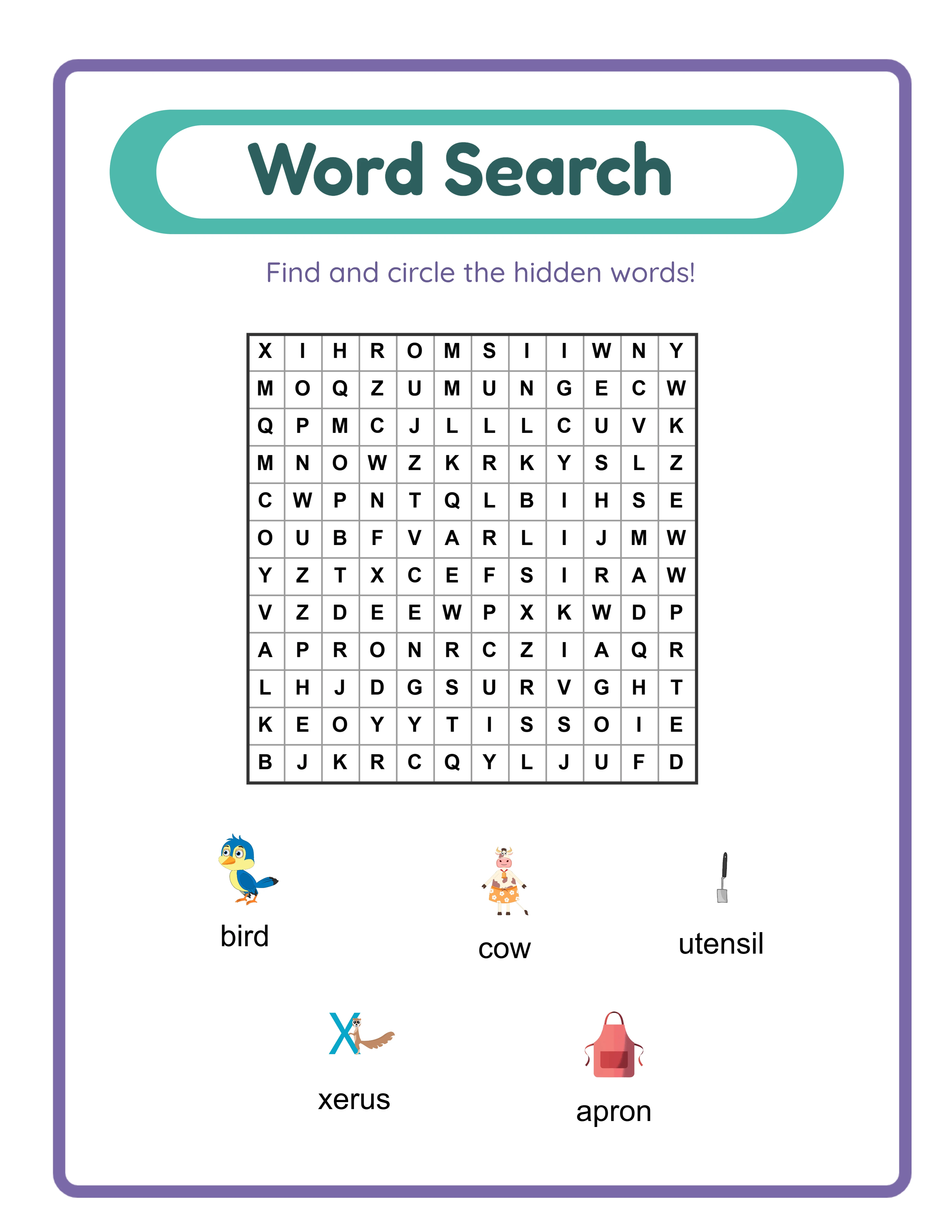
The puzzle category spans word search, crossword, sudoku, and variety formats across adult and kids audiences. Word search alone supports dozens of titles through themed editions, numbered volumes, and age-segmented versions. The Word Search generator handles themed grid creation, and the Sudoku generator produces picture-based puzzles for kids' books. Each puzzle type targets completely different Amazon searches, so a word search book and a crossword book do not compete with each other — they reach different buyers and cross-promote through your author page.
The Coloring generator creates coloring book content, which represents one of the largest single categories on KDP. Kids coloring books, adult relaxation coloring books, and themed coloring books each represent distinct markets. The Drawing generator creates guided drawing activity books that teach step-by-step illustration, serving both kids' creativity markets and adult hobby markets.
The key revenue principle is format multiplication: a single content theme (animals, for example) can yield an animal math workbook, an animal word search book, an animal coloring book, an animal drawing book, and an animal variety activity book. Five books from one theme, each targeting different Amazon categories and buyer searches. This approach maximizes your output from every content planning session while building catalog breadth across multiple activity book markets.
7
Track Performance and Double Down on Winners
KDP provides sales reporting that most publishers underutilize. Treating your activity book catalog as a business means analyzing performance data regularly and making decisions based on what the numbers show rather than what you assume.
The KDP dashboard shows daily sales, monthly royalties, and units sold by title. The most important metric for catalog optimization is revenue per title per month. Calculate this for every book in your catalog. You will typically find that 20 to 30 percent of your titles generate 60 to 70 percent of your total revenue. These winners deserve more investment: more volumes in the same series, themed variations, age-segmented versions, and seasonal editions.
When a title performs well, ask what specifically is driving its success. Is it ranking for a high-traffic keyword that your other books are not targeting? Is it in a less competitive subcategory where your ranking is stronger? Does it have more reviews than your other titles? Is the cover design more compelling at thumbnail size? Each answer suggests a specific action: replicate the keyword strategy, target the same subcategory with new titles, apply the cover design approach to underperforming books.
Underperforming titles need honest evaluation. A book earning less than 10 dollars per month after 90 days has a problem that will not resolve itself. Common causes include: poor keyword targeting that misses buyer searches, a cover that does not compete at thumbnail size, pricing that eliminates the royalty, or category placement in an overly competitive segment. Sometimes the fix is simple — updating keywords or requesting a category change. Other times, the content format itself does not have sufficient demand, and your effort is better spent publishing new titles in proven categories.
Review your catalog performance monthly. Track month-over-month trends for each title and for your total catalog revenue. Healthy catalogs show gradual upward trends as new titles contribute and existing titles build review counts and ranking history. If total revenue flattens despite adding new titles, examine whether your new books are targeting saturated categories or whether your older titles are losing ranking to new competitors.
8
Expand Beyond KDP for Additional Revenue Streams
Amazon KDP should be your primary channel because it provides the largest marketplace and the most hands-off income model — you publish once and Amazon handles production, shipping, and customer service forever. But the same activity book content can generate additional revenue on other platforms with relatively modest additional effort.
Etsy is the strongest secondary platform for activity book publishers. While KDP handles print-on-demand physical books, Etsy excels at digital downloads. The same math worksheets, word search puzzles, and coloring pages that fill your KDP books can be sold as printable PDF bundles on Etsy. The economics are different — Etsy charges listing fees and transaction fees rather than printing costs — but digital downloads have near-100 percent margins after platform fees. A bundle of 50 printable math worksheets priced at 4.99 dollars on Etsy can earn over 4 dollars per sale with no printing cost.
The create Etsy worksheet bundles guide covers the specific strategies for packaging and selling activity book content as digital downloads. The key insight is that your KDP sales data tells you exactly which content types have the most demand. If your KDP word search books outsell your math workbooks 3 to 1, your Etsy word search bundles are likely to outperform your math bundles similarly. Let your KDP performance data guide your Etsy product decisions.
Gumroad is a viable third channel for educational activity books specifically. Math workbooks, reading comprehension activities, and grade-aligned content sell well on Gumroad because buyers are actively searching for supplementary store materials. The audience is narrower than Amazon or Etsy but highly targeted and willing to pay for quality educational content.
The multi-platform strategy works because each platform reaches a different buyer demographic with different purchasing behavior. Amazon buyers want a finished physical book delivered to their door. Etsy buyers want instant digital downloads they can print at home or at a local print shop. Gumroad buyers want ready-to-use materials they can reproduce for solvers. One content creation effort can serve all three markets with formatting adjustments.
Start with KDP as your foundation, expand to Etsy once you have 5 to 10 KDP titles generating steady revenue, and consider Gumroad only for content with clear educational alignment. This staged approach prevents you from spreading too thin before establishing reliable income on your primary platform.






.webp)