Tutorial
1
Understand How Niche Selection Drives KDP Revenue
Niche selection is the single highest-leverage decision in your KDP publishing business because it determines the ceiling on your revenue before you create a single page of content. A perfectly formatted, beautifully covered activity book in a niche with no buyer demand will earn nothing. A competent but unremarkable book in a niche with strong demand and thin competition will earn steadily for years. Understanding why this asymmetry exists requires understanding how Amazon's marketplace actually works for activity books.
Amazon is a search-driven marketplace. Roughly 70 percent of activity book purchases begin with a search query: "math workbook grade 2," "word search for seniors large print," "kids coloring book animals." When a buyer types a query, Amazon shows results ranked by a combination of relevance, sales velocity, review quality, and listing optimization. The key insight is that each search query defines a separate competitive arena. Your book does not compete against all activity books on Amazon — it competes against the books that appear for the same search queries.
This means niche selection directly determines your competition. Publishing a generic "math workbook for kids" puts you in a massive arena with thousands of established titles, many with hundreds of reviews and years of sales history. Publishing a "multiplication practice workbook grade 3" puts you in a smaller arena with fewer competitors, where a new book with a strong cover and good content can reach page one within months. Both serve the same broad market (kids math), but the niche choice radically changes your competitive position.
The relationship between demand, competition, and revenue is not linear. Doubling the demand in a niche does not double your revenue if competition also doubles. The most profitable position is moderate demand with low competition — a niche where enough buyers search regularly to generate consistent sales, but few enough existing books that a new entrant can achieve visibility. Finding these sweet-spot niches is what niche research is about.
2
Analyze the Top Activity Book Categories on KDP
The KDP activity book market divides into several major categories, each with distinct characteristics. Understanding the landscape at the category level tells you where to begin your detailed niche research.
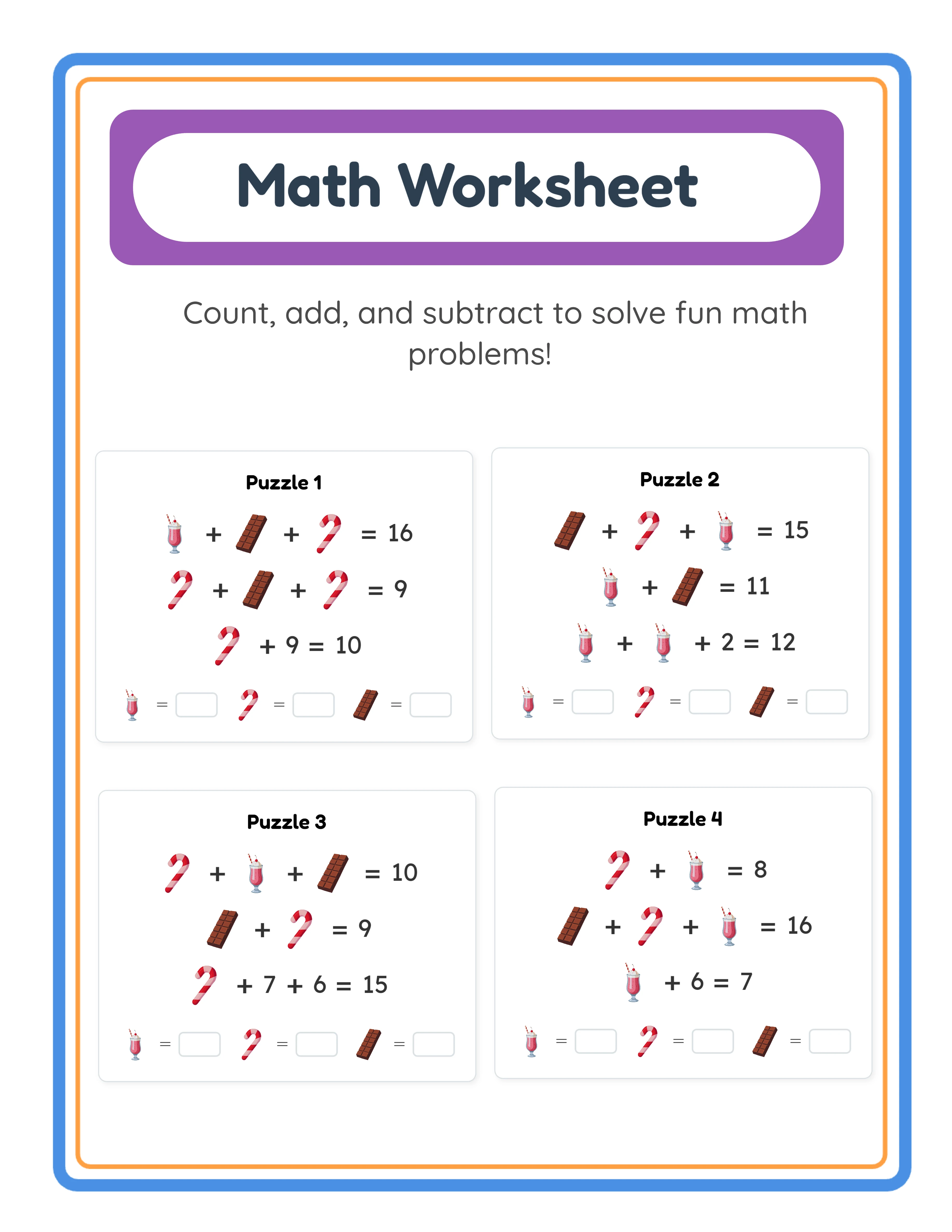
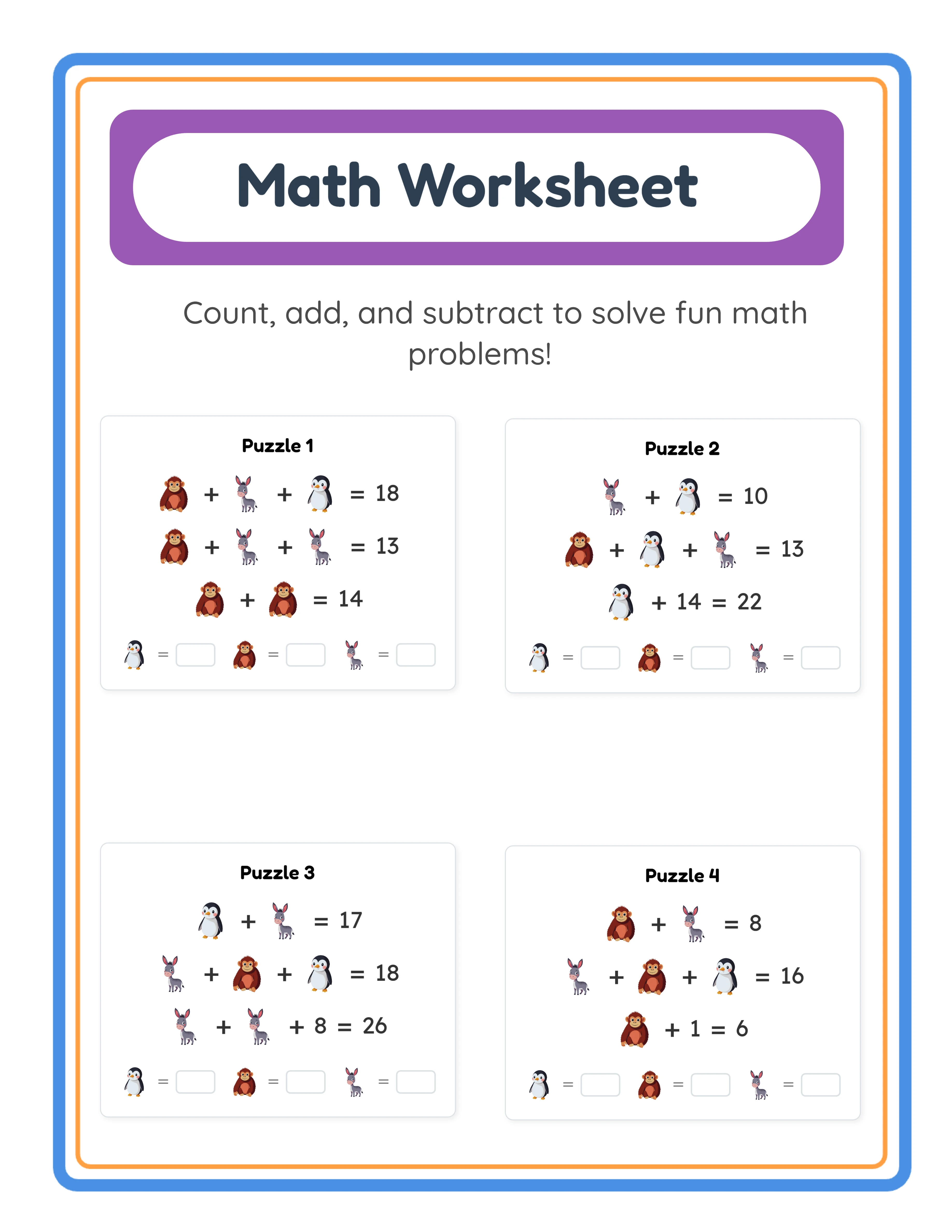
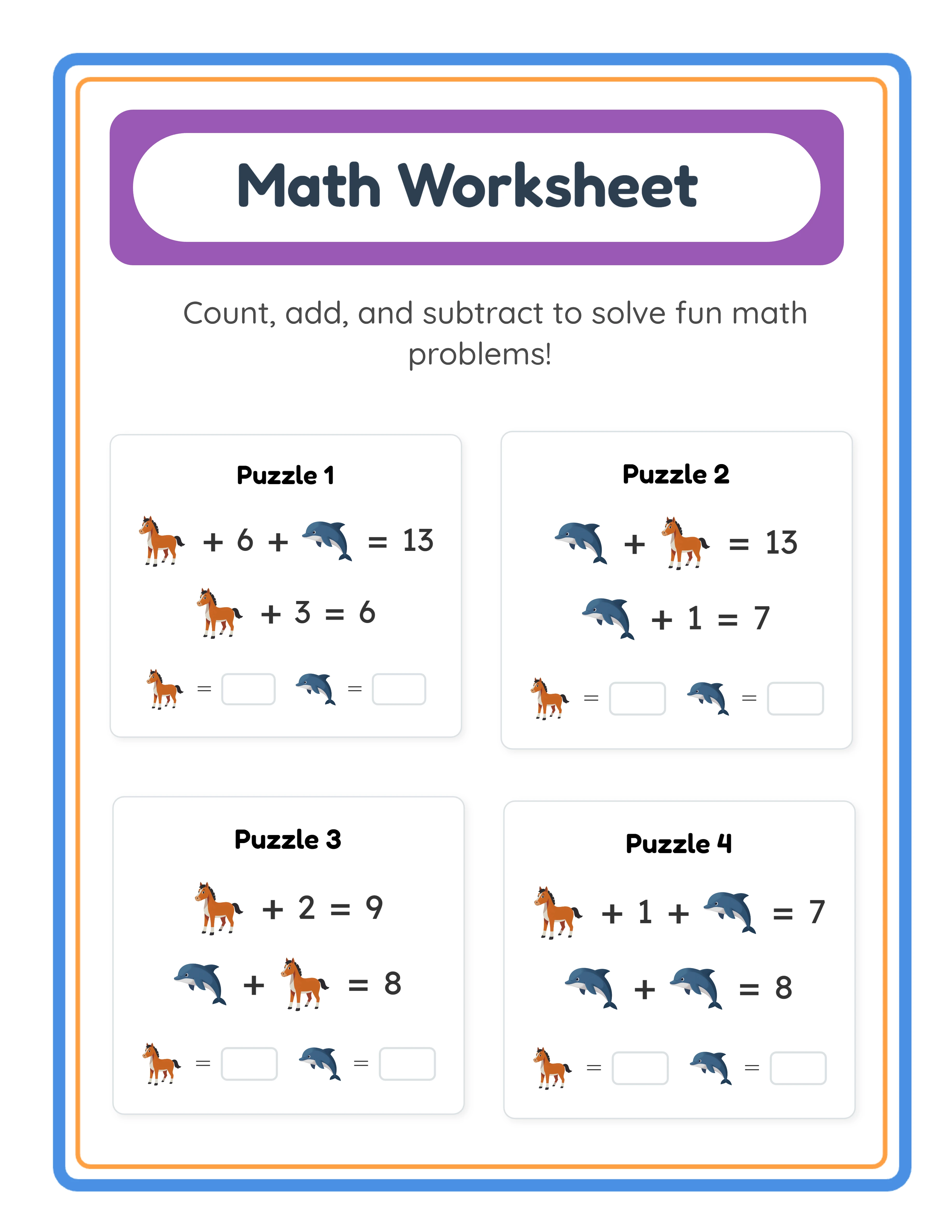
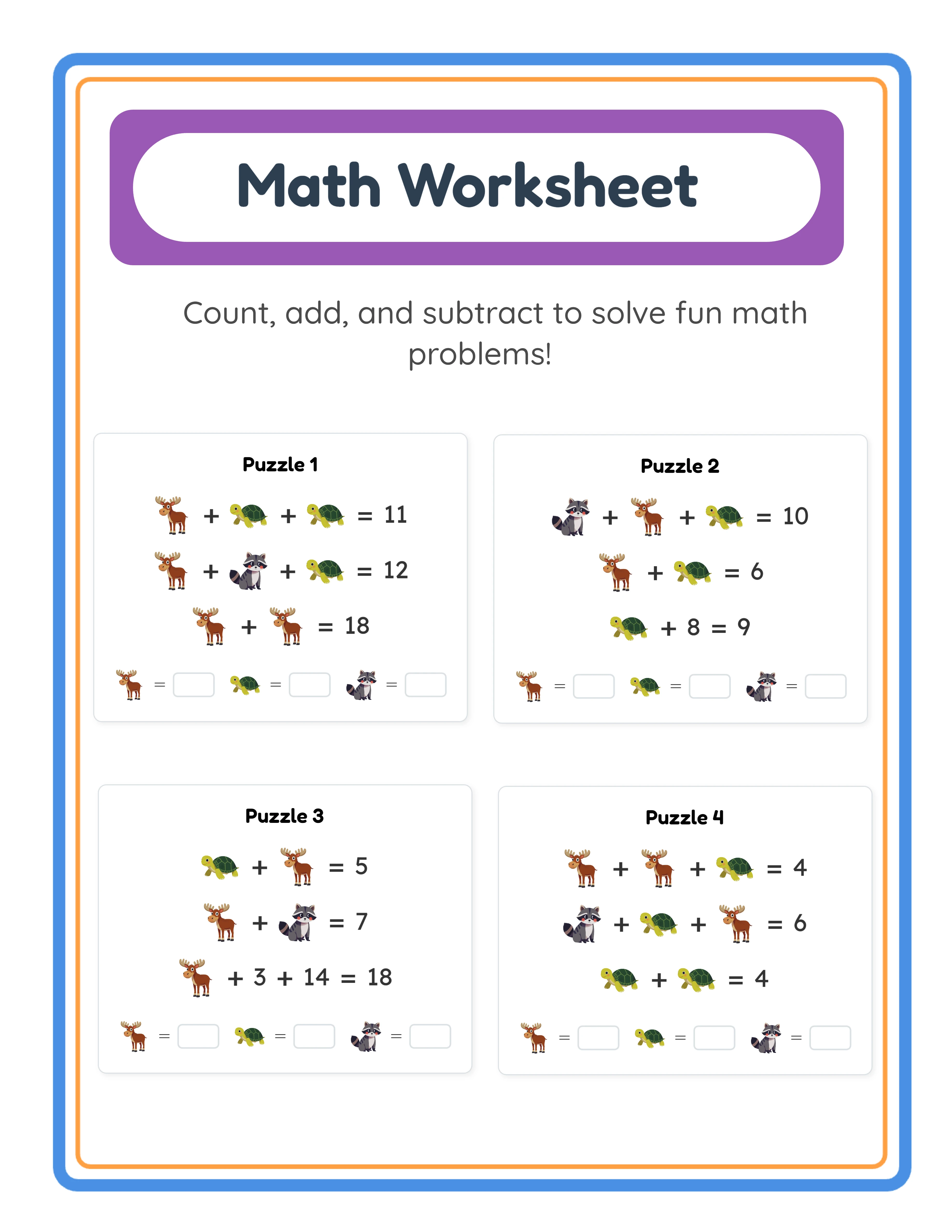
Math workbooks are the highest-demand educational category on KDP. Buyers are primarily parents purchasing practice materials for their children, and demand is segmented by grade level (preschool through grade 5) and operation type (addition, subtraction, multiplication, division, mixed). Competition is intense in the broad category but thins significantly in specific grade-plus-operation combinations. The Math Worksheet generator and the Addition generator create content for this category.
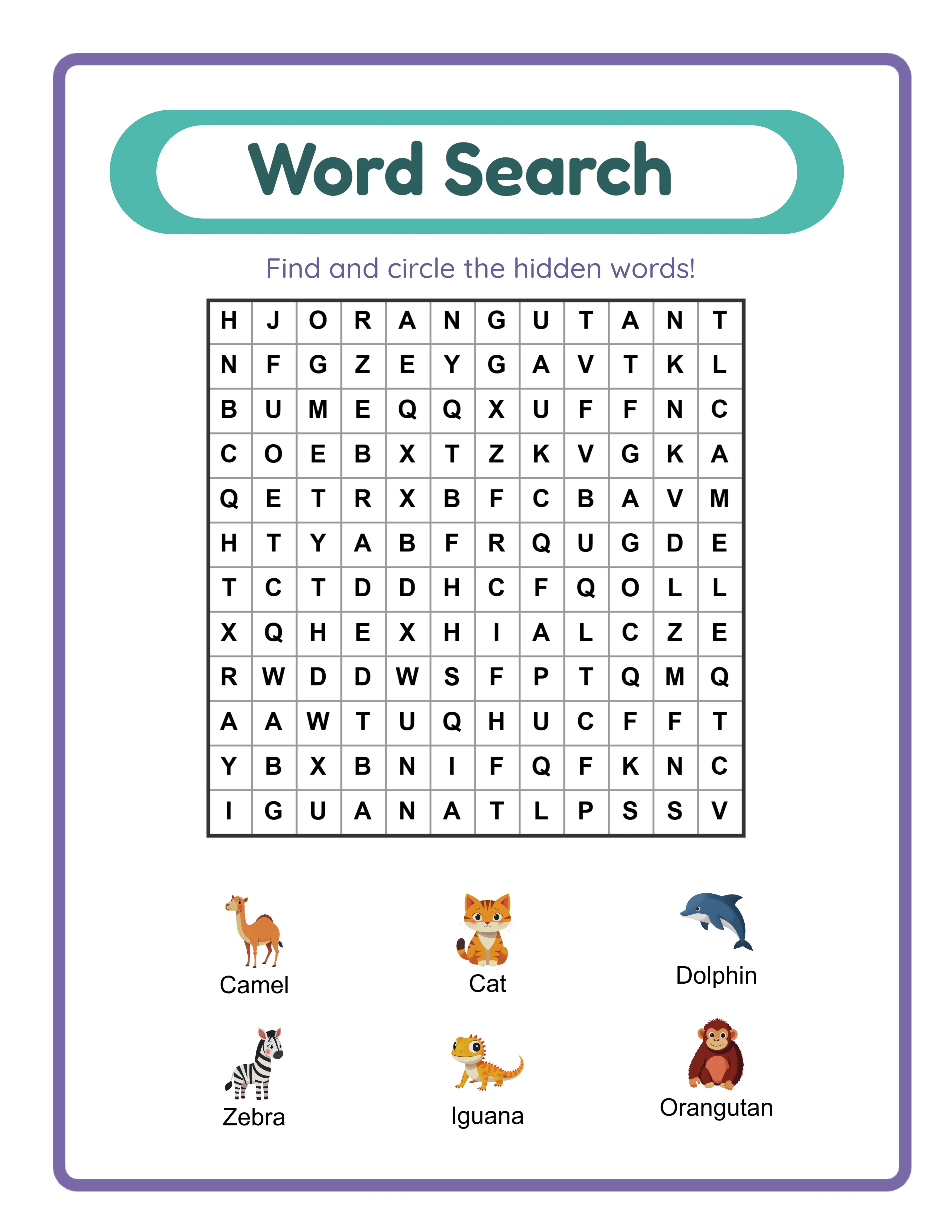
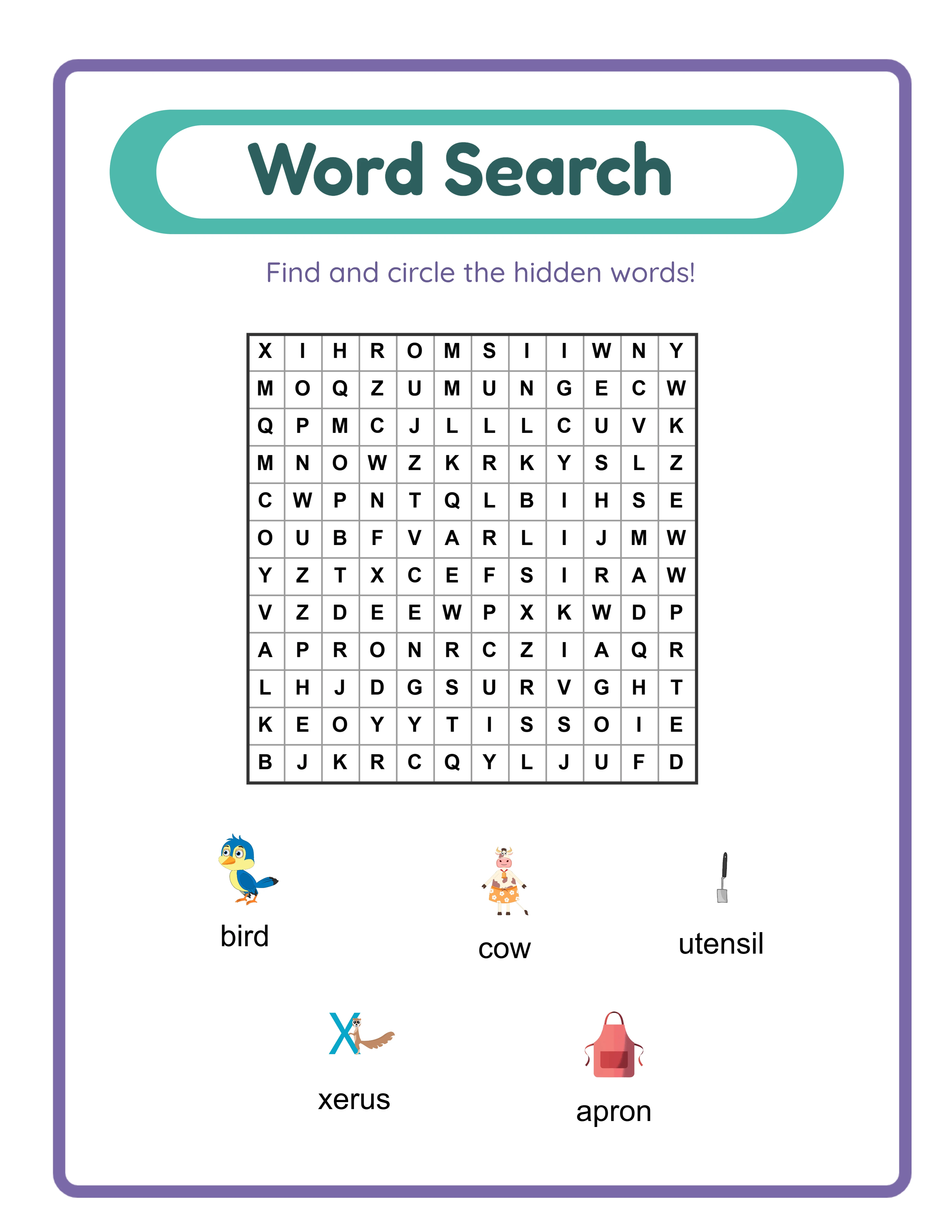
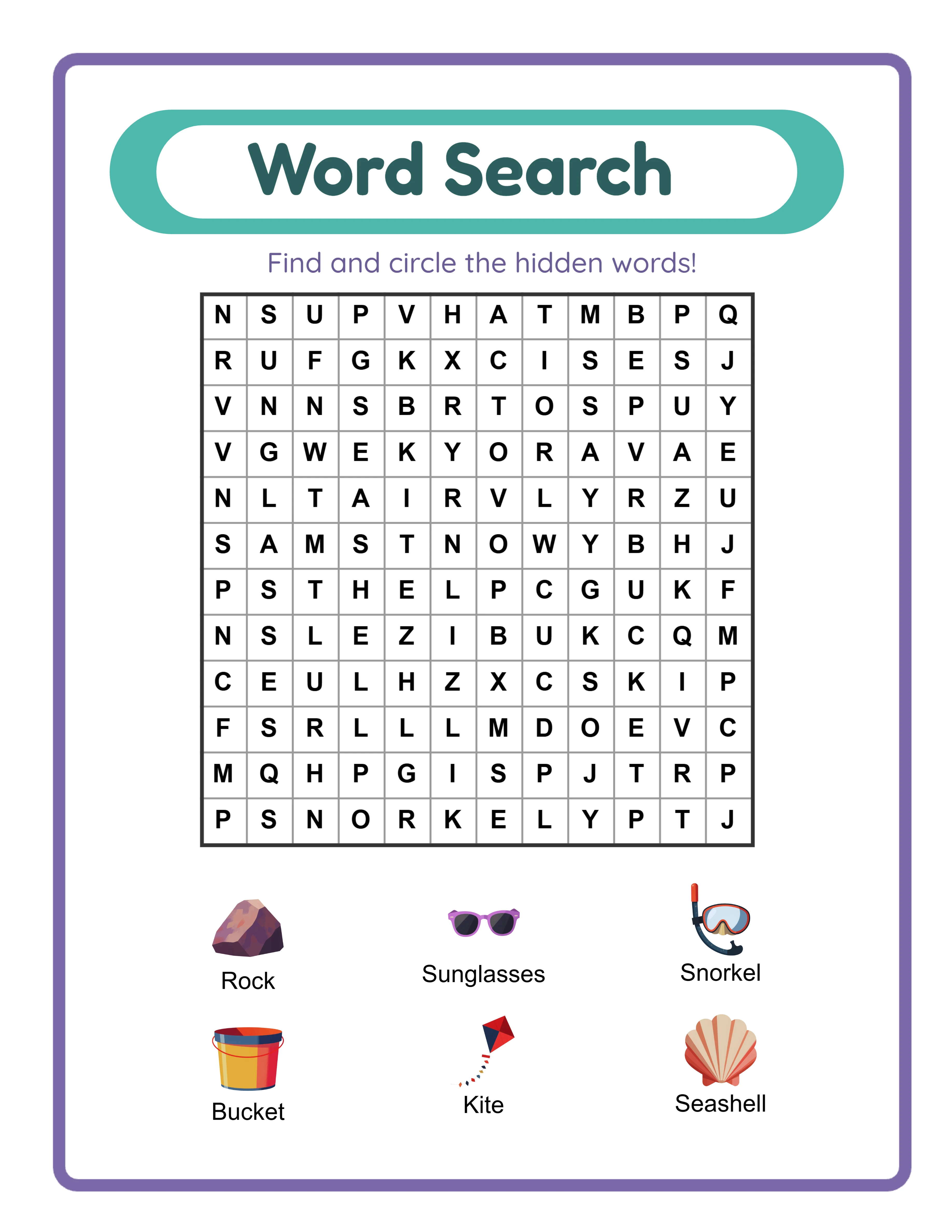
Word search is the largest puzzle book category by volume. It serves both kids and adults, with a significant large-print segment for seniors. Competition is high for generic titles but moderate for themed and audience-specific variations. Themed word search books (animals, travel, food, holidays) and format-specific variations (large print, easy, extra-hard) represent distinct sub-niches with their own competitive dynamics.
Coloring books represent one of the highest-volume categories overall but also one of the most saturated. Kids coloring books and adult relaxation coloring books each have massive buyer pools, but the barrier to entry is extremely low because many publishers use AI-generated or clip-art imagery. Differentiation through unique themed content and consistent art quality is essential to compete. The Coloring generator creates themed coloring content that stands apart from generic offerings.
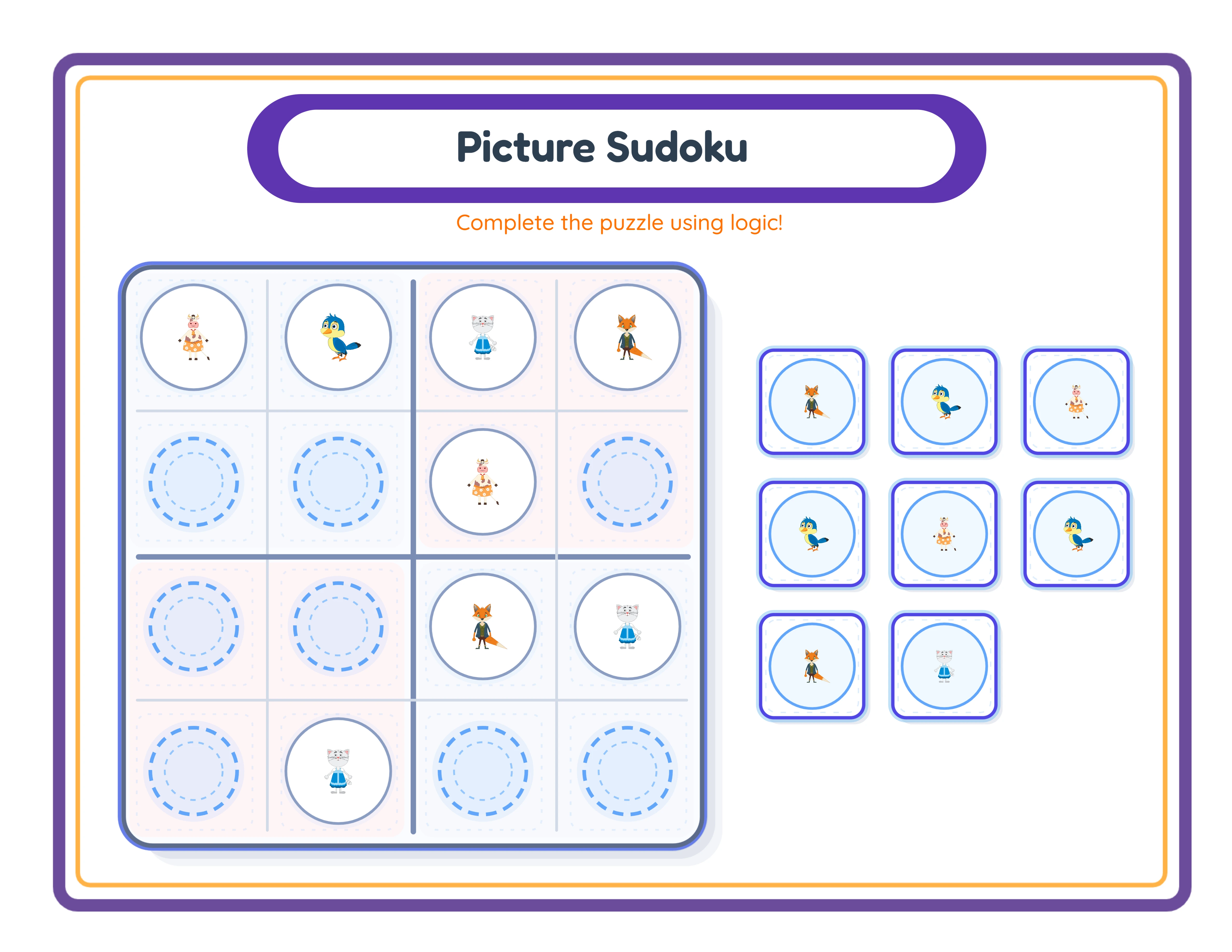
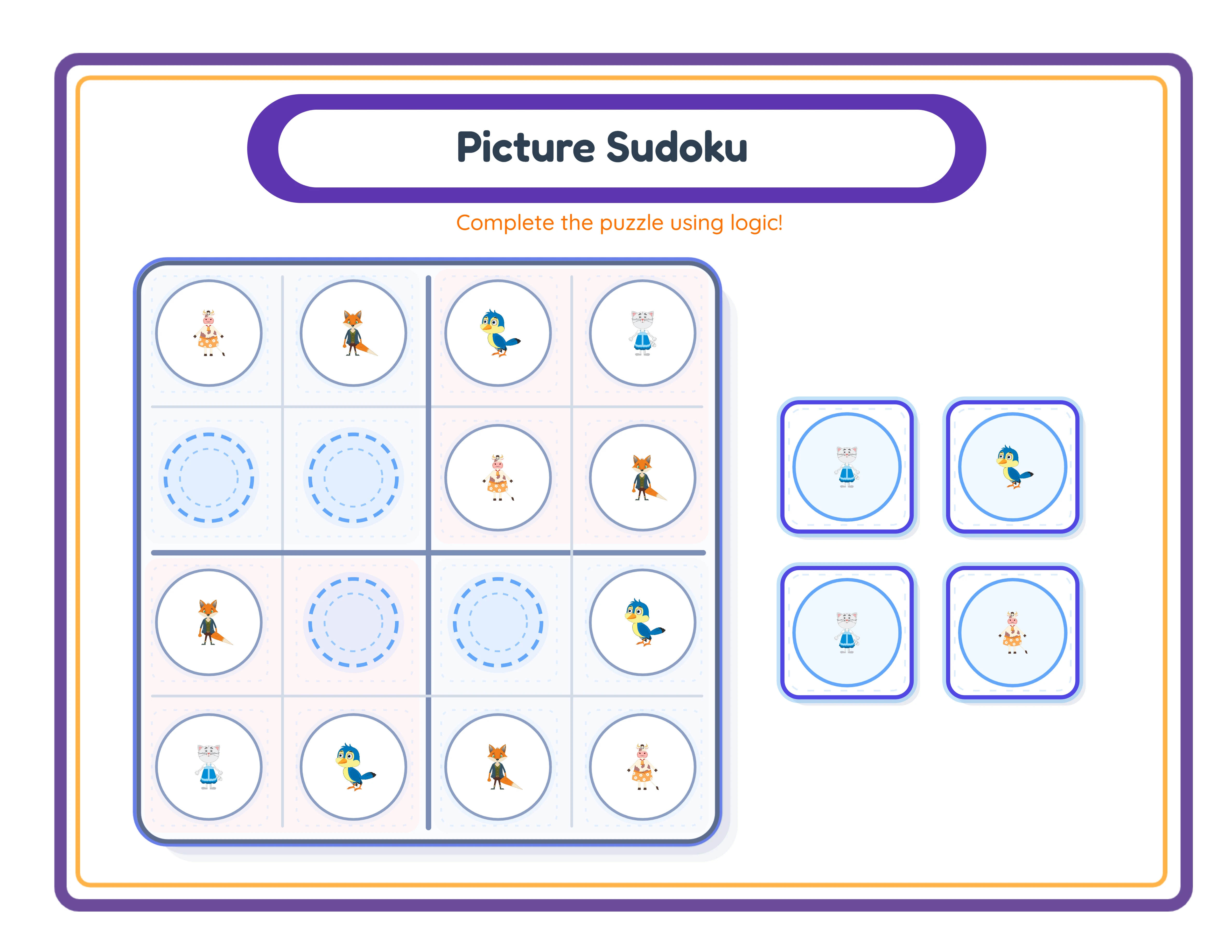
Sudoku appeals to a dedicated audience that buys frequently and in volume. Kids picture sudoku is a smaller but growing niche with less competition than adult sudoku. The Sudoku generator produces picture-based puzzles that serve both audience segments.
Handwriting practice books serve parents and buyers for preschool through grade 2 products. Competition is moderate and demand is consistent year-round with back-to-school spikes. Crossword puzzles, mazes, and drawing prompt books are smaller categories with loyal audiences and generally lower competition than the major categories above.
The key takeaway is that no category is universally "good" or "bad." Each has profitable and unprofitable sub-niches. The next steps are about identifying those specific sub-niches within the categories that interest you.
3
Evaluate Audience Segments Within Each Niche
Every activity book category can be subdivided by audience, and each audience segment represents a functionally separate niche with its own search queries, competition, and revenue potential. Audience segmentation is one of the most effective ways to find underserved niches because most publishers target the broadest possible audience rather than specializing.
The kids market segments by age and grade level. Preschool (ages 3-5) activity books focus on tracing, basic counting, color recognition, and simple matching. Kindergarten through grade 2 (ages 5-8) covers early reading, basic math operations, handwriting, and simple puzzles. Grades 3-5 (ages 8-11) involves more complex math, advanced word search, crosswords, and logic puzzles. Each age segment uses different Amazon search terms, so a "math workbook for preschool" and a "math workbook for grade 4" appear in completely different search results and compete against different books.
The adult market segments by purpose. Entertainment seekers want challenging puzzles (hard sudoku, cryptic crosswords, themed word search). Stress relief buyers want calming activities (adult coloring books, mindfulness-themed puzzles). Cognitive exercise buyers want brain-training content (variety puzzle books, logic challenges). Each purpose-based segment searches with different keywords and responds to different cover designs and marketing language.
The seniors market is consistently underserved relative to its demand. Large-print activity books for seniors command premium prices (1 to 3 dollars above standard format) because the audience values accessibility. Large-print word search, large-print sudoku, and large-print crossword books serve a buyer segment that is actively searching but finding fewer quality options than younger demographics. This audience also has high repeat-purchase rates because they complete books regularly.
The multiplication effect of audience segmentation is powerful. A single content type like word search can yield distinct books for the preschool market (picture word search), elementary kids (themed word search with age-appropriate vocabulary), teens (challenging word search), adults (themed collections), and seniors (large-print format). Five audience-specific books reach five non-overlapping Amazon search markets, each with its own competitive dynamics.
4
Research Competition and Demand Using Amazon Data
Niche research for KDP activity books uses freely available Amazon data. You do not need expensive tools or software — Amazon's own search results tell you everything you need to evaluate a niche. The process involves searching for your target niche keywords and systematically analyzing what the results reveal about demand and competition.
Start by searching Amazon for your niche keyword (for example, "multiplication workbook grade 3"). Examine the top 20 results and record three data points for each: review count, Best Seller Rank (BSR), and price. These three numbers tell a complete story about the niche.
Review counts indicate how long competing books have been accumulating buyers. If the top 10 results all have 500 or more reviews, those books have years of sales history and strong ranking momentum — breaking into that niche as a new publisher will be difficult and slow. If several books in the top 10 have fewer than 50 reviews, the niche has lower barriers to entry because even established titles have not built insurmountable advantages.
Best Seller Rank (BSR) indicates current sales velocity. A BSR under 10,000 in the Books category means roughly 10 to 30 sales per day. A BSR between 10,000 and 50,000 means roughly 2 to 10 sales per day. A BSR between 50,000 and 200,000 means roughly 0.5 to 2 sales per day. If multiple books in your target niche show BSRs under 50,000, the niche has meaningful demand. If most results show BSRs above 200,000, demand may be too thin to justify a new entry.
Price clustering reveals market expectations. If competing books cluster between 7.99 and 9.99 dollars, that is the price range buyers expect. Pricing far above or below this range without a clear differentiator (like premium page count or large-print format) puts you at a disadvantage.
The ideal niche profile shows moderate to strong demand indicators (several books with BSR under 100,000) combined with accessible competition (some top-10 results with fewer than 100 reviews and no dominant book with thousands of reviews controlling the first position). This combination means buyers are searching and buying, but no single book has locked down the niche so thoroughly that newcomers cannot gain visibility.
5
Identify Underserved Sub-Niches with Strong Demand
The most profitable opportunities for new KDP publishers are underserved sub-niches: specific variations within a popular category where buyer demand exists but quality supply is thin. Identifying these sub-niches requires looking beyond the obvious category-level searches and examining the gaps in what is currently available.
Themed activity books are consistently underserved relative to their demand. Generic "word search for kids" faces heavy competition, but "animal word search for kids ages 6-8" or "space-themed math workbook grade 1" targets buyers with specific preferences who are not well-served by generic options. Themed books convert at higher rates because the buyer feels the book was made specifically for their child's interests, not for a generic audience. Every major content category supports theming: animal math, ocean coloring, dinosaur mazes, travel word search, holiday sudoku.
Age-specific formatting is another underserved area. Large-print activity books for seniors have consistent demand but relatively few quality options compared to standard-format books. Extra-easy puzzle books for very young children (ages 3-4) serve parents looking for a child's first activity book. Extra-challenging versions for advanced solvers or experienced puzzle enthusiasts serve the opposite end. Each format variation targets different search queries and faces different competition.
Cross-category hybrids combine two activity types into one book, creating niches that barely exist on Amazon. A "math and coloring workbook" combines arithmetic practice with coloring rewards. A "word search and crossword variety book" gives puzzle enthusiasts two formats in one purchase. An "educational activity book" combining math, reading, and puzzles serves parents who want comprehensive practice. These hybrid niches often have very low competition because most publishers stick to single-format books, yet buyer search volume for variety and combination terms can be surprisingly strong.
To systematically find underserved sub-niches, use Amazon's search suggestion feature. Type the beginning of a niche phrase ("activity book for") and note what Amazon suggests. Each suggestion represents real buyer search volume. Then search for each suggestion and analyze the results using the competition framework from the previous step. Suggestions with strong implied demand (Amazon only suggests terms people actually search) but weak competition in the results are your highest-priority opportunities.
6
Validate a Niche Before Committing to Production
Niche research identifies promising opportunities, but validation confirms them with real market data. Before investing significant time creating a full catalog in a new niche, publish a single test title and let actual sales data guide your next decision.
A validation title should be a complete, quality book that represents what your full catalog in this niche would look like. Do not publish a low-effort test book — poor quality invalidates the test because you cannot distinguish "the niche has no demand" from "the book was not good enough." Create a properly formatted book with a professional cover, optimized keywords, and competitive content. The Math Worksheet, Word Search, Coloring, Sudoku, or Addition generators can produce complete content for a validation title in a few hours.
Publish the validation title and wait 90 days before making any conclusions. The first 30 days are unreliable because Amazon is still indexing your book and your ranking has not stabilized. Between days 30 and 90, your book reaches its natural demand level for the keywords and categories you targeted. Track weekly sales during this period.
Interpret the 90-day data against clear thresholds. If the book sells 10 or more copies per month by day 90, the niche has validated demand and you should create additional titles to build catalog depth. If the book sells 3 to 9 copies per month, the niche has moderate potential — consider whether keyword optimization or cover improvements could push sales higher before committing to a full catalog. If the book sells fewer than 3 copies per month after 90 days with proper optimization, the niche likely lacks sufficient demand for your current positioning, and your effort is better directed to other niches.
Minimum viable catalog size varies by niche. For niches where catalog compounding is strong (like grade-level math series), 5 to 8 titles is the minimum to see meaningful cross-promotion effects. For standalone niches (like a specific themed puzzle book), a single strong title can sustain itself. Your validation title's performance tells you which scenario applies: if buyers of your first book are searching for similar titles in the same niche, there is catalog opportunity. If the niche is narrow enough that one book covers it completely, focus your expansion efforts on adjacent niches instead.
7
Plan Seasonal and Evergreen Niche Coverage
Activity book niches divide into two timing categories: evergreen niches with consistent year-round demand and seasonal niches with concentrated demand during specific periods. A profitable niche strategy includes both because they serve different revenue functions in your catalog.
Evergreen niches form your baseline income. Math workbooks (all grade levels), standard word search, sudoku, handwriting practice, and unthemed coloring books sell consistently throughout the year with minimal fluctuation. These niches may not produce dramatic sales spikes, but they generate predictable monthly revenue that compounds as your catalog grows. Every new evergreen title adds permanent baseline income. A catalog of 10 evergreen titles each earning 30 to 80 dollars per month provides a reliable foundation of 300 to 800 dollars monthly.
Seasonal niches provide revenue spikes that can double or triple your monthly income during peak periods. Christmas activity books (holiday math, Christmas word search, winter coloring) peak from October through December. Halloween activity books spike in September and October. Back-to-school workbooks peak from July through September. Summer activity books sell strongly from May through August. Valentine's Day, Easter, and other holidays create shorter but reliable demand windows.
The timing of seasonal publishing is critical. A Christmas word search book published in November is too late — Amazon needs 4 to 8 weeks to fully index and rank a new title. Publish seasonal titles at least 8 weeks before the peak demand period. This means Christmas books should be live by early September, back-to-school books by late May, and summer activity books by early April.
The strategic balance is roughly 60 to 70 percent evergreen titles and 30 to 40 percent seasonal titles. Evergreen titles provide the stable monthly income that funds your business. Seasonal titles provide concentrated revenue that can fund cover redesigns, advertising experiments, or expansion into new niches. Together, they create a revenue profile that trends upward from catalog growth while spiking during predictable periods throughout the year.
Seasonal titles also function as discovery channels for your evergreen catalog. A buyer who finds your Christmas Math Workbook in November and enjoys it will visit your author page and discover your year-round math workbooks. This cross-pollination effect means seasonal titles contribute to your baseline revenue indirectly, even during their off-peak months.
8
Build a Multi-Niche Catalog Strategy
The question every KDP publisher faces after initial success is whether to go deep in one niche or spread across several. The answer depends on your niche's depth and your risk tolerance, but the most resilient publishing businesses operate across 2 to 4 complementary niches.
Going deep in a single niche means publishing multiple titles that serve the same buyer pool: a full grade-level math series (grades 1 through 5), a multi-volume word search collection (volumes 1 through 6), or a complete set of themed coloring books (animals, nature, fantasy, holidays). Single-niche depth maximizes catalog compounding because every title cross-promotes every other title, and your author page becomes a destination for buyers in that category. The risk is market dependence — if Amazon's algorithm changes how it ranks your niche, or if a major competitor enters with superior content, your entire revenue is exposed.
Spreading across multiple niches means publishing titles in different categories: some math workbooks, some word search books, some coloring books. Multi-niche breadth reduces risk because no single category shift can eliminate your income. The trade-off is weaker cross-promotion — a buyer of your word search book is less likely to purchase your math workbook than another word search volume, so catalog compounding is diluted.
The 3-niche portfolio approach balances these trade-offs. Choose 3 complementary niches where your tools and skills transfer efficiently. For example: math workbooks (using the Math Worksheet and Addition generators), word search puzzle books (using the Word Search generator), and coloring books (using the Coloring generator). Build 5 to 8 titles in each niche over 6 to 12 months. This gives you enough depth in each niche for meaningful catalog compounding while spreading your revenue across three independent Amazon search markets.
Complement selection matters. Choose niches that share audience overlap but not search overlap. Math workbooks and word search books both serve parents of school-age children, so a buyer of one might discover and purchase the other through your author page. But they target completely different Amazon search queries, so they do not compete against each other in search results. This is the ideal combination: shared audience for cross-promotion, separate search markets for independent demand.
As your catalog matures, let performance data guide expansion. If one niche consistently outperforms the others, invest more heavily there. If a niche underperforms after 5 to 8 titles, stop adding to it and redirect effort to your stronger niches or test a new one. The multi-niche approach gives you the data to make these decisions rather than being locked into a single category regardless of results.