Tutorial
1
Understand the Sudoku Book Market on KDP
Sudoku books on Amazon KDP serve two fundamentally different audiences that require separate products, separate listings, and separate marketing approaches. Understanding this market split is essential before creating any content.
Number sudoku for adults is the primary market by volume. Adult sudoku buyers fall into several segments: casual solvers who work through one or two puzzles per day as a relaxation ritual, dedicated enthusiasts who solve dozens of grids weekly and consume multiple books per month, travelers seeking offline entertainment, and seniors who use sudoku for cognitive exercise. Each segment searches differently on Amazon — casual solvers search for "easy sudoku" or "sudoku for beginners," enthusiasts search for "hard sudoku" or "expert sudoku 16x16," and seniors search for "large print sudoku" or "sudoku for seniors easy." Your book title and keywords must match the specific language of your target segment.
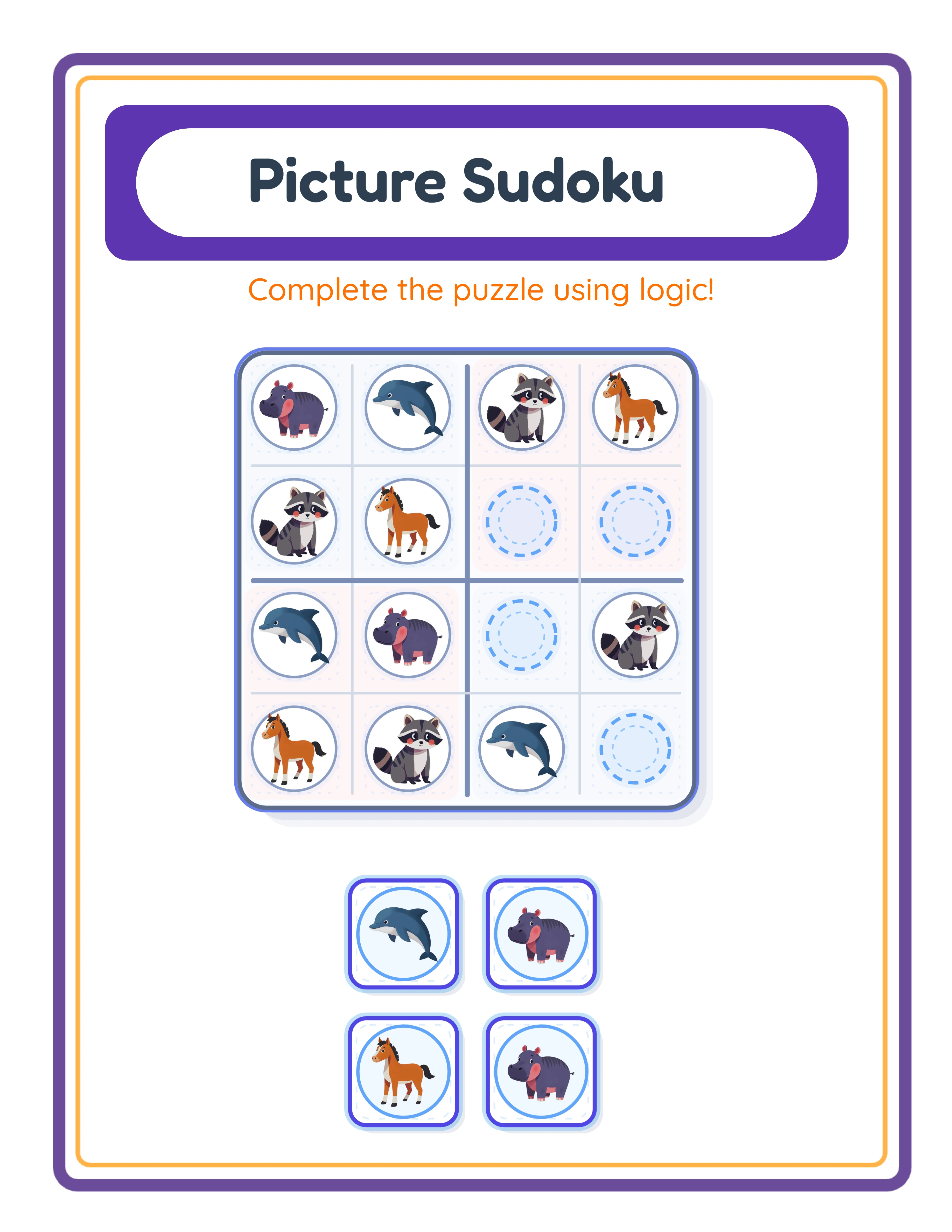
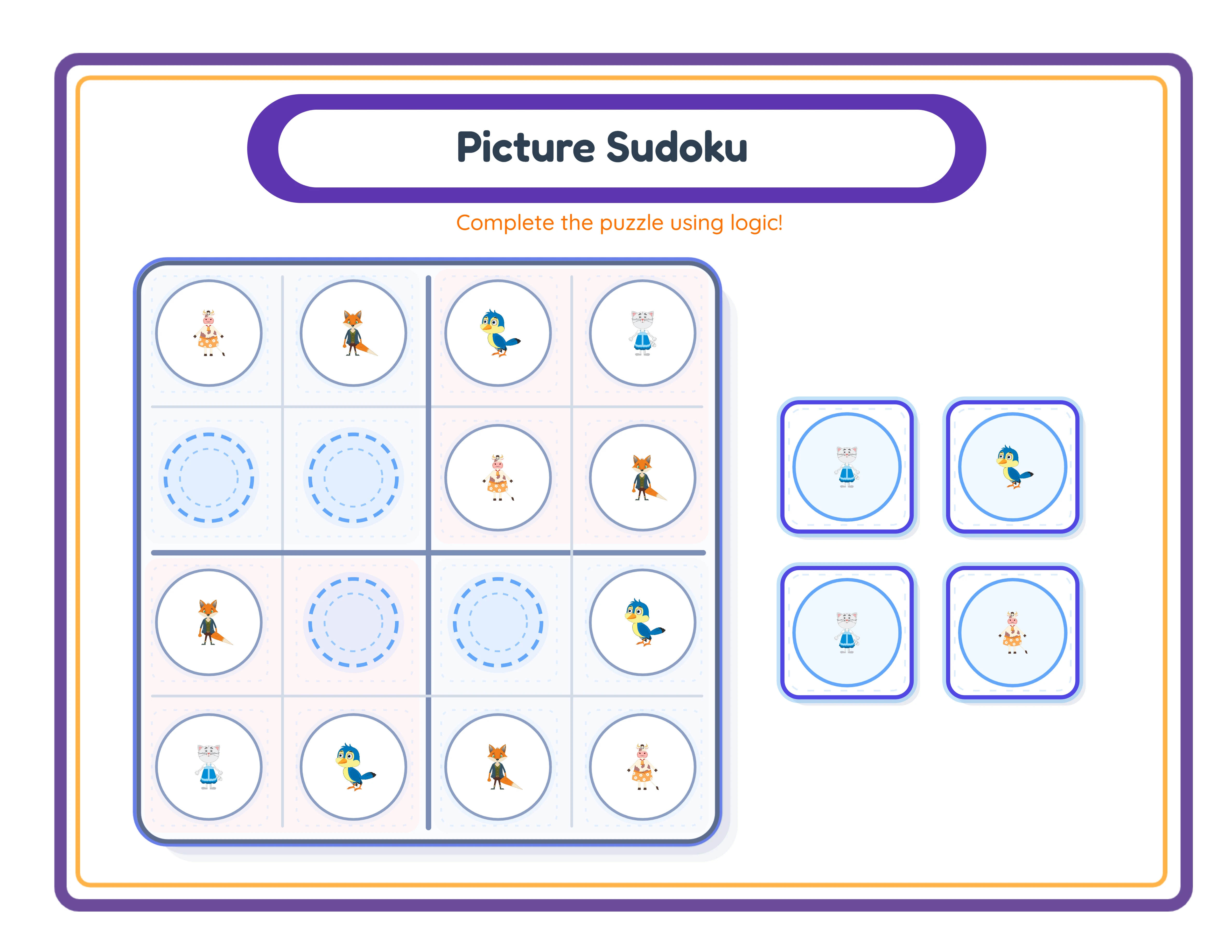
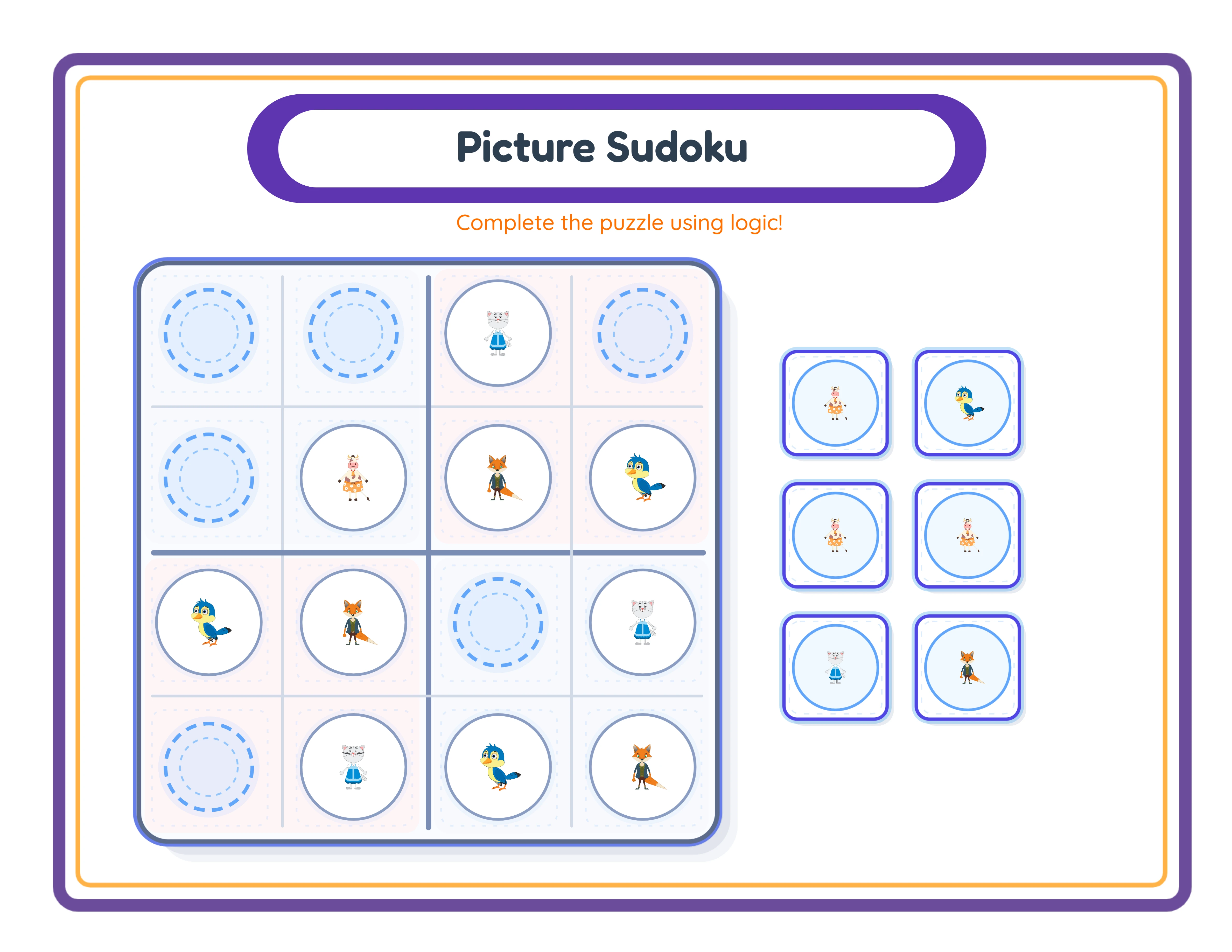
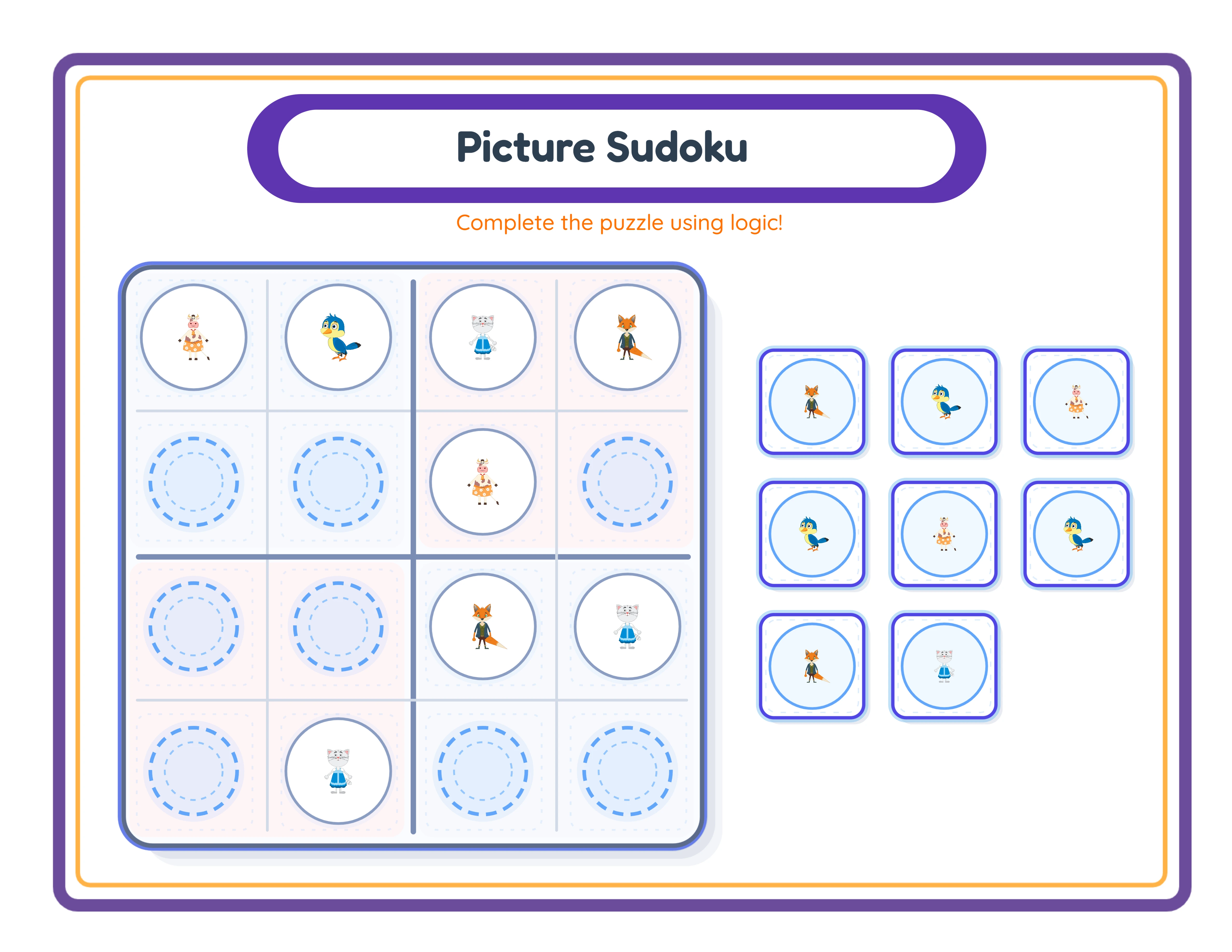
Picture sudoku for kids occupies a completely separate market position. Parents search for terms like "picture sudoku for kids," "logic puzzles for kids," and "sudoku for kindergarten." Picture sudoku uses images instead of numbers in simplified grids — typically 4x4 for ages 3 to 5 and 6x6 for ages 5 to 7 — making the core logic puzzle accessible to children who have not yet learned numbers. Competition in kids picture sudoku is substantially lower than in adult number sudoku, creating an opportunity for publishers willing to create child-appropriate content with engaging visuals and age-specific formatting.
The large-print sudoku subcategory deserves special attention. Large-print sudoku buyers are among the most loyal repeat purchasers on all of Amazon KDP. These buyers need minimum 16-point font for cell numbers, generous grid line thickness, and clear contrast between grid lines and cell contents. Once a large-print sudoku buyer finds a publisher whose formatting genuinely meets their accessibility needs, they purchase volume after volume with minimal price sensitivity. The subcategory also supports retail prices 1 to 3 dollars above standard format because buyers value the formatting accommodation.
Before creating content, analyze the top 20 Amazon results for your target search terms. Note puzzle counts, difficulty ranges, prices, page counts, and review patterns. Pay close attention to complaints in 1-star and 2-star reviews — common issues include grids that are too small, missing or incorrect answer keys, poor difficulty calibration where "easy" puzzles are actually hard, and print quality problems where grid lines are too faint. Each complaint you address becomes a competitive advantage in your book.
2
Choose Between Picture Sudoku and Number Sudoku Formats
Your format choice determines your entire publishing approach — content creation tools, target audience, pricing, keywords, cover design, and competitive landscape. Some publishers successfully serve both markets, but each format requires a dedicated product line.
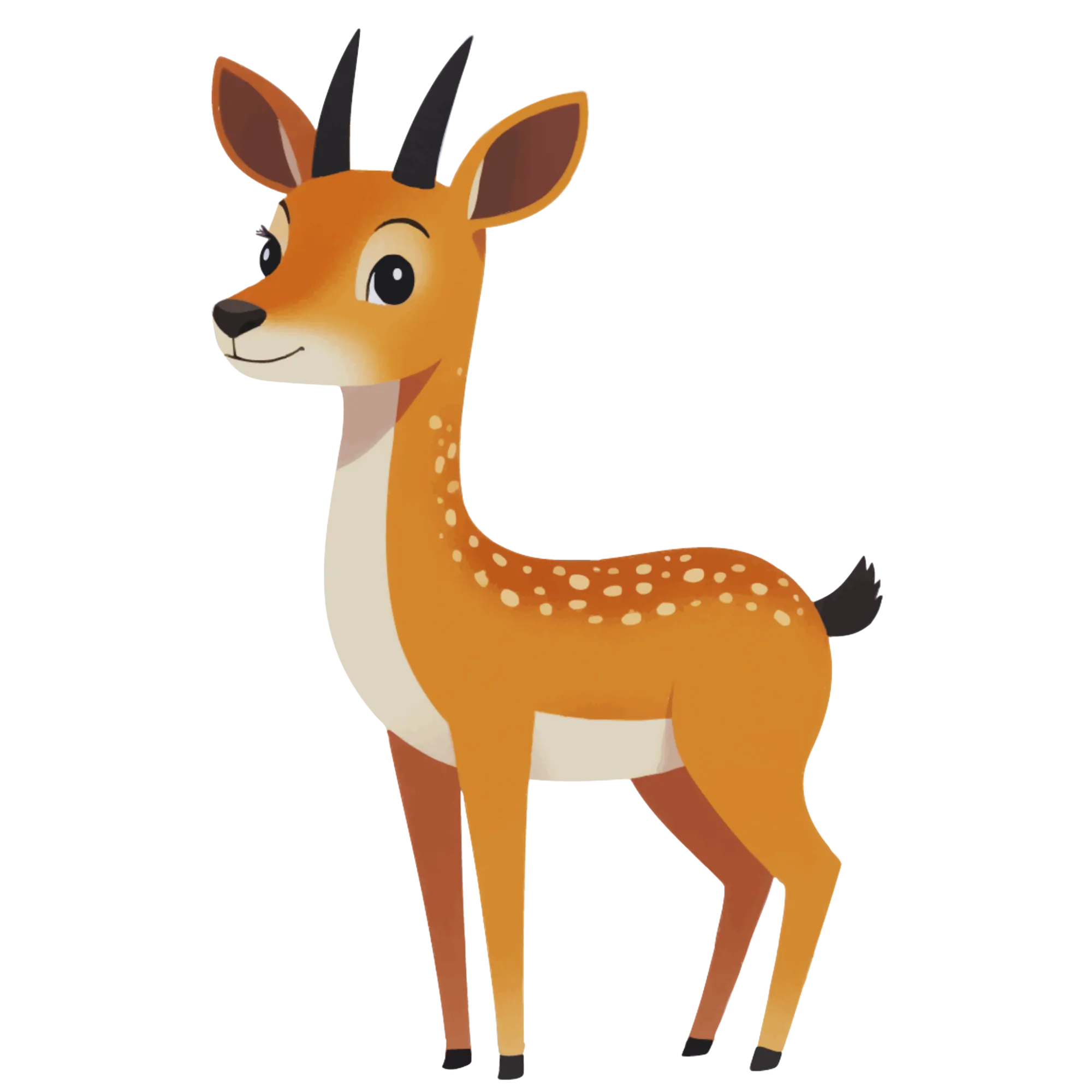
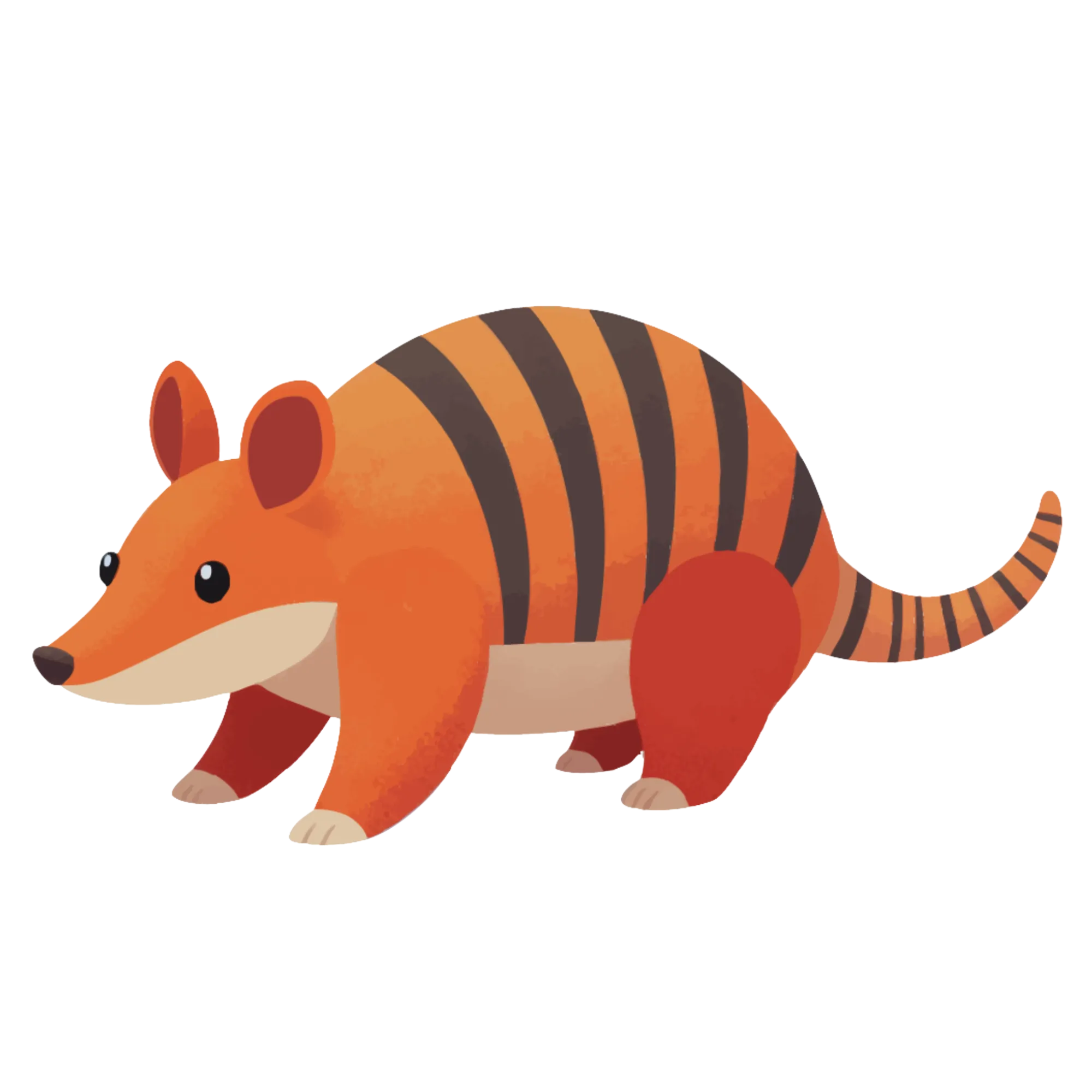
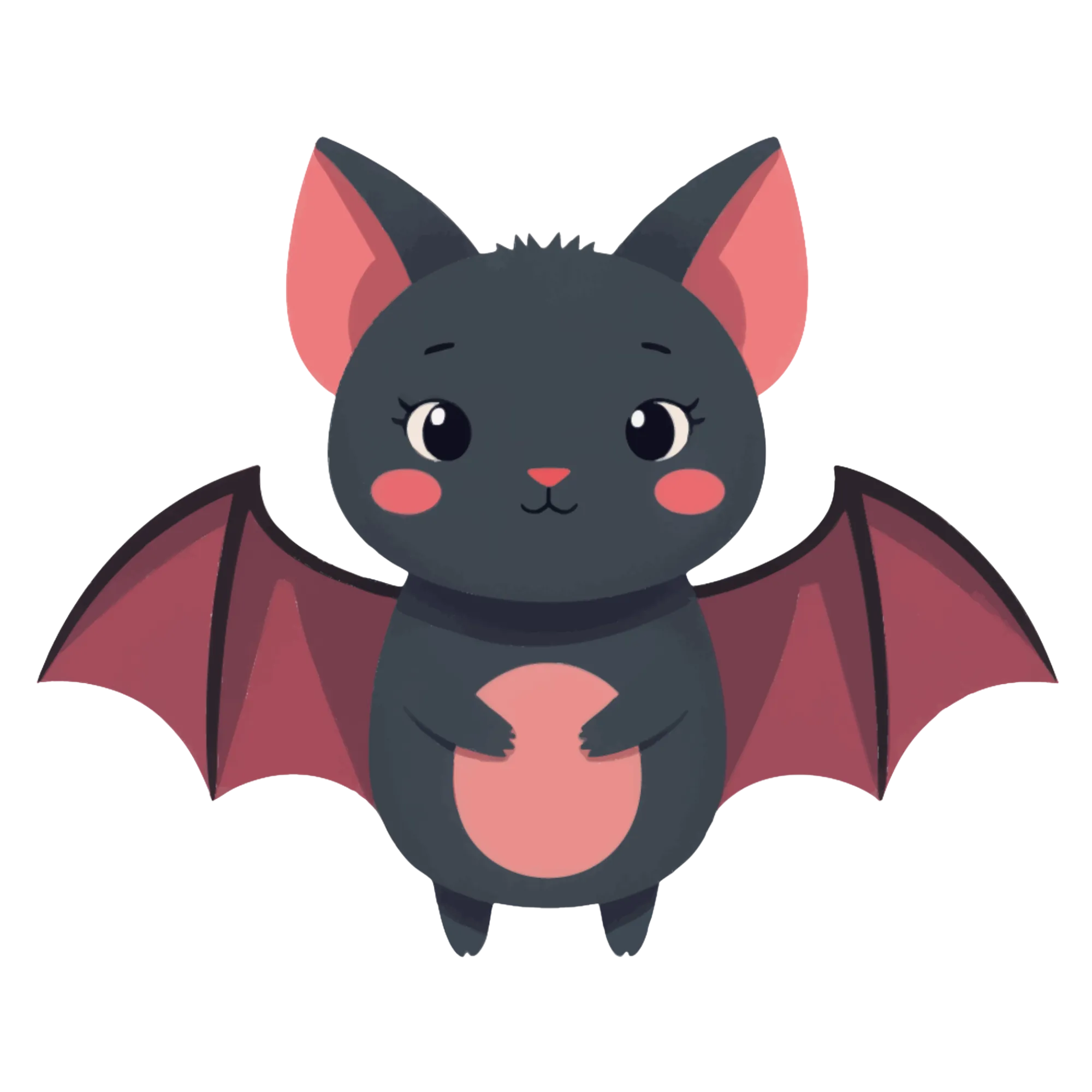
Picture sudoku for kids uses simplified grids where images replace numbers. A 4x4 picture sudoku grid contains 4 different images (animals, fruits, vehicles, or other engaging categories) arranged so each image appears exactly once in every row and every column. A 6x6 grid uses 6 different images with the same row-and-column constraint. The Picture Sudoku generator creates these image-based grids with customizable themes, making it the primary content creation tool for kids sudoku books. Picture sudoku books typically contain 40 to 60 puzzles per volume, use large colorful images, and price between 6.99 and 8.99 dollars.
Number sudoku for adults uses the classic 9x9 grid divided into nine 3x3 boxes, where each row, column, and box must contain the digits 1 through 9 exactly once. Adult sudoku books typically contain 100 to 200 puzzles per volume, use clean minimalist formatting, and price between 6.99 and 9.99 dollars depending on puzzle count and print format. Content creation for number sudoku requires puzzle generation software that produces valid grids with a single unique solution at calibrated difficulty levels.
The market size comparison favors adult number sudoku by roughly 8 to 1 in search volume, but competition follows a similar ratio. Kids picture sudoku has lower absolute demand but also far fewer competing titles, which can make it easier for a new publisher to achieve visibility and initial sales. Many successful sudoku publishers start with one format and expand into the other once their first product line is established.
A strategic approach for publishers entering the sudoku market is to launch with kids picture sudoku first. The lower competition means faster ranking, the content is faster to produce with the Picture Sudoku generator, and the smaller puzzle count per book means faster time to publication. Revenue from kids titles can fund the more intensive content creation process required for adult number sudoku books with their higher puzzle counts and more demanding difficulty calibration.
3
Plan Difficulty Progression Within a Single Book
Difficulty progression is the most important structural decision in a sudoku book, and it matters more for sudoku than for virtually any other puzzle type. The reason is straightforward: sudoku solvers actively improve with practice. A solver who struggles with easy puzzles at the start of a book will find those same puzzles routine by the time they reach page 30. If your book offers only one difficulty level, the solver outgrows it partway through, and the remaining puzzles feel tedious rather than satisfying.
For adult number sudoku books, structure your content into four difficulty sections: Easy, Medium, Hard, and Expert. Easy puzzles have many given digits (35 to 40 out of 81 cells pre-filled), requiring only basic elimination logic to solve. Medium puzzles have fewer givens (28 to 34) and require intermediate techniques like naked pairs and hidden singles. Hard puzzles have even fewer givens (24 to 28) and demand advanced solving strategies. Expert puzzles have minimal givens (22 to 26) and may require complex chain logic. Clearly label each section with the difficulty level and a brief description of what solving techniques that section requires.
The ratio between difficulty sections should weight toward the easier end. A 200-puzzle adult sudoku book might allocate 60 Easy, 60 Medium, 50 Hard, and 30 Expert puzzles. This distribution serves the broadest possible audience: beginners work through the Easy and Medium sections and feel they got strong value. Intermediate solvers move quickly through Easy but spend satisfying time on Medium and Hard. Advanced solvers skip to Hard and Expert for their preferred challenge level. Every buyer finds substantial content at their skill level.
For kids picture sudoku books, difficulty progression works differently. Instead of solving technique complexity, kids sudoku difficulty scales through grid size and the number of pre-filled cells. Easy puzzles use 4x4 grids with 8 to 10 cells pre-filled out of 16, leaving only 6 to 8 cells for the child to complete. Medium puzzles use 4x4 grids with fewer pre-filled cells or introduce 6x6 grids with generous pre-filling. Hard puzzles use 6x6 grids with moderate pre-filling. This progression builds the child's confidence with small wins before introducing larger and more challenging grids.
Include a section divider page between each difficulty level that clearly states the difficulty name, the grid characteristics for that section, and a brief solving tip appropriate to that level. These divider pages serve as both navigation aids and micro-tutorials that help solvers transition smoothly between difficulty levels.
4
Format Sudoku Grids for Print Publication
Sudoku has more demanding print formatting requirements than most other puzzle types because solvers write numbers into individual cells and need precise visual boundaries. Poor grid formatting — faint lines, cramped cells, unclear box boundaries — generates negative reviews faster in sudoku books than in almost any other category.
Grid cell size is the most critical formatting parameter. For standard adult sudoku books, each cell should measure at least 0.55 inches square to allow comfortable handwriting of digits. For large-print editions, cells should be 0.7 to 0.8 inches square. For kids picture sudoku, cells should be at least 0.8 inches square to accommodate the images and leave space for children to mark their answers. Test your cell sizing by printing a sample page and writing digits or marking images in every cell — if your handwriting feels cramped, increase the cell size.
Grid line hierarchy is essential for sudoku because solvers must visually distinguish individual cells within 3x3 boxes and boxes within the overall grid. Use three distinct line weights: thin lines (0.5 to 0.75 point) for individual cell boundaries, medium lines (1.5 to 2 point) for 3x3 box boundaries, and thick lines (2 to 2.5 point) for the outer grid border. This visual hierarchy lets solvers instantly identify box boundaries without conscious effort, which is critical for solving flow. Books with uniform line weight for all boundaries receive consistent complaints about grid readability.
Page layout for sudoku books follows a standard convention: one puzzle per page for standard and large-print formats, or two puzzles per page for compact travel-size formats. The one-per-page layout is strongly preferred by buyers and should be your default. Place the puzzle number and difficulty label at the top of each page. Center the grid vertically on the page with adequate margins on all sides. For 8.5 by 11 inch trim size with a 9x9 grid at 0.55-inch cells, the grid itself occupies roughly 5 by 5 inches, leaving generous surrounding space that prevents the page from feeling cluttered.
Answer keys for sudoku books should show completed grids with all digits filled in, using a visually distinct format from the puzzle pages — typically smaller grids printed 4 to 6 per page in the answer section. Label each answer grid with its corresponding puzzle number. Place the complete answer section at the back of the book. Missing or incorrect answer keys are the single most common reason for 1-star sudoku book reviews on Amazon.
5
Structure Your Sudoku Book for Maximum Value
The overall structure of your sudoku book affects both perceived value and practical usability. A well-structured book feels professional and intentional, while a poorly structured book feels like a random collection of puzzles regardless of content quality.
Front matter should include a title page, a table of contents listing each difficulty section with starting page numbers, and a brief introduction. For adult books, the introduction should describe the difficulty levels included and any solving tips for each level. For kids picture sudoku books, the introduction should include a visual tutorial showing how picture sudoku works with a step-by-step solved example that a parent can walk through with their child. Keep front matter concise — sudoku buyers want to reach the puzzles quickly.
Puzzle count determines both the physical thickness of your book and its perceived value. For adult number sudoku books, the market standard is 100 to 200 puzzles. Books with fewer than 80 puzzles consistently receive complaints about insufficient content. The sweet spot for a first volume is 100 to 120 puzzles — substantial enough to feel like strong value, but manageable enough to produce quickly and price competitively. For kids picture sudoku books, 40 to 60 puzzles is standard because children work through puzzles more slowly and the larger formatting uses more space per page.
Page count affects both printing cost and retail price. Calculate your page count based on puzzle count plus front matter plus answer keys. For a 120-puzzle adult book with one puzzle per page: roughly 6 pages of front matter, 120 puzzle pages, section divider pages between difficulty levels, and 20 to 25 pages of answer keys (at 6 solutions per page), totaling approximately 150 to 155 pages. Use KDP's printing cost calculator to verify your per-copy cost at this page count and confirm your target retail price yields an acceptable royalty.
The answer key section is non-negotiable and must be complete and accurate. Verify every single answer grid against its corresponding puzzle before publication. A single incorrect answer key will generate negative reviews and erode buyer trust in your entire series. Format answer keys at reduced size (4 to 6 grids per page) to keep the answer section compact while remaining legible. Number each answer grid clearly and consider including the page number of the corresponding puzzle for easy cross-reference.
Back matter should include a "More Books by This Author" page listing all your published titles, organized by series and difficulty level. This cross-promotion page is one of your most valuable sales tools because sudoku buyers who finish your book and want more puzzles will check this page before searching Amazon for a different publisher.
6
Optimize Amazon Listings for Sudoku Searches
Sudoku buyers on Amazon use very specific search terms, and matching their language precisely determines whether your book appears in relevant search results. The core term "sudoku" is essential, but the modifiers surrounding it vary dramatically between audience segments.
Your book title should include the puzzle type, difficulty level, audience, and puzzle count: "Sudoku Puzzles for Adults: 120 Easy to Hard Puzzles with Full Solutions — Volume 1." The title hits multiple search terms naturally while communicating exactly what the buyer will receive. For kids books: "Picture Sudoku for Kids Ages 4-7: 50 Fun Image Logic Puzzles — Easy to Medium." For large-print: "Large Print Sudoku for Seniors: 100 Easy Puzzles with Big Numbers and Clear Grids."
Use all 7 keyword fields to target different search intents and term variations. Effective keyword fields for an adult sudoku book include: "sudoku puzzles for adults easy medium hard," "sudoku book large print easy to read clear," "brain games sudoku adults cognitive exercise," "sudoku puzzle book beginners to advanced," "sudoku for seniors relaxation brain training," "number puzzles adults logic games book," and "sudoku volume series easy hard expert." Each field targets a different combination of core terms and buyer intent modifiers.
For kids picture sudoku books, keywords emphasize age ranges, the picture format, and educational benefits: "picture sudoku for kids ages 4 5 6 7," "logic puzzles preschool kindergarten activity," "sudoku for children picture puzzles easy," "kids brain games logic thinking skills," and "preschool puzzle book educational fun learning." Parents search with age ranges and educational keywords far more frequently than generic terms.
Category selection targets puzzle-specific subcategories. Request placement in Sudoku-specific categories, Puzzle and Game Activity Books, and age-appropriate subcategories for kids titles through KDP Support after publication. The more specific your category placement, the less competition you face for browsing visibility.
Your book description should lead with concrete details: puzzle count, difficulty range, and format specifications. Follow with the key selling points that differentiate your book from competitors: themed difficulty sections with clear progression, complete verified answer keys, professionally formatted grids with clear line hierarchy, and series continuity if applicable. Avoid vague claims and focus on specific, verifiable features that help buyers evaluate your book against alternatives.
7
Build a Sudoku Book Series for Repeat Buyers
Sudoku has the strongest repeat-purchase dynamic of any puzzle book category on KDP, making series building your most powerful revenue strategy. The mechanics are simple: every completed sudoku book has zero replay value, every solver needs fresh puzzles, and every satisfied buyer is a near-certain purchaser of your next volume.
Launch with a strong Volume 1 that establishes your formatting standard, difficulty calibration, and brand identity. Volume 1 is your storefront — early reviews on this book determine whether buyers trust your series enough to purchase Volume 2. Invest disproportionate quality control effort in your first volume: verify every puzzle has a unique valid solution, confirm every answer key is correct, test print quality by ordering a proof copy, and solve several puzzles yourself at each difficulty level to verify the calibration feels right.
Publish new volumes on a consistent schedule, ideally every 4 to 6 weeks. Regular publishing cadence builds buyer expectation and Amazon algorithmic favor. When Amazon detects consistent publishing with consistent sales, the recommendation engine promotes both new and existing titles more aggressively. Erratic publishing with months-long gaps weakens this algorithmic relationship and gives competing publishers time to capture your repeat buyers.
Maintain absolute formatting consistency across all volumes in a series. Use the same trim size, margins, grid dimensions, line weights, font sizes, and difficulty section structure in every volume. Solvers who buy Volume 2 expect it to look and feel identical to Volume 1 except for the puzzles themselves. Any formatting change between volumes generates confusion, complaints, and lost series loyalty. Treat your Volume 1 formatting as a locked template that every subsequent volume must match exactly.
Create parallel series at different difficulty levels. Your main series might span Easy through Expert in each volume, but a dedicated "Easy Sudoku" series serves beginners and casual solvers who do not want hard puzzles at all. A "Hard and Expert Sudoku" series serves advanced solvers who find easy puzzles tedious. A "Large Print Easy Sudoku" series serves the accessibility market. Each series targets different search terms and serves a different buyer segment while leveraging the same production workflow. Five parallel series publishing one volume each per quarter generates 20 new titles per year with maximum catalog coverage.
Cross-promote aggressively across all your series. Every book's back matter should list all your available titles organized by series and difficulty level. A buyer who finishes your Easy series and is ready for more challenge should discover your Medium-Hard series on the final pages of their current book. This cross-promotion converts existing buyers into multi-series purchasers without any additional marketing spend.
8
Expand from Sudoku into Related Puzzle Categories
A sudoku catalog provides a strong foundation for expanding into adjacent puzzle types. Sudoku buyers are puzzle enthusiasts by nature, and many enjoy multiple puzzle formats. Your existing author reputation, Amazon reviews, and catalog presence give you a significant advantage when launching new puzzle types compared to starting from scratch.
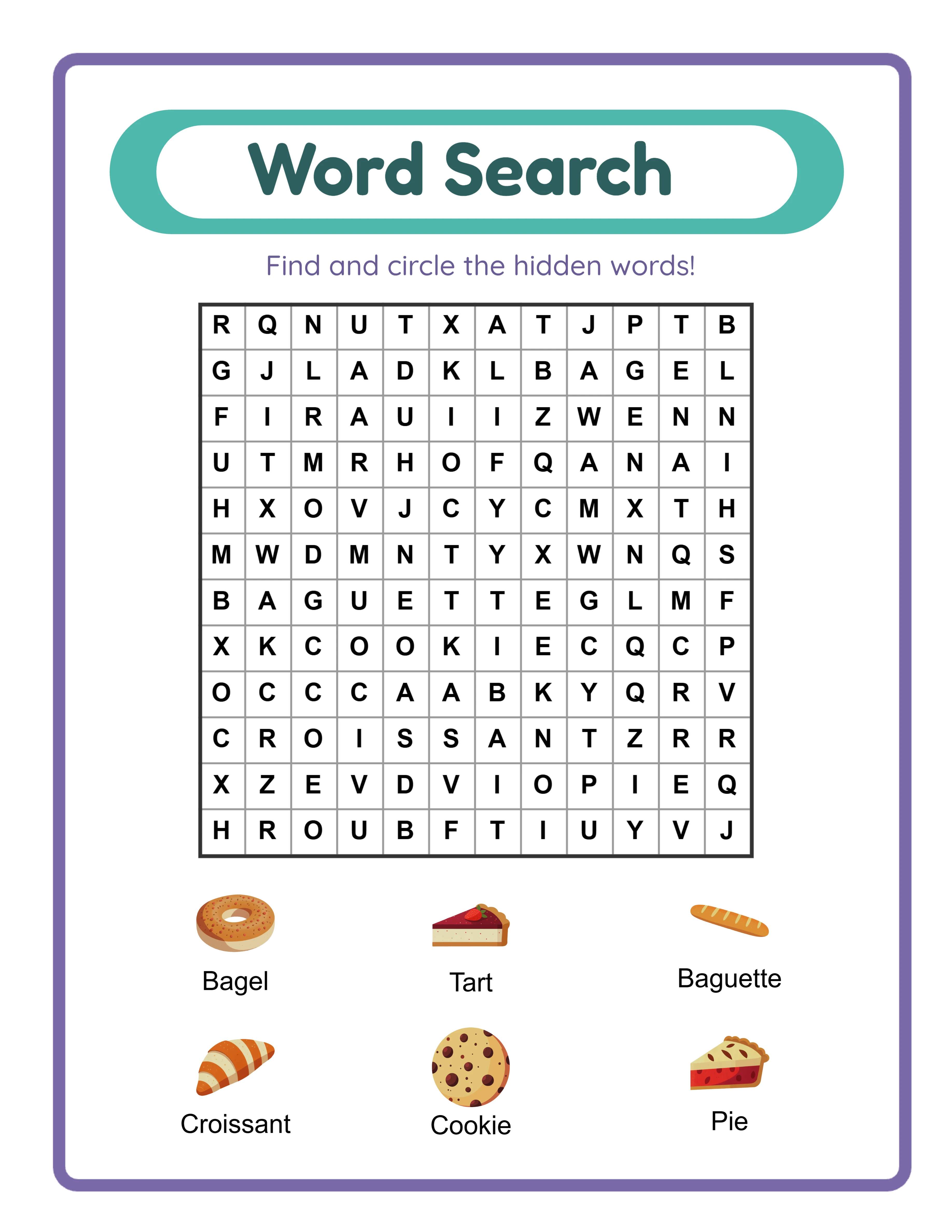
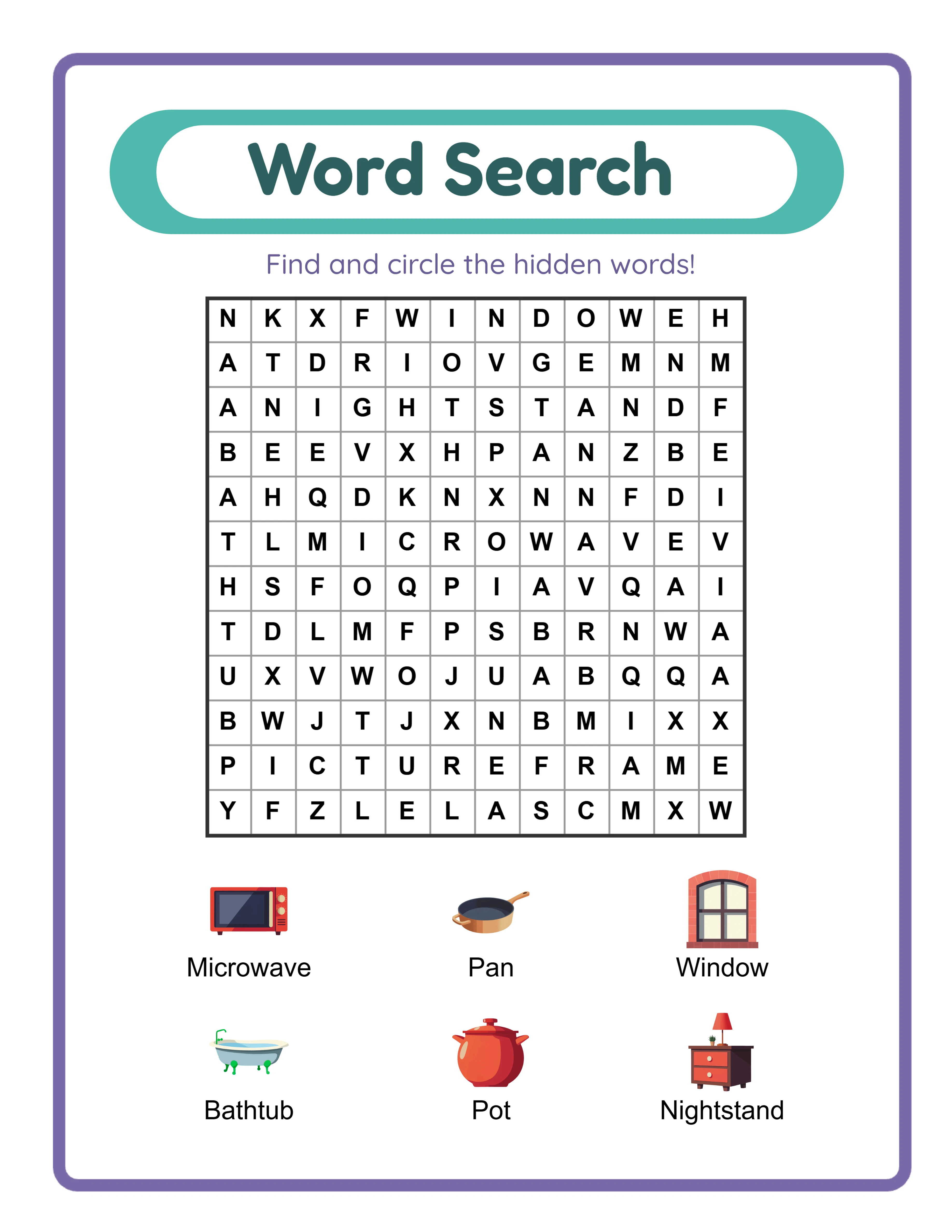
Word search books are the most natural first expansion from sudoku. Word search is the highest-volume puzzle book category on Amazon, and your existing sudoku audience includes buyers who also enjoy word-based puzzles. The production skills transfer directly — grid formatting, difficulty progression, series structure, and Amazon keyword optimization all follow similar principles. A word search series diversifies your revenue across two puzzle types while cross-promoting each type to the other's audience through your back matter and author page.
Variety puzzle books that combine multiple puzzle types in a single volume capture buyers who want diverse solving experiences. A "Brain Games Variety Puzzle Book" containing sudoku, word search, crossword, and math puzzles targets broader search terms than any single-type book. Your existing sudoku content can be repurposed alongside new puzzle types to create variety volumes with lower marginal content creation effort. Variety books also serve as discovery vehicles — a buyer who discovers your sudoku content through a variety book may then purchase your dedicated sudoku series.
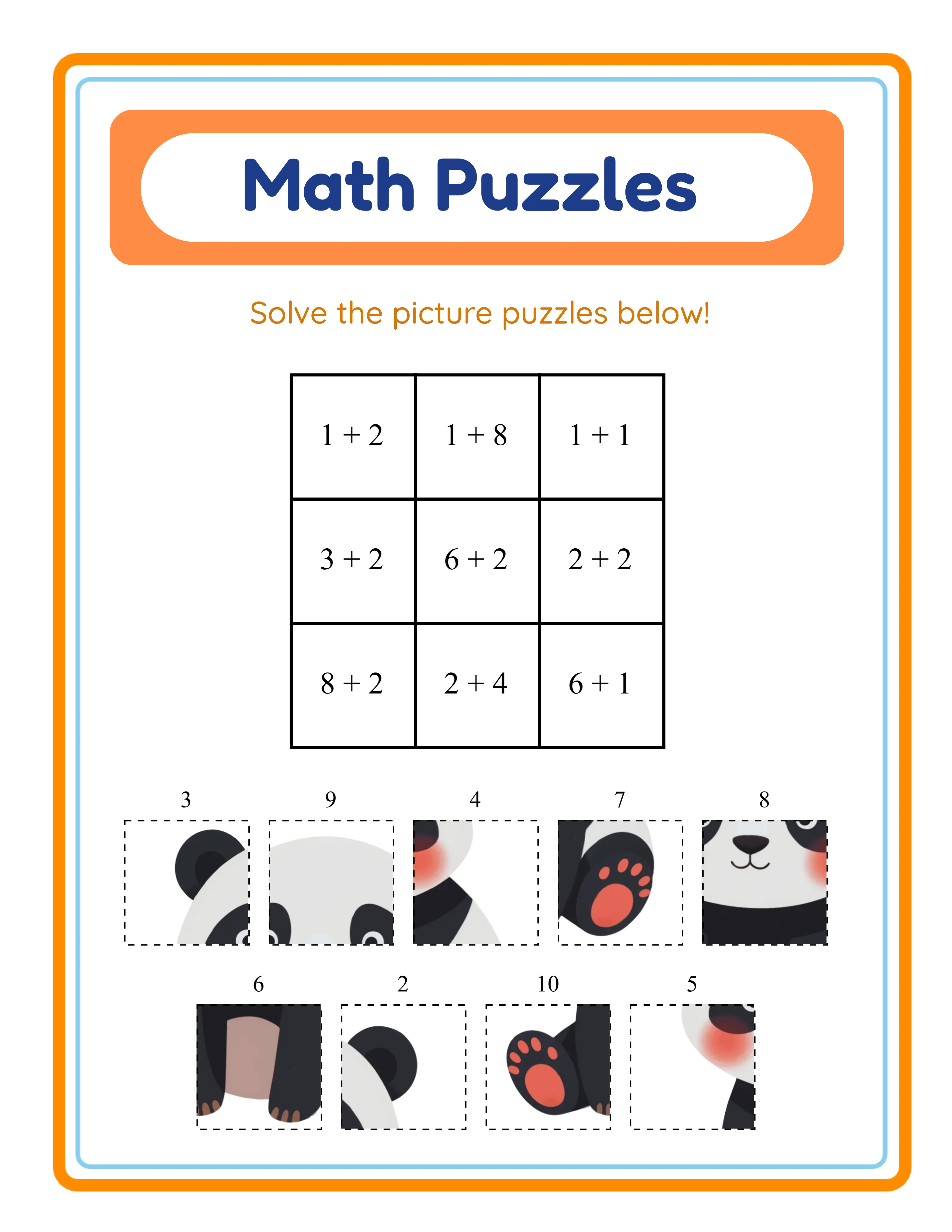
Math puzzle books complement sudoku naturally because both involve number-based logic. Buyers who enjoy the logical deduction of sudoku often appreciate math puzzles, addition grids, and number pattern challenges. Creating a math puzzle series alongside your sudoku catalog targets adjacent search terms and serves overlapping buyer interests.
Your Amazon Author Page becomes increasingly valuable as your catalog grows across puzzle types. A well-organized author page showcasing sudoku series, word search series, math puzzles, and variety books positions you as a comprehensive puzzle publisher rather than a single-type producer. This breadth builds buyer confidence and increases the likelihood that a customer purchasing one book will explore and buy additional titles from your catalog. The compounding effect of a multi-type puzzle catalog is the mechanism through which individual puzzle book publishers scale from modest side income to substantial publishing revenue.
.webp)

.webp)