Tutorial
1
Understanding Creative Market's Audience and How It Differs from Etsy
Before creating a single listing, you need to understand who shops on Creative Market and what they expect.
The typical Creative Market buyer is a professional or semi-professional creative: a graphic designer, web developer, photographer, Etsy seller, social media manager, or small business owner. They come to Creative Market looking for high-quality assets that save them time and elevate their work.
For printable worksheets, this means your buyers are likely:
- Other Etsy or Gumroad sellers looking for printable products to resell (with appropriate licensing)
- Homeschool parents who value aesthetic design in their curriculum materials
- Therapy professionals who want polished, professional-looking clinical materials
- Teachers and tutors running private practices who need branded-looking resources
- Small publishers creating activity books for Amazon KDP
What these buyers care about:
- Visual quality: They notice typography, spacing, color harmony, and image resolution. Clip art will not work here. The photographic images from LessonCraftStudio generators are a significant advantage.
- File organization: They expect well-organized files with clear naming conventions, readme files, and multiple format options where applicable.
- Commercial licensing: Many Creative Market buyers want commercial use rights. The platform's standard license already includes commercial use, which is a major selling point.
- Completeness: They prefer comprehensive bundles over individual worksheets. A "Complete Coloring Page Collection -- 200 Pages Across 50 Themes" fits the Creative Market buyer better than a single 5-page coloring pack.
What they care less about:
- Lowest price: Creative Market buyers rarely sort by "lowest price." They sort by "most popular" or "best rated." Quality drives decisions, not bargains.
- Urgency: Unlike Etsy where seasonal demand creates buying urgency, Creative Market purchases are more deliberate. Buyers research, compare, and then buy.
- Trendy themes: Creative Market buyers are less driven by seasonal trends and more by evergreen utility. Year-round themes outperform holiday-specific products.
2
Applying to Sell on Creative Market
Creative Market has an application process for new sellers. This is a curation mechanism, not a formality -- applications are reviewed by a human team, and many are rejected. Here is how to get accepted.
Application requirements:
- A portfolio of at least 5 to 10 product examples
- Professional-quality mockup images
- A clear description of what you plan to sell
- Consistent visual branding across your portfolio
Preparing your portfolio: Before applying, generate 5 to 10 of your best worksheet collections using LessonCraftStudio generators. Choose themes with broad appeal: animals, nature, food, vehicles. Create professional mockup images showing the worksheets in context (printed, displayed in binders, shown on tablets).
What Creative Market looks for in sellers:
- Product quality that matches or exceeds existing marketplace standards
- Unique offerings that add value to the marketplace (not duplicates of existing products)
- Professional presentation including mockups, descriptions, and file organization
- Consistency -- they want sellers who will publish regularly, not one-time uploaders
Application tips:
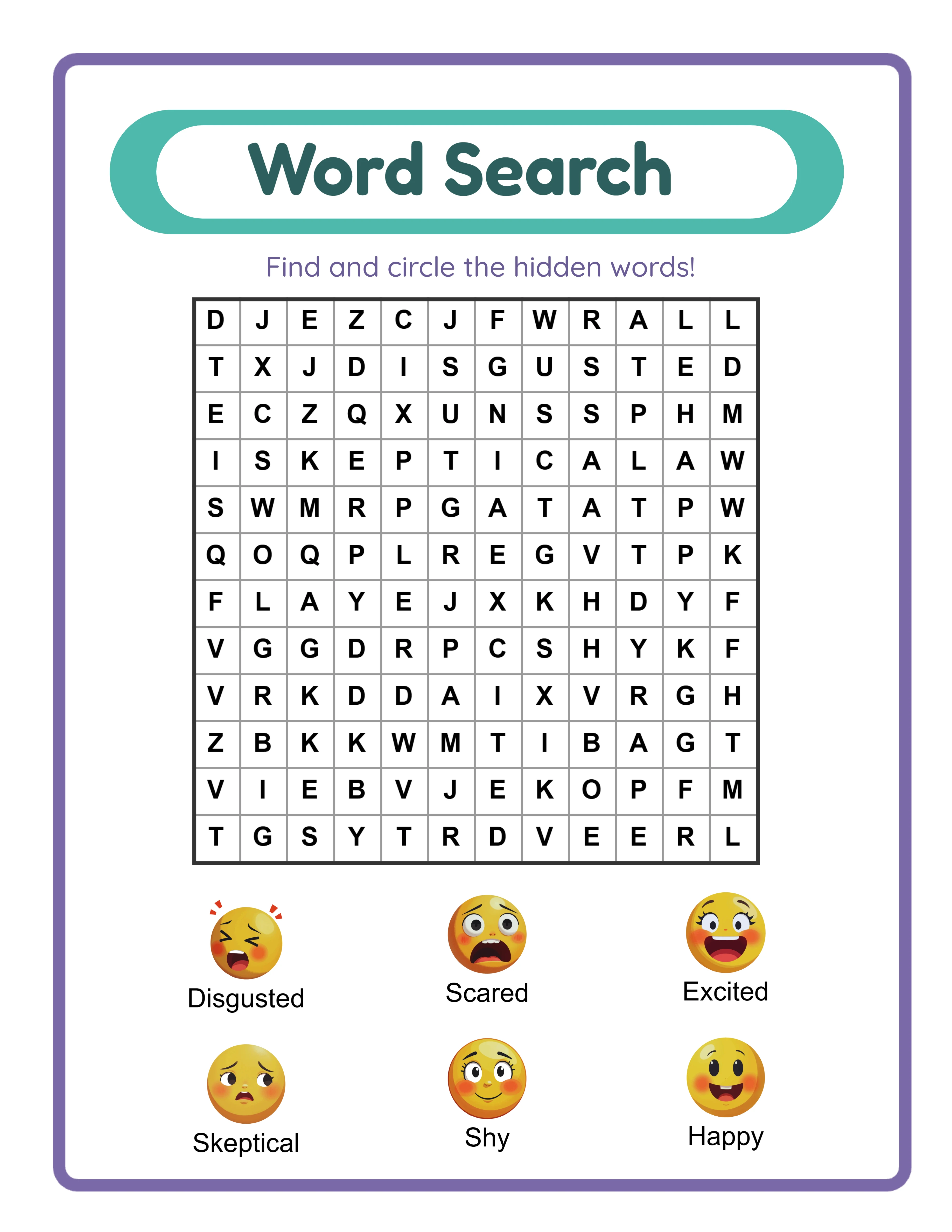
- Show variety in your portfolio. Include coloring pages, word searches, crossword puzzles, and other formats to demonstrate range.
- Use your best photographic image worksheets in the application. The visual quality of LessonCraftStudio's 3,000+ themed images is a genuine differentiator on Creative Market.
- Mention your production capacity. "I plan to publish 5 to 10 new products per month across multiple worksheet categories" signals commitment.
- If rejected, you can reapply after improving your portfolio. Review the top-selling printable products on Creative Market to understand the quality bar.
Application timeline: Expect 1 to 4 weeks for review. During this time, continue building your product catalog so you have inventory ready to list immediately upon acceptance.
3
Setting Up Your Creative Market Shop for Printable Worksheets
Once accepted, your shop setup determines how buyers discover and perceive your products.
Shop name: Choose a professional, memorable name that signals quality. "StudioPrintables," "CraftedWorksheets," or "PrintLab Designs" convey professionalism. Avoid names that sound like hobby projects.
Shop banner: Create a 1800 x 360 pixel banner that showcases your best work. Feature 3 to 5 worksheet preview images in a clean layout with your shop name and a tagline like "Premium Printable Worksheets -- 104 Themes -- 11 Languages."
Shop bio: Write a professional bio that establishes credibility. Mention the number of themes available, the photographic image quality, the 11-language capability, and any relevant professional background. Creative Market buyers read bios more carefully than Etsy buyers.
Product categories on Creative Market: Your printable worksheets fit into several Creative Market categories:
- Graphics > Illustrations: For coloring pages and illustrated worksheets
- Templates > Print Templates: For worksheet bundles and activity books
- Graphics > Objects: For individual worksheet pages
- Add-Ons > Extras: For supplementary materials like answer keys
Choosing the right category affects visibility. Browse existing printable products on Creative Market to see which categories successful sellers use. Many sellers list the same product in multiple categories by creating variations.
File preparation: Creative Market requires ZIP file uploads. Organize your files meticulously:
- Main folder named with the product title
- Sub-folders for different sections (worksheets, answer keys, bonus materials)
- A README.txt or README.pdf explaining the contents, file formats, and printing instructions
- Preview images separate from the actual product files
4
Creating Listings That Convert on Creative Market
Creative Market listings have a different anatomy than Etsy listings. Here is how to optimize each element.
Product title: Creative Market titles should be descriptive and keyword-rich but also sound professional. Format: "[Product Type] -- [Key Feature] -- [Quantity/Scope]"
Examples:
- "Printable Coloring Pages Bundle -- 200 Photographic Designs -- 50 Themes"
- "Word Search Puzzle Collection -- 11 Languages -- 100 Puzzles with Answer Keys"
- "Crossword Puzzle Maker Output -- 75 Themed Puzzles -- Print-Ready PDF"
Product description: Write 300 to 500 words. Structure it as:
1. Opening hook (what the buyer gets and why it matters)
2. What is included (specific file list and quantities)
3. Key features (image quality, themes, languages, answer keys)
4. Use cases (who this is for and how they will use it)
5. Technical details (file format, dimensions, resolution)
6. Licensing clarification (confirm commercial use is included)
Preview images: Creative Market allows up to 10 preview images. Use all 10:
1. Hero image showing the complete bundle spread
2. Close-up of a single worksheet showing image quality
3. Multiple page fan showing variety
4. Mockup of printed worksheet in real environment
5. Infographic listing contents and features
6. Before/after or in-use context image
7. Theme variety showcase
8. Detail shot of answer key quality
9. File organization screenshot
10. Social proof or rating highlight (if available)
Tags: Creative Market allows tags similar to Etsy. Use a mix of:
- Product type: printable worksheet, coloring pages, puzzle book
- Format: PDF, print-ready, letter size, A4
- Subject: animals, nature, educational, kids activity
- Use case: homeschool, classroom, therapy, KDP interior
5
Pricing Strategy for Creative Market's Premium Audience
Creative Market pricing operates in a fundamentally different band than Etsy. Buyers here expect to pay more and perceive low prices as a quality warning sign.
Pricing benchmarks for printable worksheets on Creative Market:
- Small packs (10 to 25 pages): $8.99 to $14.99
- Medium bundles (50 to 100 pages): $16.99 to $29.99
- Large bundles (100 to 200+ pages): $24.99 to $49.99
- Mega collections (500+ pages): $39.99 to $79.99
Compare these to Etsy equivalents:
- Small packs on Etsy: $2.99 to $5.99
- Medium bundles on Etsy: $6.99 to $12.99
- Large bundles on Etsy: $12.99 to $24.99
Creative Market buyers pay 2x to 3x more because they are buying a professional resource, not a consumer product. Your pricing should reflect this.
Pricing principles for Creative Market:
- Never price below $8.99. Anything cheaper looks amateur.
- Bundle generously. More pages per dollar increases perceived value without costing you anything (digital products have zero marginal cost).
- Include bonus materials. Add answer keys, printing guides, or editable templates as "bonus" items that increase perceived value.
- Use round-number-adjacent pricing: $19 instead of $19.99. Creative Market's audience is slightly less responsive to psychological pricing tricks than Etsy's consumer audience.
Revenue split: Creative Market takes 30% of each sale. At a $19.99 price point, you earn $13.99 per sale. At a $29.99 price point, you earn $20.99 per sale. The higher price points make the 30% commission far more tolerable than it would be at Etsy's price levels.
Sale pricing: Creative Market allows you to run sales (up to 50% off). Use sales strategically during Creative Market's site-wide sale events (typically 4 times per year) to gain visibility and build your review count.
6
Leveraging Creative Market's Built-In Licensing for Commercial Sellers
Creative Market's standard license is one of the platform's biggest advantages for printable sellers. Here is how it works and how to leverage it.
Standard License (included with every purchase):
- Buyer can use the product in unlimited personal and commercial projects
- Buyer can use the product for clients
- Buyer CANNOT resell the product as-is (they must incorporate it into a larger work)
- Buyer CANNOT redistribute the product files
What this means for worksheet sellers: A therapy practice can buy your preposition worksheets and print them for all their clients. A homeschool co-op can buy your coloring pages and distribute them to members. A KDP publisher can use your puzzles as book interiors (if they add cover, formatting, and other original elements).
Extended License (you can offer this at a higher price):
- Everything in the Standard License PLUS
- Buyer can use the product in items for resale (e.g., printing and selling physical copies)
- Price the Extended License at 5x to 10x the Standard License price
How to market the licensing advantage:
In your product descriptions, explicitly state: "Standard License included -- use in unlimited personal and commercial projects." This is a major selling point for professional buyers who worry about licensing restrictions on other platforms.
Competitive positioning: On Etsy, commercial use licensing is confusing -- each seller sets their own terms, buyers are never sure what they are allowed to do, and disputes are common. On Creative Market, the licensing is standardized and clearly defined. This clarity drives higher conversion rates for professional buyers.
Targeting commercial buyers: Create specific product bundles designed for commercial use cases. "Therapy Practice Worksheet Collection -- 200 Pages -- Standard License for Unlimited Client Use" speaks directly to a professional buyer's need. The standard license already covers this use, but calling it out explicitly removes doubt and drives the purchase.
7
Building a Multi-Platform Strategy: Creative Market + Etsy + Direct Sales
Creative Market works best as part of a multi-platform distribution strategy. Here is how to position it alongside other sales channels.
Platform roles in your business:
- Etsy: Volume channel. Highest traffic, most competitive, lowest average order value. Focus on individual worksheets and small bundles.
- Creative Market: Premium channel. Lower traffic, design-savvy buyers, highest average order value. Focus on comprehensive bundles and mega collections.
- Gumroad / Your own website: Direct channel. Lowest fees, full customer data ownership. Focus on repeat buyers and email list building.
- Amazon KDP: Print channel. For physical activity books compiled from your digital worksheets.
Product differentiation across platforms:
Do not list identical products at the same price across all platforms. Differentiate:
- Etsy: Individual theme packs, small bundles, seasonal products
- Creative Market: Large bundles, complete collections, multilingual mega packs
- Gumroad: Exclusive bundles, subscription/growing bundles, direct-only discounts
Pricing across platforms:
- Etsy: Your lowest prices (market expects value pricing)
- Creative Market: Your highest prices (market expects premium pricing)
- Gumroad: 10% to 15% below Creative Market (reward direct buyers with better pricing while maintaining premium positioning)
Content reuse strategy:
Create your worksheets once using LessonCraftStudio generators. Package them differently for each platform:
- 10-page theme pack for Etsy at $4.99
- 100-page mega bundle for Creative Market at $24.99
- 50-page curated collection for Gumroad at $14.99
- 200-page activity book manuscript for KDP at $7.99 retail
Same content, four revenue streams, four different buyer audiences. This is the power of multi-platform distribution for digital products.