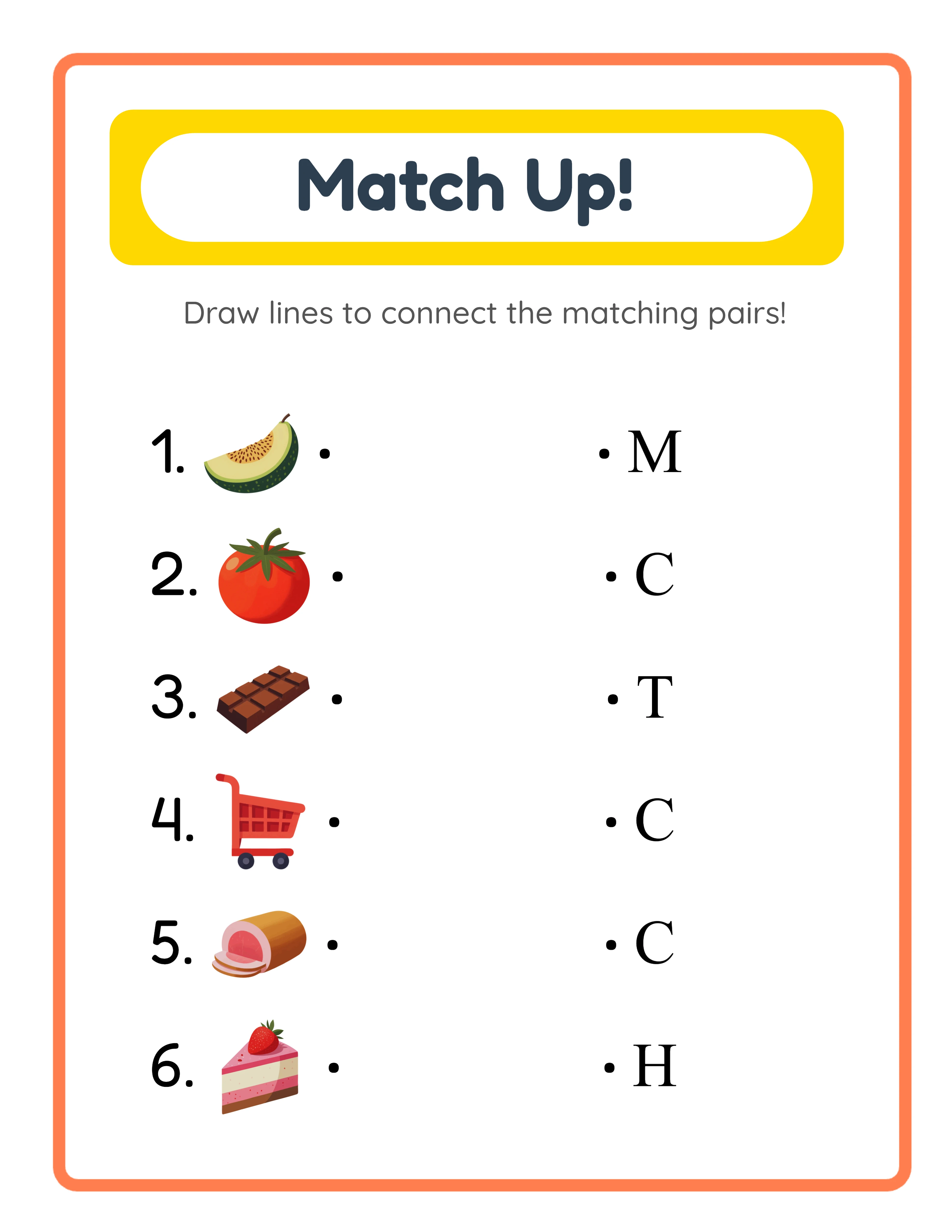
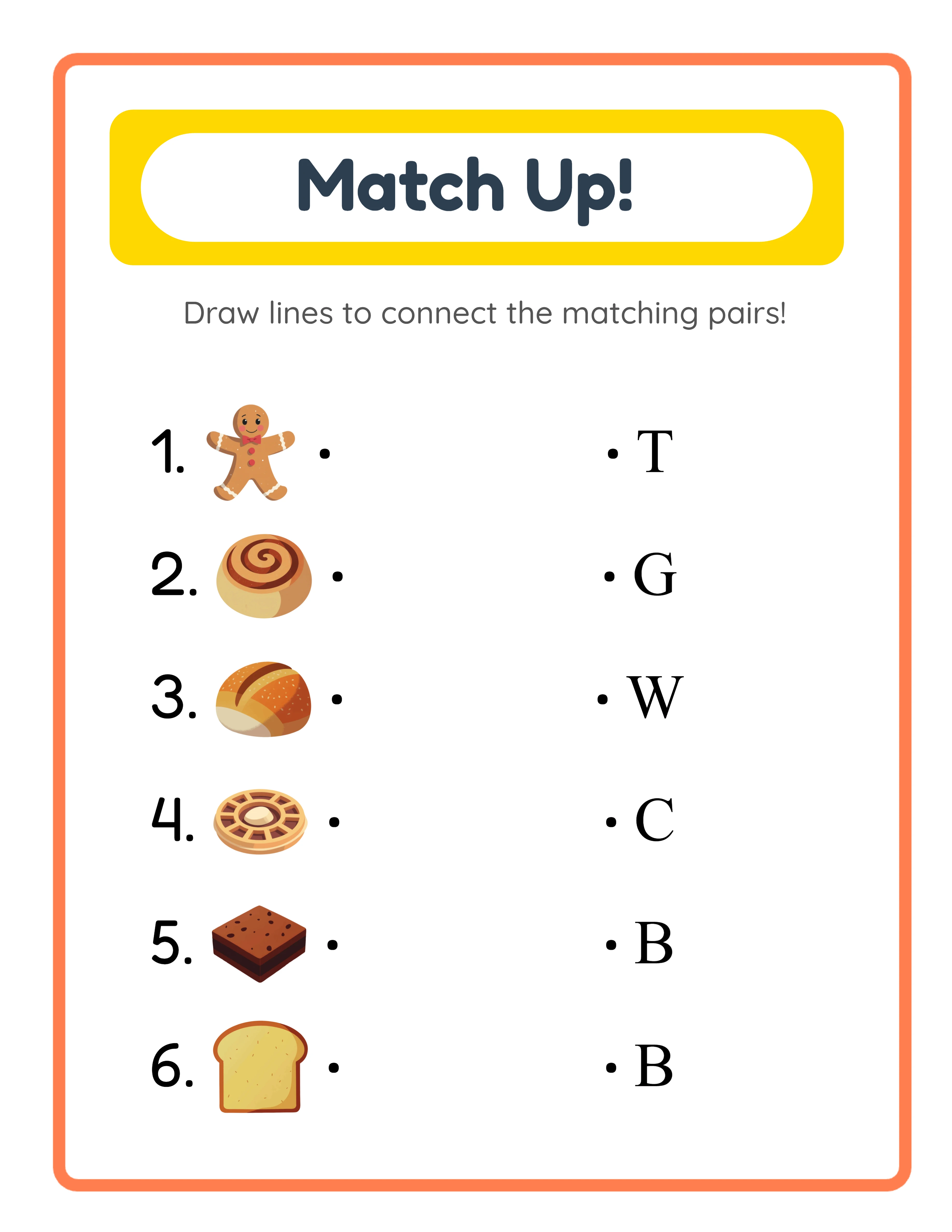
Tutorial
1
Understand Why a Product Line Outperforms Individual Products
A product line is more than a collection of products in the same store — it is a deliberate system where every product strengthens the others. Understanding why product lines outperform random catalogs will inform every decision you make as you build yours.
Brand recognition compounds with every product in your line. When all your worksheets share the same header style, color palette, and layout structure, buyers who have used one product instantly recognize another as yours. This recognition builds trust before the buyer even reads the product description. In a marketplace with thousands of similar worksheets, visual familiarity is a powerful competitive advantage that takes months to build but pays dividends indefinitely.
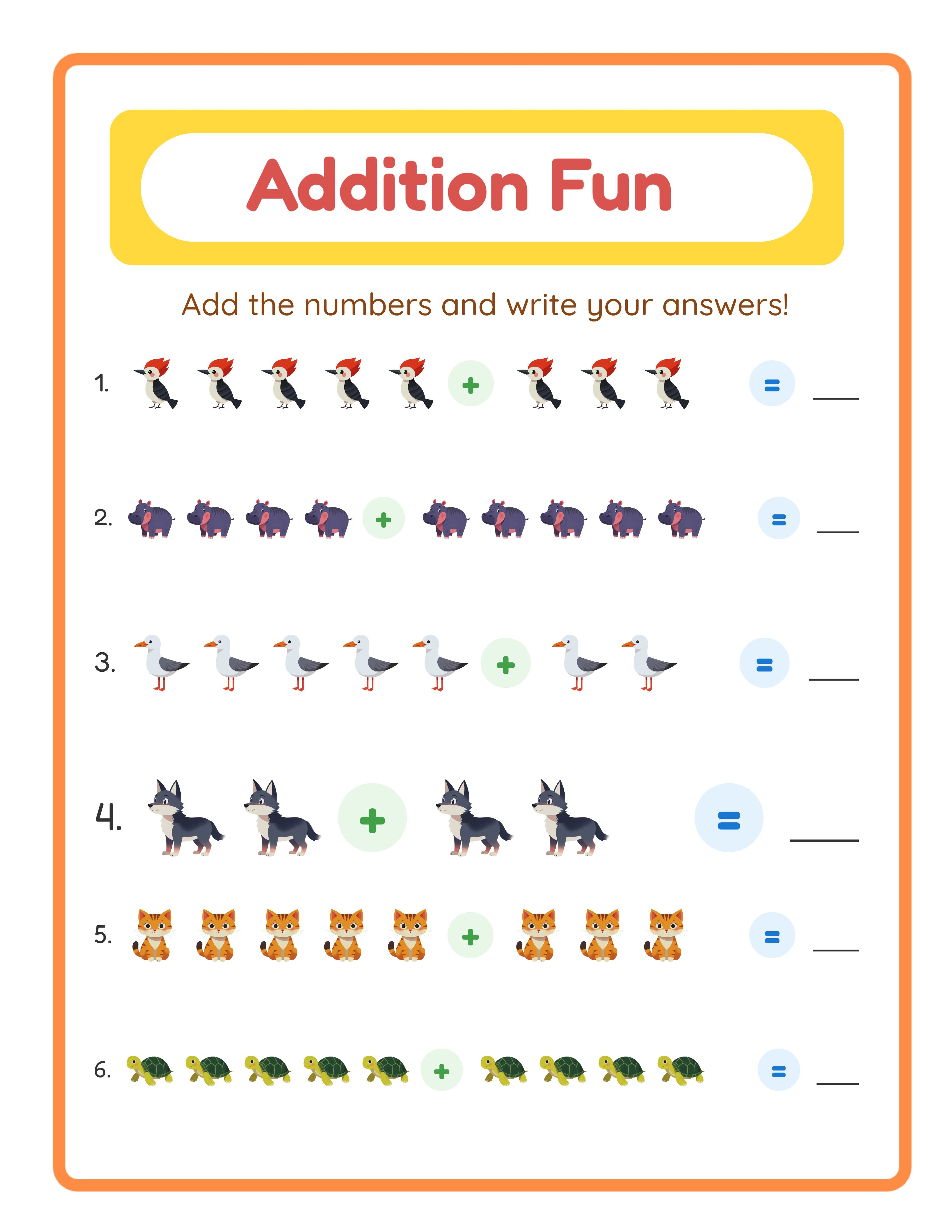
Repeat purchase behavior depends on catalog coherence. A buyer who purchases your animal-themed addition worksheets and loves the quality will look for more of your products. If your store contains a disconnected assortment of random worksheets with different styles, that buyer sees no clear next purchase. But if your store shows a structured line — animal-themed subtraction, animal-themed word problems, animal-themed coloring pages, all in the same visual style — the buyer has an obvious next purchase, and then another, and then another. Each product in your line creates a pathway to the next sale.
Search visibility improves when your catalog has structural depth. Marketplaces like Etsy and Gumroad reward stores that demonstrate expertise in a niche. A store with 15 products across 15 unrelated topics signals no particular specialty. A store with 15 products that clearly build a comprehensive first-grade math program signals deep expertise in that specific area. Search algorithms and buyer behavior both favor the specialist over the generalist, and a product line is what makes your store look specialized.
Cross-selling happens naturally within a well-structured product line. When a buyer views one product, related products from the same line appear as natural recommendations — either through platform algorithms that detect purchasing patterns or through your own internal linking in product descriptions. Individual unrelated products cannot cross-sell because there is no logical connection between them. A product line creates those connections automatically.
Pricing power increases with line depth. A single addition worksheet pack competes on price with hundreds of similar products. But a comprehensive "First Grade Math Mastery Series" with 12 interconnected products has fewer direct competitors, which means less price pressure. Buyers perceive a systematic product line as more valuable than individual products even when the content is similar, because the line offers a structured learning path rather than isolated practice sheets.
2
Define Your Product Line's Core Identity
Before creating a single product, define the core identity that will unify everything in your line. A clear identity answers four fundamental questions: who is it for, what does it cover, what makes it recognizable, and what holds it all together.
Target audience definition is the foundation. "Kids" is too broad. "First and second grade solvers practicing foundational math skills" is specific enough to guide every product decision. Your target audience determines the difficulty level, the visual style (younger solvers need bolder graphics and larger fonts), the page count per product, the vocabulary used in instructions, and even the themes that resonate. A product line for the early-learner niche looks fundamentally different from one for third graders, even if both cover similar academic skills.
Subject or niche focus establishes your line's boundaries. Decide whether your product line covers a single subject deeply (comprehensive math practice for grades K through 3), a single grade broadly (all subjects for first grade), or a specific format across multiple topics (word search puzzles for all subjects and grade levels). Each approach has strategic advantages. Deep subject coverage builds authority in one area. Broad grade coverage serves buyers who need everything for one age group. Format specialization builds recognition around a specific activity type. Choose the approach that matches your strengths and the market demand you have identified.
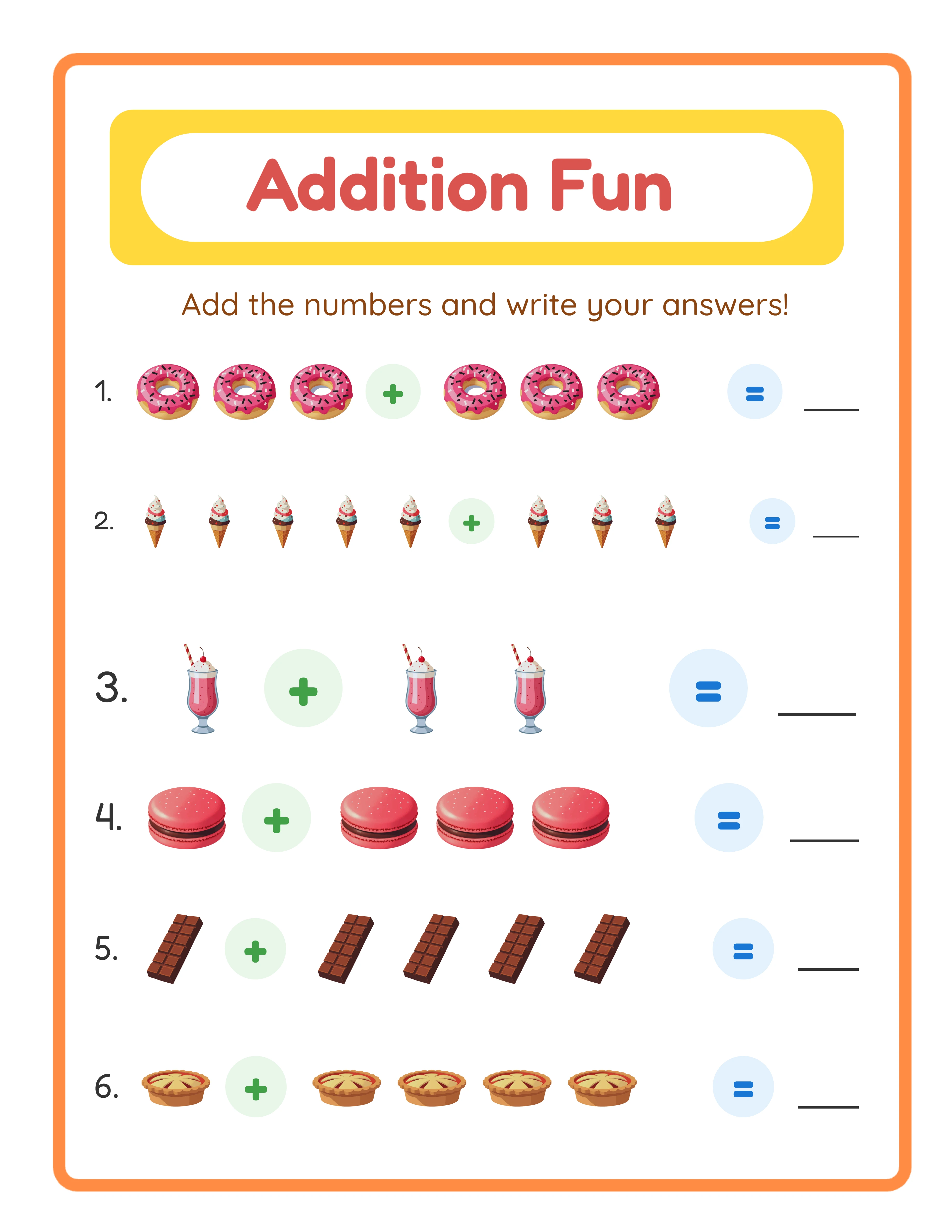
Visual identity is what buyers see before they read anything. Define your product line's color palette (2 to 3 primary colors that appear on every product), header style (consistent font, size, and placement), page layout (margins, spacing, instruction placement), and decorative elements (borders, icons, character illustrations). These visual elements must remain consistent across every product in your line. The worksheet generators maintain formatting consistency automatically, which gives your line inherent visual cohesion when you use consistent settings across products.
A unifying concept ties everything together beyond just visual similarity. This might be a series name ("Math Masters Series"), a consistent structural approach (every product includes an answer key and a parent guide), a shared theme framework (all products available in 10 matching themes), or a progressive difficulty system (every product clearly labeled as beginner, intermediate, or advanced). The unifying concept gives buyers a reason to collect multiple products in your line because they understand how the products relate to each other and build toward a larger goal.
3
Plan Your Product Line Structure
A product line structure is the blueprint that maps out every product you will create, how products relate to each other, and in what order you will build them. Planning this structure before you start creating prevents the common mistake of building products haphazardly and trying to force them into a coherent line after the fact.
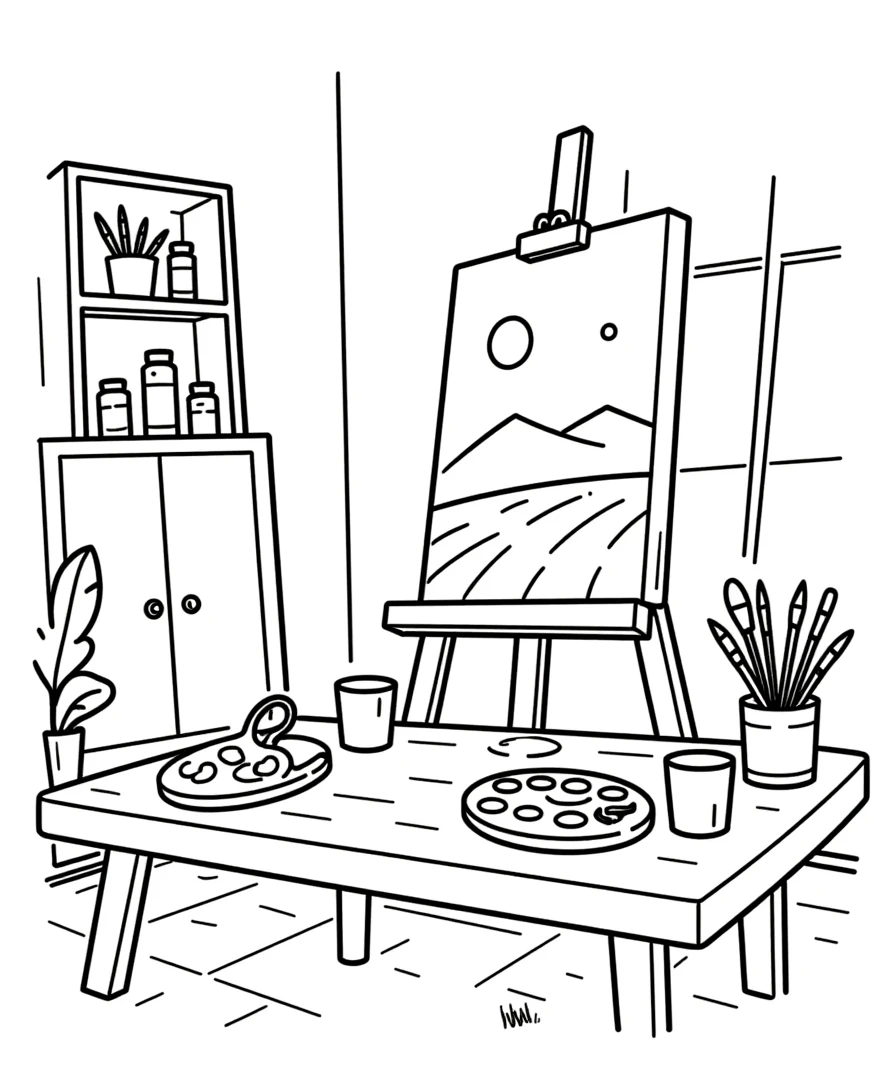
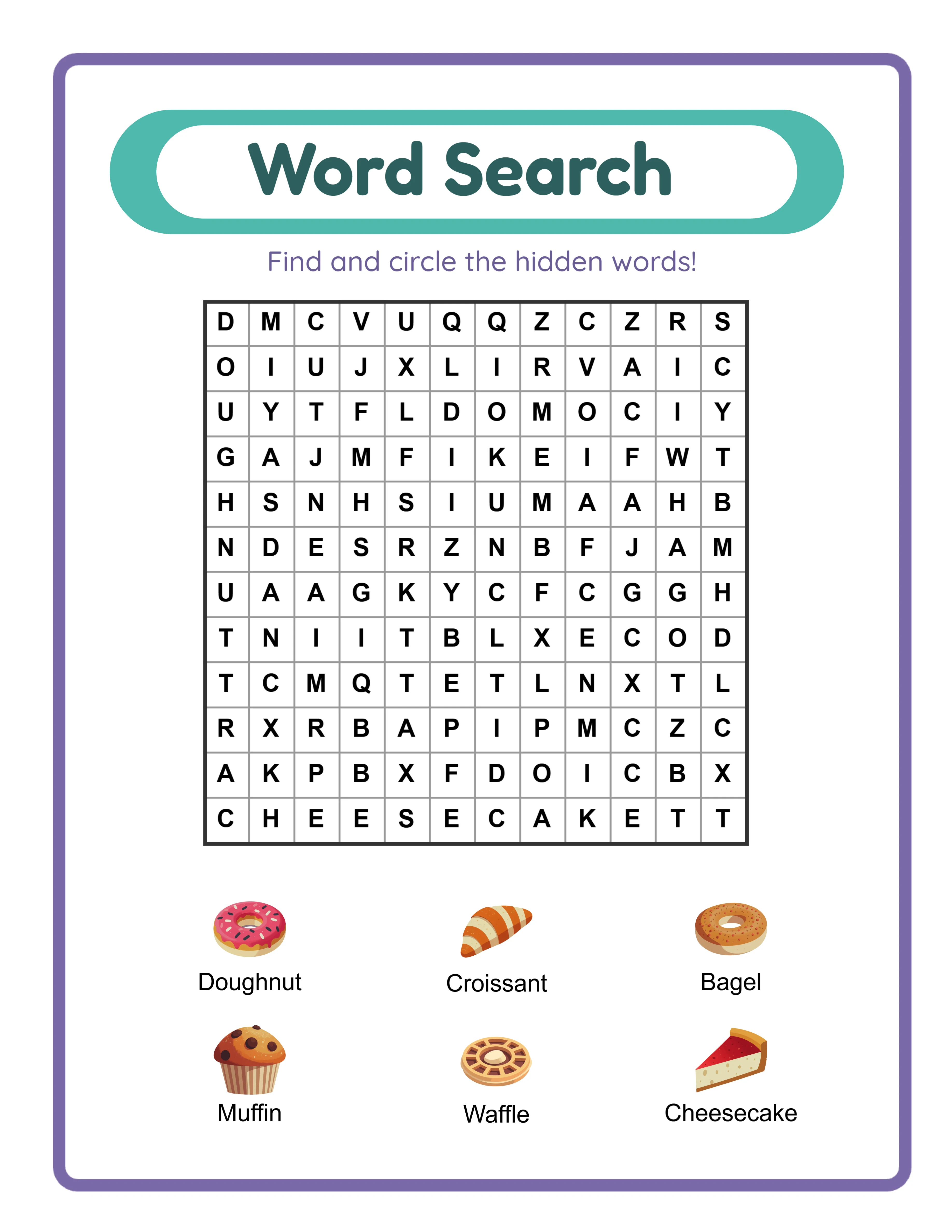
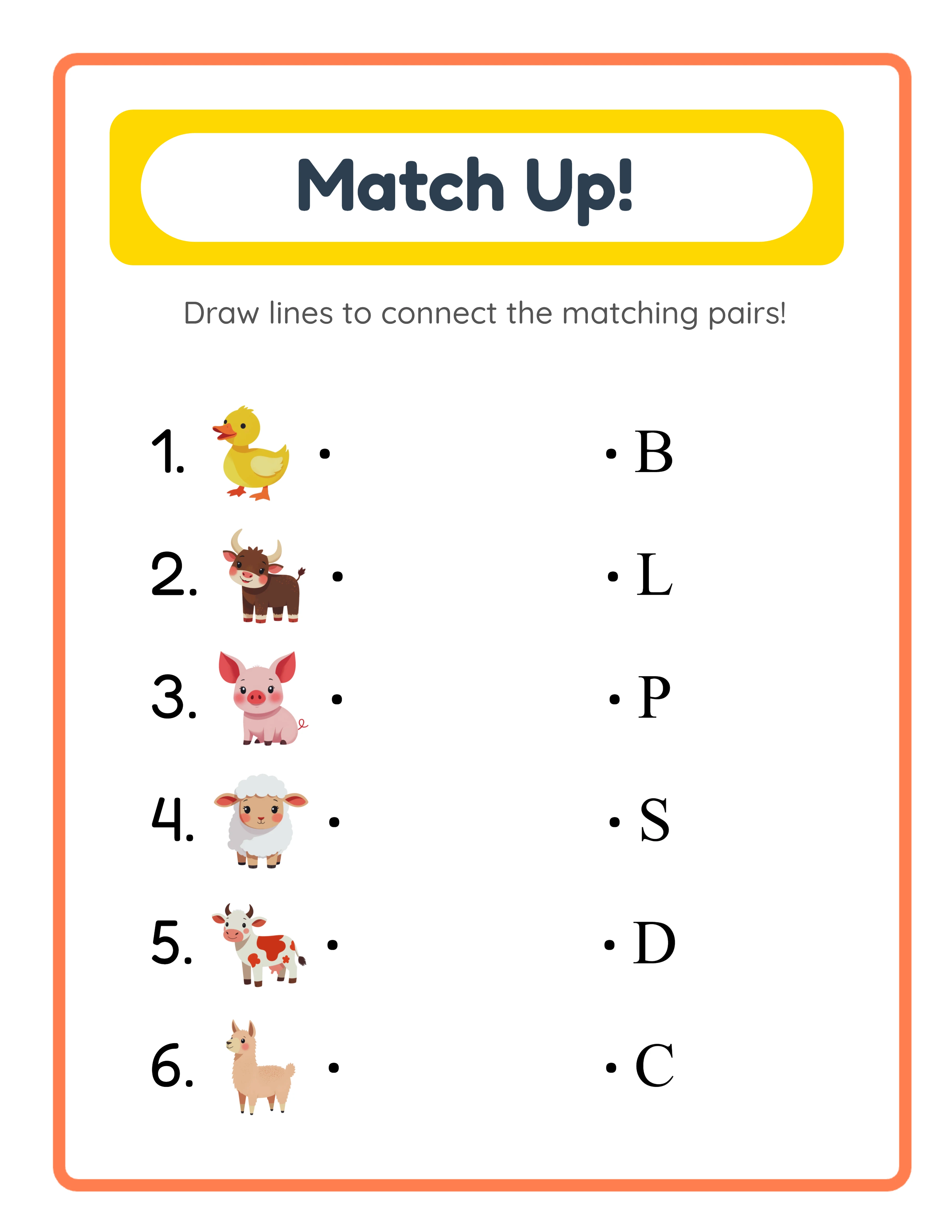
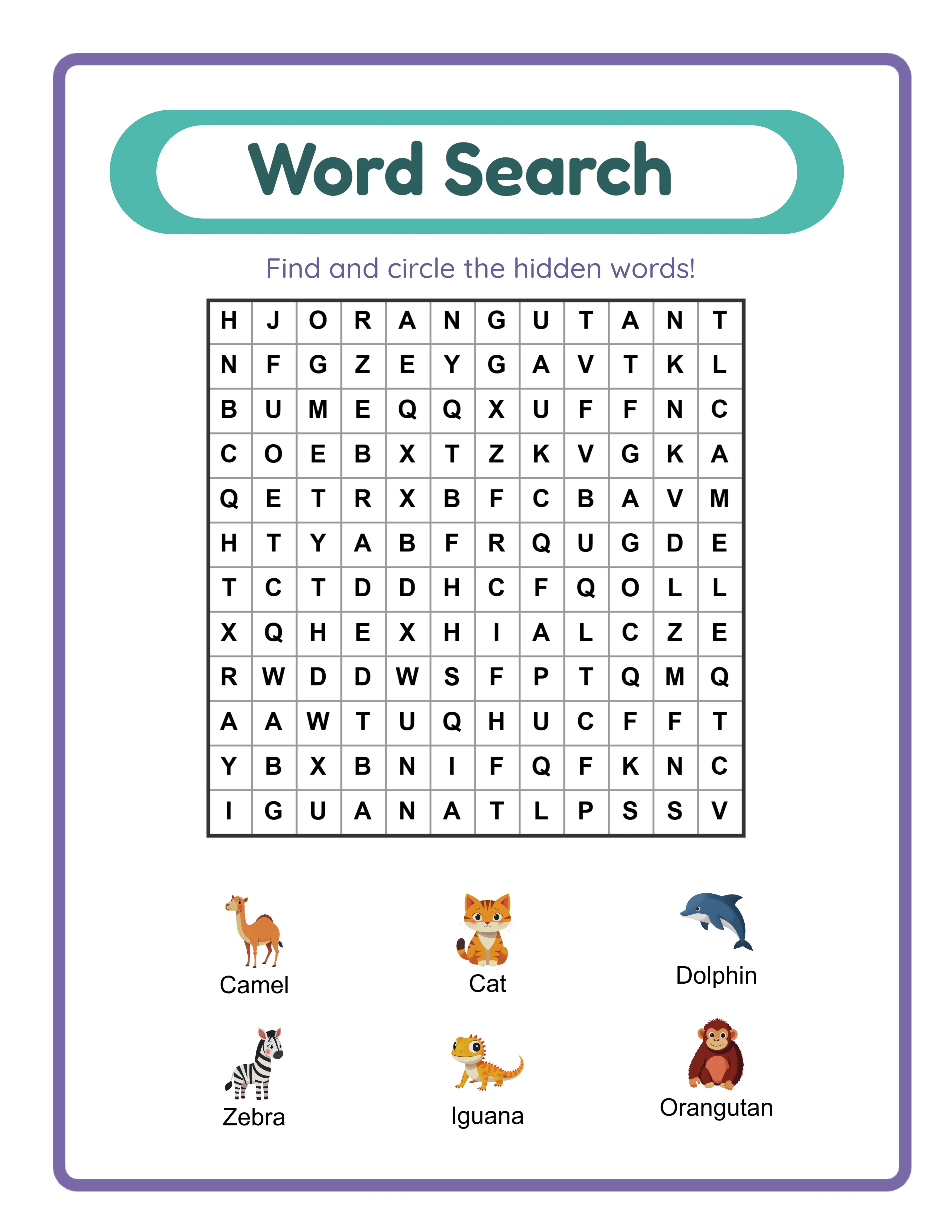
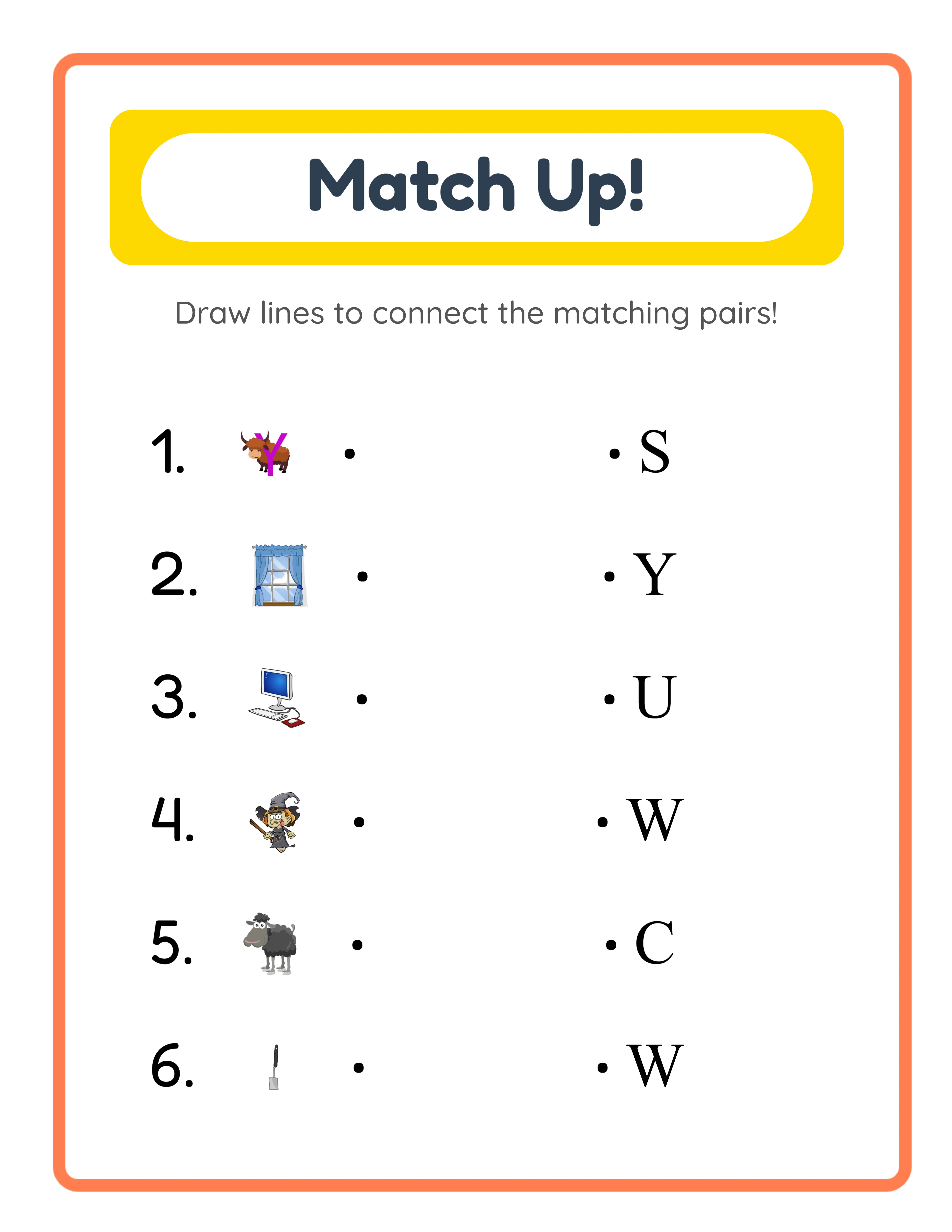
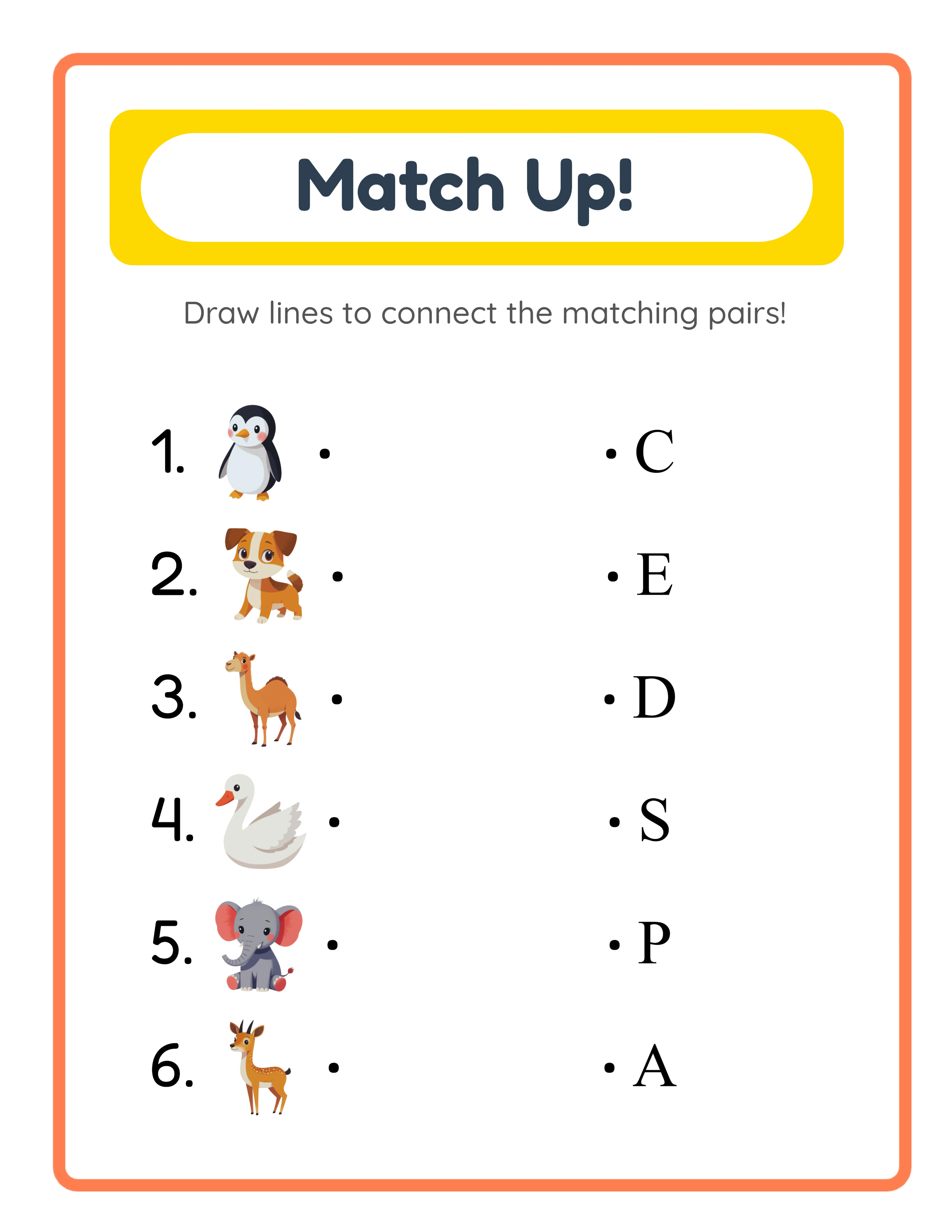
Create a product grid to visualize your entire line. A product grid maps one dimension against another to identify every possible product in your line. For a math product line, the horizontal axis might list subjects (addition, subtraction, multiplication, number sense, word problems) and the vertical axis might list difficulty levels (single digit, double digit, triple digit, mixed operations). Each cell in the grid represents one potential product. For a themed product line, the horizontal axis might list activity types (coloring pages, word searches, matching worksheets, tracing activities) and the vertical axis might list themes (animals, vehicles, food, nature, community). This grid immediately shows you the full scope of your product line and helps you identify which products to create first.
Determine your minimum viable line size. A product line needs enough products to demonstrate coherence without requiring months of upfront creation. For most printable niches, 6 to 8 products is the minimum viable line — enough to fill out a store section, show clear visual consistency, and offer buyers meaningful choice within your line. Fewer than 6 products and your "line" looks like a small random assortment. More than 8 products before your first sales means you are investing significant time before validating market demand. Plan your full grid of 20 to 40 potential products, but target 6 to 8 for your initial launch.
Map product relationships within your line. Some products in your line will be complementary (addition and subtraction worksheets work together as math pairs). Some will be progressive (single-digit addition leads to double-digit addition leads to triple-digit addition). Some will be parallel (animal-themed coloring pages and vehicle-themed coloring pages serve the same function with different content). Understanding these relationships guides your product descriptions, cross-selling strategy, and bundle creation. Document which products naturally pair with which others and which products serve as entry points versus advanced options.
Identify your anchor products. Every product line has 2 to 3 anchor products that generate the most sales, attract the most traffic, and serve as the primary entry points for new buyers. These are typically the most universally needed products in your niche — basic addition worksheets in a math line, animal coloring pages in a themed line, or sight word activities in a literacy line. Plan to create your anchor products first because they will validate your line's market appeal and drive traffic that exposes buyers to the rest of your catalog.
Plan for bundling from the start. Knowing that you will eventually bundle products should influence how you structure your line. Products within the same subject, grade, or theme should be designed as standalone items that also work together as components of a larger collection. Consistent formatting, complementary content coverage, and compatible page layouts make future bundling seamless. Planning bundle-ready products from the start saves significant rework later.
4
Establish Visual Consistency Across Your Line
Visual consistency is what transforms a collection of individual worksheets into a recognizable product line. When every product in your catalog shares the same design language, buyers develop immediate visual recognition that builds trust and drives repeat purchases.
Define a consistent header and footer template. Your header should appear on every worksheet page in your line with the same font, size, color, and placement. Include your series name or brand name, the worksheet title, and the difficulty level or grade designation. Your footer should include a page number, a copyright notice, and optionally a website URL. This header-footer framework creates a visual "frame" that makes every worksheet in your line immediately identifiable as part of the same collection. The worksheet generators apply consistent header formatting automatically, so worksheets created with the same settings maintain this uniformity.
Establish a color palette and stick to it. Select 2 to 3 primary colors that will appear across all products in your line — in headers, borders, accent elements, and cover pages. Use a neutral background (white or very light cream) for worksheet content areas to maintain print-friendliness. Your color palette becomes a visual signature: buyers who recognize your distinctive blue-and-green headers or your characteristic orange accent borders will spot your products in search results before reading the title. Avoid the temptation to use different colors for different products — consistency is more valuable than variety in building brand recognition.
Standardize your layout structure. Decide on consistent margins, column layouts, instruction placement, and spacing for all products in your line. If your addition worksheets place instructions at the top center in a shaded box, your subtraction worksheets and word problem worksheets should do the same. If your coloring pages use a thick decorative border, all coloring pages in your line should use the same border style. When a buyer opens any product from your line, the structural familiarity should feel like returning to a well-organized system rather than encountering a new format.
Create consistent cover pages for every product. Each product in your line should have a cover page that follows the same template: your brand or series name at the top, the product title in the same font and position, a visual preview of the contents, and key details (page count, grade level, subject) in the same location. When a buyer browses your store and sees 15 cover pages that all follow the same template but with different titles and preview content, the visual unity communicates professionalism and organization that random cover designs cannot match.
Maintain instruction consistency across product types. The way you write instructions should follow the same pattern in every product. If your addition worksheets say "Solve each problem and write your answer in the box," your subtraction worksheets should say "Solve each problem and write your answer in the box" — not "Complete the following subtraction exercises." Consistent instructional language reduces confusion for solvers who use multiple products from your line and reinforces the sense that all products are part of one unified system.
5
Create a Naming Convention That Builds Recognition
Your naming convention is a strategic tool that serves three functions simultaneously: it helps buyers find your products through search, it communicates what each product contains, and it builds brand recognition that distinguishes your products from competitors. A strong naming convention makes your entire product line feel intentional and organized.
Choose a series name that anchors your entire line. A series name appears in every product title and creates instant association between products. Examples: "Math Masters: Addition Practice," "Math Masters: Subtraction Foundations," "Math Masters: Number Sense Activities." The repeated "Math Masters:" prefix tells buyers that these products belong together, were created by the same seller, and follow the same quality standards. Choose a series name that is short (2 to 3 words), descriptive of your niche, and memorable. Avoid generic names like "Worksheet Pack" that dozens of competitors might also use.
Follow a consistent title structure across all products. Define a template for product titles and apply it uniformly. A strong template might be: "[Series Name]: [Product Type] — [Specific Focus] | [Grade Level]." Applied consistently: "Math Masters: Practice Worksheets — Single-Digit Addition | Grades 1–2," "Math Masters: Practice Worksheets — Double-Digit Subtraction | Grades 2–3," "Math Masters: Activity Pages — Number Patterns | Grades 1–3." This uniform structure makes it easy for buyers to scan your catalog and understand exactly what each product covers without reading descriptions.
Incorporate search-relevant keywords naturally into your naming pattern. Your product titles should include the terms buyers actually search for: "addition worksheets," "coloring pages for kids," "word search printable," "matching activity preschool." Research which keywords drive the most search traffic in your niche and ensure your naming convention incorporates them. A product titled "Math Masters: Addition Worksheets — Single Digit with Answer Keys | Grade 1" captures searches for "addition worksheets," "single digit addition," "grade 1 math," and "worksheets with answer keys" while maintaining your naming convention.
Use descriptive file names that extend your naming convention to downloads. Your naming convention should continue into the actual files buyers download. A file named "math-masters-addition-single-digit-grade1.pdf" reinforces your brand every time the buyer sees the file on their computer or in their download folder. Compare this to a file named "worksheet-3-final-v2.pdf," which communicates nothing about your brand, the contents, or the product line. Consistent file naming is a small detail that contributes to the overall impression of a well-organized, professional product line.
Differentiate within your naming convention using clear modifiers. As your product line grows, you need ways to distinguish between similar products without breaking your naming pattern. Use consistent modifier categories: difficulty (Beginner, Intermediate, Advanced), scope (Starter, Standard, Complete), format (Practice Pages, Activity Cards, Assessment Sheets), and theme (Animals Edition, Seasons Edition, Holiday Edition). These modifiers should always appear in the same position within your title template so buyers can quickly compare products and identify exactly what they need.
6
Build Products in Strategic Sequence
The order in which you create and launch products within your line significantly impacts early sales velocity, customer perception, and your ability to build momentum. Strategic sequencing means creating the right products first rather than starting with whichever product interests you most.
Launch with your highest-demand products first. Your initial products need to validate market demand and generate early sales that fund continued product development. Research which specific products in your niche have the highest search volume and purchase frequency. In math, basic addition and subtraction worksheets consistently have the highest demand. In literacy, sight word activities and letter tracing worksheets lead. In activity products, coloring pages and word searches are the most popular. Create these proven sellers first to establish your product line in the market before moving to more specialized products.
Create natural pairs and sets in your early releases. Launching two complementary products simultaneously is more powerful than launching one product alone. An addition worksheet pack and a subtraction worksheet pack released together immediately demonstrate that you are building a line, not listing random products. Buyers who find one product see the complementary product and often purchase both. These early pairs also give you your first cross-selling opportunities: each product description can reference the other.
Sequence by difficulty level to build a progressive catalog. After establishing your anchor products, expand by adding difficulty variations: single-digit addition, then double-digit addition, then addition with regrouping. This progression serves two purposes. First, it creates a natural upgrade path where buyers who finish one level need the next. Second, it signals to marketplace algorithms and buyers that your store offers comprehensive coverage rather than a single product at one difficulty level. Progressive depth is a hallmark of a serious product line.
Fill gaps before expanding breadth. Once you have 3 to 4 products in one subject or format, resist the temptation to jump to an entirely different subject. Instead, fill the obvious gaps in your existing coverage. If you have addition and subtraction worksheets, add word problems and number sense activities before branching into literacy products. Catalog depth in one area builds the authority and cross-selling potential that makes your product line valuable. A store with 8 math products looks like a math specialist worth bookmarking. A store with 2 math products, 2 literacy products, and 2 art products looks like a generalist with no particular strength.
Time new releases to maintain momentum. Rather than creating 10 products and launching them all at once, release products on a consistent schedule — one or two per week. Regular releases keep your store appearing active to marketplace algorithms (which often boost recently updated stores in search results), give you recurring opportunities to communicate with existing customers about new additions, and create a sense of a growing, evolving product line. Use the worksheet generators to maintain this release cadence efficiently, since they produce print-ready content that only needs listing creation to go live.
Use early sales data to guide your sequence. After your first 6 to 8 products are live, analyze which ones sell best and let that data influence what you create next. If your animal-themed products outsell your vehicle-themed products three to one, prioritize more animal content over more vehicle content. If double-digit addition outsells single-digit addition, your audience may skew toward higher grade levels — consider creating more advanced content sooner. Your product line structure should be a plan, not a rigid prescription. Adapt the sequence based on real market feedback.
7
Organize Your Product Line for Easy Navigation
A well-organized product line is one that buyers can navigate intuitively. When buyers visit your store and can immediately understand what you offer, find what they need, and discover related products, they purchase more and return more often. Disorganized stores with no clear structure lose buyers to confusion and frustration.
Create clear store sections that mirror your product line structure. Most marketplace platforms allow you to organize products into sections, categories, or collections. Structure these sections to match how buyers shop: by grade level ("Kindergarten," "First Grade," "Second Grade"), by subject ("Math," "Literacy," "Art"), by format ("Coloring Pages," "Word Searches," "Practice Worksheets"), or by theme ("Animals," "Seasons," "Holidays"). Choose the organizational method that matches your product line's primary structure. If you built a grade-level product line, organize by grade. If you built a subject-focused line, organize by subject.
Use your product line naming convention to enable visual scanning. When a buyer views your store page, they should be able to scan product titles and immediately understand the scope of your catalog. Consistent naming makes this possible: "Math Masters: Addition — Grade 1," "Math Masters: Subtraction — Grade 1," "Math Masters: Word Problems — Grade 1" reads as a clear, organized collection. Inconsistent naming like "Addition Fun Pack," "Subtraction Sheets for Kids," "Word Problem Adventures" reads as three unrelated products from three different sellers.
Cross-reference related products within every listing description. Every product description should mention 2 to 3 related products from your line: "This addition worksheet pack pairs perfectly with our Math Masters: Subtraction Foundations pack for complete first-grade math coverage. Both products are also included in the Math Masters: Complete First Grade Bundle." These references guide buyers toward additional purchases without feeling pushy because they provide genuinely useful information about how products work together.
Create a product line overview or catalog listing. Some sellers create a dedicated listing that serves as a guide to their entire product line — a visual catalog showing every product, how they relate to each other, and which bundles are available. This listing may not generate many direct sales, but it helps buyers understand your full offering and navigate to the specific products they need. Think of it as a store directory that makes your product line accessible to first-time visitors.
Optimize thumbnail images for catalog coherence. When a buyer views your store page, they see a grid of product thumbnails. If every thumbnail follows your visual identity — same color palette, same layout structure, same font for the product title — the grid looks like a curated collection from a professional seller. If thumbnails have different styles, colors, and layouts, the grid looks chaotic regardless of individual product quality. Design your thumbnail template once and apply it to every product in your line.
Make bundle relationships obvious. If your product line includes both individual products and bundles, make it easy for buyers to understand which individual products appear in which bundles. Include a "Bundles" section in your store, reference the relevant bundle in each individual product listing, and clearly list the bundle contents so buyers can determine whether the bundle or individual purchase better fits their needs. Clear bundle-to-product relationships prevent buyer confusion and reduce support inquiries about duplicate purchases.
8
Expand Your Product Line Systematically
A product line is never truly finished, but it should grow deliberately rather than randomly. Systematic expansion means adding products that strengthen your line's value proposition, fill genuine gaps, and respond to demonstrated buyer demand — not adding products simply because you can.
Expand by theme variation first. Once you have a product type that sells well (addition worksheets, coloring pages, word searches), create the same product type in different themes. If your animal-themed addition worksheets sell well, create vehicle-themed, food-themed, and nature-themed versions using the same worksheet structure. Theme variations are the easiest expansion because the format and difficulty stay the same — only the visual content changes. The worksheet generators make theme variations particularly efficient because you can produce worksheets with different image themes while maintaining identical formatting and structure.
Expand by difficulty level next. After covering multiple themes at one difficulty level, add the next difficulty level across your existing themes. If you have single-digit addition in 4 themes, add double-digit addition in those same 4 themes. This expansion deepens your catalog for buyers who have completed the easier level and need progression. It also creates natural upgrade paths: the buyer who finished your single-digit animal addition pack sees the double-digit animal addition pack as the obvious next purchase.
Expand by format or activity type to add variety. Once you have depth in your primary format, introduce a complementary format that serves the same audience. If your line started with practice worksheets, add matching activities, coloring pages, or word searches that cover the same subjects and themes. New formats attract buyers who prefer different activity types while keeping them within your product line ecosystem. A buyer who does not enjoy traditional practice worksheets might engage enthusiastically with word search puzzles covering the same vocabulary.
Expand by grade level to grow your addressable market. Moving from first-grade math to kindergarten math or second-grade math opens your line to entirely new buyer segments while leveraging your existing brand recognition and product templates. Grade-level expansion is particularly powerful because many buyers (parents, homeschoolers, schools) need resources across multiple grade levels and strongly prefer purchasing from a seller they already trust. A parent who bought your first-grade math line for their older child will buy your kindergarten line for their younger child if it exists.
Know when to consolidate rather than expand. There is a point where adding more products to your line delivers diminishing returns. If your 30th animal-themed worksheet generates a fraction of the sales that your 10th one did, the market for animal-themed content in your niche may be saturated. Signals that you should consolidate rather than expand include: declining sales per new product, increasing competition in your niche, buyer feedback requesting improvements to existing products rather than new products, and difficulty differentiating new products from existing ones. At this point, focus on optimizing existing products, creating bundles from your catalog, and improving your listing quality rather than adding more products.
Track expansion metrics to guide decisions. For every new product you add to your line, measure its first-month sales, its impact on related product sales (did complementary products see a lift?), and its contribution to average order value. Products that sell well individually AND boost related product sales are the strongest additions to your line. Products that sell well individually but cannibalize related products may need repositioning. Products that sell poorly may indicate a gap in demand rather than a gap in your catalog. Let data guide your expansion roadmap rather than assumptions about what buyers should want.