Tutorial
1
Start with Marketplace Search Data
The most direct source of niche research data is the marketplace where you plan to sell. Marketplace search reflects what real buyers are actively looking for, making it the most reliable starting point for identifying niches with genuine demand.
Begin with auto-complete research on your target marketplaces. Open Etsy, Amazon, or Gumroad and start typing broad terms related to printable worksheets. When you type "math worksheets" into Etsy search, the auto-complete suggestions reveal what buyers frequently search for: "math worksheets first grade," "math worksheets kindergarten," "math worksheets multiplication," and so on. Each auto-complete suggestion represents a search phrase used by enough buyers that the marketplace considers it worth suggesting. Document every relevant auto-complete suggestion across multiple broad starting terms — "worksheets," "printable activities," "educational printables," "learning sheets," "practice pages" — to build a comprehensive list of buyer-validated search phrases.
Analyze the search results for each promising phrase. When you search for "first grade addition worksheets" on Etsy, examine the first two pages of results carefully. Count how many listings appear. Note how many reviews the top-selling listings have accumulated. Check the pricing range across the first page of results. Look at the publication dates of listings to understand whether this is a niche dominated by established sellers or one where newer listings can compete. A niche where the top 10 results all have over 1,000 reviews presents a different competitive challenge than one where the top results have 50 to 200 reviews.
Pay attention to what is missing from search results as much as what appears in them. If you search for "Spanish math worksheets for kindergarten" and find only a handful of relevant results among many irrelevant ones, you have identified a potential gap. Buyers are searching for this specific product, but the marketplace does not have enough relevant options to fill a full results page. These gaps represent immediate opportunities because the demand signal exists (the search phrase auto-completes) but the supply is insufficient.
Compare search depth across different niche variations. "Addition worksheets" may show 10,000 results while "clock reading worksheets" shows 800 results. Both may have strong buyer demand, but the competitive landscape differs dramatically. Niches with fewer competing listings give new sellers a better chance of appearing in search results and gaining initial traction. The ideal niche combines demonstrable search demand with a manageable number of competitors — not so few competitors that demand is questionable, but not so many that breaking through is unrealistic for a newer seller.
2
Analyze Keyword Demand and Search Volume
Marketplace auto-complete tells you what people search for, but it does not tell you how many people search for each phrase. Quantifying search demand helps you prioritize niches based on the actual size of the buyer audience rather than subjective impressions.
Use Google Trends to compare relative search interest across niche candidates. Enter two or three niche keywords simultaneously — such as "addition worksheets," "sight word worksheets," and "handwriting practice sheets" — to see how their search volumes compare over time. Google Trends does not show absolute search numbers, but the relative comparison reveals which niches attract more consistent search attention. A keyword showing steady interest over five years indicates evergreen demand, while one showing sharp spikes and drops indicates seasonal or trend-driven demand. Both patterns can be profitable, but they require different product strategies.
Examine search trends for seasonal patterns that inform product timing. Many educational printable niches show predictable seasonal cycles: strong demand in August through September (back to school), a secondary peak in January (new semester), and a summer dip with a recovery in May through June (end-of-year review and summer learning). Understanding these patterns helps you time product launches to align with demand peaks and set realistic revenue expectations during slower periods. Niches with minimal seasonal variation — like basic math practice — provide more consistent monthly revenue, while highly seasonal niches — like holiday-themed worksheets — require planning around demand windows.
Look for long-tail keyword opportunities that reveal specific, underserved niches. The broad keyword "math worksheets" faces enormous competition. But longer, more specific variations like "two-digit addition with regrouping worksheets" or "skip counting by 5 worksheets for first grade" target narrower audiences with more specific needs. These long-tail niches often have less competition because most sellers target broad keywords, yet the buyers searching for specific long-tail phrases have high purchase intent because they know exactly what they need. A portfolio of products targeting 20 to 30 specific long-tail niches often outperforms a single product targeting one broad keyword.
Track keyword trends over multiple months rather than making decisions based on a single data point. A keyword might show high search volume during one month because of a temporary factor (a viral social media post, a curriculum change announcement) that does not represent sustained demand. Monitoring trends over three to six months gives you confidence that the demand you are seeing is genuine and durable rather than a momentary spike. Bookmark your target keywords in Google Trends and check them monthly to verify that demand patterns remain consistent before committing significant production resources.
3
Study Competitor Products and Pricing
Competitor analysis reveals what buyers in a niche actually purchase, what they value most, and where existing products fall short. This information is more actionable than any amount of abstract market research because it shows you real buyer behavior and real product performance.
Identify the top 10 to 15 sellers in each niche you are researching. On Etsy, sort search results by "Top customer reviews" or "Bestselling" to find the established leaders. On Amazon KDP, look at the bestseller rankings within relevant subcategories. On Gumroad, sort by popularity. Document each top seller's product range, pricing, review count, and how long they have been active. This competitive landscape map shows you who you would be competing against and how they have built their position.
Analyze what makes top-performing products successful by reading their reviews carefully. Buyer reviews reveal exactly what customers value: "I love that answer keys are included," "The difficulty progression is perfect for my first grader," "Clear formatting that prints well," "Great variety of problems on each page." These positive review themes tell you what features and qualities your products must include to compete effectively. Equally valuable are negative reviews on competing products: "Too few pages for the price," "No answer key included," "Too easy for the stated grade level," "Poor print quality." These complaints identify specific ways you can differentiate your products by addressing buyer frustrations that existing sellers have not resolved.
Map the pricing landscape to understand what buyers are willing to pay. Document the price points of the top 20 search results for each niche keyword. Calculate the average price, identify the price floor (below which products appear low quality) and price ceiling (above which products struggle to convert). A niche where top products sell for $6 to $12 with strong review volumes indicates buyers value quality and are willing to pay for it. A niche where nearly everything is priced under $3 may indicate a race to the bottom where margins are too thin for sustainable profitability. Pricing data also informs your own pricing strategy — you want to price within the range that buyers expect while positioning your products as good value for the quality offered.
Look for competitive gaps in product quality, format, or features. If every competing math worksheet product uses plain black-and-white layouts with no visual engagement, there is an opportunity for products that include themed images and more appealing designs. If competitors offer 10-page packs, a 30-page collection at a slightly higher price point may represent better perceived value. If no competitor in a niche includes answer keys, adding them is an easy differentiator. The goal is not to replicate what top sellers do, but to identify specific improvements that give buyers a concrete reason to choose your product over the established alternatives.
4
Identify Underserved Market Gaps
Market gaps are niches where buyer demand clearly exists but the available products are either insufficient in quantity, inadequate in quality, or absent entirely. Finding these gaps is the highest-value outcome of niche research because they represent opportunities where new sellers can gain traction quickly without competing head-to-head against entrenched competitors.
Search for niches where buyer demand signals are strong but product supply is weak. The clearest indicator is a marketplace search that returns many irrelevant results alongside a few relevant ones. When "telling time worksheets for kindergarten" returns mostly generic math worksheets or clock activities designed for older age groups, with only two or three kindergarten-specific results, buyers searching for that exact product are underserved. They have to scroll through irrelevant results or settle for products that do not quite match their needs. Creating a product that precisely matches that search intent gives you an immediate advantage in relevance.
Monitor buyer requests in forums, social media groups, and marketplace Q&A sections. Homeschool Reddit communities, parent Facebook groups, and printable seller forums are rich sources of unmet demand. When multiple people ask "where can I find bilingual Spanish-English addition worksheets?" or "does anyone know a good source for fine motor skills cutting practice sheets?" they are broadcasting demand that the marketplace has not adequately filled. These requests represent pre-validated niche opportunities because real people are actively searching for products that do not yet exist in sufficient quantity or quality.
Look for language gaps in otherwise saturated English niches. A niche like "addition worksheets" is highly competitive in English, with thousands of listings from established sellers. But the same niche in German, French, or Spanish may have dramatically fewer listings because most sellers operate exclusively in English. The educational need is identical regardless of language — German-speaking first graders need addition practice just as much as English-speaking ones. Using worksheet generators that support multiple languages, you can enter these underserved language markets with professional-quality products that face a fraction of the competition.
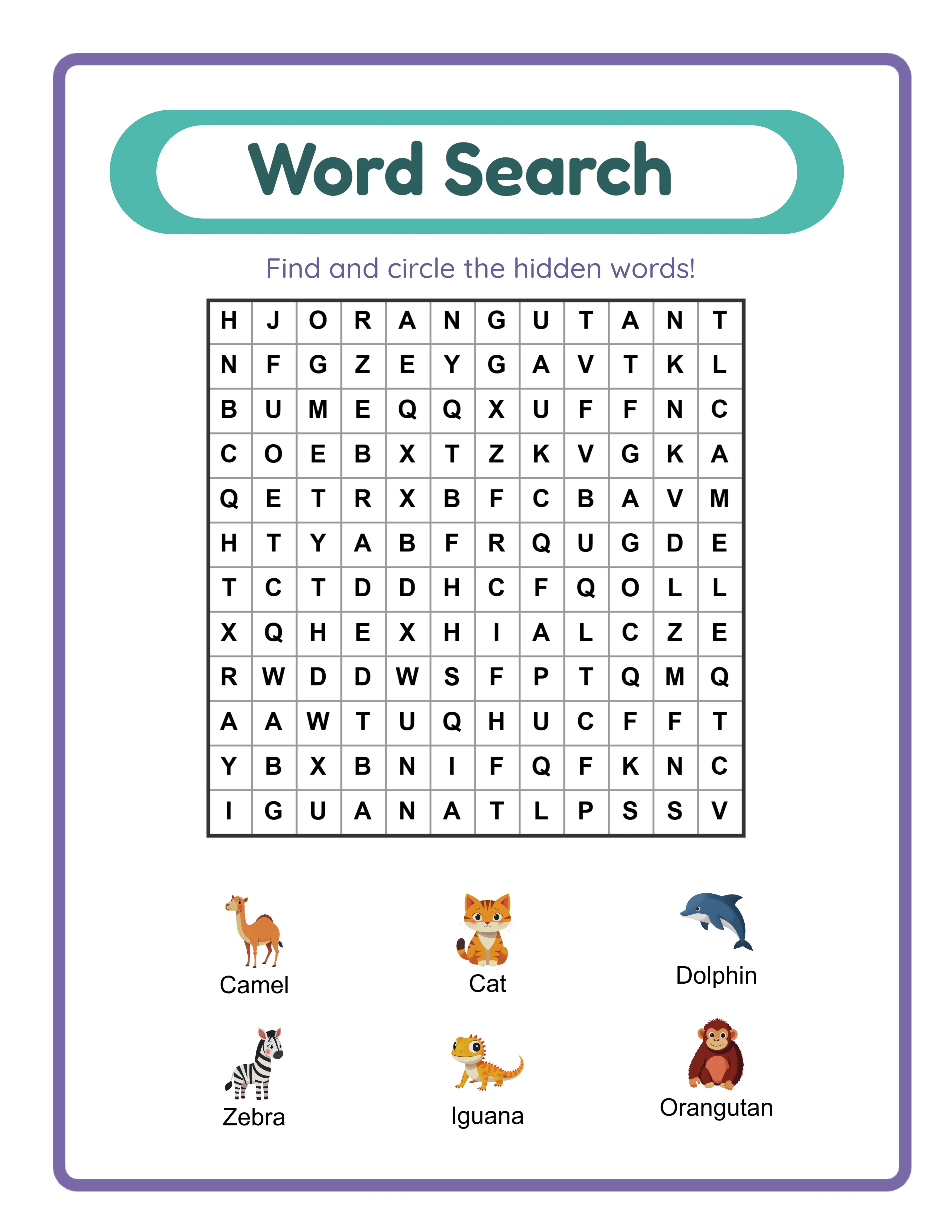
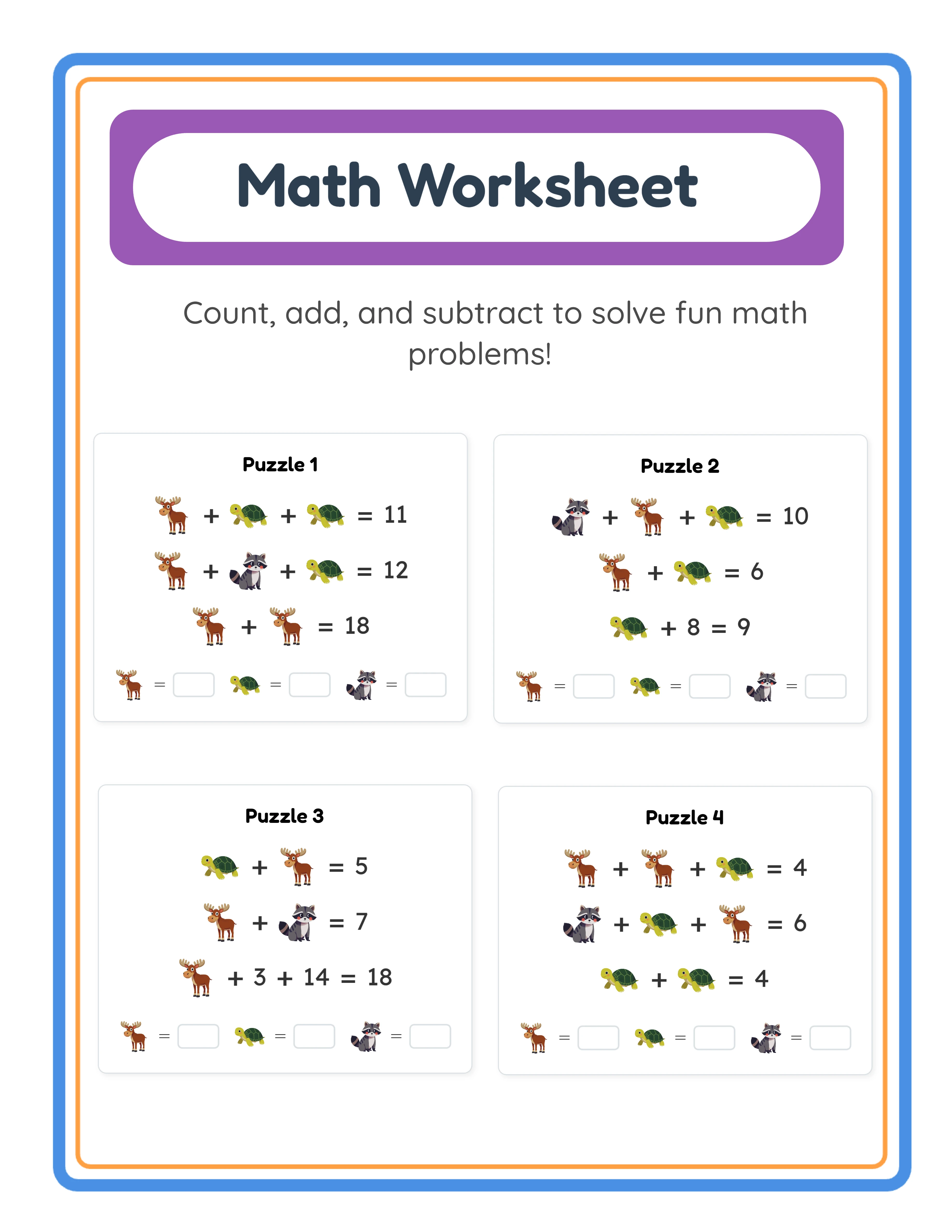
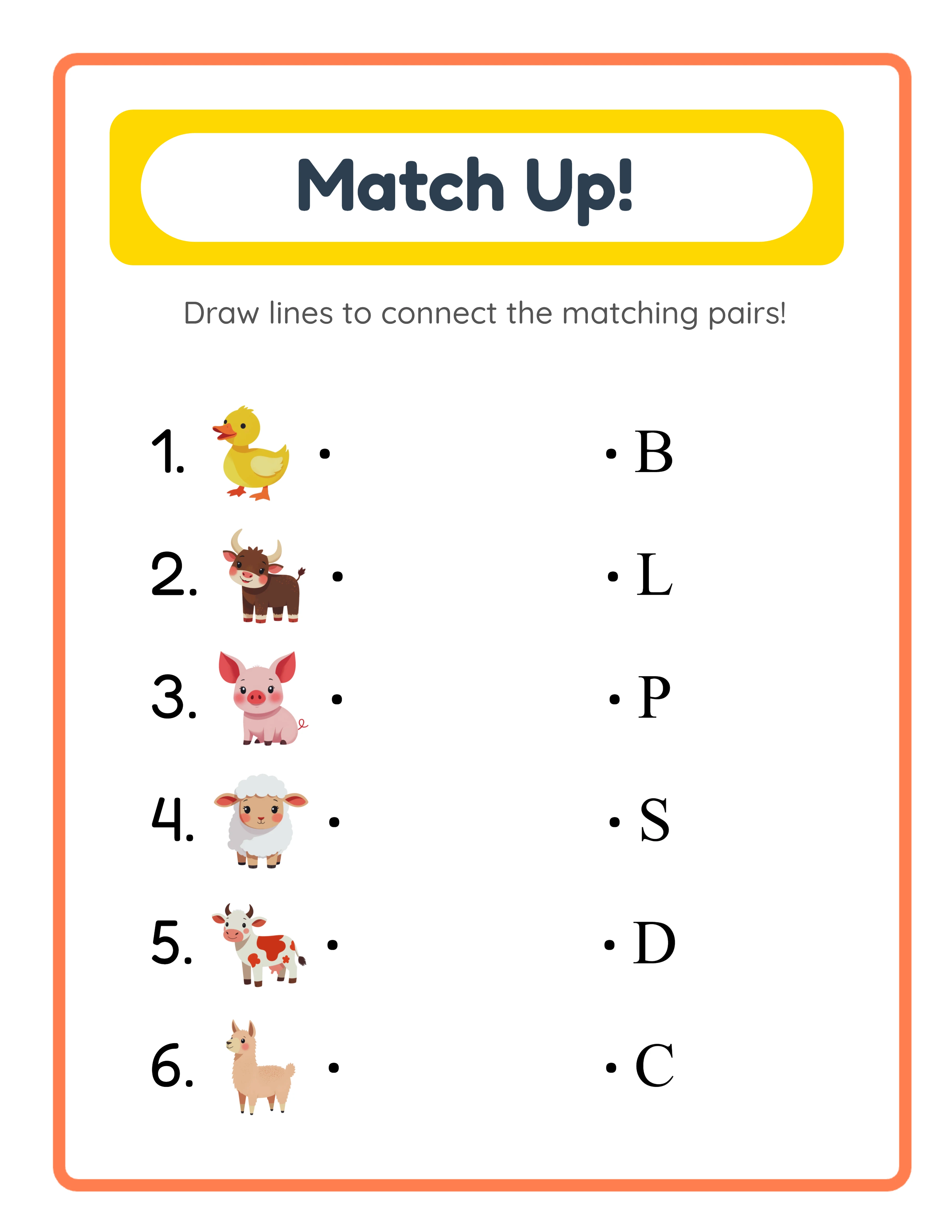
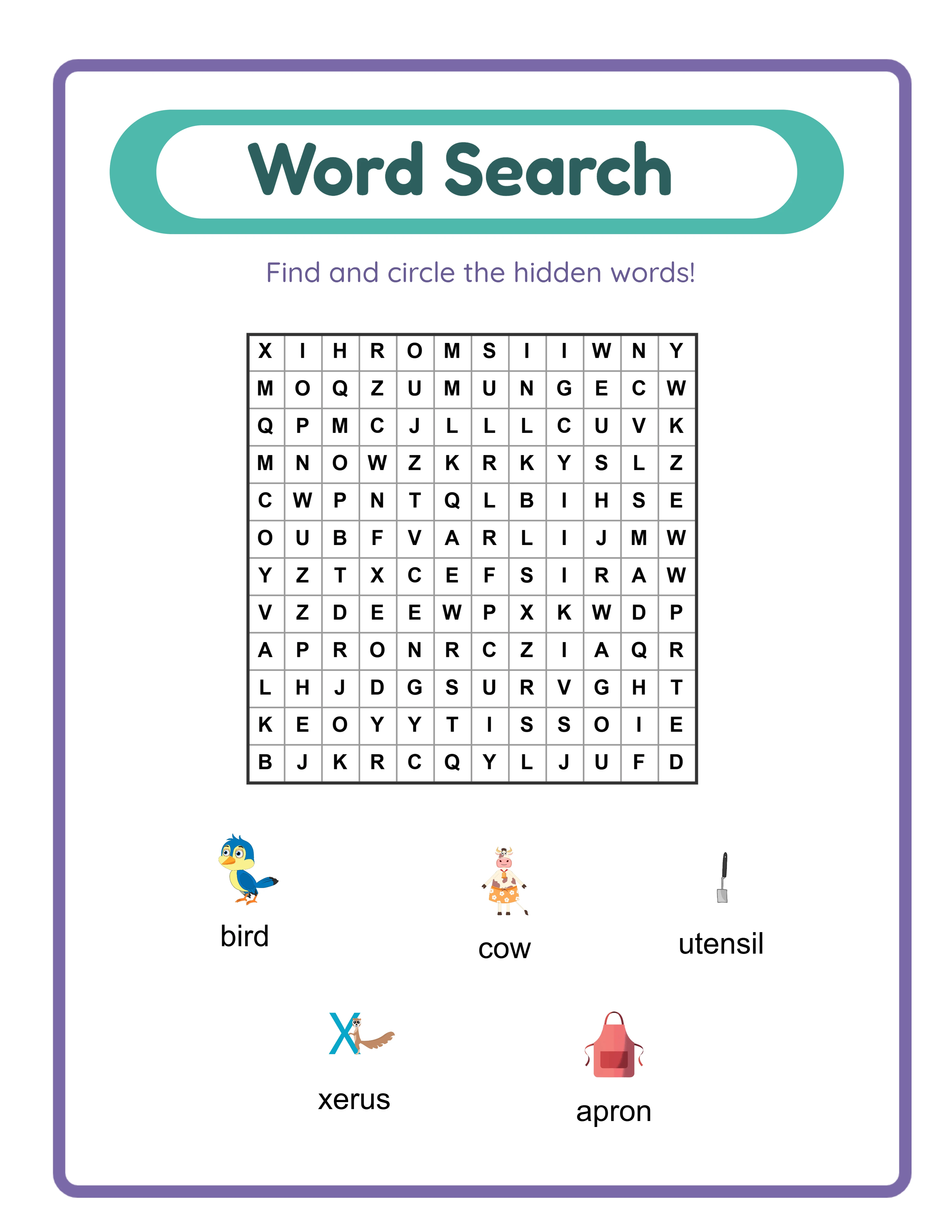
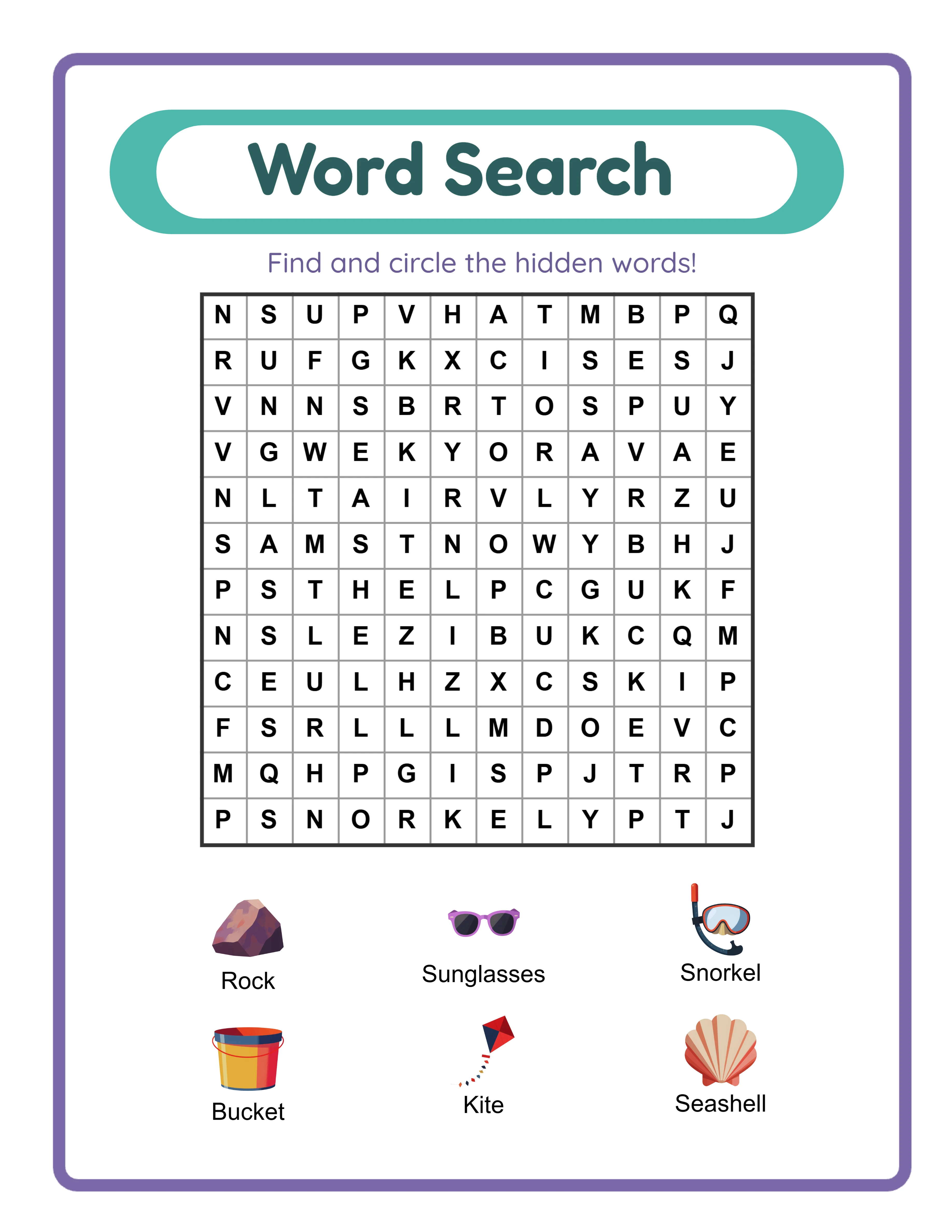
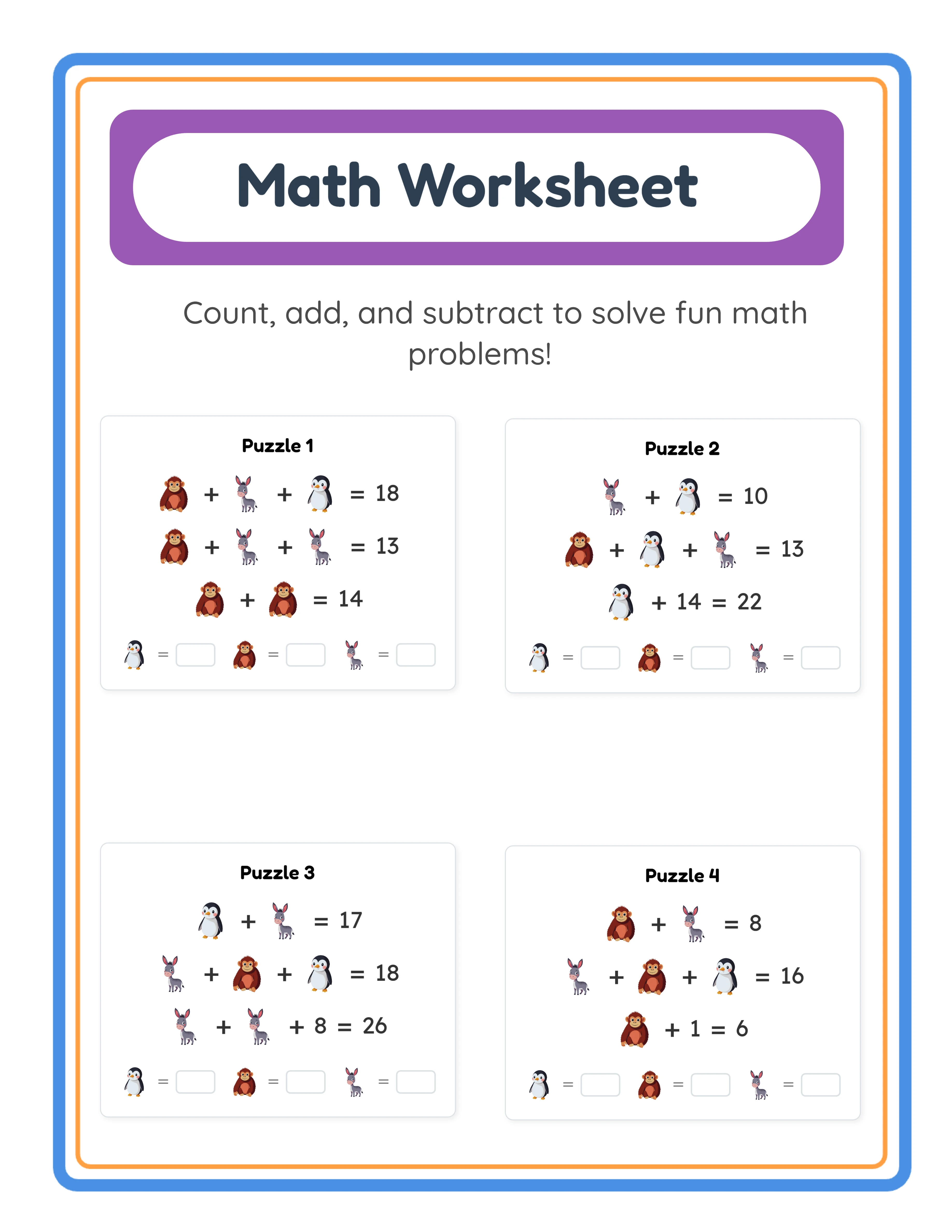
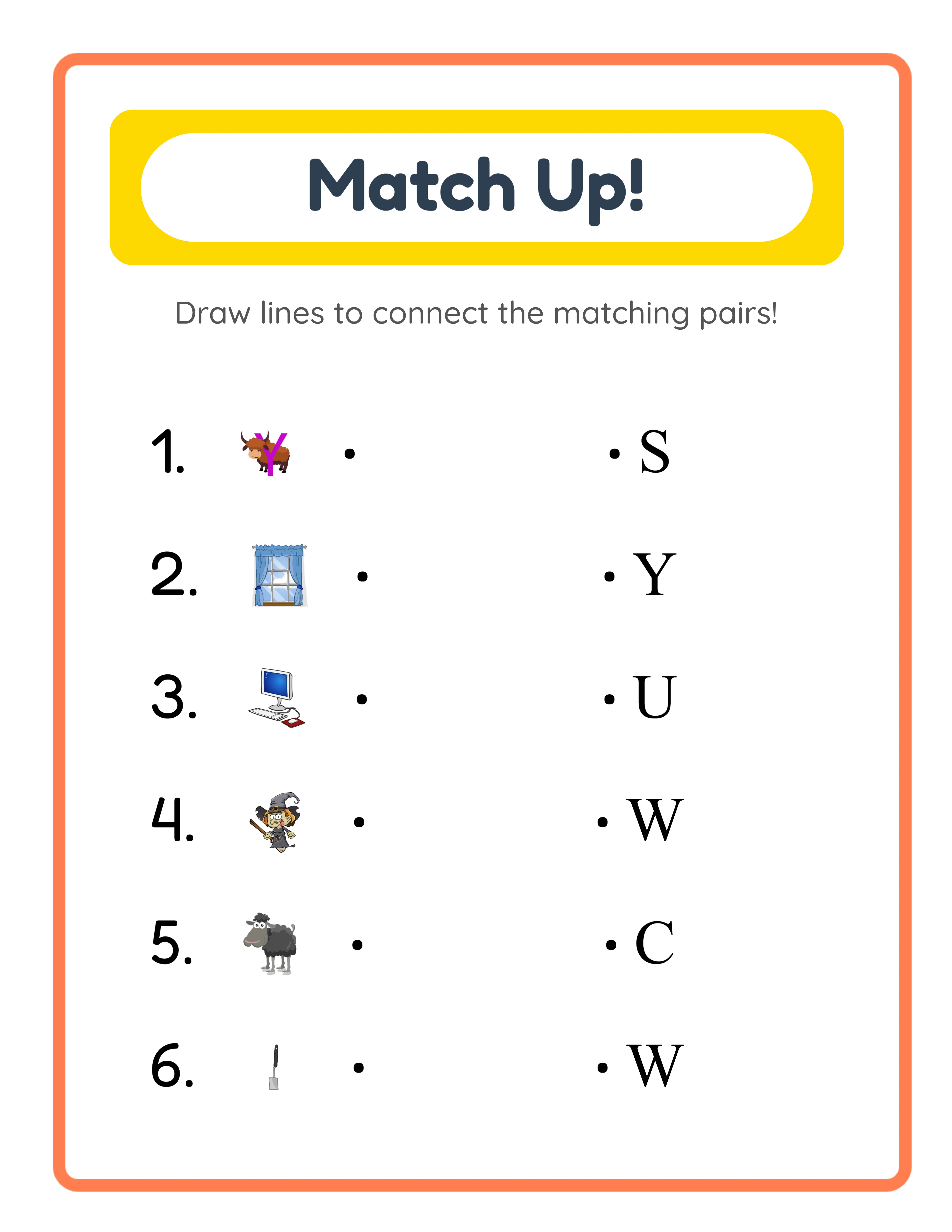
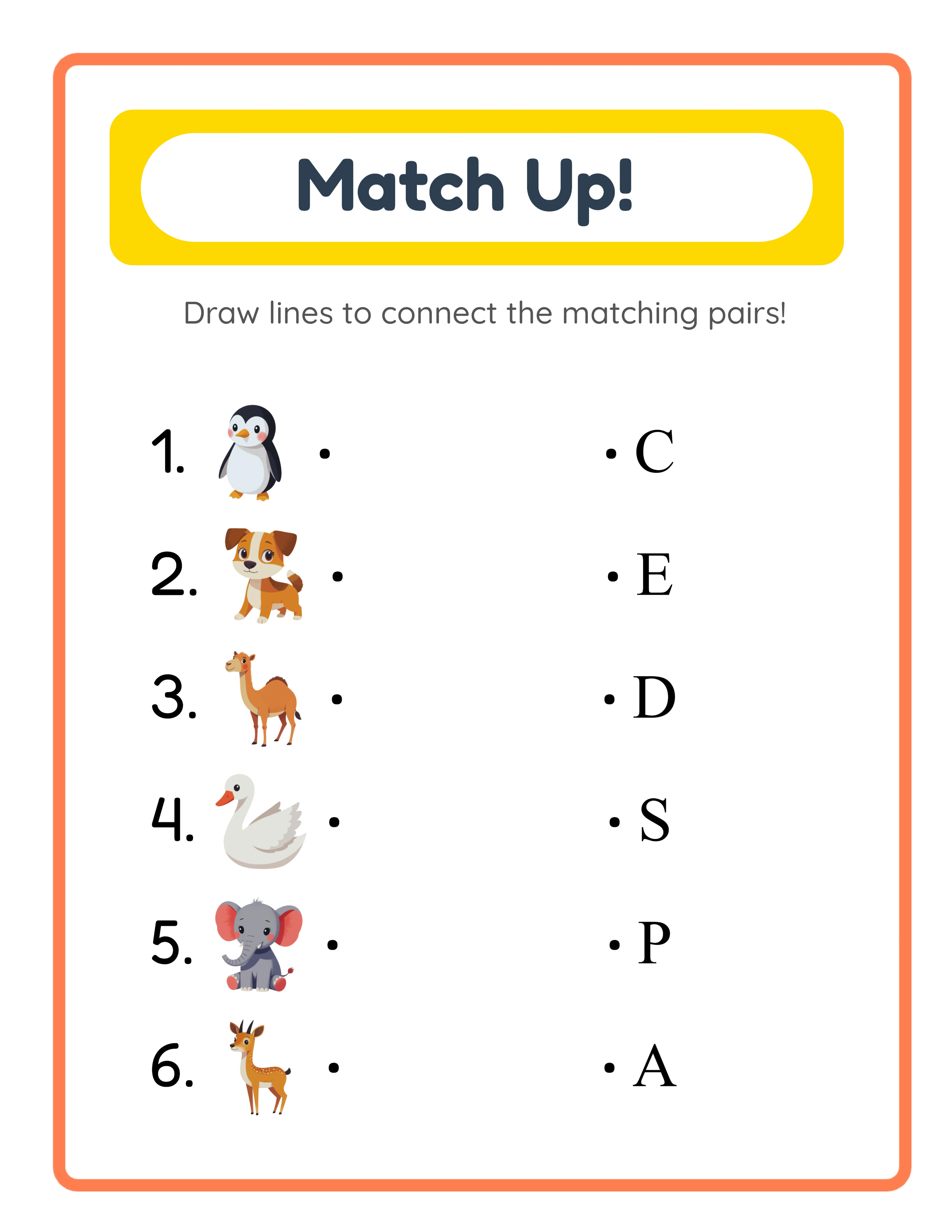
Identify gaps in product type combinations that buyers want but cannot easily find. Many buyers want themed worksheet bundles that combine multiple activity types — math worksheets, word searches, matching games, and coloring pages all with the same theme — but most sellers specialize in a single product type. A seller offering a comprehensive "Ocean Animals Learning Pack" combining four or five activity types serves a buyer need that no single-type seller addresses. These combination products fill genuine gaps because they solve the buyer's problem of assembling coherent themed resources from multiple sellers.
Validate every gap you identify before committing to production. A gap exists for a reason, and that reason is not always "nobody thought of it yet." Sometimes a gap indicates genuinely low demand rather than underserved demand. Verify by checking search auto-complete (if the marketplace suggests the search phrase, demand exists), reviewing Google Trends data for the topic, and looking for demand signals in forums and social media. A validated gap where you can confirm buyer demand exists but products are scarce or inadequate is one of the strongest positions a new seller can target.
5
Evaluate Niche Profitability Before Creating Products
Not every niche with buyer demand is worth pursuing. Profitability depends on the intersection of demand volume, achievable pricing, production costs (your time), and competitive dynamics. Evaluating profitability before creating products prevents you from investing hours in niches that cannot generate meaningful revenue.
Estimate potential monthly revenue for each niche candidate using available data. While exact marketplace sales numbers are not public, you can make reasonable estimates from observable data. A product with 500 reviews accumulated over two years likely sells roughly 10 to 20 units per month (assuming a 5% to 10% review rate). If that product is priced at $7, that represents $70 to $140 in monthly revenue from a single listing. If the top 5 products in a niche all show similar review accumulation rates, the niche supports at least $350 to $700 in monthly revenue across the top sellers. This tells you the revenue ceiling a well-performing product can reach in that niche.
Compare revenue potential against production time investment. A niche where products sell for $4 and you can create a competitive product in 20 minutes using a worksheet generator has a different profitability profile than a niche where products sell for $8 but require 3 hours of manual design work. Calculate your effective hourly return: if a product takes 30 minutes to create and generates $15 per month, that is $180 in first-year revenue from a 30-minute investment. If a product takes 3 hours to create and generates $25 per month, the first-year return per hour is lower despite the higher monthly revenue. Worksheet generators shift this calculation significantly in your favor because they reduce creation time to minutes for most product types.
Assess the competitive barrier to entry for each niche. Some niches have low barriers because the products are relatively simple and new listings can compete on price and relevance immediately. Others have high barriers because top sellers have accumulated thousands of reviews, extensive brand recognition, and deeply optimized listings that dominate search results. A niche with high revenue potential but insurmountable competitive barriers is less profitable for a new entrant than a moderate-revenue niche with achievable competition. Prioritize niches where you can realistically reach page one of search results within three to six months.
Factor in scalability across platforms and languages when scoring niche profitability. A niche that is moderately profitable on Etsy alone might be highly profitable when you factor in identical products listed on Amazon KDP, Gumroad, and in multiple languages. A math worksheet niche that generates $50 per month on Etsy could generate $150 or more per month when the same products are distributed across three platforms and two languages. Score niche profitability on total addressable revenue across all your planned distribution channels, not just the single platform where you start.
Create a simple scoring matrix to rank your niche candidates objectively. Score each niche on demand volume (1 to 5), competition level (1 to 5, where 5 means low competition), achievable pricing (1 to 5), production speed (1 to 5), and scalability (1 to 5). Total the scores and prioritize the highest-scoring niches. This prevents emotional attachment to niches that feel exciting but score poorly, and highlights niches that may seem less glamorous but have strong profitability fundamentals.
6
Test Demand with Minimum Viable Products
Theoretical research has limits. At some point, the only way to truly validate a niche is to put products in front of real buyers and observe what happens. Minimum viable product testing bridges the gap between research analysis and real-world marketplace performance.
Create three to five products in your top-priority niche using worksheet generators. The speed of generator-based creation makes this testing practical — you can produce a small test collection in one to two hours rather than days. These test products should be fully professional in quality because you are testing niche viability, not product quality. If a well-made product fails to sell in a niche, the issue is the niche. If a poorly made product fails, you cannot distinguish between niche problems and product quality problems. Use the generators to create products you would be proud to sell long-term. You can try any generator as a free trial with watermark to evaluate the output before purchasing a commercial license for marketplace-ready products.
List your test products with fully optimized listings. Write titles that include the primary search keywords for your niche. Create descriptions that address buyer needs. Use professional product images that accurately represent the content. Set prices within the competitive range you identified during your pricing analysis. Under-optimized listings produce misleading test results because poor performance could reflect listing quality rather than niche viability. Give your test products every advantage so that the results reflect niche potential accurately.
Allow 30 to 60 days for meaningful test data to accumulate. Marketplace algorithms need time to index and rank new listings. Buyer discovery happens gradually as your products appear in more search results. The first week may produce zero sales even in a strong niche because the listing has not gained enough visibility. By day 30, a product in a viable niche typically shows some combination of views, favorites, and initial sales. By day 60, you have enough data to make a confident decision about whether the niche justifies further investment.
Define success metrics before you start testing, not after. Decide in advance what performance level justifies scaling up production in a niche. For example: if test products generate at least 100 views and 2 sales within 60 days, the niche is worth expanding. If they generate views but no sales, the niche has traffic but your product or pricing needs adjustment. If they generate neither views nor sales, the niche lacks sufficient demand on that platform. Pre-defined metrics prevent the common mistake of rationalizing poor results or abandoning a niche prematurely based on emotional reactions rather than data.
Test multiple niches simultaneously to maximize your research efficiency. Instead of testing one niche for 60 days, then another for 60 days, launch test products in three or four niches during the same period. After 60 days, you have parallel data across all test niches and can compare their performance directly. This approach identifies your most promising niche in the same time it would take to validate a single one sequentially. The worksheet generators make this parallel testing approach practical because creating test products for multiple niches requires hours rather than weeks.
7
Track Seasonal and Trending Demand Patterns
Demand for educational printables is not constant throughout the year. Understanding the seasonal rhythms and emerging trends in your target niches allows you to time product launches for maximum impact and build a portfolio that generates revenue across all seasons.
Map the annual demand cycle for each niche in your portfolio. Most educational printable niches follow a predictable calendar: strong demand in August through September as parents prepare for the new school year, steady demand through the fall semester, a dip in late November through December (holiday distraction), a January bounce (new semester, new year resolutions for learning), consistent spring demand, and a summer pattern that varies by niche. Some niches like "summer learning worksheets" peak precisely when others dip. Knowing these patterns for your specific niches lets you plan production and marketing around demand peaks rather than against them.
Use Google Trends historical data to verify seasonal patterns with multi-year evidence. Search for your niche keywords and examine the five-year trend view. Consistent annual patterns that repeat across multiple years are reliable predictions for future demand. If "multiplication worksheets" shows a clear August peak every year for the past five years, you can confidently plan a product launch or listing refresh for July to capture the rising demand. Irregular patterns that differ year to year are less predictable and suggest the niche may be influenced by unpredictable external factors.
Monitor emerging trends that create new niche opportunities. Educational trends, curriculum changes, parenting movements, and social media virality can create new demand for specific worksheet types. When a homeschooling movement gains popularity, demand for home-education resources increases across all subjects. When a specific teaching methodology trends on social media, worksheets aligned with that method see temporary demand spikes. You do not need to chase every trend, but being aware of emerging demand signals lets you capitalize on opportunities before they become obvious to all sellers.
Build a portfolio that balances evergreen and seasonal niches. Evergreen niches like basic math operations and reading practice generate consistent monthly revenue regardless of the time of year. Seasonal niches like back-to-school bundles or holiday-themed worksheets generate concentrated revenue during specific periods. A portfolio weighted toward evergreen niches (70% to 80%) with selective seasonal additions (20% to 30%) provides both baseline stability and revenue peaks throughout the year. This balance ensures you earn during slow months while capitalizing on high-demand seasons.
Time product launches to precede demand peaks by four to six weeks. Marketplace algorithms need time to index new listings, and early reviews from initial buyers boost your product's visibility just as peak demand arrives. If back-to-school demand peaks in August, launch back-to-school products in late June or early July. If summer learning demand peaks in May, launch those products in March or April. This lead time ensures your products have accumulated some search ranking and reviews by the time the largest wave of buyers arrives.
8
Build a Research System for Ongoing Niche Discovery
Niche research is not a one-time project you complete before starting your business. Markets evolve continuously, buyer preferences shift, new competitors enter established niches, and previously overlooked opportunities emerge. The sellers who sustain long-term profitability are those who maintain an ongoing research practice that identifies new opportunities before they become obvious to everyone.
Establish a monthly research routine that fits your schedule and production capacity. Dedicate two to four hours per month specifically to niche research — not product creation, not listing optimization, but pure research into what buyers are searching for, what competitors are doing, and where market gaps are forming. This regular investment in research ensures you always have a pipeline of validated niche opportunities ready when you have production capacity available. Without a routine, research tends to happen only when existing products underperform, which is reactive rather than proactive.
Maintain a niche opportunity tracker where you record and evaluate potential niches over time. A simple spreadsheet works well: columns for niche name, demand evidence (search volume, auto-complete data, forum mentions), competition level, estimated pricing, profitability score, and current status (researching, testing, validated, rejected). This tracker prevents you from losing promising niche ideas and provides a historical record of what you have already evaluated. Over time, the tracker becomes a valuable strategic asset that reflects months of accumulated market intelligence.
Monitor your existing niche performance data to identify expansion opportunities. Your own sales data from tested and active niches is the most reliable research input available because it reflects actual buyer behavior on your specific products. If your addition worksheets sell well but your multiplication worksheets do not, that data informs your niche prioritization more accurately than any external research tool. Track monthly sales by niche and product type to identify which areas of your catalog deserve expansion and which are underperforming relative to the competition and demand data.
Set up alerts and monitoring for your key research inputs. Follow relevant parent and homeschool forums to spot emerging demand signals. Bookmark Google Trends comparisons for your target niches and check them monthly. Monitor top competitors to notice when they enter new niches or adjust their product strategies. These ongoing monitoring habits surface new information automatically rather than requiring you to remember to check each source manually.
Review and update your niche strategy quarterly based on accumulated data. Every three months, evaluate your niche portfolio holistically: which niches are growing, which are declining, which competitors have entered or exited, and what new opportunities have appeared in your tracker. This quarterly review is when you make strategic decisions about which new niches to test, which existing niches to expand, and which underperforming niches to deprioritize. A quarterly cadence provides enough data accumulation between reviews to make informed decisions without the paralysis of checking performance daily.
Share research insights across your product line to maximize the value of every discovery. A research finding about seasonal demand patterns in one niche often applies to related niches. A competitive gap identified in English may exist in other languages too. A pricing insight from one platform may inform strategy across all platforms. Build connections between individual research findings to develop a coherent market understanding that informs all your business decisions, not just individual product launches.