Tutorial
1
Understand Why Worksheets Generate Ongoing Revenue
Worksheets occupy a unique position in the digital product landscape because they combine evergreen demand with zero marginal cost and unlimited scalability. Understanding these characteristics is essential for building a revenue strategy that takes full advantage of them.
The demand for educational worksheets is tied to school calendars and child development milestones, both of which repeat predictably every year. First graders need addition practice every September. Kindergartners need letter recognition worksheets every school year. Parents search for summer learning activities every June. This cyclical, recurring demand means a worksheet you create today will attract buyers next year, the year after, and for years beyond that. Unlike fashion products or trending novelty items, educational worksheets do not go out of style because the underlying educational needs are permanent.
The marginal cost of each sale is effectively zero. Once you create a worksheet pack, every subsequent sale generates revenue without any additional production, shipping, or fulfillment cost. Whether you sell one copy or one thousand copies, your creation investment remains the same single session of work. This is fundamentally different from physical products where each sale requires materials, manufacturing, and shipping. With worksheets, the profit margin on the hundredth sale is identical to the profit margin on the first sale — minus only the marketplace fee percentage.
Digital delivery is automatic and works around the clock. Your worksheets are available for purchase at 3 AM on a Sunday in Tokyo, during lunch break in Berlin, and after school drop-off in Chicago. Every marketplace handles the download delivery automatically. You do not need to be awake, at your computer, or even aware that a sale occurred. This 24/7 availability across global time zones means your catalog generates revenue during hours you could never personally work.
The compounding nature of a worksheet catalog is perhaps its most powerful characteristic. Each new product you add to your catalog does not just generate its own sales — it increases the discoverability and credibility of your entire shop. Marketplace algorithms favor shops with larger, actively growing catalogs. Buyers who discover one of your products and find a deep catalog of related resources are more likely to make multiple purchases. Reviews accumulate across your product line, building trust that benefits every listing. Ten products earning $15 per month each produce $150 monthly. But adding 10 more products does not just add another $150 — the expanded catalog often increases sales of existing products too, because your shop appears more authoritative and more of your products surface in search results.
2
Build an Evergreen Product Catalog
The foundation of recurring worksheet revenue is a catalog built around timeless subjects rather than fleeting trends. Evergreen products generate consistent sales month after month, year after year, because the demand they serve never disappears.
Focus your catalog on core curriculum subjects that schools teach every year without significant changes. Addition, subtraction, multiplication, and division worksheets serve millions of buyers every school year. Letter recognition, phonics, and basic reading worksheets are needed by every new wave of parents shopping for early-learner content. These subjects do not change with curriculum fads or educational trends — users will need addition practice decades from now just as they do today. Building your catalog around these permanent needs ensures that your products remain relevant and sellable indefinitely.
Design products that align with the school year demand cycle. Back-to-school season (August through September) drives strong demand for fresh printable resources. January brings a second surge as buyers return from holiday break and need new materials for the spring semester. Summer months attract parents looking for supplemental practice to prevent learning loss. By creating products that serve these predictable demand peaks, you can anticipate sales patterns and plan your catalog growth around them. A worksheet pack created in July to capture back-to-school demand will capture that same demand wave every subsequent year.
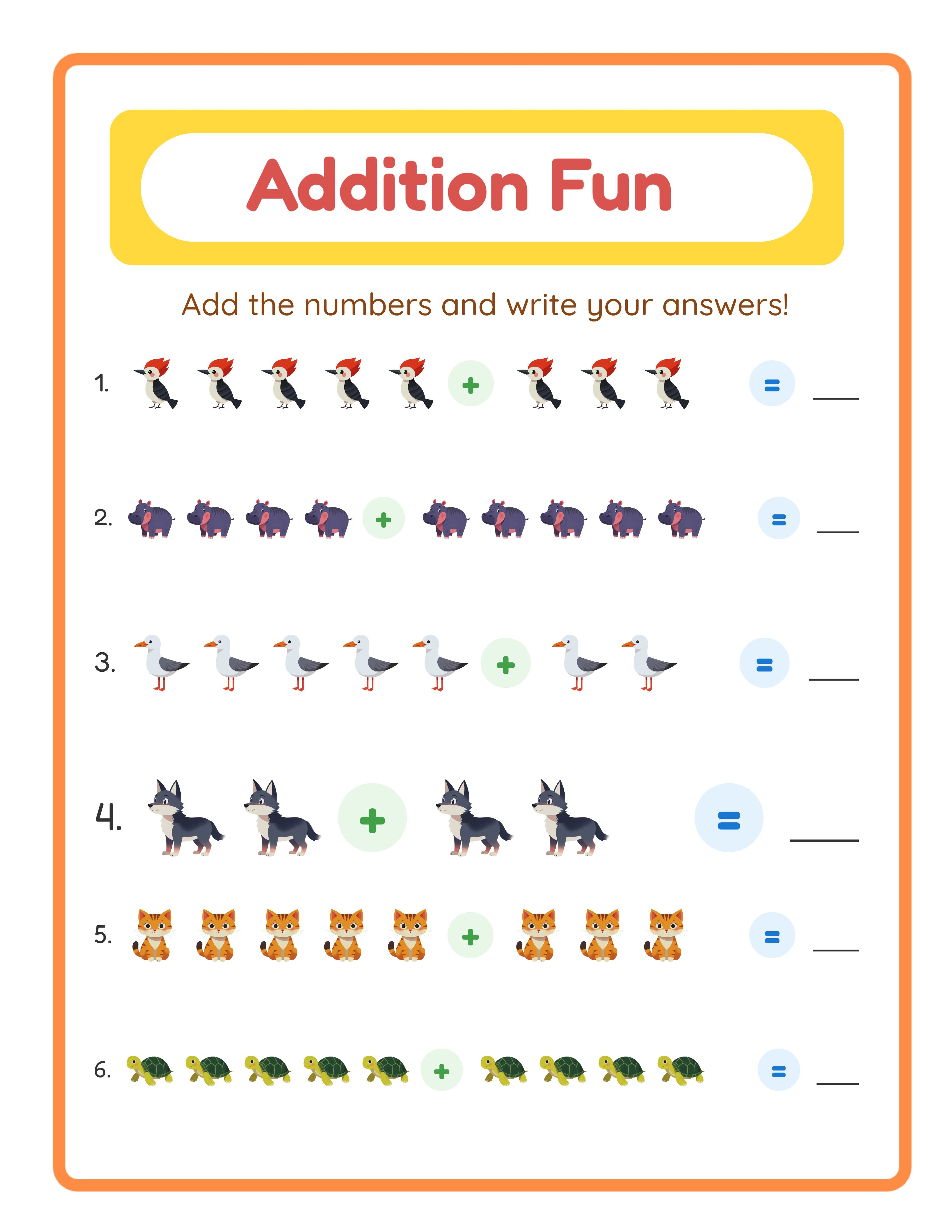
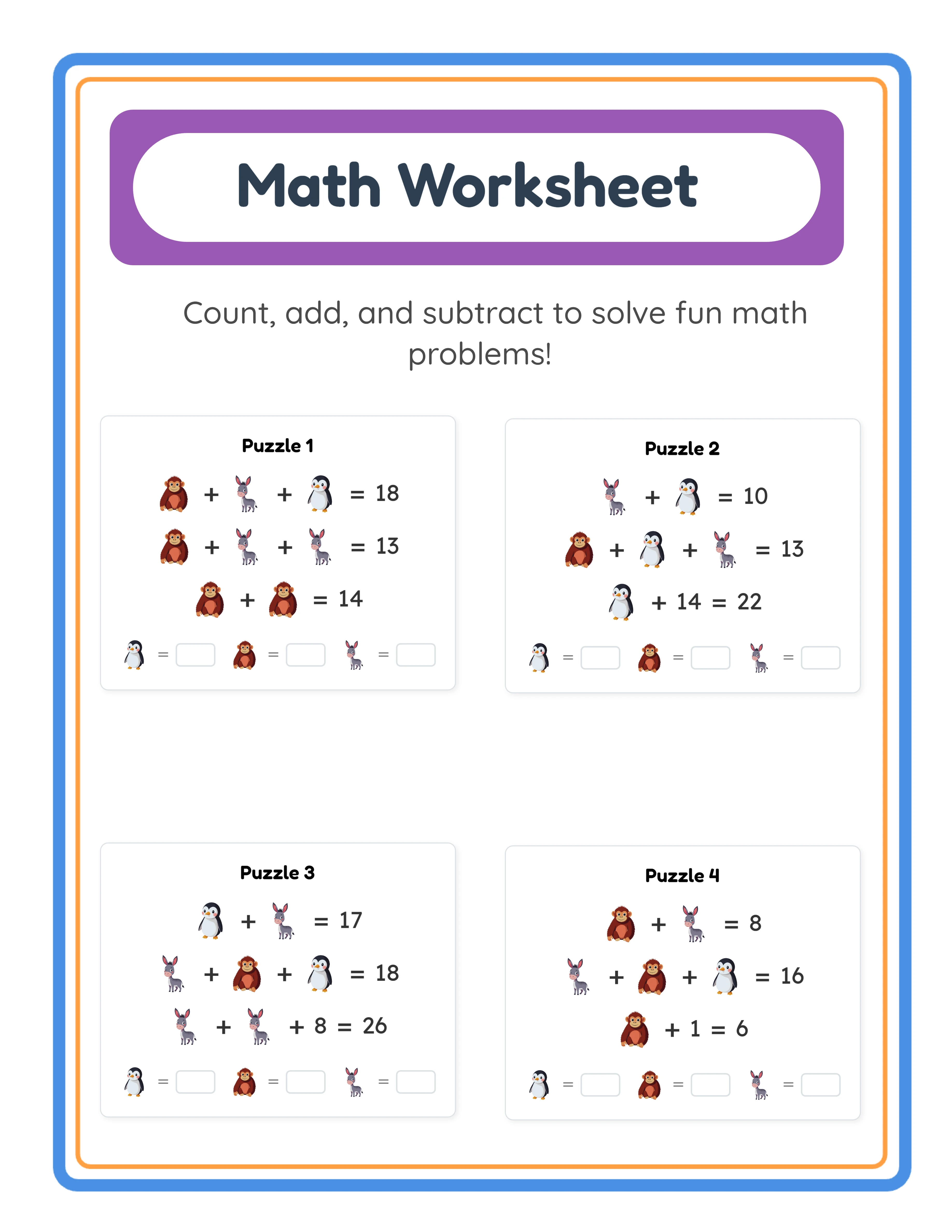
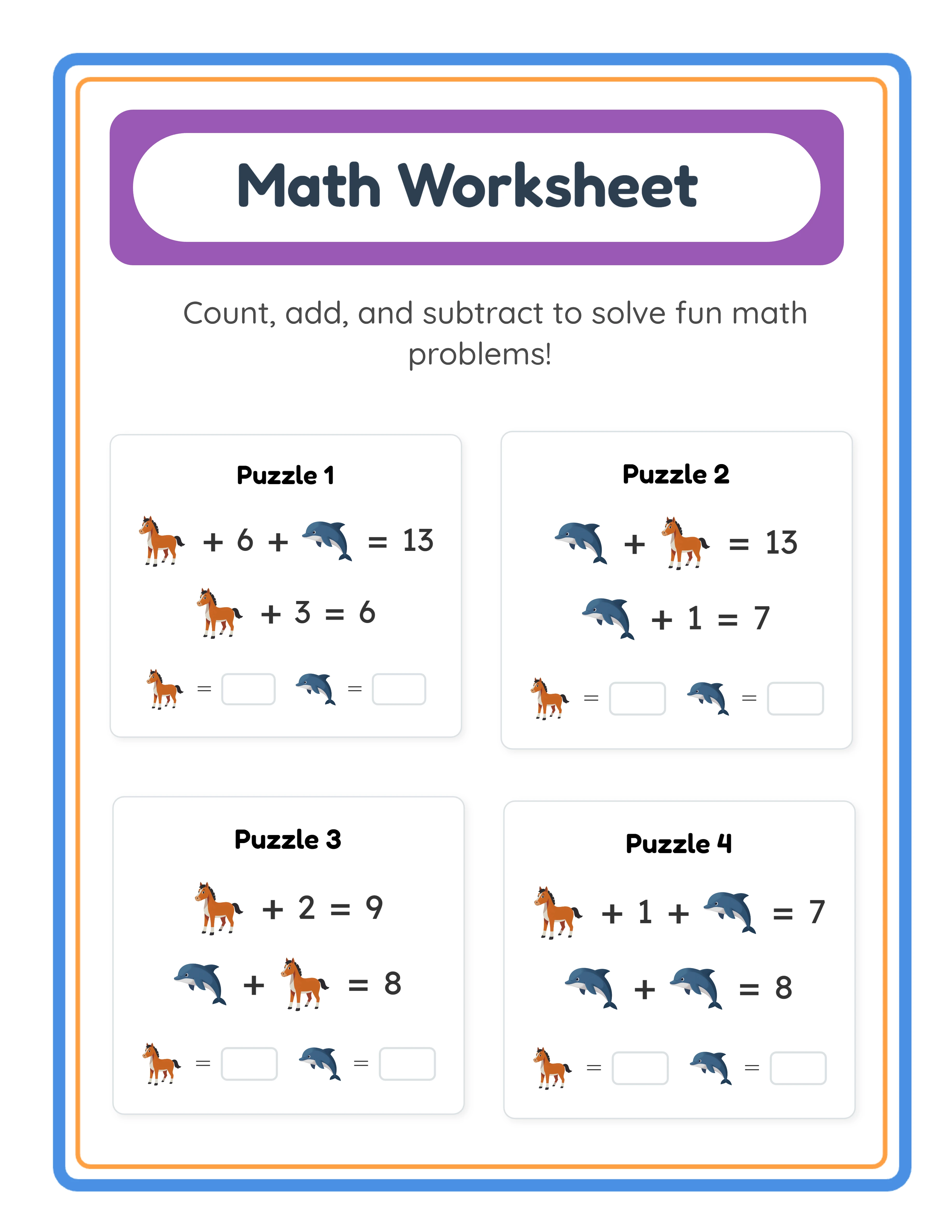
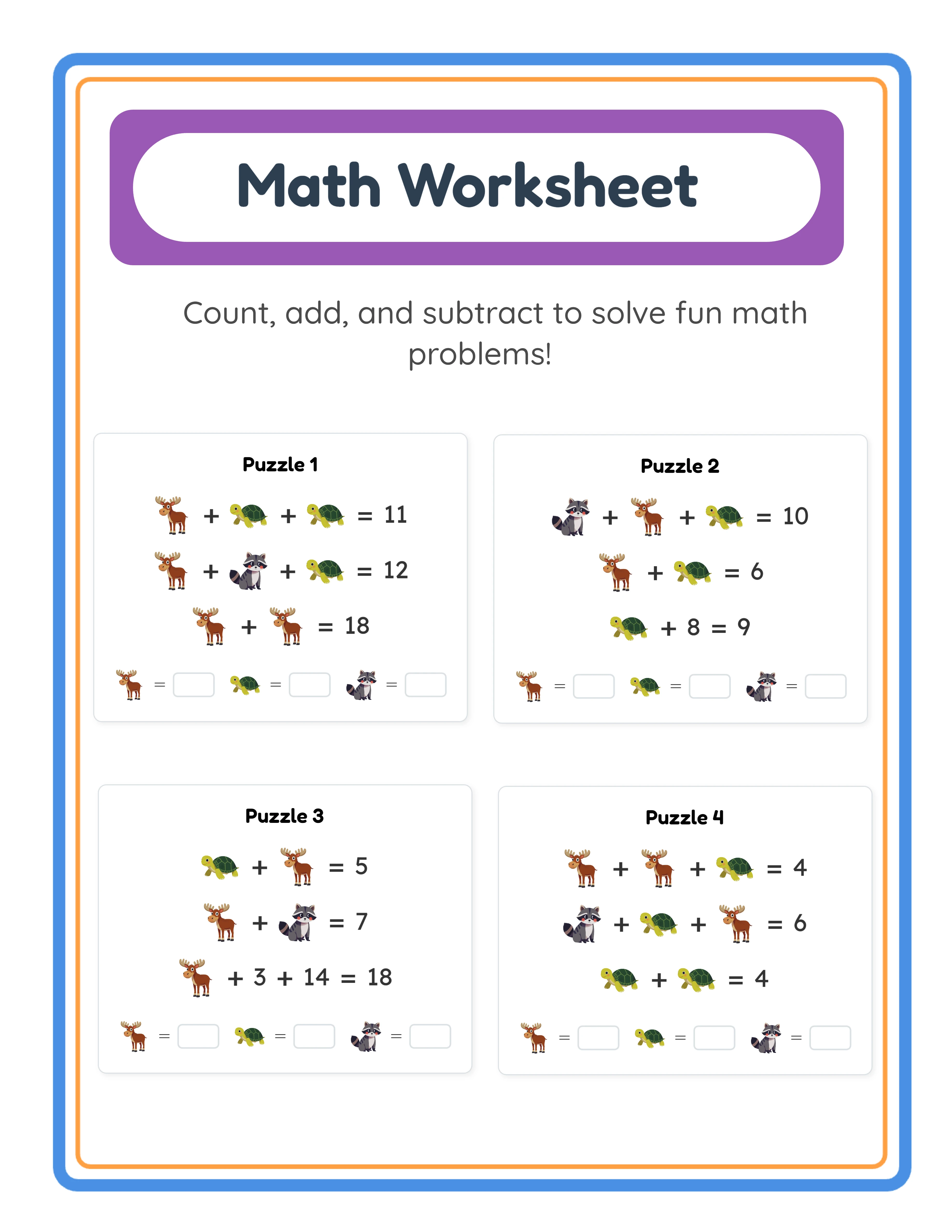
Use worksheet generators to build catalog depth quickly and consistently. The speed of generator-based creation is what makes a deep evergreen catalog practical. Creating a professional-quality addition worksheet pack manually might take two to three hours. Using a generator, you can produce the same quality output in 15 to 20 minutes. This means you can build a 50-product catalog in the same total time it would take to manually create 5 to 8 products. Depth matters because a catalog of 50 evergreen products has far more surface area for buyer discovery than a catalog of 5, and the revenue potential scales proportionally.
Avoid trend-dependent products as your catalog foundation. Worksheets tied to specific movies, viral characters, or pop culture moments may generate a brief sales spike but become unsellable once the trend passes. A "popular character math worksheets" product might sell well for three months and then disappear from search results entirely. Compare that to a "farm animals math worksheets" product that sells consistently for years because farm animals are always relevant to the younger audience. Build your core catalog with timeless themes — animals, seasons, food, vehicles, nature, community helpers — that maintain year-round appeal.
Keep formatting timeless and professional. Clean, well-organized worksheet layouts remain attractive and functional regardless of design trends. Avoid heavily stylized designs that may feel dated within a year or two. Professional formatting also signals quality to buyers, which supports premium pricing and generates positive reviews that compound over time. The worksheet generators produce clean, professional layouts by default, which ensures consistency across your entire catalog. You can try any generator as a free trial with watermark to evaluate the output quality before purchasing a commercial license.
3
Diversify Across Revenue Channels
A single-platform worksheet business has a single point of failure. If that platform changes its algorithm, raises its fees, or experiences a downturn in traffic, your entire revenue stream is affected. Diversifying across multiple platforms creates multiple independent revenue streams from the same product catalog, dramatically increasing both total revenue and business stability.
List your products on every major platform where your target buyers shop. Etsy attracts millions of buyers searching for educational printables, with particularly strong traffic from parents and homeschoolers. Amazon KDP reaches the massive Amazon customer base, where parents and homeschoolers search for educational resources alongside books and supplies. Gumroad and Creative Fabrica provide additional storefronts with different audience demographics. Each platform represents an independent pool of potential buyers who may never encounter your products on other platforms.
The economics of multi-platform distribution are compelling because the hardest work — creating the product — is done once. Listing the same worksheet pack on a second platform takes 15 to 30 minutes of listing adaptation work. If that listing generates even one sale per month at $8, you have earned roughly $96 in annual revenue from 20 minutes of work. Across 30 products listed on 3 additional platforms, even modest per-product sales translate into significant aggregate revenue that would not exist with a single-platform approach.
Develop platform-specific listing strategies rather than copying listings verbatim. Each platform has different search algorithms, buyer expectations, and competitive dynamics. An Etsy listing optimized for Etsy search may perform poorly on Amazon KDP without adaptation. Research the top-performing listings on each platform for products similar to yours and note how they structure titles, descriptions, and keywords. Adapt your listings to match each platform's conventions and buyer expectations while maintaining the core product information.
Track revenue by platform to understand where your products perform best. Some product types naturally perform better on certain platforms — certain resource styles may outperform on Gumroad while parent-focused activity sheets may outperform on Etsy or Amazon. This data informs both your listing priorities (where to list first when launching new products) and your product development priorities (what to create based on platform-specific demand patterns). A simple spreadsheet tracking monthly revenue per product per platform provides the data foundation for these strategic decisions.
Consider building a direct sales channel alongside marketplace listings. Your own website or a Gumroad storefront gives you full control over the buyer relationship, higher profit margins per sale, and independence from marketplace algorithm changes. Direct sales typically represent a smaller percentage of total revenue initially, but they grow over time as you build an audience and email list. The worksheet generators make it practical to offer exclusive products or special bundles through your direct channel, providing buyers with a reason to purchase directly while building a revenue stream entirely within your control.
4
Create Products That Sell Year After Year
The difference between a worksheet that generates one month of sales and one that generates years of revenue lies in how it is designed, positioned, and maintained. Products built for longevity continue earning long after the initial listing effort, making every hour invested in their creation exponentially more valuable over time.
Target core curriculum subjects with consistent, standard-aligned demand. Basic math operations, reading comprehension, handwriting practice, and vocabulary building are taught in essentially the same way year after year. Schools may adopt new textbooks or teaching methods, but first graders still need to learn to add single-digit numbers, and third graders still need multiplication practice. Products aligned with these fundamental skills face stable demand regardless of curriculum changes or educational policy shifts.
Build products for multiple grade levels to extend each concept's revenue lifecycle. An addition concept that serves kindergartners through third graders spans four school years of demand from a single product line. A buyer purchasing your kindergarten addition worksheets in September may return to buy your first-grade worksheets the following September when their child advances. This multi-grade approach creates natural customer return patterns and maximizes the lifetime revenue potential of each concept you develop.
Design product listings with evergreen descriptions that require no seasonal updates. Avoid referencing specific years, current events, or time-bound claims in your listing descriptions. A description that says "aligned with current standards" will always feel current, while one that says "updated for the 2026-2027 school year" will feel dated within months. Evergreen descriptions ensure your listings remain accurate and appealing without ongoing maintenance, which is essential when managing a catalog of dozens or hundreds of products.
Refresh top-performing products annually to maintain search ranking. Marketplace algorithms often favor recently updated listings. A simple refresh — updating a few keywords, improving one thumbnail image, or adjusting a description paragraph — signals to the platform that the product is actively maintained. This does not require recreating the product, just minor listing updates that take five to ten minutes each. Schedule an annual refresh cycle for your top 20 products and you invest a few hours per year to maintain years of accumulated search ranking and review credibility.
Price for long-term revenue rather than short-term volume. Products priced too low attract bargain-hunting buyers who rarely return. Products priced at fair market value attract buyers who value quality and are willing to pay for professional resources. A worksheet pack priced at $4.99 that sells 8 copies per month generates more revenue and better buyers than the same pack priced at $1.99 selling 12 copies per month. Fair pricing also provides margin for periodic sales and promotions that can boost visibility during key selling seasons without cutting into your baseline profitability.
5
Leverage Bundles for Higher Revenue Per Transaction
Bundles are among the most powerful revenue multipliers in a worksheet business because they increase revenue per transaction without requiring any new content creation. Every bundle you create is assembled from existing products, meaning the content investment is already complete and the bundle represents pure incremental revenue potential.
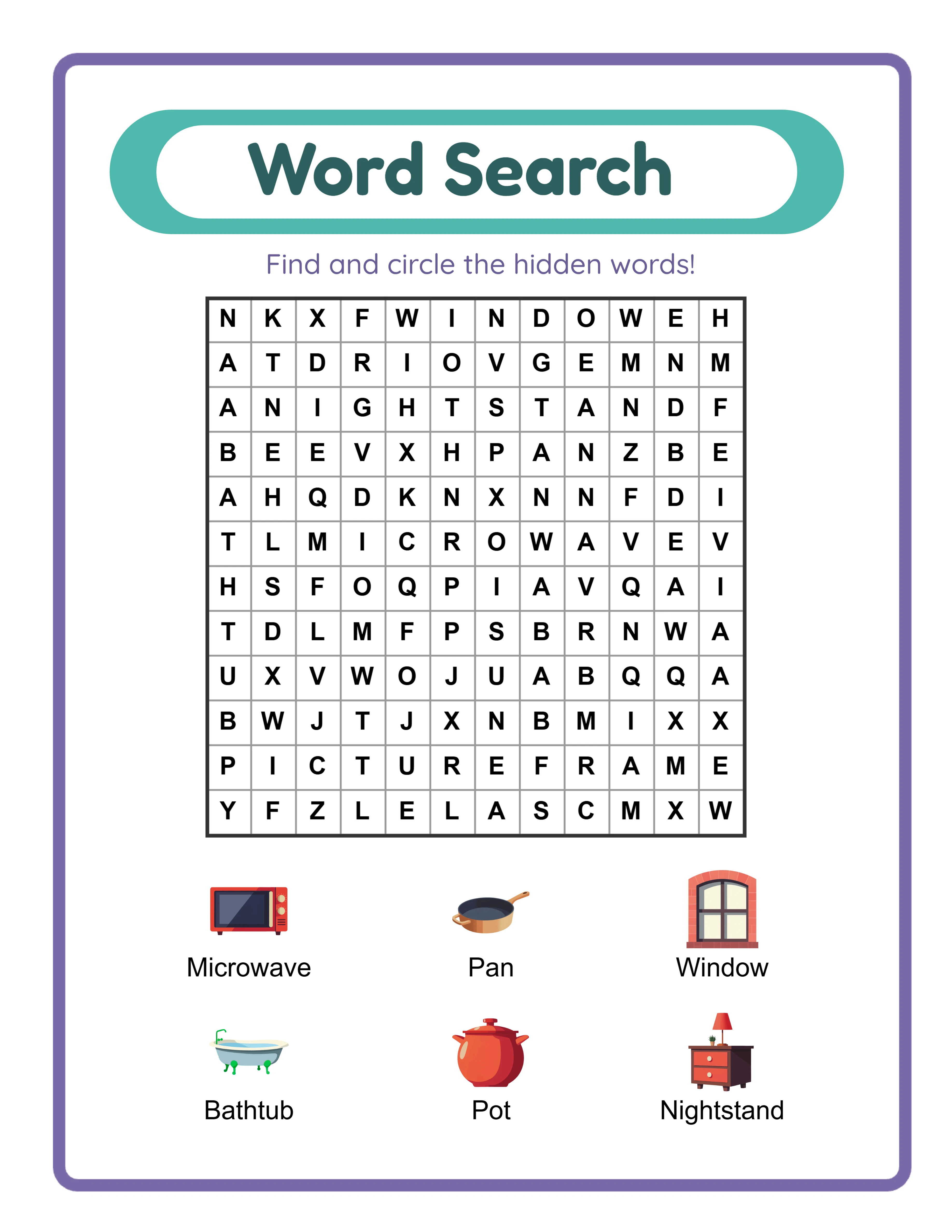
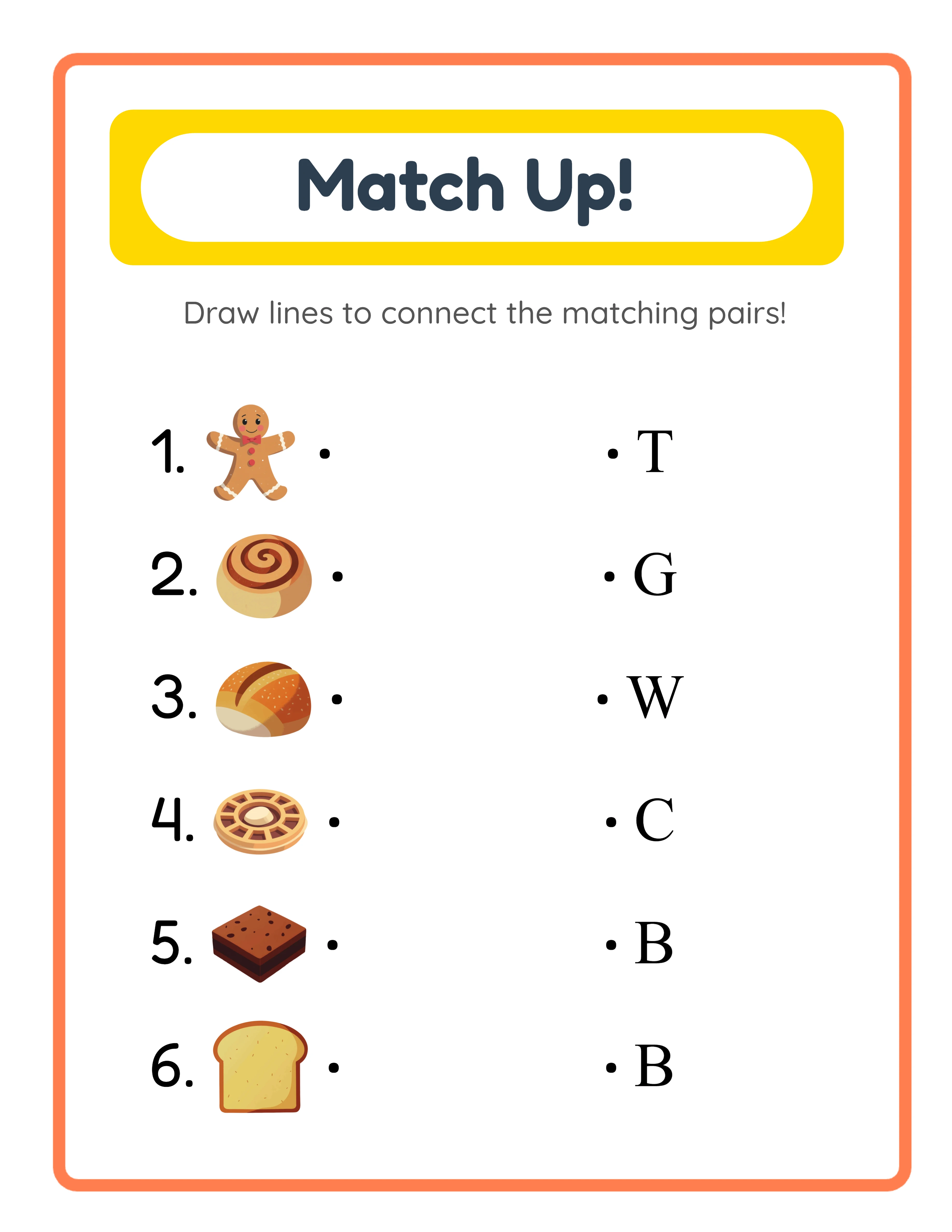
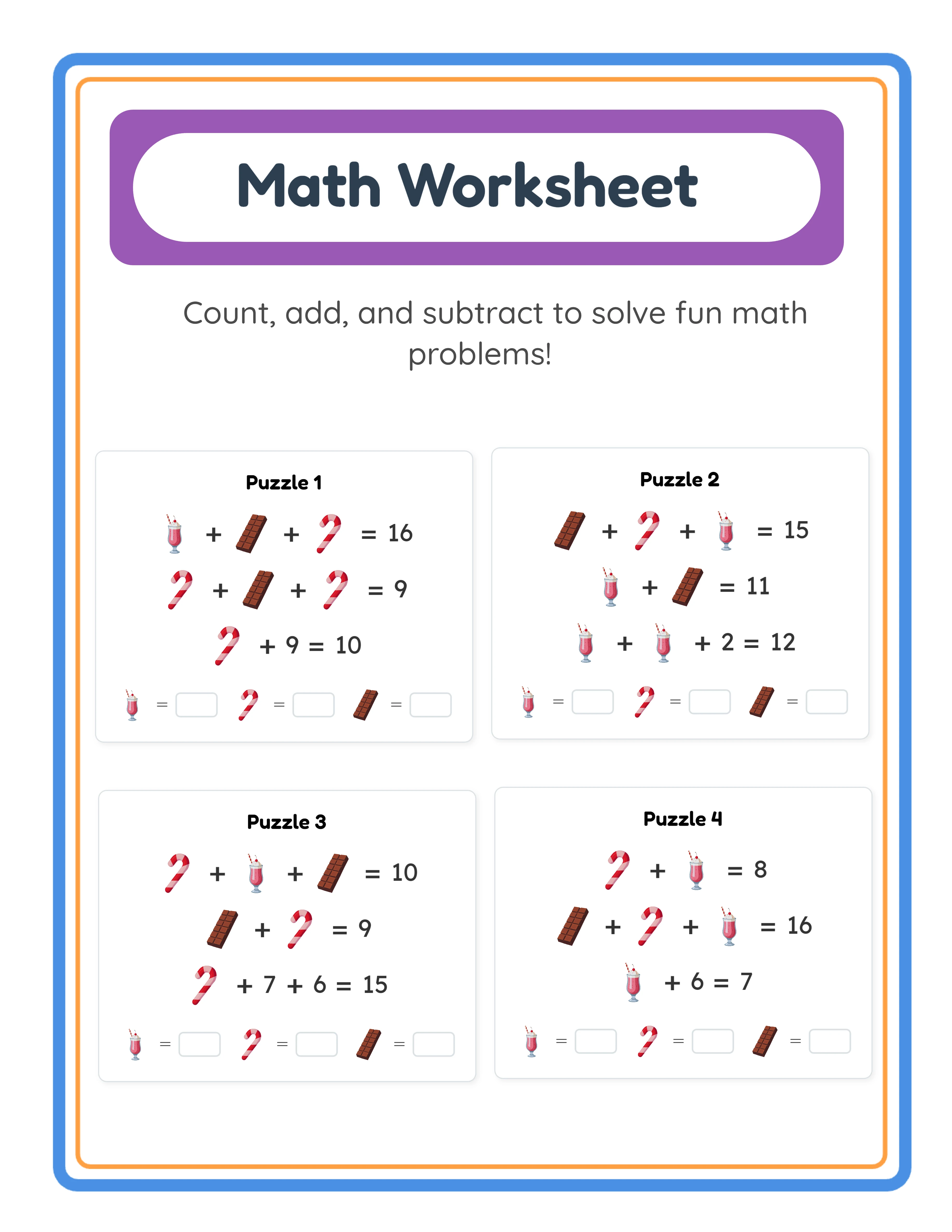
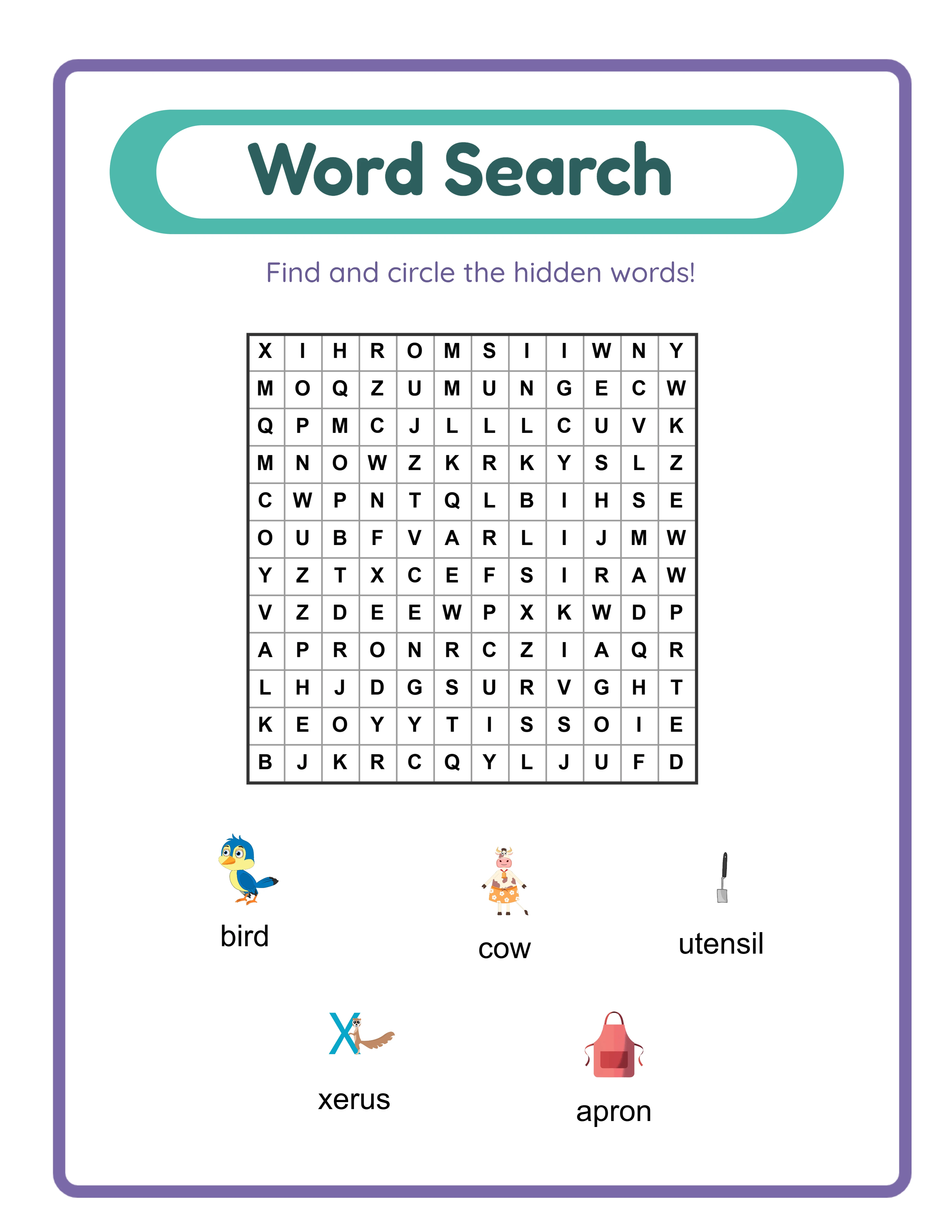
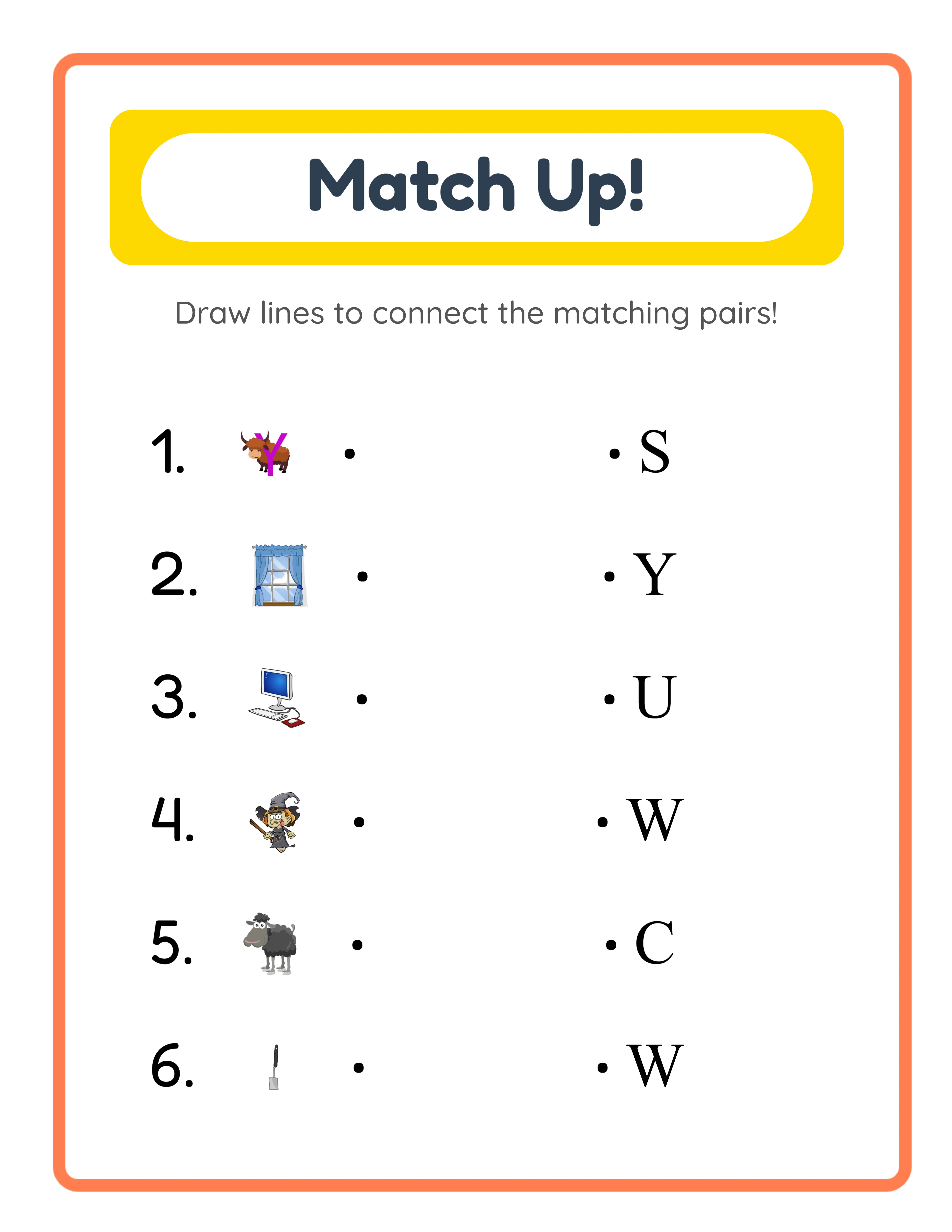
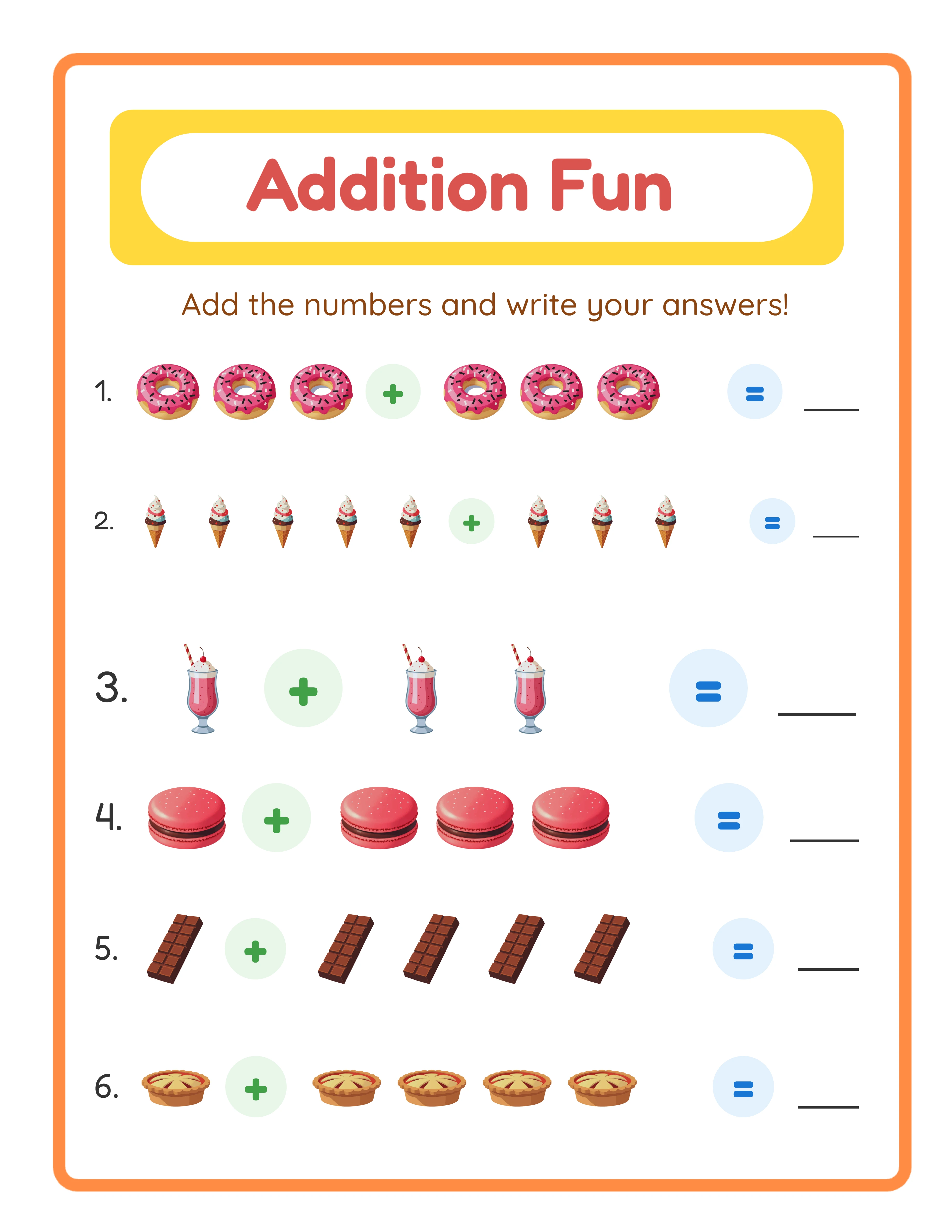
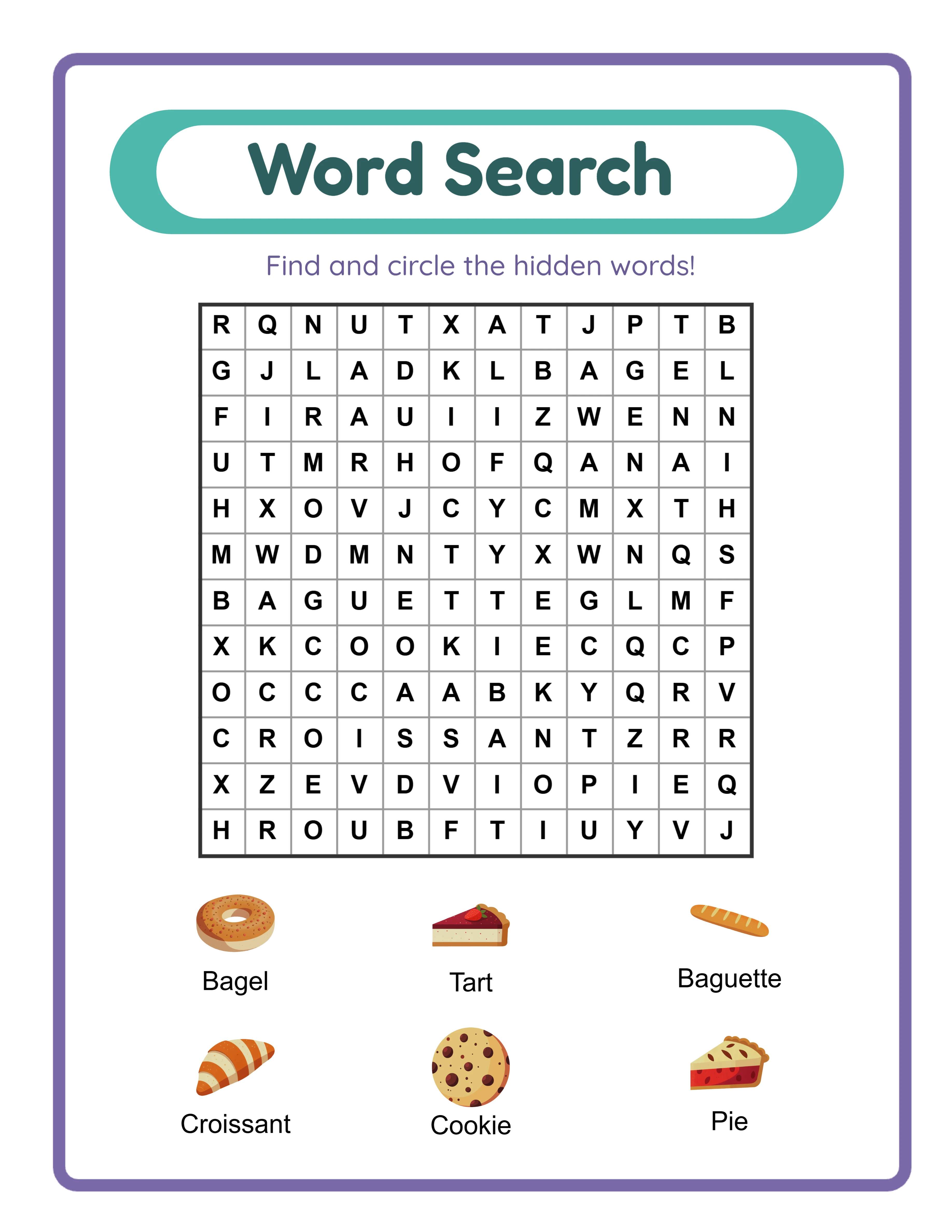
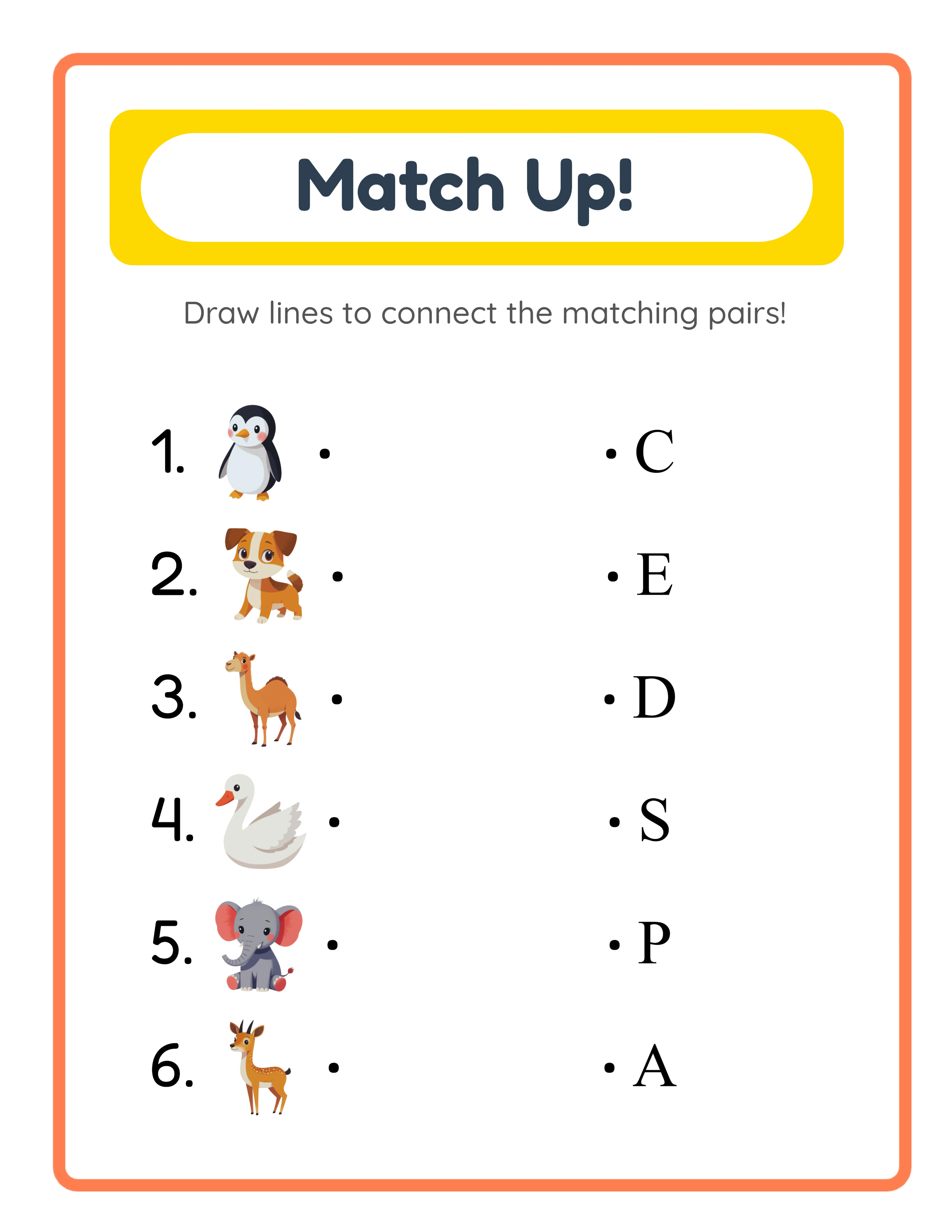
Create bundles that solve a complete need rather than simply grouping random products together. A "Complete First Grade Math Bundle" containing addition, subtraction, number patterns, and word problem worksheets solves a buyer's entire first-grade math supplemental needs in a single purchase. A "Farm Animals Learning Collection" combining math worksheets, word searches, matching games, and coloring pages with a farm animals theme gives a parent a comprehensive themed learning experience. Bundles that tell a coherent story — by subject, by theme, by grade level, or by skill progression — command premium prices because they provide comprehensive value that individual products cannot match.
Price bundles at 30% to 50% less than the combined individual product prices. This discount gives buyers a clear financial incentive to choose the bundle over purchasing products individually, while still generating substantially more revenue per transaction than a single product sale. If five individual products sell for $4.99 each ($24.95 total), a bundle priced at $14.99 represents a 40% savings for the buyer while generating triple the revenue of a single product sale for you. Both parties benefit from the transaction.
Create tiered bundle offerings at different price points to capture different buyer segments. A small bundle (3 to 4 products) at $9.99 serves budget-conscious buyers. A standard bundle (6 to 8 products) at $17.99 serves the mid-market. A mega collection (12 or more products) at $29.99 to $39.99 serves buyers who want comprehensive coverage. Tiered pricing ensures you are not leaving money on the table with buyers willing to spend more, while still capturing sales from buyers at lower price points.
List bundles as separate products alongside the individual components. Some buyers will discover the bundle listing first and purchase it. Others will discover an individual product, visit your shop, and discover the bundle as a better-value option. Having both individual products and bundles listed maximizes your discovery surface area and gives buyers the choice to self-select their preferred option. Many marketplace platforms support linking related products, which makes it easy for buyers to navigate between individual listings and the corresponding bundle.
Plan your individual product creation with future bundling in mind. When you create a set of themed worksheets, ensure they share consistent formatting, difficulty progression, and complementary content so they bundle naturally. Five math worksheets with wildly different formatting and difficulty levels make an awkward bundle. Five math worksheets with consistent design, progressive difficulty, and complementary skills make a compelling collection that buyers perceive as intentionally designed rather than randomly assembled.
6
Expand Into Multiple Languages for Revenue Multiplication
Multi-language expansion is the single most underutilized revenue multiplication strategy in the worksheet business. Most sellers operate exclusively in English, which means non-English markets have dramatically less competition and far more unmet demand. The same worksheet concept that competes with hundreds of English alternatives may face only a handful of competitors in German, French, or Spanish.
The worksheet generators support 11 languages with correct formatting, character support, and educational conventions for each market. This means you can produce professional-quality worksheets in German, French, Spanish, Portuguese, Italian, Dutch, Swedish, Danish, Norwegian, and Finnish without any personal translation expertise. The generator handles language-specific elements automatically, so you focus on product decisions rather than language mechanics.
Prioritize languages based on market size and competition level. German is spoken by over 100 million people across Germany, Austria, and Switzerland, with strong demand for educational printables and relatively few sellers compared to English. French serves France, Belgium, Switzerland, Canada, and numerous African nations. Spanish reaches both European and Latin American markets, representing hundreds of millions of potential buyers. Start with one or two high-potential languages and expand from there.
Build a multi-language production workflow into your regular batch creation process. When you produce a new English worksheet pack, immediately create the same product in your priority languages during the same session. The content decisions — theme, difficulty, layout, number of pages — are already made. You are applying them across languages, not making new creative choices. A batch that produces one English product in 20 minutes can produce the same product in three additional languages in another 30 to 40 minutes, quadrupling your catalog output from a single content concept.
List multi-language products on platforms that serve those language communities. Etsy has strong markets in Germany, France, and across Europe. Amazon operates separate marketplaces for Germany (amazon.de), France (amazon.fr), Spain (amazon.es), and Italy (amazon.it). Research where buyers in each language primarily shop for educational printables and list your products on those specific marketplaces or in the appropriate language categories on global platforms.
Multi-language expansion creates a multiplication effect across your entire catalog. A single worksheet concept created in 4 languages across 3 product types produces 12 distinct product listings from one core idea. If each listing generates even modest monthly revenue, the aggregate across languages and product types adds up to significant income that would not exist without the language expansion. Sellers who embrace multi-language production frequently find that their non-English products collectively outperform their English catalog, simply because competition in non-English markets is so much lower and buyer demand remains strong.
7
Optimize Listings for Ongoing Organic Discovery
Organic search discovery is the engine that drives long-term worksheet revenue. Paid advertising requires ongoing spending to maintain traffic, but a well-optimized listing continues attracting buyers through marketplace search and web search engines for months and years after publication. Investing in listing optimization upfront creates a compounding return as search rankings strengthen over time.
Research keywords that buyers actually use when searching for educational worksheets. Parents search differently than homeschoolers, and casual buyers search differently from bulk purchasers. A parent might search for "math practice sheets for kids" while a homeschooler searches for "homeschool math activities" and a reseller searches for "first grade addition worksheets printable." Including keyword variations that serve all these audience segments expands your discoverability without requiring separate products for each audience.
Write titles that lead with searchable keywords and follow with compelling value signals. "First Grade Addition Worksheets — 50 Practice Pages with Answer Keys" tells both the search algorithm and the buyer exactly what the product offers. Front-loading the title with searchable terms ensures your product appears in relevant searches, while the specifics (50 pages, answer keys included) give buyers reasons to click. Avoid vague titles like "Fun Math Activities" that neither rank well in search nor communicate specific value.
Craft descriptions that address buyer questions and include natural keyword usage. The first two to three sentences of your description should confirm what the product is, who it is for, and what makes it valuable. Subsequent paragraphs should cover specifics: grade level, number of pages, skills covered, included answer keys, printing instructions, and usage suggestions. Each detail naturally incorporates relevant search terms while providing genuine value to the buyer reading the description. Never stuff keywords artificially — write for the buyer first and search engines second.
Optimize product images for click-through rates from search results. Your thumbnail image is the first thing buyers see in search results, and it determines whether they click on your listing or scroll past it. Show actual worksheet pages at readable size, use clean backgrounds that make the content stand out, and include text overlays that highlight key features (page count, grade level, answer keys included). Professional-looking thumbnails generate higher click-through rates, which in turn signal to marketplace algorithms that your product is relevant and should rank higher.
Update keyword strategies seasonally to capture demand waves. Add back-to-school keywords (August through September), holiday-themed keywords (October through December), new-year keywords (January), and summer learning keywords (May through June) to your relevant listings. These seasonal keyword additions help your evergreen products surface during peak demand periods. You do not need to change your products — just refresh the keywords and tags in your listings to align with what buyers are searching for during each season.
8
Build Revenue Compounding Through Catalog Effects
The most powerful aspect of a well-built worksheet catalog is the compounding effect: each new product you add does not just generate its own revenue but actively increases the revenue potential of every existing product. Understanding and deliberately leveraging this compounding effect is what separates sellers earning modest income from those building substantial, growing revenue.
Marketplace algorithms favor shops with larger, actively growing catalogs. Etsy, Amazon, and Gumroad all give preferential search placement to sellers who demonstrate consistent activity and offer broad product selection. A shop with 80 products receives more aggregate search impressions than a shop with 8 products, even if the products are identical in quality. This means your 81st product benefits from the visibility earned by the previous 80, making each additional product incrementally easier to sell than the one before it.
Cross-linking between products creates internal discovery paths that keep buyers in your shop. When a buyer finds your animals addition worksheets and your listing mentions "also available: Animals Subtraction Worksheets, Animals Word Search, and Animals Coloring Pages," you create opportunities for multi-product purchases from a single discovery event. Every product in your catalog should reference related products in its description, creating a web of internal links that encourages browsing and increases average order value.
Review accumulation builds trust that benefits your entire catalog. A shop with 200 positive reviews across 50 products signals quality and reliability to every new potential buyer, even for products that have not yet received individual reviews. Buyers are more likely to purchase from a seller with a strong review history, which means the reviews earned by your older products help sell your newer products. This cumulative trust effect is one of the strongest compounding forces in marketplace selling.
Brand recognition develops as your catalog grows and buyers encounter your products across multiple searches. A buyer who sees your shop name in search results for addition worksheets, subtraction worksheets, word searches, and coloring pages begins to recognize your brand as a comprehensive resource provider. This recognition increases click-through rates and conversion rates for all your products because the buyer already has a positive association with your brand from previous encounters, even if they have not purchased before.
Track the compounding effect by monitoring revenue per product over time. If your average revenue per product increases as your catalog grows, compounding is working. A 20-product catalog earning $10 per product per month ($200 total) might grow to a 40-product catalog earning $14 per product per month ($560 total) — the per-product revenue increased because catalog effects boosted the performance of every product, not just the new additions. This compounding is the mechanism through which a worksheet catalog transitions from a collection of individual products into a self-reinforcing revenue system that grows more valuable with every addition.