Tutorial
1
Understand Why Bundles Outsell Individual Products
Before creating your first bundle, understanding the psychology that makes bundles so effective will help you structure every bundle for maximum impact. Bundles succeed because they align with how buyers actually make purchasing decisions — not through rational per-page cost analysis, but through perceived value, convenience, and decision simplification.
Perceived value is the core mechanism. When a buyer sees five individual worksheet packs priced at $10 each, they evaluate each one separately: "Do I need this? Is it worth $10?" Five separate purchase decisions create five opportunities to say no. A bundle priced at $35 containing all five packs reframes the decision: "Do I want all of this for 30% less than buying separately?" One decision, one moment of friction, and the savings create urgency that individual products cannot match.
Decision fatigue works in your favor with bundles. Buyers shopping for educational resources often face overwhelming choices — hundreds of addition worksheets, dozens of word search options, countless coloring page packs. A well-named bundle ("Complete First Grade Math Practice — Everything You Need for the Whole Year") eliminates the paralysis of choosing between individual products. The bundle buyer does not need to evaluate which specific packs to purchase; the bundle makes that decision for them.
Revenue per transaction is the business metric that bundles transform. If your average individual product sells for $10, converting just 20% of your buyers to bundle purchases at $35 increases your average order value substantially. This matters because your customer acquisition cost stays the same whether a visitor buys a $10 product or a $35 bundle — but your profit margin on the bundle is dramatically higher.
Repeat purchase probability also increases with bundles. A buyer who purchases a comprehensive bundle has more touchpoints with your brand — more worksheets used over more weeks — which builds familiarity and trust. When that buyer needs resources for the next grade level or a different subject, your store is their first destination because they already know your quality from extensive use of your bundled content.
2
Choose the Right Bundle Type for Your Catalog
Not all bundles are created equal. The type of bundle you create determines its appeal, its price point, and which buyers it attracts. Understanding the six primary bundle types lets you match your bundling strategy to your existing catalog and your target buyers.
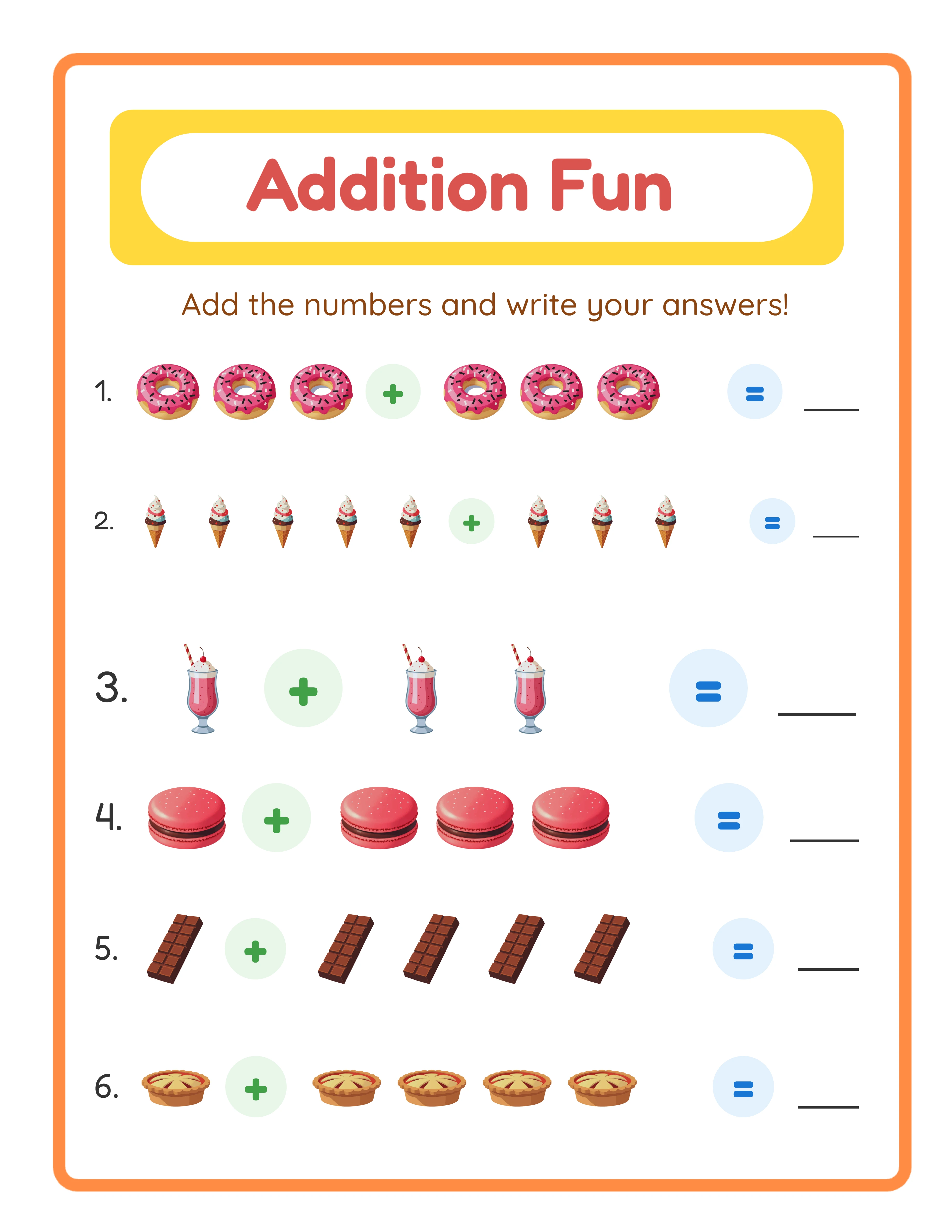
Subject bundles group all products within a single academic subject. A "Complete Addition Worksheet Collection" includes every addition-focused product you offer: single-digit addition, double-digit addition, addition with regrouping, addition word problems, and addition fact families. Subject bundles appeal to buyers who teach or support a specific area of learning and want comprehensive coverage without hunting through your store for individual products. These bundles work best when you have at least 4 to 6 products in a single subject area.
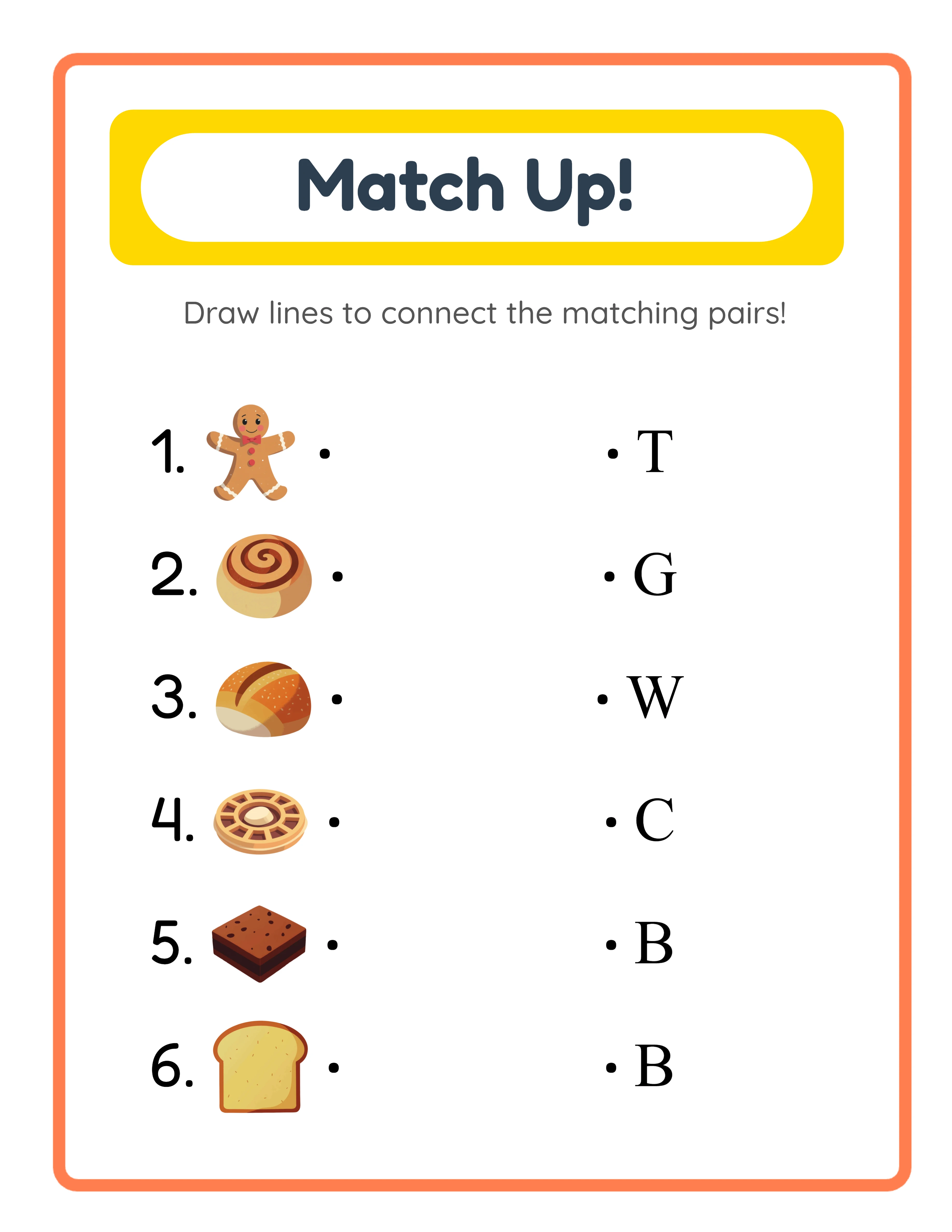
Grade-level bundles combine products across subjects for a specific grade or age range. A "Kindergarten Complete Activity Bundle" might include counting worksheets, letter recognition activities, coloring pages, matching exercises, and simple word puzzles — all appropriate for kindergarten-age children. Grade-level bundles are among the highest-converting bundle types because they match how buyers think: "I need resources for my first grader" is a more common search pattern than "I need addition worksheets with regrouping." These bundles command premium pricing because they address a broad need.
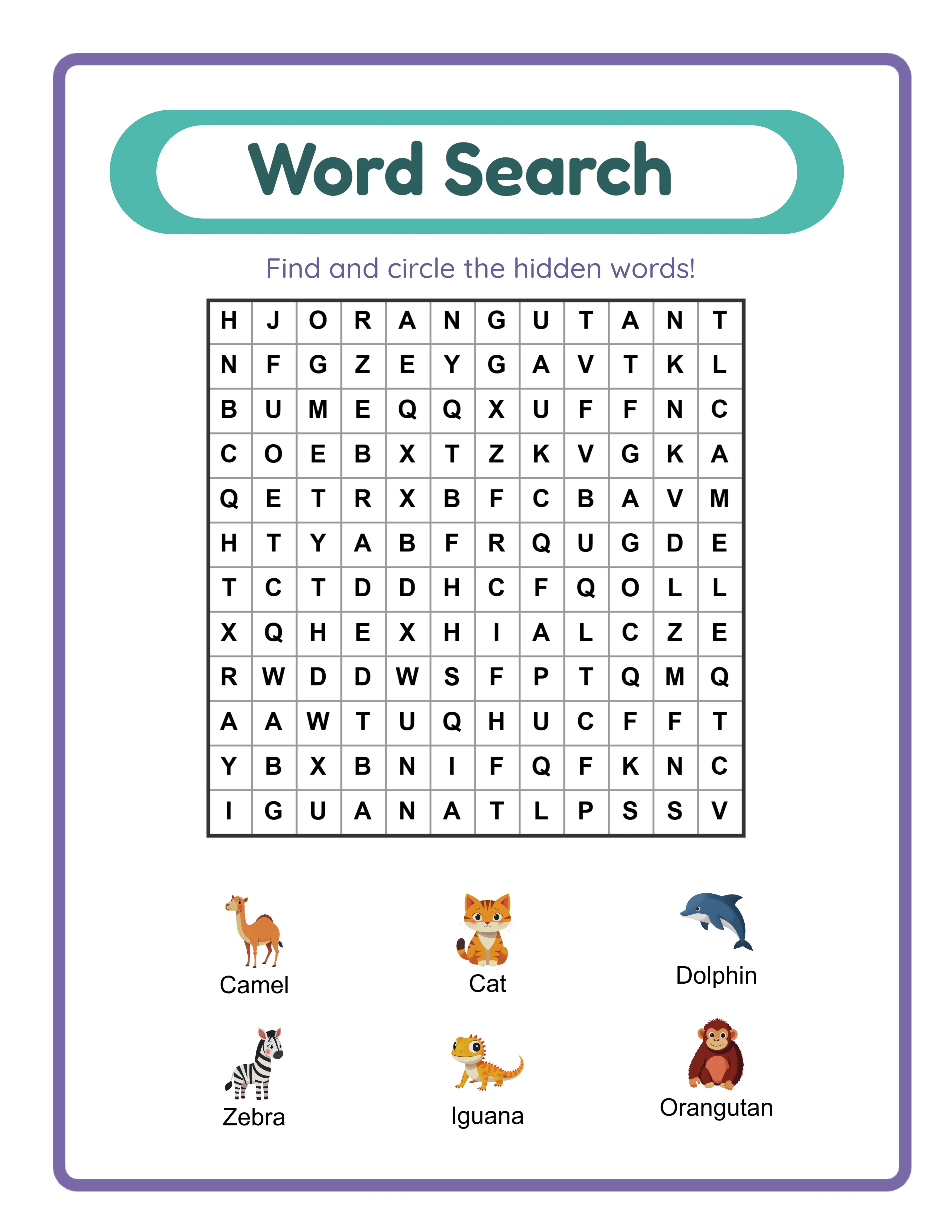
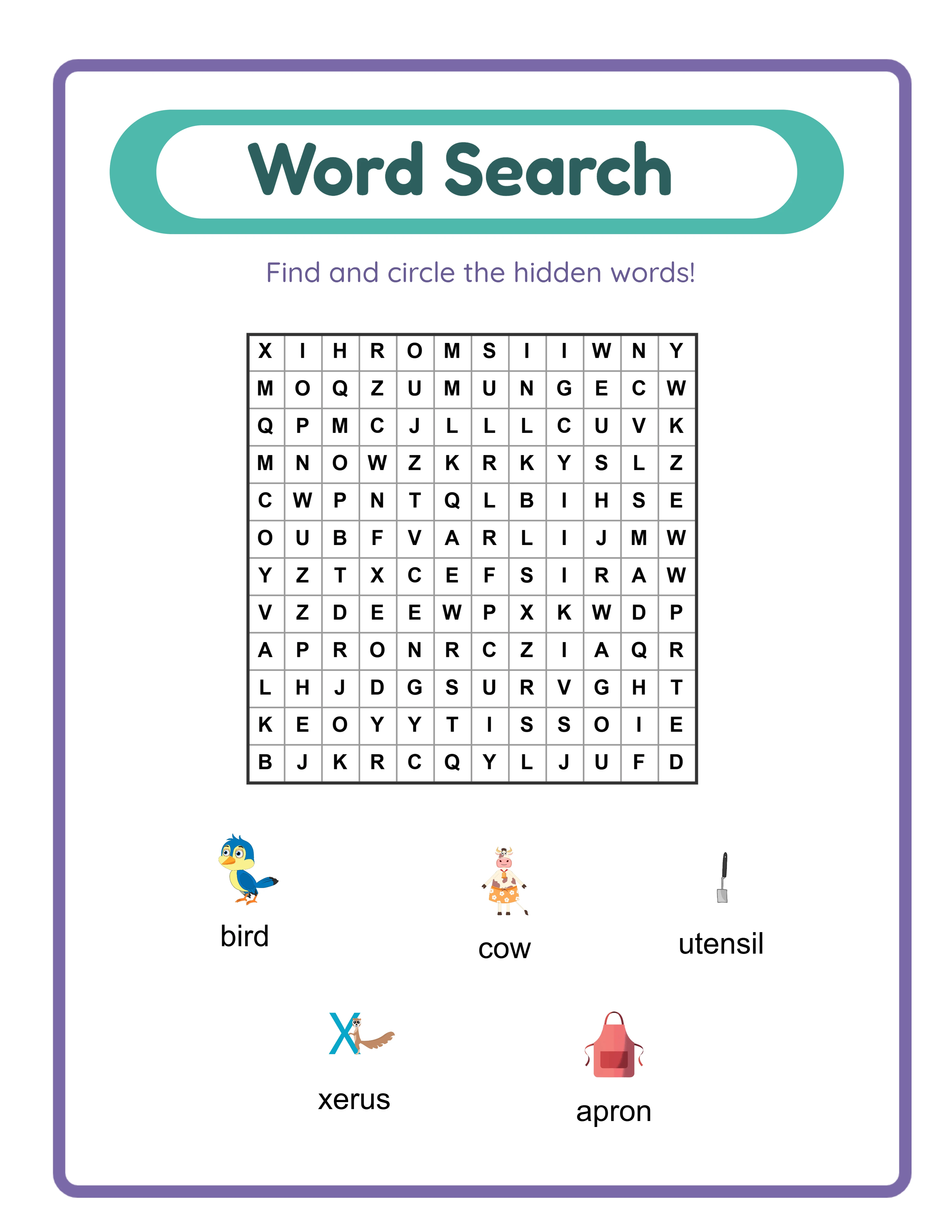
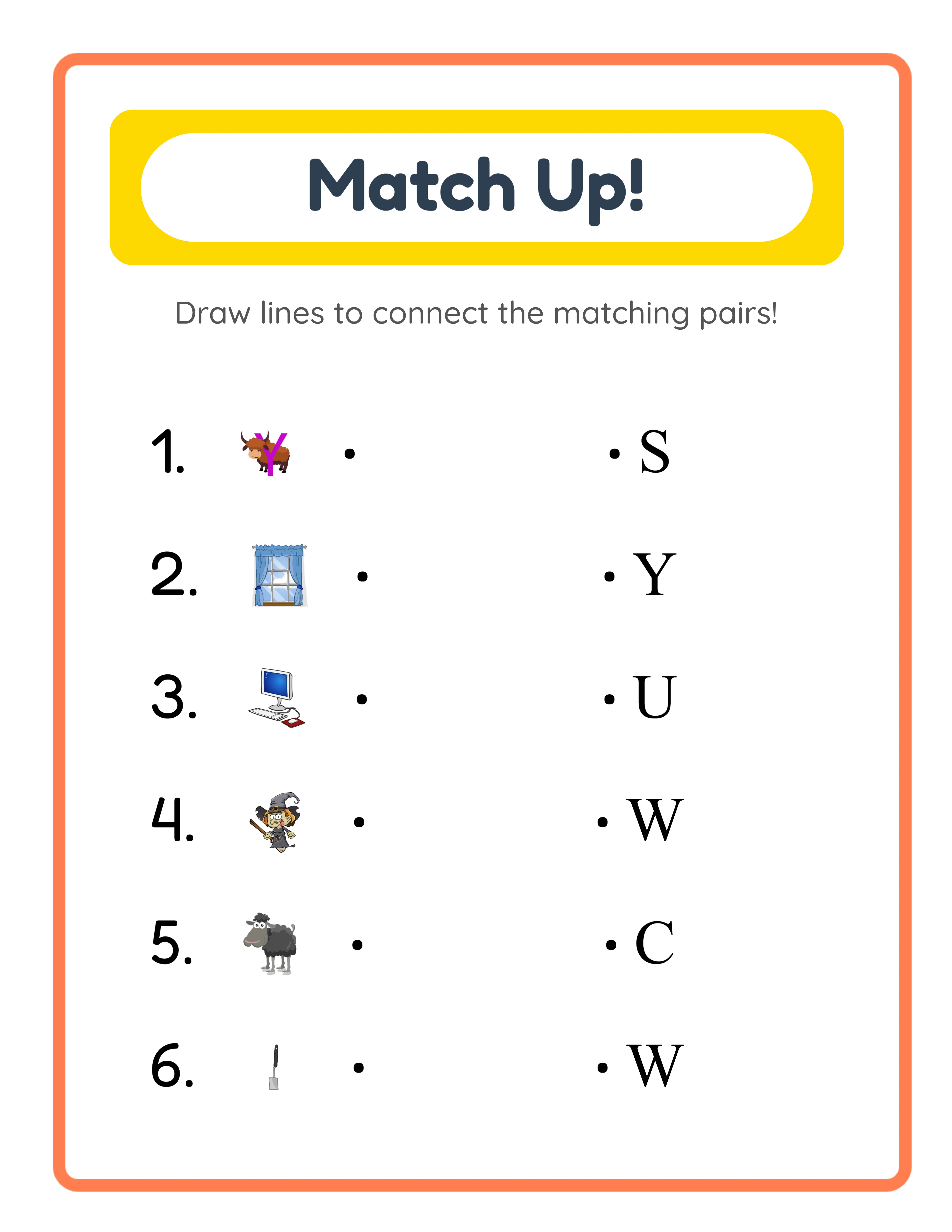
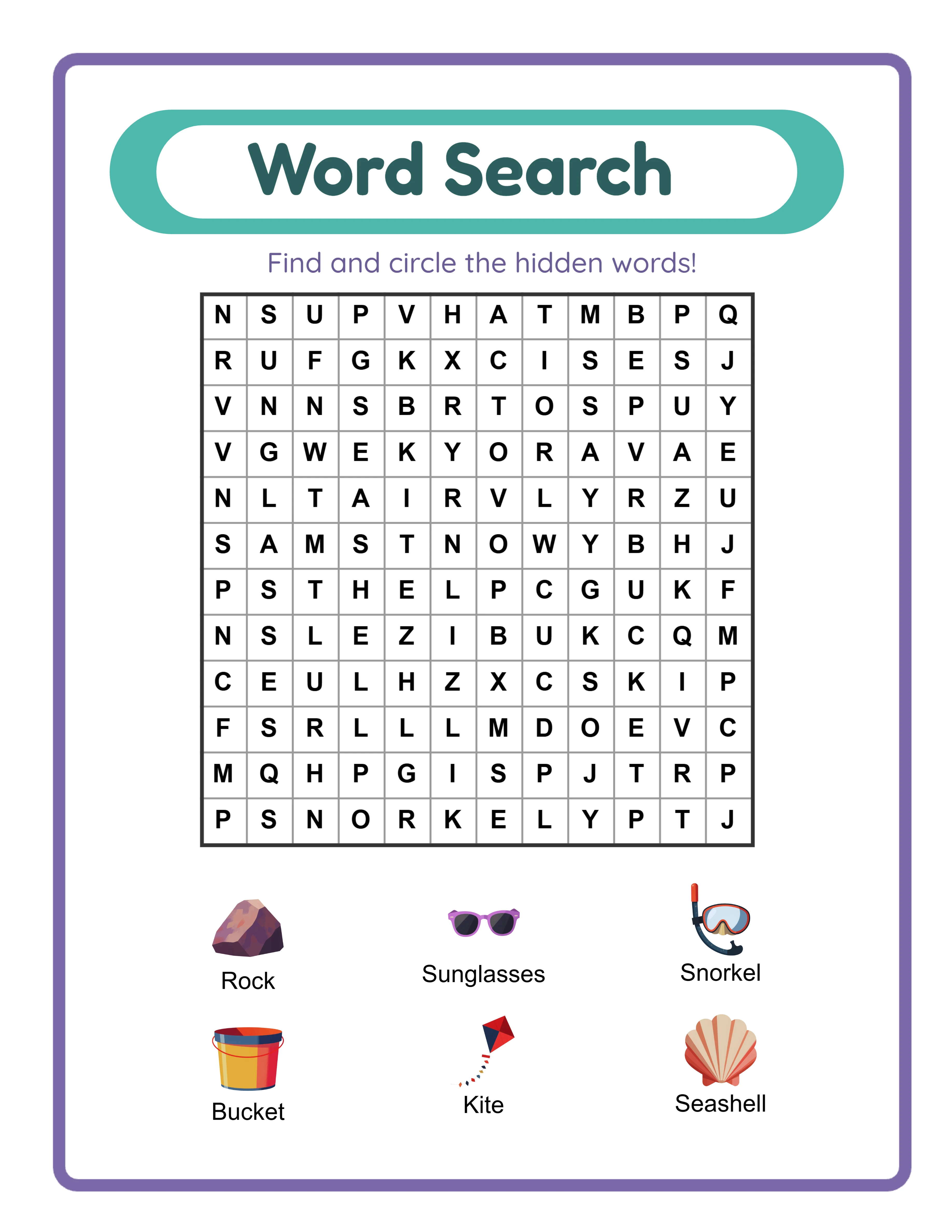
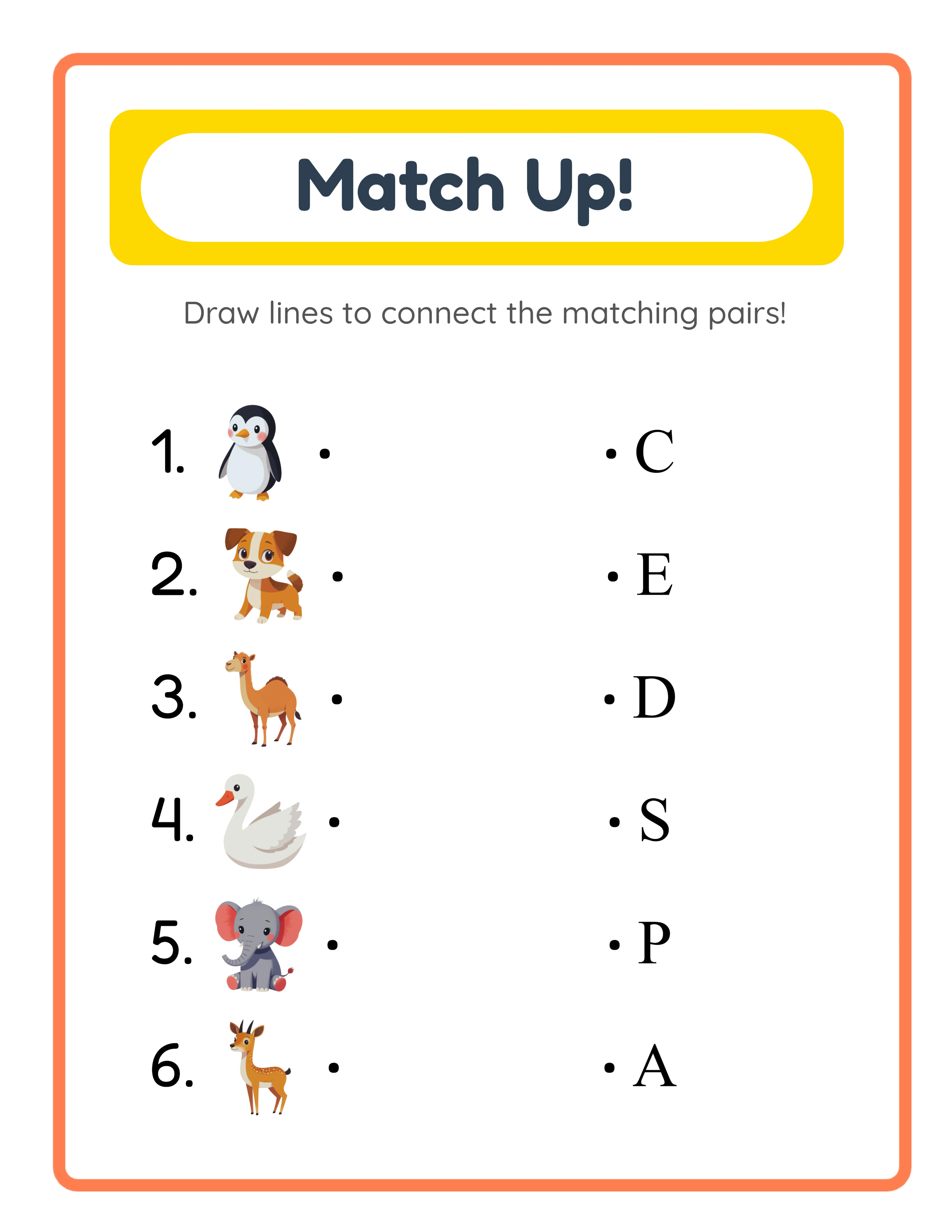
Theme bundles group products by visual or topical theme rather than academic content. An "Animals Activity Pack" could include animal-themed coloring pages, animal word searches, animal matching worksheets, and animal counting activities. Theme bundles appeal to parents planning themed learning units, buyers building store theme weeks, and homeschoolers who organize content library around interest-based topics. Use the worksheet generators to create theme-consistent products across multiple activity types efficiently.
Seasonal bundles align with calendar events and school schedules. A "Back to School Worksheet Pack" for August and September, a "Holiday Activity Bundle" for November and December, or a "Summer Practice Kit" for June and July. Seasonal bundles have natural urgency built in — buyers purchase them within a specific window, which reduces comparison shopping and increases conversion. Create seasonal bundles 4 to 6 weeks before the relevant season to capture early planners.
Format bundles combine different activity types around a single learning objective. A "Learn to Count Bundle" might include number tracing worksheets, counting coloring pages, number matching activities, and how-many word problems — four different formats all reinforcing the same skill. Format bundles are compelling because they offer variety, which keeps solvers engaged longer than repeating the same worksheet type.
Mega bundles include your entire catalog or a very large subset of it at a significant discount. These are typically your highest-priced products ($50 to $100 or more) and appeal to buyers who want everything at the best possible per-product price. Mega bundles work best when you have a substantial catalog of 15 or more individual products, because the perceived savings need to be large enough to justify the higher price point.
3
Select Products That Create Compelling Bundles
The products you include in a bundle determine whether buyers perceive it as a curated collection worth paying for or a random assortment of leftovers. Product selection is where most bundle creators make their biggest mistakes — either including too few products (making the bundle feel thin), too many overlapping products (making it feel padded), or inconsistent quality levels (making the entire bundle feel unreliable).
Start with complementary products, not overlapping ones. A math bundle containing "Addition Practice Pages," "More Addition Practice," and "Even More Addition Pages" feels like the same product three times. A math bundle containing "Addition Practice," "Subtraction Foundations," "Number Sense Activities," and "Math Word Problems" covers distinct skills that work together as a comprehensive math program. Each product in the bundle should address a different need while contributing to the same overarching goal.
Aim for 8 to 15 individual products or 60 to 150 pages in a standard bundle. Below 8 products, the bundle does not offer enough perceived savings over buying individually. Above 15 products, the bundle becomes so large that buyers question whether they will actually use everything, which creates purchase hesitation. The exception is mega bundles, which deliberately include everything and use the total value as their primary selling point.
Maintain consistent quality across every product in the bundle. One low-quality worksheet pack in an otherwise excellent bundle damages the buyer's perception of the entire collection. Before bundling, review every product for consistent formatting, professional layout, clear instructions, and accurate content. If any individual product does not meet your current quality standards, update it before including it in a bundle. The worksheet generators help maintain consistency because they apply the same professional formatting and design standards to every output.
Avoid filler content. Every product in the bundle should be something you would confidently sell individually. Including products that only exist to pad the bundle's page count or product count undermines buyer trust. If you need more products to reach a compelling bundle size, create new quality content using the generators rather than including weak products that dilute the bundle's overall value.
Consider the buyer's usage pattern. A buyer buying a grade-level bundle will use it across the entire school year. Are the products you have selected sufficient for that timeframe? A parent buying a summer practice bundle will use it over 10 to 12 weeks. Does the bundle contain enough variety to sustain engagement for that period? Matching the bundle contents to realistic usage patterns makes the bundle feel purposeful rather than arbitrary.
4
Structure Your Bundle for Maximum Perceived Value
How you present your bundle's contents determines its perceived value — and perceived value drives purchasing decisions more than actual value. Two bundles with identical contents can convert at wildly different rates based solely on how the value is communicated. Value stacking is the systematic process of presenting every component of your bundle in a way that maximizes the buyer's perception of what they are getting.
Itemize every component individually. Instead of "50 Math Worksheets," list "20 Addition Practice Worksheets, 15 Subtraction Practice Worksheets, 10 Number Sense Activities, and 5 Math Word Problem Sets." Instead of "Answer Keys Included," list "Complete Answer Keys for All 50 Worksheets — Instant Self-Checking for Independent Practice." Breaking the bundle into specific, named components makes the collection feel larger and more comprehensive, even though the total content is identical.
Show the individual-versus-bundle price comparison prominently. If the five products in your bundle sell for $10 each individually, the bundle's listing should clearly state: "Individual Value: $50 — Bundle Price: $35 — You Save $15 (30%)." This anchoring technique frames the bundle price against the higher individual total, making the bundle feel like a deal rather than an expense. Always calculate and display the exact dollar amount saved, not just the percentage, because "$15 savings" is more concrete and motivating than "30% off."
Include bonus materials that add perceived value without significant creation cost. Answer keys, progress tracking charts, planning guides, parent tip sheets, and usage suggestion pages all enhance the bundle's value proposition while requiring minimal effort to create. A one-page "How to Use This Bundle" guide and a "Weekly Planning Template" add two more items to your value stack at almost no cost. These bonuses also improve the buyer's actual experience with the bundle, which leads to better reviews and repeat purchases.
Create a professional cover page and table of contents. These elements signal quality and organization that distinguish your bundle from a random collection of PDFs. The cover page should include the bundle title, a visual preview of contents, the grade level or age range, and the total page count. The table of contents should list every section with page numbers so buyers can navigate efficiently to the specific worksheets they need. These structural elements take 15 minutes to create but significantly impact how buyers perceive the bundle's professionalism.
Organize bundle files logically. Whether you deliver the bundle as a single PDF or as multiple files, clear organization matters. For single-PDF bundles, arrange contents in a logical teaching sequence with clear section dividers. For multi-file bundles, use descriptive file names that tell buyers exactly what each file contains: "01-Addition-Single-Digit-20pages.pdf" is immediately useful, while "worksheet-pack-3.pdf" requires the buyer to open and inspect each file.
5
Design Professional Bundle Packaging
Bundle packaging — the visual presentation in your listing — is what converts browsers into buyers. A bundle's cover image, preview files, and visual presentation must communicate "comprehensive, professional, worth the price" within seconds of a buyer seeing the listing. Poor packaging makes even excellent content look like amateur work, while professional packaging elevates perception and justifies premium pricing.
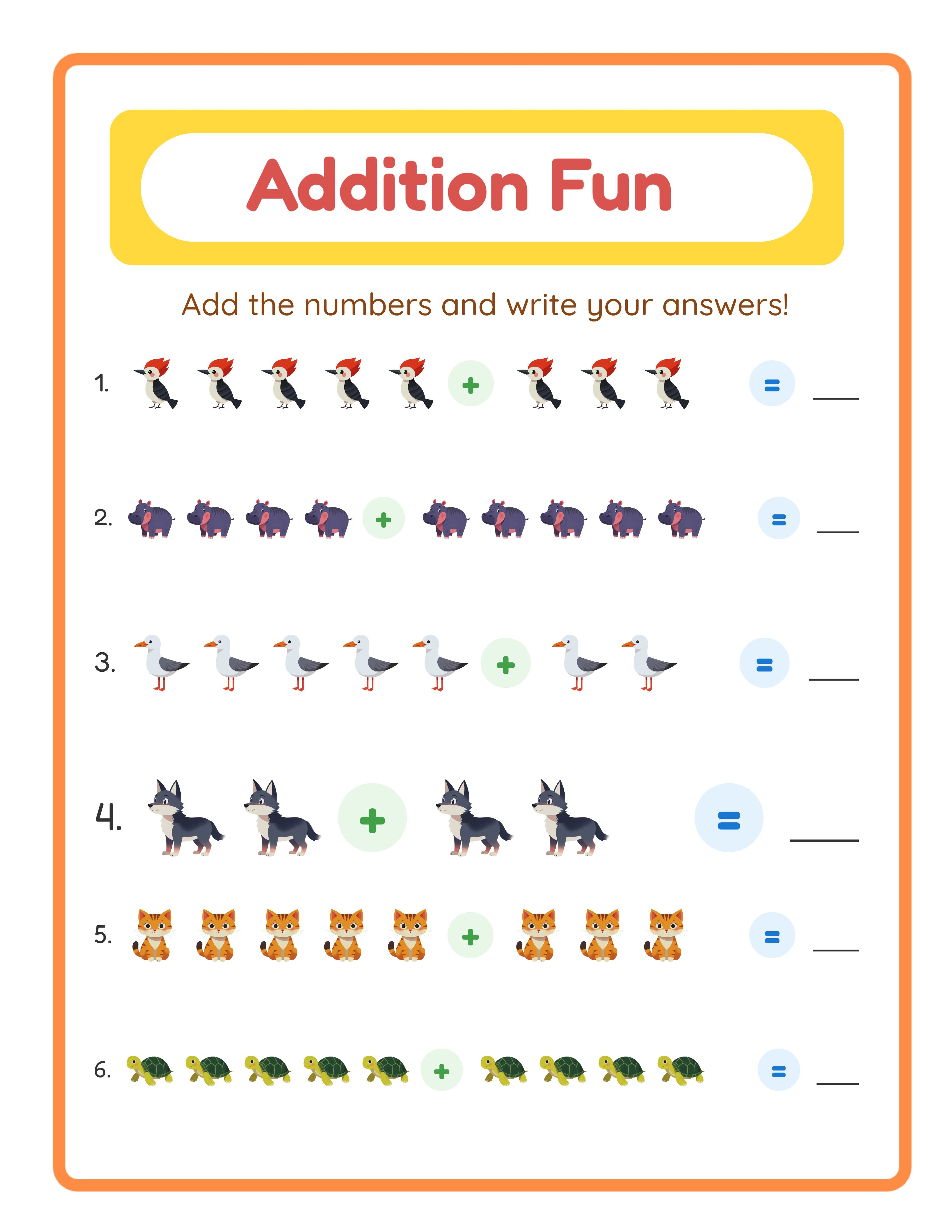
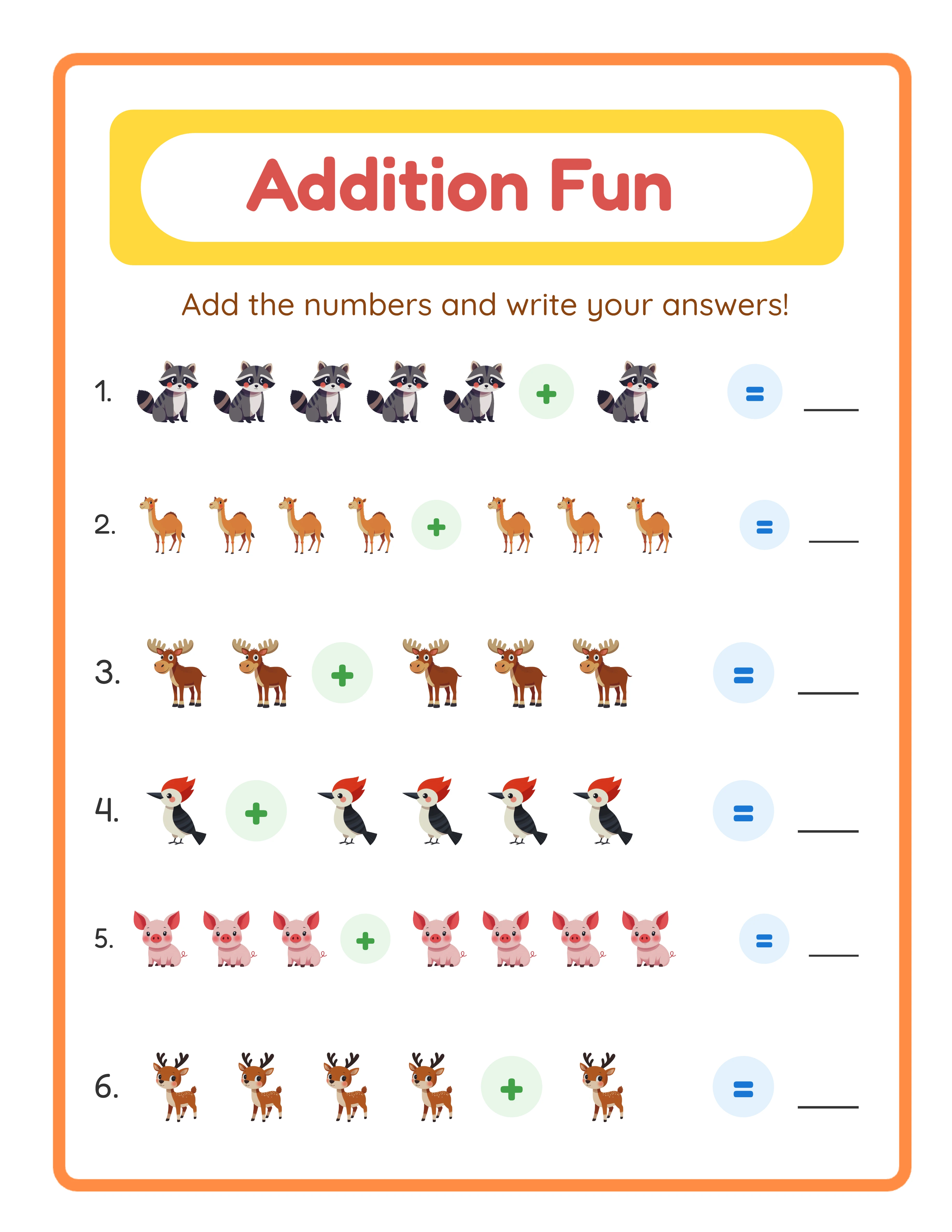
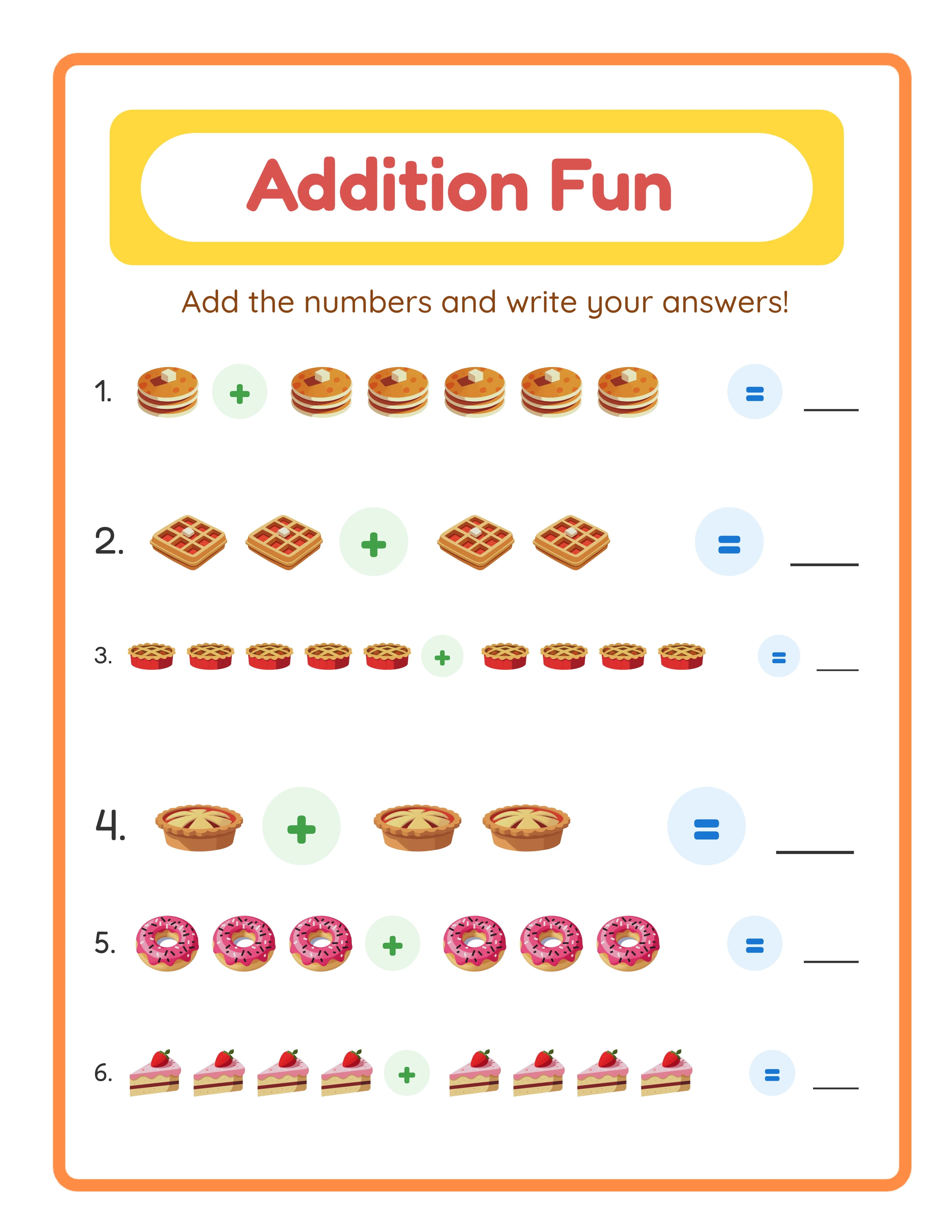
Create a cover image that shows the bundle's scope. The most effective bundle cover images display multiple worksheets from the collection arranged to show variety: a spread of 6 to 8 different pages fanned out, displayed in a flat-lay arrangement, or shown in a realistic store or desk setting. This visual approach immediately communicates "you are getting a lot of content" in a way that a single worksheet preview cannot. Include the bundle title, total page count, and grade level directly on the cover image so buyers get key information at a glance even in small thumbnail views.
Design mockup images showing the bundle in context. A stack of printed worksheets on a desk, worksheets in a binder or folder, a child working on one of the worksheets, or worksheets displayed on a practical bulletin board — these contextual images help buyers visualize using the bundle in their own setting. You can create effective mockups using digital mockup templates or by printing sample pages and photographing them in realistic environments. Three to five mockup images give your listing the visual depth that convinces buyers your bundle is a professional product.
Create a preview file or preview images that showcase variety. Buyers need to evaluate quality before purchasing, and for bundles this means seeing samples from different sections of the collection. Show one page from each major section of the bundle — an addition page, a subtraction page, a number sense activity, a word problem page — rather than four pages from the same section. Each preview page should demonstrate clear formatting, professional design, and age-appropriate content. Add a watermark or "PREVIEW" stamp to sample pages to prevent unauthorized use while still allowing quality evaluation.
Maintain consistent branding across all bundle components. Use the same fonts, colors, header styles, and layout patterns throughout every worksheet in the bundle. When buyers flip through a bundle and see consistent design language across all pages, it reinforces the perception of a professionally created, cohesive product rather than a collection of random worksheets grabbed from different sources. The worksheet generators produce consistently formatted output by default, which gives your bundles inherent visual cohesion.
Name your bundle files clearly for post-purchase satisfaction. The buyer experience does not end at checkout — the moment they download and open your files is when they form their lasting impression. Well-organized, clearly named files create a positive first impression that leads to good reviews and repeat purchases. Poorly organized files with confusing names create frustration that leads to refund requests and negative feedback regardless of the content quality.
6
Price Bundles Using Anchor and Discount Psychology
Bundle pricing is where strategy directly impacts revenue. Price too low and you leave money on the table while devaluing your individual products. Price too high and conversion drops. The most effective bundle pricing uses anchoring and discount psychology to make the bundle feel like an unmissable deal while generating significantly more revenue per transaction than individual sales.
Anchor pricing is the foundation of effective bundle pricing. The anchor is the total cost of buying all bundled products individually. If your bundle contains five products at $10 each, the anchor is $50. Your bundle price should represent a 25% to 40% discount from this anchor: $30 to $37.50 for a $50 anchor. Always display the anchor prominently in your listing: "Valued at $50 when purchased separately — get the complete bundle for $35." The buyer evaluates your bundle price against the anchor, not against an abstract sense of what worksheets should cost.
The 30% to 35% discount range hits the sweet spot for most worksheet bundles. Below 25%, the savings feel too small to motivate a bundle purchase over cherry-picking individual products. Above 45%, buyers may question whether the individual products are overpriced (which undermines both bundle and individual sales) or whether the bundle quality is lower. A 30% to 35% discount communicates genuine value without eroding confidence in your pricing.
Create tiered bundle sizes to capture different buyer segments. A "Starter Pack" with 3 to 4 products at $22 to $25 captures budget-conscious buyers. A "Standard Bundle" with 6 to 8 products at $35 to $45 captures the majority of buyers. A "Complete Collection" with 12 or more products at $55 to $75 captures buyers who want everything. Each tier should feel like a clear step up in value: the standard bundle should offer noticeably better per-product pricing than the starter pack, and the complete collection should offer the best per-product pricing of all. This tiering naturally guides buyers toward the middle or top tier.
Price relative to competition in your niche. Search for similar bundles on your selling platform and note their pricing, page counts, and product counts. Your bundle should offer comparable or better value — not necessarily the lowest price, but the best perceived value for the price. A $35 bundle with 100 professionally designed pages and complete answer keys beats a $25 bundle with 80 plain-text pages, because the per-page quality justifies the higher price.
Test your pricing rather than guessing. Launch at your estimated optimal price and track conversion rate over 2 to 4 weeks. Then adjust the price by $3 to $5 in either direction and compare conversion and revenue over another 2 to 4 weeks. The goal is maximizing total revenue (price multiplied by number of sales), not maximizing either price or sales volume independently. Some sellers discover that a $5 price increase reduces sales by only 10% but increases total revenue — a test they would never have run without data-driven pricing habits.
Protect your individual product pricing. If your bundle discount is too deep, buyers will never purchase individual products because the bundle is always the obvious choice. Maintain a pricing structure where buying 2 to 3 individual products is still reasonable for a buyer who only needs specific resources, while the bundle offers compelling savings for buyers who want broader coverage. This balance keeps both individual and bundle sales healthy.
7
Optimize Bundle Listings for Each Platform
While the bundling strategy in this guide is platform-agnostic, the way you list and present bundles varies by platform. Each selling platform has its own listing format, search algorithm, category structure, and buyer expectations. Optimizing your bundle listing for each platform's specific requirements maximizes visibility and conversion on every channel where you sell.
Universal listing principles apply across all platforms. Your bundle title should include the bundle type, subject or theme, grade level, and total page count: "First Grade Math Bundle — Addition, Subtraction, and Number Sense — 120 Pages with Answer Keys." Your description should lead with the buyer benefit (what problem the bundle solves), follow with itemized contents (every product listed with page counts), include the savings comparison (individual total versus bundle price), and close with usage suggestions (how and when to use the bundle). Preview images should show variety across the bundle's contents, not just the first few pages.
On Etsy, bundles compete through search visibility and listing photos. Use all 13 tags, prioritize long-tail keywords that include "bundle" or "pack," and create listing photos that showcase the breadth of contents. Etsy buyers expect to see the product in use or displayed in realistic settings. Reference the Etsy bundle guide for detailed Etsy-specific listing optimization.
On Amazon KDP, bundles are published as single PDF products. The interior file should have a clear table of contents, consistent formatting throughout, and a professional cover. KDP bundles compete on keyword targeting and the book's look-inside preview, which makes your first 10 to 15 pages critical for conversion. Reference the KDP guide for specific KDP publishing strategies.
On Gumroad, bundles benefit from detailed product descriptions, comprehensive preview files, and accurate standard alignments. Gumroad buyers rely heavily on preview files to evaluate quality, so create a thorough preview showing samples from each section of the bundle. Reference the Gumroad guide for Gumroad-specific listing and pricing strategies.
On Gumroad and Creative Fabrica, bundles compete through direct marketing and visual presentation. Since these platforms have less organic discovery than marketplaces, your bundle listing must convert the traffic you drive to it. Focus on compelling cover images, detailed value stacking in the description, and clear pricing anchors. Reference the respective platform guides for specific optimization tactics.
Adapt your bundle's file delivery format to each platform's requirements. Some platforms handle multi-file delivery well (Gumroad, Gumroad), while others require a single PDF (KDP). Some platforms have file size limits that affect how you package your bundle. Test the complete buyer experience on each platform — from listing view through download and file opening — to ensure your bundle delivers as intended.
8
Track Bundle Performance and Iterate
Creating bundles is not a one-time effort — the most successful printable sellers continuously analyze bundle performance and refine their bundling strategy based on real data. Tracking the right metrics tells you which bundles resonate with buyers, which need restructuring, and where your next bundle opportunity lies.
Measure bundle conversion rate compared to individual product conversion rate. If your individual products convert at 3% (3 out of 100 viewers purchase) and your bundles convert at 2%, the bundles may need better value communication, stronger preview images, or price adjustment. If bundles convert at 4% or higher, they are outperforming individual products and deserve more marketing emphasis. Most well-structured bundles convert at equal or higher rates than individual products because the perceived value is stronger.
Track revenue contribution by product type. Calculate what percentage of your total revenue comes from bundles versus individual products. Healthy printable businesses typically see bundles contributing 40% to 60% of total revenue within 6 months of introducing them. If bundles contribute less than 30%, investigate whether the bundles are priced correctly, positioned prominently in your store, and receiving adequate marketing attention.
Identify which bundle types perform best in your niche. Grade-level bundles may dramatically outperform theme bundles, or seasonal bundles may convert at twice the rate of subject bundles. This data guides where you invest your bundle creation effort. Double down on the bundle types that your specific audience responds to rather than spreading effort equally across all types.
Analyze which bundles drive repeat purchases. Some bundles serve as entry points that lead buyers back to your store for additional purchases, while others are terminal purchases (the buyer gets everything they need and never returns). Entry-point bundles are more valuable over the customer's lifetime, even if their individual revenue is lower. A $25 starter bundle that leads to a $45 complete collection purchase later generates more total revenue than a single $50 mega bundle purchase.
Rotate seasonal bundles on a predictable schedule. Create seasonal bundles 4 to 6 weeks before the relevant season, promote them during the peak period, and then either archive or discount them after the season passes. Track year-over-year performance for each seasonal bundle to identify trends: a back-to-school bundle that grew 40% from year one to year two signals strong demand worth expanding. Update seasonal bundles annually with fresh content to give returning buyers a reason to purchase again.
Refresh underperforming bundles before abandoning them. A bundle with low sales might need a different price point, better cover images, a revised product selection, or a more compelling title and description. Test one change at a time (price, then images, then description) to isolate what moves the needle. Some sellers discover that a bundle that sold poorly at $39 becomes a strong seller at $29 — a simple price change that they would have missed without systematic testing.