What Copyright Protects (And What It Doesn't)
Copyright automatically protects any original creative work the moment it's created. You don't need to register, file paperwork, or add a copyright symbol — though doing so strengthens your legal position.
**What IS protected by copyright:**
- Original illustrations and artwork
- Unique worksheet layouts and designs
- Written instructions and descriptions
- Photographs (including mockup photos)
- Compiled collections (the arrangement of elements)
- Font designs (the font file itself, not the letters)
**What is NOT protected by copyright:**
- Facts, data, and mathematical equations (2+2=4 is not copyrightable)
- Common worksheet formats (a grid, a matching layout, a fill-in-the-blank structure)
- Individual words, short phrases, or titles
- Ideas and concepts (you can't copyright "animal-themed math worksheets" as an idea)
- Government works and public domain content
- Generic shapes, borders, and basic design elements
**What this means for printable sellers:**
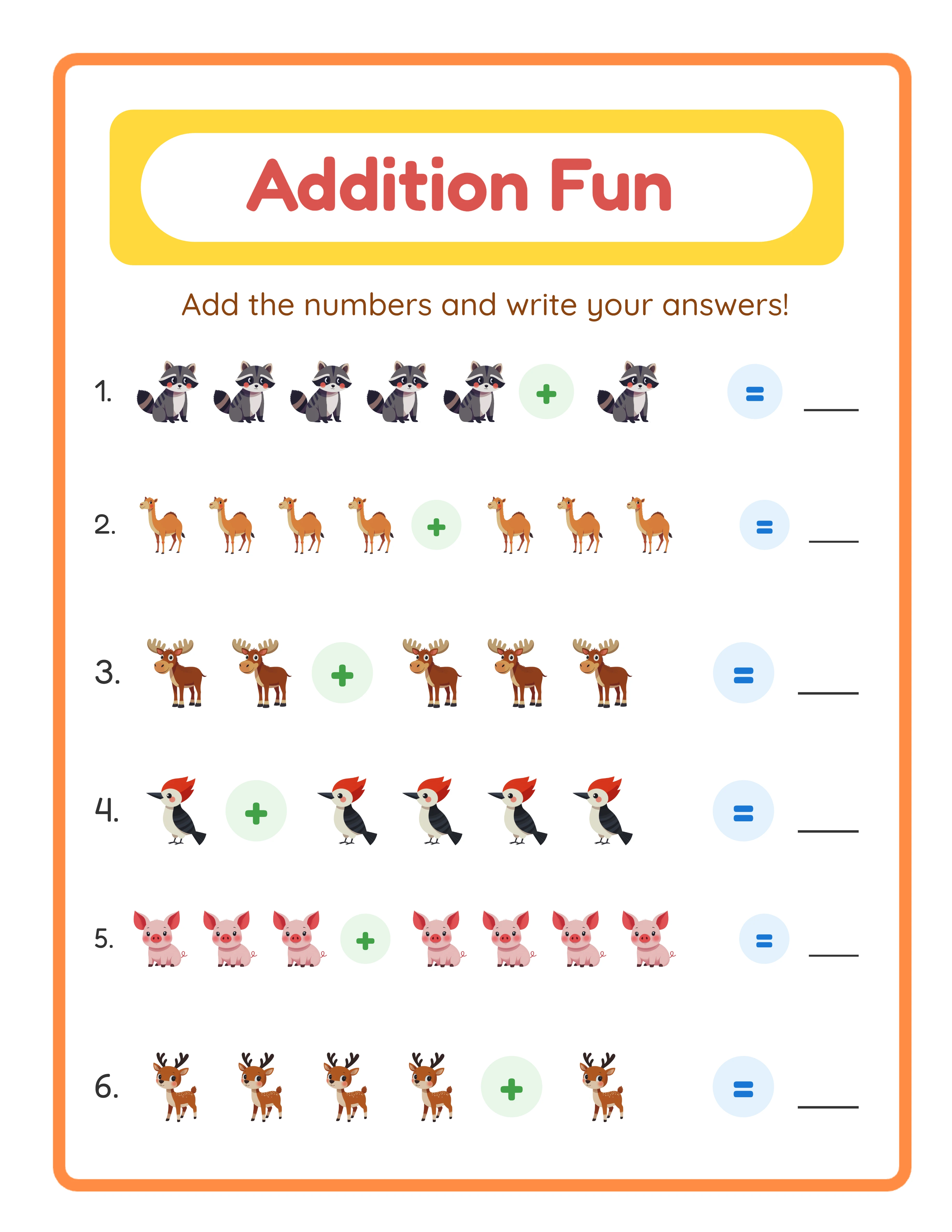
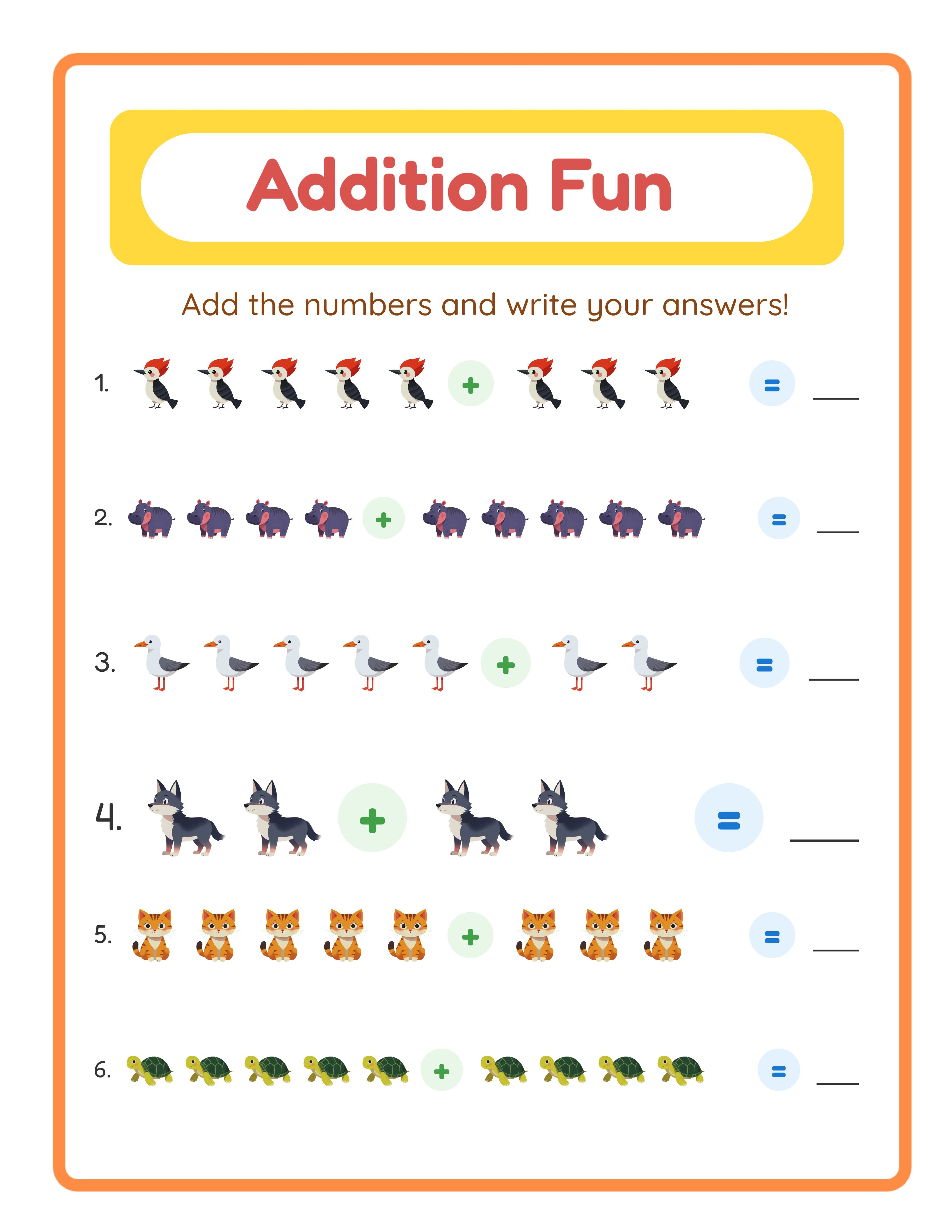
Your unique combination of illustrations, layout, colors, fonts, and content IS copyrighted. But the general concept of a "word search worksheet" or "addition practice page" is not. Anyone can create addition worksheets — they just can't copy YOUR specific design and content.
Using Images, Fonts, and Assets Safely
**Images and clip art:**
Every image you use in a product you sell must be either:
1. Created by you (automatic copyright)
2. Licensed for commercial use (purchased with commercial license)
3. In the public domain (copyright expired or waived)
4. Created by AI (currently no copyright restriction on commercial use)
**Sources that are SAFE for commercial use:**
- Purchased assets from Creative Market, Creative Fabrica, or Design Bundles (check license terms)
- Stock photos from sites with commercial licenses (Unsplash, Pexels — check individual image licenses)
- Public domain collections (OpenClipart, Library of Congress)
- AI-generated images (Midjourney, DALL-E — check platform terms)
- Your own original artwork and photographs
**Sources that are NOT SAFE:**
- Google Image search results (copyrighted by default)
- Pinterest images (pinning doesn't grant commercial rights)
- Disney, Marvel, Pokemon, or any branded characters (NEVER use these)
- Images from other sellers' products
- Screenshots from movies, TV shows, or books
**Fonts:**
- Google Fonts: 100% free for commercial use (safest option)
- Adobe Fonts: Licensed through Creative Cloud subscription
- Most "free" font websites: Personal use only — check the license file
**Rule of thumb:** If you can't prove you have the right to use it commercially, don't use it. The risk of a DMCA takedown far outweighs the convenience of using an unlicensed asset.
Generic vs Professional Worksheets
Generic
VS
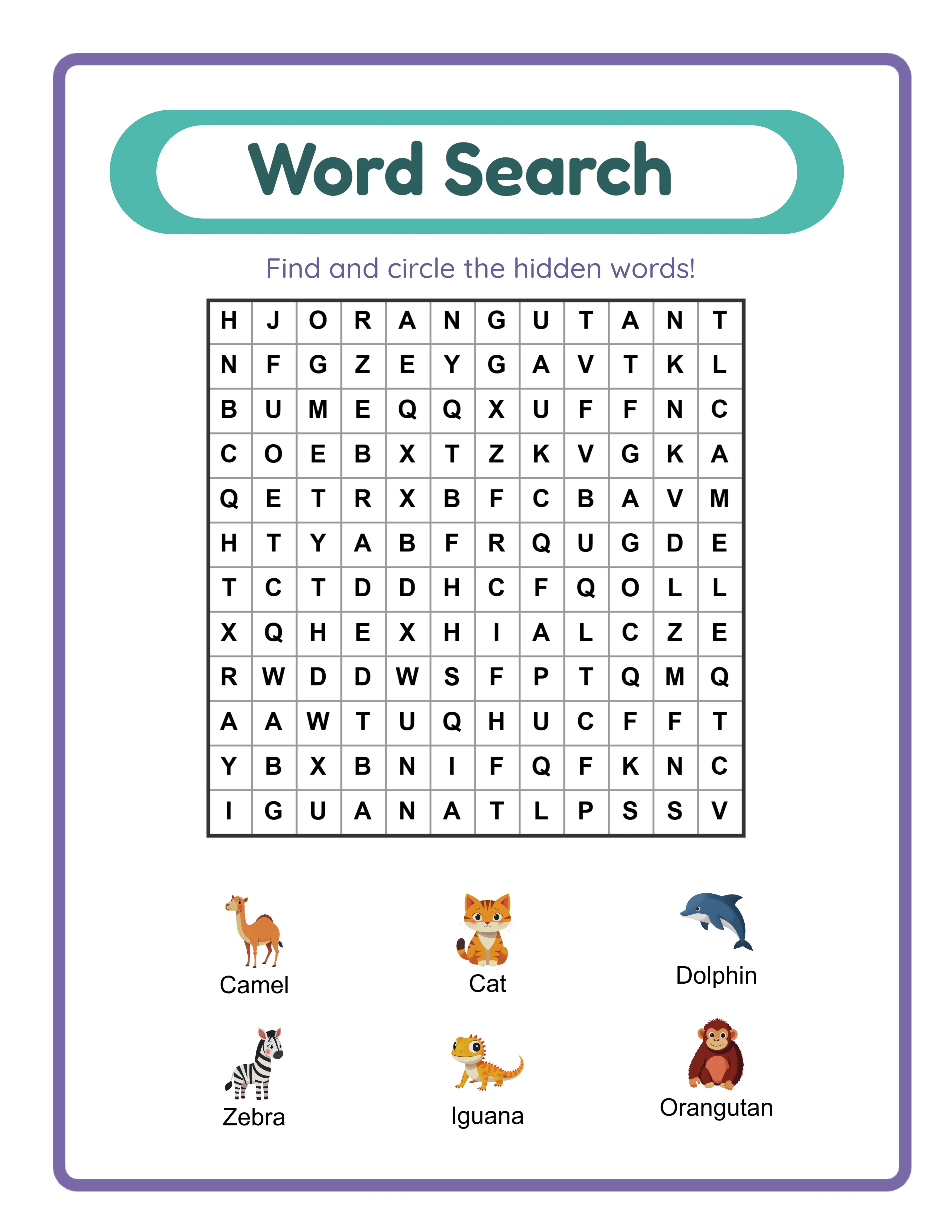
With LessonCraftStudio
Protecting Your Own Printable Designs
Your original worksheets are automatically copyrighted, but automatic protection has limits. Here's how to strengthen your position:
**Level 1: Automatic protection (free)**
The moment you create an original worksheet, it's copyrighted. No registration required. You can use the copyright symbol: "(c) 2026 [Your Name/Shop Name]. All rights reserved."
**Level 2: Copyright notice on products (free)**
Add a footer to every worksheet page: "(c) 2026 [Shop Name] — Personal use only. Redistribution prohibited." This doesn't add legal protection but deters casual copying and makes your rights clear.
**Level 3: Watermarking preview images (free)**
Watermark the preview images in your listings so they can't be used directly. Only the purchased file should be watermark-free. This prevents the most common form of theft: downloading listing photos and recreating the product.
**Level 4: Copyright registration ($35-$65 per work)**
Register your best-selling products with the U.S. Copyright Office (or equivalent in your country). Registration enables you to sue for statutory damages ($750-$150,000 per infringement) instead of just actual damages. Worth it for your top 5-10 products.
**Level 5: Documenting creation process**
Keep records of when you created each product: saved design files with timestamps, original sketches, and early drafts. This documentation proves you're the original creator if someone claims you copied them.
Most printable sellers should implement Levels 1-3 on every product and Level 4 on their best sellers.
Handling Copyright Infringement: Someone Stole Your Design
It will happen. Someone will copy your best-selling worksheet, list it on Etsy or another platform, and undercut your price. Here's your action plan:
**Step 1: Document the infringement**
Screenshot the infringing listing, including the URL, seller name, listing date, and product images. Compare side-by-side with your original. Save everything.
**Step 2: File a DMCA takedown notice**
Every major platform has a DMCA process:
- Etsy: Report listing > Intellectual Property > Submit DMCA notice
- Amazon: Brand Registry or Report Infringement tool
- Gumroad: Email legal@gumroad.com with details
DMCA notices are free to file and typically result in listing removal within 3-10 business days.
**Step 3: Contact the seller directly (optional)**
Some copycats don't realize they're infringing. A polite message — "I'm the original creator of this design. Please remove your listing or I'll file a DMCA takedown" — sometimes resolves the issue faster.
**Step 4: Monitor for repeat offenders**
Some sellers will re-list removed products under a new listing. Set up Google Alerts for your product names and periodically search for your products on Etsy and Amazon.
**What NOT to do:**
- Don't publicly call out the copier on social media (can backfire legally)
- Don't harass the seller with multiple messages
- Don't file false DMCA claims against legitimate competitors (this is illegal)
- Don't ignore it — unchallenged infringement can weaken your rights over time
33 Generators
3,000+ Images
11 Languages
300 DPI Export
Common Copyright Myths That Get Sellers in Trouble
**Myth 1: "If I change 20% of an image, it's not infringement"**
False. There is no percentage threshold. Any substantial copying of copyrighted work is infringement, even with modifications. Changing colors, flipping the image, or adding text to a copyrighted illustration doesn't make it legal.
**Myth 2: "If it's on the internet, it's free to use"**
False. Content posted online is copyrighted by default. The internet is not the public domain. Even images without visible copyright notices are protected.
**Myth 3: "I can use any image if I credit the creator"**
False. Credit is not a substitute for a license. You need explicit permission (a commercial license) to use copyrighted work in products you sell. Giving credit doesn't grant that permission.
**Myth 4: "I can use characters like Disney or Pokemon if I draw them myself"**
False. Characters are protected by both copyright and trademark. Drawing your own version of Mickey Mouse is still infringement. This is the most common reason for Etsy shop shutdowns in the printable space.
**Myth 5: "Copyright registration is required for protection"**
False. Your work is copyrighted automatically upon creation. Registration is optional but valuable — it enables statutory damages in court and creates a public record of your ownership.
**Myth 6: "Small sellers don't get caught"**
False. Copyright holders use automated scanning tools to find infringement. Disney, Hasbro, and other major IP holders actively monitor Etsy and Amazon. One takedown can suspend your shop regardless of how small you are.