
Week 1: Setup and First Listings
Your first week should focus on shop infrastructure:
**Shop essentials:**
- Complete your shop profile (bio, photo, policies)
- Set up payment and shipping profiles
- Create your shop banner and logo
- Write clear return/refund policies for digital products
**First listings (aim for 10-15):**
- List your best 10-15 products with optimized titles, tags, and photos
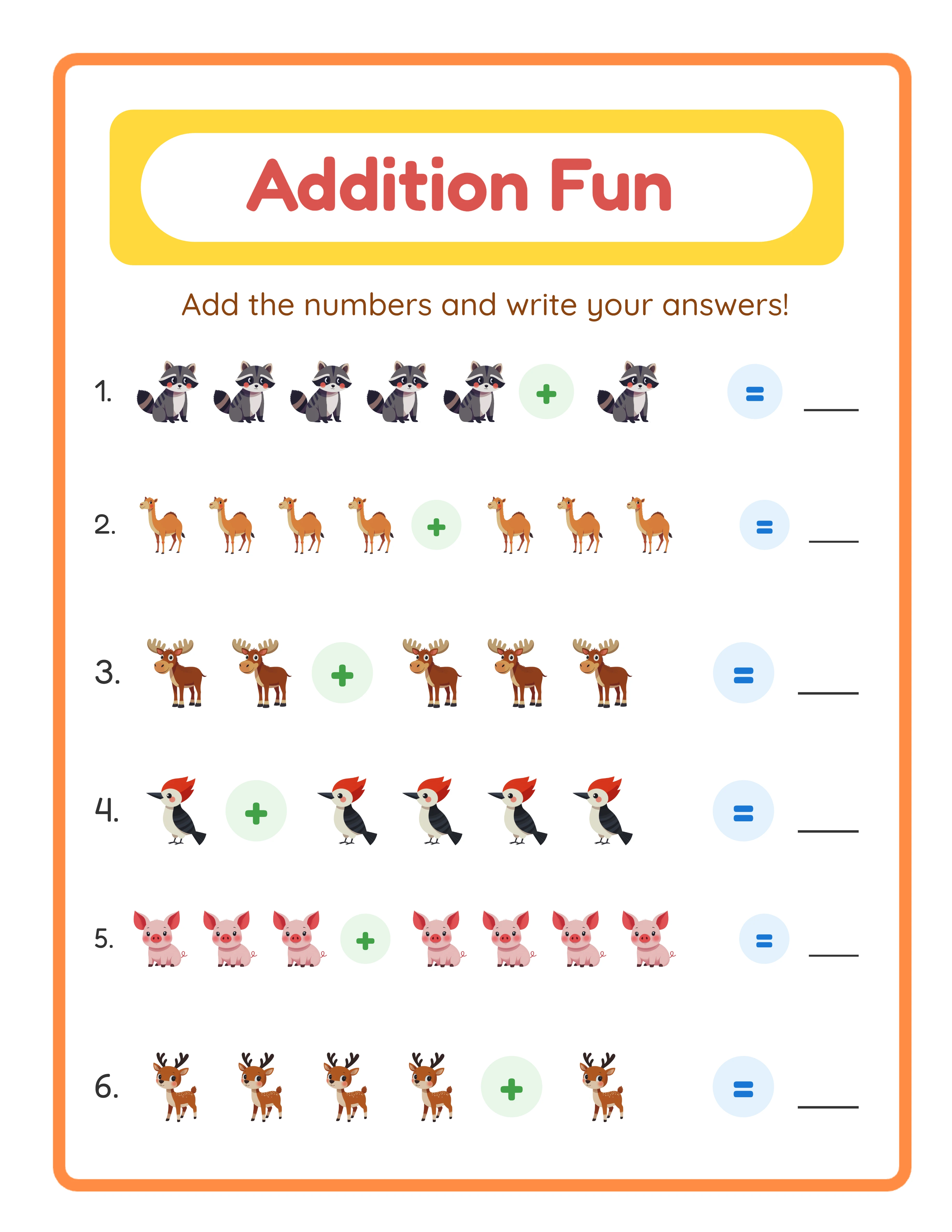
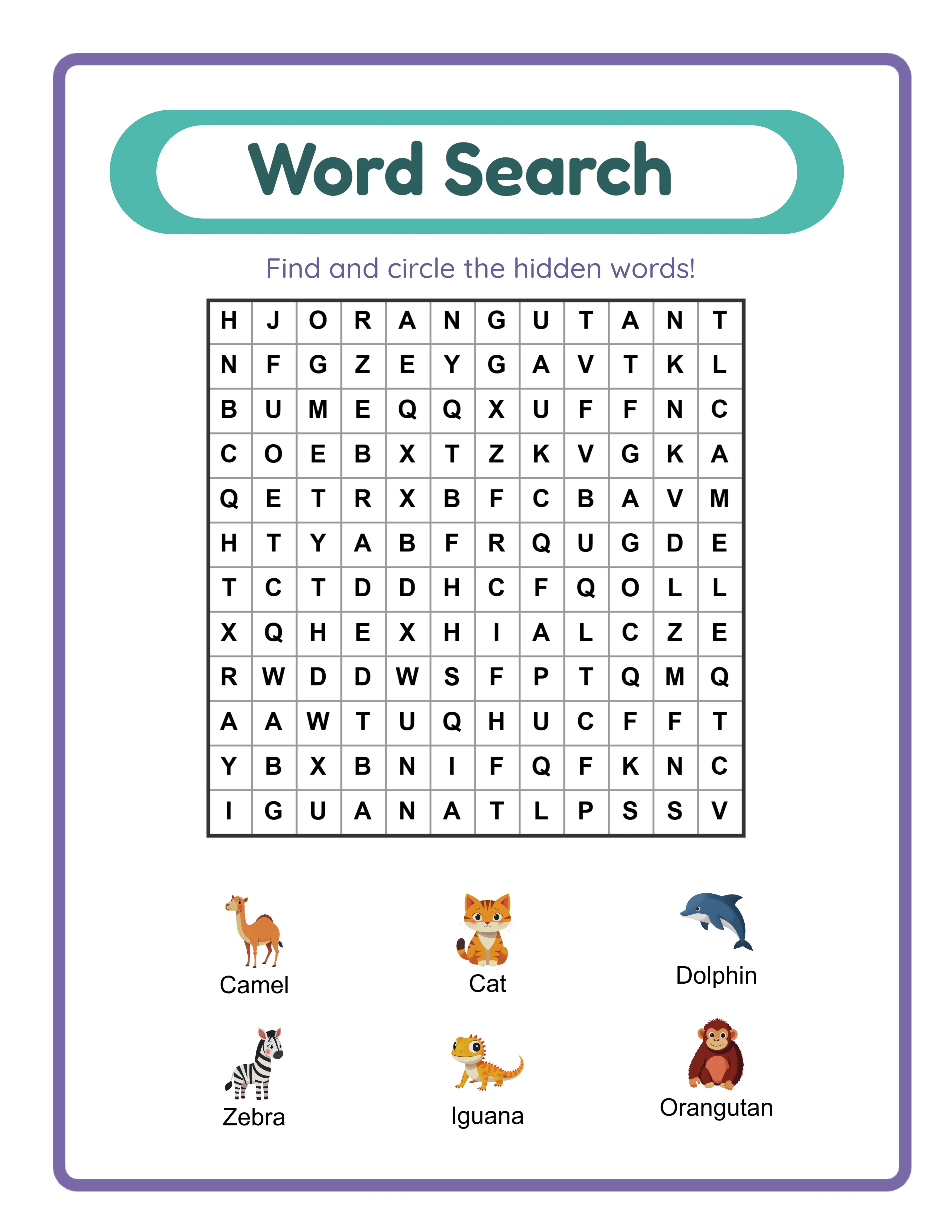
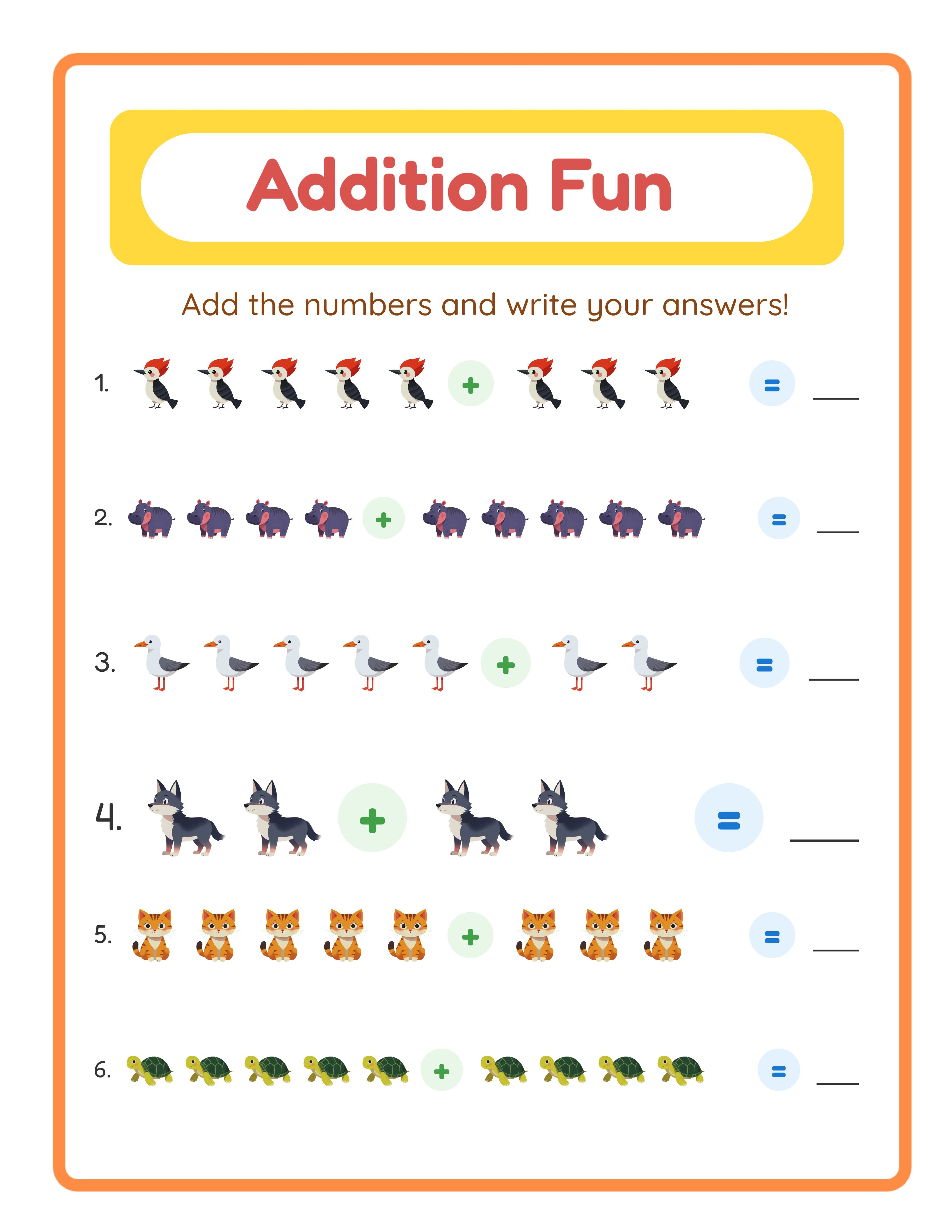
- Include mockup images showing worksheets printed on paper
- Write descriptions that lead with buyer benefits, not product features
- Price competitively for the first month (slightly below established competitors)
**Reality check:** You'll likely see 50-200 views and 0-2 sales in week one. This is normal. The algorithm is still indexing your listings.
Week 2-3: The Quiet Period
Weeks 2-3 are where most new sellers give up. Views may actually decrease from week 1 as the "new seller bump" fades. This is the critical period where you must keep building inventory.
**What to do:**
- Add 5-10 new listings per week (building toward 30-50 total)
- Optimize existing listings based on which keywords are generating views (check Etsy stats)
- Share listings on Pinterest (the #1 traffic source for printable sellers)
- Join Etsy seller communities for feedback on your listings
**What NOT to do:**
- Don't panic about low sales — it's too early
- Don't start running Etsy ads yet (wait until you have reviews)
- Don't drastically change prices or titles every day (give listings 2-3 weeks to perform)
- Don't compare yourself to established shops with 500+ listings and 1,000+ reviews
How It Looks on Etsy
etsy.com/listing/...
(127)
$4.99$9.99(50% off)
Add to cart
Week 4: First Milestone Assessment
By the end of month one, measure these metrics:
**Realistic month-one benchmarks:**
- Views: 200-1,000 (depending on niche and listing count)
- Favorites: 5-30
- Sales: 0-5 (most new shops land at 1-3)
- Revenue: $0-$30
**What matters more than sales:**
- Number of listings live (target: 20-30 minimum)
- Search impression data (are your keywords generating views?)
- Conversion rate of views to favorites (early interest signal)
- Customer messages and questions (shows engagement)
If you have 25+ listings, some search impressions, and at least one sale or multiple favorites, you're on track. The shops that reach profitability by month 3-6 all share one trait: they kept adding listings through the quiet first month.
The Month 1-to-6 Growth Trajectory
Here's the typical growth pattern for printable shops that stick with it:
**Month 1:** 0-5 sales, $0-$30 revenue. Building inventory, learning the platform.
**Month 2:** 3-15 sales, $15-$90 revenue. First reviews come in, algorithm trust builds.
**Month 3:** 10-30 sales, $50-$200 revenue. Listings start ranking, consistent daily views.
**Month 4-5:** 20-60 sales, $100-$400 revenue. Reviews compound, repeat customers appear.
**Month 6:** 40-100+ sales, $200-$700 revenue. Established shop with predictable daily sales.
The inflection point is usually around 40-50 listings with 10+ reviews. This is when Etsy's algorithm starts consistently showing your products in search results. Everything before that point is investment — building the assets that generate returns later.
33 Generators
3,000+ Images
11 Languages
300 DPI Export
Five Things to Do in Month One
**1. Create 30 listings minimum.** Volume matters more than perfection. Each listing is a potential search entry point. More listings = more visibility.
**2. Optimize for long-tail keywords.** Don't target "worksheets" — target "animal themed addition worksheets for kindergarten printable PDF." Long-tail keywords have less competition and higher conversion.
**3. Create bundles from day one.** Don't wait until you have 100 products. Bundle your first 10-15 worksheets into themed packs. Bundles generate higher revenue per sale.
**4. Set up Pinterest.** Create a business Pinterest account and pin every listing. Pinterest drives more traffic to printable shops than any other social platform.
**5. Get your first review.** Ask friends, family, or fellow sellers to purchase and leave honest reviews. That first review breaks the zero-review barrier that makes buyers hesitate.