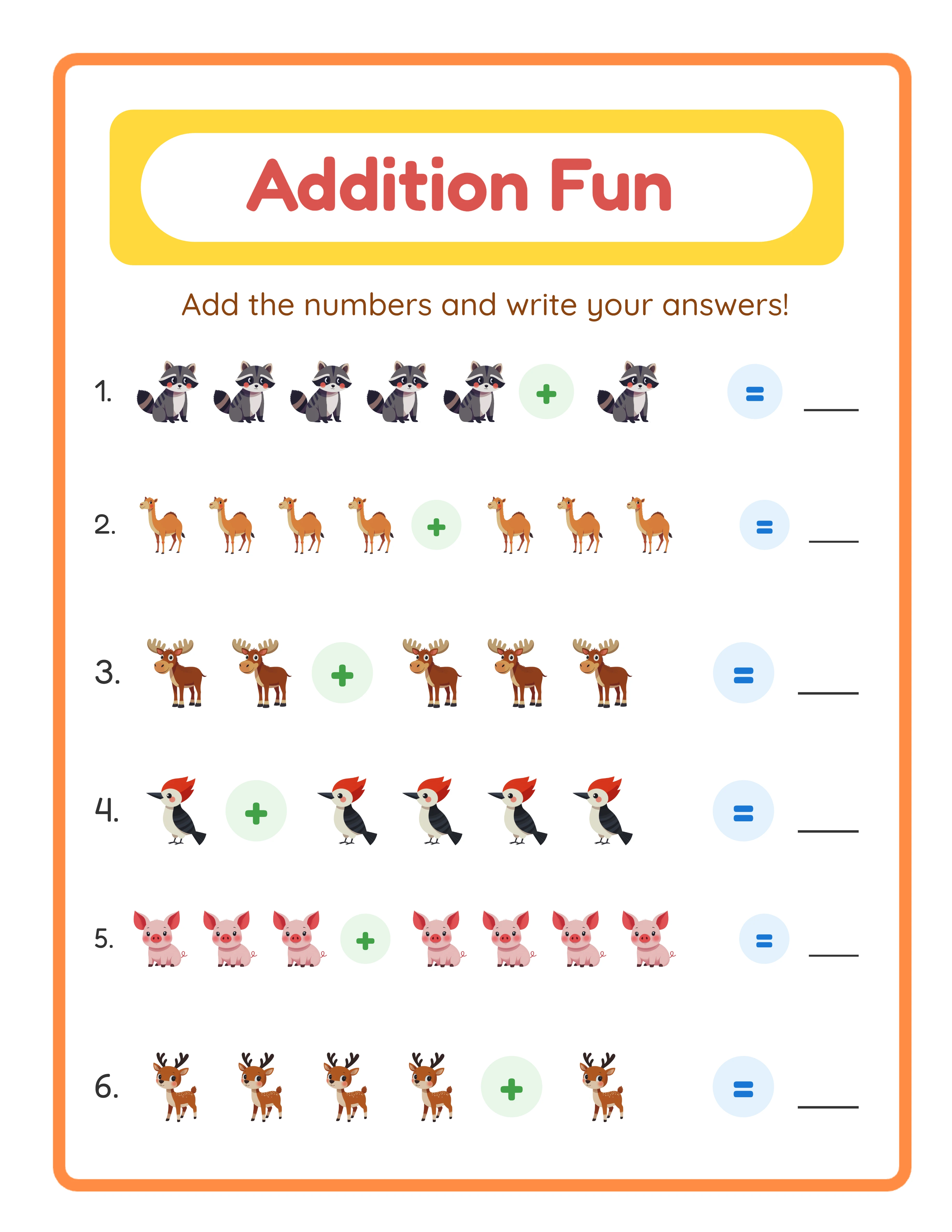
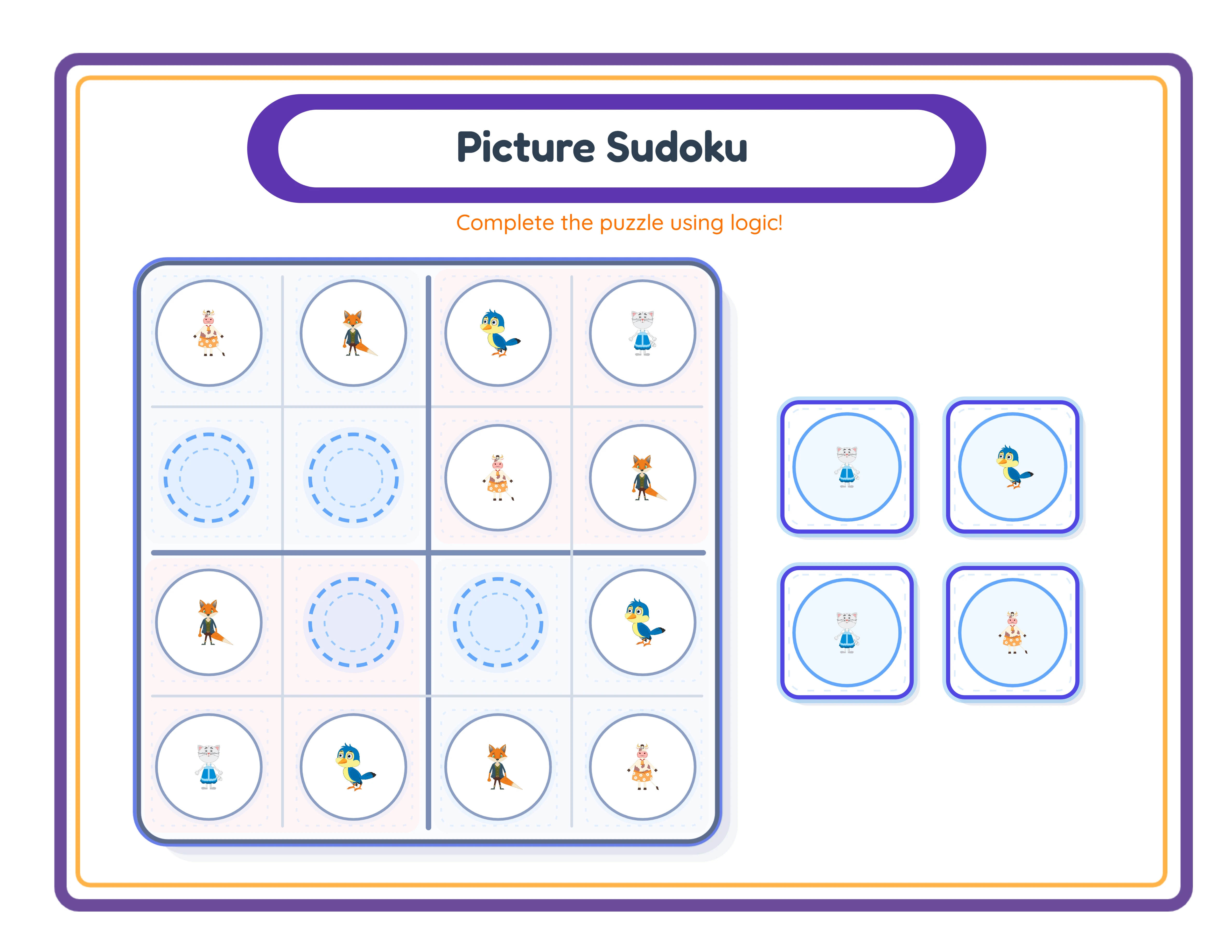
Mistakes 1-3: Pricing, Volume, and Niche Selection
**Mistake 1: Pricing too low**
New sellers price worksheets at $0.99-$1.49 hoping low prices will attract buyers. They don't. Low prices signal low quality and destroy margins. After Etsy fees, a $0.99 sale nets you $0.52. You need 1,923 sales per month to make $1,000.
**The fix:** Price individual worksheets at $2.99-$4.99 and bundles at $7.99-$14.99. Buyers associate higher prices with better quality. A $4.99 worksheet nets you $3.85 after fees — you need only 260 sales for $1,000.
**Mistake 2: Not enough listings**
New sellers list 5-10 products, then wait for sales. Etsy's algorithm needs volume to work. Each listing is a search entry point. With 10 listings, you're competing against shops with 300-500 listings for the same keywords.
**The fix:** Create 30-50 listings in your first 2 months. Add 5-10 new listings per week. Don't wait for your first sale to create your 11th product.
**Mistake 3: Choosing a saturated niche**
Generic "math worksheets" or "coloring pages" have 50,000+ competing listings. New shops can't break through. It takes months to appear in search results for broad terms.
**The fix:** Target sub-niches with under 5,000 competing listings. "Animal-themed shadow matching worksheets" has far less competition than "worksheets" and attracts more committed buyers.
Mistakes 4-6: SEO, Photos, and Descriptions
**Mistake 4: Ignoring Etsy SEO**
Many sellers write creative, clever titles like "Super Fun Math Magic!" instead of keyword-rich titles like "Addition Worksheets Kindergarten — Animal Themed Math Practice Printable PDF." Etsy's search engine matches buyer queries to listing titles and tags. Creative titles that don't contain buyer search terms won't appear in search results.
**The fix:** Use all 13 Etsy tags. Put your primary keyword in the first part of your title. Use Etsy's search bar autocomplete to discover what buyers actually type. Tools like eRank and Marmalead help identify high-demand, low-competition keywords.
**Mistake 5: Using flat screenshots instead of mockup photos**
A flat screenshot of a PDF looks amateurish. Top sellers use lifestyle mockup photos: the worksheet printed on paper, placed on a desk with pencils and crayons, sometimes with a child's hand visible. Mockup photos increase click-through rate by 40-60%.
**The fix:** Print your worksheet, place it on a clean desk with colorful props, and photograph with your phone. Or use mockup templates from Placeit or Creative Market ($15-$30 for 50+ templates). This single change often doubles conversion rates.
**Mistake 6: Writing features instead of benefits**
Bad: "20-page PDF, addition problems 1-20, answer key included." Better: "Give your child 20 pages of engaging addition practice with fun animal illustrations. Each worksheet builds confidence with numbers 1-20. Answer key included so you can check progress instantly."
**The fix:** Start every description with what the buyer or their child gets. Then list features. Lead with "why buy this" not "what's in this."
Generic vs Professional Worksheets
Generic
VS
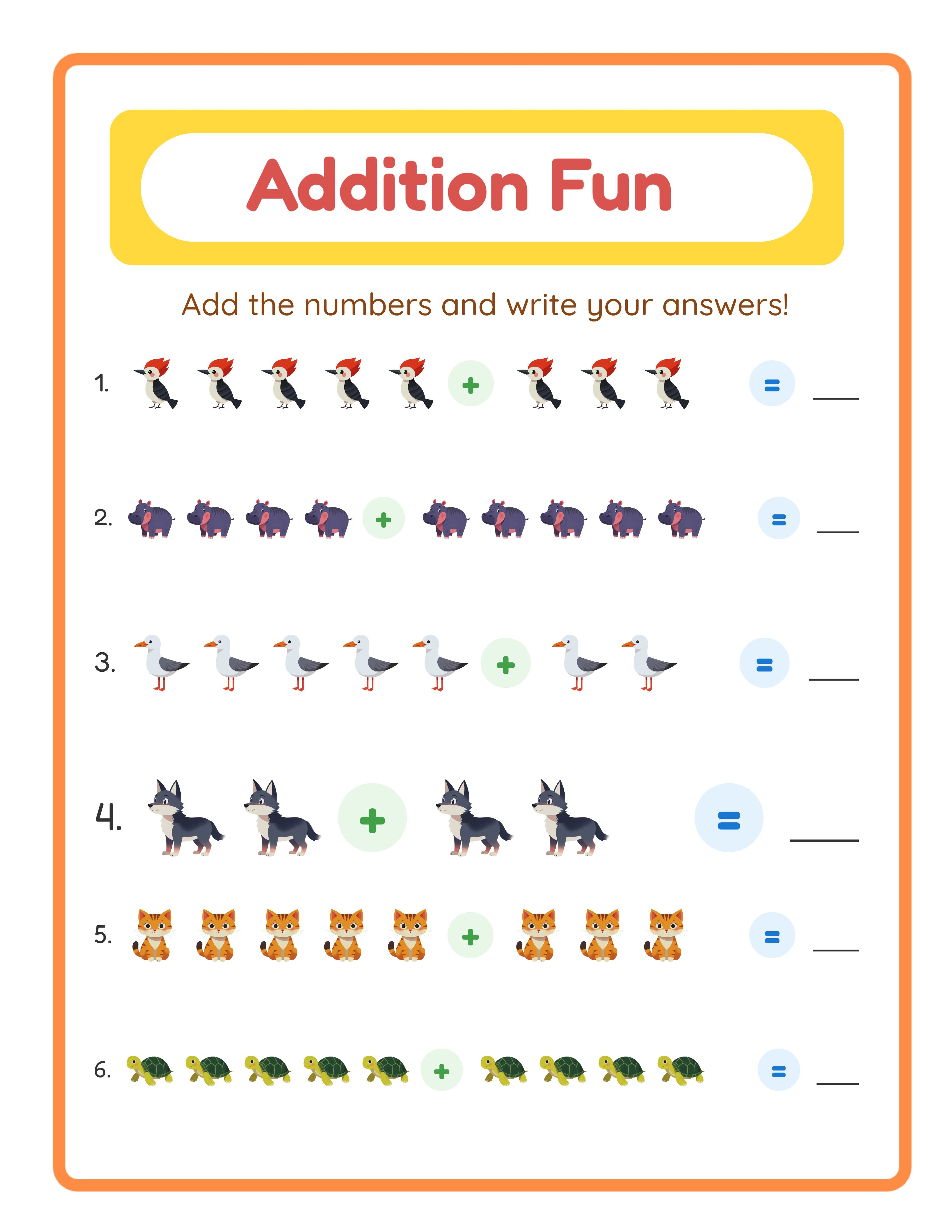
With LessonCraftStudio
Mistakes 7-8: Bundles and Branding
**Mistake 7: Not creating bundles from day one**
New sellers only list individual worksheets at $2.99-$4.99 each. They miss the highest-revenue opportunity in the printable business: bundles. A 20-worksheet bundle at $12.99 generates 3x the revenue of a single worksheet sale, and bundles often convert better because buyers see overwhelming value.
**The fix:** For every 8-10 individual worksheets in a theme, create a bundle listing. Price the bundle at 40-50% of the total individual price. If 10 worksheets sell individually at $3.99 each ($39.90 total), price the bundle at $14.99-$19.99. Many buyers purchase ONLY bundles — if you don't have them, you lose these customers entirely.
**Mistake 8: No consistent branding**
A shop where every listing has different colors, fonts, and mockup styles looks like a flea market. Buyers don't trust inconsistent shops. They can't identify your products in search results. You look like a hobbyist, not a business.
**The fix:** Choose 3-5 brand colors, 2 fonts, and 1 mockup style. Apply them to every listing and every product. This takes one weekend to set up and immediately makes your shop look professional. Branded shops charge 20-40% more than unbranded competitors.
Mistakes 9-10: Patience and Platform Dependence
**Mistake 9: Giving up after month one**
The most expensive mistake of all. Most printable shops generate $0-$30 in month one. Beginners expect immediate results because they see established sellers posting $5,000/month screenshots. Those sellers have 200+ listings, 100+ reviews, and 12+ months of accumulated search authority. Month one is about building the foundation — not generating revenue.
**The fix:** Commit to a minimum of 6 months before evaluating whether your printable business "works." The typical timeline: months 1-2 (building), months 3-4 (first consistent sales), months 5-6 (growth acceleration). Sellers who push through the quiet first two months almost always reach profitability by month 4-6.
**Mistake 10: Relying on a single platform**
Putting all your products on Etsy alone means one algorithm change can cut your income in half overnight. Etsy has made major algorithm changes in 2023, 2024, and 2025, each time disrupting seller traffic patterns.
**The fix:** List on at least 2 platforms by month 3. Etsy + Gumroad, Etsy + KDP, or Etsy + your own website. Each platform adds 20-40% additional revenue and reduces your dependence on any single algorithm. Build an email list to own your audience independent of any platform.
33 Generators
3,000+ Images
11 Languages
300 DPI Export
The Beginner's Corrected Roadmap
**Avoid all 10 mistakes by following this corrected plan:**
**Week 1-2:**
- Choose a sub-niche with under 5,000 competing Etsy listings
- Create 15-20 worksheets + 2-3 bundles
- Set up consistent branding (colors, fonts, mockup style)
- Price individuals at $2.99-$4.99 and bundles at $9.99-$14.99
**Week 3-4:**
- List all products with keyword-optimized titles (all 13 tags filled)
- Use mockup photos for every listing (not flat screenshots)
- Write benefit-first descriptions
- Set up Pinterest and pin every listing
**Month 2:**
- Add 5-10 new listings per week
- Create bundles for every 8-10 individual products
- Start building your email list with a lead magnet
- Cross-list your top 10 sellers on a second platform
**Month 3-6:**
- Continue adding listings (target 100+ total by month 6)
- Optimize top performers based on Etsy analytics
- Start Etsy Ads on listings with 5+ reviews ($1-$3/day)
- Build consistent social media presence on Pinterest
This roadmap addresses every mistake proactively. Sellers who follow this plan typically reach $200-$500/month by month 3 and $500-$1,500/month by month 6.