Step 1: Choose Your Theme and Target Age Range
Every successful kids' activity book starts with two decisions: theme and age range. Getting both right determines whether your book reaches the right buyers.
**Age range targeting:**
- **Ages 2-4 (Toddlers):** Simple activities, thick lines, large images, minimal text. Focus on coloring, tracing, basic matching.
- **Ages 4-6 (Preschool/Kindergarten):** Moderate complexity. Add mazes, counting, letter recognition, spot-the-difference.
- **Ages 6-8 (Early Elementary):** More challenging puzzles. Word searches, addition/subtraction, crosswords with picture clues, logic puzzles.
- **Ages 8-10 (Upper Elementary):** Complex activities. Cryptograms, multi-step puzzles, word scrambles, sudoku.
Target a 2-3 year age span per book. "Ages 4-6" is specific enough to match search intent but broad enough to capture a large audience.
**Theme selection research:**
Search Amazon for "activity book for kids ages [X-Y]" and note the themes that appear. Evergreen winners include:
- Animals (dinosaurs, unicorns, ocean, farm, jungle)
- Vehicles (trucks, construction, trains, space)
- Seasons and holidays (summer, Christmas, Halloween)
- Characters types (pirates, princesses, superheroes, robots)
Check competition: if the top 10 results all have 1,000+ reviews, the niche is saturated. Look for niches where at least 3-4 of the top 10 have under 200 reviews — these are entry points.
Step 2: Plan Your Activity Mix and Page Sequence
Mixed activity books outsell single-activity books because they offer more value and keep children engaged longer. The key is planning the right mix for your target age range.
**Recommended activity mix for an 80-page book (ages 4-6):**
- 15 coloring pages (themed images with clean line art)
- 12 maze pages (progressive difficulty, themed shapes)
- 10 matching/sorting activities (match pairs, shadow matching, odd-one-out)
- 10 counting or math pages (count objects, simple addition with pictures)
- 8 tracing/writing pages (letter tracing, name writing, dotted lines)
- 8 puzzle pages (word search, spot the difference, find and count)
- 5 drawing prompts ("Draw your favorite dinosaur," "Complete the picture")
- 2 front matter pages (title, instructions)
- 10 answer key pages
This gives you 68 activity pages plus front matter and answer keys — totaling 80 pages.
**Page sequencing strategy:**
Do not group all activities by type. Instead, alternate activity types to maintain engagement:
- Page 1: Coloring
- Page 2: Maze
- Page 3: Counting
- Page 4: Matching
- Page 5: Drawing prompt
- Page 6: Coloring
- ... and so on
This variety keeps children from getting bored with repetition. It also means a child can open the book to any random page and find something different.
Use LessonCraftStudio's Activity Book Planner tool to map out your page sequence and ensure balanced variety across the entire book.
Step 3: Generate Activity Pages with Multiple Generators
With your plan in hand, it is time to generate the actual content. Using multiple worksheet generators lets you produce all the activity types you need.
**Generation workflow for an 80-page book:**
1. **Coloring pages (15 pages, 10 minutes):** Use the Coloring Page Generator with your chosen theme. Select images that match your theme and adjust line weight for your target age.
2. **Maze pages (12 pages, 8 minutes):** Generate picture mazes with progressive difficulty. Start with simple 2-path mazes for the beginning of the book and increase to multi-path mazes.
3. **Matching activities (10 pages, 8 minutes):** Use the Matching Generator to create match-the-pair, shadow matching, and odd-one-out activities. Themed images make these more engaging.
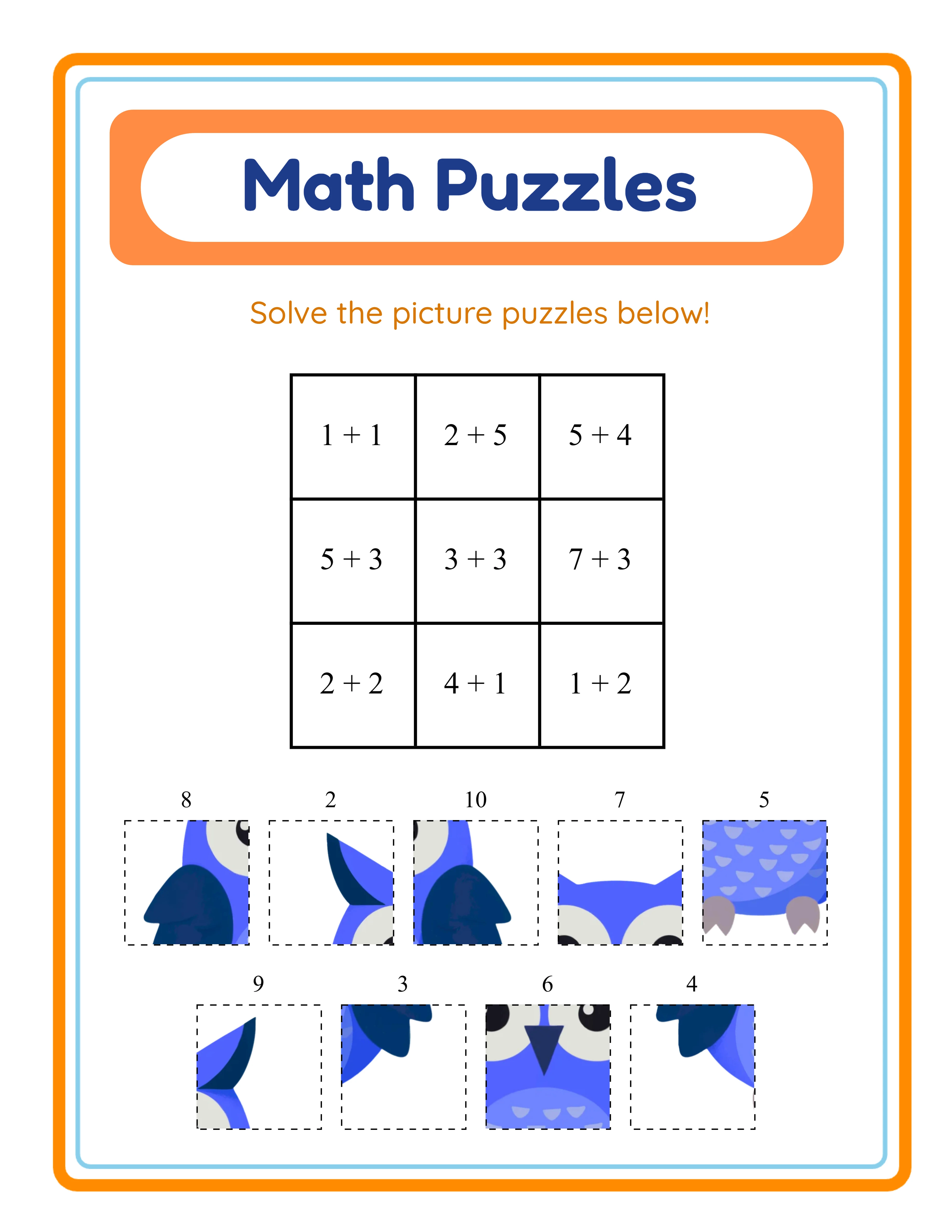
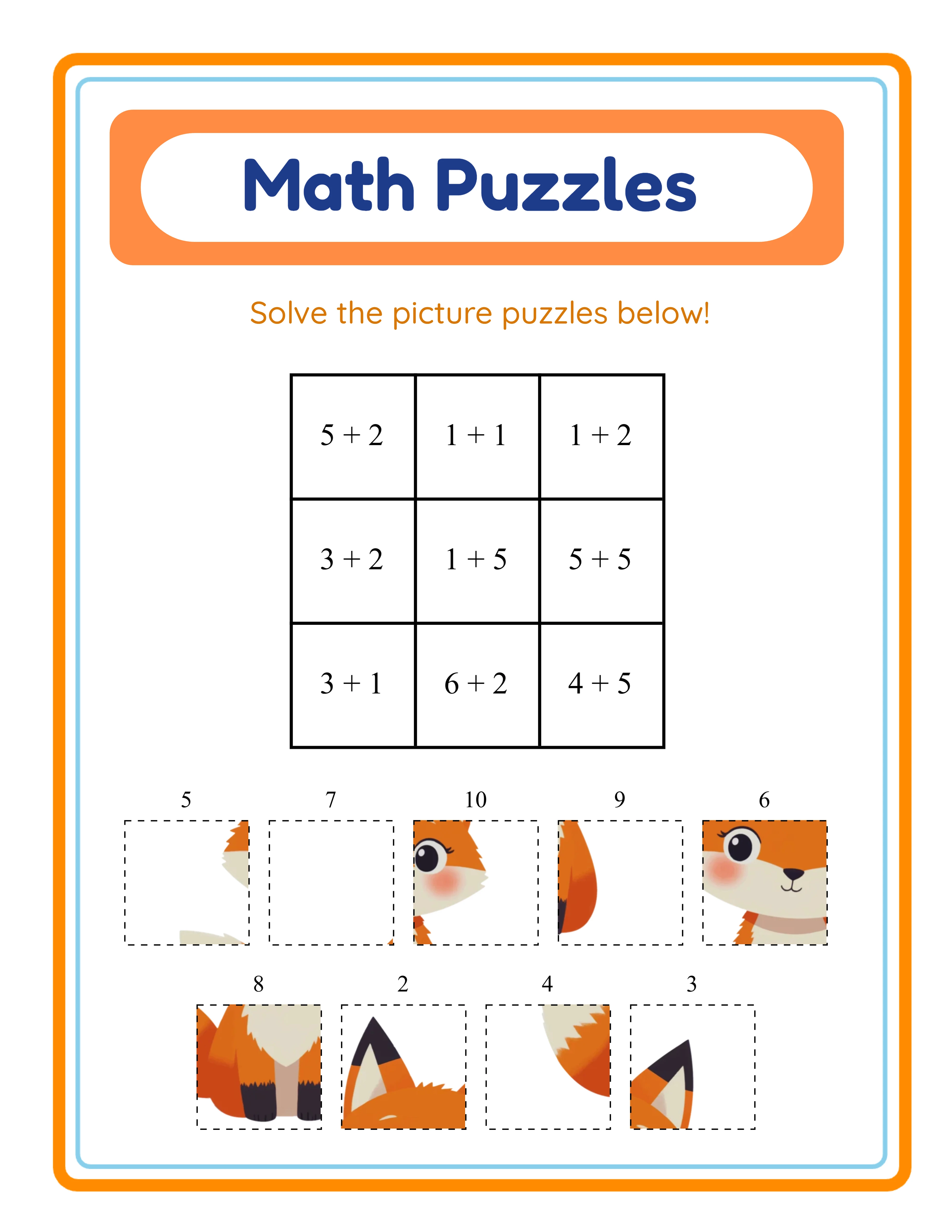
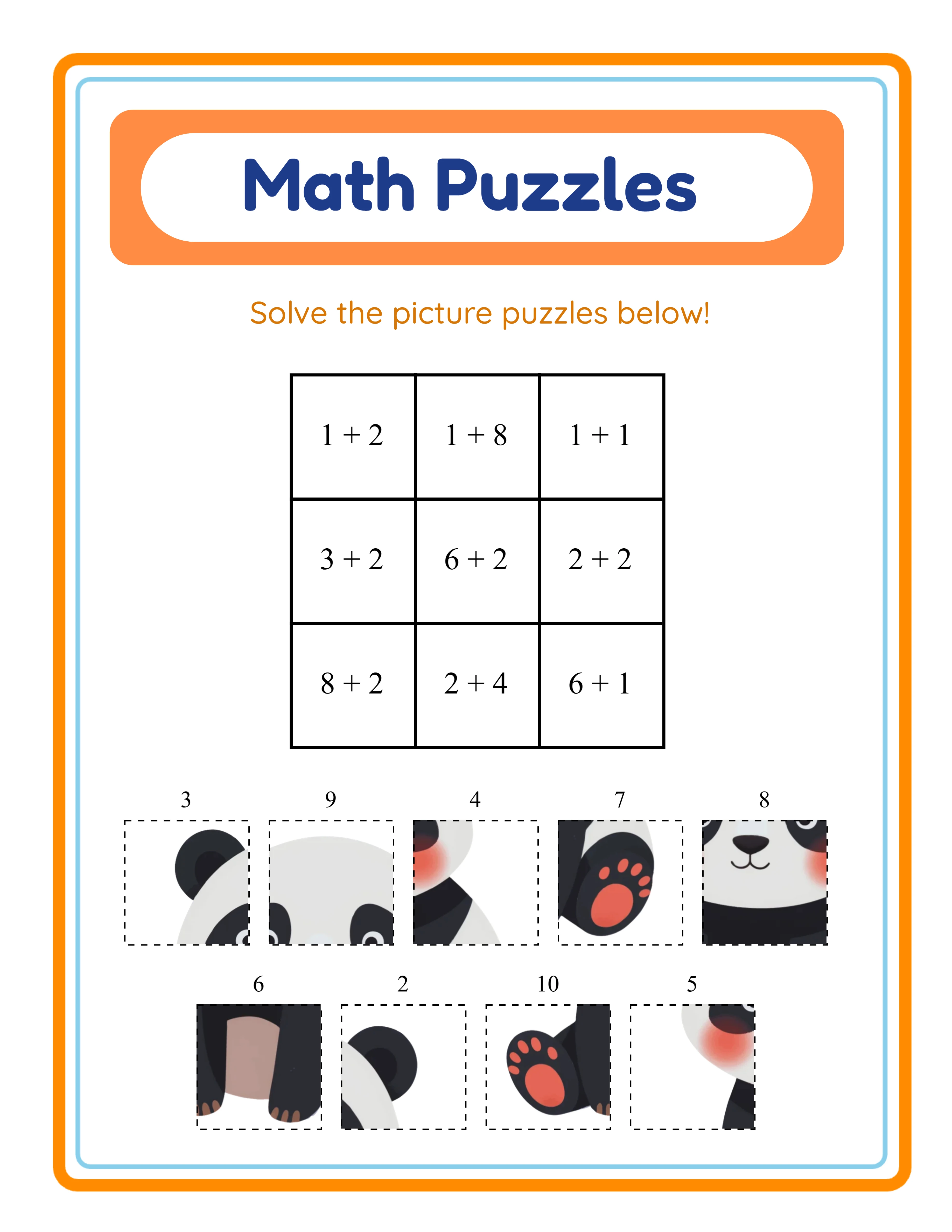
4. **Math/counting pages (10 pages, 8 minutes):** Generate simple addition or counting worksheets using themed images instead of plain numbers.
5. **Tracing/writing pages (8 pages, 5 minutes):** Use the Writing Generator for letter tracing and dotted-line activities.
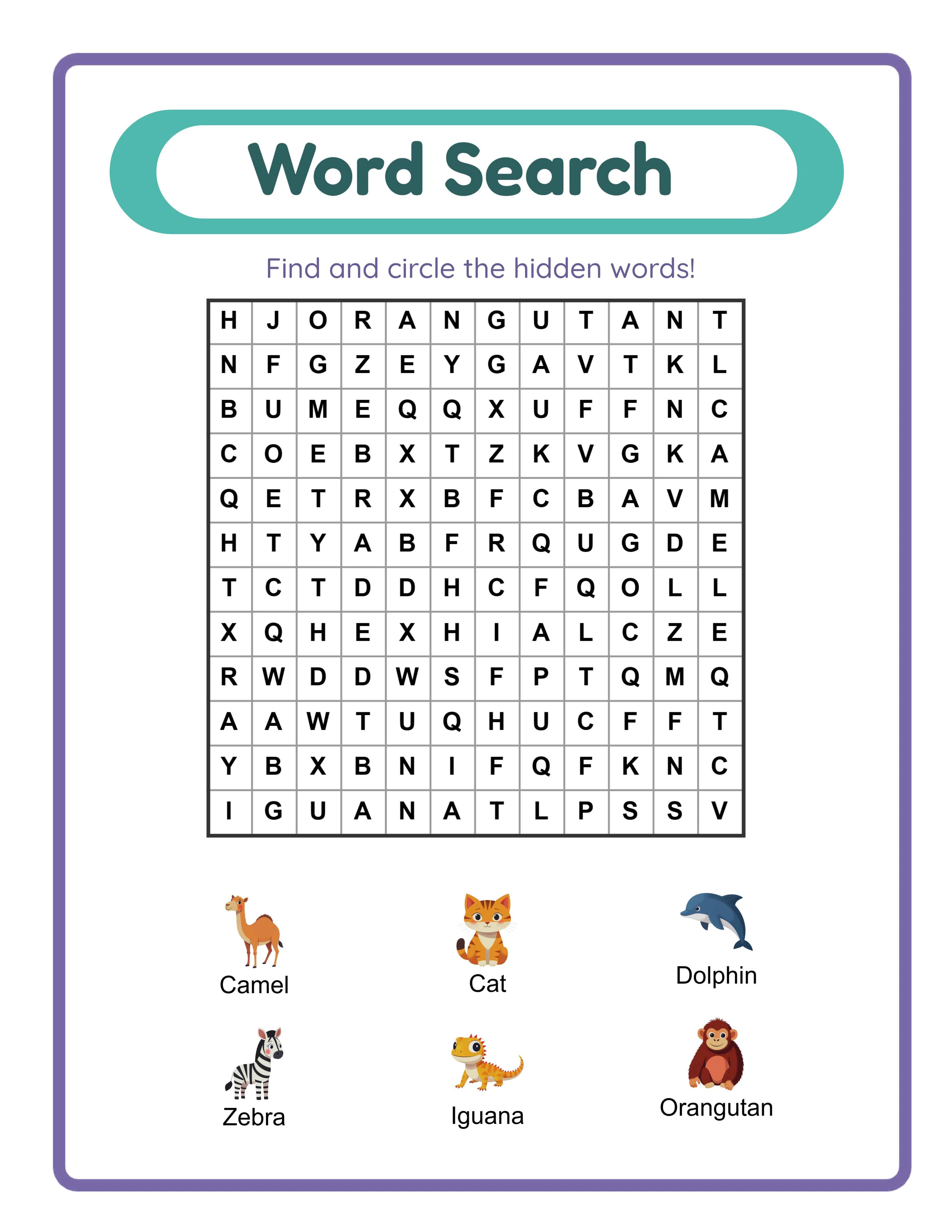
6. **Puzzle pages (8 pages, 8 minutes):** Generate word searches, find-and-count pages, and spot-the-difference activities.
7. **Drawing prompts (5 pages, 5 minutes):** Create simple pages with a prompt and empty drawing space.
Total generation time: approximately 50-60 minutes for 68 activity pages.
Export all pages at 300 DPI resolution. Use the free trial with watermark to test each generator before purchasing a commercial license for final production.
Step 4: Format and Assemble the Final Manuscript
Assembly is where your book goes from a collection of pages to a professional product. KDP has specific requirements you must meet.
**KDP formatting for kids' activity books:**
- Trim size: 8.5 x 11 inches (standard for activity books)
- Interior type: Full color (activity books need color for engagement)
- Bleed: No bleed (activity content stays within margins)
- Margins: 0.5 inches on all sides, 0.75 inches on the gutter
- File format: Single PDF with all pages in order
- Resolution: 300 DPI for all images
**Assembly order:**
1. Title page (book name, theme, age range, author)
2. How to Use This Book page (brief, fun instructions for parents)
3. Activity pages in alternating sequence
4. Certificate of Completion page (kids love this — it adds perceived value)
5. Answer key section
6. Back page (author info, other titles)
**Professional touches that increase perceived value:**
- Add page numbers in a fun font at the bottom of each page
- Include small theme-related decorations in the margins
- Use consistent header formatting on every activity page
- Add difficulty indicators (stars or emoji) next to each activity
- Include a "Certificate of Completion" that parents can fill in
The Certificate of Completion is a small addition that generates outsized positive reviews. Parents mention it frequently as a thoughtful touch.
Compile everything into a single PDF. Test print at least 5 representative pages at actual size to verify image quality, line weight, and readability.
One Generator — Three Product Tiers
Create an entire product line from a single tool
beginner level
intermediate level
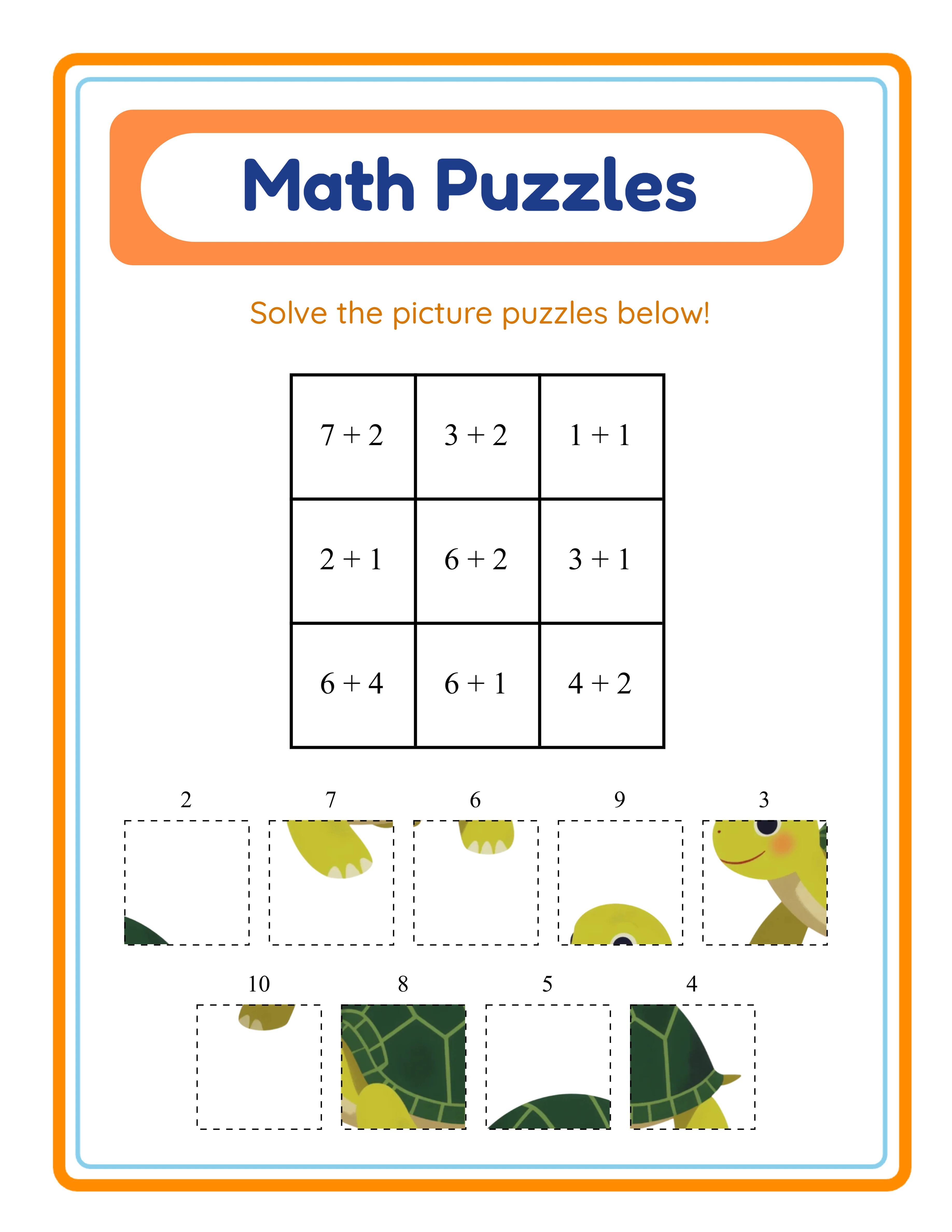
advanced level
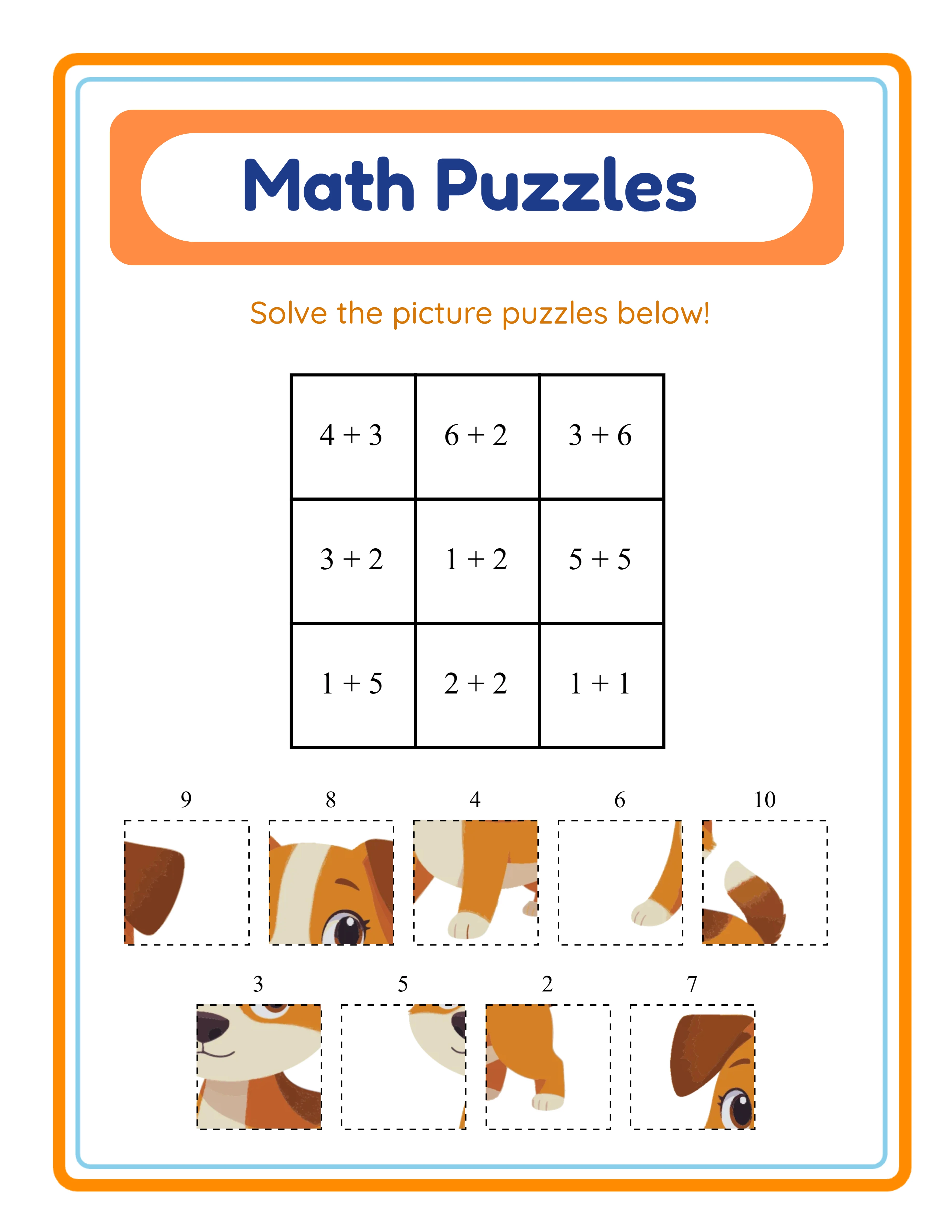
→Increasing difficulty→
Step 5: Design a Cover That Parents Click
Your cover competes against dozens of other activity books in Amazon search results. It needs to communicate three things instantly: the theme, the age range, and the activity variety.
**Cover design formula for kids' activity books:**
- Bright, saturated colors (primary colors for younger kids, slightly muted for ages 8+)
- Theme illustration front and center (dinosaur for dino theme, rocket for space theme)
- Large, playful font for the title
- Age range prominently displayed ("Ages 4-6" in a badge or banner)
- 4-5 small icons showing activity types (maze icon, pencil icon, puzzle piece, paint palette)
- "Includes Answer Keys" badge (this is a selling point)
**Cover dimensions:**
Use KDP's Cover Calculator. For an 80-page, 8.5 x 11 color interior book, your full cover (front + spine + back) will be approximately 17.5 x 11.25 inches.
**Back cover content:**
- "What's Inside" list with bullet points and small icons
- Total activity count ("80+ Activities!")
- Brief parent-friendly description
- Age recommendation
- Barcode area (bottom right, do not place content here)
Design your cover in Canva or a similar tool using the exact dimensions from KDP's calculator. Export as a PDF at 300 DPI.
Test your cover at thumbnail size (about 1 inch wide). If the title and theme are not immediately clear at that size, simplify your design. Amazon shoppers make split-second decisions based on tiny thumbnails.
Step 6: Upload, Price, and Launch on KDP
With your interior PDF and cover ready, go to kdp.amazon.com to create your listing.
**Book details setup:**
- Title: "[Theme] Activity Book for Kids Ages [X-Y]" — lead with your niche keyword
- Subtitle: "Coloring, Mazes, Puzzles, Word Search, and More" — list activity types
- Description: 250-300 words highlighting content variety, page count, and target age
- Keywords: 7 boxes with unique phrases matching parent search behavior
- Categories: Children's Activity Books + your theme-specific subcategory
**Pricing strategy:**
Color interior activity books cost significantly more to print than black-and-white:
- 80-page color, 8.5 x 11: printing cost approximately $5.50-$6.00
- List price $8.99: royalty approximately $0.90 (tight margin)
- List price $9.99: royalty approximately $1.50
- List price $11.99: royalty approximately $2.70
- List price $12.99: royalty approximately $3.30
Price at $9.99-$12.99 depending on competition. Check the top 5 competitors' prices in your niche and price within $1-2 of the average.
**Launch timeline:**
- Day 1: Submit manuscript for review (24-72 hours)
- Day 3-5: Book goes live, order author copy
- Day 7: Verify print quality, take product photos
- Day 14: Start promoting on Pinterest and social media
- Day 30: Evaluate sales data, plan next title
Enable all marketplaces. Kids' activity books sell internationally, especially in the UK and EU markets.
Step 7: Scale with Series and Seasonal Titles
One activity book is a test. A series of themed activity books is a business.
**Series strategy:**
Create 3-5 activity books within your theme, each targeting a different age range:
- "Dinosaur Activity Book Ages 2-4"
- "Dinosaur Activity Book Ages 4-6"
- "Dinosaur Activity Book Ages 6-8"
Or create multiple themes for the same age range:
- "Dinosaur Activity Book Ages 4-6"
- "Ocean Animals Activity Book Ages 4-6"
- "Space Activity Book Ages 4-6"
Each new title cross-promotes the others through Amazon's "Also by this author" section and back-matter pages.
**Seasonal titles:**
Seasonal activity books spike dramatically during their window:
- Christmas activity books: publish by October 1 for the November-December rush
- Halloween activity books: publish by August for September-October sales
- Summer activity books: publish by April for May-July travel season
- Back-to-school: publish by June for July-August purchasing
Seasonal titles can earn 5-10x their normal monthly revenue during peak weeks.
**Revenue projections with a scaled catalog:**
- 5 titles, $10.99 average, 1 sale/day each: $16.50/day, $495/month
- 15 titles, $10.99 average, 1 sale/day each: $49.50/day, $1,485/month
- 25 titles, $10.99 average, 1.5 sales/day each: $123.75/day, $3,712/month
Each new title takes 2-3 hours once you have your workflow established. Publishing 2-3 titles per week is realistic once you have templated your process.