
Platform Rankings: Best to Worst for Printable Sales
**#1: Pinterest (Best by far)**
Pinterest isn't really social media — it's a visual search engine. People come to Pinterest looking for ideas and solutions, not to socialize. This makes it the perfect platform for printable sellers: users are actively searching for "math worksheets for kids" and "printable activity sheets."
- Traffic quality: Highest intent of any social platform
- Conversion rate from Pinterest click to sale: 2-5%
- Time investment: 2-3 hours/week (with Tailwind automation, 30 min/week)
- Revenue contribution: 30-50% of total shop traffic for active pinners
**#2: Instagram**
Instagram works for building brand awareness and community, but direct sales conversion is lower than Pinterest. Best for sellers who create visually stunning products.
- Traffic quality: Medium intent (people browse, don't search)
- Conversion rate from Instagram click to sale: 0.5-1.5%
- Time investment: 3-5 hours/week for consistent posting
- Revenue contribution: 5-15% of total shop traffic
**#3: TikTok**
Can generate viral moments with "watch me create" content. Inconsistent — one video might drive 500 sales, the next 0.
**#4: Facebook Groups**
Joining and contributing to parenting/teaching groups can drive targeted traffic. Time-intensive.
**#5: YouTube**
Long-form content has high conversion potential but requires significant time investment in video creation.
Pinterest Strategy: The 80/20 Platform for Printable Sellers
If you only have time for one platform, make it Pinterest. Here's the complete strategy:
**Account setup:**
- Convert to a Pinterest Business account (free, gives you analytics)
- Create 10-15 boards targeting your main keywords: "Math Worksheets for Kids," "Preschool Printable Activities," "Homeschool Resources"
- Write keyword-rich board descriptions (Pinterest SEO works like Google)
**Pin strategy:**
- Create 2-3 pin designs per product using Canva templates in your brand colors
- Pin 5-10 pins per day (use Tailwind to schedule a week's pins in 30 minutes)
- Each pin links to your Etsy listing or Gumroad product page
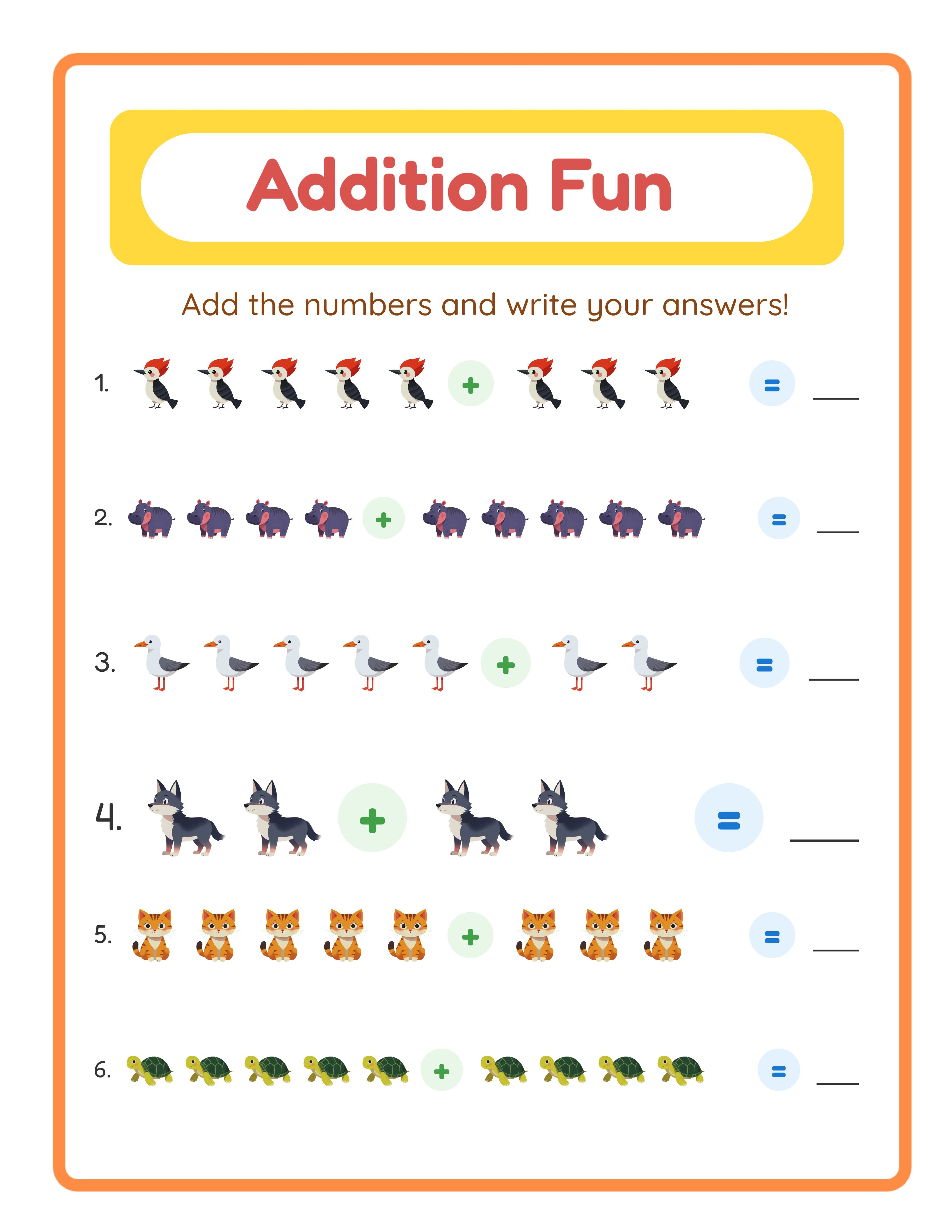
- Pin descriptions should include keywords: "Free trial addition worksheets for kindergarten — printable math practice with cute animal illustrations. Download and try instantly."
**What makes a pin go viral:**
- Vertical format (2:3 ratio, 1000x1500 pixels)
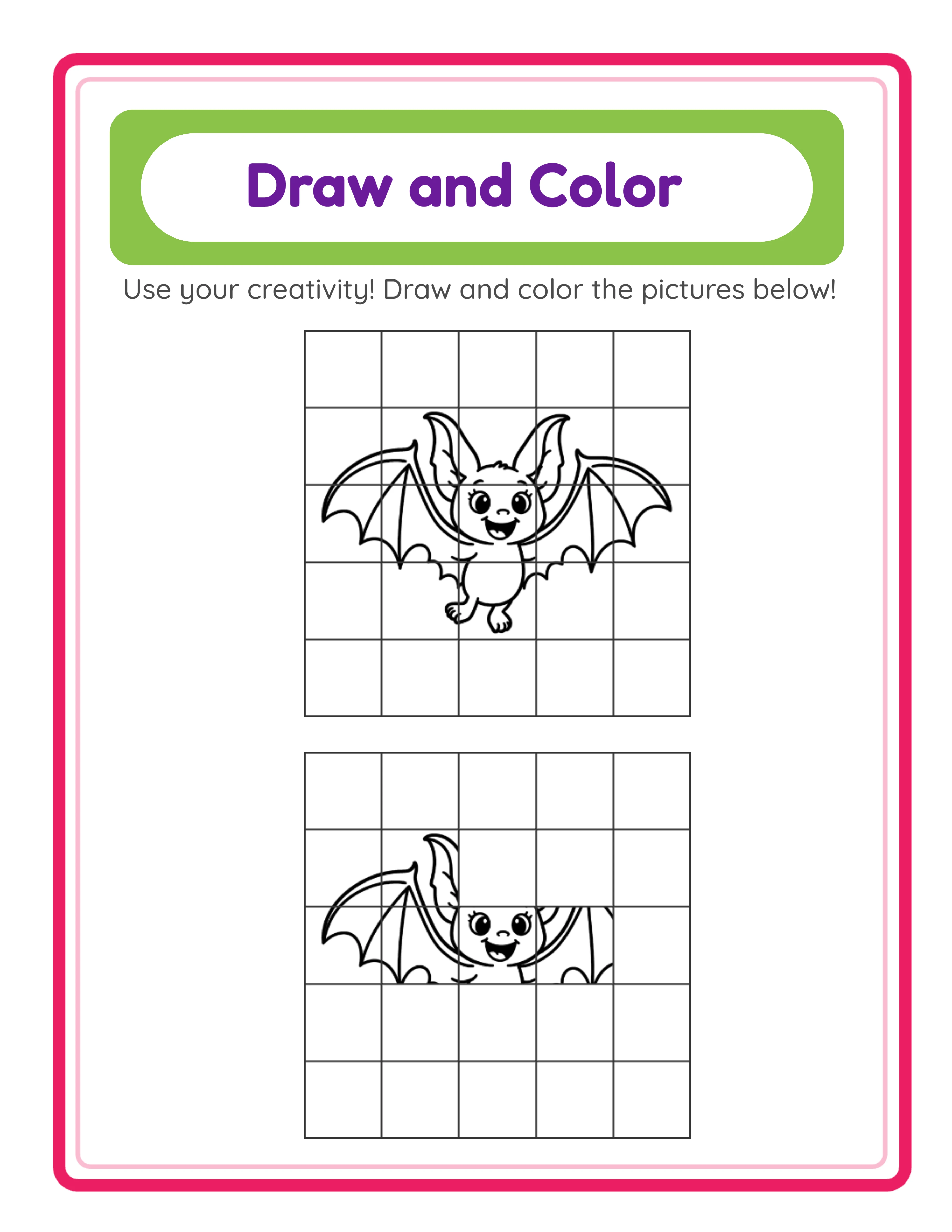
- Bold, readable text overlay ("20 Animal Math Worksheets")
- Bright, colorful product mockup photo
- Clear call to action in the description
**Growth timeline:**
- Month 1: 50-200 monthly views, 1-5 clicks to shop
- Month 3: 5,000-20,000 monthly views, 20-80 clicks
- Month 6: 50,000-200,000 monthly views, 100-500 clicks
- Month 12: 200,000-1M+ monthly views, 500-2,000+ clicks
Pinterest is a slow-burn platform. Pins continue generating traffic for months or years — unlike Instagram posts that die after 24 hours.
How It Looks on Etsy
etsy.com/listing/...

(127)
$4.99$9.99(50% off)
Add to cart
Instagram Strategy: Building a Brand That Sells
Instagram doesn't drive as much direct sales traffic as Pinterest, but it builds the brand recognition that makes buyers choose YOUR listing over competitors.
**Content types that work for printable sellers:**
**1. Product showcases (30% of posts)**
Mockup photos of your worksheets in lifestyle settings. Clean, branded, consistent with your shop aesthetic. Include a caption with the product name and "link in bio."
**2. Behind-the-scenes (25% of posts)**
"Watch me create a worksheet bundle in 15 minutes" timelapses. Design process, product photography setup, packaging process. People love seeing how things are made.
**3. Tips and educational content (25% of posts)**
"3 ways to make math practice fun at home" — content that provides value to your target audience without directly selling. Builds trust and positions you as an expert.
**4. Customer features and results (10% of posts)**
Repost customer photos of children using your worksheets (with permission). User-generated content is the most powerful social proof.
**5. Offers and new product launches (10% of posts)**
"New product alert!" or "Bundle sale this weekend!" Keep promotional posts under 10% of total content.
**Instagram Reels:**
Reels currently get 3-5x more reach than static posts. Create 15-30 second clips: "How to choose the right worksheet for your child," product flip-throughs, before/after printing shots. Reels drive discovery; static posts drive sales to existing followers.
Time Allocation: How Many Hours Per Platform
Most printable sellers have 10-20 hours per week total. Social media should consume 20-25% of that time — the rest goes to product creation, listing optimization, and business management.
**Recommended time allocation (15 hours/week total business time):**
**Product creation: 7-8 hours (50%)**
This is what generates revenue. Never let social media eat into product creation time.
**Listing optimization: 2-3 hours (15%)**
SEO, descriptions, mockup photos, tagging — the work that makes products discoverable.
**Pinterest: 1.5-2 hours (10-12%)**
With Tailwind automation, 30 minutes of scheduling plus 1 hour of pin creation per week.
**Instagram: 1-1.5 hours (7-10%)**
3-4 posts per week. Batch-create content in one session, schedule with Later or Buffer.
**Other marketing: 0.5-1 hour (5%)**
Email newsletter, other platforms, analytics review.
**What to cut if time is limited:**
If you only have 10 hours/week, drop Instagram entirely and focus on Pinterest only. Pinterest drives 3-5x more sales per hour invested for printable sellers. Add Instagram back when your business generates enough revenue to justify the time investment.
**Common time trap:** Spending 3 hours/day scrolling Instagram "for research" while neglecting product creation. Set a timer. Batch-create content. Schedule it. Close the app.
33 Generators
3,000+ Images
11 Languages
300 DPI Export
Measuring What Matters: Sales, Not Followers
Vanity metrics (followers, likes, comments) feel good but don't pay bills. Track these instead:
**Revenue-driving metrics to track monthly:**
**Click-throughs to shop:** How many people clicked from your social profiles to your Etsy/Gumroad shop? Use UTM parameters or Bitly links to track this.
**Sales attributed to social:** Etsy shows traffic sources in your analytics. Track the percentage of sales coming from Pinterest, Instagram, and direct traffic monthly.
**Revenue per platform hour:** Divide revenue attributed to each platform by hours spent. If Pinterest generates $300/month from 6 hours of work, that's $50/hour. If Instagram generates $50/month from 8 hours, that's $6.25/hour. This calculation tells you exactly where to invest more time.
**Email signups from social:** If you're using a lead magnet, track how many email subscribers come from each platform.
**Monthly review process:**
1. Check Etsy analytics for traffic sources (5 minutes)
2. Check Pinterest analytics for outbound clicks (5 minutes)
3. Check Instagram insights for link clicks (5 minutes)
4. Calculate revenue per hour per platform (10 minutes)
5. Adjust time allocation for next month based on data (5 minutes)
This 30-minute monthly review prevents you from spending hours on platforms that don't generate sales. Data beats intuition every time.