Why Great Products Do Not Sell Themselves
The most common misconception among new printable sellers is that product quality alone drives sales. It does not. Quality determines whether buyers come back and leave positive reviews after purchasing. But quality has zero influence on whether buyers find your products in the first place. Discovery and quality operate on different timelines — discovery happens before the purchase, quality matters after it.
Marketplace algorithms control discovery. Etsy search, Amazon KDP recommendations, and Gumroad browse results all use algorithms that rank products based on specific signals: keyword relevance, listing completeness, sales velocity, review count, click-through rate, and conversion rate. A five-star worksheet buried on page eight of search results generates fewer sales than a three-star worksheet on page one. The algorithm does not evaluate your PDF — it evaluates your listing.
This creates a compounding cycle. Products that rank well get more views, which generate more sales, which improve their ranking, which generates even more views. Products that rank poorly get fewer views, fewer sales, and continue to rank poorly. The gap between visible products and invisible products widens over time. Marketing is the intervention that breaks you into the positive cycle.
The practical implication is clear: allocate time to marketing, not just production. A seller who creates 10 well-marketed products will outsell a seller who creates 100 poorly marketed products every time. Production and marketing are not competing priorities — they are complementary skills that must develop in parallel. This guide gives you the marketing side of that equation.
Platform SEO: The Foundation of Printable Marketing
Platform SEO is the highest-return marketing activity for printable sellers because it captures existing buyer intent. When someone searches "addition worksheets for first grade" on Etsy, they are ready to buy. Your job is to ensure your product appears in that search result. No persuasion required — just visibility.
Every selling platform has its own search algorithm, and each algorithm weighs different signals. Etsy uses listing titles, tags (13 per listing), categories, and attributes. Amazon KDP uses seven keyword fields, BISAC categories, subtitles, and series information. Gumroad uses subject, grade level, and product descriptions. Understanding which signals your platform prioritizes is the first step in effective platform SEO.
Keyword research for printable products starts with the platform search bar itself. Type the beginning of a search phrase and observe the autocomplete suggestions — these are actual searches that real buyers perform. "Addition worksheets" might autocomplete to "addition worksheets for kindergarten," "addition worksheets with pictures," or "addition worksheets printable PDF." Each autocomplete suggestion is a potential listing optimization target.
The most effective platform SEO strategy is specificity. "Worksheets" is too broad. "Math worksheets" is slightly better. "Addition worksheets for first grade with answer key" is a long-tail keyword that matches a specific buyer need with low competition. Long-tail keywords individually generate less traffic, but they convert at higher rates because they precisely match what the buyer is searching for. A catalog of 50 products each targeting a specific long-tail keyword will outperform 50 products all competing for the same broad keyword.
Etsy SEO for Printable Worksheets
Etsy search is the primary discovery mechanism for digital download printables on the platform. Understanding how Etsy matches listings to buyer queries determines whether your products appear on page one or page twenty.
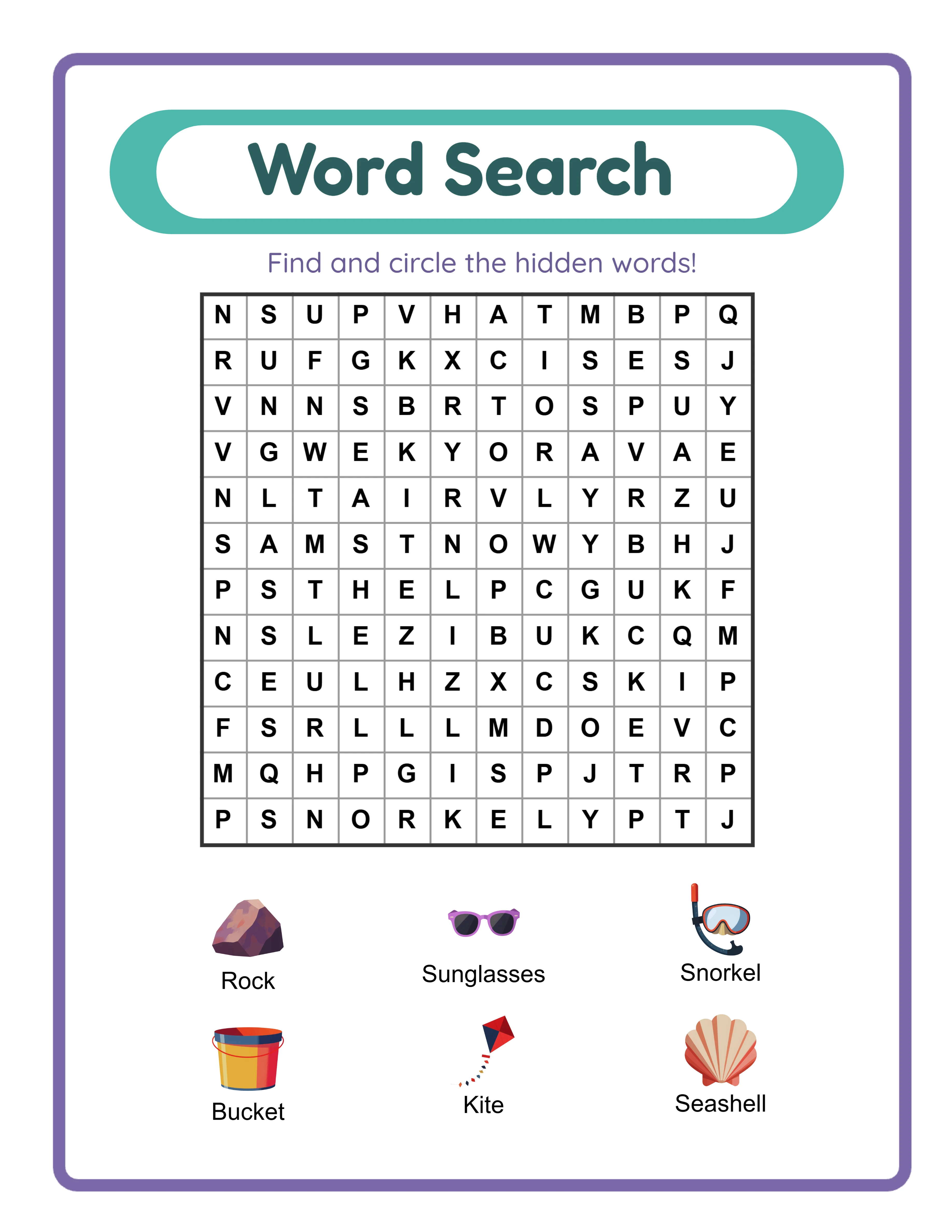
Etsy gives each listing 13 tags, and every tag is a ranking opportunity. Use all 13. Each tag should be a multi-word phrase that matches a realistic buyer search, not a single generic word. "word search" is a tag. "word search puzzles for kids" is a better tag because it matches a more specific buyer query. "word search puzzles for kids printable" is even better because it matches the exact way buyers search for digital downloads.
Titles are weighted heavily in Etsy search. Front-load your most important keywords — the first few words of your title carry the most ranking weight. A title like "Word Search Puzzle Book for Kids — 50 Themed Puzzles with Answer Key, Printable PDF, Group Activity" puts the primary keyword first, adds specificity, and includes secondary keywords that match additional searches.
Category and attribute selection refine your listing visibility. Select the most specific category available — "Printable Worksheets" rather than just "Digital Downloads." Fill in every attribute field Etsy offers: age group, occasion, material, and any other relevant attributes. Each attribute is an additional search filter that helps Etsy match your listing to the right buyers.
Seasonal keyword rotation keeps your listings relevant year-round. Update two to three tags per listing to reflect upcoming seasons or holidays. In August, add "back to school" tags. In October, swap in "Halloween" keywords. This does not mean changing your product — it means updating the tags that help buyers find it during seasonal demand peaks. Etsy rewards listings that are actively maintained over listings that are set and forgotten.
Amazon KDP Marketing Strategies
Amazon KDP operates on a fundamentally different discovery model than Etsy. Etsy buyers search for specific items and find listings. Amazon buyers browse categories, follow recommendations, and discover books through Amazon's sophisticated recommendation engine. Your KDP marketing strategy must account for both search and algorithmic discovery.
KDP gives you seven keyword fields, each accepting up to 50 characters. These fields are invisible to buyers but critical to Amazon's search algorithm. Use them for keywords that are not already in your title or subtitle. Do not repeat keywords across fields — Amazon indexes each keyword once regardless of how many times you enter it. Fill every character of every field. Empty keyword fields are wasted discovery opportunities.
BISAC categories determine where your book appears in Amazon's browse structure. You can select two categories during publishing, but Amazon allows up to ten through their customer support portal. More categories mean more browse paths that lead to your book. "Children's Activity Books" is one category. "Puzzle Books for Children" is another. Each category where your book ranks is a separate discovery channel.
Pricing on Amazon KDP is a marketing lever, not just a revenue decision. Amazon's algorithm factors sales velocity into ranking — books that sell more units rank higher, which drives more sales. A lower price generates more sales volume, which improves your organic ranking, which generates even more sales. Many successful KDP publishers price their first books competitively to build sales velocity and ranking position, then gradually adjust pricing upward as organic visibility increases.
Series creation is an underused KDP marketing strategy. Amazon prominently displays series information and cross-links books within a series. A "Math Worksheets for Kids" series with five books in different operation types drives cross-purchases between titles. A buyer who finds your addition book discovers your subtraction, multiplication, and division books through the series connection — built-in cross-marketing at zero additional effort.
Pinterest: The Visual Marketing Engine for Printables
Pinterest is the most effective social media platform for printable sellers for three reasons: the content is inherently visual, the platform operates as a search engine (not a social feed), and pins have a lifespan measured in months rather than hours.
Unlike Instagram or Facebook where posts disappear from feeds within 24 hours, a Pinterest pin continues driving traffic for six to twelve months after posting. A well-optimized pin can generate clicks and sales for years. This long content lifespan makes Pinterest the highest-ROI social channel for printable sellers — the work you do today keeps paying off next year.
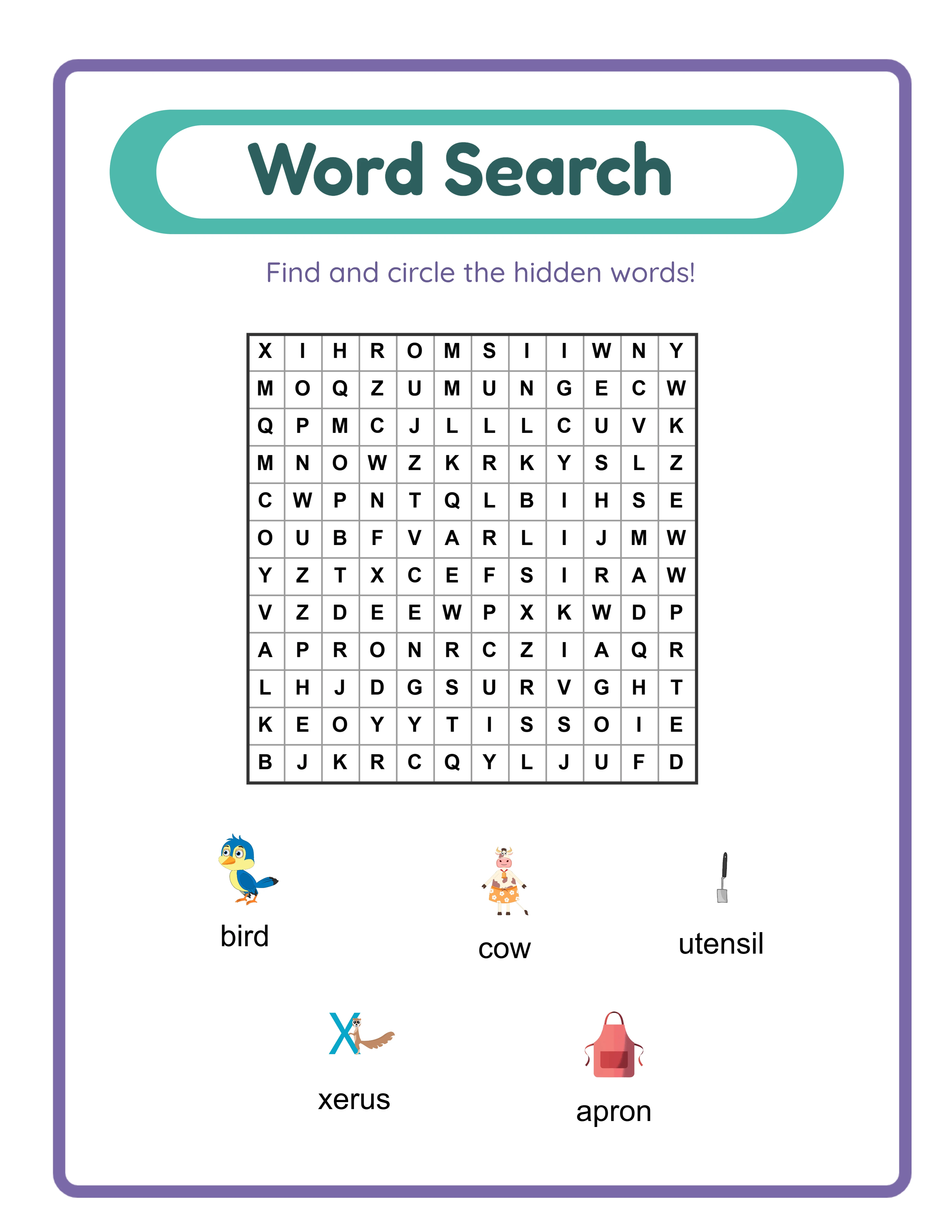
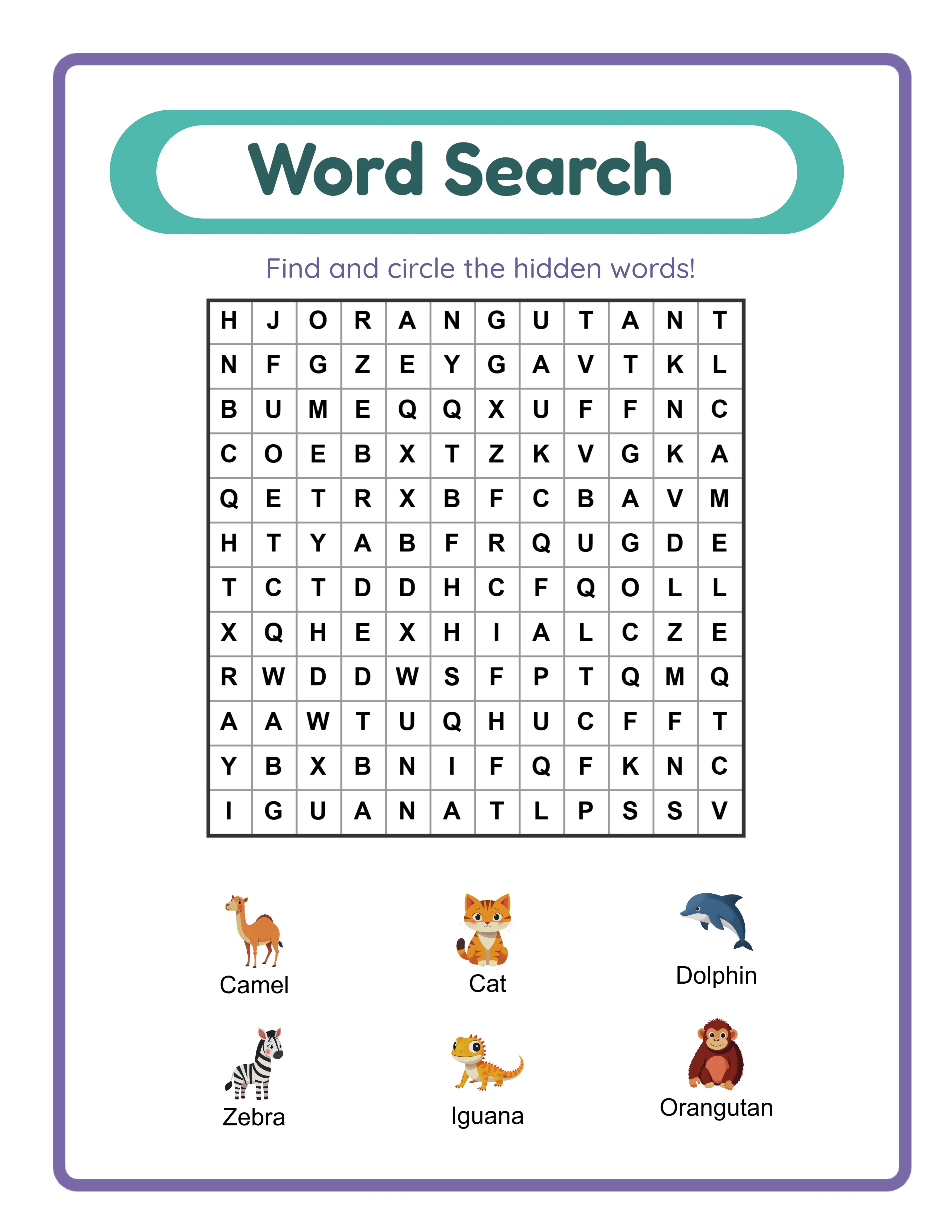
Pin design for printable products should showcase the actual worksheet output. Create tall vertical images (1000x1500 pixels is the standard ratio) that show your worksheet clearly with a text overlay describing the product. "50 Word Search Puzzles for Kids — Printable PDF with Answer Keys" as text over an image of your actual worksheet gives Pinterest users everything they need to decide whether to click.
Board strategy organizes your pins for discovery. Create boards around specific niches: "Math Worksheets for Elementary School," "Printable Puzzle Books for Kids," "Educational Activities for The preschool-age market." Each board targets a different search cluster on Pinterest. Board titles and descriptions should contain the keywords your target buyers search for.
Pinterest SEO works similarly to marketplace SEO. Pin descriptions should include relevant keywords naturally: "This printable word search puzzle book includes 50 themed puzzles with answer keys. Perfect for store use, homeschool activities, or quiet time. Instant download PDF." Pinterest's search algorithm matches pin descriptions to user queries, so keyword-rich descriptions directly improve your pin visibility.
Consistency matters more than volume. Pinning three to five pins daily with consistent quality outperforms pinning 50 pins once a month. Use a scheduling tool to maintain consistent daily pin activity without manual daily effort.
Content Marketing Without a Blog
Content marketing for printable sellers does not require a blog, a podcast, or a YouTube channel. The most effective content marketing for this business model happens within the platforms where you already sell — and through the products themselves.
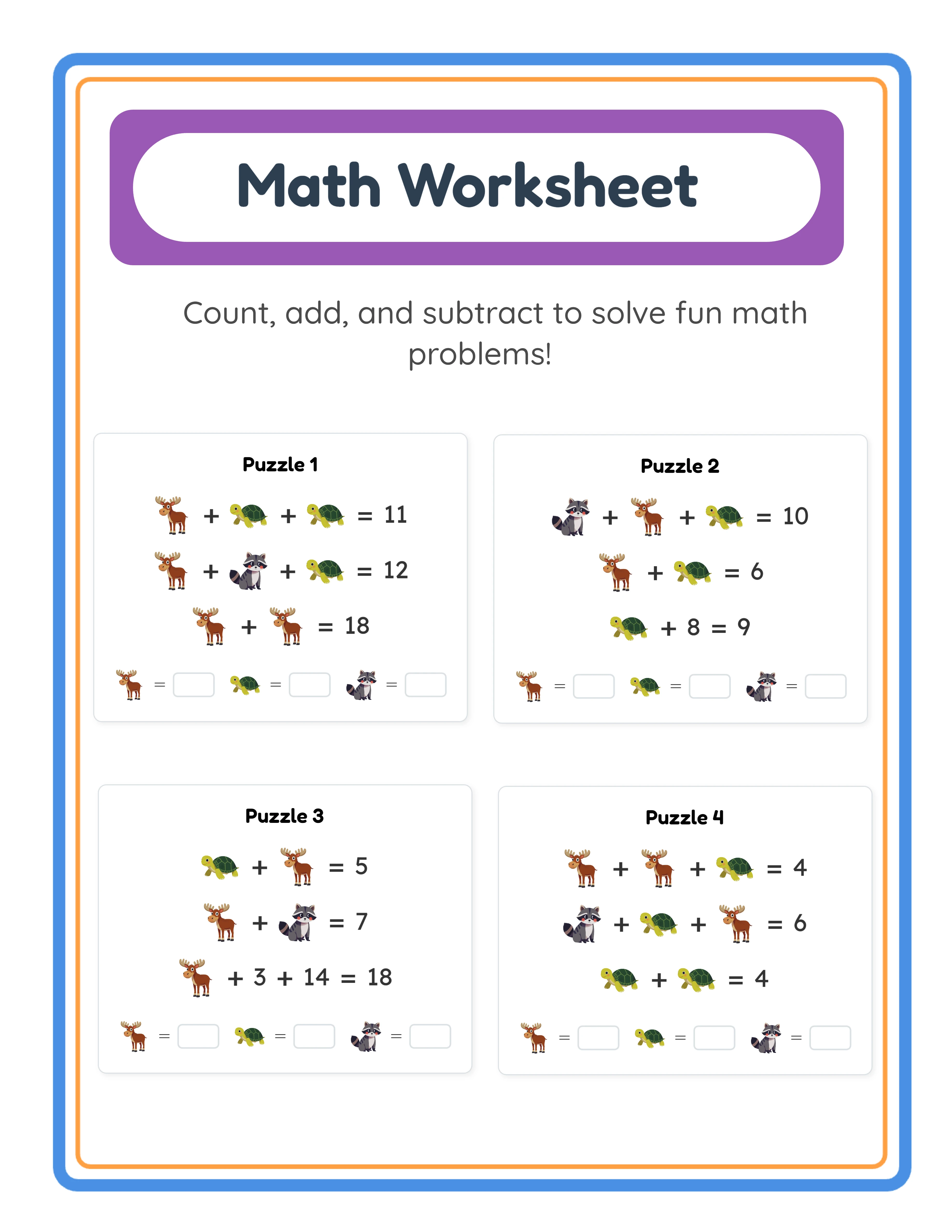
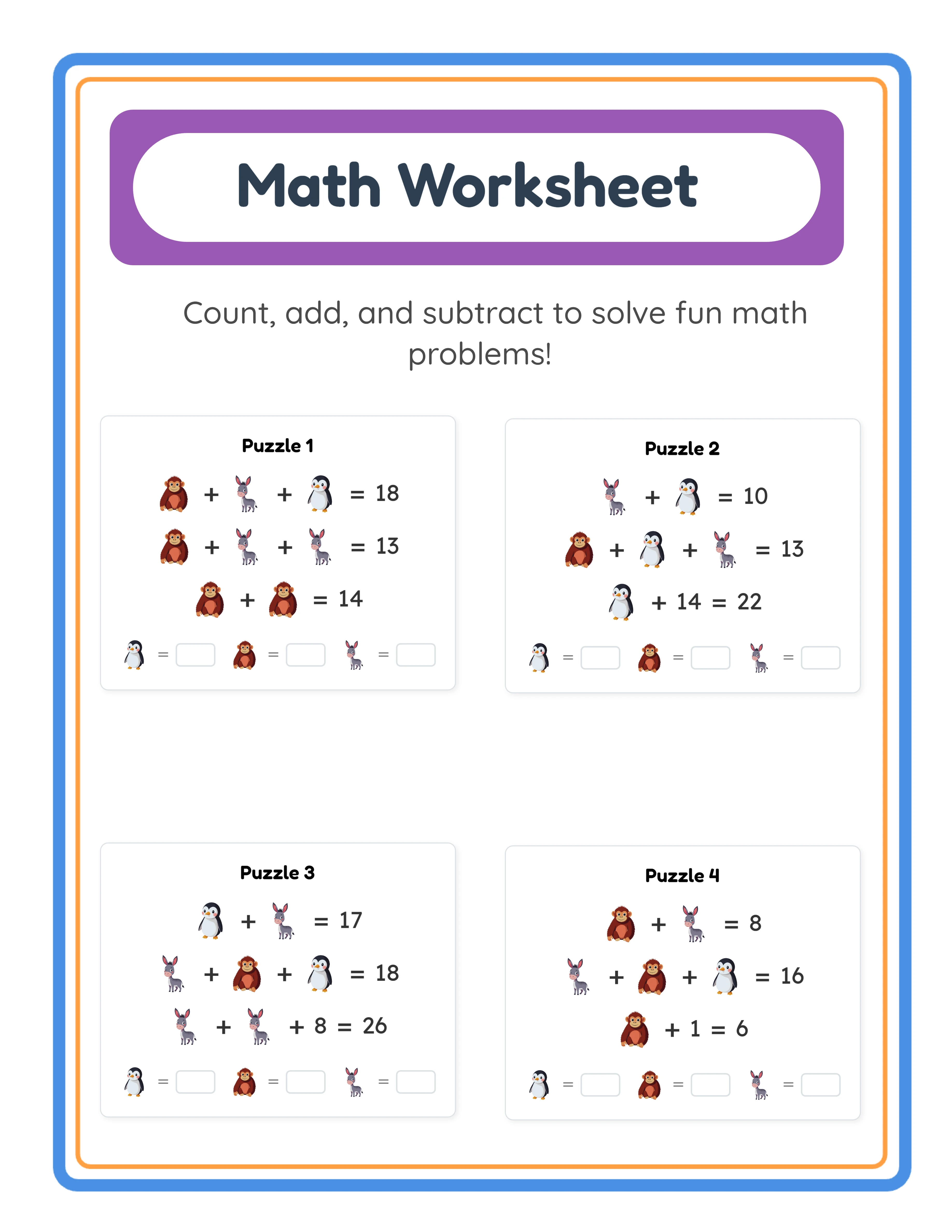
Your product listings are content marketing. Every Etsy listing description, every KDP book description, and every Gumroad product page is an opportunity to educate buyers about what your product offers and why it matters. A product description that explains "This addition worksheet set includes regrouping practice for second graders transitioning from single-digit to double-digit addition" does more marketing than a blog post about math education. It addresses a specific buyer need at the exact moment they are considering a purchase.
The free trial with watermark is your most powerful content marketing asset. It lets potential buyers experience your product quality firsthand before purchasing. Every worksheet generated during the trial demonstrates the output quality, theme variety, and professional formatting that distinguish your products. This is not hypothetical marketing — it is experiential marketing where the product sells itself.
Platform reviews function as social proof and content marketing simultaneously. Each positive review tells future buyers what to expect and validates their purchase decision. Encourage reviews by delivering excellent product quality and including a friendly review request in your digital download packaging. Never incentivize or fabricate reviews — authentic reviews from real buyers are the only social proof that builds lasting trust.
Your shop "About" section is brand storytelling. Explain who creates these worksheets, why quality and accuracy matter to you, and what buyers can expect from every product in your shop. Buyers who connect with your brand story become repeat customers and recommend your shop to others.
Email Marketing for Printable Businesses
Email is the only marketing channel you fully own. Etsy can change its algorithm. Pinterest can update its ranking factors. Amazon can modify its recommendation engine. But your email list belongs to you, and no platform policy change can take it away.
Building an email list as a printable seller requires a lead magnet — something valuable enough that potential buyers willingly exchange their email address for it. Effective lead magnets for worksheet sellers include sampler packs (three to five worksheets from different categories), planning templates (a homeschool scheduling template or store activity planner), or educational guides (a short PDF on choosing age-appropriate worksheets). The lead magnet should demonstrate your product quality while solving a real problem for your target audience.
Platform rules around email collection vary. Etsy allows you to include inserts with digital downloads that mention your email list, but prohibits using Etsy messages for list building. KDP paperbacks can include a page directing readers to your website. Gumroad allows seller communication through the platform. Work within each platform's communication policies while directing interested buyers to your independently hosted email list.
Email sequences for printable sellers should focus on three objectives: welcome new subscribers with immediate value, announce new products to existing buyers, and resurface seasonal products during relevant demand periods. A welcome sequence might deliver the lead magnet, introduce your product catalog, and highlight your top-performing products across three to four emails spaced over two weeks.
New product announcements to existing customers are the highest-converting email type for printable sellers. These subscribers already bought from you, trust your quality, and are interested in your product category. A simple email announcing "New Animal-Themed Word Search Book — 50 Puzzles with Answer Keys" with a direct link to the listing converts at rates that dwarf any cold traffic channel.
Seasonal Marketing and Product Timing
The printable worksheet market follows predictable seasonal demand cycles that repeat every year. Aligning your product launches and marketing pushes with these cycles dramatically improves your sales trajectory compared to random-timing releases.
Back-to-school season (July through September) is the highest-demand period for educational printables. Parents and buyers actively search for supplemental worksheets, group activities, and practice materials. Products targeting specific grade levels see the sharpest demand increases during this window. Marketing effort concentrated in this period reaches the largest audience of motivated buyers in the entire year.
Holiday season (October through December) drives demand for themed printables: Halloween activity sheets, Thanksgiving worksheets, Christmas coloring books, and holiday-themed puzzle books. Themed content commands premium pricing during seasonal peaks because buyers seek specific seasonal products and will pay more for well-targeted options.
New Year and new semester (January through February) brings demand from parents starting homeschool programs and buyers resetting for the second semester. Math practice materials and structured learning worksheets perform particularly well as parents and sellers set educational goals for the new period.
Spring testing preparation (March through May) drives demand for practice worksheets aligned with standardized testing content. Math operations, reading comprehension, and logic puzzles see elevated search volume as parents seek supplemental preparation materials.
Summer activity demand (June through August) shifts from academic worksheets to entertainment-focused printables: puzzle books, coloring pages, activity sheets for travel and quiet time. Parents search for non-screen activities to keep children engaged during summer break.
The critical timing insight: create seasonal products six to eight weeks before the demand peak, not during it. A Halloween coloring book listed in September has weeks to accumulate views, sales, and reviews before the October demand surge. A Halloween coloring book listed in October competes against established listings with existing sales history. Early listing is a marketing advantage that costs nothing.
Building a Brand in the Printable Market
Brand building in the printable market is not about logos or color schemes. It is about consistency — consistent product quality, consistent visual presentation, and consistent buyer experience across every product and every platform where you sell.
Product quality consistency is the foundation of brand reputation. Every worksheet that leaves your shop reinforces or undermines your brand. A buyer who purchases three products and finds consistent formatting, accurate content, and professional layouts across all three becomes a repeat customer. A buyer who gets one excellent product and one mediocre product loses trust in the brand entirely. Worksheet generators enforce consistency automatically — every output follows the same professional formatting standards, eliminating the quality variation that plagues manual production.
Visual presentation consistency across listings makes your shop look professional and intentional. Use similar mockup styles, consistent title formatting, and a recognizable visual approach across all your product images. When a buyer browsing Etsy sees three of your listings in search results, consistent visual presentation signals a professional shop worth exploring. Inconsistent presentation signals a hobbyist seller.
Cross-platform brand consistency means maintaining the same shop name, similar descriptions, and matching quality standards whether you sell on Etsy, KDP, Gumroad, or your own website. Buyers who find your products on multiple platforms develop stronger brand recognition. A buyer who purchases your word search book on Amazon and later finds your matching worksheets on Etsy recognizes the quality standard and purchases with confidence.
Brand reputation compounds over time. Each positive interaction — a five-star review, a repeat purchase, a recommendation to a colleague — adds to your brand equity. This compounding effect is why consistency matters more than perfection. A seller who delivers consistently good products across 100 listings builds a stronger brand than a seller who delivers five perfect products and 95 inconsistent ones.
Measuring What Works: Marketing Analytics for Sellers
Marketing without measurement is guessing. Every selling platform provides analytics that tell you which marketing activities drive actual sales versus which ones generate vanity metrics like views without purchases.
Etsy Stats shows views (how many people saw your listing in search results), visits (how many clicked through), and orders. The ratio of orders to visits is your conversion rate — the single most important metric for evaluating listing quality. A listing with 100 visits and 3 orders has a 3% conversion rate. A listing with 100 visits and zero orders has a marketing problem (the listing attracted the wrong audience) or a product problem (the listing attracted the right audience but the product did not convince them to buy).
Etsy also shows which search terms drove traffic to your listings. This data reveals whether your SEO strategy is working. If you optimized a listing for "first grade math worksheets" but most traffic comes from "printable addition sheets," your tags and title might not match your target keyword effectively. Use search term data to refine your listing optimization continuously.
Amazon KDP Reports shows units sold, page reads (for Kindle Unlimited), and royalties by marketplace. Track which marketplaces generate the most revenue to focus your marketing effort. If your German-language activity books sell well on Amazon.de but not Amazon.com, concentrate on German-language product expansion rather than English-language competition.
The most actionable metric across all platforms is conversion rate by listing. Identify your highest-converting listings and study what makes them work — their titles, images, descriptions, and price points. Then apply those patterns to your lower-converting listings. This data-driven optimization cycle generates more revenue from your existing catalog without creating a single new product.
Avoid vanity metrics that feel good but do not drive revenue. Social media followers, Pinterest impressions, and website pageviews are all upstream metrics that may or may not translate to sales. Track them for trend direction, but make decisions based on the metrics that directly connect to revenue: platform conversion rates, repeat purchase rates, and revenue per product.