Why Quantity Matters for New Shops
Etsy's search algorithm treats each listing as a separate keyword opportunity. A shop with 10 listings can rank for maybe 130 keyword phrases (13 tags per listing). A shop with 100 listings can rank for 1,300 phrases. The math is straightforward: more listings mean more chances to appear in search results.
**Data from real shops:**
- Shops with 10-25 listings average 15-40 views per day
- Shops with 50-100 listings average 80-200 views per day
- Shops with 200+ listings average 300-800 views per day
In your first 3 months, prioritize getting to 50 listings as fast as possible. Each listing should meet a minimum quality bar — clean design, correct answers, professional mockup photos — but don't spend two hours perfecting every border. The algorithm can't reward quality it never sees, and it won't show your products if you only have 12 listings competing against shops with 300.
Use a worksheet generator to hit volume targets without sacrificing baseline quality. You can produce 10-15 themed worksheets in an hour when you're not designing from scratch.
When Quality Starts to Win
Once your shop crosses 50-80 listings, the game changes. You're getting views, but are those views converting into sales? This is where quality becomes the differentiator.
**Quality signals that boost conversion:**
- Professional mockup photos (not flat screenshots)
- Consistent visual branding across all listings
- Detailed descriptions with page counts and learning objectives
- Multiple file formats (letter + A4) included
- Answer keys included for every worksheet
- Bundles with clear value propositions
Shops with strong visual branding convert at 2-4% from views to sales. Shops with inconsistent, generic-looking listings convert at 0.5-1%. On 500 daily views, that's the difference between 10-20 sales per day and 2-5.
At this stage, spend 30% of your time improving existing listings (better photos, tighter descriptions, bundle creation) and 70% creating new listings. The improvements to existing listings compound as your traffic grows.
Generic vs Professional Worksheets
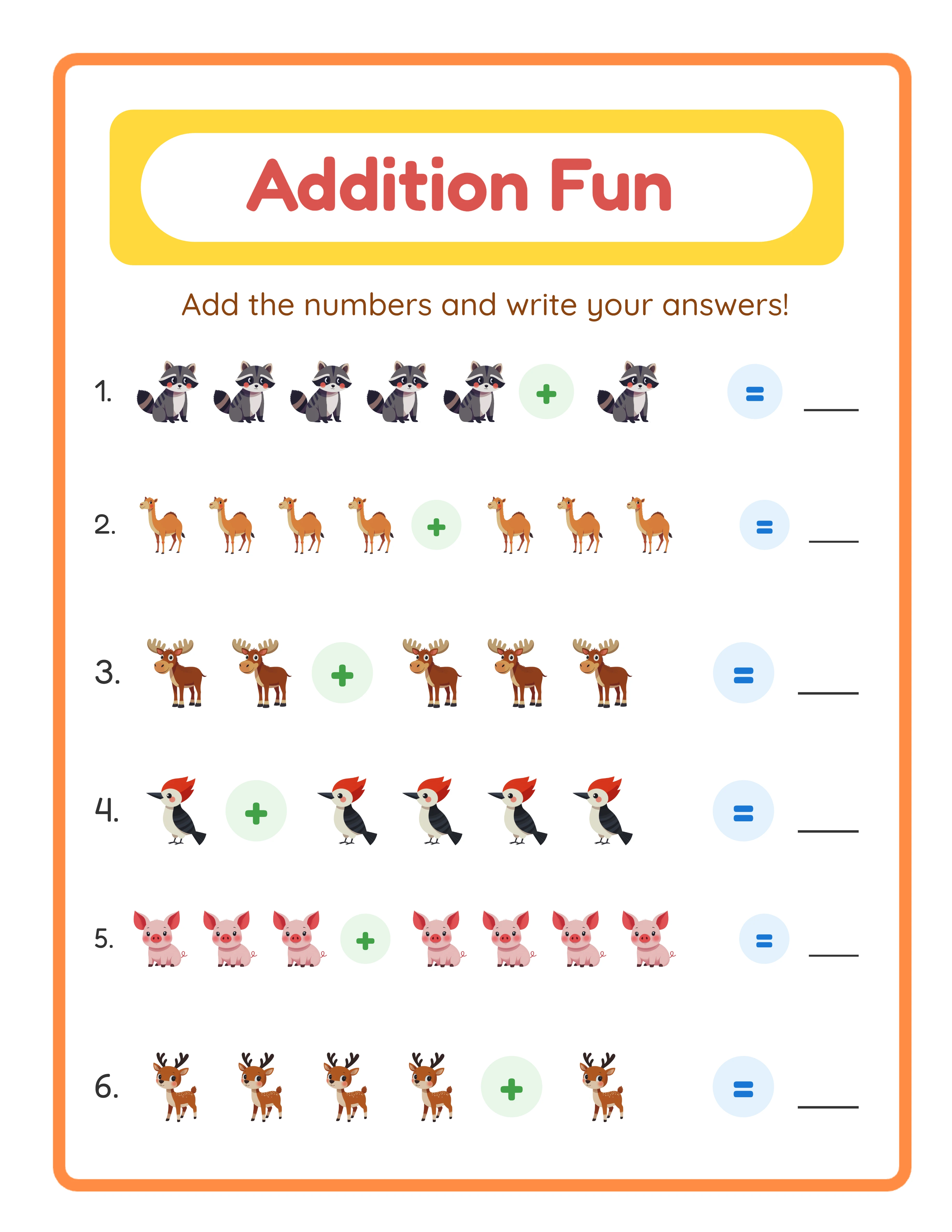
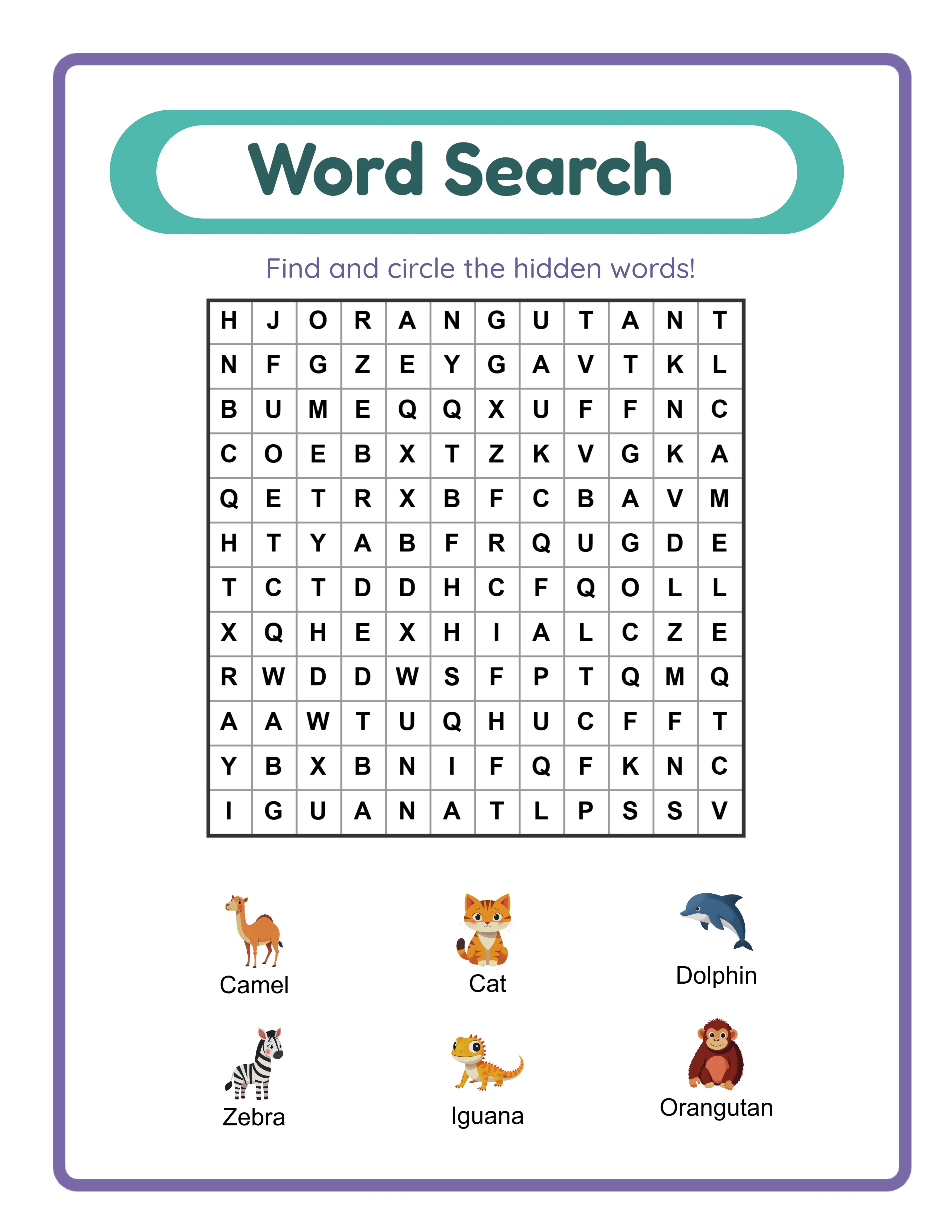
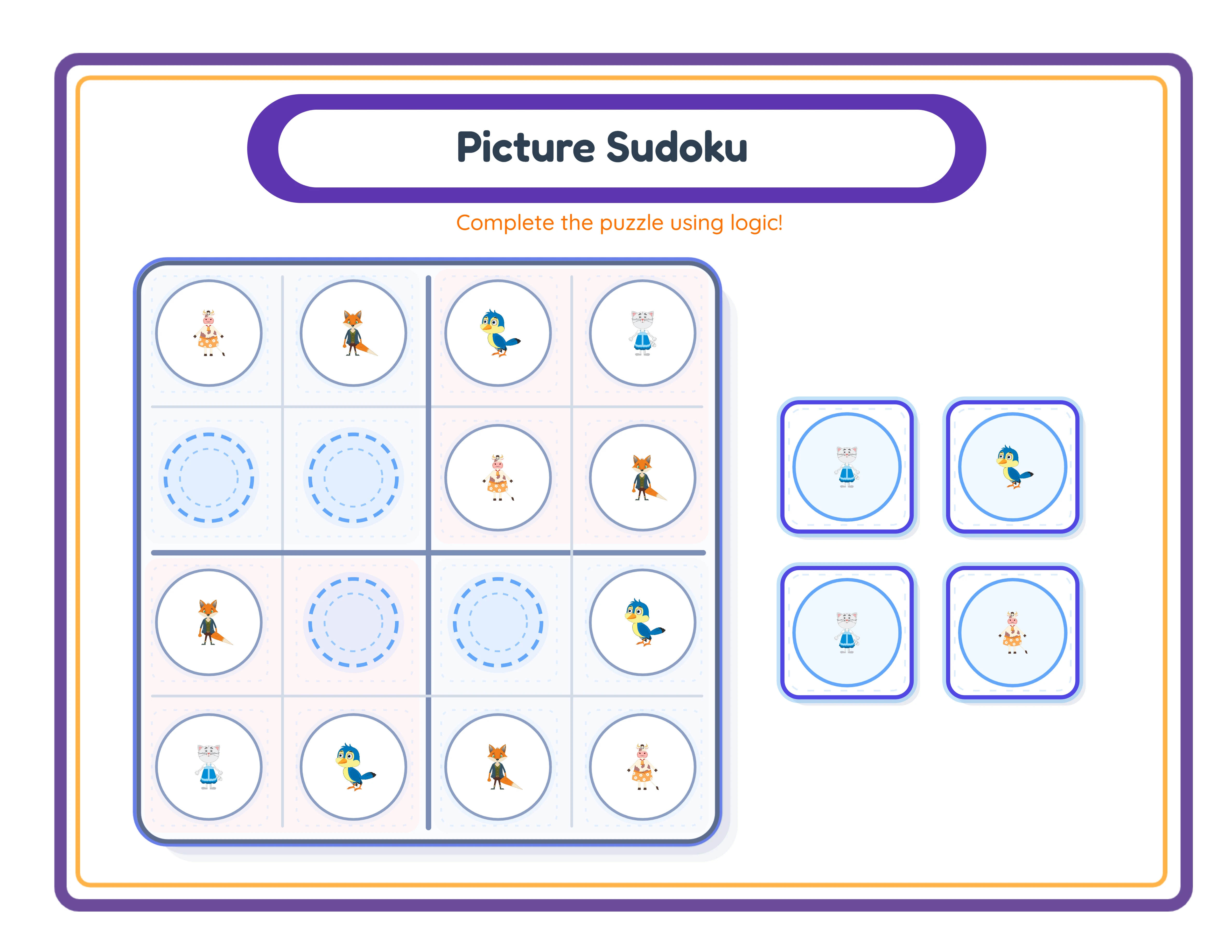
Generic
VS
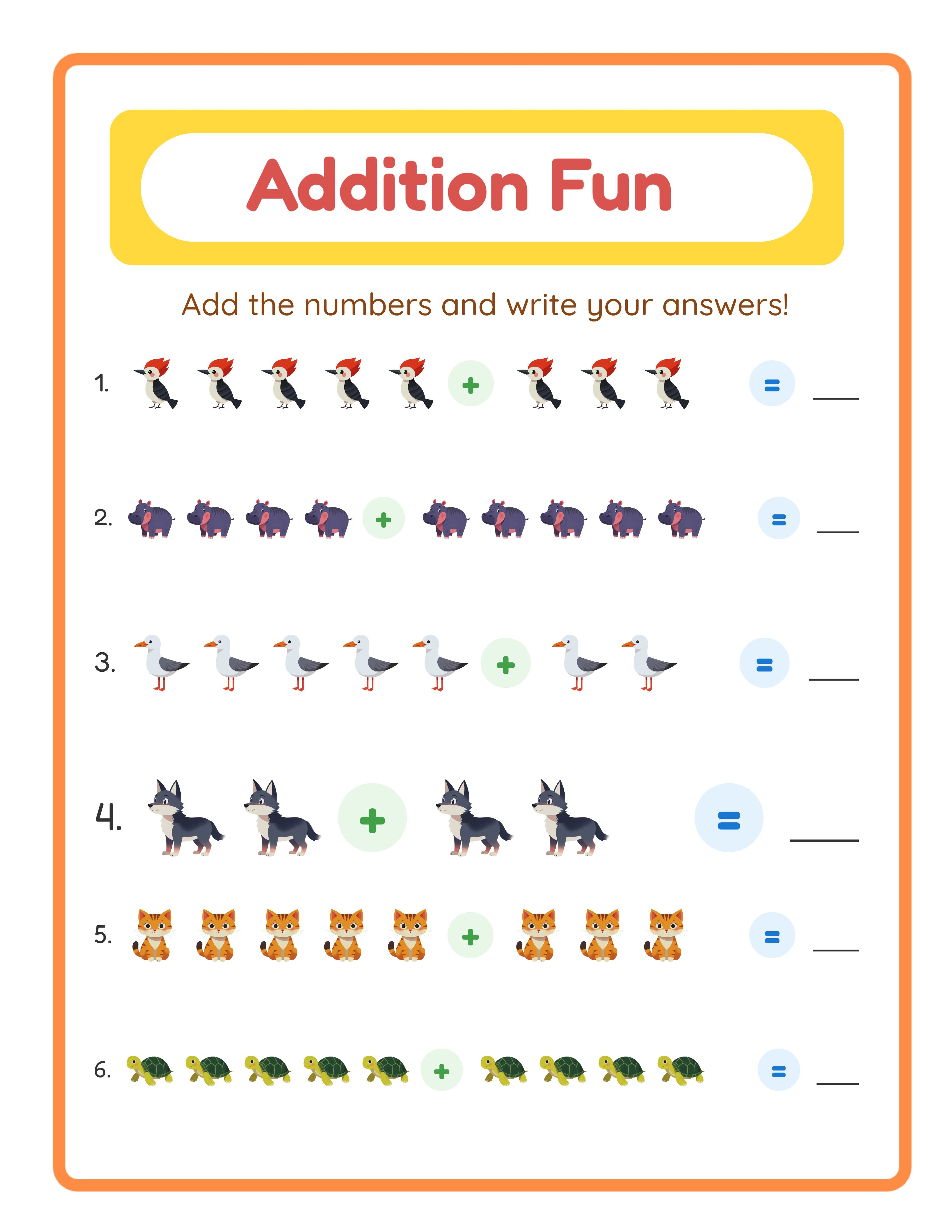
With LessonCraftStudio
The Bundle Bridge: Quality and Quantity Together
Bundles are the best tool for serving both quality and quantity goals simultaneously. A single bundle listing counts as one listing for volume purposes but signals high quality through sheer value.
**Bundle strategy by shop stage:**
**Under 50 listings:** Create a bundle for every 8-10 individual worksheets. If you have 10 animal-themed addition worksheets, bundle them as "Animal Math Bundle — 10 Addition Worksheets" for $6.99 vs. $1.49 each.
**50-150 listings:** Create cross-theme mega-bundles. "Ultimate Math Bundle — 50 Worksheets" at $14.99 captures buyers who want comprehensive packages. These listings convert at 3-5x the rate of individual worksheets.
**150+ listings:** Create seasonal and holiday bundles that rotate. "Back to School Math Pack" in August, "Christmas Activity Bundle" in November. These capitalize on seasonal search spikes with pre-built inventory.
Bundles also boost your average order value from $1.50-$3 per sale to $7-$15 per sale, which means you need far fewer transactions to hit your revenue goals.
The 80/20 Rule for Worksheet Sellers
In most printable shops, 20% of listings generate 80% of revenue. The strategic implication is powerful: you need quantity to discover which products are your top 20%, but you need quality to maximize what those winners earn.
**Practical application:**
**Phase 1 (months 1-3):** Create 100+ listings across multiple themes and subjects. Cast a wide net. Track which themes, subjects, and age ranges generate the most views and sales.
**Phase 2 (months 4-6):** Double down on your winners. If animal-themed math worksheets sell 3x better than vehicle-themed ones, create 30 more animal variations. Upgrade your top 20 listings with professional mockups and A+ descriptions.
**Phase 3 (months 7-12):** Build bundle ecosystems around your winners. Create variations (different difficulty levels, different formats, different seasons) of your best-selling products. Each variation captures adjacent search terms while leveraging proven demand.
This approach means your early "quantity phase" listings serve as market research. Some won't sell well, and that's fine — they still contribute to your shop's search footprint and inform your product strategy.
33 Generators
3,000+ Images
11 Languages
300 DPI Export
Minimum Quality Standards for Every Listing
Even when prioritizing volume, never publish a listing below these standards:
**Non-negotiable quality checklist:**
- All content is factually correct (math answers checked, spelling verified)
- Print formatting works at both Letter and A4 sizes
- Fonts are readable at printed size (minimum 14pt for body text)
- At least one professional mockup photo (worksheet on desk or held by hand)
- Title includes primary keyword plus descriptive terms
- All 13 tag slots are filled with relevant search terms
- Description starts with a buyer benefit, not a feature list
- Price is competitive with similar listings (check top-selling competitors)
**Things that CAN vary by speed priority:**
- Number of mockup photos (1 minimum, 5 ideal)
- Description length (50 words minimum, 200 ideal)
- Custom graphic elements and borders
- Number of worksheet variations in the listing
Meeting the minimum bar takes 10-15 minutes per listing with a generator tool. Going to premium quality takes 30-45 minutes. For your first 50 listings, hit the minimum. For listings 51-200, aim for premium on every third listing.