How to Price Printable Worksheets on Etsy

Pricing is the single highest-leverage decision in your Etsy printable business. Price too low and you leave money on the table with every sale. Price too high and buyers scroll past your listing to a cheaper alternative. This guide gives you a comprehensive framework for pricing printable worksheets on Etsy -- from individual pages to mega bundles -- based on market research, buyer psychology, and the economics of digital products. You will learn how to research competitive pricing, structure bundle pricing for maximum revenue, and test different price points systematically. Every worksheet format discussed here can be created with LessonCraftStudio generators, available in the free trial with watermark.
Printable worksheet bundle showing pricing tiers for Etsy sellers

Introduction

Most Etsy printable sellers get pricing wrong in the same predictable way: they price too low. They look at competitors, see worksheets listed at $1.50 to $2.99, and match those prices -- or worse, undercut them. This creates a race to the bottom where nobody earns meaningful revenue. The fundamental insight most sellers miss is that printable worksheets are digital products with zero marginal cost. Every sale after the first is pure profit (minus Etsy's fees). This means the optimal price is not the lowest price that generates sales -- it is the price that maximizes total revenue (price multiplied by units sold). Consider two scenarios: - Price A: $2.99, sells 50 units per month = $149.50 gross revenue - Price B: $5.99, sells 30 units per month = $179.70 gross revenue Price B generates 20% more revenue despite selling 40% fewer units. After Etsy's fees, the difference is even more dramatic because fees are per-transaction, and fewer transactions at higher prices means lower total fees. This guide covers the complete pricing framework: how to research your market, how to structure prices for singles versus bundles, how psychological pricing influences buyer decisions, how to create value perception that supports higher prices, and how to test different price points to find your revenue-maximizing sweet spot. Pricing is not a set-it-and-forget-it decision. It is an ongoing optimization process that directly determines whether your Etsy shop is a hobby or a business. The strategies in this guide apply to every printable format -- coloring pages, word searches, math worksheets, crossword puzzles, and everything else you produce with LessonCraftStudio generators.
Try It Free with Watermark

Try any generator free with watermark. No signup required.

Tutorial

1

Researching Competitive Pricing on Etsy

Before setting any prices, you need data. Here is a systematic method for researching printable pricing on Etsy. Step 1: Search for your exact product type. Type "word search worksheets printable" (or your specific format) into Etsy search. Note the first 20 results -- these are your direct competitors. Record each listing's price, page count, and number of sales. Step 2: Calculate price per page. Divide each competitor's price by their page count. This gives you the market's price-per-page range. For printable worksheets, this typically falls between $0.05 and $0.30 per page depending on format and quality. Step 3: Identify the pricing tiers. Most printable markets naturally cluster into 3 to 4 pricing tiers: - Budget tier: $1.49 to $2.99 (individual sheets or small packs, often low quality) - Standard tier: $3.99 to $6.99 (theme packs and small bundles) - Premium tier: $7.99 to $14.99 (large bundles with high perceived value) - Professional tier: $15.99 to $29.99 (mega bundles, curriculum packs, commercial licenses) Step 4: Note the sales volume at each tier. Etsy shows total sales per listing. Divide by the listing's age (check "listed on" date in the listing details) to estimate monthly sales. This reveals where the highest revenue tier sits -- it is almost never the budget tier. Step 5: Analyze top sellers specifically. Filter search results by "Best Sellers" or "Star Sellers." These shops have optimized their pricing through experience. Their pricing decisions are informed by months or years of data. Key finding: In most printable categories, the standard-to-premium tier ($4.99 to $12.99) generates the highest total revenue. Budget-tier sellers have high volume but low revenue. Professional-tier sellers have lower volume but high per-sale earnings.
2

Pricing Individual Worksheets vs. Bundles

The relationship between individual and bundle pricing is the most important pricing decision you will make. Get this right and your average order value doubles. Individual worksheet pricing: - 1-page worksheet: $1.49 to $2.49 - 3 to 5 page mini-pack: $2.49 to $3.99 - 8 to 10 page theme pack: $3.99 to $5.99 Bundle pricing: - 20 to 30 page bundle: $5.99 to $8.99 - 50 to 75 page bundle: $8.99 to $14.99 - 100+ page mega bundle: $12.99 to $24.99 The bundle pricing paradox: Your 100-page bundle at $14.99 contains the same content as 10 separate 10-page theme packs at $4.99 each ($49.90 total). The bundle offers a 70% discount. This seems like you are losing money -- but you are actually making more. Why bundles generate more total revenue: 1. Higher conversion rate: A $14.99 bundle converts at 2x to 3x the rate of a $4.99 pack because the perceived value is dramatically higher. 2. Lower per-unit Etsy fees: Etsy charges $0.20 per listing and per-transaction fees. One $14.99 sale costs less in fees than three $4.99 sales. 3. Upsell from individuals: Buyers who purchase a $4.99 theme pack often return for the $14.99 mega bundle. The individual sale becomes a lead generator for the bundle. 4. Search ranking boost: Higher revenue per listing improves your Etsy search ranking, which drives more organic traffic. Pricing architecture: Structure your prices so that the bundle is always the obvious best deal. If your 10-page pack is $4.99, your 50-page bundle should be $12.99 (not $24.95, which is 5x the pack price). The bundle should feel like a "no-brainer" upgrade.
3

Psychological Pricing Tactics for Digital Products

Buyer psychology plays an enormous role in printable pricing. These tactics are backed by research and tested by thousands of Etsy sellers. Charm pricing ($X.99): Prices ending in .99 outperform round numbers in the $1 to $10 range. $4.99 converts significantly better than $5.00. For prices above $10, the effect diminishes -- $14.99 and $15.00 convert similarly. Anchor pricing: Show the "value" of the bundle by displaying the individual item price. "100 worksheets -- if purchased individually, $49.90. Bundle price: $14.99. You save 70%." The $49.90 anchor makes $14.99 feel like a steal, even though most buyers would never purchase 100 individual worksheets. Decoy pricing: Offer three pricing tiers where the middle option is the clear best deal. - Starter Pack: 20 pages for $4.99 ($0.25 per page) - Value Pack: 75 pages for $9.99 ($0.13 per page) -- BEST VALUE - Complete Collection: 150 pages for $19.99 ($0.13 per page) The Starter Pack exists to make the Value Pack look like an obvious upgrade. The Complete Collection exists to make the Value Pack look reasonably priced. Most buyers choose the Value Pack. Free shipping perception: Etsy allows "free shipping" on digital products (there is no shipping cost anyway). Enable this because Etsy's algorithm favors listings with "free shipping" and buyers perceive it as an additional benefit, even though it is meaningless for digital downloads. Price ending analysis: For printables specifically, prices ending in .99 outperform .49 and .95 endings. $6.99 outperforms $6.49 and $6.95 despite being more expensive. The .99 ending is so dominant in Etsy's digital product market that deviating from it can actually reduce conversions. Left-digit effect: $9.99 feels dramatically cheaper than $10.00 because buyers process the left digit first. Keep prices below round number thresholds: $4.99 instead of $5.00, $9.99 instead of $10.00, $14.99 instead of $15.00.
4

Building Value Perception to Support Higher Prices

The difference between a $4.99 listing and a $14.99 listing is often not the content -- it is how the content is presented. Value perception determines willingness to pay. Page count framing: "100 Worksheets" sounds more valuable than "100 Pages" even though they are the same thing. Use the highest reasonable number in your listing title. If your bundle includes 50 worksheets plus 50 answer keys, describe it as "100 Pages" -- the answer keys add genuine value but also inflate the perceived page count. Skills and outcomes framing: Do not just describe what is in the bundle. Describe what the buyer (or their child) will achieve. "Covers 8 spatial prepositions -- the complete foundation for kindergarten language readiness" justifies a higher price than "8 preposition worksheets." Professional presentation: High-quality mockup images, consistent branding, a well-designed cover page, and a detailed table of contents all signal professionalism. Buyers associate professional presentation with premium quality and are willing to pay accordingly. Exclusive elements: Include items that competitors do not offer. Answer keys, progress tracking sheets, printing guides, and theme indexes are all zero-cost additions that differentiate your product and support higher pricing. Photographic image quality: LessonCraftStudio's photographic images are a genuine differentiator from clip art competitors. Highlight this in your listings: "Professional photographic images -- not clip art." Buyers pay more for perceived quality. Multilingual capability: If your worksheets are available in multiple languages, mention this even in single-language listings. "Also available in 10 additional languages" signals a professional, comprehensive product line. Social proof: Reviews, sales count, and "bestseller" badges all increase perceived value. Price your initial listings competitively to build review velocity, then increase prices once you have 10+ reviews per listing. The social proof supports the higher price.
5

The Economics of Etsy Fees and How They Affect Pricing

Understanding Etsy's fee structure is essential for pricing profitably. Many sellers lose money on low-priced items because they do not account for all fees. Etsy fee breakdown per sale: - Listing fee: $0.20 per listing (charged when listed and each renewal/sale) - Transaction fee: 6.5% of the sale price - Payment processing: 3% + $0.25 per transaction - Etsy Ads fee (if using): varies, typically 12% to 15% of attributed sale Fee impact at different price points (without Etsy Ads): $1.99 worksheet: - Listing fee: $0.20 - Transaction fee: $0.13 - Payment processing: $0.31 - Total fees: $0.64 - Your earnings: $1.35 (68% of sale price) $4.99 theme pack: - Listing fee: $0.20 - Transaction fee: $0.32 - Payment processing: $0.40 - Total fees: $0.92 - Your earnings: $4.07 (82% of sale price) $14.99 mega bundle: - Listing fee: $0.20 - Transaction fee: $0.97 - Payment processing: $0.70 - Total fees: $1.87 - Your earnings: $13.12 (88% of sale price) The pattern is clear: your fee percentage drops dramatically at higher price points. At $1.99, you lose 32% to fees. At $14.99, you lose only 12%. This is why low-priced individual worksheets are fee-inefficient and why bundles are the profit engine of any printable shop. Break-even analysis with Etsy Ads: If you spend $0.30 per click on Etsy Ads with a 5% conversion rate, your acquisition cost is $6.00 per sale. A $4.99 product loses money with ads. A $14.99 product earns $7.12 per ad-driven sale. This is why advertising only works with premium-priced products. Minimum viable price: Never price individual worksheets below $1.49. At $0.99, Etsy fees consume over 45% of the sale price. The effort-to-revenue ratio is not sustainable.
6

A/B Testing Your Prices Systematically

The only way to find your optimal price is to test different price points systematically. Here is a method that works on Etsy. Method 1 -- Sequential testing: List a product at Price A for 2 weeks. Record total views, favorites, and sales. Change to Price B for 2 weeks. Compare the results. The price with higher total revenue (not higher conversion rate) wins. Method 2 -- Parallel testing: Create two nearly identical listings with different bundle sizes at different prices. "Word Search Bundle -- 50 Puzzles -- $7.99" vs. "Word Search Collection -- 75 Puzzles -- $12.99." Both appear in search results, and buyers self-select the price point they prefer. After 30 days, compare total revenue per listing. Method 3 -- Progressive increase: Start at a moderate price ($4.99). Every 2 weeks, increase by $1.00. When sales volume drops below your minimum acceptable level, step back one price increment. This finds the ceiling price your market will bear. What to measure: - Total revenue (price x units sold) -- the primary metric - Conversion rate (sales / views) -- secondary metric - Favorite rate (favorites / views) -- leading indicator of purchase intent - Return customer rate -- higher prices can attract higher-quality buyers who return Testing timeline: Allow at least 14 days per price point to account for Etsy's search algorithm adjusting to changes and weekly traffic patterns. Weekend traffic often converts differently than weekday traffic. Seasonal adjustment: Do not test prices during holiday seasons (November to January) because buying behavior is abnormal. Test during February to April or August to October for the most reliable data. Documentation: Keep a spreadsheet tracking every price change, the date range, and the results. Over 3 to 6 months, you will build a pricing database that reveals exactly where your optimal price sits for each product type.
7

Pricing for Different Product Categories and Formats

Different worksheet types command different prices based on perceived complexity, production difficulty, and competitive landscape. Here are specific pricing ranges for products made with LessonCraftStudio generators. Coloring pages: - Individual page: $1.49 to $1.99 - 10-page theme pack: $3.49 to $4.99 - 50-page bundle: $7.99 to $11.99 - 200-page mega collection: $14.99 to $24.99 Coloring pages are perceived as simpler products, so per-page pricing is lower. Compensate with larger bundles. Word search puzzles: - Individual puzzle: $1.49 to $2.49 - 10-puzzle theme pack: $3.99 to $5.99 - 50-puzzle bundle with answers: $9.99 to $14.99 - 100-puzzle collection with answers: $14.99 to $24.99 Word searches command slightly higher prices than coloring pages because answer keys add perceived value. Math worksheets (addition, subtraction, multiplication): - 10-page difficulty pack: $3.49 to $4.99 - 30-page grade-level bundle: $6.99 to $9.99 - 100-page curriculum pack: $14.99 to $19.99 Math worksheets price well because buyers perceive them as educational tools, not activity pages. The "curriculum" framing supports premium pricing. Crossword puzzles: - Individual puzzle: $1.99 to $2.99 - 10-puzzle themed pack: $4.99 to $7.99 - 50-puzzle collection with answers: $12.99 to $19.99 Crossword puzzles command the highest per-page prices among printable worksheets because they are perceived as complex and time-consuming to create. Multi-format bundles (word search + crossword + coloring): - 100-page variety pack: $14.99 to $19.99 - 300-page mega bundle: $24.99 to $39.99 Multi-format bundles justify premium pricing because they offer variety and comprehensiveness that single-format products cannot match.
Platform Tips

Etsy Sale Events and Promotional Pricing

Strategic use of sales and promotions can boost revenue without permanently lowering your prices. Etsy's site-wide sales: Etsy runs major sale events (Etsy Cyber Sale, Etsy Holiday Sale, etc.) where participating sellers get additional search visibility. Participate by offering 10% to 20% off -- enough to qualify for the event but not so deep that it hurts your margins. Seller-initiated sales: Create your own sales tied to relevant occasions: Back to School (August-September), New Year (January), Teacher Appreciation Week (May). Run 15% to 25% off for 3 to 5 days. Short duration creates urgency. Abandoned favorites follow-up: Etsy automatically sends "price drop" notifications to buyers who favorited your listing but did not purchase. Temporarily dropping your price by 10% to 15% triggers these notifications and converts fence-sitters. Launch pricing: List new products at 20% to 30% below your target price for the first week. The lower price accelerates initial sales, which drives reviews and search ranking momentum. After the launch week, raise to your target price. Never-on-sale products: Keep your mega bundles at full price. Buyers who are ready for the mega bundle do not need a discount -- they need to be convinced of value. Discounting your premium products trains buyers to wait for sales. Coupon codes: Create coupon codes for returning customers (10% off next purchase). This rewards loyalty without publicly discounting your listings. Share codes in your PDF download files: "Use code THANKS10 for 10% off your next order." Free listings: Etsy occasionally offers free listing credits. Use these to test new products or new price points without the $0.20 listing fee reducing your margin.

International Pricing Considerations for Global Etsy Sales

Etsy serves buyers worldwide, and pricing perception varies by country. Here is how to optimize for international sales. Currency conversion display: Etsy automatically converts your USD prices to the buyer's local currency. A $4.99 listing shows as approximately 4.60 EUR, 4.00 GBP, or 7.50 AUD. Check how your prices look in major currencies and adjust if they hit awkward numbers. Purchasing power parity: Buyers in different countries have different spending thresholds. A $14.99 bundle is a minor purchase for a US buyer but a significant one for a buyer in Brazil, India, or Eastern Europe. If you want to maximize global sales, consider creating smaller, lower-priced options that serve price-sensitive international markets. Language-specific pricing: If you sell worksheets in multiple languages, you can set different prices for different language versions. German worksheets can be priced 10% to 15% lower than English equivalents to match European market norms. Portuguese worksheets targeting Brazil can be priced 20% to 30% lower. VAT and tax implications: Etsy automatically adds VAT for EU buyers on digital products. This means a $4.99 listing actually costs a German buyer approximately $5.94 (with 19% VAT). Account for this when setting prices for EU-targeted products -- your effective price is 15% to 25% higher than what you set. Shipping settings: For digital products, always set shipping as "free" and select "Digital download" as the item type. Etsy's algorithm and buyers both favor free-shipping listings, and there is no reason to charge shipping on a digital file.

When and How to Raise Prices

Raising prices is one of the most impactful actions you can take, but timing and execution matter. When to raise prices: - After reaching 10+ reviews with a 4.5+ star average (social proof supports the increase) - After achieving "bestseller" or "star seller" status (platform badges signal quality) - When your listing consistently sells out your daily target (demand exceeds your pricing) - When competitors raise their prices (the market is shifting upward) - After adding value to the product (more pages, answer keys, bonus materials) How much to raise: - Small increments work best: $0.50 to $1.00 per increase - Raise prices every 4 to 8 weeks if demand remains strong - A product that started at $4.99 can reach $7.99 to $9.99 over 6 months with incremental increases How to communicate the increase: - Do not announce price increases. Simply change the price. - Exception: If you are adding significant value (doubling the page count), mention it. "Now includes 100 worksheets -- expanded from 50!" - Adding value justifies price increases and often increases conversion rate despite the higher price. Rollback protocol: If a price increase causes sales volume to drop by more than 40% within 2 weeks, roll back to the previous price. The market has spoken -- you hit the ceiling for that product. Grandfathering: For products where buyers expect updates (growing bundles), you can raise the price for new buyers while honoring the original price for existing customers. This rewards early buyers and creates urgency for new buyers to purchase before the next increase.

Monetization Strategies

Revenue Optimization: The 80/20 Rule for Etsy Printable Shops

In most Etsy printable shops, 20% of listings generate 80% of revenue. Optimizing your pricing strategy around this reality is the fastest path to growth. Identify your top 20% products: Sort your listings by total revenue (not total sales). Your highest-revenue listings are your pricing optimization priority. A 10% price increase on a listing that generates $200 per month adds $20 per month. The same increase on a $20 per month listing adds $2. Double down on winners: If a word search bundle at $9.99 is your top seller, create variations at different price points. A "Starter Pack" at $5.99 and a "Complete Collection" at $19.99 capture buyers at different spending levels while keeping your $9.99 product as the anchor. Retire underperformers: Listings that have not sold in 60 days are consuming your $0.20 renewal fees without generating revenue. Either reposition them (new photos, new price, new title) or deactivate them. Every dead listing costs $1.20 per year in pure waste. Revenue per visitor analysis: Track your shop's revenue per unique visitor. If 1,000 visitors generate $150 in sales, your revenue per visitor is $0.15. Pricing increases that raise this metric -- even if they reduce conversion rate -- are net positive. Target: $0.10 to $0.30 revenue per shop visitor for a well-optimized printable shop. Bundle conversion funnel: Your individual worksheets ($1.99 to $3.99) are top-of-funnel products. They get buyers into your shop. Your bundles ($7.99 to $14.99) are where you make money. Your mega bundles ($19.99 to $29.99) are where you build a business. Price each tier to encourage upward movement through the funnel.

Seasonal Pricing Strategy for Year-Round Revenue

Printable sales on Etsy follow seasonal patterns. Your pricing should adapt accordingly. High-demand periods (price at premium): - Back to School (August to September): Parents and teachers stock up on educational materials. Raise prices 10% to 15% during this window. - Holiday season (October to December): Halloween, Thanksgiving, and Christmas drive the highest printable sales of the year. Launch seasonal products at premium prices. - New Year (January): "New year, new curriculum" mindset drives homeschool purchasing. Keep prices at standard levels but promote bundles aggressively. Moderate-demand periods (standard pricing): - February to April: Steady demand from homeschool families and tutors. This is your baseline pricing period and the best time for A/B testing. - May to June: End-of-year recap materials and summer activity planning. Moderate demand. Low-demand periods (promotional pricing): - July: The slowest month for educational printables. Run promotions to maintain sales volume. - March (post-holiday): A brief dip after holiday purchasing. Use this period for new product launches with introductory pricing. Seasonal product pricing: Holiday-themed printables command a 20% to 30% premium over equivalent non-seasonal products. A "Halloween Word Search Bundle -- 30 Puzzles" at $8.99 outsells a generic "Word Search Bundle -- 30 Puzzles" at $6.99 during October because the seasonal relevance increases urgency. Countdown pricing for seasonal products: List holiday products 6 weeks before the event at full price. Run a 10% to 15% sale 3 weeks before the event to capture early planners. Return to full price 1 week before when last-minute buyers are willing to pay anything.

Building a Price Ladder That Maximizes Lifetime Customer Value

The most profitable Etsy shops do not optimize for single transactions -- they optimize for lifetime customer value. Your pricing structure should guide each customer through a progression of increasing purchases. Tier 1 -- Entry product ($1.49 to $2.99): A single theme pack or mini-bundle. The purpose of this tier is not revenue -- it is customer acquisition. Get the buyer into your shop, deliver excellent quality, and earn their trust. Tier 2 -- Standard product ($4.99 to $7.99): A larger theme bundle or multi-theme pack. After buying Tier 1 and being satisfied with quality, the natural next purchase is a larger version. Price this tier to feel like an obvious upgrade from Tier 1. Tier 3 -- Premium product ($12.99 to $19.99): Your mega bundle or curriculum pack. This is your profit center. Buyers who reach this tier are committed customers who have already validated quality through Tiers 1 and 2. Tier 4 -- Professional product ($24.99 to $49.99): Commercial licenses, classroom packs, or complete collections across all themes and formats. This tier serves institutional buyers and power users. Volume is low but per-sale revenue is high. How to guide customers up the ladder: - In Tier 1 product PDFs, include a page promoting your Tier 2 bundles - In Tier 2 product PDFs, include a page showing the value of upgrading to Tier 3 - In product descriptions, always mention the next tier: "Love this pack? Get all 50 themes in our Complete Collection -- save 70%." - Send Etsy coupon codes with targeted discounts for the next tier Lifetime value math: A customer who buys Tier 1 ($2.99), returns for Tier 2 ($6.99), and eventually buys Tier 3 ($14.99) generates $24.97 in lifetime revenue. A customer who only buys one Tier 1 product generates $2.99. Designing your pricing to encourage ladder progression increases lifetime value by 5x to 8x.

Examples

Pricing Architecture Blueprint: Word Search Worksheet Shop

Here is a complete pricing architecture for a word search worksheet Etsy shop. Tier 1 -- Individual theme packs: - "Animal Word Search -- 5 Puzzles with Answer Keys" at $2.49 - "Food Word Search -- 5 Puzzles with Answer Keys" at $2.49 - 10 theme packs available, each at $2.49 - Purpose: Entry point, search visibility across 10 keyword niches Tier 2 -- Category bundles: - "Animal Word Search Collection -- 25 Puzzles" at $5.99 - "Nature Word Search Bundle -- 25 Puzzles" at $5.99 - 4 category bundles, each combining 5 related themes at $5.99 - Purpose: Upsell from theme packs, solid profit margin Tier 3 -- Mega bundles: - "Complete Word Search Collection -- 100 Puzzles Across 50 Themes" at $14.99 - "Large Print Word Search -- 100 Puzzles for Seniors" at $14.99 - 2 mega bundles, each at $14.99 - Purpose: Primary profit driver Tier 4 -- Professional/Multilingual: - "Word Search Classroom Pack -- 200 Puzzles -- Commercial License" at $29.99 - "Multilingual Word Search -- 100 Puzzles x 11 Languages" at $39.99 - Purpose: Institutional and professional buyers Price per page analysis: - Tier 1: $2.49 / 10 pages (5 puzzles + 5 answer keys) = $0.25/page - Tier 2: $5.99 / 50 pages = $0.12/page - Tier 3: $14.99 / 200 pages = $0.07/page - Tier 4: $29.99 / 400 pages = $0.07/page The decreasing price per page at higher tiers creates clear value incentives to buy bigger. A buyer comparing Tier 1 ($0.25/page) to Tier 3 ($0.07/page) sees a 72% savings -- making the $14.99 bundle feel like a bargain despite being 6x the price of an individual pack. Expected monthly revenue (after 3 to 6 months): - 10 Tier 1 listings: 5 sales each = 50 sales x $2.49 = $124.50 - 4 Tier 2 listings: 8 sales each = 32 sales x $5.99 = $191.68 - 2 Tier 3 listings: 12 sales each = 24 sales x $14.99 = $359.76 - 2 Tier 4 listings: 3 sales each = 6 sales x $34.99 avg = $209.94 - Total: approximately $886 per month from 18 listings

Price Testing Case Study: Finding the Optimal Bundle Price

This example walks through a systematic price test for a coloring page mega bundle. Product: "Photographic Coloring Pages -- 100 Pages Across 25 Themes" Starting hypothesis: Based on competitive research, the optimal price is between $9.99 and $19.99. Week 1 to 2: Test at $9.99 - Views: 340 - Favorites: 28 - Sales: 14 - Revenue: $139.86 - Conversion rate: 4.1% - Revenue per view: $0.41 Week 3 to 4: Test at $12.99 - Views: 310 - Favorites: 22 - Sales: 10 - Revenue: $129.90 - Conversion rate: 3.2% - Revenue per view: $0.42 Week 5 to 6: Test at $14.99 - Views: 295 - Favorites: 18 - Sales: 8 - Revenue: $119.92 - Conversion rate: 2.7% - Revenue per view: $0.41 Week 7 to 8: Test at $17.99 - Views: 280 - Favorites: 12 - Sales: 4 - Revenue: $71.96 - Conversion rate: 1.4% - Revenue per view: $0.26 Analysis: - $9.99 and $12.99 generated nearly identical revenue per view ($0.41 vs $0.42) - $14.99 was still competitive ($0.41 per view) with fewer sales but higher per-sale earnings - $17.99 showed clear demand cliff -- conversion dropped sharply Decision: Set the permanent price at $12.99. The revenue per view is optimal, and the after-fees earnings ($11.12 per sale) are meaningfully higher than $9.99 after fees ($8.19 per sale). Over 12 months with 10 sales per month, this difference is $351.60 in additional annual earnings from one listing. Key insight: The optimal price was NOT the price with the most sales ($9.99). It was the price that maximized revenue per view ($12.99). This distinction is the most common pricing mistake Etsy sellers make.

Sample Worksheets

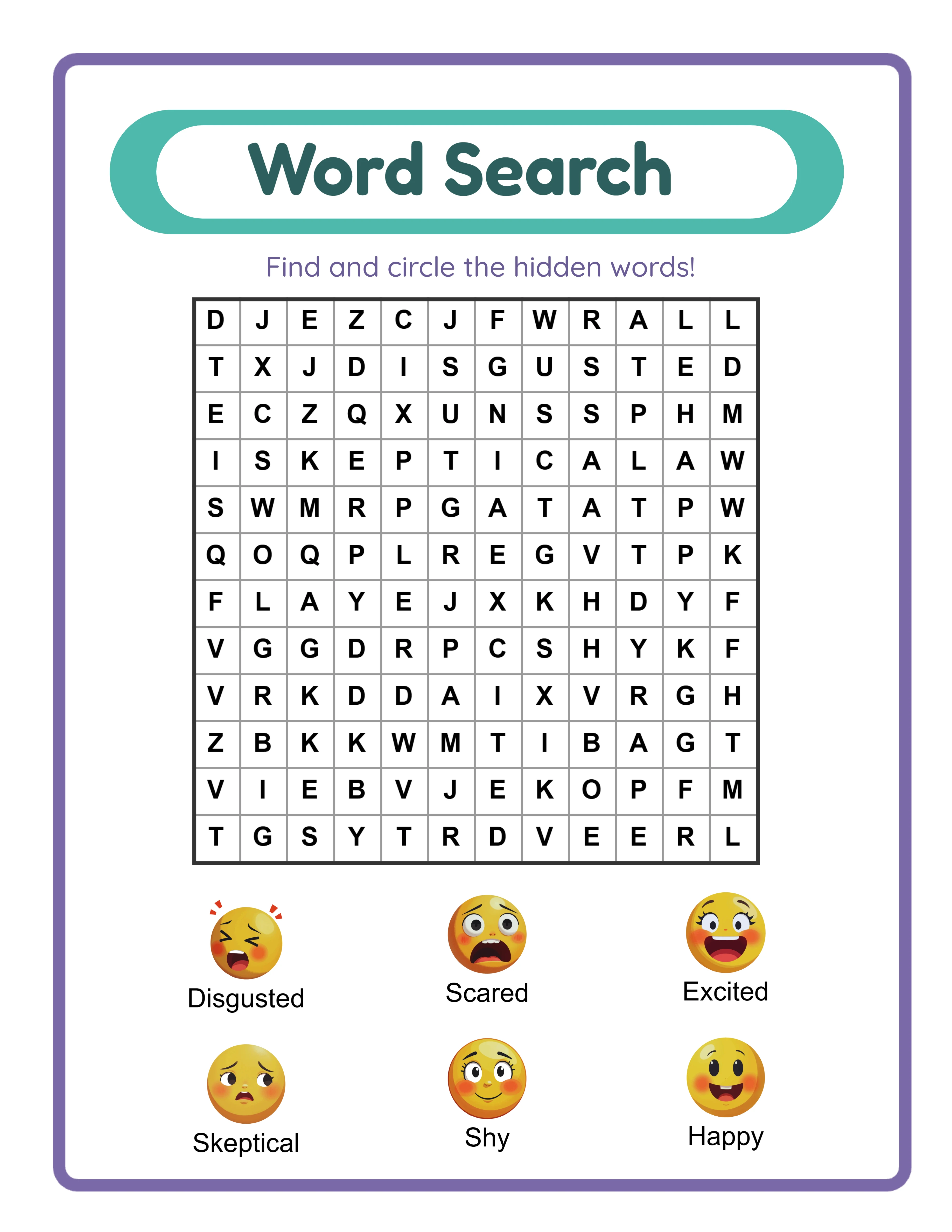
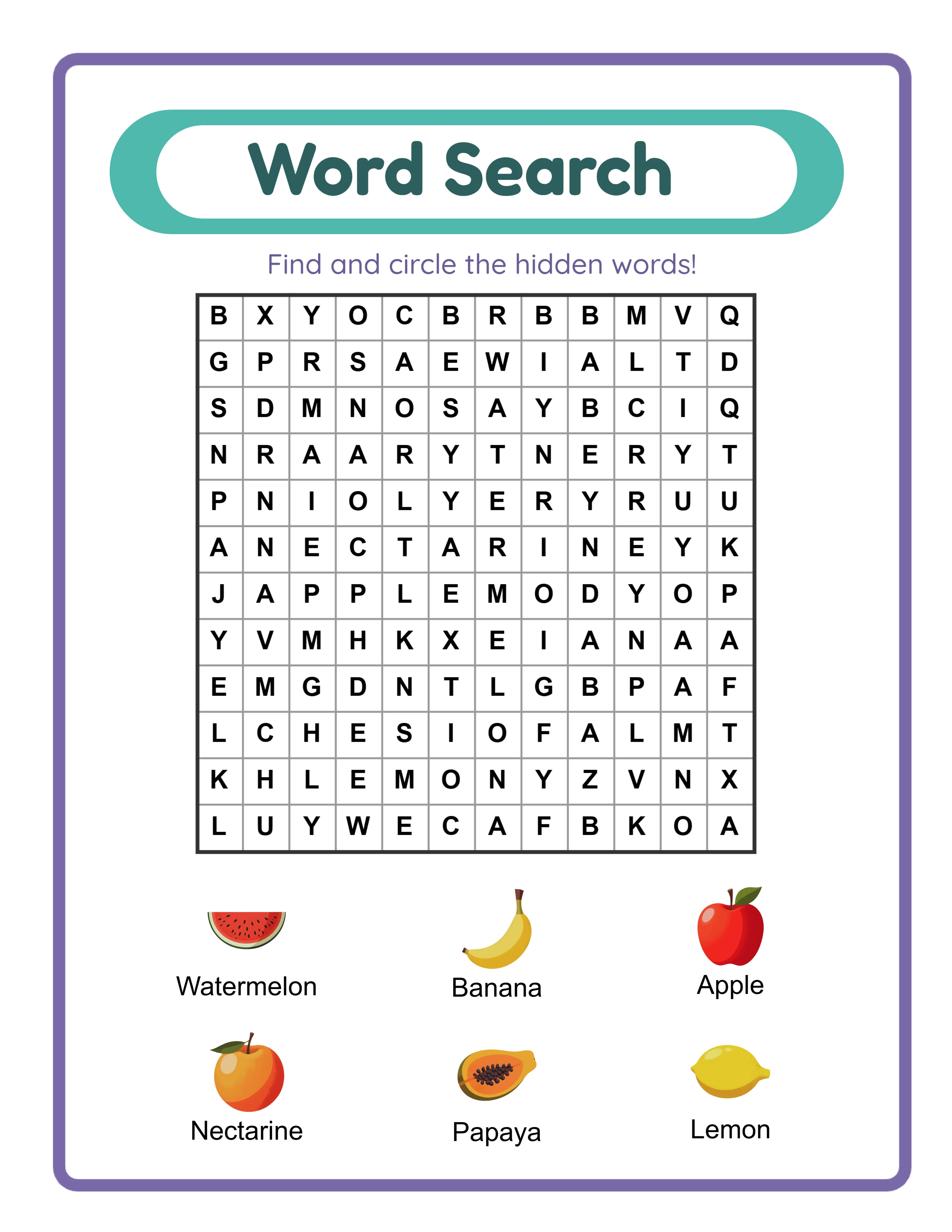
Word search worksheet bundle priced for Etsy
Word search bundles at $9.99 to $14.99 represent the revenue-maximizing price range on Etsy
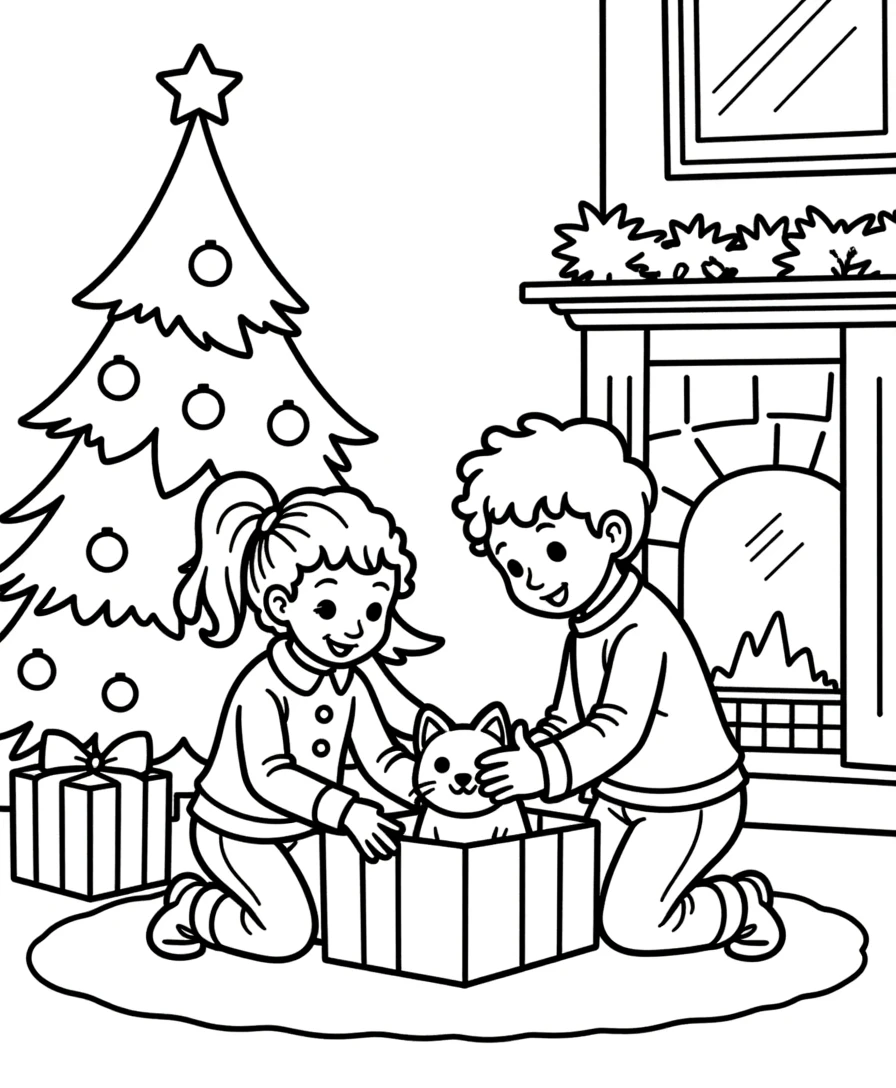
Coloring page mega bundle for Etsy shop
Mega bundles with 100+ pages justify premium pricing and generate the highest per-listing revenue

Theme Images

Elephant -- themed worksheet image
Elephant
Lion -- themed worksheet image
Lion
Penguin -- themed worksheet image
Penguin
Rabbit -- themed worksheet image
Rabbit
Turtle -- themed worksheet image
Turtle

Frequently Asked Questions

What is the ideal price range for printable worksheets on Etsy?
Individual worksheets sell best at $1.49 to $2.99. Theme packs of 5 to 10 pages sell at $3.99 to $5.99. Bundles of 20 to 50 pages at $7.99 to $14.99. Mega bundles of 100+ pages at $14.99 to $29.99. The highest total revenue typically comes from the $7.99 to $14.99 range where conversion rate and per-sale earnings are both strong.
Should I price my printables lower than competitors to get sales?
No. Underpricing is the most common and most damaging mistake new Etsy sellers make. Low prices signal low quality, attract bargain-seeking buyers who rarely return, and generate less revenue even at higher volume. Price at or slightly above the market average and compete on quality, presentation, and value -- not price.
How often should I change my prices?
Test price changes every 2 to 4 weeks. Allow at least 14 days per price point to gather meaningful data. Once you find an optimal price, leave it stable for 2 to 3 months before testing again. Frequent price changes confuse the Etsy algorithm and make your data unreliable.
Do bundles really sell better than individual worksheets?
Bundles generate higher total revenue per listing in nearly every printable category. They convert at similar or higher rates than individual worksheets while earning 3x to 10x more per sale. The lower per-page price in bundles creates strong perceived value, and Etsy's fee structure is more favorable for higher-priced items.
How do Etsy fees affect my pricing decisions?
Etsy charges a $0.20 listing fee, 6.5% transaction fee, and 3% + $0.25 payment processing per sale. At $1.99, you lose 32% to fees. At $14.99, you lose only 12%. This progressive fee structure makes low-priced items significantly less profitable and is a strong argument for bundling and premium pricing.
Should I offer discounts and sales on my printables?
Use sales strategically, not habitually. Launch new products with 20% to 30% introductory pricing for 1 week to build initial sales velocity. Participate in Etsy site-wide sale events with 10% to 15% off. Never run permanent sales or discounts deeper than 30% -- this trains buyers to wait for discounts and erodes your price positioning.
What is the refund policy for commercial licenses?
Every generator offers a free trial with watermark so you can test all features, generate sample worksheets, and evaluate output quality before purchasing. Because you can fully evaluate the product before buying, all commercial license sales are final. This is standard practice for digital product tools where the full product can be previewed before purchase.

Ready to Start Creating?

Try any generator free with watermark. No signup required.

Browse All Generators