Tutorial
1
Why Math Workbooks Are a Strong KDP Category
Understanding the market dynamics helps you position your books for maximum impact.
Year-round demand: Unlike holiday-themed books or seasonal content, math practice books sell every month. Parents do not stop wanting their children to practice math in April or July. This consistent demand means your books generate revenue 12 months a year without seasonal gaps.
Recurring purchase pattern: Math skills are progressive -- addition leads to subtraction, which leads to multiplication, which leads to division. A parent who buys your addition workbook and is satisfied will purchase your subtraction book next. This natural progression creates built-in cross-selling across your catalog.
Age and grade segmentation: Math workbooks target specific age ranges and grade levels. "Addition for Kindergarten" and "Addition for Second Grade" are entirely different products despite both being about addition. This segmentation means you can create 3 to 5 books on the same topic at different difficulty levels, each targeting a different buyer search.
Low return rate: Math workbooks have extremely low return rates on Amazon because buyers know exactly what they are getting. A book titled "100 Addition Worksheets for First Grade" delivers exactly that. There is no subjective quality judgment like there is with fiction or creative content.
High perceived value: Parents associate structured math practice with educational investment. They are willing to pay $6.99 to $9.99 for a workbook that keeps their child practicing math -- a small price compared to tutoring at $30 to $60 per hour. Your workbooks position as affordable alternatives to expensive supplemental education.
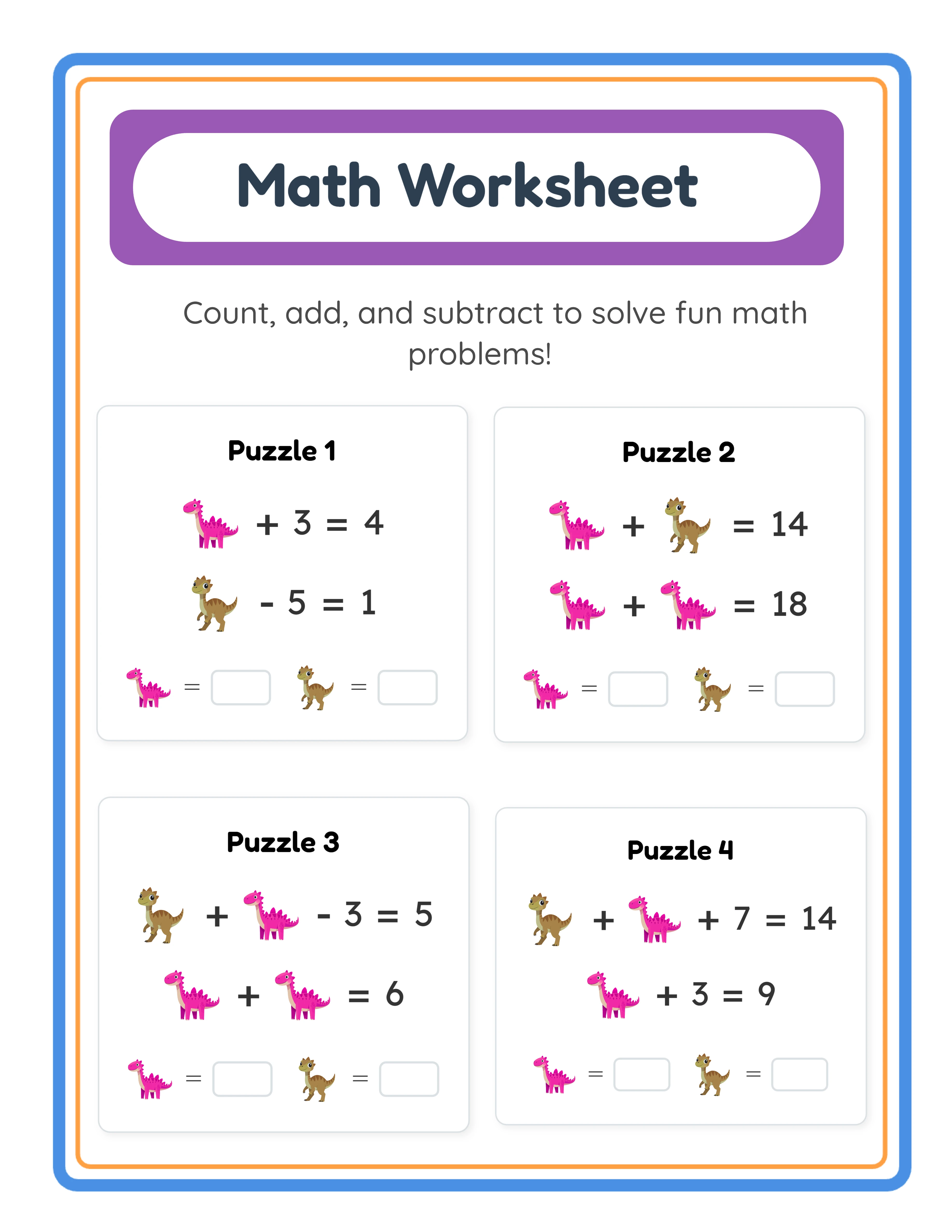
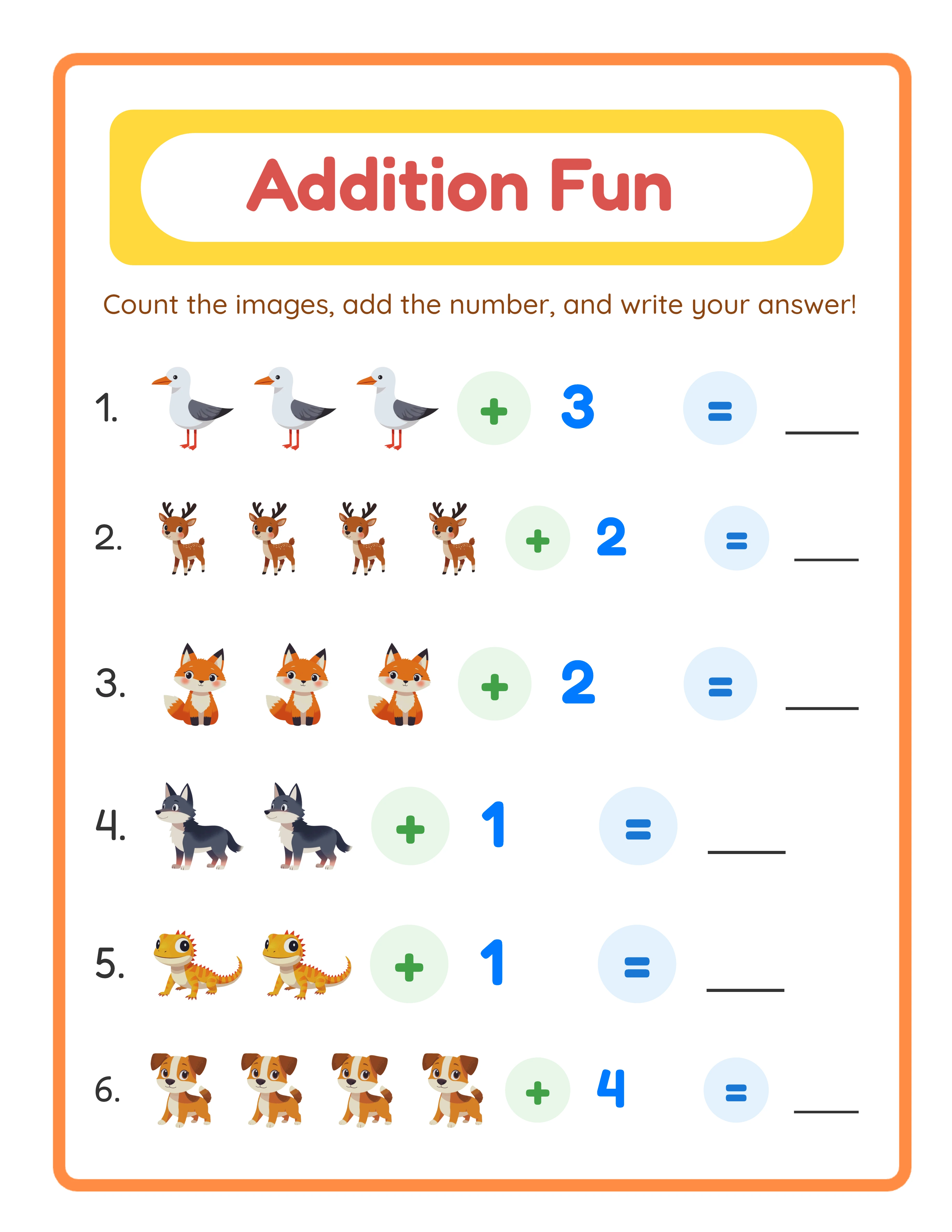
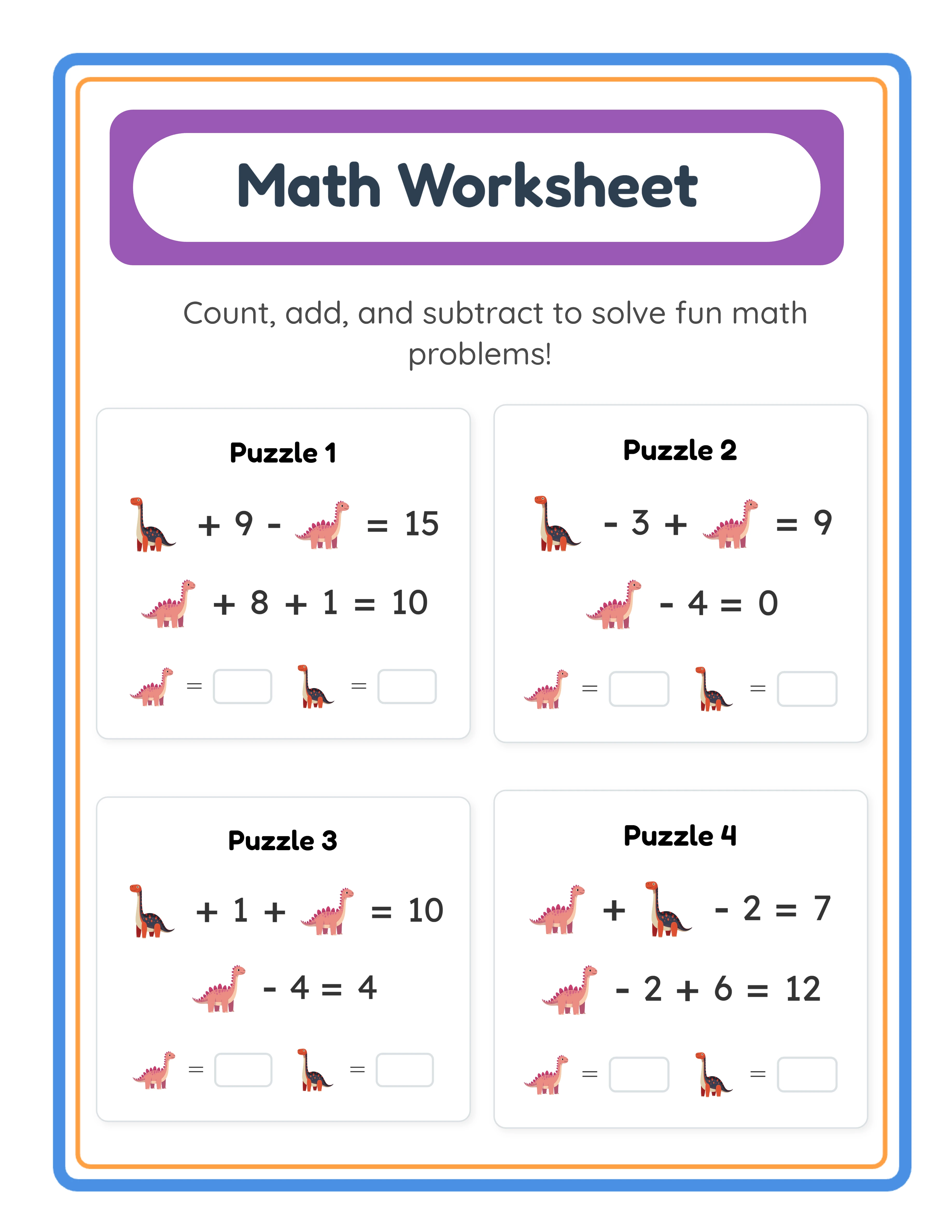
Picture math advantage: The LessonCraftStudio generators create math problems using themed images (count the animals, add the food items, subtract the vehicles). This visual approach is proven to increase engagement with young learners and sets your books apart from the generic number-only workbooks that dominate the market.
2
Choosing Profitable Math Workbook Niches
The math workbook market is large enough that niche selection dramatically affects your success. Here is how to find the right niches.
Addition workbooks: The broadest and most in-demand category. Target by grade level -- "Addition for Pre-K" (single digits, sums to 5), "Addition for Kindergarten" (sums to 10), "Addition for First Grade" (sums to 20), "Addition for Second Grade" (two-digit addition with carrying). Each grade level is a separate product.
Subtraction workbooks: Slightly less competition than addition. Same grade-level segmentation applies. "Subtraction for Kindergarten" (within 10), "Subtraction for First Grade" (within 20), "Subtraction for Second Grade" (two-digit with borrowing). Publishers who cover both addition and subtraction create natural cross-sell opportunities.
Mixed operations: "Addition and Subtraction Practice" books target parents who want comprehensive math practice in a single workbook. Mixed-operation books often sell at premium prices because they deliver more value per purchase.
Picture math niches: "Animal Math Worksheets," "Food Counting Worksheets," "Vehicle Math Practice" -- themed picture math books face significantly less competition than generic math workbooks while targeting the same buyer intent. Parents searching for "fun math worksheets for kids" are specifically looking for engaging, visual formats.
Summer math practice: "Summer Math Practice -- Kindergarten to First Grade" and similar bridge-year books sell heavily from May through August as parents combat summer learning loss. This is a seasonal niche with predictable demand.
Special needs and early learning: "Math Practice for Preschoolers," "Beginning Addition with Pictures," and "Visual Math for Early Learners" target parents of children who benefit from picture-based, multisensory math instruction. This niche has strong demand and relatively low competition.
3
Generating Math Worksheets with LessonCraftStudio
The LessonCraftStudio math generators produce print-ready worksheets optimized for workbook compilation.
Choosing your generator: Three generators cover the core math operations:
- The addition generator creates addition problems with configurable number ranges, regrouping options, and picture-based counting
- The subtraction generator creates subtraction problems with matching configuration options
- The math worksheet generator creates mixed-operation worksheets combining addition and subtraction
Number range configuration: Set the minimum and maximum numbers for each operand. For a kindergarten book: operands 0 to 10, sums up to 10. For first grade: operands 0 to 20, sums up to 20. For second grade: operands 10 to 99 with two-digit operations. Precise range control lets you target exact grade-level standards.
Picture problem mode: Select a theme from the 104 available collections. The generator creates problems where images represent the numbers being added or subtracted. "Count 3 cats plus 4 cats" replaces "3 + 4 = ?" This visual representation makes abstract math concrete for young learners.
Problems per page: Configure 8 to 20 problems per worksheet depending on target age. Younger children need larger print and fewer problems per page (8 to 10). Older children handle more problems per page (15 to 20). The generator adjusts layout automatically.
Answer keys: Every worksheet gets an automatic answer key. Include these at the back of your workbook so parents can verify their child's work without doing the math themselves. Missing answer keys are a common negative review complaint for KDP math books.
Export: Each worksheet exports as a 300 DPI PDF. Generate all worksheets for your book in a single session. A 100-worksheet book takes approximately 2 to 3 hours to generate, preview, and export.
4
Structuring Your KDP Math Workbook Manuscript
Manuscript structure matters for both buyer satisfaction and Amazon's review of your book.
Recommended manuscript structure:
Page 1: Title page -- book title, subtitle (grade level, operation type, number of worksheets), author or publisher name
Page 2: Copyright page -- copyright notice, year, "Created with LessonCraftStudio. Commercial license."
Page 3: Table of contents (optional but adds professionalism) -- section breakdown if you group worksheets by difficulty
Page 4: How to use this book -- brief instructions for parents or tutors explaining the worksheet format, how to use picture problems, and suggested daily practice schedule (10 to 15 minutes per day)
Pages 5-104: Worksheets -- one worksheet per page, numbered consecutively
Pages 105-204: Answer keys -- one per page, numbered to match worksheets
Page 205: Certificate of completion (optional but parents love this)
Page 206: About the publisher -- brief bio and catalog listing
Difficulty progression: Arrange worksheets from easiest to hardest within the book. Start with the simplest problems (smallest number ranges) and gradually increase difficulty. This progression gives learners a sense of accomplishment and prevents frustration.
Section dividers: For mixed-operation books, include section divider pages: "Section 1: Addition (Worksheets 1-50)" and "Section 2: Subtraction (Worksheets 51-100)." Dividers help parents and tutors navigate to the relevant section.
PDF compilation: Merge individual worksheet PDFs into a single manuscript using PDFsam Basic, Sejda, or macOS Preview. Verify page order, consistent trim size (8.5 x 11 for standard), and that all pages are properly oriented (portrait).
Pre-upload checklist:
- All pages same trim size
- Margins meet KDP minimums (0.75" gutter, 0.25" outside/top/bottom)
- All math problems verified for correctness (answer keys match)
- No watermarks (commercial license required)
- File under 650 MB
- Page count matches your cover spine width
5
Creating an Effective Cover for Math Workbooks
Your cover communicates grade level, content type, and quality at a glance. Math workbook covers follow specific conventions that buyers expect.
Front cover essentials:
Title: Clear, keyword-rich, readable at thumbnail size. Example: "Addition Practice Workbook -- Kindergarten"
Grade level indicator: Prominent grade or age designation. "Kindergarten," "Grade 1," "Ages 5-7" -- buyers filter by grade level, so this must be instantly visible.
Content preview: Show 2 to 3 sample math problems on the cover. For picture math, show an example with images: "3 cats + 2 cats = ?" with actual cat illustrations. This immediately communicates the visual format that differentiates your book.
Worksheet count: "100 Practice Worksheets with Answer Keys" prominently displayed. Buyers compare page counts between competing books.
Color and design: Use bright, engaging colors appropriate for the target age group. Kindergarten books use primary colors and playful fonts. Grade 3 books use slightly more mature designs. Match the aesthetic to the audience.
Back cover:
- Brief description (50 to 100 words)
- Key features: number of worksheets, answer keys included, difficulty level, picture-based problems
- Grade-level alignment notes
- Sample worksheet preview
- Barcode area for ISBN
Spine: Book title and grade level. Ensure readability -- KDP requires minimum spine widths based on page count.
Design tools: Canva's free KDP templates, Book Bolt's cover creator, or Fiverr designers ($20 to $50). A professional cover is the single most impactful investment for KDP sales.
6
Publishing and Optimizing Your KDP Math Workbook Listing
KDP listing optimization determines your visibility in Amazon search results and your conversion rate from browser to buyer.
Title optimization: Use the full character limit. Example: "Addition Practice Workbook for Kindergarten: 100 Picture Math Worksheets with Answer Keys -- Counting and Adding Within 10"
Subtitle: Add details the title does not cover. Example: "Fun Animal-Themed Visual Math Problems for Ages 4-6 -- Daily Practice for Pre-K and Kindergarten"
Description: Write 500 to 1,000 words with HTML formatting. Cover:
- Exact contents (100 worksheets, 100 answer keys, instructions page)
- What makes picture math effective (visual learning, engagement, concrete counting)
- Target audience (kindergarteners, homeschool families, tutors, summer practice)
- Skill progression (easy to challenging within the book)
- Physical specs (8.5 x 11, black and white, page count)
- How to use the book (10 to 15 minutes daily, self-paced)
Keywords (7 KDP slots):
1. addition worksheets kindergarten
2. math practice book ages 4-6
3. picture math workbook kids
4. counting worksheets preschool kindergarten
5. math workbook with answer key
6. kindergarten math practice book
7. visual addition worksheets early learners
Categories: Select "Children's Math Books" and "Activity Books" for maximum visibility in both math-specific and general activity book searches.
Pricing strategy for a 200-page 8.5 x 11 black and white book:
- US: $7.99 (60% royalty = $4.79 minus ~$3.35 printing = $1.44 per sale)
- European markets: Adjust for higher printing costs
- Start at $7.99 and test $6.99 and $8.99 to find the optimal price point
7
Scaling to a Complete Math Workbook Catalog
A catalog strategy turns a single math workbook into a comprehensive math publishing operation.
Operation expansion: Start with addition, then create subtraction, mixed operations, and eventually multiplication and division workbooks. Each operation is a distinct product line with its own keyword searches and buyer base.
Grade-level expansion: Each operation published at 4 to 5 grade levels (Pre-K, Kindergarten, Grade 1, Grade 2, Grade 3) creates a 4 to 5 book series per operation. Three operations at 5 grade levels = 15 books from core math alone.
Theme expansion: Picture math books can be themed. "Animal Math -- Addition for Kindergarten," "Vehicle Math -- Addition for Kindergarten," "Food Math -- Addition for Kindergarten" are three distinct products targeting different keyword searches and buyer interests. The 104 themed collections provide virtually unlimited theme options.
Difficulty series: Within each grade level, create easy, medium, and hard versions. "Easy Addition for First Grade" (sums to 10, simple problems) and "Challenging Addition for First Grade" (sums to 20, with regrouping) serve different buyer needs. Three difficulty levels per grade triples your catalog without changing the core operation.
Seasonal variations: "Summer Math Practice -- Kindergarten to First Grade Bridge" and "Back to School Math Review -- Second Grade" target seasonal buying patterns with time-specific products.
Bundle books: "Complete Math Workbook -- Kindergarten: Addition, Subtraction & Counting" at $11.99 to $14.99 combines multiple operations into a premium-priced single volume. Parents love comprehensive solutions.
Multilingual expansion: Regenerate your best-selling books in German, French, Spanish, and other supported languages. Picture math is inherently visual, but adding vocabulary labels in the target language transforms each book into a bilingual learning resource. German amazon.de, French amazon.fr, and Spanish amazon.es each represent separate marketplaces with minimal math workbook competition.
Catalog compound growth: 30 books averaging 1.5 daily sales each at $1.00 average royalty = $45 per day = $1,350 per month. That grows as reviews accumulate and books climb in search ranking.