Coloring Book Generator for Amazon KDP

Coloring books are one of the top-selling categories on Amazon KDP -- and they have been for years. Adult coloring books alone generated hundreds of millions in sales since the trend exploded, and the children's segment never stopped growing. Unlike puzzle books or journals, coloring books tap into a deep emotional need: relaxation, creativity, and mindful focus. This guide walks you through the entire workflow from generating professional coloring pages to holding a published KDP book. The LessonCraftStudio toolkit gives you access to 3,000+ themed images across 104 collections, image-to-outline conversion, grayscale export at 300 DPI, and a commercial license that covers Amazon KDP publishing.
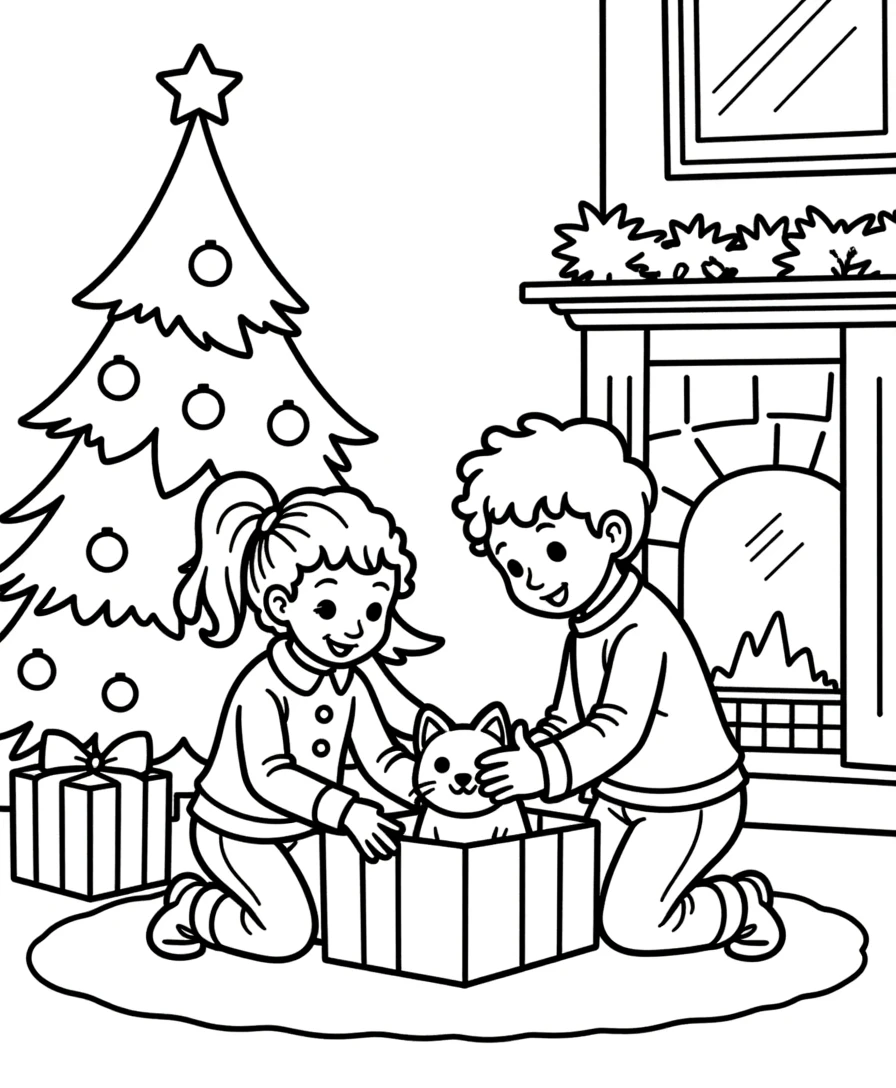
Coloring page generated for KDP book interior showing themed outline design

Introduction

Coloring books occupy a unique position in the Amazon KDP marketplace. They consistently rank among the top activity book categories, with demand spanning every age group from toddlers to retirees. The adult coloring book boom that started in 2015 proved the market was real, and while the initial frenzy has calmed, steady baseline demand remains strong. Children's coloring books never wavered -- parents, grandparents, and caregivers buy them year-round. The economics make coloring books particularly attractive for KDP publishers. A 50-page coloring book with single-sided printing sells at $5.99 to $9.99 on Amazon. At 60% royalty on US sales, you earn roughly $1.50 to $3.50 per copy after printing costs. Sell 3 to 5 copies per day across a small catalog of 8 books, and you are generating $360 to $840 per month in recurring royalties. These are achievable numbers for publishers who execute the fundamentals well. What separates profitable coloring book publishers from those who struggle is the quality and consistency of their interior pages. Generic clip art outlines look cheap and buyers notice immediately. The LessonCraftStudio toolkit solves this problem by providing access to 3,000+ professionally designed themed images across 104 collections -- animals, food, vehicles, nature, holidays, careers, and dozens more. These images can be converted to clean outlines suitable for coloring pages, giving you a massive library of source material that most independent publishers cannot match. The grayscale export option at 300 DPI ensures your coloring pages meet Amazon KDP's print quality requirements. The 104 themed collections mean you can create dozens of niche-specific coloring books without running out of content. And the 11-language support lets you create multilingual coloring books with translated labels and captions for international Amazon marketplaces. This guide covers the complete KDP coloring book workflow: understanding the market, generating coloring pages from themed image collections, meeting KDP requirements, compiling your manuscript, designing a cover that sells, optimizing your listing, and scaling to a full coloring book catalog. Every feature described here is available in the free trial with watermark, so you can test the entire process before purchasing a commercial license.
Try It Free with Watermark

Try any generator free with watermark. No signup required.

Tutorial

1

The Coloring Book Market on Amazon KDP

Coloring books are consistently one of the top-performing categories on Amazon KDP. Understanding this market helps you position your books for maximum sales. Market segments: The coloring book market splits into several distinct segments, each with its own buyer psychology and competition level. Adult coloring books: This segment focuses on intricate designs, mandalas, nature scenes, and stress-relief themes. Buyers are primarily women aged 25 to 65 who use coloring as a relaxation activity. Competition is high for generic "adult coloring" books but drops significantly in specific niches like "botanical garden coloring" or "architecture coloring." Children's coloring books: The largest and most evergreen segment. Parents buy coloring books as screen-free activities, travel entertainment, and educational supplements. Age-specific targeting is critical -- "coloring book for toddlers ages 2-4" and "coloring book for kids ages 8-12" are completely different products with different page complexity. Educational coloring books: A hybrid category combining coloring with learning. "ABC alphabet coloring book," "animals of the ocean coloring book," and "world flags coloring book" add educational value that justifies higher pricing and appeals to parents and educators. Seasonal coloring books: Christmas, Halloween, Easter, Valentine's Day, and summer-themed coloring books spike in demand 4 to 8 weeks before each occasion. These are excellent catalog additions because they sell predictably every year. The key insight for new publishers: avoid the broadest categories. "Adult coloring book" has thousands of competitors. "Japanese garden coloring book for adults" has a fraction of that competition with buyers who know exactly what they want and are ready to purchase.
2

Generating Coloring Pages from Themed Image Collections

The LessonCraftStudio toolkit provides the raw material you need to create professional coloring book interiors. Here is how the generation workflow operates. Image library: The toolkit includes 3,000+ themed images organized into 104 collections. These collections cover animals (farm, ocean, jungle, pets, forest, insects, birds), food and cooking, vehicles and transport, nature and weather, holidays and celebrations, careers and occupations, sports, household items, musical instruments, and many more. Each collection contains 20 to 40 professionally illustrated images. Image-to-outline conversion: The coloring page generator converts full-color themed images into clean outline versions suitable for coloring. The conversion process preserves the important structural lines while removing color fills, creating pages that are satisfying to color with clear boundaries between sections. Grayscale export: For more sophisticated coloring pages -- particularly those targeting adults -- the grayscale export option produces images with subtle shading that provides depth and visual interest. Grayscale coloring pages are a premium product type on KDP because they require more skill to color effectively, attracting dedicated coloring enthusiasts who are willing to pay more. 300 DPI output: Every exported page meets the 300 DPI resolution standard required by Amazon KDP for print-quality output. Lower resolution images appear blurry or pixelated when printed, which leads to negative reviews and returns. The 300 DPI standard ensures crisp, clean lines on the printed page. Themed collections for niche books: The 104 collections are your niche targeting tool. Want to create a "Farm Animals Coloring Book"? Use the farm animals collection. "Ocean Life Coloring Book"? Pull from the ocean creatures collection. "Holiday Coloring Book"? Combine images from Christmas, Easter, Halloween, and Valentine's collections. Each collection gives you enough material for a standalone coloring book or a section within a larger compilation. To generate coloring pages, open the coloring tool, select your theme collection, choose between outline and grayscale modes, set the output to 300 DPI, and export each page as a PDF. The draw-and-color tool offers additional flexibility for creating pages that combine coloring with drawing prompts -- a distinctive format that stands out on KDP.
3

Amazon KDP Requirements for Coloring Books

KDP has specific technical requirements for coloring book interiors. Getting these right from the start prevents rejected uploads and printing issues. Trim sizes: The most popular trim sizes for coloring books on KDP are 8.5 x 11 inches (US Letter -- the default expectation for coloring books), 8 x 10 inches (slightly smaller, lower printing cost), and 8.5 x 8.5 inches (square format, popular for children's books). US Letter is the safest choice for your first coloring book because buyers expect it and it provides the largest coloring area. Page count: KDP requires a minimum of 24 pages for paperback books. For coloring books, the standard range is 30 to 100 coloring pages. A 50-page coloring book is the sweet spot -- it provides enough content to justify the price without excessive printing costs. Remember that KDP counts total pages including front matter, so a 50-page coloring book with title page, copyright page, and table of contents runs 53 to 55 total pages. Single-sided printing: This is critical for coloring books. Buyers use markers, gel pens, and watercolors that bleed through paper. Professional coloring books print on one side only, leaving the reverse side blank. On KDP, you achieve this by inserting blank pages between each coloring page in your manuscript PDF. A 50-page coloring book therefore has a 103-page manuscript (title + copyright + 50 coloring pages + 50 blank pages + optional back matter). Bleed settings: If your coloring designs extend to the page edge, select "bleed" in KDP setup and ensure your images extend 0.125 inches beyond the trim line on all three outer edges. If your designs have a white border around them, select "no bleed" for simpler formatting. Margins: KDP minimum margins vary by page count. For a 100-page book at 8.5 x 11, you need at least 0.625 inches on the inside (gutter) margin and 0.25 inches on outside, top, and bottom. Keep coloring content well within these margins to prevent any cutting during the print process. File format: KDP accepts PDF manuscripts. Export your coloring pages at 300 DPI as individual PDFs, then compile them into a single manuscript PDF. The final file must be under 650 MB.
4

Compiling Your Coloring Book Manuscript

With your coloring pages generated and exported, the next step is assembling them into a print-ready KDP manuscript. Manuscript structure for a coloring book: Page 1: Title page -- book title, subtitle, and publisher name. Keep it clean and visually appealing. Page 2: Copyright page -- copyright notice, commercial license reference, "All rights reserved" statement, and a note that pages are designed for single-sided coloring. Page 3: Optional dedication or introduction page. Page 4: Blank page (back of introduction). Pages 5 onward: Alternating coloring page and blank page. Each coloring page faces a blank page to prevent bleed-through when coloring. Final pages: Optional "About the Artist" or catalog page listing your other coloring books. Creating blank pages: Your blank pages should be truly blank -- no page numbers, no headers, no borders. Create a single blank PDF at your trim size and reuse it between every coloring page. Page numbering: Coloring books typically do not have visible page numbers. If you choose to number pages, place numbers only on coloring pages (not blank pages) and use small, unobtrusive numbering in the bottom corner. Merging PDFs: Use PDFsam Basic, Sejda, or macOS Preview to merge your individual PDFs into the final manuscript. Arrange them in the correct alternating order: coloring page, blank, coloring page, blank. Quality checklist before upload: - All pages are the same trim size - Coloring pages are 300 DPI with clean, crisp lines - Blank pages are inserted between every coloring page - Margins meet KDP minimums on all pages - No watermarks appear on any page (use commercially licensed exports only) - Front matter pages match the trim size exactly - Total file size is under 650 MB - The PDF is flattened (no editable layers that could shift during printing) Test your manuscript by zooming to 100% and inspecting line quality on several pages. Lines should be smooth and consistent in weight. Any jagged or fuzzy lines will be visible in print.
5

Cover Design for KDP Coloring Books

Your cover is the most important sales element for any KDP book. For coloring books, the cover needs to accomplish three things: show the coloring style, communicate the theme, and look professional at thumbnail size. Cover dimensions: Use KDP's cover calculator to get exact dimensions based on your page count and trim size. For a 103-page 8.5 x 11 coloring book, the full wrap cover (front + spine + back) is approximately 17.48 x 11.25 inches. Front cover design principles: Show a completed coloring page. Take one of your best coloring outlines and fill it with vibrant colors. This shows buyers exactly what the interior pages look like when colored, which is the primary purchase motivator. State the contents clearly. "50 Animal Coloring Pages" or "Flower Garden Coloring Book -- Relaxing Botanical Designs" tells buyers exactly what they are getting. Include the target audience. "For Adults," "For Kids Ages 4-8," or "For Seniors -- Large Print" helps buyers self-select and improves your keyword relevance. Use a clean, readable title font. The title must be legible at thumbnail size -- this is how 90% of buyers first encounter your cover in Amazon search results. Decorative fonts look great full-size but become illegible at small sizes. Back cover elements: - Brief description of the book contents - Number of coloring pages - Key features (single-sided printing, thick lines for easy coloring, themed content) - A small preview of 2 to 3 interior pages - ISBN barcode area (KDP provides this) Spine: For books with enough pages to have a visible spine, include the book title and your publisher name. Use a font size appropriate for the spine width -- KDP's cover calculator tells you the exact spine width. Design tools: Canva provides KDP cover templates at no cost. Book Bolt offers KDP-specific tools. For professional results, hire a cover designer on Fiverr for $25 to $60 -- this is one of the highest-ROI investments for a KDP book.
6

Listing Optimization for KDP Coloring Books

A well-optimized KDP listing converts browsers into buyers. Every element of your listing should be crafted with keyword strategy and buyer psychology in mind. Title: Your title is the most important ranking factor on Amazon. Make it descriptive and keyword-rich without being spammy. Strong examples: - "Animal Coloring Book for Kids Ages 4-8: 50 Cute Farm and Zoo Animals with Thick Lines" - "Botanical Garden Coloring Book for Adults: 60 Relaxing Flower and Plant Designs" - "Large Print Easy Coloring Book for Seniors: 40 Simple Nature Scenes" Subtitle: Expand on what the title does not cover. Add features, formats, or secondary keywords. Example: "Single-Sided Pages, Stress-Relief Designs, Perfect Gift for Nature Lovers" Description: Write 400 to 1,000 words describing the book in detail. Use HTML formatting (bold, bullet points, line breaks) to make it scannable. Include: - Exact number of coloring pages - Theme descriptions with specific subjects - Page format (single-sided, paper quality note) - Difficulty level and who the book suits - Gift-giving occasions (birthdays, holidays, stocking stuffers) - A call to action ("Scroll up and click Buy Now") Keywords: KDP gives you 7 keyword slots of up to 50 characters each. Use specific long-tail phrases: - "coloring book adults flowers botanical" - "kids coloring book animals farm zoo" - "easy coloring pages seniors large print" - "stress relief adult coloring nature" - "toddler coloring book simple thick lines" - "gift coloring book women relaxation" - "animal coloring pages children ages 4 5 6 7 8" Categories: Select the most specific categories available. "Children's Coloring Books" is better than "Children's Activity Books." KDP lets you select two categories -- choose the two most relevant to your specific book. A+ Content: If you have a KDP brand registered through Amazon Brand Registry, use A+ Content to add comparison charts, lifestyle images, and enhanced descriptions. This significantly increases conversion rates.
7

Scaling Your Coloring Book Catalog

A single coloring book is a product. A catalog of 15 to 30 themed coloring books is a business that generates consistent monthly revenue. Here is the systematic approach to scaling. Theme expansion: With 104 themed collections in the LessonCraftStudio toolkit, you have raw material for dozens of niche coloring books. Map out a publishing schedule: - Month 1: Animals (farm, ocean, jungle -- 3 books) - Month 2: Nature (flowers, trees, seasons -- 3 books) - Month 3: Vehicles and careers (2 books each -- 4 books) - Month 4: Holidays (Christmas, Halloween -- 2 books) + food (1 book) Age segmentation: The same animal collection becomes three different products when you adjust complexity. "Simple Animal Coloring for Toddlers Ages 2-4" uses thick outlines with minimal detail. "Animal Coloring Book for Kids Ages 6-10" uses moderate detail. "Detailed Animal Illustrations for Adults" uses intricate patterns and grayscale shading. Three products from one image set. Seasonal calendar: Plan seasonal books 3 months ahead of each holiday. Publish a Christmas coloring book in September. Publish a Halloween coloring book in August. Publish a Valentine's coloring book in December. These books spike during their season and provide a predictable annual revenue cycle. Compilation books: After publishing 5 to 10 themed books, create a "Best Of" compilation. "Ultimate Animal Coloring Collection -- 200 Pages" priced at $12.99 to $14.99 targets buyers who want maximum value. Compilation books also cross-promote your individual titles. Multilingual expansion: The 11-language support means every successful English coloring book can be republished with translated labels and captions for German (amazon.de), French (amazon.fr), Spanish (amazon.es), Portuguese (amazon.com.br), Italian (amazon.it), Dutch (amazon.nl), and Nordic marketplaces. Non-English coloring books face dramatically less competition. Format variations: Create "large print" versions with fewer, bigger designs per page for the senior market. Create "travel size" versions at 6 x 9 inches for on-the-go coloring. Each format variation is a separate product targeting a separate search term. The compounding effect is powerful. Twenty coloring books each selling 2 copies per day at $6.99 with $1.50 average royalty generates roughly $1,800 per month. Add multilingual versions and seasonal spikes, and annual revenue from a mature catalog reaches $25,000 to $40,000.

Platform Tips

KDP Formatting Tips Specific to Coloring Books

Coloring books have formatting requirements that differ from text books and even other activity books. These tips prevent common mistakes that cause rejected uploads or poor print quality. Single-sided page layout: Insert a blank page after every coloring page. This is non-negotiable for professional coloring books because markers and gel pens bleed through standard KDP paper. Buyers expect single-sided printing and will leave negative reviews if colors bleed onto the next design. Line weight consistency: Ensure all coloring page outlines use consistent line weights. Thin lines (0.5 to 1 point) work for intricate adult designs. Thick lines (2 to 4 points) work for children's books. Mixing line weights within a single book looks unprofessional. Interior color setting: Select "black and white" for standard outline coloring books. Select "premium color" only if your book includes colored sample pages or colored section dividers. Black and white interiors cost significantly less to print, giving you higher royalties per sale. Page orientation: Keep every page in portrait orientation unless your book specifically requires landscape. Mixed orientations cause printing errors. If certain designs work better in landscape, rotate them to fit portrait orientation or create a separate landscape-format book. Test print: Always order an author proof copy before running ads or promotion. Screen displays cannot replicate print quality. Check that lines are crisp, margins are adequate, blank pages align correctly, and the overall print quality meets buyer expectations. The $5 to $8 author copy cost prevents negative reviews that can tank your listing permanently.

Keyword Strategy for Coloring Books on Amazon

Amazon search is how 70% of coloring book buyers find products. Your keyword strategy determines whether your book appears in relevant searches. Primary keyword research: Use Amazon's search autocomplete to discover real buyer search terms. Type "coloring book" into the Amazon search bar and note every autocomplete suggestion. Then type "coloring book for" and note age-specific and audience-specific suggestions. Repeat with "coloring pages," "adult coloring," and theme-specific terms. Long-tail keyword targeting: "Coloring book" has impossible competition. "Butterfly garden coloring book for adults relaxation" has far less competition with higher purchase intent. Your 7 KDP keyword slots should contain specific long-tail phrases, not single broad words. Competitor keyword analysis: Find the top 20 coloring books in your target niche. Read their titles, subtitles, and descriptions. Note which words and phrases appear repeatedly -- these are proven keywords driving sales in your niche. Seasonal keyword planning: "Christmas coloring book" search volume spikes 10x in October and November. "Summer coloring book" peaks in May and June. Plan your keyword slots to match seasonal demand cycles. Consider updating keywords seasonally for books that span multiple themes. Avoid keyword stuffing: Amazon penalizes listings with unnaturally repeated keywords. Your title, subtitle, and description should read naturally while incorporating target keywords. Write for human buyers first, then verify keyword coverage. Hidden keyword slots: The 7 backend keyword slots are not visible to buyers. Use them for synonyms, related terms, and alternate phrasings that you could not fit naturally into your visible listing copy. Examples: "colour" (British spelling), "coloring sheets," "coloring activities," "paint by number alternative."

Pricing Strategy for KDP Coloring Books

Pricing determines both your royalty per sale and your competitiveness in search results. Here is how to price coloring books for maximum profitability. Royalty calculation: KDP offers 60% royalty for US-priced books between $2.99 and $9.99 (with printing cost deductions). For a 103-page black and white 8.5 x 11 book, printing cost is approximately $3.05 in the US. At $6.99 list price with 60% royalty: $6.99 x 0.60 = $4.19 minus $3.05 printing = $1.14 net royalty per sale. Optimal price points: Based on competitive analysis of successful KDP coloring books: - 30 to 40 pages: $4.99 to $5.99 - 50 to 60 pages: $5.99 to $7.99 - 80 to 100 pages: $7.99 to $9.99 - Compilation books (150+ pages): $11.99 to $14.99 Premium pricing signals: Books priced below $4.99 signal low quality to buyers. A well-designed 50-page coloring book at $6.99 sells better than a mediocre 80-page book at $4.99 because the higher price suggests better content. International pricing: European Amazon marketplaces (DE, FR, ES, IT, NL) have higher printing costs than the US. Price 15% to 25% higher on European marketplaces to maintain your royalty margin. Use KDP's marketplace-specific pricing rather than letting Amazon auto-convert from USD. Bundle pricing: If you sell individual themed coloring books at $6.99 each, price your compilation book (combining 3 to 4 themes) at $12.99. Buyers perceive this as a deal while you earn higher absolute royalty per sale. Launch pricing: Consider pricing $1.00 below your target price for the first 2 weeks after launch to generate initial sales velocity and reviews. After establishing a sales history, raise to your target price.

Monetization Strategies

Revenue Projections for Coloring Book Catalogs

Setting realistic revenue expectations helps you plan catalog development and reinvestment decisions. Single book performance: A well-optimized coloring book on KDP sells 1 to 5 copies per day in its niche, depending on competition and keyword positioning. At $1.00 to $2.00 net royalty per copy, one book generates $30 to $300 per month. Catalog scaling: Revenue scales roughly linearly with catalog size for the first 20 to 30 books. Each book targets a different niche keyword set, so books do not cannibalize each other's sales. A 15-book catalog averaging 2.5 copies per day per book at $1.25 average royalty = $37.50 per day = $1,125 per month. Multilingual multiplier: Publishing each book in 5 languages multiplies your catalog by 5x with significantly less effort per additional language (the designs are already done -- you only update labels and listing copy). An English book selling 3 copies per day might sell 1 copy per day in German, 0.8 in French, 0.5 in Spanish, and 0.3 in Portuguese. That is 5.6 copies per day from one book concept. Seasonal revenue spikes: Holiday-themed coloring books generate 3x to 8x normal daily sales during their peak season. A Christmas coloring book selling 2 copies per day in July might sell 15 copies per day in November and December. These spikes add substantial annual revenue. First-year projection for a dedicated publisher: Publishing 2 coloring books per month for 12 months creates a 24-book catalog. By month 12, with earlier books having established sales history and reviews, estimated monthly revenue ranges from $800 to $2,400 depending on niche selection and optimization quality.

Building Niche Series for Repeat Buyers

Series publishing is the most effective strategy for building a sustainable coloring book business on KDP. Buyers who enjoy Volume 1 actively seek Volume 2. Series structure: Create themed series with consistent branding. "Botanical Bliss Coloring -- Volume 1: Garden Flowers," "Botanical Bliss Coloring -- Volume 2: Tropical Plants," "Botanical Bliss Coloring -- Volume 3: Trees and Forests." The consistent naming and visual style makes the series instantly recognizable. Cross-promotion within books: Include a catalog page at the back of every book listing all titles in the series plus your other coloring books. Readers who enjoyed the current book will check your catalog for more. This in-book promotion costs nothing and drives significant cross-sales. Amazon series linking: Use KDP's Series feature to connect volumes. Amazon displays linked series on a single page, making it easy for buyers to discover and purchase additional volumes. Series listings also benefit from combined review counts. Niche authority building: Publishing 5 to 8 books in a single niche (e.g., "animal coloring books") establishes you as a specialist publisher. Amazon's algorithm favors publishers with deep catalogs in specific categories, improving your organic ranking over time. Series expansion strategy: Start with your strongest niche, publish 3 to 4 volumes, confirm sales traction, then expand to a related niche. Do not spread across 10 different niches with one book each -- depth beats breadth on Amazon.

Seasonal Themes as a Revenue Strategy

Seasonal coloring books are among the most predictable revenue generators on KDP. Demand follows a calendar, and the same books sell year after year. High-demand seasonal windows: - Christmas coloring books: Peak sales October through December. Publish by September. - Halloween coloring books: Peak sales September through October. Publish by August. - Valentine's Day coloring books: Peak sales January through February. Publish by December. - Easter coloring books: Peak sales March through April. Publish by February. - Summer activity coloring books: Peak sales May through July. Publish by April. - Back-to-school coloring books: Peak sales July through August. Publish by June. The 104 themed collections in LessonCraftStudio include holiday-specific sets that provide ready-made content for seasonal books. Combine these with nature and object collections to create unique seasonal angles -- "Winter Animals Coloring Book" uses animal images with a seasonal framing. Annual compounding: A Christmas coloring book published this year continues selling every subsequent Christmas season. After 3 years of seasonal publishing, you could have 6 to 12 seasonal titles that each spike during their window, creating a steady baseline revenue throughout the year. Ad timing: Increase Amazon Ads budgets 4 to 6 weeks before each seasonal peak. The advertising cost per click is lower before peak season begins, and early sales generate reviews that boost organic ranking during the peak window. Gift market targeting: Seasonal coloring books are popular gifts. Include "perfect gift" language in your listing copy and target gift-related keywords like "stocking stuffer coloring book" and "Easter basket coloring book." Gift buyers are less price-sensitive, supporting higher price points during holiday seasons.

Examples

Complete KDP Coloring Book Blueprint: Animal Theme for Kids

Here is a concrete, step-by-step blueprint for creating a children's animal coloring book and publishing it on KDP this week. Book concept: "Cute Animals Coloring Book for Kids Ages 4-8: 50 Fun Farm, Ocean, and Jungle Animals with Thick Lines" Specifications: - Trim size: 8.5 x 11 inches - Total pages: 105 (title + copyright + 50 coloring pages + 50 blank backing pages + catalog page + back page) - Line weight: 3 points (thick, child-friendly outlines) - Single-sided printing with blank page between every coloring page - Interior: Black and white, no bleed - Resolution: 300 DPI Generation workflow: 1. Open the coloring generator and select the "Farm Animals" collection from the 104 themed sets 2. Convert 15 to 18 farm animal images to clean thick-line outlines 3. Export each outline as a 300 DPI PDF at 8.5 x 11 inches 4. Switch to "Ocean Animals" collection and generate 15 to 18 outlines 5. Switch to "Jungle Animals" collection and generate 15 to 18 outlines 6. Select the 50 best pages from your generated set 7. Create front matter pages (title, copyright) at the same trim size 8. Create a blank page PDF at 8.5 x 11 inches 9. Merge all PDFs in order: front matter, then alternating coloring page and blank page Cover: Use one of your best animal outlines colored vibrantly as the front cover focal point. Add title in a bold, playful font readable at thumbnail size. Include "50 Coloring Pages" and "Ages 4-8" prominently. Pricing: $5.99 to $6.99 Estimated monthly revenue at 3 copies per day: $90 to $135 Estimated time to create: 4 to 6 hours for first book

Premium Adult Coloring Book Blueprint: Botanical Grayscale

This blueprint targets the premium adult coloring market using the grayscale export feature for a distinctive, higher-priced product. Book concept: "Botanical Garden Grayscale Coloring Book for Adults: 40 Relaxing Flower and Plant Designs for Stress Relief" Specifications: - Trim size: 8.5 x 11 inches - Total pages: 87 (title + copyright + instructions + 40 coloring pages + 40 blank backing pages + catalog page + about page) - Export mode: Grayscale (provides shading depth that standard outlines lack) - Single-sided printing with blank backing pages - Interior: Black and white, no bleed - Resolution: 300 DPI Generation workflow: 1. Open the coloring generator and select the nature and plant-themed collections 2. Set export mode to grayscale for depth and shading 3. Generate 50+ grayscale coloring pages from flower, tree, garden, and botanical collections 4. Review and select the 40 strongest designs -- look for interesting detail, balanced composition, and varied complexity 5. Export each selected page at 300 DPI 6. Create an instructions page explaining grayscale coloring technique (colored pencil layering, blending methods) -- this adds perceived value 7. Compile the manuscript with blank backing pages between every coloring page Cover: Feature a partially colored grayscale page showing the before (grayscale) and after (colored) effect. This demonstrates the unique product format and attracts experienced colorists who want something beyond standard outlines. Pricing: $8.99 to $9.99 (premium positioning justified by grayscale format) Estimated monthly revenue at 2 copies per day: $60 to $120 Estimated time to create: 5 to 7 hours Multilingual expansion: Republish with translated instructions and cover text for amazon.de (German), amazon.fr (French), and amazon.es (Spanish). Grayscale coloring books are even rarer in non-English markets, giving you a significant competitive advantage.

Sample Worksheets

Coloring page ready for KDP manuscript
A themed coloring page exported as a print-ready 300 DPI PDF for KDP book interior
Grayscale coloring page with shading depth
Grayscale export mode provides shading and depth for premium adult coloring books

Theme Images

Butterfly — themed coloring source image
Butterfly
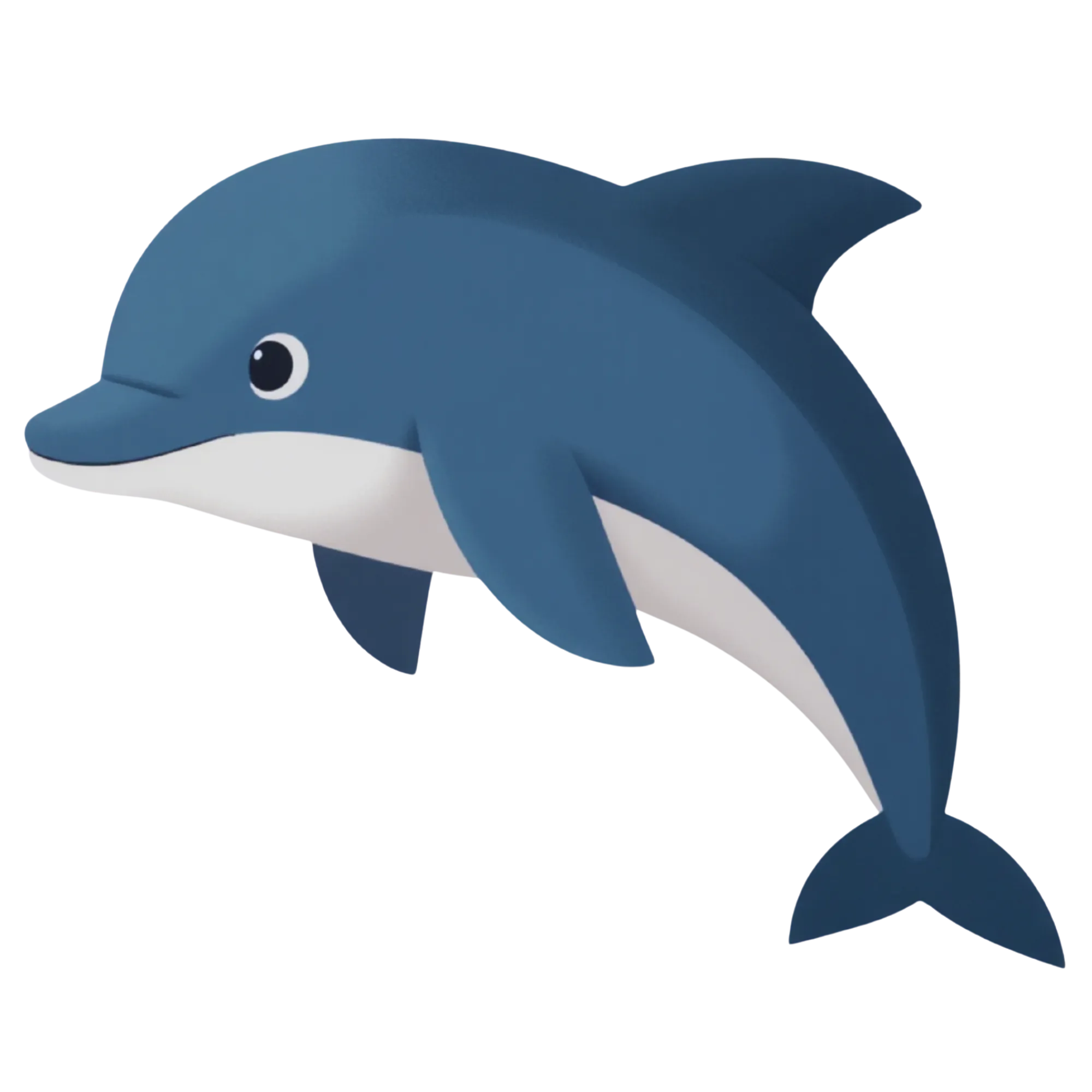
Dolphin -- themed coloring source image
Dolphin
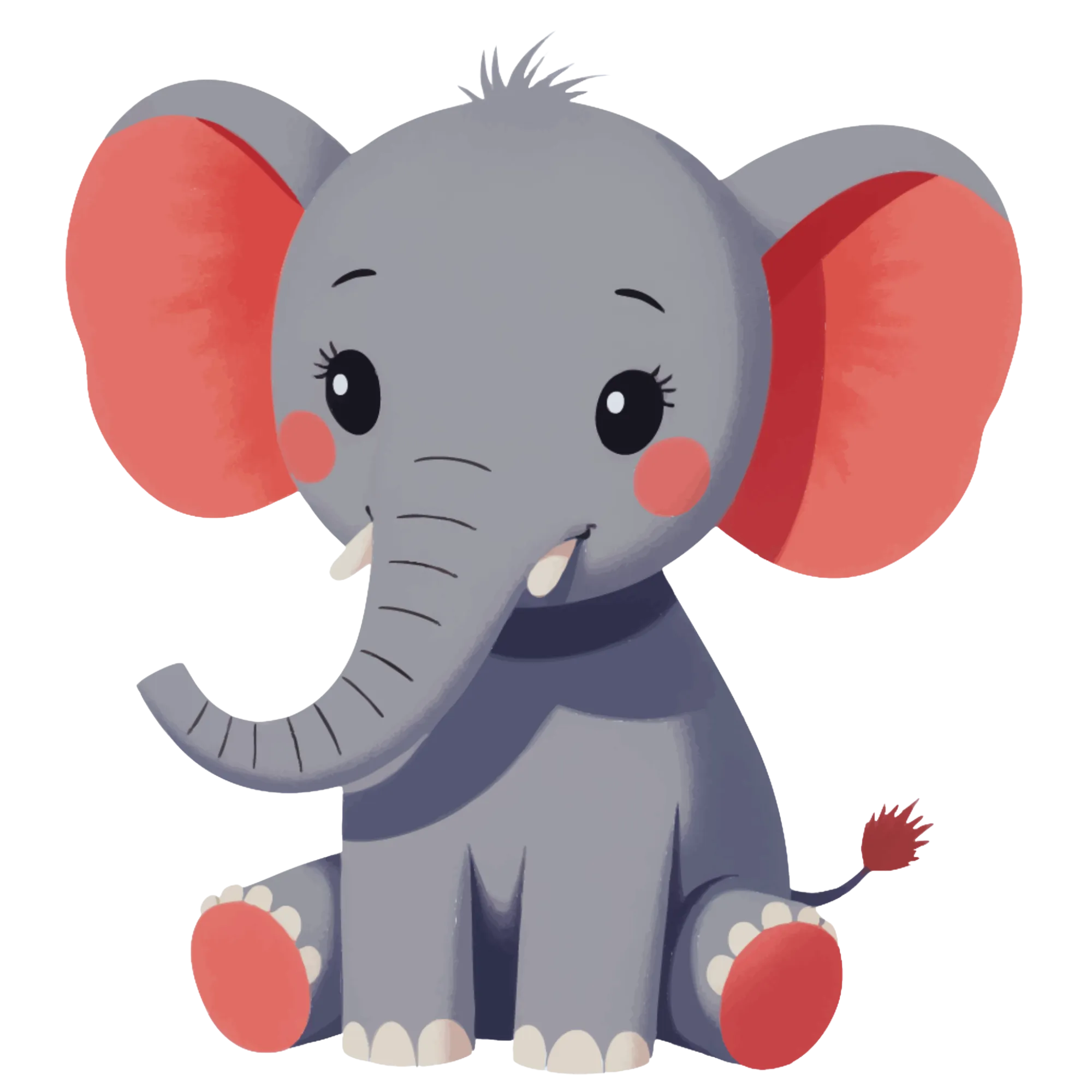
Elephant -- themed coloring source image
Elephant
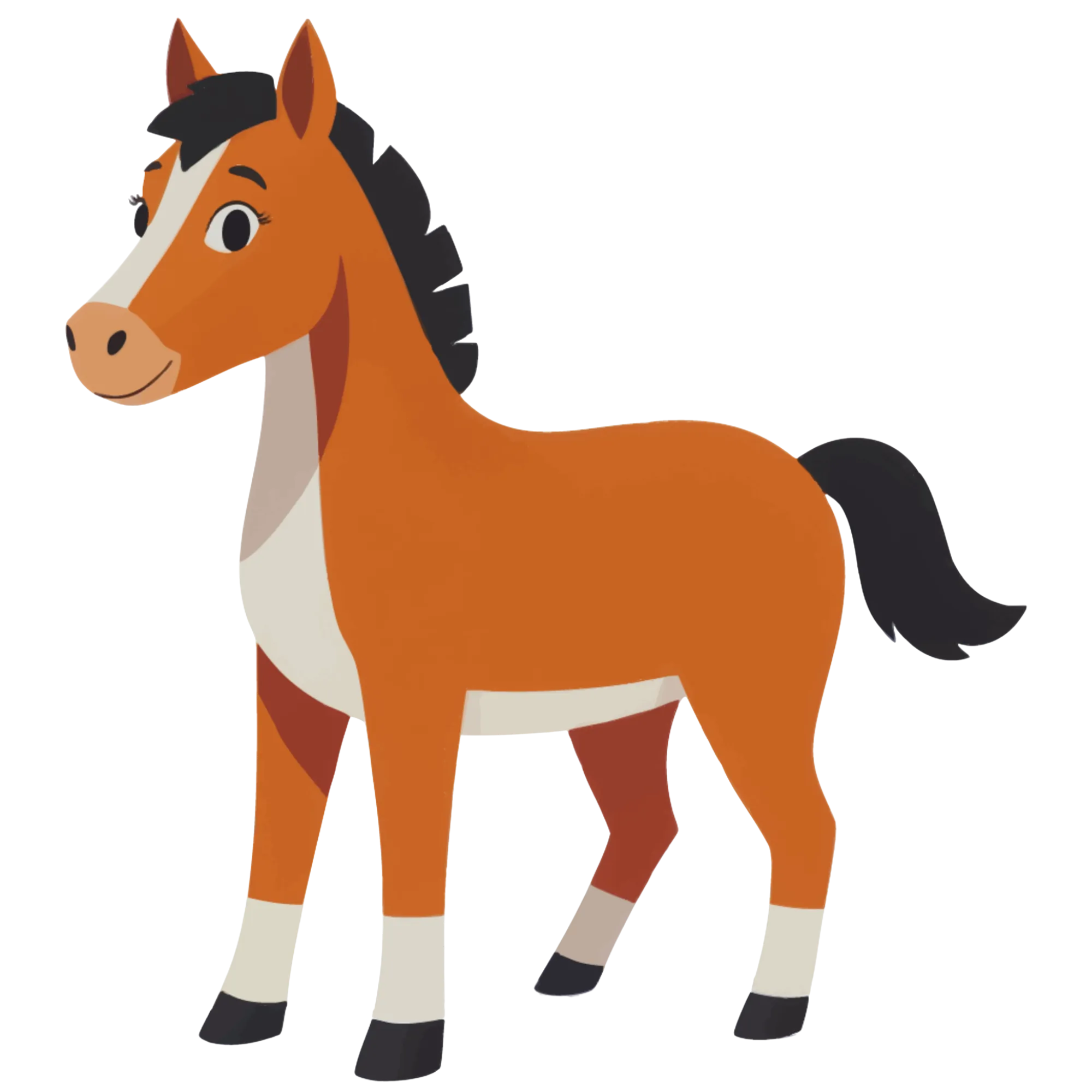
Horse -- themed coloring source image
Horse
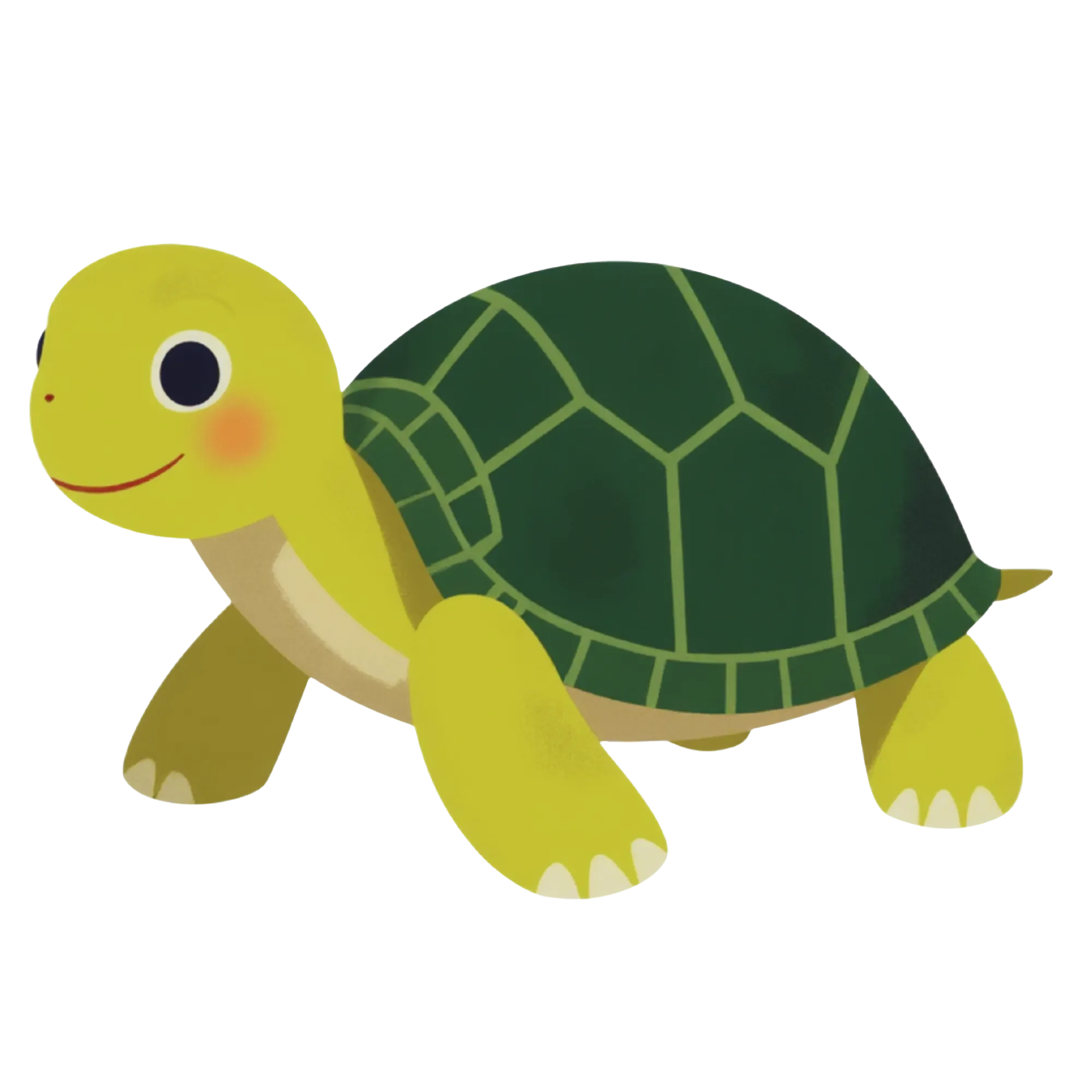
Turtle -- themed coloring source image
Turtle

Frequently Asked Questions

What image collections are available for creating coloring pages?
The LessonCraftStudio toolkit includes 3,000+ themed images organized into 104 collections. Collections cover animals (farm, ocean, jungle, pets, forest, insects, birds), food and cooking, vehicles and transport, nature and weather, holidays and celebrations, careers and occupations, sports, household items, musical instruments, and dozens more. Each collection contains 20 to 40 professionally illustrated images that can be converted to coloring page outlines or grayscale designs.
What is the difference between outline and grayscale coloring pages?
Outline pages convert images to clean black-and-white line drawings -- the traditional coloring page format. Grayscale pages retain subtle shading and depth from the original image, creating a more sophisticated coloring experience. Outline pages work best for children's books and simple adult designs. Grayscale pages target experienced adult colorists and command premium pricing on KDP because they require more advanced coloring techniques like layered colored pencil blending.
What resolution do coloring pages need for KDP printing?
Amazon KDP requires a minimum of 300 DPI (dots per inch) for print-quality output. The LessonCraftStudio toolkit exports at 300 DPI by default, ensuring crisp, clean lines when printed. Lower resolution images (72 or 150 DPI) appear blurry or pixelated on the printed page and will result in negative reviews. Always verify your exported PDFs are 300 DPI before compiling your manuscript.
Do I need single-sided printing for coloring books on KDP?
Yes, professional coloring books use single-sided printing. Markers, gel pens, and watercolors bleed through KDP's standard paper stock. Insert a blank page after every coloring page in your manuscript PDF to achieve single-sided printing. Buyers expect this format and will leave negative reviews for books where coloring bleeds onto adjacent designs. A 50-page coloring book has roughly 103 to 105 total manuscript pages when blank backing pages and front matter are included.
How many coloring pages should a KDP coloring book have?
The optimal range is 30 to 100 coloring pages. A 50-page coloring book is the most popular format -- it provides enough content to justify a $5.99 to $7.99 price point while keeping printing costs manageable. Books with fewer than 30 pages feel thin and attract complaints. Books with more than 100 pages increase printing costs substantially, reducing your royalty per sale. Start with 50 pages for your first book and adjust based on market feedback.
Can I use the same images for multiple coloring books?
Yes, with strategic differentiation. The same animal collection can produce a children's coloring book (thick outlines, simple designs), an adult coloring book (detailed outlines, intricate patterns), and a grayscale coloring book (shaded depth for advanced colorists). Each version targets a different audience and keyword set on Amazon. You can also combine images from different collections to create unique themed compilations. The commercial license covers all KDP publishing use.
What is the refund policy for commercial licenses?
Every generator offers a free trial with watermark so you can test all features, generate sample coloring pages, evaluate outline and grayscale quality, and verify 300 DPI output before purchasing. Because you can fully evaluate the product before buying, all commercial license sales are final. This is standard practice for digital product tools where the full product can be previewed before purchase.

Ready to Start Creating?

Try any generator free with watermark. No signup required.

Browse All Generators