Tutorial
1
How Etsy's Search Algorithm Works in 2026
Etsy's search algorithm evaluates listings across four primary pillars. Understanding these pillars is essential before optimizing anything.
Pillar 1 -- Relevance: Does your listing match the buyer's search query? Etsy analyzes your title, tags, categories, and attributes to determine relevance. A search for "word search worksheets printable" will match listings with those words in their titles and tags. Relevance is the baseline -- without it, your listing never appears in results regardless of other factors.
Pillar 2 -- Listing Quality Score: How well does your listing perform when shown to buyers? Etsy tracks click-through rate (CTR) from search results, favorite rate, add-to-cart rate, and purchase rate. Listings with higher performance scores rank higher because Etsy earns more when listings convert. This creates a flywheel: higher ranking leads to more views, which leads to more sales, which leads to even higher ranking.
Pillar 3 -- Shop Quality Score: How reliable and trustworthy is your shop overall? Factors include your shop's total sales history, review average, response time to messages, shop completeness (about section, policies, banner), and order completion rate. New shops start with a neutral score that improves with consistent positive performance.
Pillar 4 -- Recency: When was the listing created or renewed? Etsy gives new and recently renewed listings a temporary boost in search results. This is why consistent publishing matters -- each new listing gets a recency boost that can drive initial sales and kickstart the listing quality flywheel.
Additional factors:
- Context-Specific Ranking (CSR): Etsy shows different results to different buyers based on their browsing history and preferences. If a buyer frequently views printable worksheets, Etsy prioritizes printable listings in their search results.
- Shipping price: For digital products, this is always "free." Etsy favors free-shipping listings.
- Etsy Ads boost: Paid listings appear above organic results but are clearly marked as ads.
2
Keyword Research for Printable Worksheets
Keyword research is the foundation of Etsy SEO. Get this right and everything else becomes easier.
Method 1 -- Etsy autocomplete mining:
Type the beginning of a search query into Etsy's search bar and note every autocomplete suggestion. These suggestions are based on real buyer search data -- they represent actual demand.
Start with broad terms:
- "word search" -> word search printable, word search book, word search worksheets, word search for kids, word search for adults
- "coloring pages" -> coloring pages for kids, coloring pages printable, coloring pages adults, coloring pages animals
- "math worksheets" -> math worksheets printable, math worksheets kindergarten, math worksheets first grade, math worksheets addition
Then go deeper with modifiers:
- "word search worksheets" -> word search worksheets for kids, word search worksheets printable PDF, word search worksheets animals
- "coloring pages animals" -> coloring pages animals realistic, coloring pages animals for adults, coloring pages animals toddler
Each autocomplete suggestion is a potential listing title and tag combination.
Method 2 -- Competitor keyword extraction:
Find the top 20 listings for your product type. For each listing, note their:
- Title (the exact words and order)
- Tags (visible in the listing's page source or via Etsy analysis tools)
- Category selection
Keywords that appear in multiple top-ranking listings are confirmed high-value terms.
Method 3 -- Etsy search analytics:
If you already have listings, check your Etsy Shop Manager > Stats > Search Terms. This shows you exactly which search queries buyers used to find your listings. High-impression, low-click terms indicate keyword opportunities where your title or thumbnail needs improvement.
3
Optimizing Listing Titles for Maximum Search Visibility
Your listing title is the most heavily weighted SEO element on Etsy. Here is how to structure it for maximum visibility.
Title anatomy: Etsy allows 140 characters. Use all of them. The algorithm indexes every word in your title for search matching.
Word order matters: Etsy gives more weight to words at the beginning of your title. Place your primary keyword -- the most important search term -- at the very start.
Example structure:
[Primary Keyword] + [Secondary Keyword] + [Modifier] + [Format/Quantity] + [Additional Keywords]
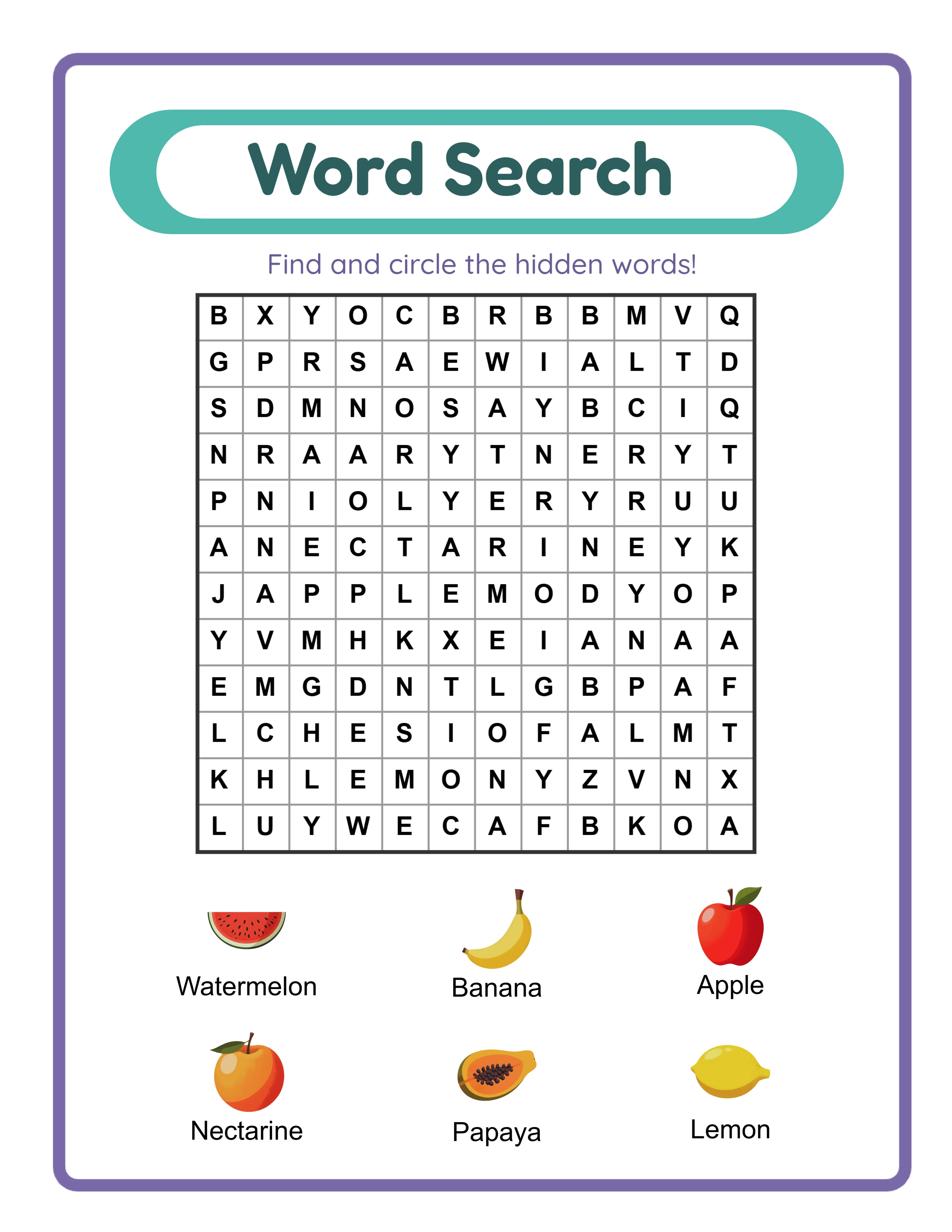
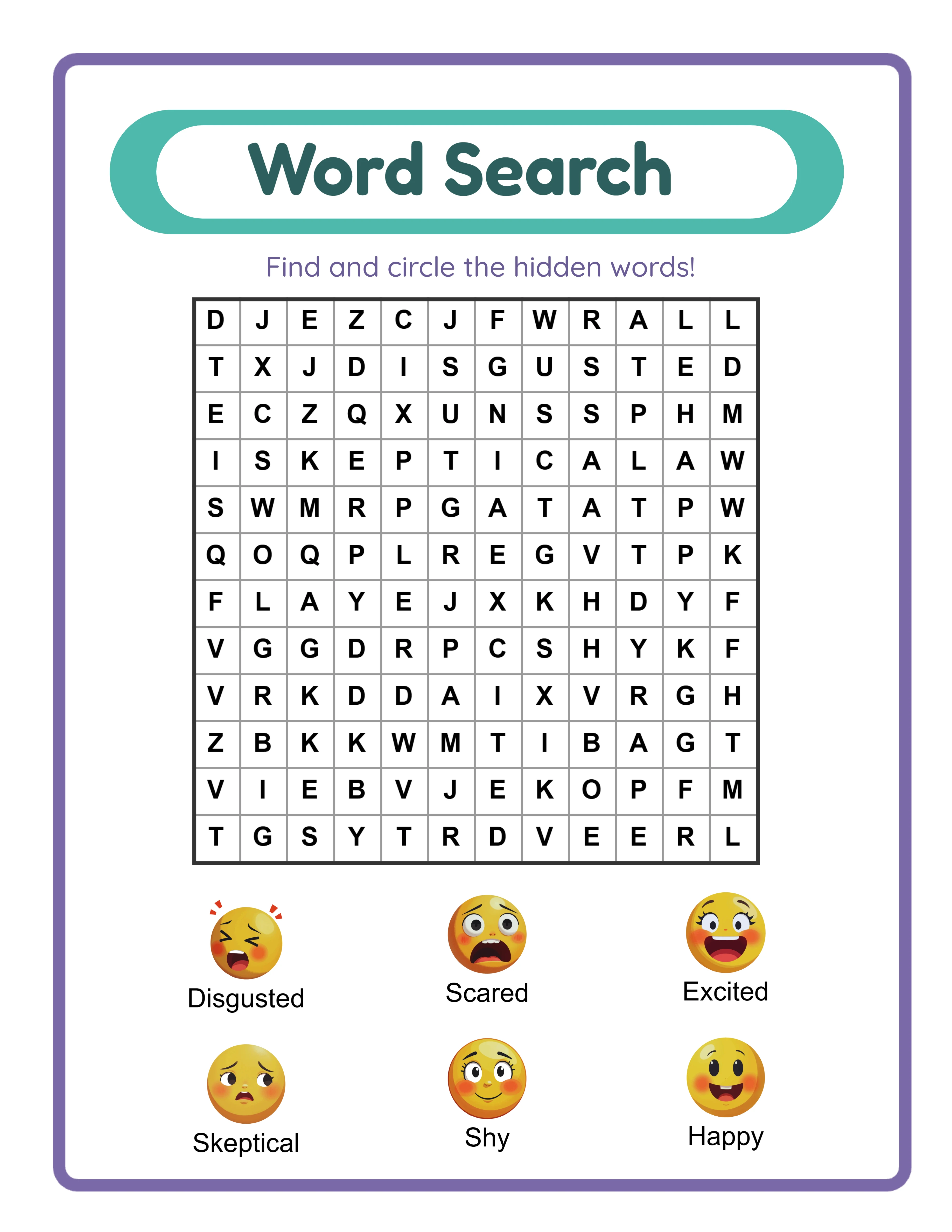
"Word Search Worksheets Printable -- Animal Themed Puzzles with Answer Keys -- 50 Pages PDF Digital Download"
Breakdown:
- "Word Search Worksheets Printable" -- primary keyword (highest search volume)
- "Animal Themed Puzzles" -- secondary keyword (niche targeting)
- "with Answer Keys" -- value addition (search term and buying trigger)
- "50 Pages PDF" -- format specification (search term)
- "Digital Download" -- format clarifier (matches buyer filter selections)
Title optimization rules for printable sellers:
1. Front-load your primary keyword. "Coloring Pages Printable" not "Printable Coloring Pages for Kids and Adults."
2. Use natural phrases, not keyword lists. "Word Search Puzzles for Kids Ages 6-10" reads naturally. "Word Search Kids Puzzles Ages Printable PDF" does not.
3. Include format terms: printable, PDF, digital download, instant download. Many buyers filter by these terms.
4. Include quantity: "50 Pages," "100 Worksheets," "30 Puzzles." Numbers catch the eye and communicate value.
5. Include age or skill level when applicable: "for Kids Ages 4-8," "for Adults," "Easy Difficulty," "Kindergarten."
6. Use separators (dashes, pipes, or commas) between keyword phrases for readability. "Word Search Printable -- Animal Themed -- 50 Puzzles with Answers" is scannable at a glance.
7. Do not repeat words. Etsy indexes each unique word once. "Word Search Word Puzzles Word Find" wastes characters. "Word Search Puzzles -- Word Find Activity Pages" uses more unique keywords.
4
Tag Strategy: Using All 13 Tags Effectively
Etsy allows 13 tags per listing. Each tag can be up to 20 characters. Tags are the second-most-important SEO element after titles.
Tag optimization principles:
1. Use all 13 tags. Every empty tag slot is a missed search opportunity. No exceptions.
2. Use multi-word phrases, not single words. "word search printable" is a better tag than "wordsearch." Etsy matches multi-word tags against multi-word searches.
3. Do not duplicate title words in tags (mostly). Etsy combines title and tag keywords for matching. If "word search worksheets" is in your title, use your tags for additional keywords: "puzzle book printable," "activity pages PDF," "classroom resource."
4. Mix broad and specific tags:
- Broad: "printable worksheets," "kids activities," "educational printable"
- Specific: "word search animals," "puzzle pages PDF," "homeschool worksheet"
- Long-tail: "word search for seniors," "large print puzzle book"
5. Include synonym variations. Buyers search for the same product using different words:
- worksheet / activity page / printable / workbook page
- puzzle / game / activity / brain teaser
- kids / children / toddler / preschool / kindergarten
6. Include buyer-intent tags: "digital download," "instant download," "print at home," "classroom use," "homeschool resource." These match filter selections buyers make.
Tag template for printable worksheets (customize per listing):
1. [product type] printable (e.g., "word search printable")
2. [product type] for [audience] (e.g., "puzzles for kids")
3. [theme] [product type] (e.g., "animal word search")
4. [format] download (e.g., "PDF digital download")
5. [product type] with answers (e.g., "puzzle with answer key")
6. [audience] activity pages (e.g., "preschool activities")
7. [use case] printable (e.g., "homeschool printable")
8. [product type] bundle (e.g., "worksheet bundle")
9. [seasonal/theme] worksheets (e.g., "nature worksheets")
10. [age range] activity (e.g., "ages 4-8 activity")
11. [synonym] printable (e.g., "word find printable")
12. [related type] sheets (e.g., "activity sheets kids")
13. [qualifier] [type] (e.g., "easy word search")
5
Listing Quality Score: The Metrics That Drive Rankings
Your Listing Quality Score (LQS) is Etsy's measure of how well your listing performs when shown to buyers. Higher LQS = higher search ranking. Here are the metrics that compose it and how to improve each one.
Click-Through Rate (CTR): The percentage of search impressions that result in a click on your listing. CTR is primarily determined by your listing's first photo and price as shown in search results.
How to improve CTR:
- Use a bright, clean, high-contrast first photo that is instantly readable at thumbnail size
- Show the actual product (worksheet) clearly -- not a lifestyle mockup as the first image
- Include text overlay on the first photo: "50 Pages" or "Bundle" communicates value at a glance
- Price within the expected range for your category (see pricing guide)
- Ensure your title starts with relevant keywords that match the search query
Favorite Rate: The percentage of listing views that result in a favorite. Favorites signal purchase intent to the algorithm.
How to improve favorite rate:
- Use all 10 listing photo slots with varied, high-quality images
- Write compelling descriptions that build desire
- Show the full scope of what is included (page spreads, theme variety)
- Include an infographic image listing all contents
Conversion Rate: The percentage of listing views that result in a purchase. This is the most heavily weighted metric.
How to improve conversion rate:
- Remove buying friction: clear pricing, clear description of what is included, clear delivery method
- Add social proof: encourage reviews, highlight sales count in descriptions
- Offer bundles at obvious value: "100 pages for $9.99" is a clear value proposition
- Include answer keys and bonus materials that increase perceived value
- Show sample pages in listing photos so buyers know exactly what they are getting
Repeat Customer Rate: Returning buyers signal high quality. The algorithm rewards shops and listings that generate repeat business.
How to improve repeat rate:
- Deliver exceptional quality that exceeds expectations
- Include cross-sell pages in your PDF downloads
- Send thank-you messages with coupon codes for next purchase
6
Category and Attribute Optimization
Categories and attributes are often overlooked SEO elements that significantly affect visibility.
Category selection: Etsy uses categories to filter search results. When a buyer selects "Digital Downloads" or "Printables" from the sidebar, only listings in those categories appear. Incorrect categorization means your listing is invisible to filtered searches.
Best categories for printable worksheets:
- Craft Supplies & Tools > Stickers, Labels, Tags & Wraps (Etsy's catch-all for printables)
- Home & Living > Office > Office & School Supplies (for educational worksheets)
- Paper & Party Supplies > Paper > Stationery (for activity pages)
Note: Etsy's category system is imperfect for digital printables. Browse where top-selling competitors list their products and use the same categories.
Attributes: Etsy provides attribute fields (color, material, etc.) that are designed for physical products. For digital printables, the most relevant attributes are:
- Digital download: YES (mandatory for instant delivery)
- File type: PDF
Other attributes may not directly apply but filling them in signals listing completeness to the algorithm. Use "Color" to indicate the dominant color of your worksheet theme (this can appear in color-filtered searches).
Sub-category strategy: Some printable sellers create separate listings optimized for different categories. A coloring page bundle might be listed under "Illustrations" in one listing and "Activity Pages" in another, each with slightly different titles and tags. This doubles your category coverage from a single product.
Listing renewal and category: When you renew a listing, Etsy re-evaluates its category placement. If your listing is consistently ranking in a category, do not change it. Stability in category placement helps maintain ranking momentum.
7
Conversion Rate Optimization for Higher Search Rankings
Because Etsy's algorithm heavily weights conversion rate, improving your listing's ability to convert visitors into buyers directly improves your search ranking. This creates a powerful compounding effect.
Listing photos that convert:
- Photo 1: Clean, professional shot of the worksheet at high resolution. This is what buyers see in search results. It must communicate the product type, quality, and value instantly.
- Photo 2: Multiple page spread showing the variety of content included. For bundles, fan out 5 to 10 pages.
- Photo 3: Close-up detail showing image quality and design clarity. This differentiates professional photographic worksheets from clip art alternatives.
- Photo 4: Lifestyle mockup showing the product in use (printed, on a desk, with crayons).
- Photo 5: Infographic listing what is included (page count, themes, formats, bonus materials).
- Photos 6 to 10: Additional mockups, theme previews, answer key preview, printing guide preview.
Description structure that converts:
Paragraph 1: What the buyer gets (product summary with primary keyword).
Paragraph 2: What is included (specific page count, theme list, formats).
Paragraph 3: Who it is for (age range, skill level, use cases).
Paragraph 4: Key features (photographic images, answer keys, 11 languages, etc.).
Paragraph 5: How to use (download instructions, printing recommendations).
Paragraph 6: Call to action ("Add to cart and start printing today").
Remove buying objections proactively:
- "Instant download -- no waiting for shipping"
- "PDF format -- prints on any standard printer"
- "Answer keys included -- no manual checking required"
- "104 photographic themes -- not generic clip art"
Urgency without manipulation: Avoid fake scarcity ("Only 3 left!") on digital products -- buyers know digital inventory is unlimited. Instead, use authentic urgency: "New themes added monthly -- buy now and get all future updates" (for growing bundles).
8
Long-Term SEO Strategy: Building Authority Over Time
Etsy SEO is not a sprint -- it is a compounding investment. Here is how to build sustainable search authority over months and years.
Consistent publishing schedule: Publish 2 to 4 new listings per week. Each listing gets a recency boost and expands your keyword coverage. After 3 months of consistent publishing, you have 24 to 48 listings covering dozens of keyword niches.
Keyword portfolio approach: Think of your listings as a keyword portfolio. Each listing targets a specific primary keyword. Your shop's total keyword coverage determines your share of search visibility in your niche.
Map out all the keywords you want to rank for:
- "word search worksheets printable" (Listing A)
- "animal word search for kids" (Listing B)
- "large print word search seniors" (Listing C)
- "word search puzzle book PDF" (Listing D)
Each listing owns a keyword niche. Together, they capture traffic from dozens of search queries.
Review velocity: Reviews are a strong ranking signal. Encourage reviews through follow-up messages (Etsy allows one post-sale message) and by including a gentle review request in your PDF downloads. Shops with 50+ reviews significantly outrank shops with fewer than 10 reviews.
Shop completeness: Fill out every section of your shop profile. About page, shop policies, shop announcement, FAQs, and banner image. Etsy uses shop completeness as a quality signal.
Seasonal SEO planning: Create and optimize seasonal listings 6 to 8 weeks before each holiday. "Halloween word search worksheets" published in mid-August has time to build ranking before the October demand spike. Publishing the same listing in October means competing against established listings that already have sales and reviews.
Analytics-driven optimization: Review your Etsy Stats monthly. Identify listings with high impressions but low clicks (title/photo needs improvement) and listings with high clicks but low sales (description/pricing needs improvement). Each optimization incrementally improves your overall shop performance, which feeds back into the algorithm's shop quality assessment.