Tutorial
1
Understanding the Low Content Book Market on KDP
The low content book market on Amazon KDP is massive and growing. Here is the landscape as of 2026.
Market size: Low content books represent a significant portion of KDP paperback sales. Categories like coloring books, journals, and notebooks collectively generate millions in monthly sales on Amazon.
Buyer demographics: Low content book buyers span every age group and interest. Coloring books target adults (stress relief), children (entertainment and development), and seniors (cognitive activity). Notebooks and journals target students, professionals, hobbyists, and gift buyers.
Seasonal patterns: Some categories spike seasonally. Coloring books surge before Christmas (gift buying). Planners and journals spike in December and January (new year planning). Composition notebooks peak in August and September (back to school). Understanding these cycles helps you time your publications.
Competition reality: Yes, there are thousands of coloring books on Amazon. But the vast majority are generic -- "Adult Coloring Book" with random mandala designs. Niched-down books with specific themes ("Tropical Birds Coloring Book for Adults" or "Vintage Cars Coloring Book for Men") face far less competition while targeting motivated buyers who search for exactly that topic.
The opportunity in 2026: Three trends favor new low content publishers. First, Amazon's algorithm increasingly rewards niche relevance over catalog size. Second, non-English markets remain severely underserved. Third, buyers increasingly search for specific themes rather than generic categories, creating long-tail opportunities that established publishers have not filled.
2
Coloring Books: The Highest-Volume Low Content Category
Coloring books are the single largest low content category on KDP. They account for more sales than all other low content categories combined.
Why coloring books sell: Adult coloring books became a mainstream activity in 2015-2016 and demand has remained steady since. Buyers use them for stress relief, creative expression, and meditative focus. Children's coloring books are perennial sellers driven by parents, grandparents, and gift givers.
Niche selection for coloring books:
The key to competing is specificity. Instead of "Animal Coloring Book," publish "Tropical Rainforest Animals Coloring Book" or "Farm Animals Coloring Book for Toddlers Ages 2-4." Each qualifier narrows competition while matching specific buyer searches.
High-performing coloring book niches in 2026:
- Animals by habitat (ocean, jungle, farm, forest, arctic)
- Flowers and botanical designs by season
- Vehicles (cars, trucks, construction, aircraft)
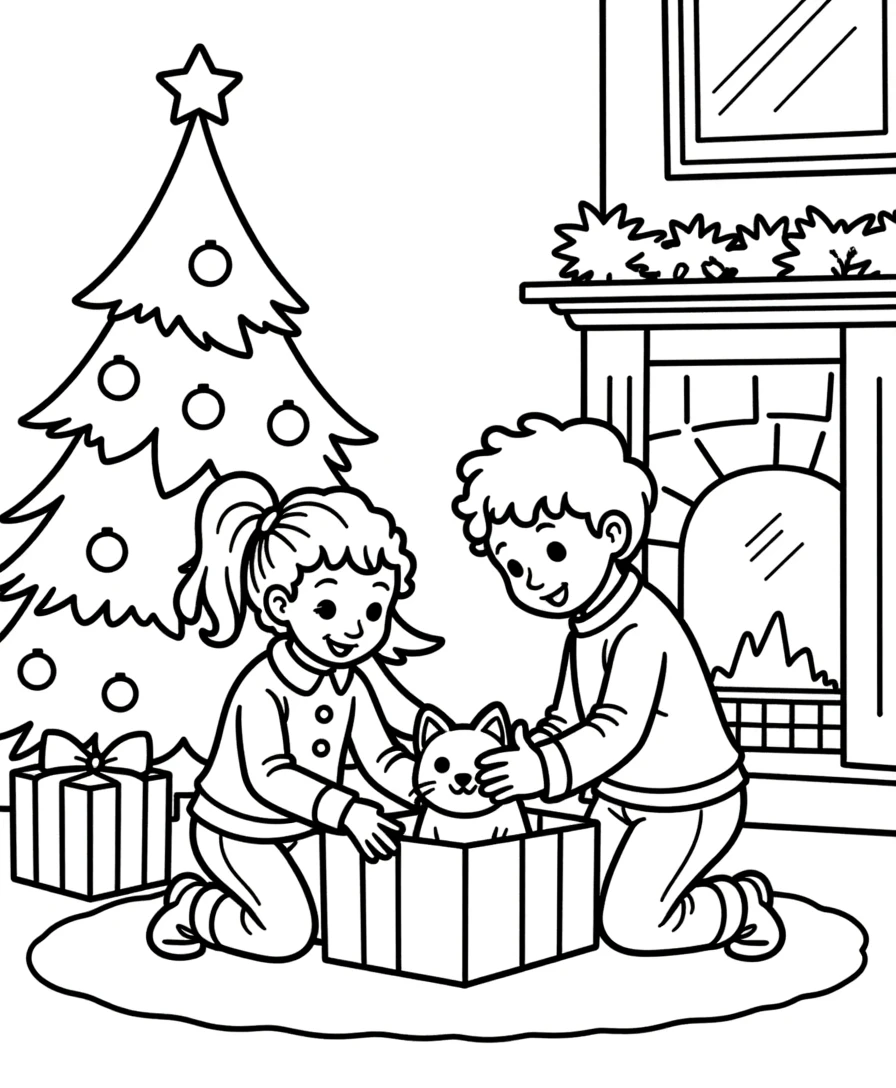
- Holidays (Christmas, Halloween, Easter, Valentine)
- Professions (firefighter, doctor, chef -- popular with kids)
- Nature scenes (mountains, beaches, gardens)
- Mandalas with specific themes (floral mandala, animal mandala)
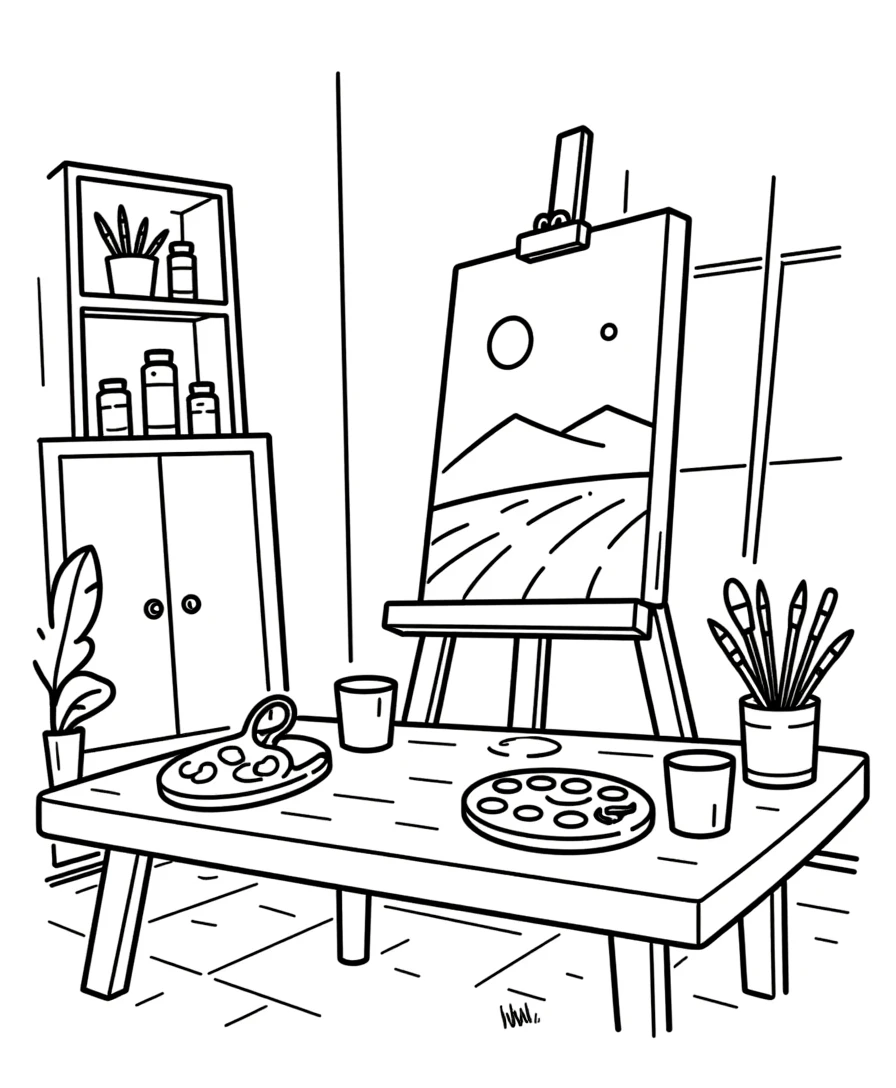
Production with LessonCraftStudio: The coloring page generator converts 3,000+ themed images into coloring-ready outlines. Select a theme (e.g., "ocean animals"), generate coloring pages, and export as 300 DPI PDFs. A 50-page coloring book takes approximately 1 to 2 hours to generate and compile.
Specs for KDP coloring books:
- Trim: 8.5 x 11 inches
- Interior: Black and white, no bleed (unless designs touch edges)
- Pages: 50 to 100 coloring pages (single-sided printing recommended)
- Pricing: $5.99 to $8.99
- Single-sided note: To prevent bleed-through from markers, include a blank page between each coloring page. This doubles your page count but buyers expect it.
3
Tracing Books: An Underserved Niche
Tracing books are coloring books with a developmental angle. Instead of free coloring, the buyer traces over dotted or light outlines to practice fine motor skills, letter formation, or drawing fundamentals.
Buyer segments:
- Parents of preschoolers (ages 2-5): Letter tracing, number tracing, shape tracing
- Parents of early elementary children (ages 5-8): Word tracing, sentence tracing
- Adult beginners: Drawing tracing books for learning to sketch
- Seniors: Fine motor skill maintenance and cognitive activity
Why tracing books are underserved: Most KDP publishers focus on coloring books because the production is simpler. Tracing books require an extra step -- converting solid outlines to traceable dotted lines. This small extra effort significantly reduces competition.
Types of tracing books:
1. Letter tracing: Uppercase A-Z, lowercase a-z, with stroke direction guides
2. Number tracing: Numbers 0-9 and basic number words
3. Shape tracing: Circles, squares, triangles, with increasing complexity
4. Picture tracing: Dotted outlines of themed images (animals, vehicles, food)
5. Word tracing: Common sight words, vocabulary by theme
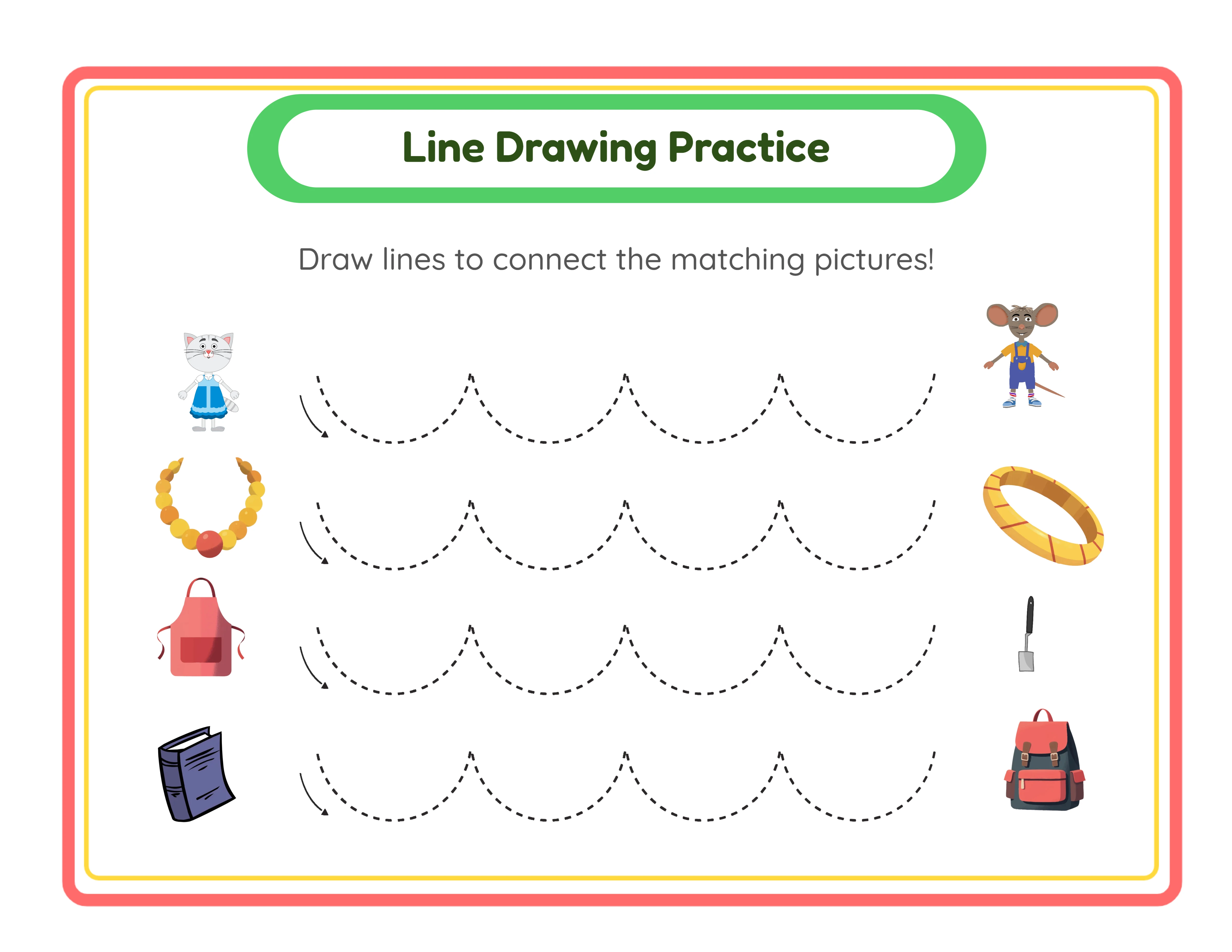
Production approach: The LessonCraftStudio drawing line generator creates traceable worksheet pages with guided lines. For picture tracing, the coloring generator's outline output can be converted to dotted lines using basic image editing. The writing practice generator handles letter and word tracing directly.
Specs for KDP tracing books:
- Trim: 8.5 x 11 inches
- Interior: Black and white
- Pages: 80 to 120 pages
- Pricing: $5.99 to $7.99
- Include examples of completed traces on the instructions page
4
Graph Paper, Dot Grid, and Lined Notebooks
Notebooks and journals are the simplest low content books. Every page is identical (or nearly so), and production takes minutes once you have a page template.
Graph paper notebooks:
Quad-ruled paper with grid squares. Popular with engineers, architects, math hobbyists, and gamers (for mapping). Standard grid sizes: 1/4 inch, 1/5 inch, and 1/8 inch squares. Niche variations: isometric graph paper (for 3D drawing), hexagonal graph paper (for chemistry and game mapping), polar graph paper (for circular designs).
Dot grid journals:
Pages with evenly spaced dots instead of lines. Extremely popular with the bullet journal community. Dot spacing: 5mm is standard. Buyers use dot grids for journaling, planning, sketching, and hand-lettering. The bullet journal trend ensures consistent demand.
Lined notebooks:
College-ruled (7.1mm spacing), wide-ruled (8.7mm spacing), and narrow-ruled (6.35mm spacing). Competition is intense for generic lined notebooks but thin for niched versions. "Lined Notebook for Left-Handed Writers" or "Extra Wide Ruled Notebook for Preschoolers" targets specific buyer needs.
Composition notebooks:
Specific format: 7.5 x 9.75 inches, wide-ruled, with a marble or themed cover. Massive back-to-school demand in August and September. Themed covers (space, unicorns, sports, gaming) differentiate from generic options.
Production: Create a single page template in any design tool. Repeat it 100 to 200 times. Export as PDF. For graph paper and dot grids, tools like Incompetech (free online graph paper generator) create templates in seconds. For lined pages, any word processor works.
Specs:
- Trim: 8.5 x 11 (standard), 6 x 9 (travel), 5.5 x 8.5 (pocket)
- Interior: Black and white
- Pages: 100 to 200 pages
- Pricing: $4.99 to $7.99
- Printing cost is low because content is minimal
5
Themed Sketchbooks and Drawing Prompt Books
Sketchbooks with themed prompts sit between pure blank pages and activity books. Each page has a small prompt or starter element, and the rest of the page is blank for drawing.
Examples:
- "Draw a monster eating [food item]" with a small food illustration and blank space
- "Complete the scene" with a partial landscape and blank area to finish
- "Design your own [vehicle/animal/character]" with a template outline
Why they sell: Plain sketchbooks are commodity products with thin margins. Themed drawing prompt books command higher prices because they provide creative direction. Parents buy them for kids, teachers recommend them for art practice, and adults use them for creative warmup exercises.
High-performing themes:
- Animals: "Draw 50 Animals" style books with reference outlines
- Fantasy: "Design Your Own Dragon/Castle/Superhero"
- Vehicles: "Draw and Design Your Dream Car"
- Fashion: "Design Your Own Outfits" with body template silhouettes
- Architecture: "Draw Your Dream House" with basic structural elements
Production with LCS: Use the drawing line generator to create guided drawing worksheets with partial images and completion space. Combine with coloring page outlines as reference images. Each page takes 1 to 2 minutes to generate.
Specs:
- Trim: 8.5 x 11 inches
- Interior: Black and white
- Pages: 50 to 100 prompt pages (single-sided, blank backs for extra drawing space)
- Pricing: $6.99 to $9.99 (higher than plain sketchbooks due to themed content)
- Include an instructions page explaining how to use the prompts
6
Planners and Trackers: Recurring Annual Revenue
Planners and tracker books generate recurring demand because buyers need new ones each year or when they complete the current one.
Undated planners: Weekly and monthly layouts without specific dates. Buyers can start using them anytime. Less competition from dated planners that major publishers dominate. Include weekly spread pages, monthly overview pages, goal-setting pages, and notes sections.
Habit trackers: 30-day or 90-day habit tracking books with checkboxes for daily activities. Popular niches: fitness tracking, reading logs, water intake, gratitude journals, meditation logs. Each niche has dedicated buyers who search specifically for that tracker type.
Budget planners: Monthly budget worksheets, expense trackers, savings goal charts, debt payoff planners. Strong demand year-round with spikes in January.
Meal planners: Weekly meal planning pages with grocery list sections. Popular with health-conscious buyers and busy parents. Include space for breakfast, lunch, dinner, and snacks for each day.
Fitness logs: Workout tracking pages with exercise, sets, reps, and weight fields. Separate cardio and strength training sections. Popular with gym-goers who prefer paper tracking over apps.
Production notes: Planners and trackers require more layout design than simple notebooks. Create 3 to 5 unique page templates (weekly spread, monthly overview, tracker grid, notes page) and repeat them throughout the book. The initial template design takes 2 to 3 hours, but each subsequent planner using the same templates takes under an hour to compile.
Specs:
- Trim: 6 x 9 (portable) or 8.5 x 11 (desk size)
- Interior: Black and white
- Pages: 100 to 200 pages
- Pricing: $6.99 to $9.99
- Update annually for dated versions
7
Niche Selection Strategy: Finding Profitable Low Content Opportunities
The difference between a low content book that earns $5 per month and one that earns $200 per month is almost always niche selection. Here is a systematic approach to finding profitable niches.
Step 1 -- Amazon search autocomplete: Type the book type into Amazon search and note every autocomplete suggestion. "Coloring book for" suggests "adults," "kids," "teens," "seniors," "men," "women," "toddlers." Each is a potential niche. "Coloring book" + theme words like "animals," "flowers," "cars" reveals active search categories.
Step 2 -- Competition analysis: Search for your target keyword on Amazon. Count the results. If the first page shows books with fewer than 100 reviews, the niche is accessible. If the top results all have 1,000+ reviews, consider a more specific sub-niche.
Step 3 -- BSR (Best Sellers Rank) check: Look at the Amazon Best Sellers Rank of the top 5 books in your target niche. A BSR under 100,000 in Books indicates reasonable sales volume. Under 50,000 indicates strong demand. Under 10,000 is a high-volume niche.
Step 4 -- Pricing analysis: Note the price range of the top 10 results. If most books are priced $3.99 to $5.99, the market is commoditized and margins are thin. If books are priced $7.99 to $12.99, there is room for premium positioning.
Step 5 -- Language opportunity: Search for your niche keyword in German, French, or Spanish on the respective Amazon marketplace. If results are sparse (fewer than 20 relevant books), you have found an underserved market.
Step 6 -- Seasonal timing: Check Google Trends for your niche keyword. A flat trend line means year-round demand. Spikes indicate seasonal opportunities you can time your publication around.
Apply this process to every category in this guide. The niches with the best combination of moderate demand, low competition, and premium pricing potential are your priority targets.