Tutorial
1
Medium Content vs Low Content: The Business Case
Understanding the strategic differences between medium and low content helps you decide where to invest your publishing effort.
Price ceiling: Low content books (notebooks, journals) face a natural price ceiling around $6.99 to $7.99. Buyers resist paying more for lined pages. Medium content books (puzzle books, workbooks) sell at $7.99 to $12.99 because the content has tangible intellectual value -- puzzles are designed, problems are crafted, activities are created.
Competitive moat: Anyone can create a lined notebook in 10 minutes. Creating a 100-puzzle word search book takes hours of content generation, even with tools. This effort barrier means fewer competitors enter the medium content space, and those who do produce better products. The result is a healthier market with less race-to-the-bottom pricing.
Review quality: Medium content books generate better reviews because there is more to evaluate. "Great puzzles, good difficulty progression, clean formatting" is a common positive review for puzzle books. "It is a notebook" is the best review a lined journal can hope for. Better reviews lead to higher conversion rates and better Amazon ranking.
Repeat purchases: A buyer who enjoys a word search book purchases another word search book. A buyer who enjoys a math workbook buys the next level. Medium content naturally creates series opportunities and repeat customers. Low content rarely generates repeat purchases from the same buyer.
Catalog longevity: Medium content books maintain sales for years because the content is unique. Low content books can be undercut by any new publisher willing to price at the minimum. Your puzzle books are harder to replicate because the content itself (specific puzzle layouts, difficulty curves, theme combinations) is unique to your catalog.
2
Puzzle Books: The Highest-Value Medium Content Category
Puzzle books are the flagship medium content product on KDP. They include word searches, crosswords, sudoku, cryptograms, mazes, and combination puzzle books.
Word search books:
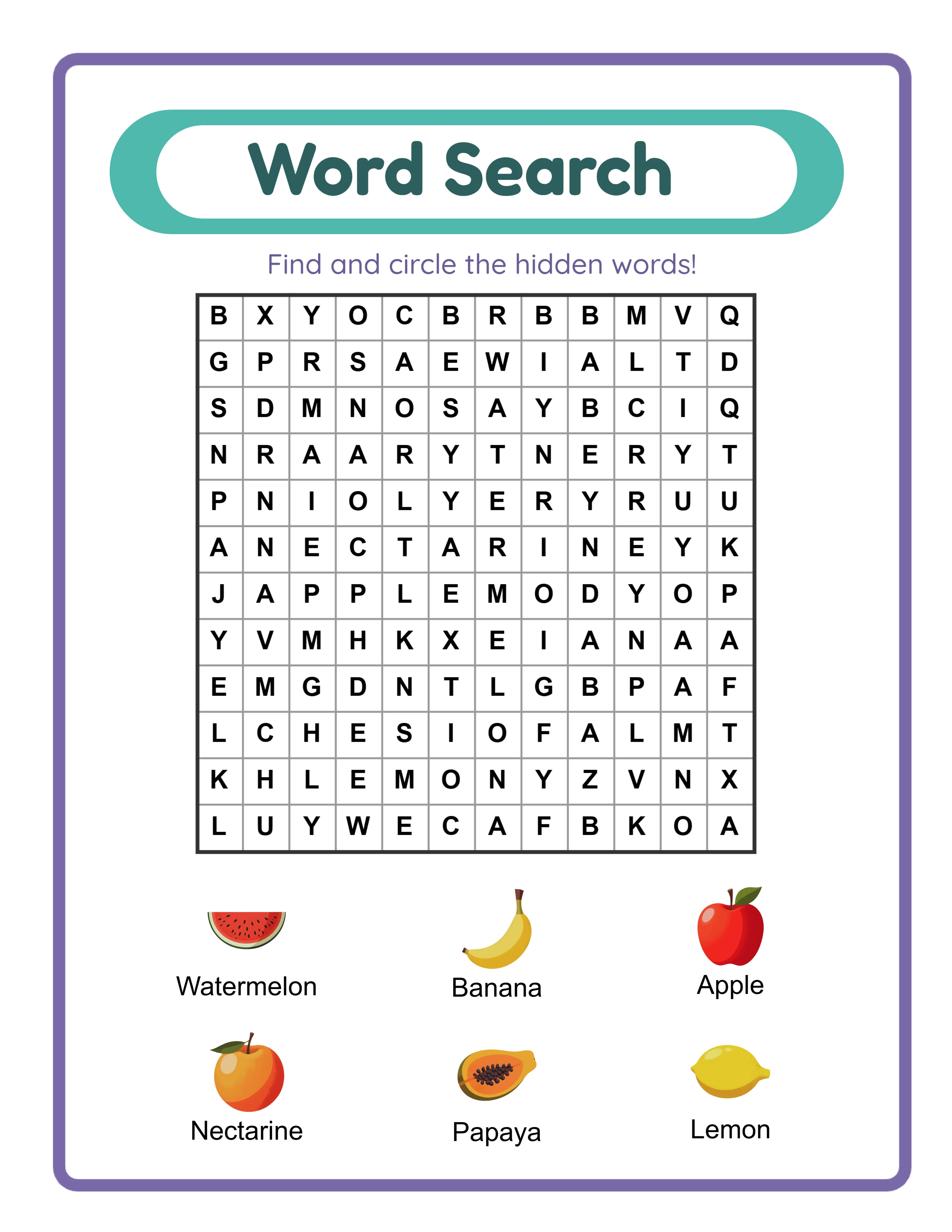
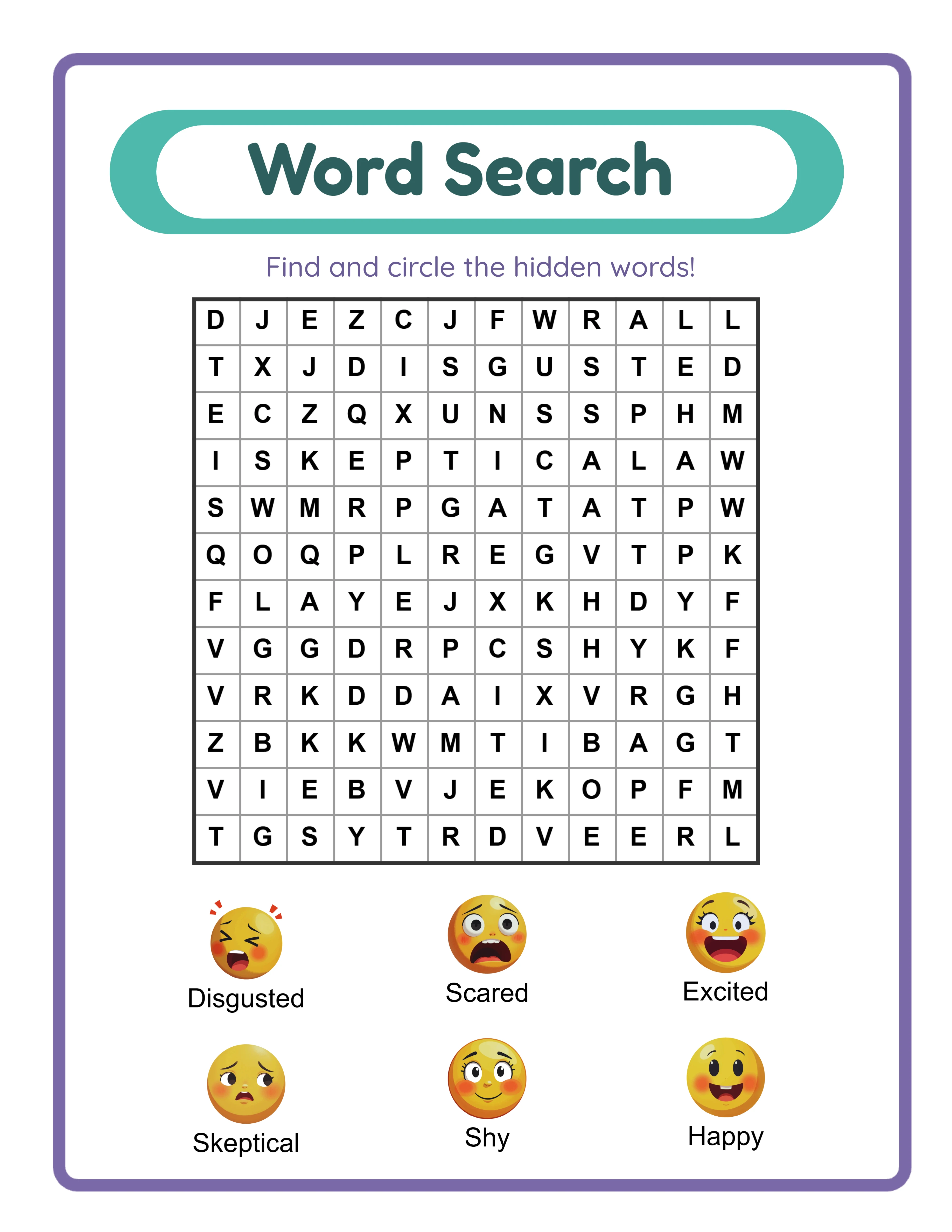
The single most popular puzzle book type. Consistent demand across all age groups. Generate word search puzzles with the LCS word search generator -- choose themes, set grid sizes, control difficulty via word directions. Export puzzles with automatic answer keys.
Best niches: Themed word searches (animals, holidays, travel, food), age-specific (kids 6-10, teens, adults, seniors, large print), difficulty-specific (easy, medium, hard, expert).
Typical specs: 100 puzzles + 100 answer keys = 200 pages. Price: $6.99 to $8.99.
Crossword books:
Picture crosswords using the LCS crossword generator offer a unique angle. Instead of text clues, image clues make crosswords accessible to younger audiences and non-native language speakers. This differentiates your product from the thousands of text-clue crossword books on Amazon.
Typical specs: 50 to 75 crosswords + answer keys = 100 to 150 pages. Price: $6.99 to $8.99.
Sudoku books:
Picture sudoku from the LCS generator uses images instead of numbers. Visual sudoku appeals to kids, puzzle novices, and visual thinkers. Standard number sudoku is saturated on Amazon, but picture sudoku has significantly less competition.
Typical specs: 100 to 200 puzzles + answer keys = 120 to 220 pages. Price: $5.99 to $8.99.
Cryptogram books:
Codebreaker puzzles where letters are substituted with symbols. Generated by the LCS cryptogram generator. Appeals to word puzzle enthusiasts looking for variety beyond word searches and crosswords.
Typical specs: 75 to 100 cryptograms + answer keys = 150 to 200 pages. Price: $6.99 to $8.99.
3
Activity Books: Combining Multiple Content Types
Activity books combine multiple puzzle and worksheet types in a single volume. They command the highest prices in the medium content category because buyers perceive them as offering the most value.
Why activity books work: A buyer choosing between a $6.99 word search book and a $9.99 activity book with word searches, crosswords, mazes, coloring pages, and math puzzles often chooses the activity book. More variety means more perceived value, which supports higher pricing and better royalties.
Activity book structure:
Section 1: Word search puzzles (15 to 20 puzzles)
Section 2: Crossword puzzles (10 to 15 puzzles)
Section 3: Maze activities (10 to 15 mazes)
Section 4: Math challenges (15 to 20 worksheets)
Section 5: Coloring pages (10 to 15 pages)
Section 6: Matching activities (10 to 15 worksheets)
Answer keys: For all sections that have definitive answers
Total: 70 to 100 activities + answer keys + front/back matter = 150 to 200 pages
Price: $8.99 to $11.99
Age-targeted activity books:
The most profitable angle is age targeting. "Activity Book for Kids Ages 4-8" is a major Amazon search term. Break your catalog into age brackets:
- Ages 3-5: Simple coloring, basic tracing, easy matching, counting
- Ages 5-8: Word searches (small grids), basic math, mazes, crosswords with pictures
- Ages 8-12: Larger word searches, harder math, cryptograms, complex mazes
- Teens and adults: Challenging puzzles, variety books, themed collections
Each age bracket is a separate product with its own keyword audience. A 5-activity-type book in 4 age brackets is 4 products from largely the same generation workflow -- you just adjust difficulty settings in the generators.
4
Math Workbooks: Consistent Demand, Easy Production
Math workbooks are one of the most underappreciated medium content categories on KDP. Demand is enormous (parents, homeschoolers, tutors), production is fast with generators, and the content is inherently difficult to commoditize.
Why math workbooks sell consistently:
- Parents supplement school learning year-round
- Homeschool families need structured practice materials
- Tutors use workbooks as homework assignments
- Summer learning loss drives summer workbook sales
- Standardized test prep creates seasonal demand
Math workbook types using LCS generators:
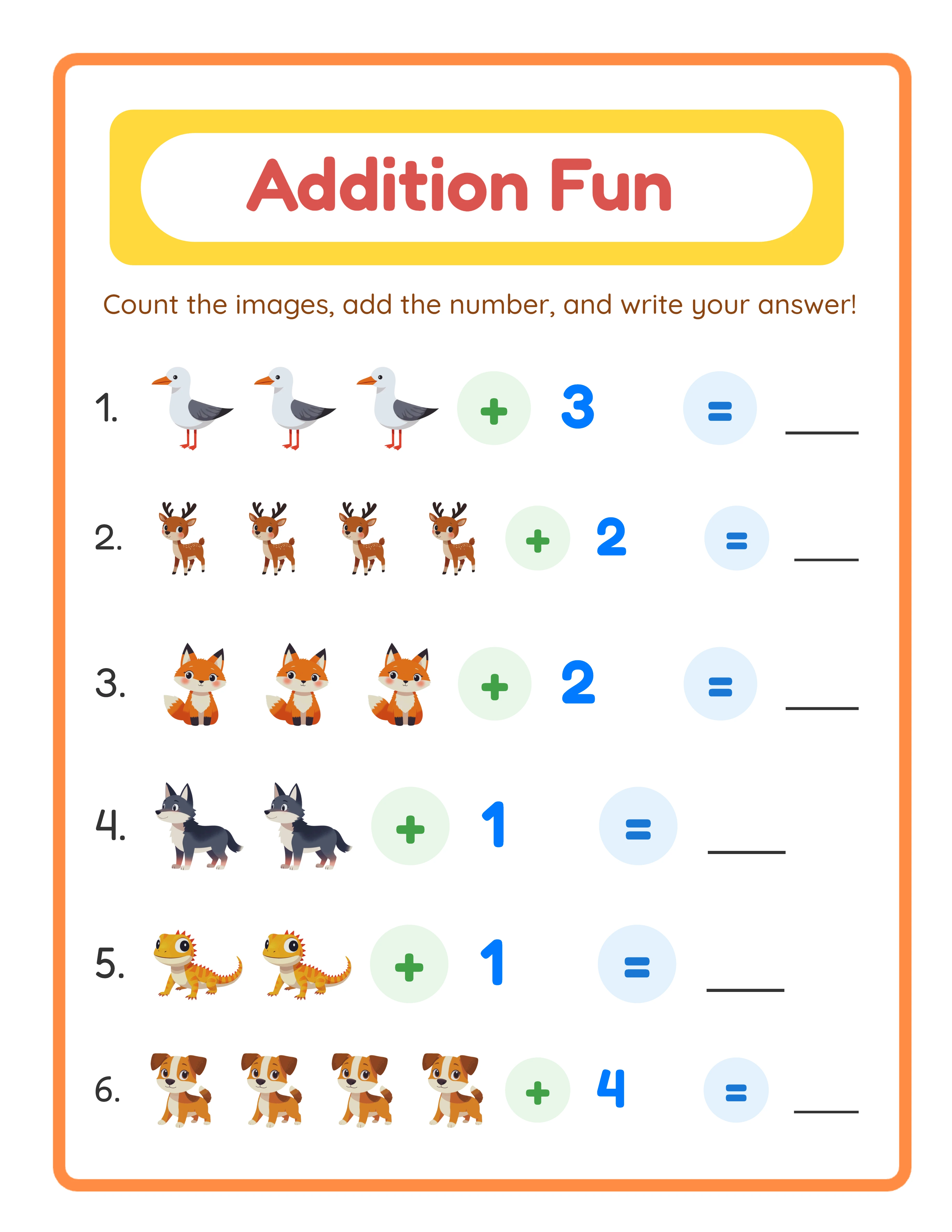
Addition workbooks: The LCS addition generator creates worksheets with configurable difficulty -- single digit, double digit, triple digit, with and without regrouping. A 100-worksheet addition workbook at progressive difficulty is a complete product.
Counting workbooks: The counting generator creates number sequence and counting practice pages. Target ages 3 to 6 for maximum demand.
Chart and count workbooks: Combine visual counting with data recording. Popular with kindergarten and first-grade parents.
Math puzzle workbooks: The math puzzle generator creates engaging math activities that feel like games rather than homework. Higher perceived value than straight drill worksheets.
Production efficiency: Generate 100 math worksheets in under 1 hour using the LCS addition generator with progressive difficulty settings. Answer keys are generated automatically. Compile into a manuscript with your interior template and publish. One math workbook per day is achievable.
Specs:
- Trim: 8.5 x 11 inches
- Interior: Black and white
- Pages: 100 to 150 (worksheets + answer keys)
- Price: $6.99 to $8.99
- Royalty: $1.50 to $2.50 per sale
5
Matching and Pattern Recognition Books
Matching activities and pattern recognition worksheets target the early childhood education market -- one of the most active buyer segments on Amazon for printable books.
Matching worksheets: The LCS matching generator creates visual matching activities where solvers connect related images. Themes range from animals to vehicles to food. Each worksheet is unique, with different image combinations and layouts.
Best niches for matching books:
- "Matching Activity Book for Toddlers Ages 2-4"
- "Animal Matching Puzzles for Preschoolers"
- "Shape Matching Workbook for Kindergarten"
- "Holiday Matching Activities for Kids"
Pattern recognition: The LCS pattern generator creates "what comes next" worksheets using visual sequences. These develop logical thinking skills and are popular with parents focused on cognitive development.
Odd one out: The LCS odd-one-out generator creates worksheets where solvers identify the item that does not belong. Simple concept, high engagement, strong demand for ages 3 to 7.
Combination books: Combine matching, patterns, and odd-one-out in a single "Brain Training" or "Critical Thinking" workbook. This combination targets a premium keyword space and justifies $8.99 to $10.99 pricing.
Why this niche is profitable: Parents actively search for early learning activities. The keywords "toddler activity book," "preschool workbook," and "kindergarten practice" have high search volumes on Amazon. Competition exists but is fragmented -- most competitors offer limited activity variety. A comprehensive matching and pattern book with 80+ activities stands out.
Production: Generate 20 to 30 worksheets of each type (matching, patterns, odd-one-out) for a combined 60 to 90 activity pages plus answer keys. Total production time: 2 to 3 hours.
6
Hidden Object and Visual Puzzle Books
Hidden object books and visual puzzle books represent a growing niche on KDP with strong appeal across age groups.
Hidden object worksheets: The LCS hidden object generator creates scene-based puzzles where solvers find specific items within a detailed image. These are engaging, visually appealing, and work well as standalone books or as sections within activity books.
Best angles:
- "I Spy" style books for kids ages 4-8
- "Spot the Difference" books (pair similar images with subtle changes)
- Themed hidden object books (underwater, jungle, city, holiday)
- Seasonal hidden object collections
Missing pieces puzzles: The LCS missing pieces generator creates worksheets where a section of an image is removed and solvers must identify the missing piece from multiple choices. This format is distinctive on Amazon and faces minimal competition.
Maze books: While technically a puzzle, mazes deserve mention in the visual puzzle category. The LCS maze generator creates mazes at various difficulty levels. Maze books are consistent sellers, especially in the kids 4-8 age range. A 100-maze book at $5.99 to $6.99 is a straightforward product.
Visual puzzle compilation strategy: Combine hidden objects, missing pieces, spot-the-difference, and mazes into a "Visual Puzzles" book. This compilation format targets keywords like "brain games for kids" and "visual puzzle book" that have strong search volume and less competition than individual puzzle type keywords.
Specs:
- Trim: 8.5 x 11 inches
- Interior: Black and white (or color for premium editions)
- Pages: 80 to 120 pages
- Price: $6.99 to $9.99
- Answer keys required for all puzzle types
7
Scaling Medium Content: From Single Books to Series
Medium content books naturally lend themselves to series structure. A series creates multiple revenue streams from one concept and encourages buyers to purchase multiple volumes.
Difficulty series: Publish the same concept at 3 to 5 difficulty levels.
- "Word Search for Kids -- Easy" (8x8 grids, horizontal and vertical only)
- "Word Search for Kids -- Medium" (12x12 grids, add diagonals)
- "Word Search for Kids -- Hard" (16x16 grids, all directions including reverse)
- "Word Search for Kids -- Expert" (20x20 grids, all directions, longer words)
Each difficulty level is a separate product. Buyers who enjoy the easy version purchase medium and hard. Amazon's "Customers Also Bought" section links all volumes.
Theme series: Same puzzle type across different themes.
- "Animal Word Search Book"
- "Food & Cooking Word Search Book"
- "Sports & Games Word Search Book"
- "Travel & Geography Word Search Book"
- "Science & Nature Word Search Book"
Volume series: Sequential volumes within the same niche.
- "Math Practice Workbook Volume 1: Addition"
- "Math Practice Workbook Volume 2: Subtraction"
- "Math Practice Workbook Volume 3: Multiplication"
- "Math Practice Workbook Volume 4: Division"
- "Math Practice Workbook Volume 5: Mixed Operations"
Age-level series: Same activities adapted for different age ranges.
- "Brain Games for Ages 3-5"
- "Brain Games for Ages 5-8"
- "Brain Games for Ages 8-12"
Every series structure multiplies your product count without requiring entirely new concepts. A 4-difficulty x 5-theme word search series is 20 products from one fundamental idea, each targeting different keyword combinations.