Best KDP Puzzle Book Niches (Low Competition)
Amazon KDP puzzle books generate consistent royalty income for publishers who choose the right niches and maintain production discipline. This guide identifies the strongest puzzle book niches on KDP in 2026, including demand estimates, competition density scores, realistic royalty calculations, and the specific generator tools that produce each puzzle type. Every niche listed here was selected for its favorable competition-to-demand ratio, meaning new publishers can realistically achieve first-page rankings without years of review accumulation or advertising spend.

Try It Free with Watermark
Try any generator free with watermark. No signup required.
Market Overview
The Amazon KDP puzzle book market has evolved significantly since its early gold-rush days, transforming from a low-effort arbitrage opportunity into a legitimate publishing category that rewards quality, niche specificity, and consistent catalog building. Publishers who treat KDP puzzle books as a serious product business rather than a quick scheme consistently outperform those chasing trends with minimal effort products. The shift toward quality means that well-designed puzzle books with professional covers, clear formatting, and appropriate difficulty progression now dominate the bestseller rankings across every puzzle category.
Demand for printed puzzle books on Amazon remains remarkably strong despite the proliferation of digital alternatives. Physical puzzle books benefit from a persistent buyer preference for screen-free entertainment, gift-giving convenience, and the tactile satisfaction of pencil-on-paper solving that digital apps cannot replicate. The puzzle book buyer demographic skews toward adults aged thirty-five and older who purchase for personal use, gift giving, and travel entertainment -- a demographic with strong purchasing power and loyalty to formats and publishers they enjoy.
KDP puzzle book royalties follow Amazon's standard print-on-demand structure: 60% royalty rate minus printing costs for books priced above the minimum threshold. For a typical puzzle book with eighty to one hundred pages priced at six to eight dollars, the per-sale royalty ranges from one dollar fifty to three dollars depending on page count and interior type (black and white versus color). While individual royalties appear modest, the compounding effect of multiple books generating daily sales creates meaningful monthly revenue. Publishers with twenty to thirty puzzle books in focused niches routinely report monthly royalties in the four-figure range once their catalogs mature and accumulate reviews.
Competition analysis reveals dramatic variation across puzzle book sub-niches on KDP. Word search books, the largest puzzle category, face substantial competition with thousands of titles vying for ranking positions. However, themed word search books targeting specific demographics or interests (large print word search for seniors, themed word search for kids ages four to eight) have significantly fewer direct competitors. Sudoku books maintain moderate competition with clear opportunities in picture sudoku for children and variant formats like diagonal or irregular sudoku. Crossword and cryptogram books represent the lowest competition frontier because quality puzzle generation requires specialized tools that most casual publishers lack.
The KDP puzzle book market in 2026 rewards publishers who identify specific buyer segments rather than targeting broad categories. A "word search puzzle book" competes against tens of thousands of titles. A "large print ocean themed word search book for adults" competes against perhaps fifty to one hundred titles while serving a clearly defined buyer with strong purchase intent. This long-tail niche strategy applies across every puzzle type and represents the single most important strategic decision for new KDP puzzle publishers.
Cover design has emerged as the primary conversion factor for KDP puzzle books, often mattering more than the interior content for initial purchase decisions. Professional covers with clear typography, genre-appropriate design elements, and accurate sub-title descriptions that include key search terms significantly outperform amateur covers in click-through and conversion rates. Investing in professional cover templates or design skills pays dividends across your entire catalog because a cohesive, professional-looking series of puzzle books builds brand recognition that encourages multi-book purchases.
Publishing velocity matters on KDP because Amazon's algorithm factors in catalog freshness, sales momentum, and publishing consistency when determining search result rankings. Publishers who release one to two new titles per month maintain stronger algorithmic visibility than those who publish a batch of books and then go dormant. Generator tools make this publishing pace achievable by reducing puzzle creation time from hours per page to minutes per book, eliminating the production bottleneck that limits manual puzzle creators.
The international opportunity for KDP puzzle books remains largely untapped by English-speaking publishers. Amazon operates KDP marketplaces in the UK, Germany, France, Spain, Italy, Japan, and several other countries. Puzzle books with minimal text content -- sudoku, pattern recognition, visual puzzles -- require almost no localization to sell in international markets. Word-based puzzles like word search and crosswords need translated vocabulary but can leverage the same layouts and formatting. Publishers who expand their catalogs into two or three additional language markets effectively multiply their revenue without proportional production increases.
Product Ideas
Themed Word Search Books -- The KDP Volume Leader
Word search books generate the highest total sales volume of any puzzle category on KDP, and themed sub-niches offer the clearest path to ranking for new publishers. The Word Search generator creates puzzles with custom vocabulary lists, adjustable grid sizes, and configurable difficulty levels that produce KDP-ready interiors in minutes. Target specific demographics with themed vocabulary: "gardening word search for adults," "dinosaur word search for kids ages 6-8," or "Bible word search large print" each serve distinct buyer segments with far less competition than generic word search titles. Estimated monthly demand for word search book terms on Amazon exceeds 200,000 searches, with themed sub-niches individually receiving 1,000 to 8,000 searches. Price eighty to one hundred page word search books at five to seven dollars for royalties of one dollar fifty to two dollars fifty per sale. The production advantage of generator tools is especially pronounced here: building a fifty-puzzle word search book manually requires hours of grid construction and vocabulary placement, while the generator produces the same output in a fraction of that time with guaranteed puzzle solvability and professional formatting.
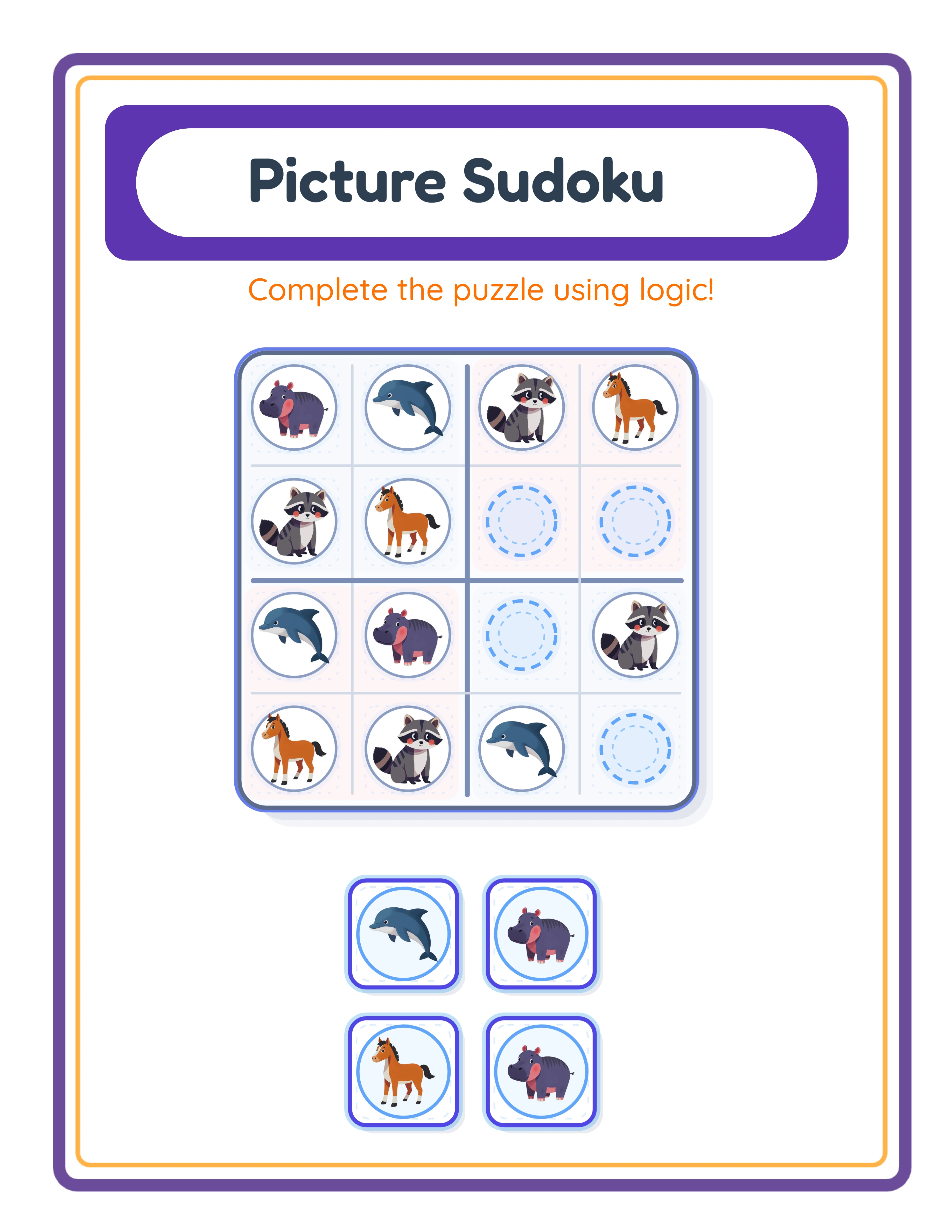
Sudoku Puzzle Books -- Steady Demand, Moderate Competition
Sudoku books maintain consistent year-round demand on Amazon KDP with a loyal buyer base that purchases multiple books per year as they complete their current collections. The Sudoku generator produces puzzles at easy, medium, hard, and expert difficulty levels with clean formatting that meets commercial publishing standards. Target specific difficulty-level niches: "easy sudoku for beginners large print" and "expert sudoku challenge book" serve completely different buyers and face different competition landscapes. Estimated monthly search volume for sudoku book terms reaches 80,000 to 120,000 on Amazon, with difficulty-specific and format-specific sub-niches receiving 2,000 to 10,000 searches each. Price one hundred to one hundred twenty page sudoku books at five to eight dollars for royalties of one dollar seventy-five to three dollars per sale. The repeat purchase behavior in sudoku is exceptionally strong -- avid solvers complete a book every two to four weeks and immediately seek their next one, creating recurring revenue from each satisfied buyer. Picture sudoku variations targeting children ages four to eight represent a distinctly separate niche with lower competition and strong educational positioning.
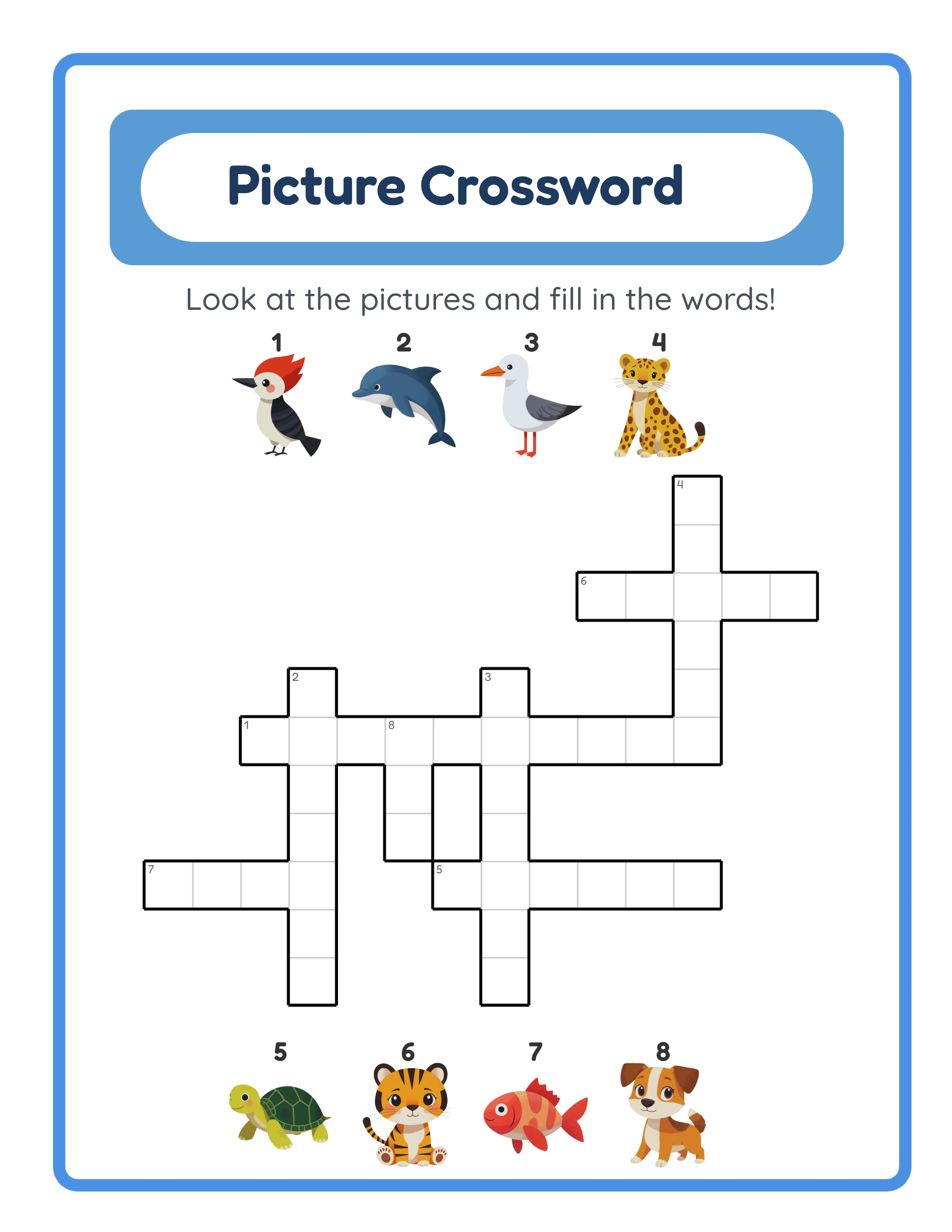
Crossword Puzzle Books -- Low Competition, High Perceived Value
Crossword puzzle books face significantly less KDP competition than word search or sudoku because creating quality crossword grids with interconnected clues requires algorithmic generation that manual creators find prohibitively time-consuming. The Crossword generator produces interlocking crossword grids with customizable vocabulary, themed clue sets, and multiple difficulty levels suitable for both children's educational crosswords and adult entertainment crosswords. Estimated monthly search volume for crossword book terms reaches 40,000 to 60,000 on Amazon, with notable low-competition sub-niches including "easy crossword puzzles large print," "kids crossword puzzle book ages 8-12," and "themed crossword books." Price seventy to ninety page crossword books at six to nine dollars for royalties of two to three dollars fifty per sale -- higher than word search or sudoku due to stronger perceived value and pricing tolerance in the crossword buyer demographic. The intellectual reputation of crosswords as a brain-training activity supports premium positioning and attracts a buyer segment that willingly pays more for quality puzzle content. Crossword books also make popular gifts, driving sales spikes during holiday seasons.
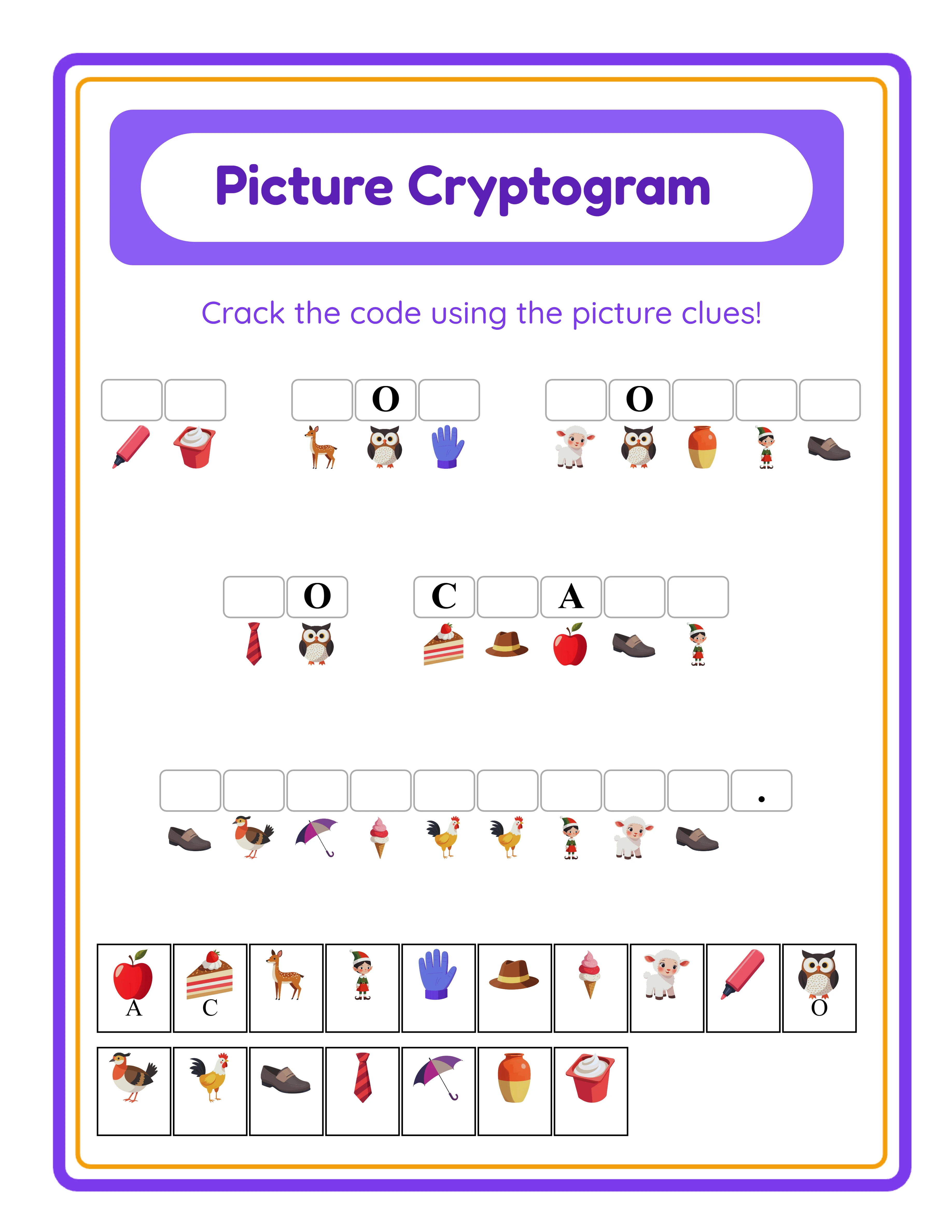
Cryptogram Puzzle Books -- The Untapped KDP Frontier
Cryptogram books represent the lowest competition puzzle niche on Amazon KDP with meaningful buyer demand, making them the strongest opportunity for new publishers seeking fast ranking traction. The Cryptogram generator creates letter-substitution cipher puzzles with adjustable difficulty, themed quote selections, and hint systems that produce engaging books at multiple skill levels. Estimated monthly search volume for cryptogram terms reaches 15,000 to 25,000 on Amazon -- smaller than mainstream puzzle types but with dramatically fewer competing titles, often fewer than two hundred direct competitors for specific sub-niches. Price eighty to one hundred page cryptogram books at six to eight dollars for royalties of two to three dollars per sale. The cryptogram buyer is typically an adult puzzle enthusiast who has exhausted their word search and crossword options and seeks new challenge formats -- this buyer demonstrates strong loyalty, frequent repeat purchases, and a willingness to try books from unknown publishers because the niche has fewer established brands. Publishing a series of themed cryptogram books (famous quotes, literary passages, historical facts) creates a mini-catalog that dominates this small but profitable niche.
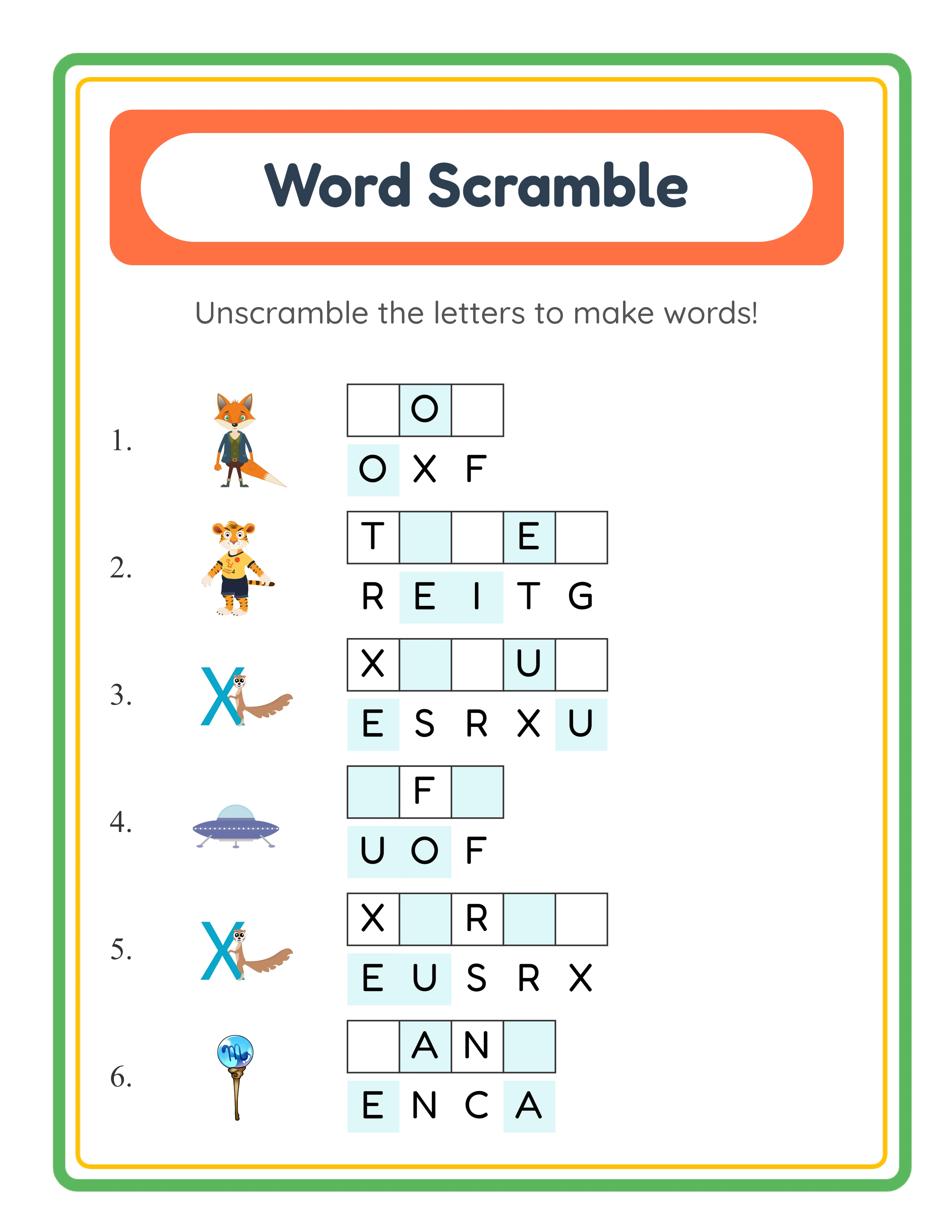
Word Scramble Activity Books -- Educational KDP Niche
Word scramble books bridge the gap between puzzle entertainment and vocabulary education, attracting both adult puzzle buyers and parents seeking educational screen-free activities for children. The Word Scramble generator creates letter-rearrangement puzzles with themed vocabulary, adjustable word lengths, and optional hint letters that control difficulty precisely. Estimated monthly search volume for word scramble book terms reaches 20,000 to 35,000 on Amazon, with education-specific sub-niches like "word scramble for kids" and "vocabulary word scramble book" receiving 2,000 to 5,000 searches each. Competition is low to moderate -- word scramble books attract fewer publishers than word search despite comparable demand because the format is perceived as harder to produce at scale. Price sixty to eighty page word scramble books at five to seven dollars for royalties of one dollar fifty to two dollars fifty per sale. Themed vocabulary creates natural product differentiation: animal word scrambles, science vocabulary scrambles, seasonal word scrambles, and grade-level educational scrambles each target distinct buyer segments. The educational positioning supports marketing to parents and educators who search with intent phrases like "spelling practice activity book" and "vocabulary building puzzle book."
Mixed Puzzle Activity Books -- Premium Compilation Format
Mixed puzzle activity books that combine multiple puzzle types into a single themed volume command premium pricing on KDP and attract buyers who want variety without purchasing multiple separate books. Compile word searches, crosswords, sudoku, word scrambles, and cryptograms around a unifying theme or difficulty level to create comprehensive puzzle collections that stand out from single-format competitors. Use multiple generators to produce diverse puzzle content efficiently: the Word Search, Crossword, Sudoku, and Cryptogram generators each contribute sections to a cohesive book. Estimated demand for mixed puzzle book terms reaches 30,000 to 50,000 monthly searches on Amazon, with sub-niches like "activity book for adults" and "mixed puzzle book large print" each receiving meaningful traffic. Price one hundred to one hundred fifty page mixed puzzle books at seven to ten dollars for royalties of two dollars fifty to four dollars per sale. The premium pricing is justified by the variety and page count, and buyers perceive compilation books as better value than purchasing four separate single-format books. This format also lets you test which puzzle types resonate with your audience before investing in full-length single-format books for each type.
Large Print Puzzle Books -- Underserved Accessibility Niche
Large print puzzle books serve an enormous and growing demographic of older adults, vision-impaired readers, and anyone who prefers comfortable reading without eye strain. This accessibility niche is systematically underserved on KDP because most publishers default to standard font sizes and grid dimensions without considering the large print buyer segment. Every puzzle generator in the LCS toolkit produces output that can be formatted for large print specifications with larger grids, bigger fonts, and more generous spacing between elements. Estimated demand for large print puzzle book terms reaches 40,000 to 60,000 monthly searches on Amazon, representing a significant portion of total puzzle book demand. Competition is moderate but fragmented -- many large print titles exist for word search, but large print crosswords, large print cryptograms, and large print sudoku face considerably less competition. Price large print puzzle books at six to nine dollars for premium royalties, as buyers in this demographic consistently pay more for readability comfort. The large print modifier transforms any standard puzzle niche into a distinct sub-niche with its own keyword targets, competition landscape, and buyer expectations.
Kids' Picture Puzzle Activity Books -- Educational KDP Growth Area
Children's picture-based puzzle and activity books represent a rapidly growing KDP niche where parents and gift buyers search for screen-free educational entertainment. The Find and Count generator creates engaging scenes where children locate and tally specific objects, building counting skills through visual puzzle solving. The Matching generator produces picture-matching worksheets that develop visual discrimination and categorization abilities. Combined monthly search volume for kids' activity book terms exceeds 150,000 on Amazon, with specific sub-niches like "activity book for kids ages 4-8" and "preschool puzzle book" receiving 10,000 to 30,000 searches each. Competition varies by age targeting -- books for the broad "kids" category face heavy competition, but age-specific targeting like "activity book for 3 year olds" or "puzzle book ages 6-8" narrows the field significantly. Price forty to sixty page children's activity books at five to seven dollars for royalties of one dollar fifty to two dollars fifty per sale. Children's activity books benefit from gift-purchase spikes during holidays and birthdays, creating reliable seasonal demand peaks that supplement year-round baseline sales. Color interiors command higher prices but reduce royalties through increased printing costs -- test both black-and-white and color versions to determine which format maximizes net royalty per sale in your specific niche.
Coloring and Activity Book Combinations -- KDP Gift Market
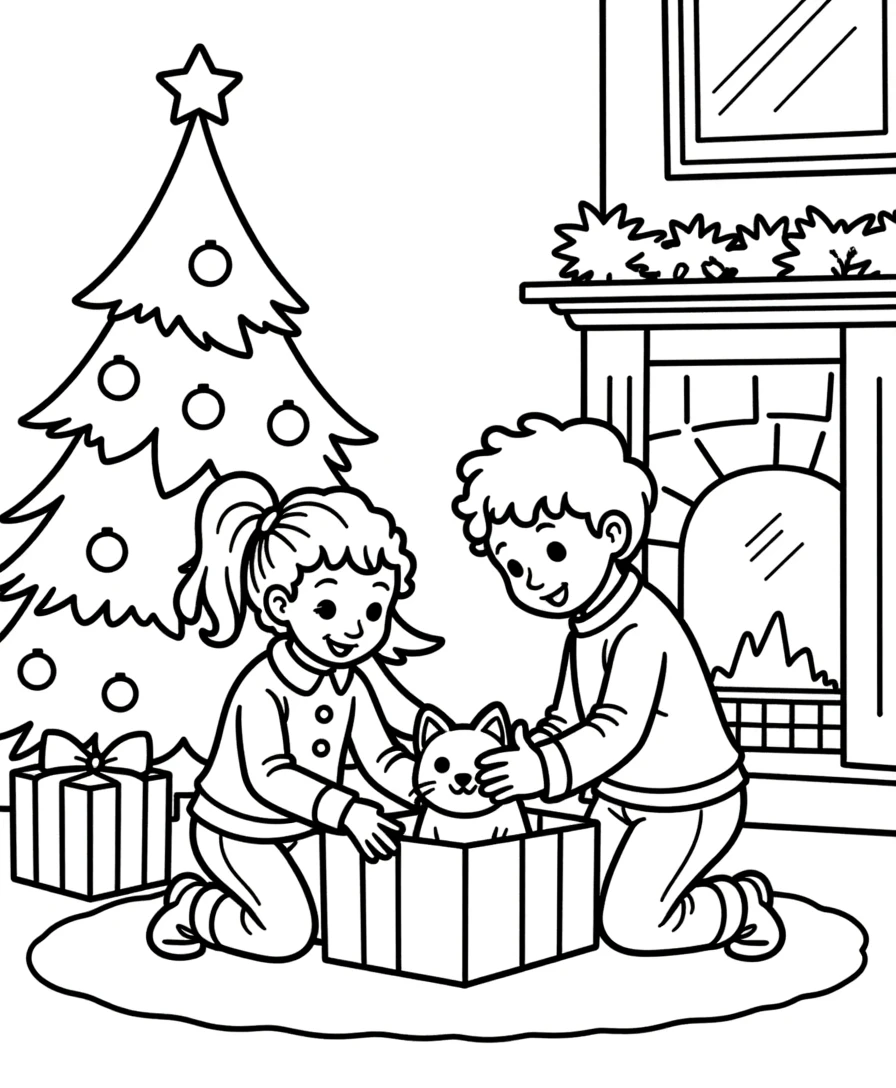
Coloring books combined with light activity content (simple mazes, connect-the-dots counting, pattern completion) target the massive KDP gift market where parents, grandparents, and family friends purchase stocking stuffers, birthday gifts, and travel entertainment for children. The Coloring Page generator produces detailed outlines with adjustable complexity, while the Pattern Worksheet and Drawing Lines generators add educational activity pages that transform a simple coloring book into a higher-value activity book. Estimated monthly demand for coloring and activity book terms exceeds 200,000 searches on Amazon, with themed sub-niches like "dinosaur coloring book for kids" or "unicorn activity book" each receiving 5,000 to 20,000 searches. Competition is high for generic coloring books but drops substantially for specific theme plus age group combinations. Price forty to sixty page coloring activity books at five to seven dollars with color-capable interiors, or three to five dollars for black-and-white interiors with higher royalty margins. The gift market creates predictable demand spikes in November through December, March through April (Easter baskets), and June through August (vacation travel), giving publishers clear production and publishing timelines to target.
Educational Maze and Path-Finding Books -- Logic Puzzle Niche
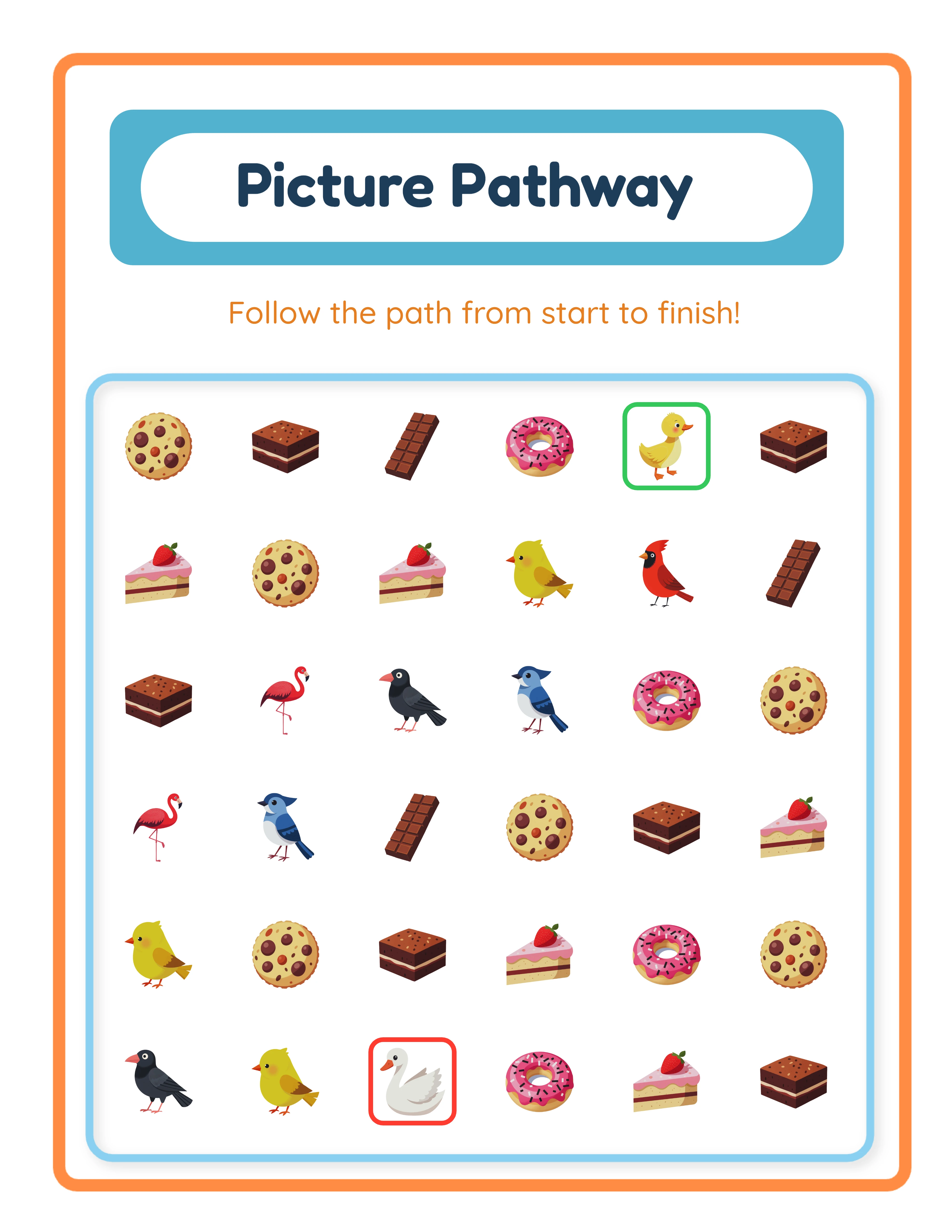
Maze and path-finding puzzle books serve a distinct niche within the educational activity book category, attracting buyers who want spatial reasoning and problem-solving challenges rather than word-based or number-based puzzles. The Picture Path generator creates guided path-finding activities where children navigate visual puzzles that develop logical thinking, spatial awareness, and sequential reasoning skills. Estimated monthly search volume for maze book terms reaches 25,000 to 40,000 on Amazon, with "maze book for kids" and "maze activity book ages 4-8" receiving 3,000 to 8,000 searches each. Competition is moderate and concentrated around basic maze formats, leaving significant opportunity for publishers offering themed mazes, progressive difficulty sequences, and path-finding variations that go beyond simple start-to-finish maze corridors. Price sixty to eighty page maze activity books at five to seven dollars for royalties of one dollar fifty to two dollars fifty per sale. Maze books pair naturally with other spatial reasoning activities like pattern recognition and matching, creating cross-selling opportunities within your KDP catalog. The visual nature of maze content also makes these books inherently multilingual -- the same interior sells in every Amazon KDP marketplace without translation, multiplying your addressable market instantly.
Theme Images



Selling Tips by Platform
Amazon KDP
KDP Publishing Strategy for Puzzle Book Niches
Success on KDP requires understanding Amazon's algorithm, which prioritizes sales velocity, review accumulation, keyword relevance, and catalog freshness when ranking puzzle books in search results. Publish one to two new titles per month to maintain algorithmic momentum, spacing releases to sustain consistent activity signals rather than dumping your entire catalog at once. Use all seven KDP keyword fields with specific long-tail phrases: "large print word search puzzle book for seniors" performs better than "word search book" because it matches precise buyer intent with less competition. Write book descriptions that front-load key search terms in the first two lines, as Amazon truncates descriptions in mobile view. Create A+ Content (available after brand registry) with comparison tables showing your puzzle book series, driving cross-purchases between related titles. Track your Best Sellers Rank (BSR) weekly to identify which niches respond to optimization efforts, and double down on niches where your books achieve sub-100,000 BSR rankings -- these represent your strongest revenue-per-title opportunities. Price testing matters: try two price points for similar books and compare thirty-day royalty totals rather than per-sale margins to find your optimal price for each niche.
Etsy
Cross-Selling KDP Puzzle Content on Etsy as Digital Downloads
Every puzzle book you create for KDP contains content that sells independently as digital downloads on Etsy, effectively doubling your distribution without additional production effort. Extract individual puzzle sets from your KDP interiors and list them as themed printable PDF downloads on Etsy, targeting buyers who prefer instant digital delivery over physical book shipping. Etsy's digital download buyers have different search patterns and price expectations than Amazon book buyers: they search for "printable word search puzzles" rather than "word search book" and expect smaller, more focused products at lower per-unit prices. Price Etsy digital puzzle sets at three to seven dollars for ten to twenty puzzles, compared to the five to eight dollar range for sixty to one hundred page KDP books. The cross-platform strategy strengthens both channels: Etsy sales validate niche demand before you invest in full KDP book production, and KDP review accumulation builds credibility that benefits your Etsy shop authority when buyers research your brand across platforms. Use consistent branding between your KDP author page and Etsy shop so cross-platform buyers recognize your products.
Multi-Platform
Scaling a Puzzle Book Business Across Multiple Channels
Building a sustainable puzzle book business requires diversifying beyond any single platform to protect against algorithm changes, policy updates, and market shifts that can impact individual channel revenue overnight. Start with KDP as your primary revenue channel for puzzle books -- its print-on-demand infrastructure eliminates inventory risk and its massive buyer base provides the strongest baseline demand. Add Etsy as your digital download channel for the same puzzle content in downloadable PDF format. Build a direct sales presence on Gumroad or Shopify for premium bundle offerings with higher margins and email list building capabilities. Each channel reaches a different buyer segment: KDP captures physical book buyers browsing Amazon, Etsy attracts digital download shoppers seeking instant gratification, and direct sales convert your most engaged audience into premium bundle customers. The operational efficiency comes from creating puzzle content once and reformatting for each platform's requirements. A fifty-puzzle word search set becomes a KDP book interior, an Etsy digital download, and a direct sales bundle component with formatting adjustments but zero additional content creation.
Frequently Asked Questions
How much can I earn from KDP puzzle books?
KDP puzzle book royalties depend on your catalog size, niche selection, and pricing strategy. A single puzzle book priced at six to eight dollars earns approximately one dollar fifty to three dollars per sale after printing costs at the 60% royalty tier. Publishers with ten to fifteen books in focused niches typically report monthly royalties of two hundred to eight hundred dollars once their catalogs mature with reviews. Publishers with thirty or more books across two to three niches routinely reach four-figure monthly royalties. The compounding effect of catalog building is the key -- each new title adds incremental daily revenue that accumulates across your entire portfolio. Revenue grows non-linearly because a larger catalog triggers algorithmic visibility improvements, cross-purchase recommendations, and brand recognition that increases sales per title as your catalog expands.
How many pages should a KDP puzzle book have?
The optimal page count for KDP puzzle books depends on the puzzle type and target audience. Adult puzzle books perform best at eighty to one hundred twenty pages, providing enough content to justify a five to eight dollar price point while keeping printing costs reasonable for healthy royalty margins. Children's activity books typically range from forty to sixty pages, balancing sufficient content with attention span realities and lower price expectations. Large print puzzle books may need fewer puzzles per page due to increased spacing, making sixty to eighty page books appropriate. Avoid going below forty pages for any puzzle book -- Amazon buyers perceive thin books as poor value regardless of content quality. The sweet spot balances content volume with printing cost: each additional page increases printing cost by a few cents, so calculate your royalty at different page counts and price points to find the combination that maximizes net royalty per sale rather than gross price.
What makes a KDP puzzle book cover sell?
Effective KDP puzzle book covers communicate three things instantly: the puzzle type, the target audience, and the quality level. Use large, clear typography for the title with the puzzle type prominently displayed so thumbnail browsers immediately identify your book in search results. Include a visual sample or suggestion of the puzzle format -- a small word search grid graphic, a sudoku grid icon, or interlocking crossword elements -- so buyers confirm the puzzle type matches their search intent. Choose color schemes and design elements that signal your target audience: bright, playful colors for children's books; clean, sophisticated designs for adult puzzle enthusiasts; and high-contrast, uncluttered layouts for large print editions. Sub-titles should include key search phrases that Amazon indexes for search ranking. Maintain consistent cover design across your series so returning buyers recognize new titles from your catalog. Professional cover design is the highest-return investment in KDP puzzle publishing because it directly impacts click-through rates from search results.
How long does it take for a KDP puzzle book to start selling?
New KDP puzzle books typically begin appearing in relevant search results within two to four weeks of publication, with first sales occurring anywhere from the first week to the first month depending on niche competition and keyword targeting. Books in low-competition niches like cryptograms or themed crosswords often generate first sales within the first two weeks. Books in higher-competition niches like generic word search may take four to eight weeks to gain traction. Review accumulation is the primary acceleration factor -- each review improves your ranking position and conversion rate. The first five reviews have the largest impact, so early promotion to friends, family, or existing audiences who genuinely use puzzle books accelerates the growth timeline significantly. Maintain publishing momentum during the initial slow period rather than waiting for results before creating more titles, as Amazon's algorithm rewards consistent publishing activity.
Should I use color or black-and-white interiors for puzzle books?
Black-and-white interiors are the standard and most profitable choice for text-based puzzle books (word search, crossword, sudoku, cryptogram, word scramble) because printing costs are substantially lower, resulting in higher per-sale royalties. A black-and-white interior puzzle book typically earns fifty cents to one dollar more in royalty per sale compared to the same book with color interiors at the same price point. Color interiors make sense for children's activity books, coloring books, and picture-based puzzles where visual appeal is part of the product value proposition. For mixed activity books combining puzzles with coloring pages, consider publishing two versions: a color edition at a higher price point and a black-and-white edition at a lower price point with better margins. Test both formats when entering a new niche to determine which generates higher total royalties over a thirty-day period.
How do generator tools help with KDP puzzle book production?
Generator tools solve the primary bottleneck in KDP puzzle book publishing: creating large volumes of unique, solvable puzzles with professional formatting. Manually constructing a fifty-puzzle word search book requires hours of grid creation, word placement verification, and layout formatting. Our Word Search, Sudoku, Crossword, Cryptogram, and Word Scramble generators produce the same output in a fraction of that time with guaranteed puzzle solvability and print-ready formatting. This speed advantage lets you publish more titles per month, test more niches, and iterate on formats faster than manual creators. Every generator offers a free trial with watermark so you can create sample puzzles and evaluate the output quality against KDP publishing standards. With a commercial license, produce unlimited puzzles across all generator types for your entire KDP catalog.
What is the refund policy for commercial licenses?
Every generator offers a free trial with watermark so you can test all features, create sample puzzles, and evaluate output quality before purchasing. Because you can fully evaluate the product before buying, all commercial license sales are final. This is standard practice for digital product tools where the full product can be previewed before purchase.
Ready to Start Creating?
Try any generator free with watermark. No signup required.
Browse All Generators