Tutorial
1
Understanding the Large Print Puzzle Book Market
The large print market on Amazon has specific characteristics that inform your publishing strategy.
Buyer demographics: The primary buyers are adults aged 55 to 85+. About 40% buy for themselves. About 35% are caregivers (adult children, nursing home staff) buying for a parent or resident. About 25% are gift buyers (grandchildren, friends). Each buyer type searches differently and values different features.
Self-purchasers search: "large print word search," "easy puzzles for seniors," "big font crossword book," "large print sudoku easy"
Caregivers search: "activity book for elderly," "dementia puzzle book," "cognitive exercise seniors," "gift for nursing home resident"
Gift buyers search: "gift for grandma," "birthday gift for elderly parent," "large print puzzle book gift"
Price sensitivity: This demographic is less price-sensitive than younger buyers. A $9.99 large print puzzle book sells almost as well as a $7.99 one because the buyer values readability above all else. Do not undercut competitors on price -- compete on quality and readability instead.
Repeat purchase behavior: Seniors who enjoy puzzle books work through them steadily and need new books regularly. A senior solving one puzzle per day finishes a 100-puzzle book in about 3 months and immediately looks for the next volume. This creates predictable, recurring demand.
Seasonal patterns: Large print puzzle books sell consistently year-round with peaks during Mother's Day, Father's Day, Grandparents Day, Christmas, and birthdays. The gift-buying spikes are stronger than for standard print puzzle books.
2
Configuring Word Search Puzzles for Large Print
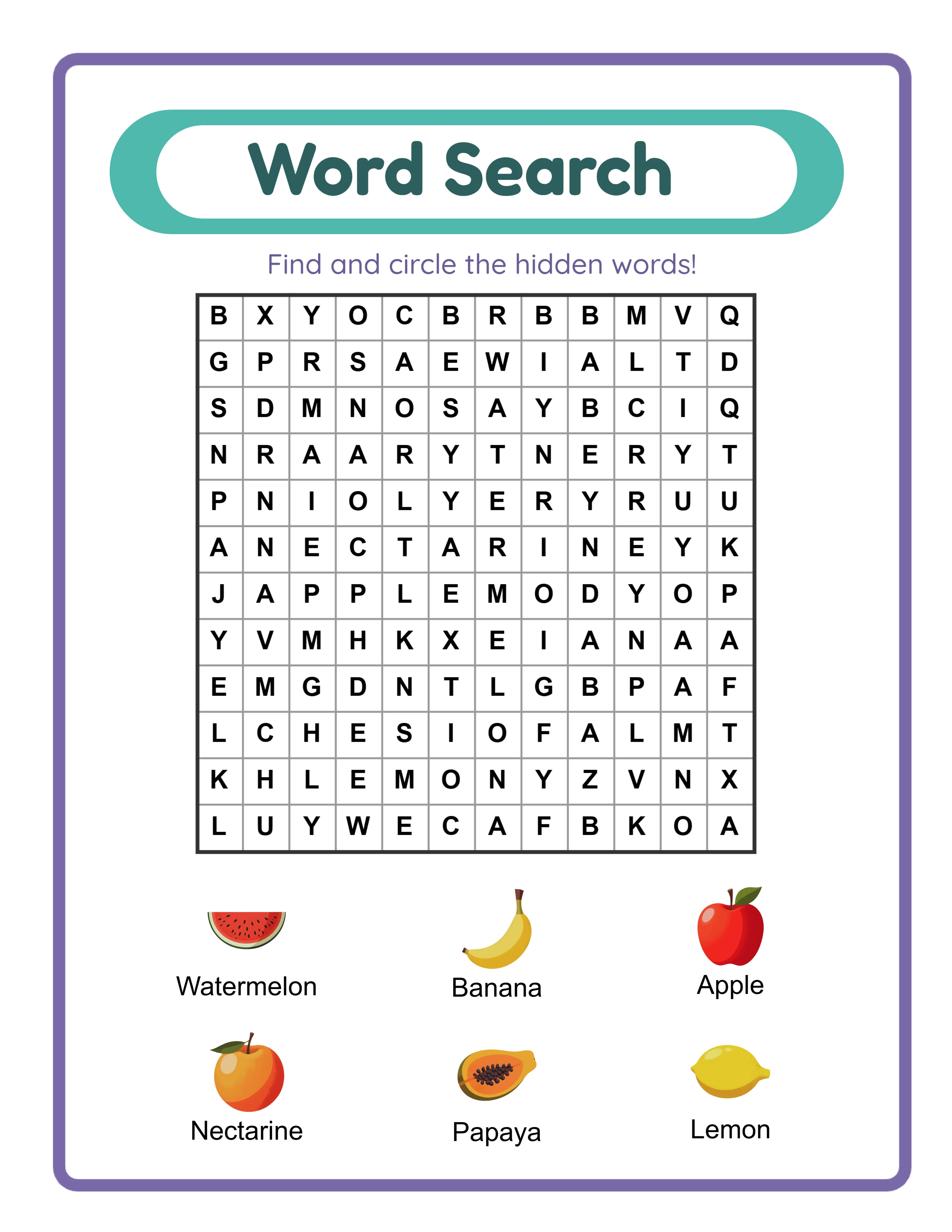
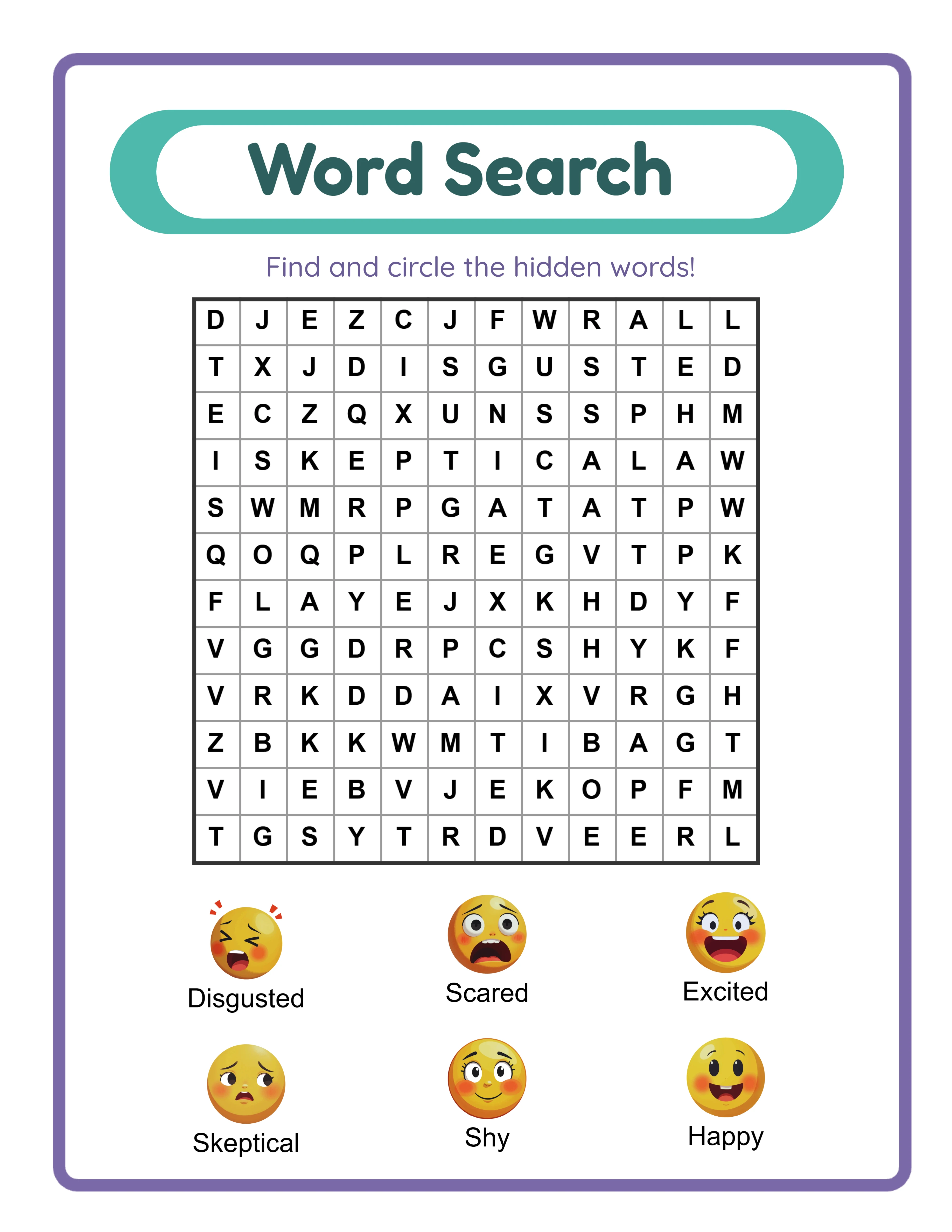
Word search is the single most popular puzzle format in the large print market. Here is how to configure the word search generator for maximum readability.
Grid size: Use 10x10 or 12x12 grids instead of the standard 15x15 or 20x20. A 12x12 grid on an 8.5 x 11 page gives each letter approximately 0.6 inches of space -- large enough to read without strain and large enough to circle with a thick marker.
Font size equivalent: At 12x12 on a full page, each letter renders at approximately 24 to 28 points -- comfortably readable for most seniors with mild to moderate vision impairment.
Words per puzzle: 6 to 10 words per puzzle. Fewer words means the grid is less dense, making it easier to scan visually. For "extra easy" large print books, use 6 to 8 words per 10x10 grid.
Word directions: For easy large print books, use horizontal and vertical only. For medium, add diagonal. Avoid reverse directions in large print books -- they add cognitive strain without adding enjoyment for this audience.
Word list placement: Position the word list below or beside the grid in 16 to 18 point font. Some publishers also include a small image next to each word for added visual interest.
Theme selection: Choose familiar, everyday themes for the senior audience: animals, food, flowers, household items, weather, clothing, music, and holidays. Avoid niche themes that may not resonate (video games, social media, modern slang).
Generate 50 to 80 word search puzzles for a complete large print book. The lower puzzle count (compared to standard print) is because each puzzle takes a full page at enlarged size.
3
Configuring Sudoku Puzzles for Large Print
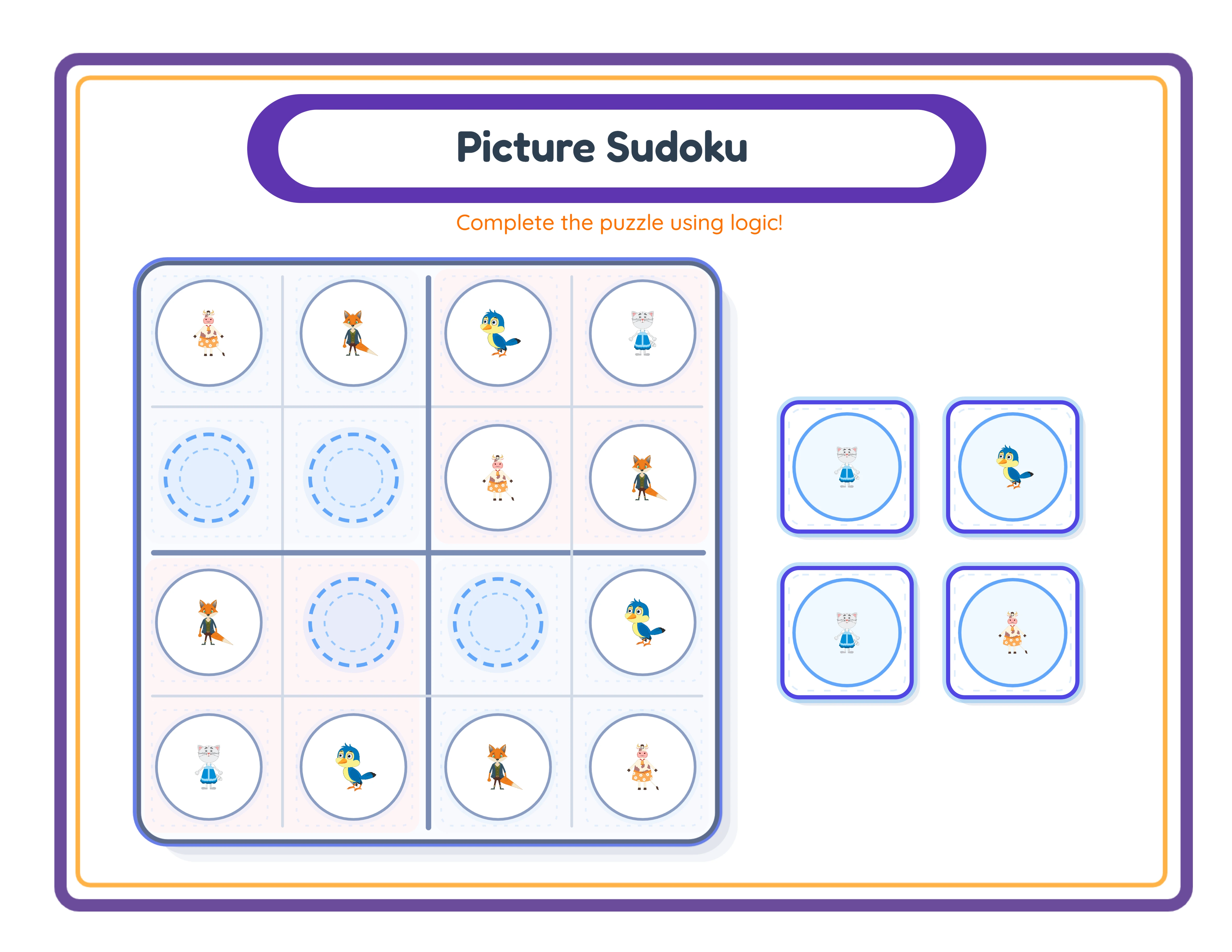
Picture sudoku in large print format is an underserved niche with strong demand. The LessonCraftStudio sudoku generator creates visual sudoku using themed images instead of numbers, which adds engagement and visual appeal.
Grid configuration: The generator creates 4x4, 6x6, or 9x9 picture sudoku grids. For large print books:
4x4 grids: Best for "extra easy" or cognitive exercise books targeting seniors with mild cognitive impairment. Each cell is very large, images are highly visible, and the logic challenge is gentle.
6x6 grids: The sweet spot for large print senior sudoku. Complex enough to be satisfying, simple enough to remain enjoyable. Each cell has ample space for the themed images.
9x9 grids: Works for large print books targeting active seniors who want a genuine challenge. At 8.5 x 11, a single 9x9 grid fills the page with cells approximately 0.8 inches square -- readable but more demanding.
Image themes: Use high-contrast, easily recognizable images. Animals with distinct silhouettes (cat, dog, bird, fish) work better than similar-looking items. The images must be instantly identifiable at the large print cell size.
Generate 40 to 60 sudoku pages. Mix difficulties within the book: start with 4x4 grids, progress to 6x6, and optionally include some 9x9 for advanced solvers. This progressive structure gives the book a natural learning curve.
Answer keys: The generator creates answer keys automatically showing the completed grid. In large print format, answer keys should also use enlarged images so readers can verify their solutions without switching to reading glasses.
4
Configuring Crossword Puzzles for Large Print
Large print crosswords with image clues fill a genuine gap in the market. Most large print crossword books use text clues in small font -- defeating the purpose of "large print." The LessonCraftStudio crossword generator uses images as clues, eliminating the small-text clue problem entirely.
Grid configuration: For large print, limit crosswords to 6 to 8 words per grid. This keeps the grid compact enough to display at enlarged size on a single page while still creating an engaging puzzle.
Image clue sizing: The image clues should be at least 0.75 x 0.75 inches each -- large enough to identify instantly. The generator's default sizing works well for standard print; for large print, configure fewer words per puzzle so each clue image gets more page space.
Grid cell sizing: Each crossword cell should be at least 0.5 x 0.5 inches in the large print format. This gives seniors enough space to write a letter in each cell with a standard pen or marker.
Theme selection: Use concrete, familiar vocabulary. A crossword with "cat, dog, fish, bird, horse, cow" as answers is perfect for large print because the image clues are unambiguous and the words are short.
Generate 30 to 40 crossword pages. Alternate themes across pages for variety. Export puzzles and answer keys as separate PDFs.
The image-clue approach has a bonus benefit for the senior market: it works for seniors with mild aphasia or word-finding difficulties. They can recognize the image and recall the word, which is both therapeutic and enjoyable.
5
Formatting Your Large Print Manuscript for KDP
Large print formatting is the critical differentiator. Here is how to structure your manuscript for maximum readability.
Trim size: Use 8.5 x 11 inches. This is the standard for large print puzzle books and gives maximum page area for enlarged content. Do not use 6 x 9 -- it is too small for genuinely large print puzzles.
Margins: Use generous margins -- 1 inch on all sides minimum. The wider margins create visual breathing room that seniors find more comfortable than tight margins packed with content.
One puzzle per page: Every puzzle gets a full page. No sharing pages, no two-up layouts. This is the defining characteristic of large print formatting.
Page headers: Puzzle type and number in 16 to 18 point font at the top of each page. "Word Search #15" or "Sudoku #8" in a clean, sans-serif font.
Word lists: For word search puzzles, the word list should use 16 to 18 point font with generous line spacing (1.5x). Arrange words in a single column or two columns maximum.
Answer keys: Large print answer keys are essential. Do not shrink answer keys to save pages -- this is a common mistake that frustrates senior buyers. Answer keys should use the same enlarged format as the puzzles themselves.
Manuscript structure:
Page 1: Title page in 24 to 30 point font
Page 2: Copyright page in 14 point font
Pages 3-4: Instructions in 16 point font with example puzzles
Pages 5-74: Puzzle pages (one per page, progressive difficulty)
Pages 75-144: Answer key pages (one per page, enlarged format)
Page 145: Catalog page listing other titles in the series
This structure results in approximately 145 pages -- a solid large print book.
6
Cover Design for the Senior Market
Large print puzzle book covers must communicate readability and appropriate difficulty instantly.
Font size on cover: The title must be in genuinely large font. "LARGE PRINT" should be the most prominent text on the cover -- bigger than the puzzle type name. This is what buyers scan for in search results.
Color choices: Use high-contrast color schemes. Dark text on light backgrounds. Avoid low-contrast combinations (yellow on white, light blue on white). Seniors with vision impairment need strong contrast to read cover text in thumbnails.
Avoid cluttered designs: Simpler covers with fewer elements perform better in this niche. A clean background, large title text, "LARGE PRINT" prominently displayed, the puzzle type, and a small sample puzzle preview. That is all you need.
Age-appropriate imagery: Use warm, inviting colors. Avoid childish designs -- seniors do not want covers that look like children's books. A clean, elegant design with sophisticated color choices signals "adult large print" rather than "kids' activity book."
Include on the front cover:
- "LARGE PRINT" in the largest font size
- Puzzle type (Word Search, Sudoku, Crossword, or Mixed Puzzles)
- Puzzle count ("50 Puzzles" or "70 Easy Puzzles")
- "With Full Answer Keys"
- Difficulty level ("Easy" or "Easy to Medium")
Back cover:
- Bullet points listing features (large grids, big fonts, one puzzle per page)
- Sample puzzle preview showing the enlarged format
- Target audience mention ("Perfect for seniors and anyone who prefers larger print")
- ISBN barcode area
Design tools: Canva has KDP cover templates. Use the cover calculator on kdp.amazon.com for exact dimensions.
7
Publishing and Listing Optimization for Large Print Books
Large print puzzle book listings need to emphasize readability features more than puzzle complexity.
Title: Lead with "Large Print." Examples:
- "Large Print Word Search for Seniors: 60 Easy Themed Puzzles with Big Grids and Full Answer Keys"
- "Large Print Sudoku for Adults: 50 Picture Puzzles -- Easy to Medium -- Big Font"
- "Large Print Crossword Puzzles: 40 Picture Crosswords with Extra-Large Clues and Answers"
Subtitle: Reinforce the large print value. "One Puzzle Per Page -- 12x12 Grids -- 18pt Word Lists -- Perfect for Seniors and Visually Impaired Readers"
Keywords (7 slots):
- "large print word search for seniors"
- "big font puzzle book elderly"
- "large print sudoku easy"
- "cognitive exercise book seniors"
- "activity book for elderly adults"
- "large print puzzle book with answers"
- "gift for senior puzzle lover"
Description: Describe the large print features in detail. Mention specific grid sizes, font sizes, spacing, and one-puzzle-per-page format. Seniors and caregivers read descriptions carefully before purchasing. Include bullet points listing every accessibility feature.
Categories: "Large Print" primary (if available), "Puzzle Books" secondary. Amazon has a "Large Print" sub-category that gets targeted traffic from large print book shoppers.
Pricing: Large print justifies premium pricing:
- US: $8.99 to $10.99 (standard large print book pricing on Amazon)
- Europe: $10.99 to $12.99
- Seniors and caregivers are less price-sensitive than general puzzle book buyers
- The "Large Print" label alone supports a $2 to $3 premium over standard print equivalents
8
Building a Large Print Puzzle Catalog
The large print niche rewards catalog depth more than almost any other KDP category because of the loyal, repeat-buying audience.
Format series: Create large print versions of every puzzle type you publish. "Large Print Word Search Volume 1" through Volume 10. "Large Print Sudoku Volume 1" through Volume 5. "Large Print Crossword Puzzles Volume 1" through Volume 5. Twenty to thirty books covering three formats.
Difficulty series: "Large Print Easy Word Search" for beginners and those with cognitive challenges. "Large Print Medium Word Search" for regular solvers. Two difficulty levels per format doubles your catalog.
Theme series: "Large Print Animal Word Search," "Large Print Food Word Search," "Large Print Holiday Word Search." Themed large print books target specific keyword searches and justify additional volumes.
Mixed puzzle compilations: "Large Print Mixed Puzzles for Seniors: Word Search, Sudoku & Crossword" -- a premium compilation at $10.99 to $12.99 targeting buyers who want variety.
Seasonal editions: Christmas, Easter, Valentine's Day, and birthday-themed large print puzzle books. These spike during gifting seasons.
The retention advantage: A senior who buys your "Large Print Word Search Volume 1" and enjoys it will look for Volume 2 within 2 to 3 months. If you have 10 volumes available, one customer generates 10 sales over 2 to 3 years. This lifetime customer value is exceptionally high for KDP.
Catalog math: 30 large print books averaging 1.5 copies per day at $1.50 to $2.50 royalty = $67.50 to $112.50 per day = $2,025 to $3,375 per month. This is achievable within 12 to 18 months of consistent publishing.