Tutorial
1
Understanding the TPT Math Worksheet Marketplace
Before generating your first worksheet, you need to understand how math resources perform on TPT and where the opportunities lie.
TPT math category breakdown: Math is the single largest category on TPT by both product count and revenue. Within math, the highest-demand subcategories are basic operations (addition, subtraction, multiplication, division), number sense, place value, fractions, and word problems. Basic operations worksheets sell at the highest volume because they serve the widest grade range -- kindergarten through grade 5 all need operation practice.
Buyer demographics: TPT math worksheet buyers fall into three groups. Classroom teachers (roughly 60%) purchase worksheets for daily practice, homework assignments, and test prep. Homeschool parents (roughly 25%) buy worksheets aligned to grade-level expectations. Tutoring centers and intervention specialists (roughly 15%) need targeted practice at specific skill levels. Each group has different needs, and you can tailor your products accordingly.
Price points: Individual math worksheets on TPT typically sell for $1.50 to $4.00. Worksheet packs (10 to 20 pages) sell for $4.00 to $8.00. Bundles (50 to 100 pages across multiple skills) sell for $12.00 to $25.00. The highest revenue per product comes from bundles, but individual worksheets drive the most total transactions and build your review count faster.
Competitive landscape: The math worksheet category is competitive, but there is a clear quality divide. Most TPT math worksheets are plain text on a white background -- functional but visually unengaging. Worksheets with themed images, professional layouts, and consistent branding command higher prices and earn more repeat buyers. This is exactly the gap the LessonCraftStudio generators help you fill.
Seasonal patterns: Math worksheet sales on TPT follow the school calendar. Sales spike during back-to-school season (August to September), after winter break (January), and during spring test prep (March to April). Summer sales dip but remain steady from homeschool buyers. Plan your product launches around these cycles for maximum initial visibility.
2
Generating Math Worksheets: Four Operation Modes
The LessonCraftStudio math generators offer four distinct operation modes, each producing a different type of math worksheet. Understanding when to use each mode is essential for building a comprehensive TPT catalog.
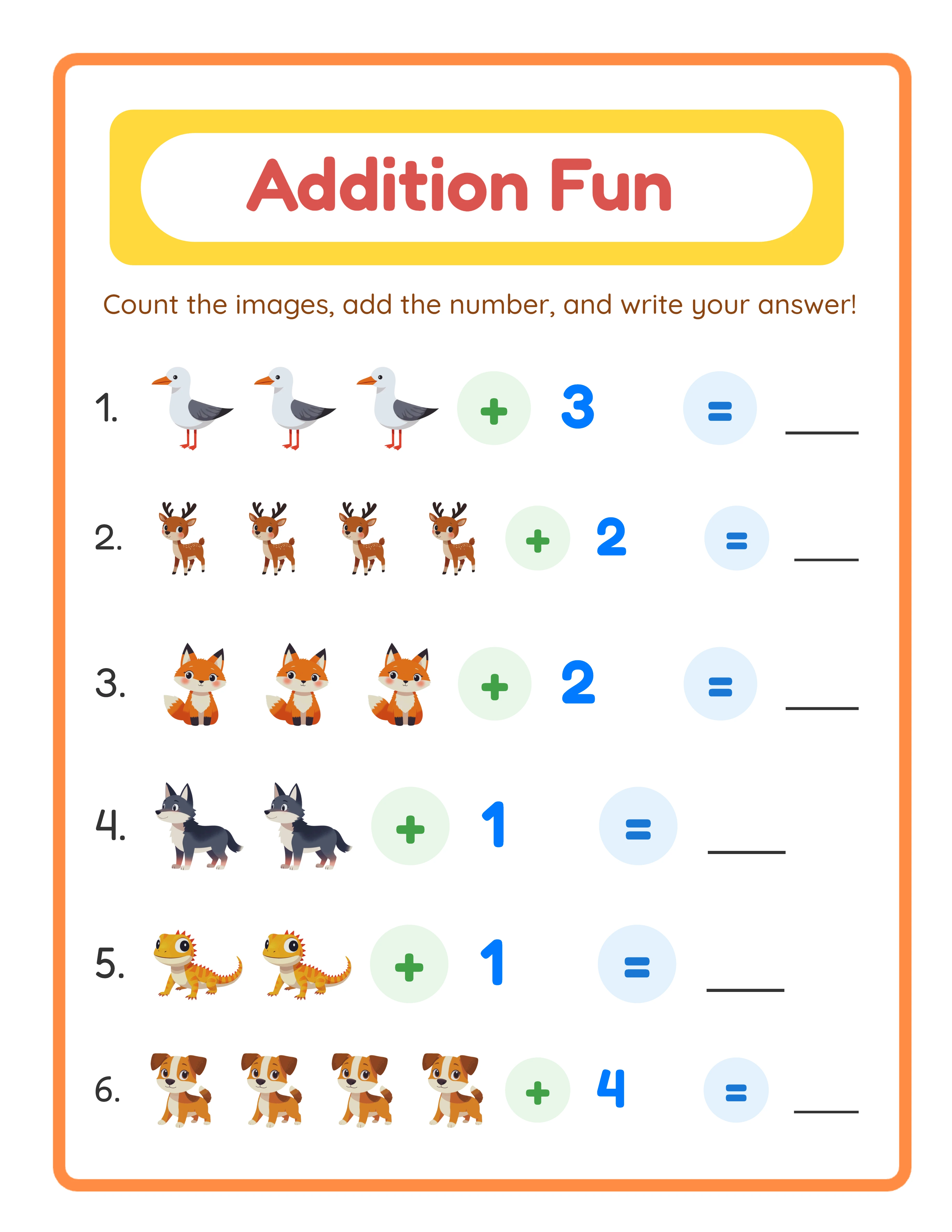
Addition mode: The addition generator creates worksheets with addition problems ranging from single-digit sums to multi-digit column addition. You control the number range (1-10 for kindergarten, 1-100 for grade 2, 1-1000 for grade 3+), the number of problems per page, and whether carrying (regrouping) is required. Each worksheet includes an automatic answer key. For TPT, addition worksheets are your highest-volume sellers because addition is taught first and practiced longest.
Subtraction mode: The subtraction generator mirrors the addition generator's controls but produces subtraction problems. You set the minuend range, choose whether borrowing (regrouping) is required, and control whether negative answers are allowed. Subtraction worksheets pair naturally with addition worksheets in bundles -- buyers who purchase your addition pack often buy the matching subtraction pack.
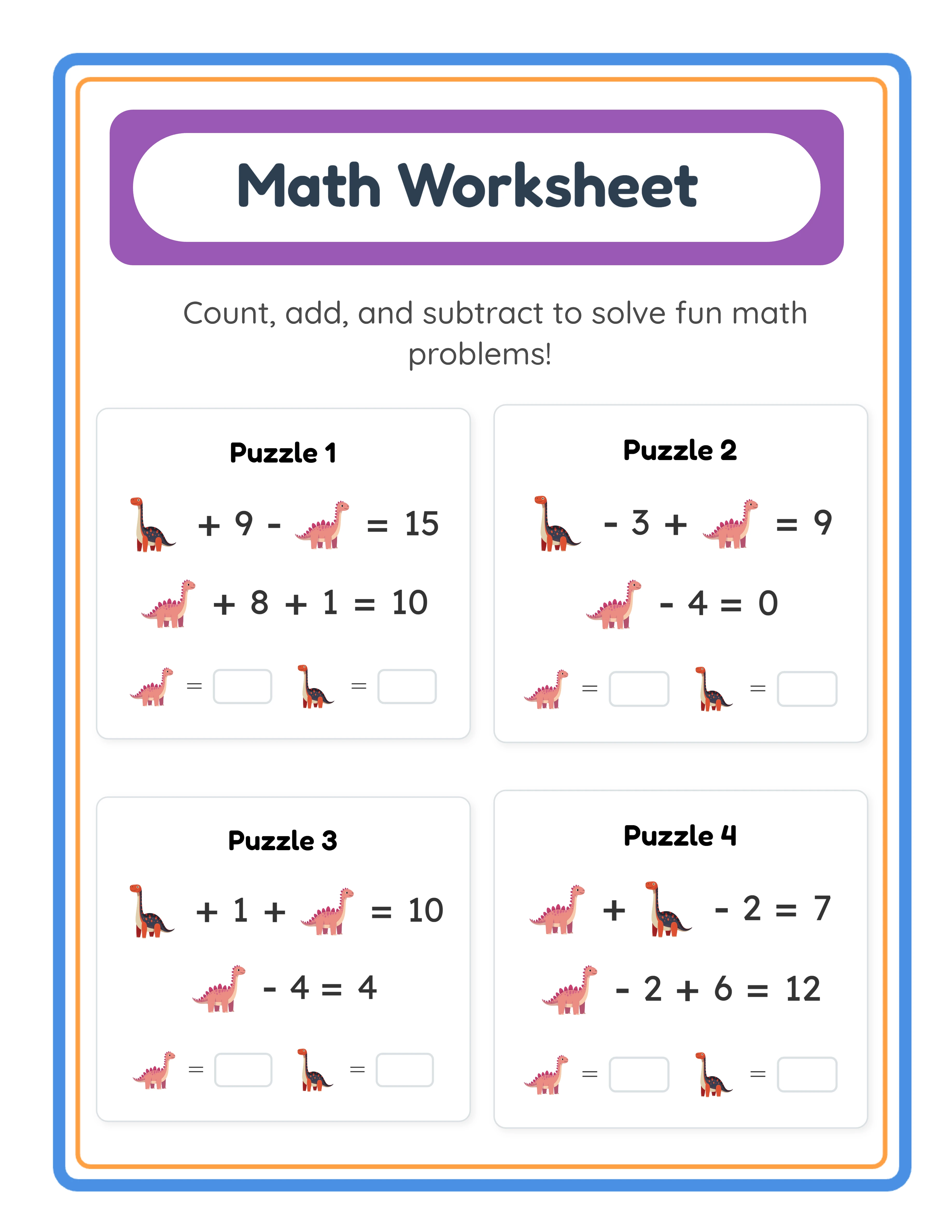
Mixed operations mode: The math worksheet generator's mixed mode combines addition and subtraction (and optionally multiplication and division) on a single page. Mixed operation worksheets are ideal for review and assessment. They test whether learners can identify the correct operation, not just execute it. On TPT, mixed operation worksheets sell well as test prep resources and end-of-unit reviews.
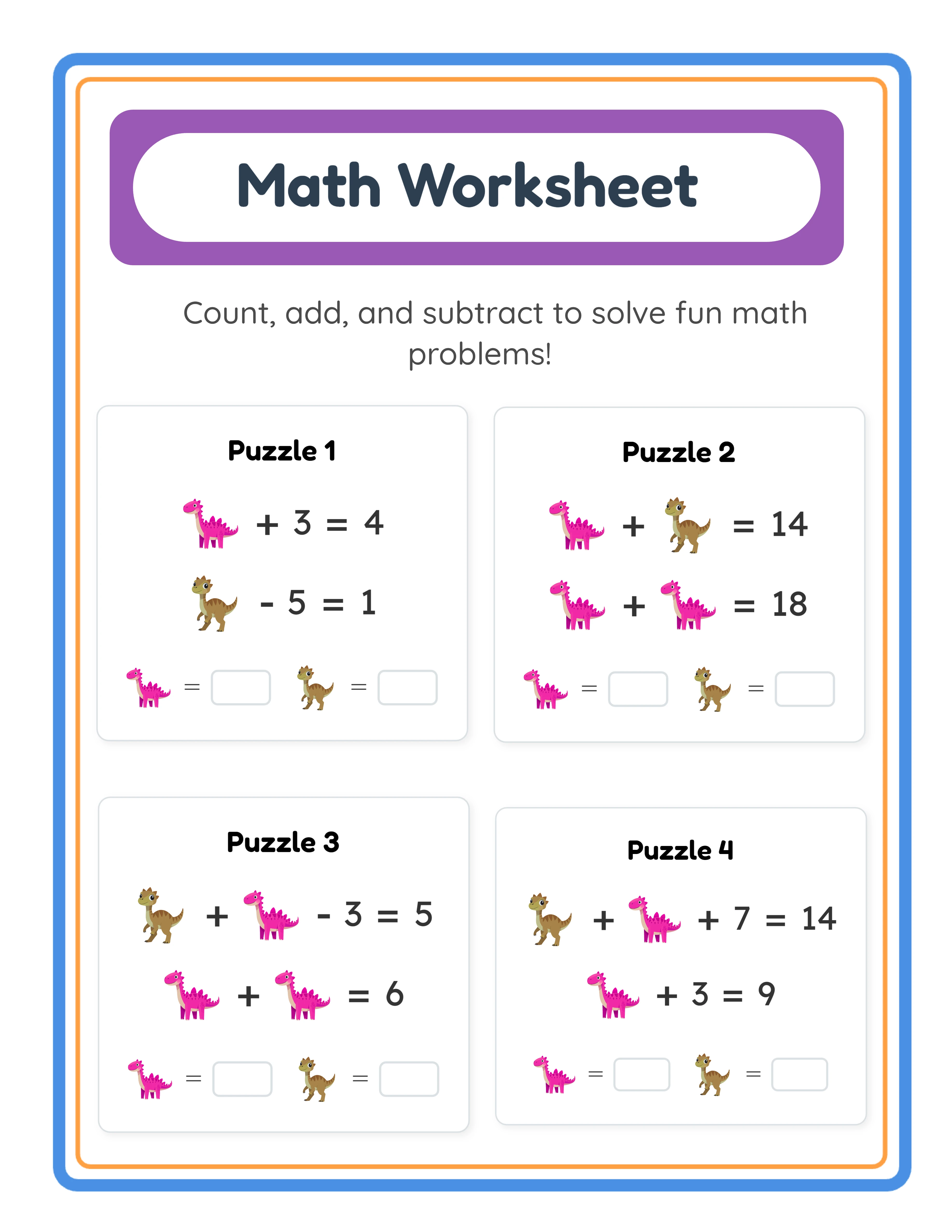
Math puzzle mode: The math puzzle generator creates engaging puzzle-format worksheets where solving math problems reveals a hidden picture or pattern. These are premium products on TPT because they add a game element to math practice. Puzzle worksheets consistently earn higher ratings and more favorites than standard drill sheets.
For each mode, the generator handles problem randomization, layout formatting, answer key generation, and themed image placement. You select the parameters, click generate, and receive a print-ready PDF at 300 DPI -- the professional standard that TPT buyers expect.
3
Setting Difficulty Levels for TPT Grade Bands
TPT buyers search by grade level, so your worksheets must be precisely calibrated to specific grade bands. Here is how to configure the generators for each target audience.
Pre-K to Kindergarten (ages 4-6): Set number ranges to 1-10. Use addition only (no subtraction with borrowing). Limit problems to 8-12 per page with large fonts and ample spacing. Include themed images between problems to maintain visual interest. These worksheets sell well year-round because early math practice is always in demand.
Grade 1 (ages 6-7): Number ranges of 1-20 for addition and subtraction. No regrouping. 12-15 problems per page. Begin introducing simple missing addend problems (e.g., 7 + ___ = 12). Grade 1 math worksheets are among the highest-selling on TPT due to the volume of practice required at this level.
Grade 2 (ages 7-8): Number ranges of 1-100. Introduce two-digit addition and subtraction with regrouping. 15-20 problems per page. Include a mix of horizontal and vertical problem formats. This is where column addition and subtraction become critical skills.
Grade 3 (ages 8-9): Number ranges of 1-1000. Multi-digit addition and subtraction with multiple regrouping steps. 15-20 problems per page. Introduce mixed operation worksheets for review. This grade band benefits from math puzzle formats that keep practice engaging.
Grade 4-5 (ages 9-11): Large number ranges (1-10000+). Multi-step problems. Mixed operations with all four operations. 20-25 problems per page with smaller spacing. These worksheets serve test prep and intervention needs.
For every grade band, always state the exact grade level and skill focus in your TPT product title and description. TPT's search algorithm heavily weights grade-level tags, and buyers filter by grade before anything else.
4
Formatting Math Worksheets for TPT Standards
TPT buyers have specific expectations for worksheet formatting. Meeting these expectations is the difference between a product that earns 5-star reviews and one that gets returned.
Page size: US Letter (8.5 x 11 inches) is the standard for TPT math worksheets. It is the default paper size for home and school printers across North America, which is TPT's primary market. The generators output this size by default.
Print quality: 300 DPI is the minimum for professional printables. The generators export at 300 DPI, ensuring crisp text and clean grid lines even on standard inkjet printers. Lower resolution (72 or 150 DPI) produces blurry text that buyers notice immediately.
Margins: Leave at least 0.5 inches on all sides. Many school printers cannot print to the edge, and insufficient margins cause content to be clipped. The generator's default margins are optimized for standard printer capabilities.
Font choices: The generators use clean, highly readable fonts. For math worksheets, readability is paramount -- buyers reject worksheets where numbers are ambiguous (a 6 that looks like a 0, or a 1 that looks like a 7). The generator fonts are specifically chosen to avoid these ambiguities.
Answer key formatting: Every worksheet must include a matching answer key. The generators produce answer keys automatically with the same layout as the worksheet, making it easy for buyers to check work. On TPT, missing answer keys are the number-one complaint in negative reviews.
Themed images: The generators let you embed images from 104 themed collections containing 3,000+ illustrations. Adding 2-4 themed images per worksheet transforms a plain drill sheet into a visually appealing resource that justifies higher pricing. A "farm animals" addition worksheet with cow and horse illustrations feels more intentional and engaging than blank rows of numbers.
File delivery format: TPT accepts PDFs for instant download products. Export each worksheet and its answer key as a single PDF. For worksheet packs, compile all worksheets followed by all answer keys in one PDF file.
5
Optimizing TPT Listings for Maximum Visibility
Your worksheet quality determines repeat purchases, but your listing optimization determines whether buyers find you in the first place. TPT's search algorithm ranks products based on title keywords, description relevance, sales velocity, and review ratings.
Product title: Front-load your title with the most important keywords. TPT displays approximately 55 characters in search results before truncating. A title like "Addition Worksheets Grade 2 -- Two-Digit With Regrouping -- 20 Pages + Answer Keys" communicates the skill, grade, specifics, quantity, and included answer keys within the visible limit.
Product description: Write 200 to 500 words describing exactly what the buyer receives. Include the number of pages, grade level, specific skills practiced, answer key confirmation, and printing instructions. Use bullet points for scanability. Mention that worksheets are print-ready at 300 DPI and include professional themed illustrations.
Tags and categories: TPT allows you to add tags to each product. Use all available tag slots. Combine broad terms ("math worksheets," "addition practice") with specific terms ("two-digit addition with regrouping," "grade 2 math drill"). Select the most specific subject and grade categories available.
Thumbnail image: Your product thumbnail is what buyers see in search results. Create a clean, well-lit mockup showing 2-3 worksheet pages fanned out. Include a small banner with "Answer Keys Included" or "20 Pages" to communicate value instantly. The themed images on your worksheets make naturally attractive thumbnails.
Preview file: TPT allows you to upload a preview PDF that buyers can view before purchasing. This is your most powerful conversion tool -- covered in detail in the next section.
6
Preview File Strategy That Converts Browsers to Buyers
Your TPT preview file is the single most influential factor in converting a listing visitor into a paying customer. A strategic preview file shows enough to demonstrate quality while withholding enough to justify the purchase.
What to include in your preview:
Page 1 -- Cover page: A branded title page with your store name, product title, and a visual that matches your thumbnail. This establishes professionalism immediately.
Page 2 -- Table of contents or overview: List what is included in the full product. "20 Addition Worksheets (Single Digit, No Regrouping) + 20 Answer Keys" tells the buyer exactly what they get.
Pages 3-4 -- Two complete sample worksheets: Show two full worksheets from the product so buyers can evaluate the layout, font size, problem difficulty, image quality, and overall design. These pages demonstrate that your product is professionally made and worth the price.
Page 5 -- One answer key sample: Show one answer key so buyers know the format. Teachers need to verify that answer keys match the worksheet layout before purchasing.
Page 6 -- Terms of use: A brief, clear statement of what the license allows (single classroom use, homeschool family use, etc.) and what it does not allow (redistribution, resale, sharing on file-sharing sites).
What to NOT include: Never include the entire product in the preview. If buyers can print the preview and get usable worksheets, they have no reason to purchase. The sample worksheets in your preview demonstrate quality -- the full product delivers quantity.
Preview file format: Create the preview as a separate PDF. TPT allows one preview file per product. Keep it under 10 pages -- long previews feel like padded content rather than genuine samples.
7
Bundling Math Worksheets for Higher Revenue
Bundling is the most effective pricing strategy on TPT. A bundle combines multiple related products into a single listing at a discounted total price. Buyers perceive bundles as better value, and your revenue per transaction increases significantly.
Bundle types that work for math worksheets:
Grade-level bundles: Combine all your math worksheets for a single grade into one mega-bundle. "Grade 2 Math Bundle -- Addition, Subtraction, Mixed Operations -- 100 Worksheets + Answer Keys" at $18.99 (compared to $40+ if bought individually) is a compelling offer for teachers who need year-round resources.
Operation bundles: Group all difficulty levels of one operation. "Addition Worksheets Complete Bundle -- Kindergarten Through Grade 5 -- 60 Worksheets" lets a single buyer cover their needs across multiple years or serve a multi-grade classroom.
Seasonal bundles: Combine fall-themed, winter-themed, spring-themed, and summer-themed math worksheets. "Year-Round Themed Math Worksheets -- 80 Pages Across All Seasons" appeals to buyers who want consistent visual branding throughout the school year.
Bundle pricing: The TPT convention is to price bundles at 20% to 30% less than the sum of individual products. If four individual packs sell for $5.00 each ($20.00 total), price the bundle at $14.00 to $16.00. This gives buyers a clear discount while maintaining healthy margins.
Bundle creation workflow: First, generate and publish individual worksheet packs as standalone products. Then create the bundle listing that references those individual products. This way, buyers who already own some components can see the bundle discount and purchase the rest. TPT's bundle feature automatically adjusts the price for buyers who already own included products.
The themed image library is particularly valuable for bundles. Using a consistent theme across all worksheets in a bundle (all animal-themed, all food-themed, all vehicle-themed) creates visual cohesion that elevates the perceived quality of the entire package.
8
Scaling Your TPT Math Worksheet Store
A single math worksheet product earns modest revenue. A catalog of 100+ products earns meaningful monthly income. Here is how to scale systematically without burning out.
The multiplication strategy: Start with one operation (addition), one grade level (grade 2), and one theme (animals). Create a 20-page worksheet pack. Then multiply across three dimensions:
Dimension 1 -- Operations: Create the same grade 2 animals pack for subtraction, mixed operations, and math puzzles. That is 4 products from one concept.
Dimension 2 -- Grade levels: Adapt your grade 2 addition animals pack for grades K, 1, 3, 4, and 5 by adjusting number ranges and difficulty. That is 6 grade levels times 4 operations = 24 products.
Dimension 3 -- Themes: Swap the animal theme for food, vehicles, holidays, nature, and sports themes. Each theme creates a visually distinct product line. Six themes times 24 products = 144 individual products.
Dimension 4 -- Languages: The generators support 11 languages. Even targeting just 3 additional languages (Spanish, French, German) quadruples your potential catalog. Non-English TPT math resources face dramatically less competition.
Production schedule: With the generators, you can realistically produce 5 to 10 worksheet packs per week. At that rate, you build a 100-product store in 10 to 20 weeks. Front-load your production before back-to-school season (launch products in June and July for August demand).
Automation tips: Develop a template for your TPT listings -- product description, tags, preview file format -- and reuse it across products. Change only the specifics (grade, operation, theme) for each new listing. This cuts listing creation time from 30 minutes to 10 minutes per product.
Quality consistency: Use the same generator settings, the same page layout, and the same branding elements across all products. Buyers who trust one product will purchase more from a store with consistent quality. The generators enforce this consistency automatically -- every worksheet uses the same professional formatting.